





Fair Necessities: Eight Exceptional Works at Art Basel Hong Kong 2025
As the city warms up for Art Basel Hong Kong this week, Ocula Advisor Rory Mitchell selects the best and most intriguing works to seek out at the fair. Save to My OculaAs the city warms up for Art Basel Hong Kong this week, Ocula Advisor Rory Mitchell selects the best and most intriguing works to seek out at the fair—among them pieces by Joan Brown, Yuichi Hirako, and Paul Pfeiffer.
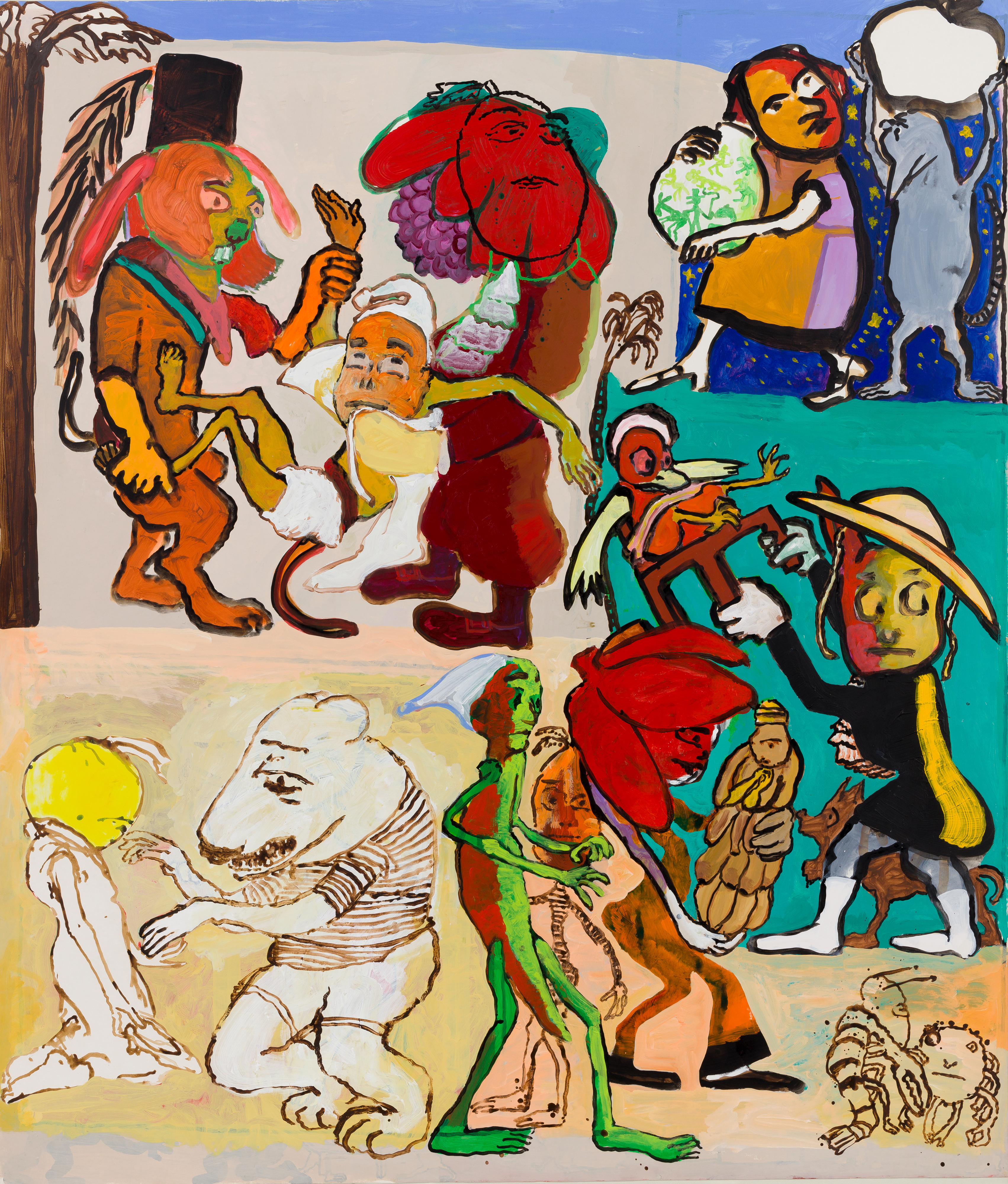
1. Paula Rego, Jenufa II (1983) at Victoria Miro
Paula Rego is one of my favourite painters. Her works are magical. While her paintings from the 1990s are among her most famous and achieve big prices at auction, I love her earlier work from the 1980s. The style is looser and more colourful, with works such as Jenufa II (1983) playfully riffing off nursery rhymes, children’s stories, and operas.
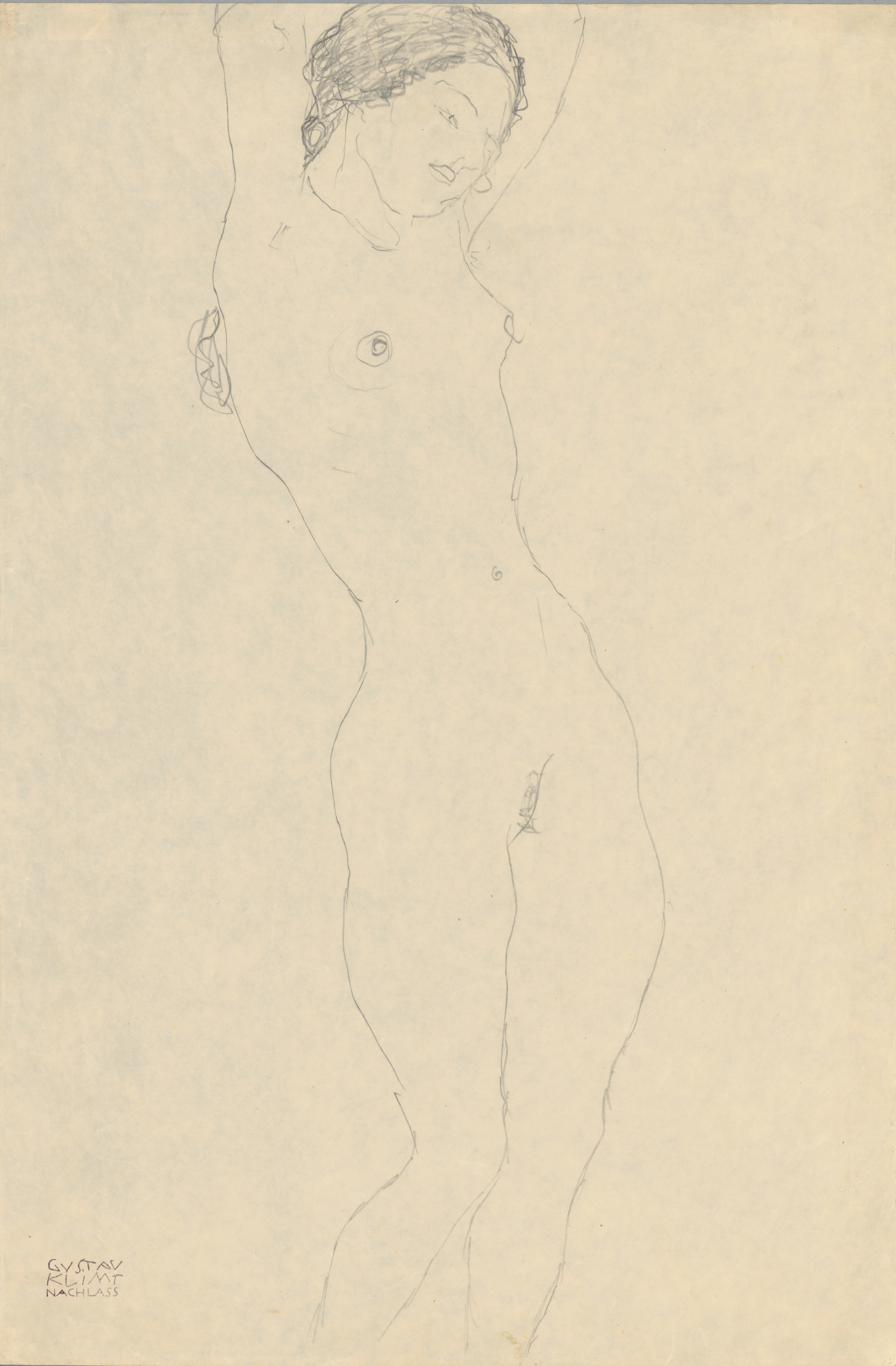
2. Gustav Klimt, Female Nude with Raised Arms (Study for Friends II) (c. 1917) at Richard Nagy Ltd
This Gustav Klimt drawing, created the year before the artist’s death in 1918, is gorgeous. I love the clarity of line and the way the figure cuts through the central vertical, cropped at the top and bottom. Every mark is crucial to the composition, even the tiny scribble of hair appearing from behind her back.
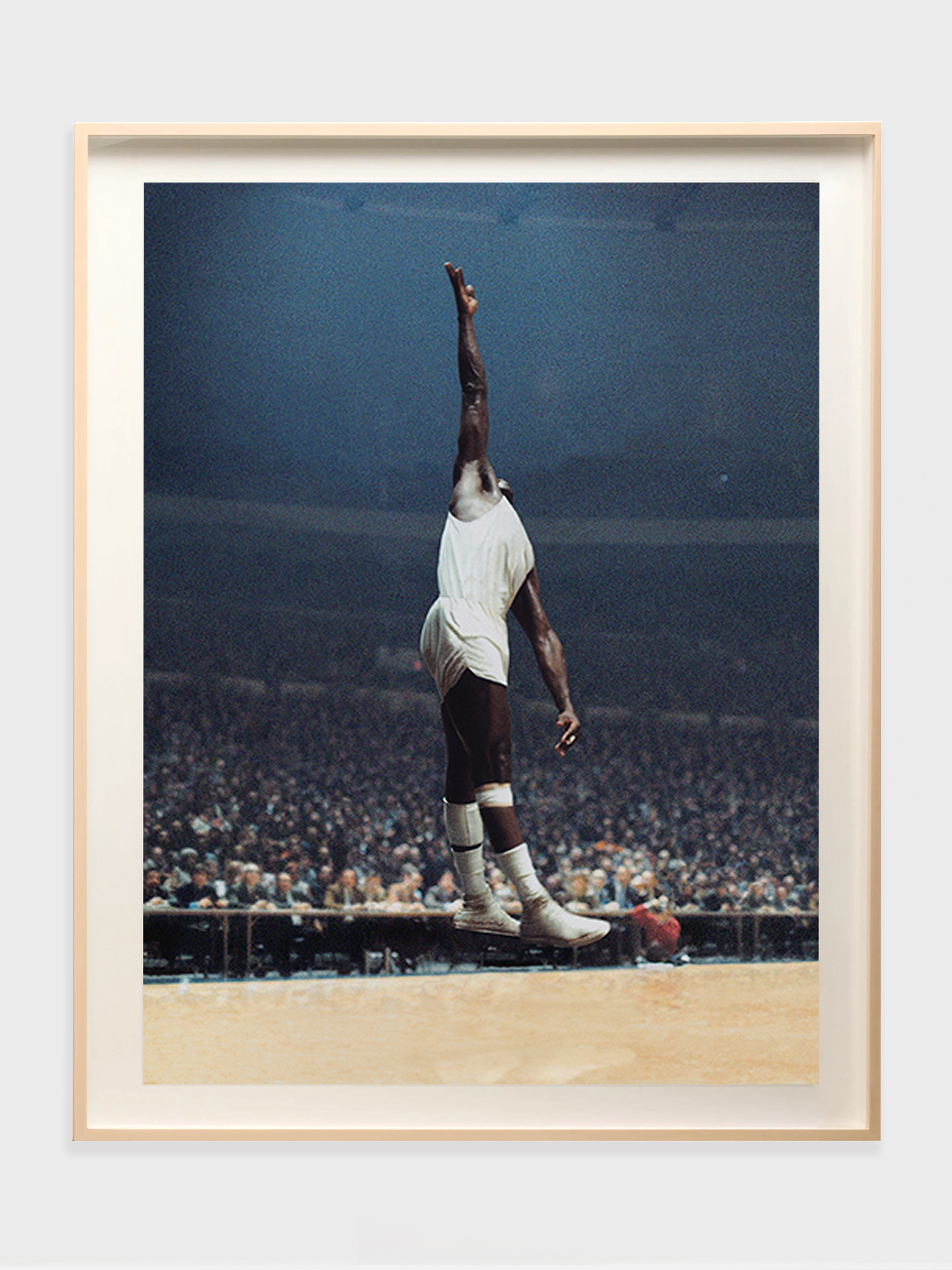
3. Paul Pfeiffer, Four Horsemen of the Apocalypse (8) (2003–2018) at Thomas Dane Gallery
Paul Pfeiffer had a major solo show at The Geffen Contemporary at MoCA in Los Angeles last year, which included works from the ‘Four Horsemen of the Apocalypse’ series (2003–2018). These are such powerful pieces: Pfeiffer isolates the image of a basketball player in action, removing other players, branding, and the ball. He shifts our focus away from the situation and onto the human form. Four Horsemen of the Apocalypse (8) is particularly extraordinary because the player’s head is hidden from view. An edition of the work was acquired by The Whitney Museum of American Art for their permanent collection.
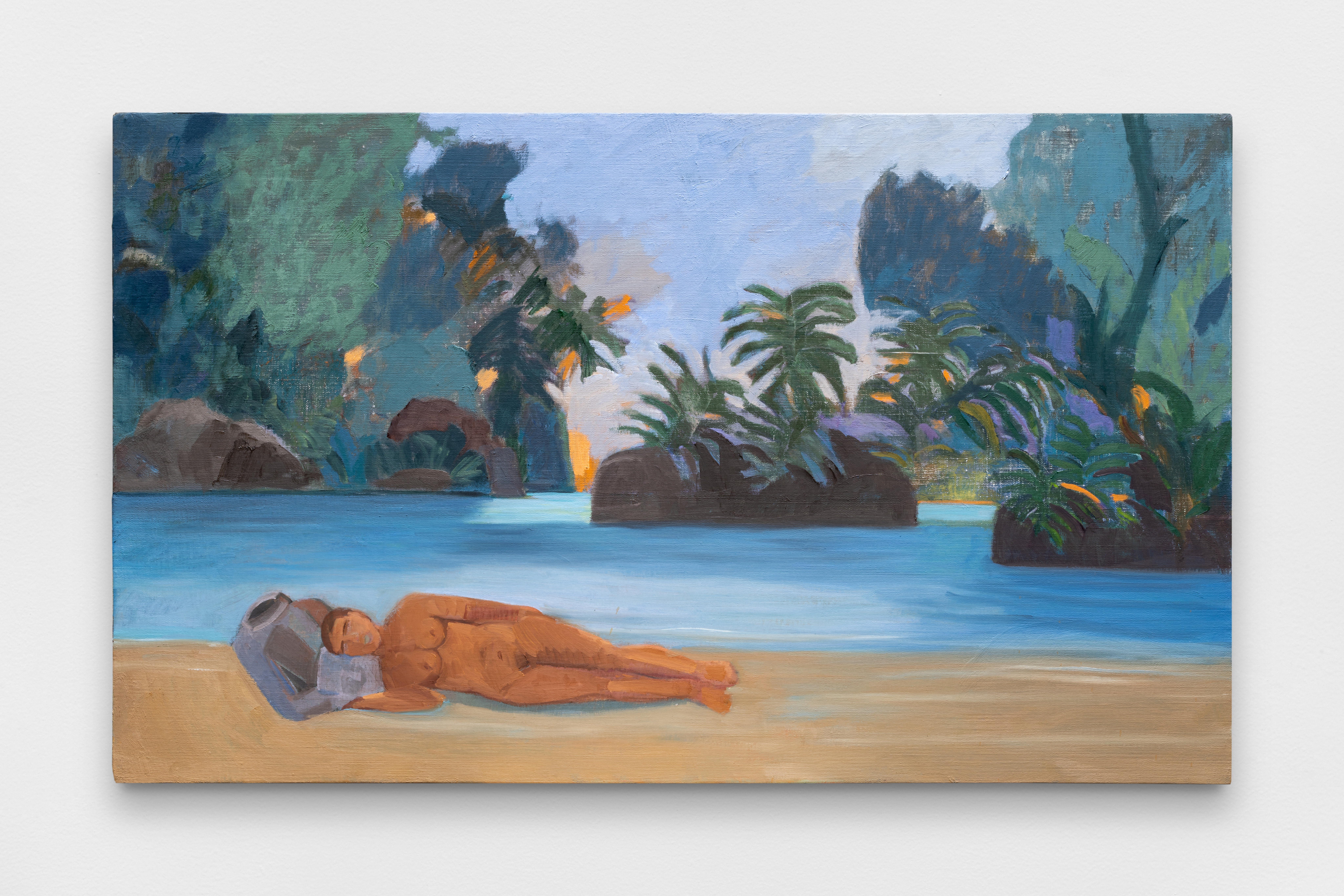
4. Roberto Gil de Montes, La piedra (2024) at Kurimanzutto
Over the past five years, Mexican artist Roberto Gil de Montes has enjoyed the attention of galleries, museums, and collectors worldwide and his work was included in the 2022 edition of the Venice Biennale. Now aged 75, his recent success, initiated by the influential Mexican gallery, Kurimanzutto, is a classic case of the art world making up for lost time. His paintings usually depict male figures on the beach, often in slightly surreal situations.

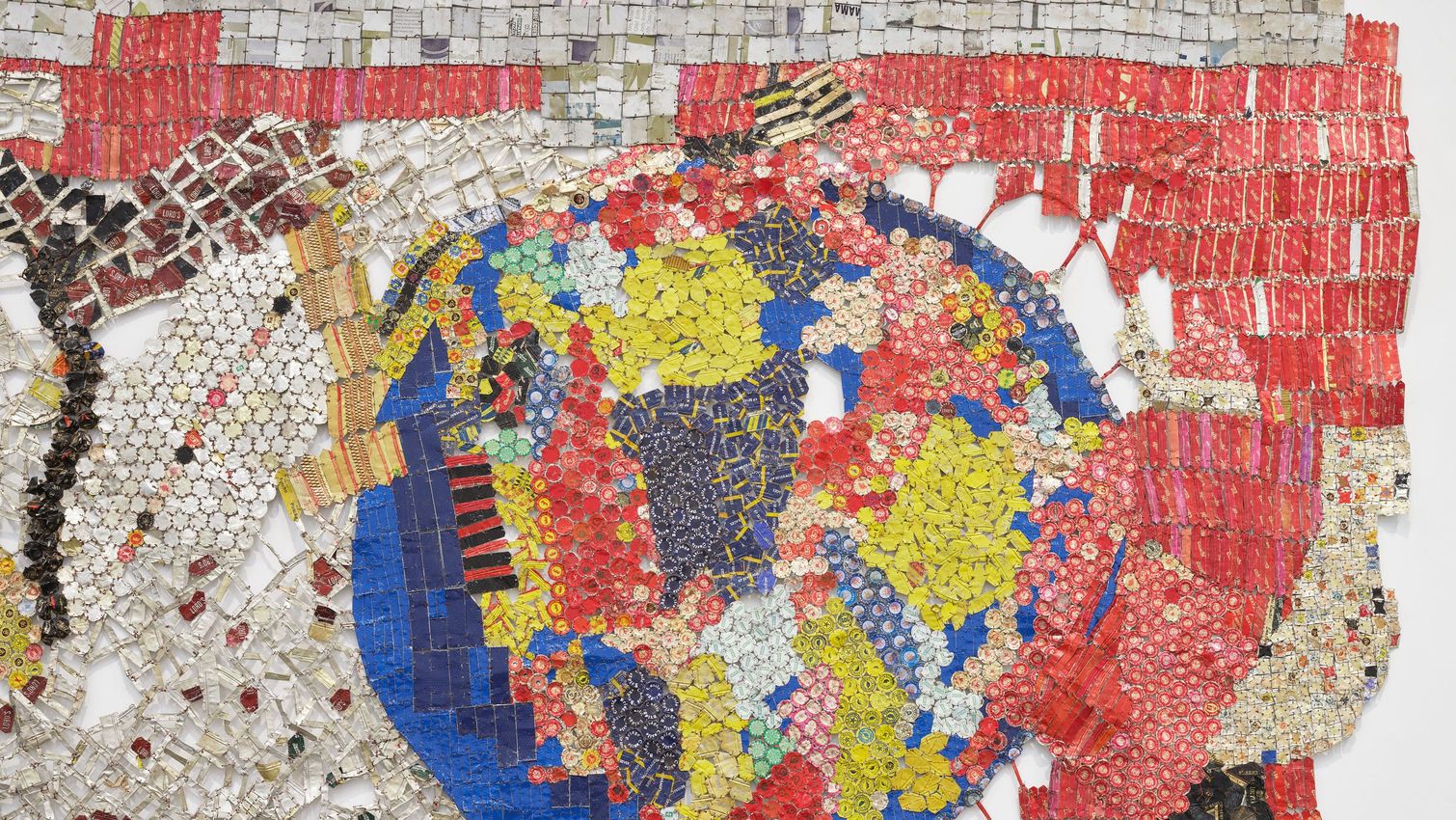
5. El Anatsui, Blue Moon (2025) at Axel Vervoordt
Ghanaian artist El Anatsui is a master of his craft. His sculptural wall hangings are shimmering tapestries made up of countless bottle tops laced together with copper wire. His Hyundai Commission for Tate Modern‘s Turbine Hall, Behind the Red Moon, included a work measuring 30 metres in height, and was one of the most successful in years. Smaller creations, such as the recent Blue Moon (2025), can be adjusted to fit into different spaces.
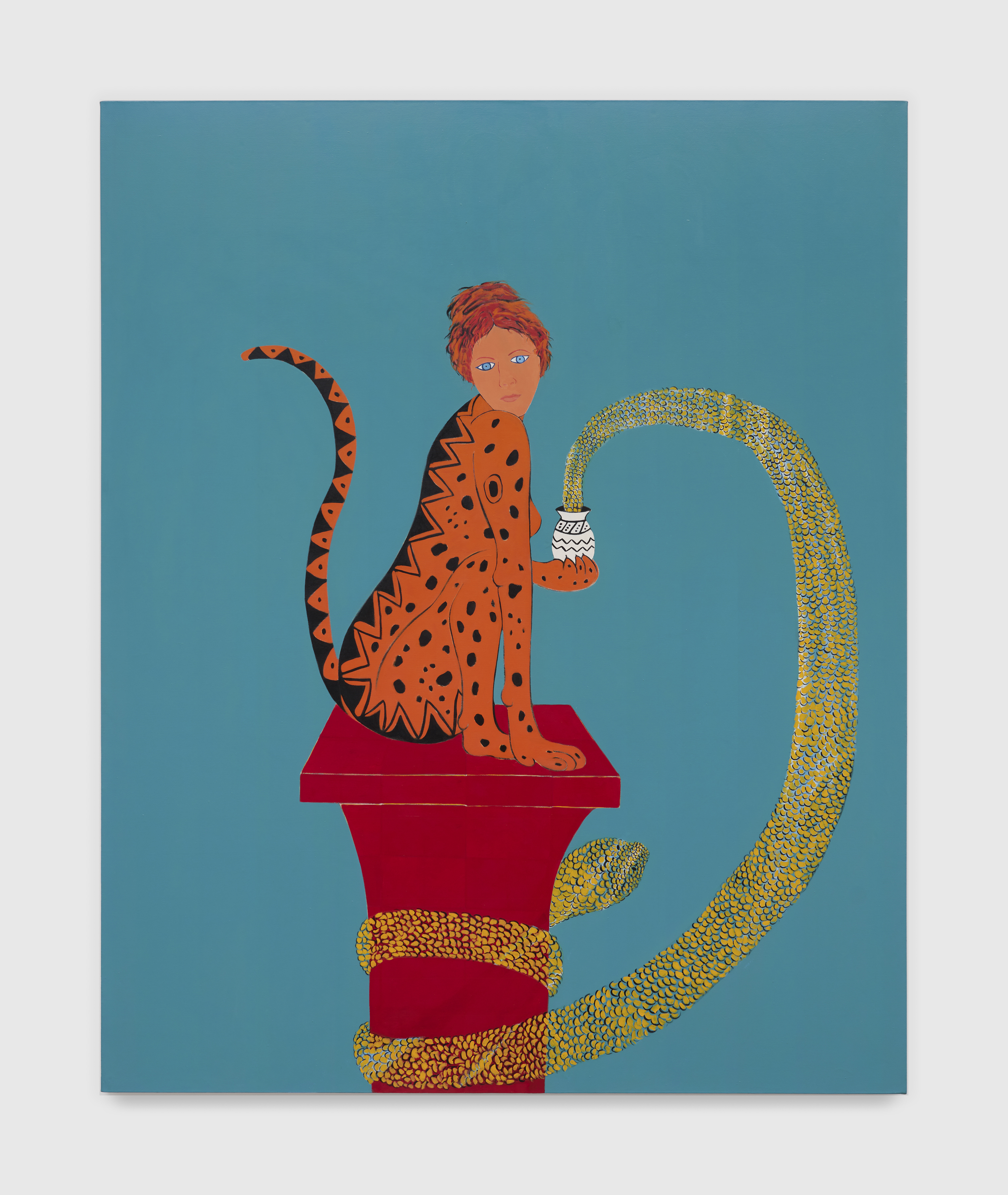
6. Joan Brown, Bather #7 (1982) at Venus Over Manhattan
Joan Brown is one of my favourite painters and her solo show at Orange County Museum of Art this time last year was a highlight of 2024 for me. Brown, who died in 1990, joyfully combined whimsy and startling colour to reveal a unique style that still feels fresh today.
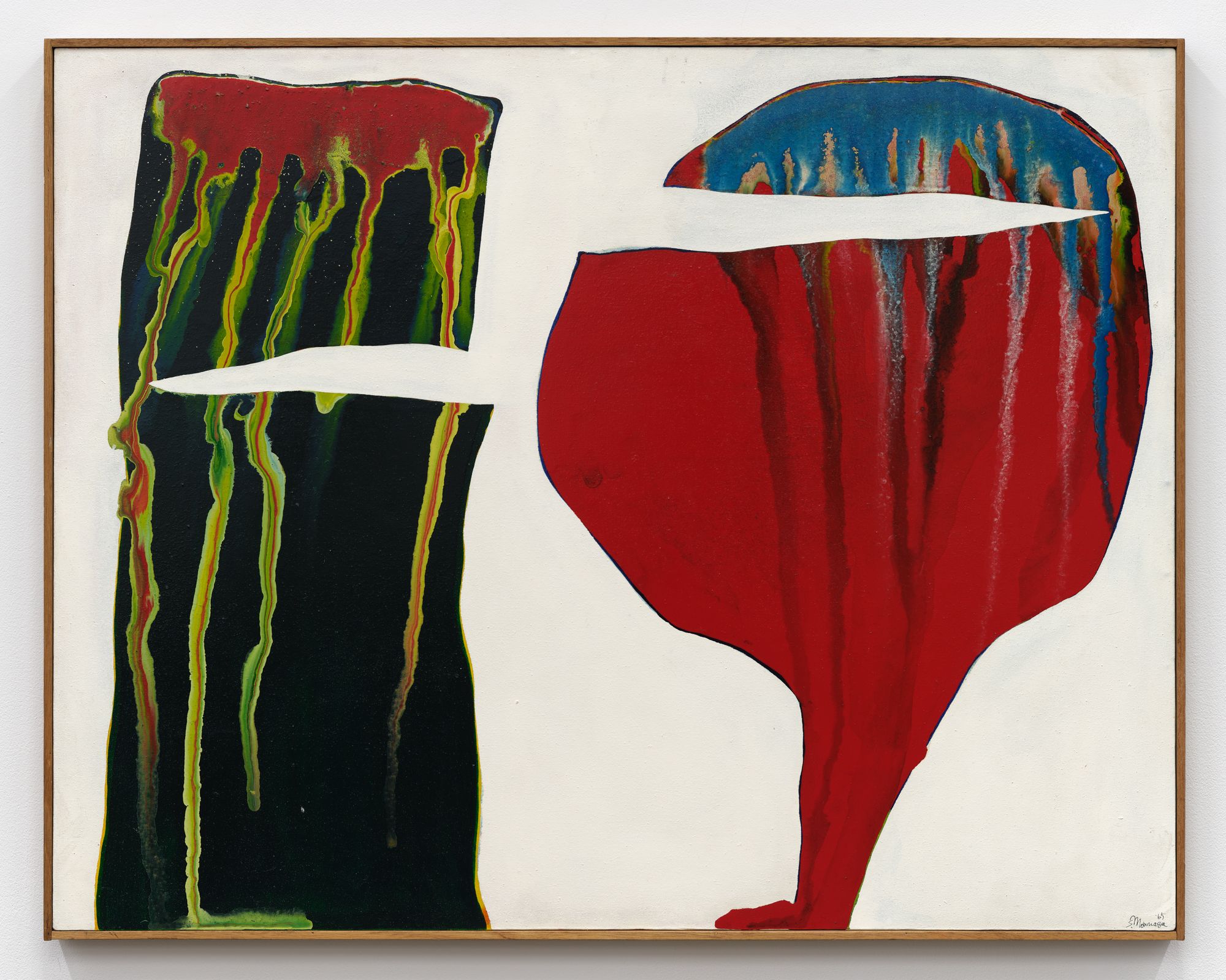
7. Sadamasa Motonaga, Sakuhin (1965) at Fergus McCaffrey
Sadamasa Motonaga was a member of the Japanese avantgarde group, Gutai Art Association, founded in 1954. His paintings from the early 1960s are his most coveted works, and Sakuhin (1965) is a great example of his technique combining oil paint and synthetic resin. Colours often drip and bleed into each other, imbuing his strange abstract forms with an alchemical quality.
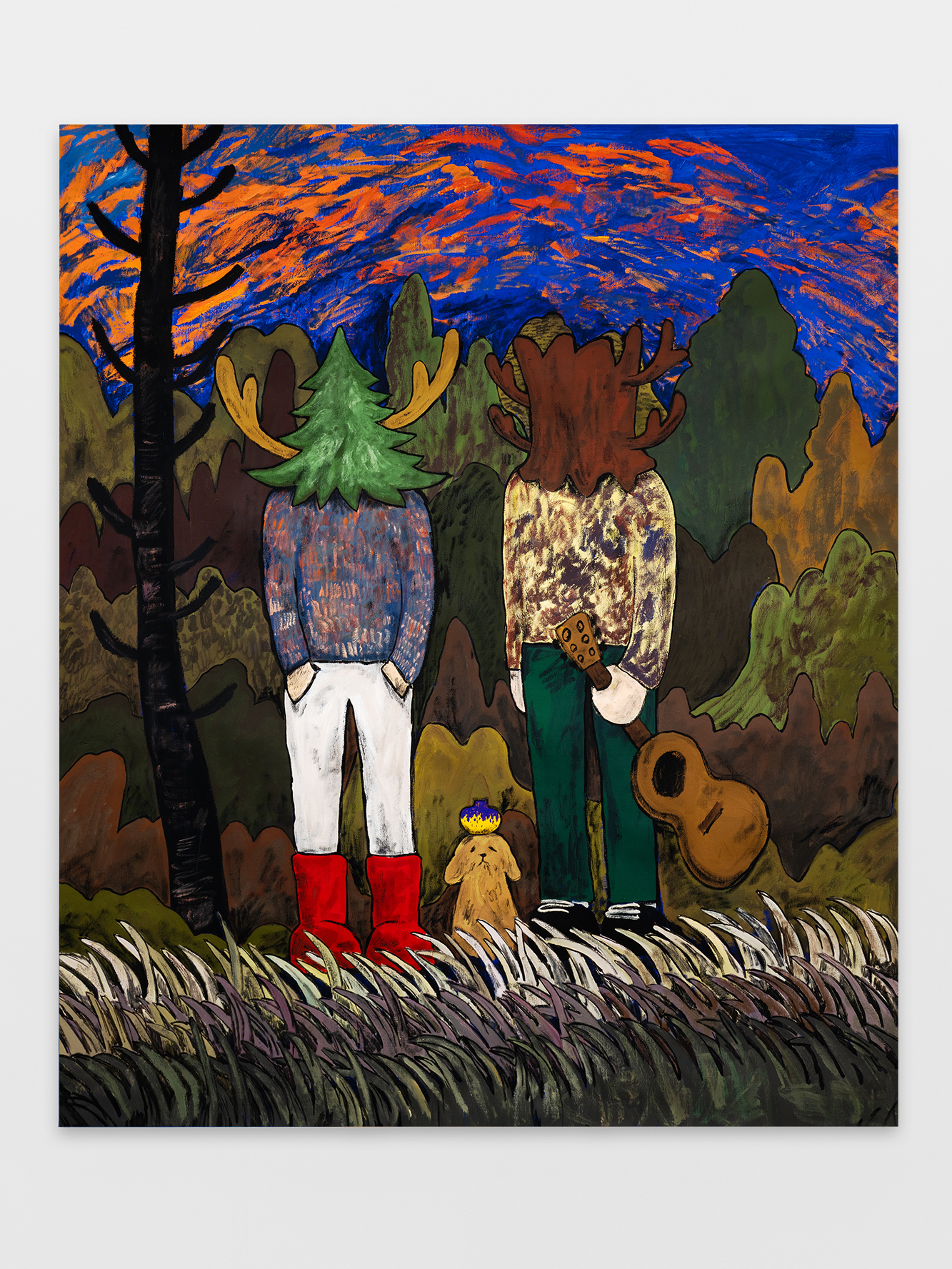
8. Yuichi Hirako, Lost in Thought 222 (2024) at The Modern Institute
Yuichi Hirako’s surreal and witty paintings are as charming as they are bonkers. The young Japanese painter is hugely popular in South Korea where he is represented by Gallery Baton, and further international recognition awaits, as the influential Glasgow gallery, The Modern Institute, is now also showing his work. —[O]
Main image: El Anatsui, Blue Moon (2025) (detail). Bottle caps, printers' plates, and copper wire. 306 x 318 cm. Courtesy the artist and Axel Vervoordt.
A respected voice in contemporary art discourse.
Focusing on ambitious storytelling and insightful art-world commentary. Ocula Magazine publishes in-depth interviews, critical essays and timely analysis on the artists, exhibitions and ideas driving the global art world.
Learn more about Ocula Magazine
Showcasing the best of the art world.
Ocula partners with galleries from around the world to highlight their artists, artworks and exhibitions. Gallery membership is by application and invitation, with each member vetted by an independent panel.
Learn more about Ocula Membership
Specialises in the sale of major artworks.
Led by a team with deep ties to the world’s leading auction houses, galleries and collectors. Ocula’s advisory team offers bespoke services to high-net-worth clients from around the world who are looking to acquire the best of contemporary and modern art.
Learn more about our team and services