





The Geffen Contemporary at MOCA
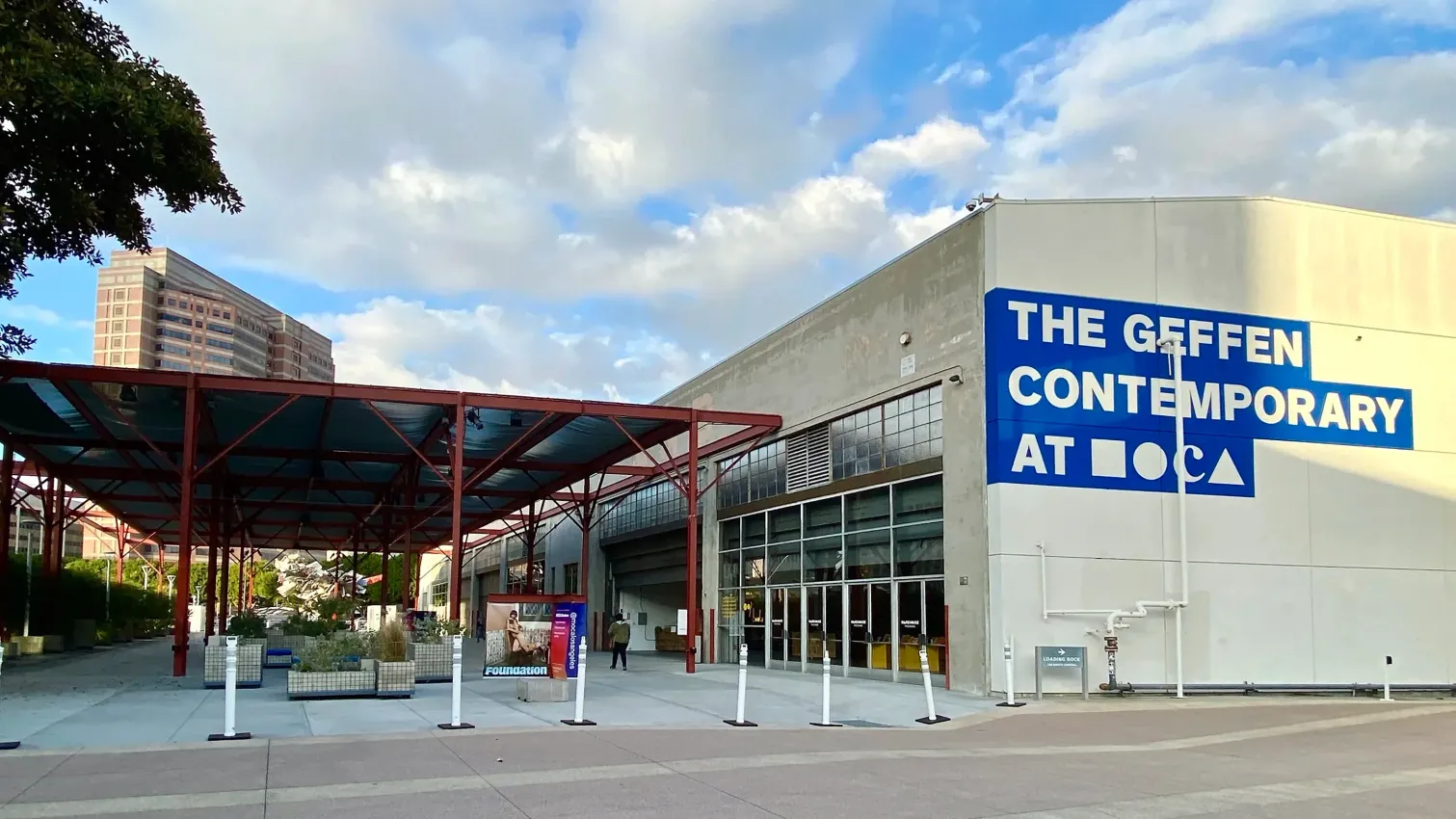
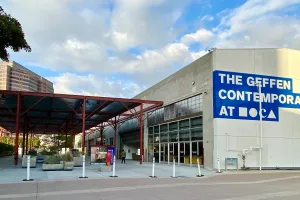
Los Angeles Learn more about what's on at MOCA Geffen and the artists shaping its programme.The Geffen Contemporary at MOCA in Los Angeles, United States, is MOCA’s expansive former police-car warehouse in Little Tokyo, redesigned by architect Frank Gehry as a raw, industrial venue for large-scale contemporary art, film, and performance. Opened in 1983 as the ‘Temporary Contemporary’, it became a permanent branch of the artist-founded Museum of Contemporary Art, Los Angeles—dedicated to art from 1940 to the present—after a major gift from the David Geffen Foundation in 1996.
Situated between Little Tokyo and the Arts District, and adjacent to the Japanese American National Museum, the Geffen sits within a dense cluster of Los Angeles cultural attractions that also includes MOCA Grand Avenue, The Broad, and, further west, LACMA and the Hammer Museum. Its roughly 40,000–55,000 square feet of flexible halls and former loading bays allow MOCA to stage ambitious installations, cross-disciplinary projects, and temporary exhibitions that extend the collection-focused programming at MOCA Grand Avenue, making the Geffen a key stop for contemporary art in downtown Los Angeles.
Art and Exhibitions
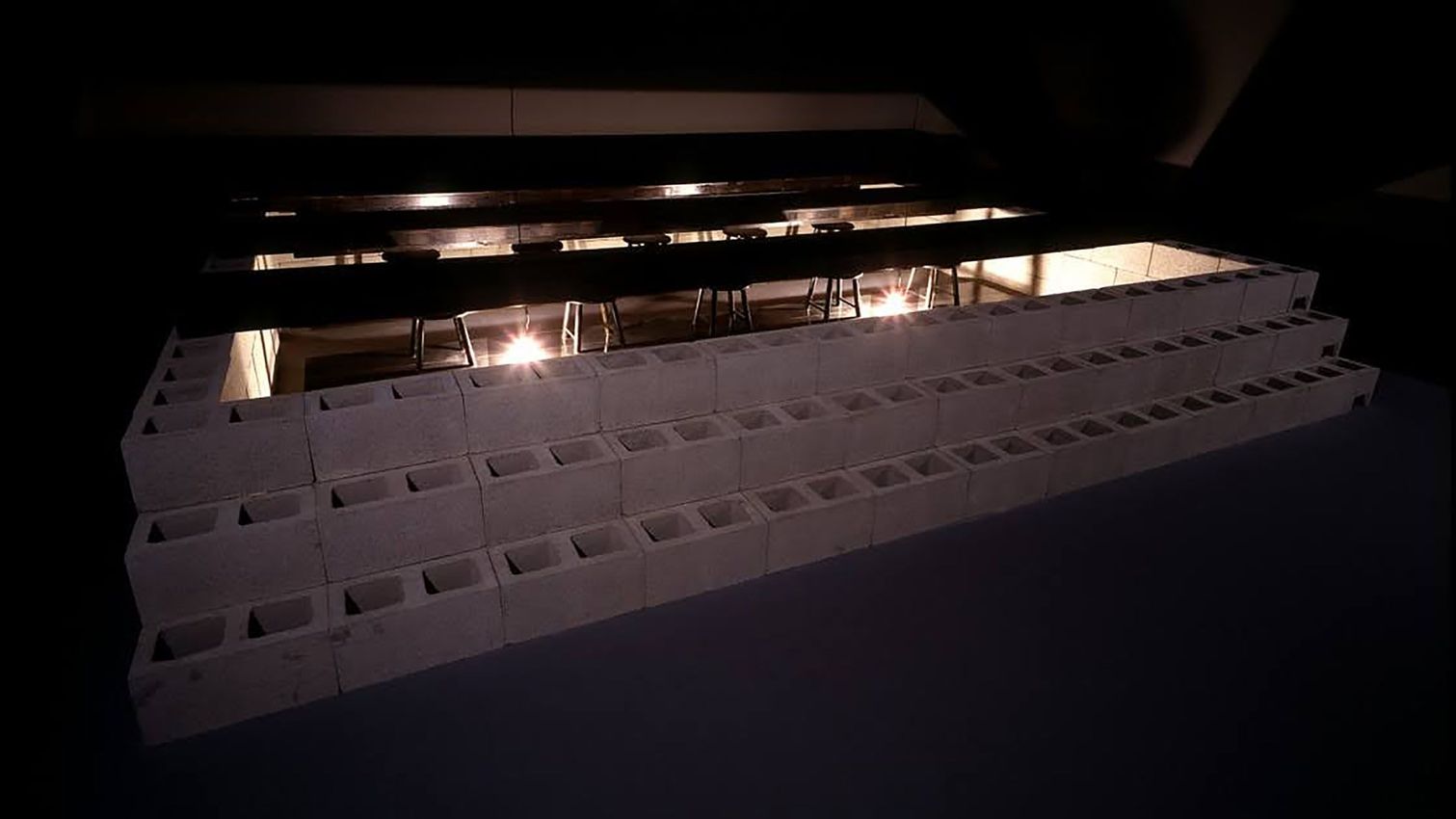
The Geffen Contemporary at MOCA is known for immersive projects that use its industrial volume—high ceilings, long sightlines, and open floorplates—to test new installation, video, and performance-based work. Past exhibitions have included expansive environments by Olafur Eliasson, experiential installations by Pipilotti Rist, and sculptural or architectural interventions by artists such as Adrián Villar Rojas. In 2023–24, MOCA presented Paul Pfeiffer’s retrospective Prologue to the Story of the Birth of Freedom, a labyrinthine survey of the artist’s moving-image and sculptural explorations of mass media and spectacle that Ocula covered in depth. On its exterior, Barbara Kruger’s monumental mural Untitled (Questions) on the Temple Street façade has become one of downtown Los Angeles’s most recognisable public artworks and a touchpoint in the city’s history of text-based and conceptual art.
MOCA’s cross-disciplinary Wonmi’s Warehouse Programs, established through a gift from Wonmi and Kihong Kwon in 2019, further oriented the Geffen toward performance, screenings, festivals, and artist residencies, placing it in dialogue with platforms such as REDCAT and CAP UCLA. Recent and upcoming programmes highlighted on Ocula, including MOCA’s Collection at the Geffen and MONUMENTS, show how the venue can alternate between collection-based displays and ambitious themed presentations. For audiences mapping contemporary art in Los Angeles, the Geffen’s programme offers a counterpoint to the collection galleries at MOCA Grand Avenue and to the collection-driven exhibitions at The Broad and LACMA, while also connecting to key movements in Los Angeles art from street practice and sound to installation and moving image.
Recent programming has also placed the Geffen at the centre of civic and political conversations in Los Angeles. In June 2025, Nadya Tolokonnikova’s durational performance POLICE STATE—staged on select days between 5 and 14 June 2025—continued inside the museum as anti-ICE protests unfolded outside, prompting a temporary closure of the Geffen and neighbouring institutions such as The Broad. The exhibition MONUMENTS (23 October 2025–3 May 2026) developed with The Brick and on view from, stages Confederate statues alongside contemporary responses, inviting debate about how museums should address contested histories in the gallery.
Visiting information
The Geffen Contemporary at MOCA is located in Little Tokyo at 152 North Central Avenue, within walking distance of Metro stations and close to restaurants, cafés, and neighbouring museums including the Japanese American National Museum. As part of MOCA Los Angeles, its opening hours generally align with MOCA Grand Avenue—typically open from late morning to early evening Wednesday to Sunday and closed on Mondays and Tuesdays—though visitors should check MOCA’s official website for the most up-to-date information on opening hours, ticketed exhibitions, and special events. While MOCA has introduced free general admission at some sites, special exhibitions at the Geffen often operate with separate ticketing, reflecting its role as the museum’s primary venue for large-scale, time-limited contemporary art projects.
The Geffen Contemporary at MOCA FAQs
What is the Geffen Contemporary at MOCA?
The Geffen Contemporary at MOCA is a branch of the Museum of Contemporary Art, Los Angeles, housed in a former police-car warehouse in Little Tokyo redesigned by architect Frank Gehry. It specialises in large-scale, experimental contemporary art exhibitions and performance programmes that sit alongside the more collection-focused galleries at MOCA Grand Avenue.
What kind of art and exhibitions can I see at MOCA Geffen?
Visitors can expect immersive contemporary art, including large-scale installations, multi-channel video, sculpture, and performance. Past projects have featured artists such as Paul Pfeiffer, Olafur Eliasson, Pipilotti Rist, and Adrián Villar Rojas, while Barbara Kruger’s exterior mural Untitled (Questions) has become an enduring landmark.
Where is MOCA Geffen located in Los Angeles?
The Geffen Contemporary at MOCA is located at 152 North Central Avenue in the Little Tokyo Historic District of downtown Los Angeles. It sits between Little Tokyo and the Arts District, next to the Japanese American National Museum and within easy reach of MOCA Grand Avenue and The Broad.
What are MOCA Geffen opening hours and tickets?
Opening hours for the Geffen Contemporary generally mirror MOCA Grand Avenue, with both sites usually open from late morning to early evening Wednesday through Sunday and closed on Monday and Tuesday. MOCA offers free general admission at certain locations, but exhibitions at the Geffen often require a separate ticket; visitors should confirm current hours and ticketing on MOCA’s official website.
Does MOCA Geffen offer tours, events, or education programmes?
As MOCA’s primary venue for ambitious temporary projects, the Geffen hosts a changing calendar of talks, screenings, and performance events, including those under Wonmi’s Warehouse Programs. These activities complement MOCA’s broader education initiatives—such as tours, family programmes, and learning resources—across the Geffen and MOCA Grand Avenue.
























A respected voice in contemporary art discourse.
Focusing on ambitious storytelling and insightful art-world commentary. Ocula Magazine publishes in-depth interviews, critical essays and timely analysis on the artists, exhibitions and ideas driving the global art world.
Learn more about Ocula Magazine
Showcasing the best of the art world.
Ocula partners with galleries from around the world to highlight their artists, artworks and exhibitions. Gallery membership is by application and invitation, with each member vetted by an independent panel.
Learn more about Ocula Membership
Specialises in the sale of major artworks.
Led by a team with deep ties to the world’s leading auction houses, galleries and collectors. Ocula’s advisory team offers bespoke services to high-net-worth clients from around the world who are looking to acquire the best of contemporary and modern art.
Learn more about our team and services