The art world in focus
Subscribe to our newsletter for news and insights on artists, galleries and exhibitions.
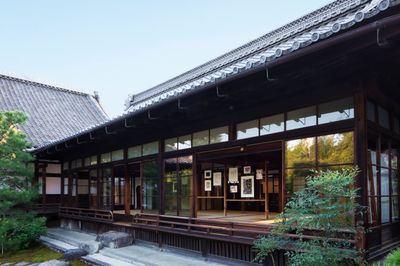
Installation view, Elizabeth Peyton: daystar hakuro, Ryosokuin Temple, Kyoto, Japan, 8—24 September, 2024. Courtesy David Zwirner. Photo: Takeru Koroda.
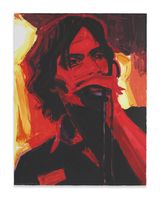
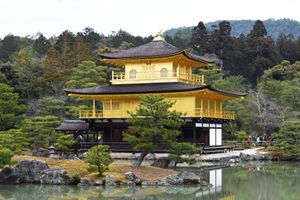
An exhibition by American portrait painter Elizabeth Peyton, titled daystar hakuro, has just opened at Ryosokuin Temple in Kyoto, where it will remain on view through 24 September.
Peyton said the new works (displayed along with pieces from 2023, and one from 2019) were inspired by a Degas print show at BnF in Paris that made her want to get closer to her subjects.
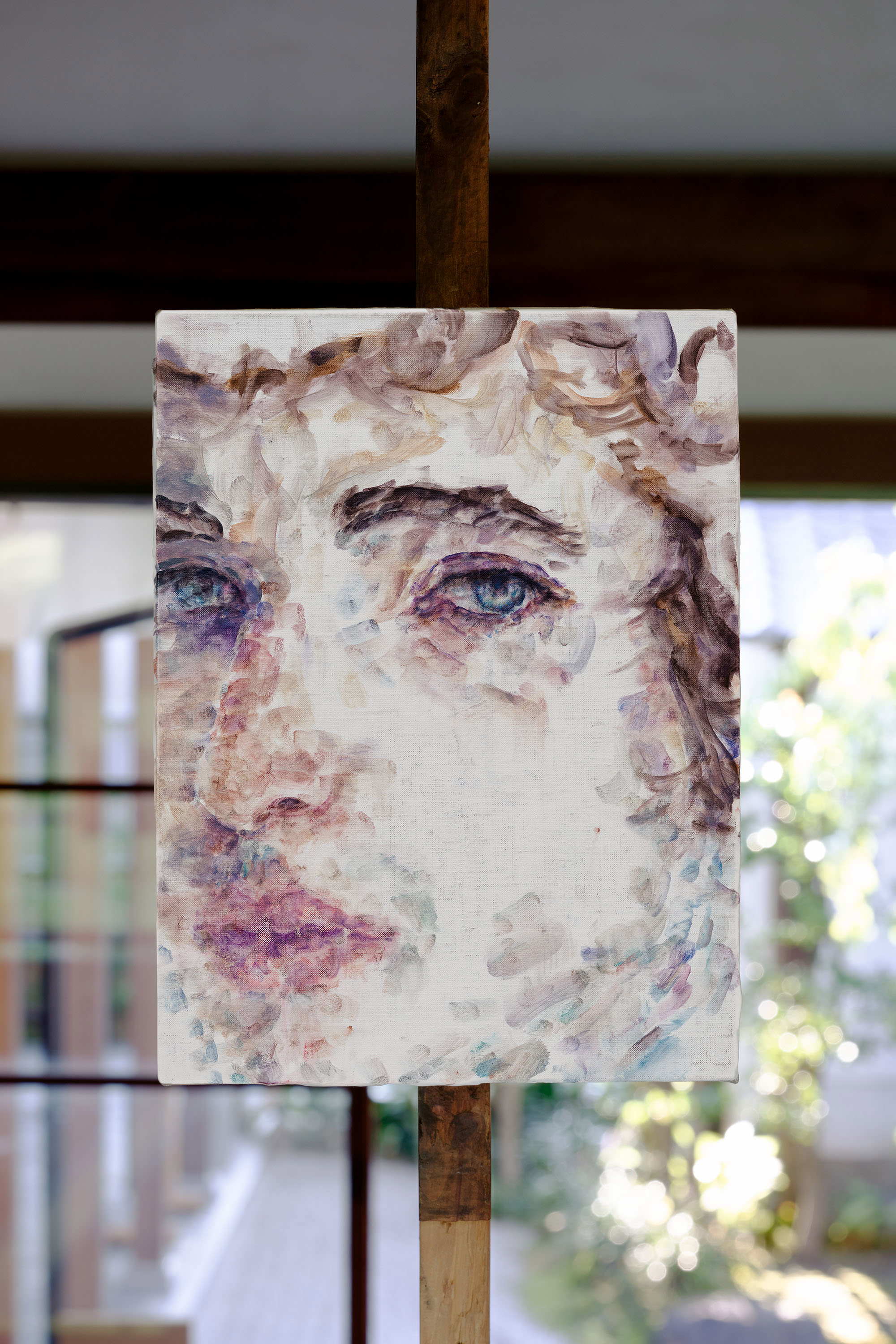
‘When the space is small and the elements cropped to the border of recognisable / not recognisable there is an energy, intimacy, and freedom I was finding, my universe expanding while getting closer.’
Peyton, who is Buddhist, said the works ‘needed a particular shelter; a kind of privacy’.
‘I wondered where might be the right place, the right sensibility—the answer: Japan. There has been in the past a reception of my work in Japan that has been very moving for me. It naturally felt like this work—very far from its making—would find its right point of departure into the world.’
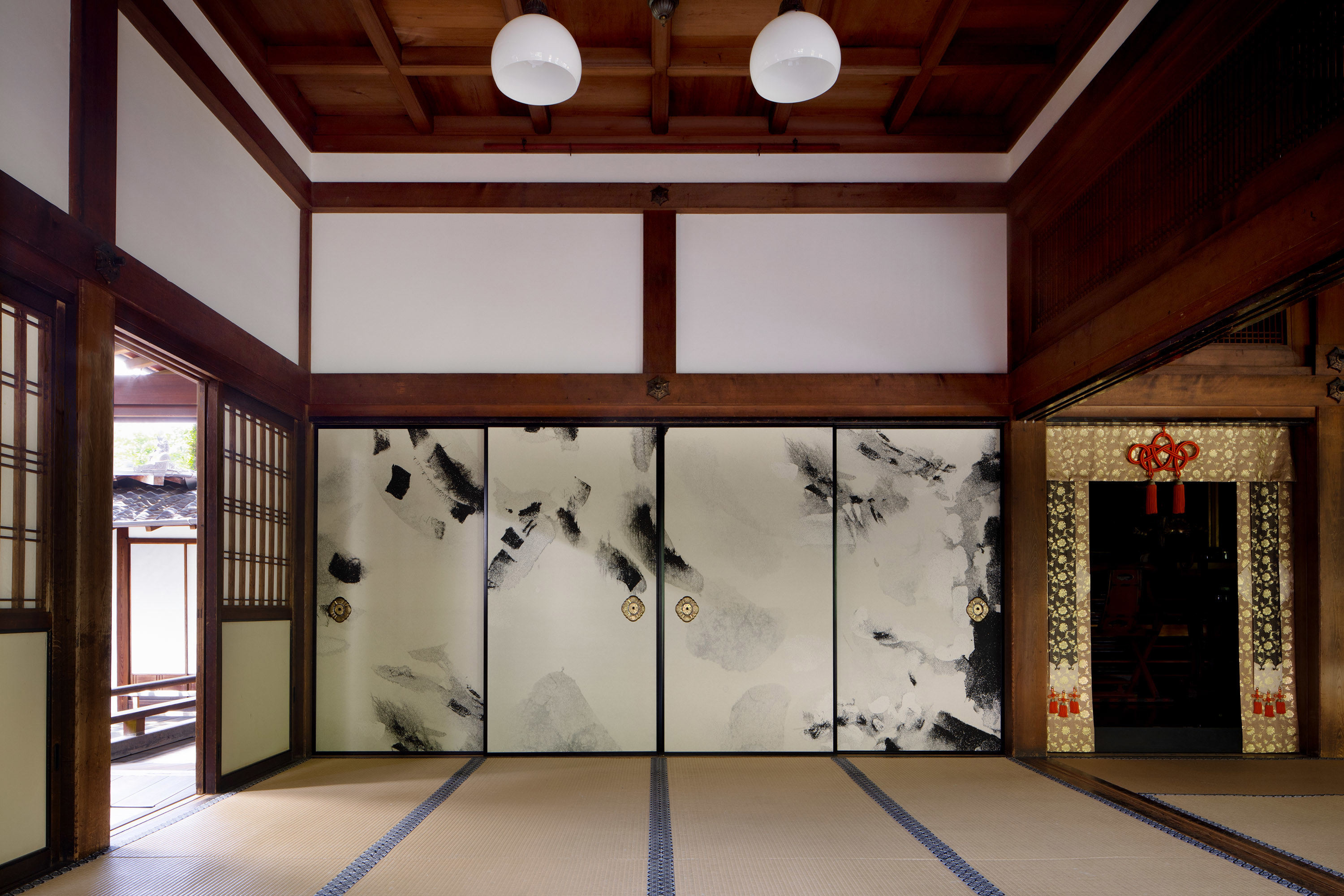
Gallerist David Zwirner suggested Kyoto, and Peyton connected with Toryo Ito, the deputy head priest of the temple, who has shown contemporary art at the temple before.
Ito said he was deeply moved by Peyton’s insistence on harmony with Ryokokuin’s tradition and landscape, and he agreed to provide robes worn by his grandfather for hanging scrolls supporting Peyton’s paintings. Frames and fixtures for other drawings and paintings were made from a dismantled nagamochi, a wooden chest used to store clothes and furnishings.
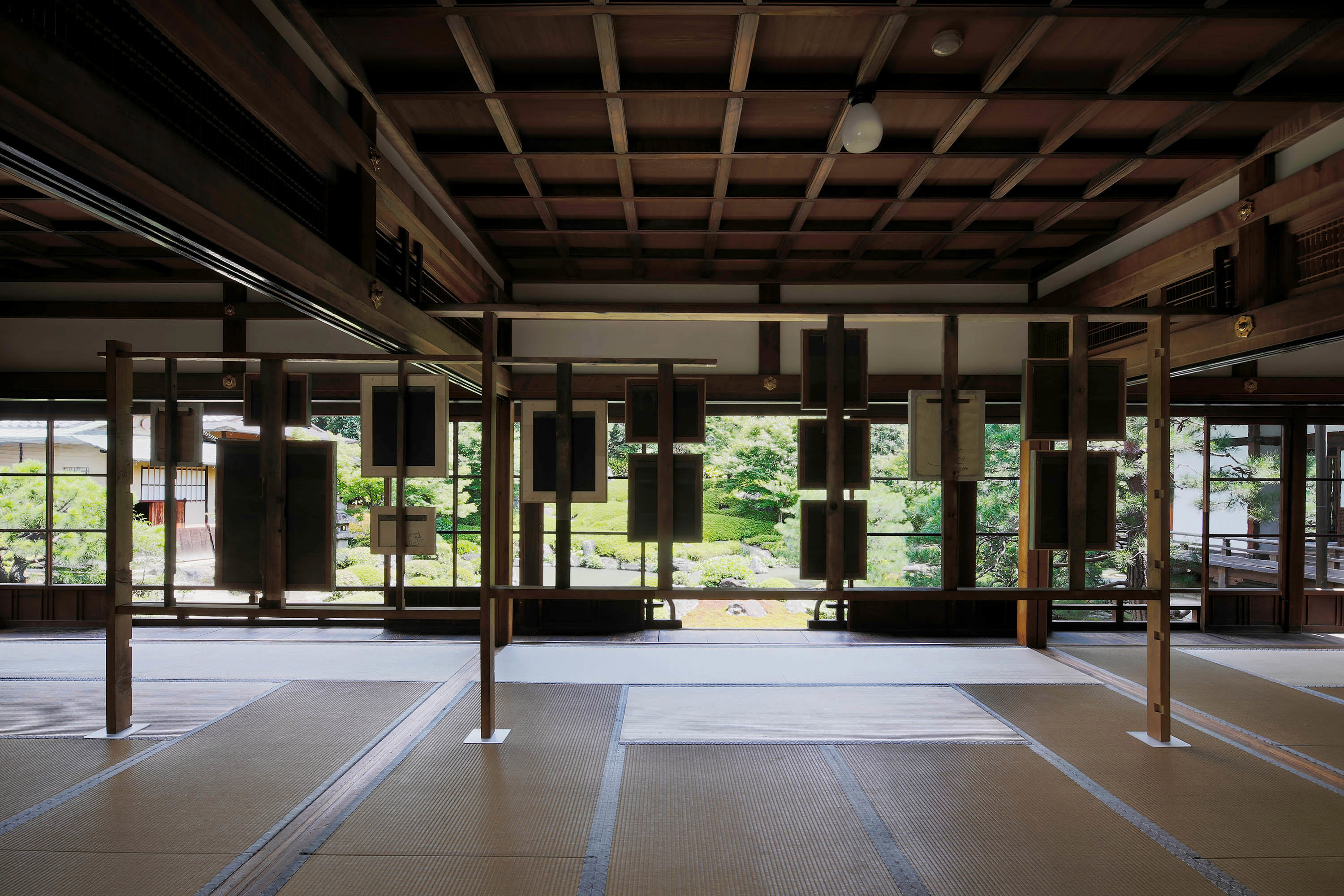
‘Now Elizabeth has given these reclaimed materials a new lease of life, and they are ready to see the light of day,’ Ito said. ‘It is a great joy for me to watch them transform and become part of striking works of contemporary art. I would like to express my sincere gratitude for her, for sublimating my many years of embarrassed frustration (disappointment at myself not being able to make good use of those old objects).’
The exhibition’s title combines hakuro—meaning white dew, which traditionally begins to appear in early autumn—and day stars, which remain even as the sun makes them invisible.
‘In this exhibition, it is my hope that you will gaze at these invisible “daystars” and feel their presence with your entire body,’ Ito said. —[O]




A respected voice in contemporary art discourse.
Focusing on ambitious storytelling and insightful art-world commentary. Ocula Magazine publishes in-depth interviews, critical essays and timely analysis on the artists, exhibitions and ideas driving the global art world.
Learn more about Ocula Magazine
Showcasing the best of the art world.
Ocula partners with galleries from around the world to highlight their artists, artworks and exhibitions. Gallery membership is by application and invitation, with each member vetted by an independent panel.
Learn more about Ocula Membership
Specialises in the sale of major artworks.
Led by a team with deep ties to the world’s leading auction houses, galleries and collectors. Ocula’s advisory team offers bespoke services to high-net-worth clients from around the world who are looking to acquire the best of contemporary and modern art.
Learn more about our team and services