





TONO Festival Holds a Mirror to Mexico’s Emerging Art Scene
As Mexico’s time‑based media festival wraps up its third edition, founder Sam Ozer speaks to Ocula about its origins and this year’s standout moments. Save to My Ocula
Mexico’s festival dedicated to time-based art gathered 50 artists from 22 countries for its third edition, with video installations, performances, and screenings revitalising major sites in Mexico City and Puebla over 13 days.
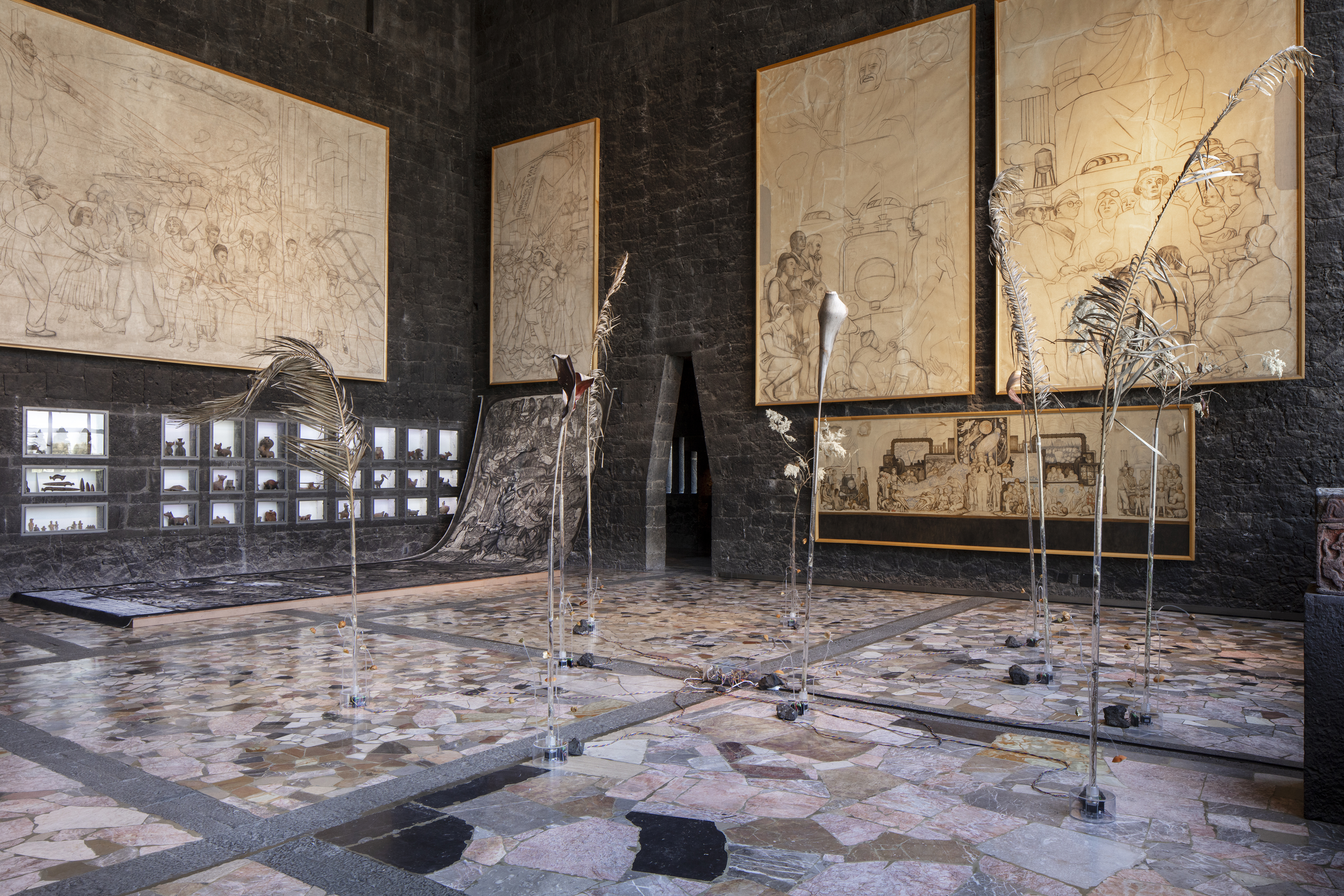
Organised by New York non-profit TONO, which is dedicated to research and exhibition of time-based media, and co-produced with partners like Museum of Modern Art (MoMA) film curator Sophie Cavoulacos, MUDAM Luxembourg, and Wiels Brussels, the festival connected six venues—including Diego Rivera’s Museo Anahuacalli, Laboratorio Arte Alameda, and Casa del Lago—with work by artists like Korakrit Arunanondchai and Alex Gvojic, Saodat Ismailova, and Luiz Roque.
Meanwhile, nightly music events beyond exhibition grounds punctuated the festival alongside performances by Bárbara Sánchez-Kane and Jota Mombaça set to tour internationally this spring.
TONO founder and artistic director Sam Ozer, a curator with roles at MoMA, MoMA PS1, and Zona Maco, spoke with Ocula about the festival’s highlights, origins, and the partnerships behind this latest edition.

Why did you start TONO in Mexico City and why time-based mediums?
TONO Festival developed out of working as an independent curator in Mexico City and organising projects with institutions such as Ex Teresa Arte Actual and Laboratorio Arte Alameda, both venues which are noted for presenting time-based work. Through speaking with other curators and artists and seeing audience reactions to screening and performance programmes I was developing, I imagined the idea of a festival that would connect venues across the city. Ex Teresa even had its own festival for sound art, so there was precedent for this type of programme.
Curatorially, I’m interested in artists working in time-based media and often find that when commissioning new work there are exciting opportunities for interdisciplinary production.
What is the city like during the festival?
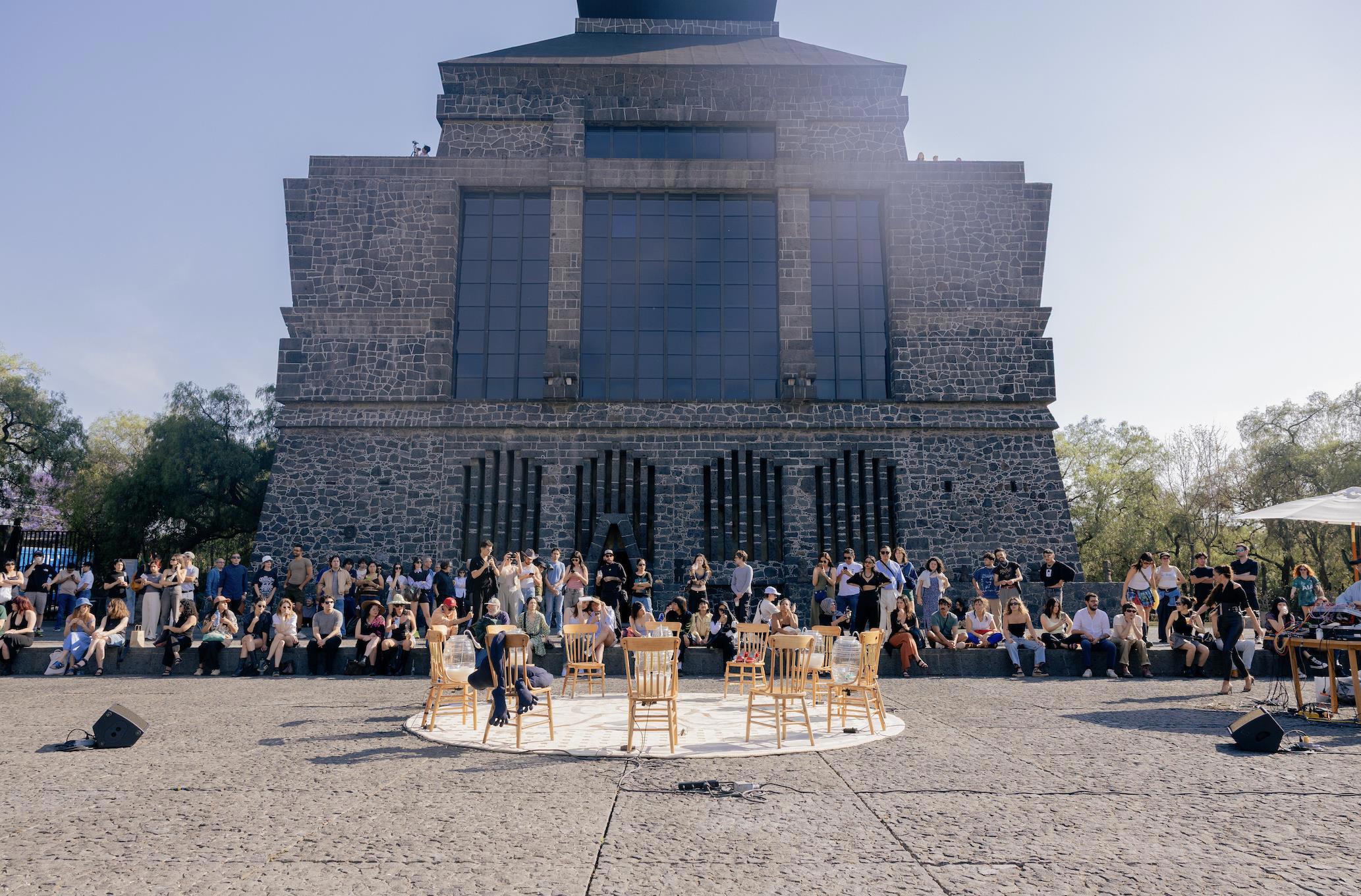
It’s quite an exciting time. We have a different event every night, and during the day, exhibitions are on view during museum hours. However, as there is only one event per night, it would be quite manageable to see everything.
As this edition took place across six venues, the festival is also a great opportunity to explore different neighbourhoods—from Centro to Santa María la Ribera and Chapultepec Park and even to Puebla, a city around a two-hour drive from the capital.
What informed the venue selection?
We’ve built on core collaborations with venues like Ex Teresa Arte Actual and Laboratorio Arte Alameda, while adding new spaces like Casa del Lago and Museo Universitario del Chopo—selected based on the needs of each project.


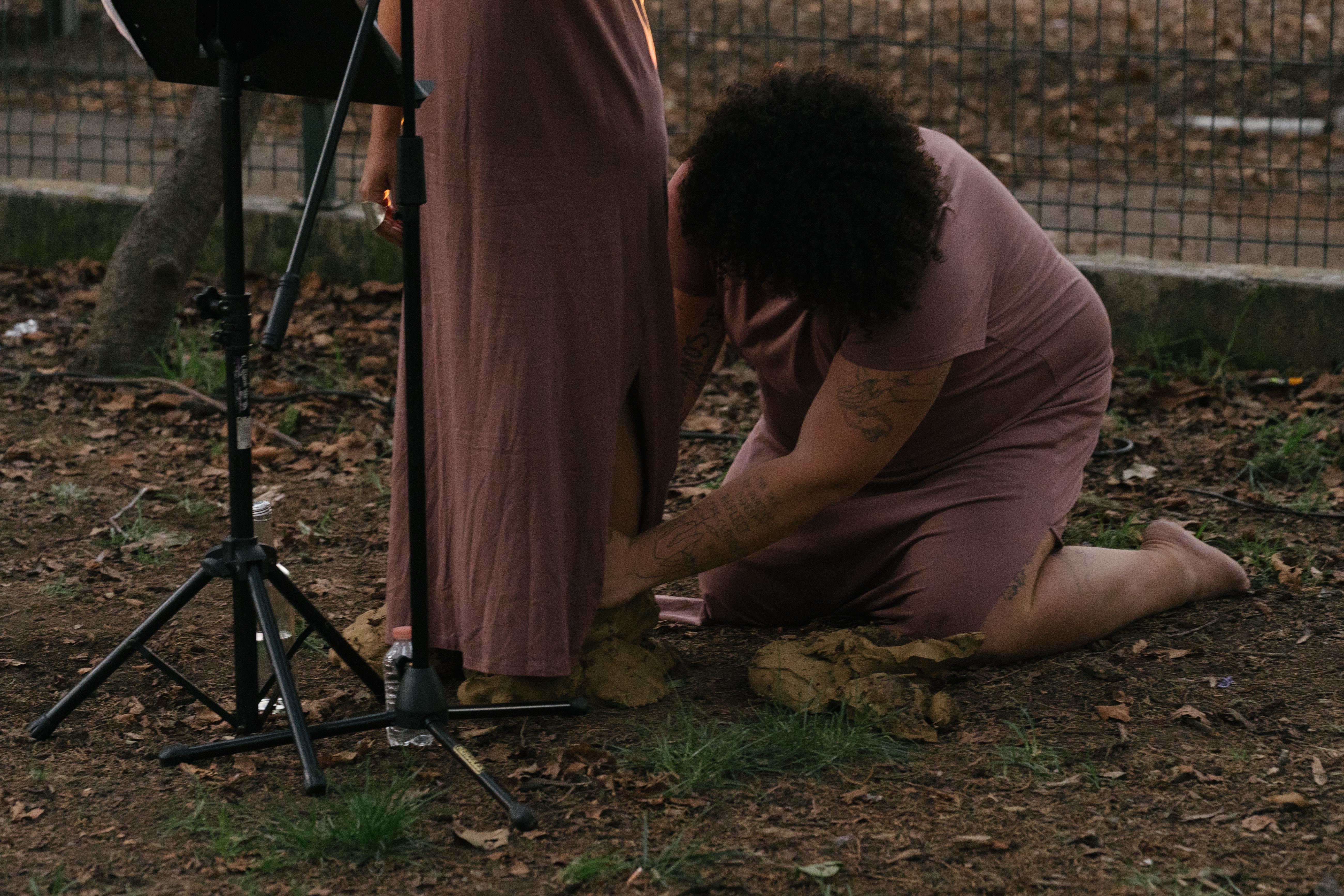
In the case of Casa del Lago, we have been speaking since last year and identified Jota Mombaça as an artist we both would love to work with. Considering her research into water and the sonic focus of the piece, Casa del Lago’s ‘sonic garden’ next to one of the lakes in Chapultepec Park was the perfect venue. This also followed a three-week research residency TONO organised and a trip to the Xochimilco canals in Mexico City.
How does TONO Festival relate to the Performa Biennial in New York, to which you have compared the event?
As I grew up in New York, Performa was this incredible thing to look forward to. Roselee [Goldberg, founder and curator of Performa] is also a friend and someone I spoke with early on in TONO.
I was definitely thinking about Performa, in addition to the Festival d’Automne in Paris, European experimental and avant-pop music festivals, and exhibition-specific biennials such as São Paulo and Berlin.
However, TONO [the non-profit organisation] is not only for performance or new commissions; we also tour projects and present and commission exhibitions. While the TONO Festival is based in Mexico City and developed from working here, TONO as a wider project is quite global.
What are some challenges of initiating partnerships with international institutions?
The most important thing is clear communication. I think we’re at a point where so many institutions are thinking about imagining different strategies for working and co-commissions, tours, and other forms of collaboration that allow resource sharing of ideas and finances.
What was your standout moment in this edition?
There are too many moments. From an exhibition standpoint, I worked with Luiz Roque on a much smaller scale for TONO 2023, so it was special to bring him back for a larger presentation across several galleries at Laboratorio Arte Alameda [until 15 June 2025].
Saodat Ismailova’s exhibition at Museo Amparo is also quite interesting. While her films are shot in Uzbekistan and reference regionally specific figures, such as al-Muqanna, it’s interesting to consider her exploration of sun and light through these figures in a neighbouring gallery to the Amparo’s collection of pre-hispanic objects, including many figures that also depict a spiritual relationship with the sun.
Paloma Contreras Lomas and Carolina Fusilier’s duo-show at Museo Anahuacalli, which responds to the museum’s history as a proposed mausoleum, among other things, is an incredibly haunting presentation.
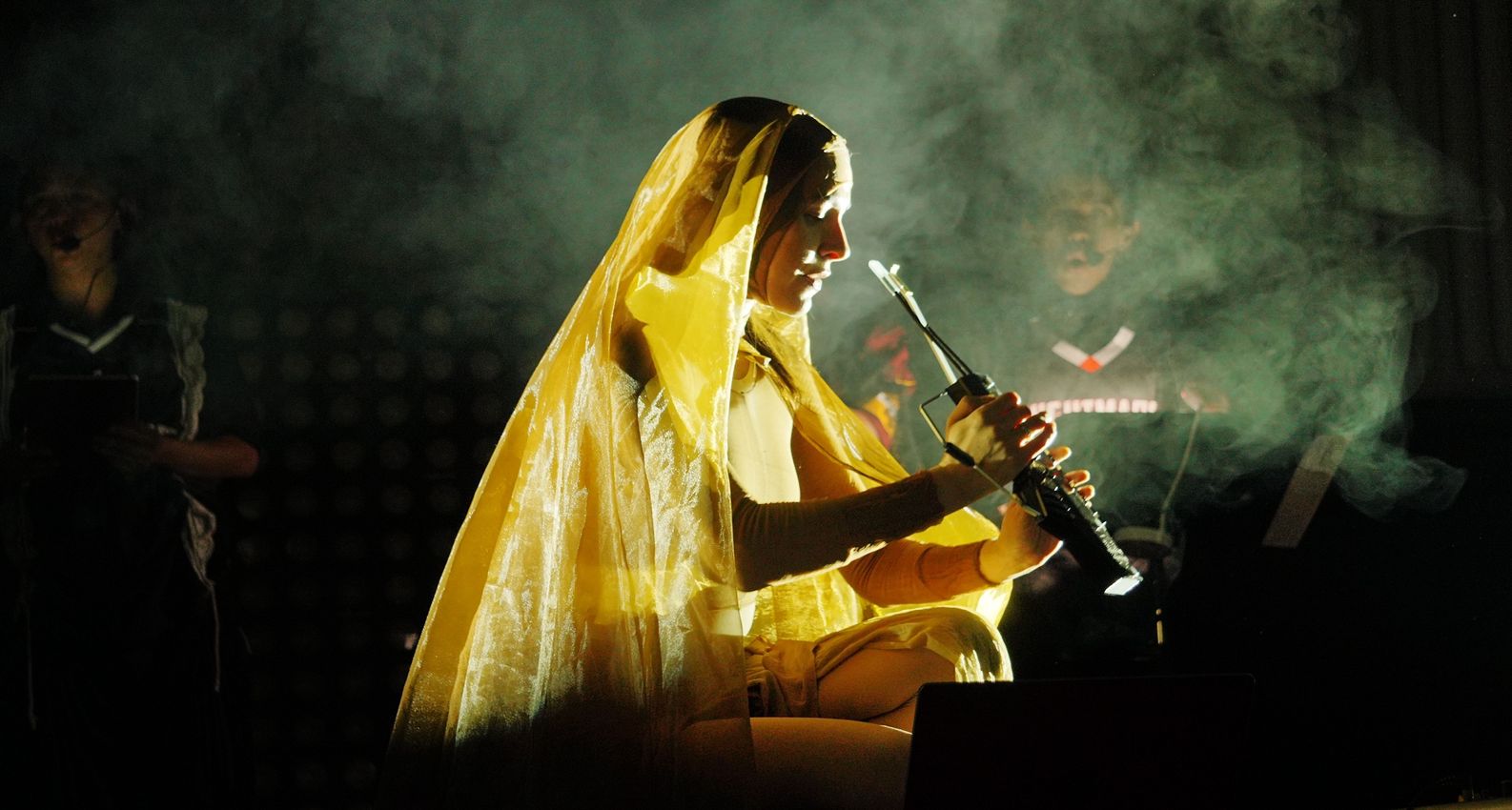
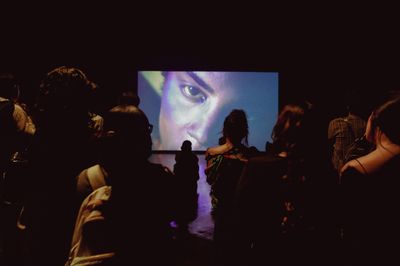
Performance-wise, Eartheater sang her new song Shark Brain live for the first time set against a visual score designed by Freeka Tet with the ultrasound of a baby shark and the heartbeat of her fetus; Delia Beatriz designed a mass exploring the history of the museum/former-church Ex Teresa Arte Actual; Adam Linder performed a very tender solo dance performance; and Bárbara brought together eight other collaborators around the idea of a collective horchata—so too many. —[O]
Main image: Performance view: Delia Beatriz, Sequedad Sobrenaturalizada, Ex Teresa Arte Actual, Mexico City (4 April 2025). Courtesy TONO. Photo: Pablo Astorga.




A respected voice in contemporary art discourse.
Focusing on ambitious storytelling and insightful art-world commentary. Ocula Magazine publishes in-depth interviews, critical essays and timely analysis on the artists, exhibitions and ideas driving the global art world.
Learn more about Ocula Magazine
Showcasing the best of the art world.
Ocula partners with galleries from around the world to highlight their artists, artworks and exhibitions. Gallery membership is by application and invitation, with each member vetted by an independent panel.
Learn more about Ocula Membership
Specialises in the sale of major artworks.
Led by a team with deep ties to the world’s leading auction houses, galleries and collectors. Ocula’s advisory team offers bespoke services to high-net-worth clients from around the world who are looking to acquire the best of contemporary and modern art.
Learn more about our team and services