





Valie Export, Radical Feminist Artist, Dies at 85

Valie Export, Einkreisung (1976/1980). © Valie Export / Bildrecht Wien 2019. Courtesy Galerie Thaddaeus Ropac.


Valie Export, the Austrian artist whose radical performances explored the politics of the body in postwar art, has died at the age of 85. Her foundation announced her death in on Thursday evening—she died earlier the same day in Vienna, three days before turning 86.
Born Waltraud Lehner in Linz in 1940, Export emerged during the late 1960s as one of Europe’s most confrontational avant-garde artists. Rejecting both her father’s and former husband’s surnames, she renamed herself Valie Export in 1967, styling the name in capital letters as an act of self-authorship and resistance against patriarchal naming conventions.
The adopted surname was also a conceptual gesture. Inspired by the logo of Austrian cigarette brand ‘Smart Export’, ‘Valie Export’ was also about the co-option of commercial packaging as an artistic persona. She was ‘exporting’ new ideas into Austrian culture and politics.

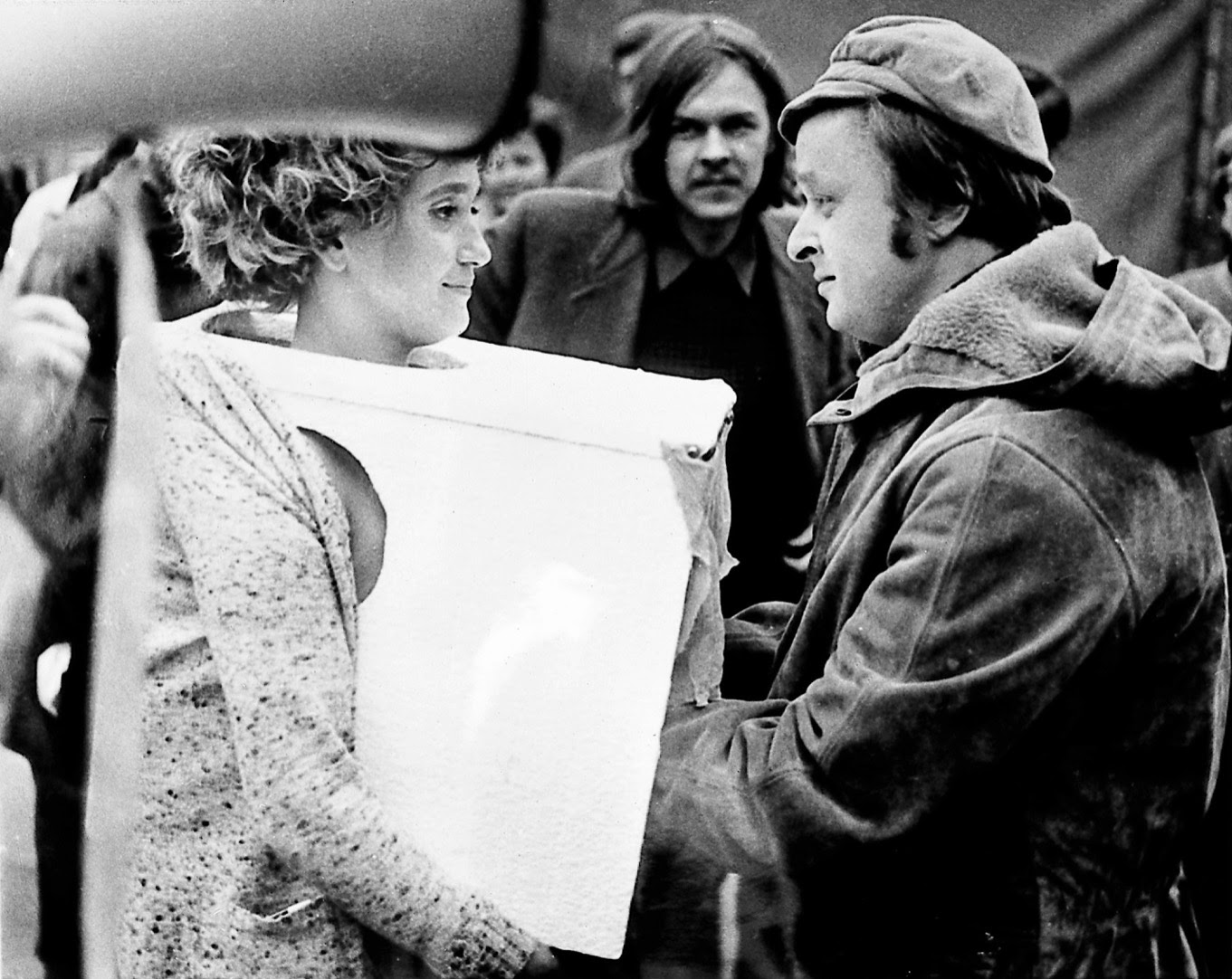
Her landmark performance Tap and Touch Cinema (1968) remains one of the defining works of twentieth-century performance art. Wearing a curtained box over her bare chest, Export invited passersby to touch her bare body while denying them the right to look at her in a sharp inversion of cinematic consumption. The work not only challenged social taboos but also redefined the relationship between audience and performer, collapsing the boundaries between cinema, the public and bodily autonomy.
A year later, Action Pants: Genital Panic (1969) cemented her reputation as a provocateur. For the performance, Export entered a cinema in Munich wearing crotchless trousers, forcing audiences to confront a real female body instead of what was shown on the screen. An image taken of her wearing the same trousers, holding a machine gun, taken the following year, has become one of the most enduring photographs in feminist art history.
Export’s practice extended far beyond provocation. Throughout the 1970s, she developed a multidisciplinary body of work spanning film, video, photography, installation, writing and expanded cinema. Facing a Family (1971), a film of a family lit by the light of a television staring gormlessly at the camera, staged the passivity of television spectatorship, while her Body Configurations (1972–1976/1982) series, which she used her body as a measuring device, exposed the tension between architecture, surveillance and bodily discipline in urban environments.
Export was described by MoMA as an artist who forged “a new feminist language”, and her influence on the generations of performance artists who came after her is palpable. Marina Abramović restaged Action Pants, Genital Panic during Seven Easy Pieces at the Guggenheim in 2005, while the New York-based internet artists Eva and Franco Mattes later reenacted Tap and Touch Cinema inside their online game Second Life.
The city of Linz acquired Export’s archive in 2015, and it is now held within the Lentos Kunstmuseum collection. The archive contains an extraordinary range of materials amassed since the 1960s, including artworks, correspondence, sketches, manuscripts, photographs, film documents and conceptual drafts.
As Export once stated in a conversation with Ocula, “the voice belongs to me”. The phrase encapsulates a career defined by reclaiming agency: over language, over representation and the body itself.





A respected voice in contemporary art discourse.
Focusing on ambitious storytelling and insightful art-world commentary. Ocula Magazine publishes in-depth interviews, critical essays and timely analysis on the artists, exhibitions and ideas driving the global art world.
Learn more about Ocula Magazine
Showcasing the best of the art world.
Ocula partners with galleries from around the world to highlight their artists, artworks and exhibitions. Gallery membership is by application and invitation, with each member vetted by an independent panel.
Learn more about Ocula Membership
Specialises in the sale of major artworks.
Led by a team with deep ties to the world’s leading auction houses, galleries and collectors. Ocula’s advisory team offers bespoke services to high-net-worth clients from around the world who are looking to acquire the best of contemporary and modern art.
Learn more about our team and services