





The Trouble with Cinema’s Obsession with Art as Therapy
Launching a new monthly column on cinema, Catherine Liu explores how ‘trauma culture’ shapes the differing approaches of Hamnet and Sentimental Value to creative families and father figures. Save to My Ocula

‘As if the fullness of our souls did not sometimes overflow the emptiest metaphors, because no one ever can express the exact measure of their needs, or ideas or suffering, and that the human word is like a broken pot on which we bang out tunes to which bears dance, when that music was meant to make the stars themselves weep.’
—Gustave Flaubert, Madame Bovary (1856, translation mine)
Family trauma is the material from which two recent films spin their narratives: Chloé Zhao’s Hamnet, which is in the running for eight Oscars, and Joachim Trier’s Sentimental Value, which won the Grand Prix at Cannes—both released in 2025. Directed by two of the best independent filmmakers working in cinema today, both films are about fathers who are artists consumed by their work, to the detriment of their relationships with their families.

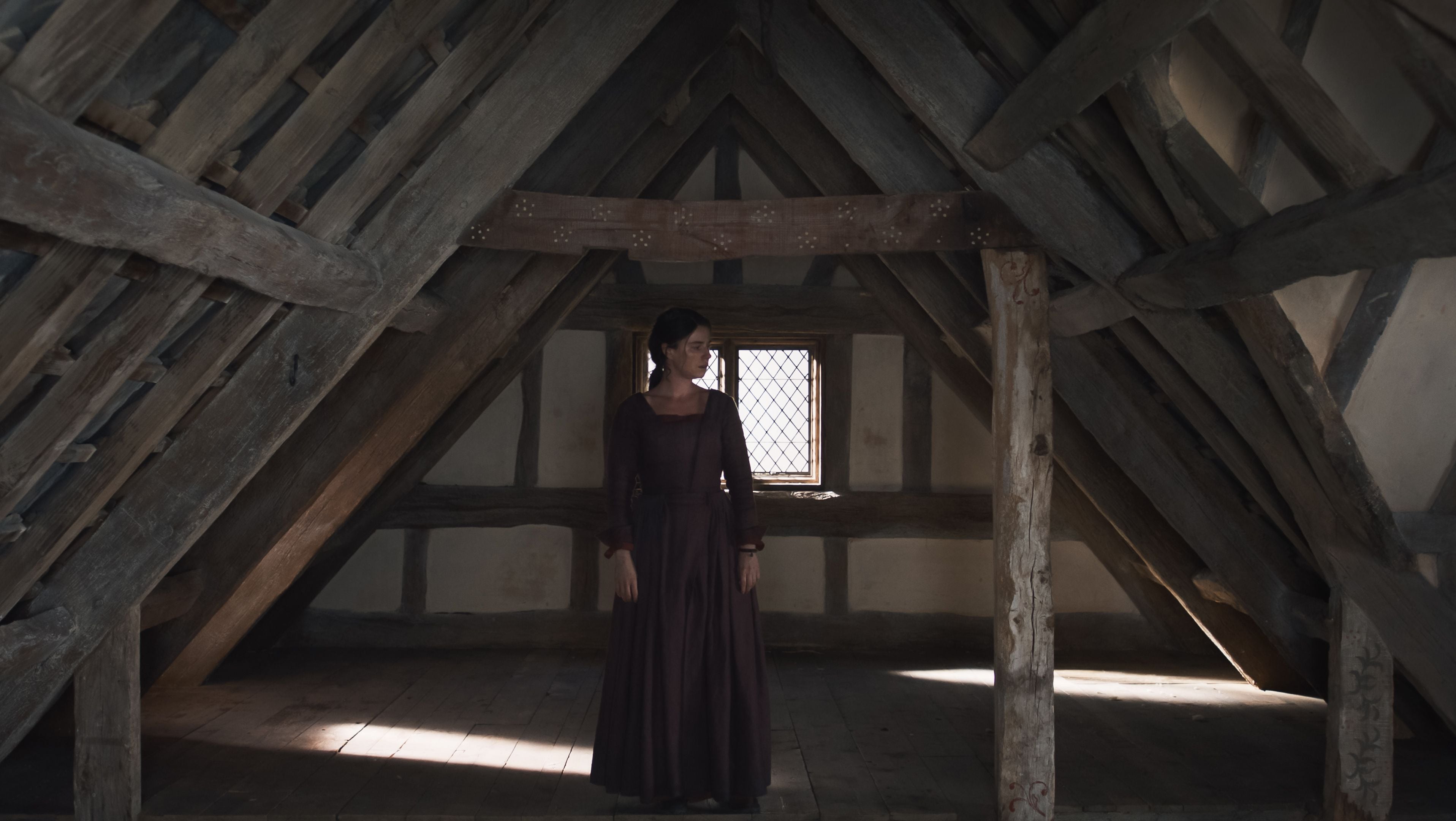
Hamnet is set in the imaginary lushness of rural Tudor England, denoted by old trees with labial root structures, falcons, wild herbs, dirt and magic. The original score is rich and evocative, and the film itself suggests that the death of Shakespeare’s own son, Hamnet, inspired the writing of his play Hamlet. It opens with an intertitle informing viewers that during the 16th century, the names Hamnet and Hamlet were interchangeable, thus making a truth claim about what we are about to see.
Sentimental Value focuses almost entirely on interiors. It opens with an establishing shot of a fairytale-like two-storey Norwegian Dragestil house and a montage visiting decades of passing time: kitten heels dancing on the floor, a broken wine glass, children’s grubby handprints on walls, doors banging closed. An elderly woman’s voice reads what we later realise is a school-assigned essay, written by the film’s protagonist, Nora Borg, when she was 12 years old, imagining the world from the point of view of this house, her home.

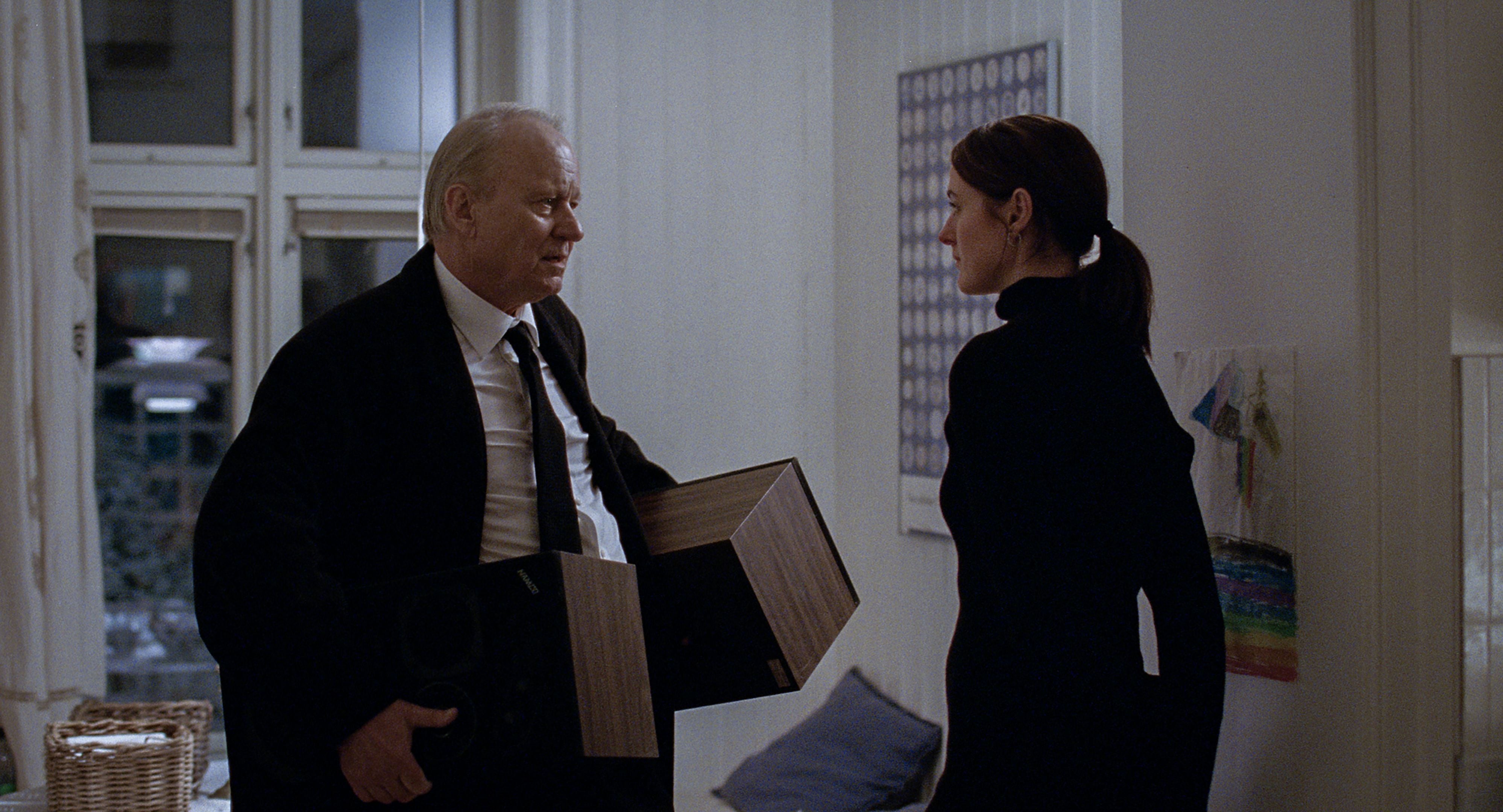
It is almost impossible to do an elevator pitch about Sentimental Value: it is an investigation of the idea of home, family inheritance, the Nazi occupation of Norway, fathers and sisters, all alongside Hollywood movie stars and their discontents. In the end, it is also about how a house functions as a piece of real estate, a site of shared memories and, finally, a movie location. Nora’s famous filmmaker father, Gustav Borg (played by Stellan Skarsgård) reconstructs her childhood home as the set for a film he is making about a young mother suffering from a sadness so deep and unfathomable that to call it depression seems reductive and stupid.
“The mainstream American culture industry is intent on producing narratives that turn private traumas into public spectacles”
Shakespeare lived and wrote at a time when all the arts were reflecting intensively upon self-fashioning, power and theatricality. In contrast, Zhao’s film was made at a moment when the mainstream American culture industry is intent on producing narratives that turn private traumas into public spectacles. The above epigraph, from Emma Bovary, reveals Flaubert at his most Shakespearean. The French novelist is obsessed not with falseness but with passion, selfishness, cliché and the pathos of banality: he likens his own writing about the pain of his flawed protagonist to the clanging music of a street entertainer, goading a haggard dancing bear to do the two-step to entertain an indifferent audience. For Flaubert, the artist grapples with the inadequacy of the tools at hand to represent human suffering and its insignificance—passionate longing and its debasement.
Historical fiction, like the 2020 novel upon which Zhao’s film is based, knows no such humility. Author Maggie O’Farrell confidently reimagines the artistic origins of Hamlet in the real-life loss of William Shakespeare’s 11-year-old son, Hamnet, to the plague. In the film, Will (played by Paul Mescal) abandons his wife and family after the death of his child, devoting himself to the theatre. While building the Globe Theatre in London, he is also writing and rehearsing Hamlet, going through the paces of semi-suicidal self-excoriation.



Will sublimates his grief and rage into his art while his wife, Agnes (played by Jessie Buckley), a witchy herbalist, tends to their home and garden and holds on to bitterness and rage. When she finally sees Hamlet performed on the Globe stage, she understands that Will has written the play about Hamnet as a gift to her. She is the anguished but transformed spectator. Tightly centred close-ups of Agnes’s face and medium shots of the audience at the Globe (captured on camera from either a drone or a crane) present choreographed reactions to a fragmented presentation of Hamlet’s highlights. At the same time, the tragedy of the Danish prince somehow brings Agnes solace over her son’s death and reconciliation with her estranged husband. This is the most salient fantasy of trauma culture in the 2020s: art is therapy, and can heal families.
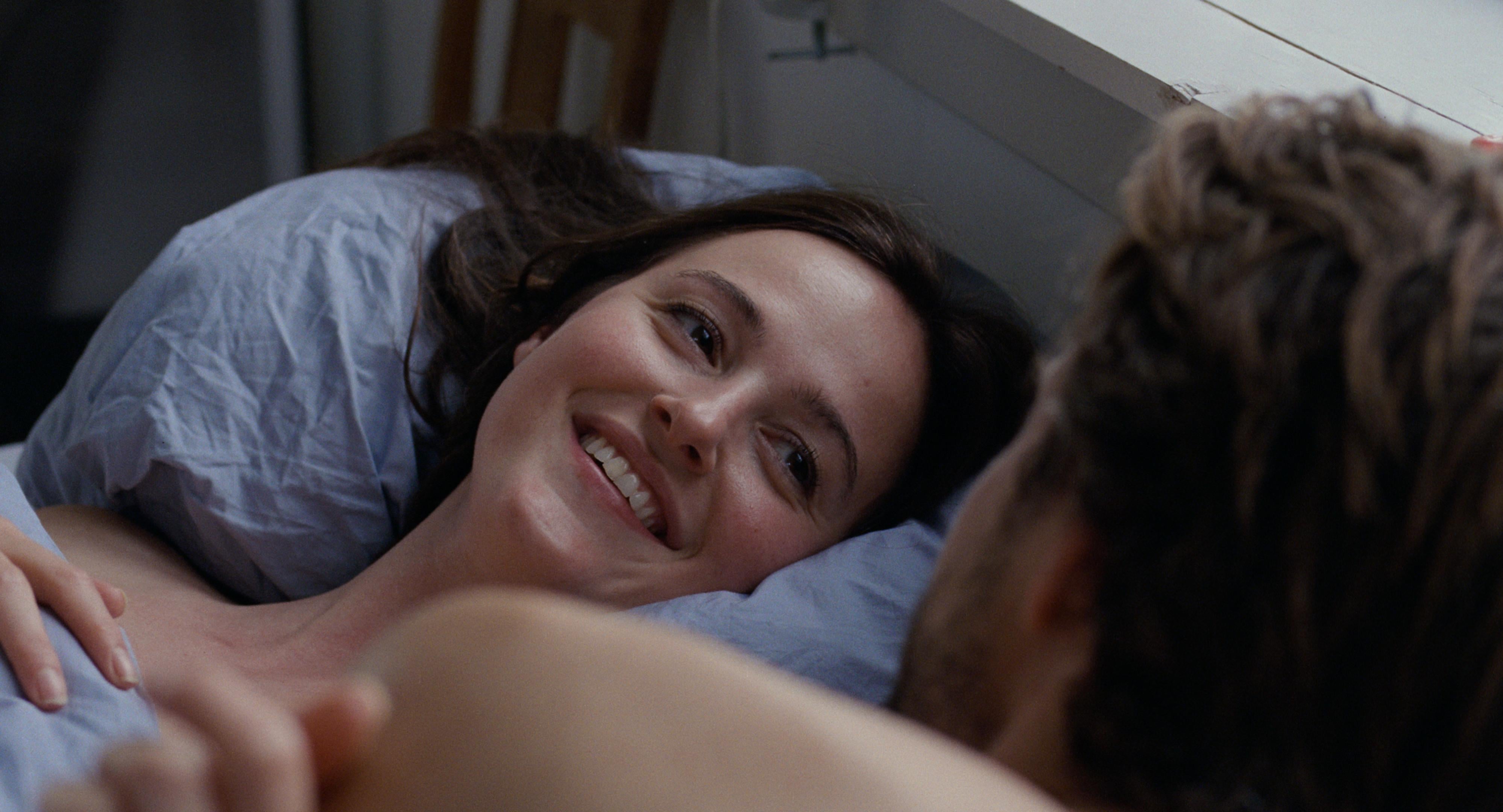
In Sentimental Value, Gustav Borg is an arrogant, errant father who has traumatised his two daughters with his cavalier attitude towards parental presence. Borg is unrepentant, but in his role as a famous director he has written a screenplay for the grown-up Nora (played by Renate Reinsve), now a theatre actress. Reinsve’s range is breathtaking: like Buckley, her acting is about emotional transparency. Both actresses can go from terrified to enraged to devastated to sad to desiring to ecstatic by allowing the emotions to play over their faces and bodies like inclement weather—thunder, lightning, rain and sunshine. Reinsve’s acting appears especially effortless, and Sentimental Value exposes her character’s struggle as a young woman unable to form stable relationships, but eminently capable of holding a full house rapt with her red-hot and ice-cold dramatic performances.

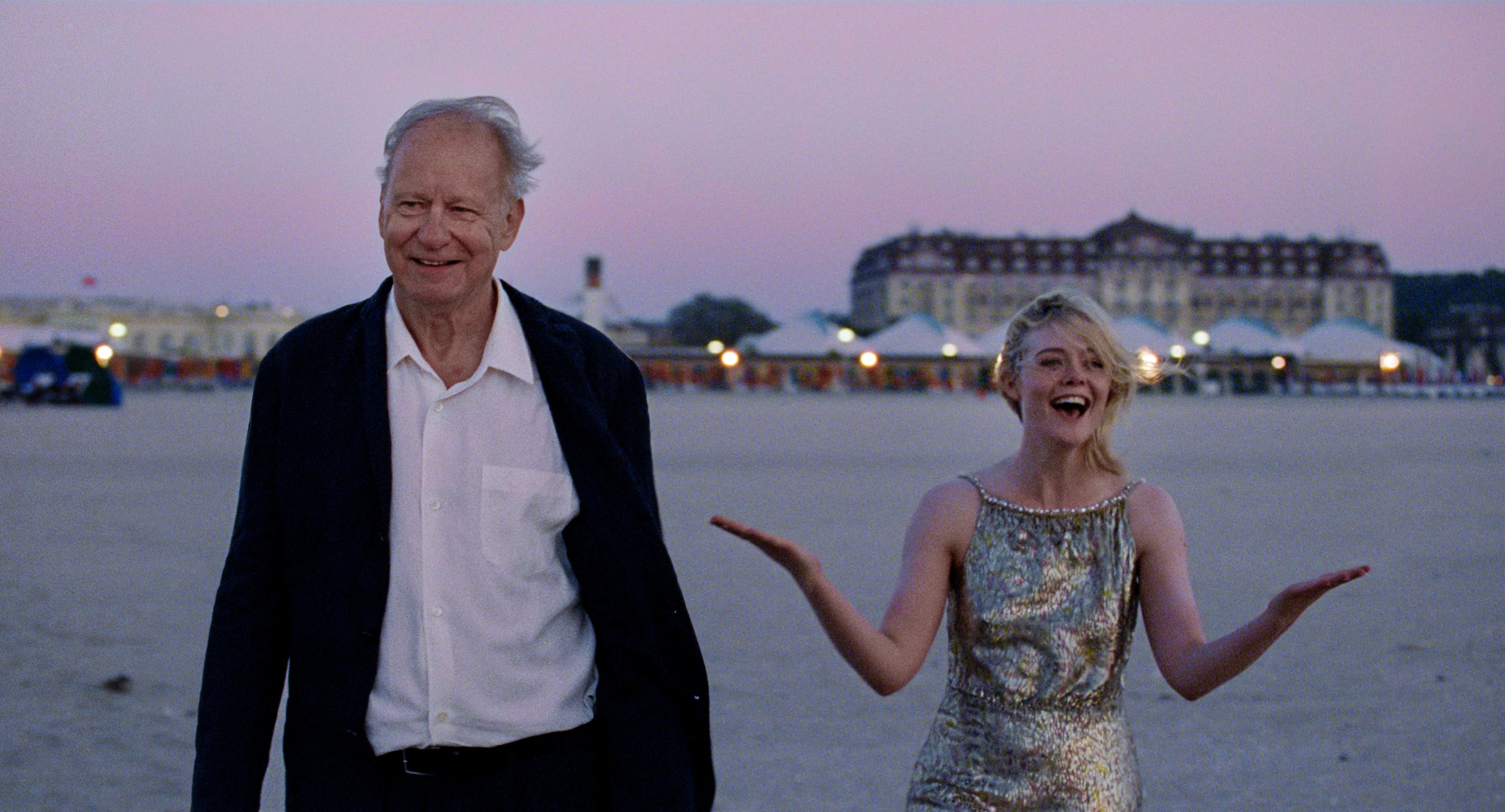
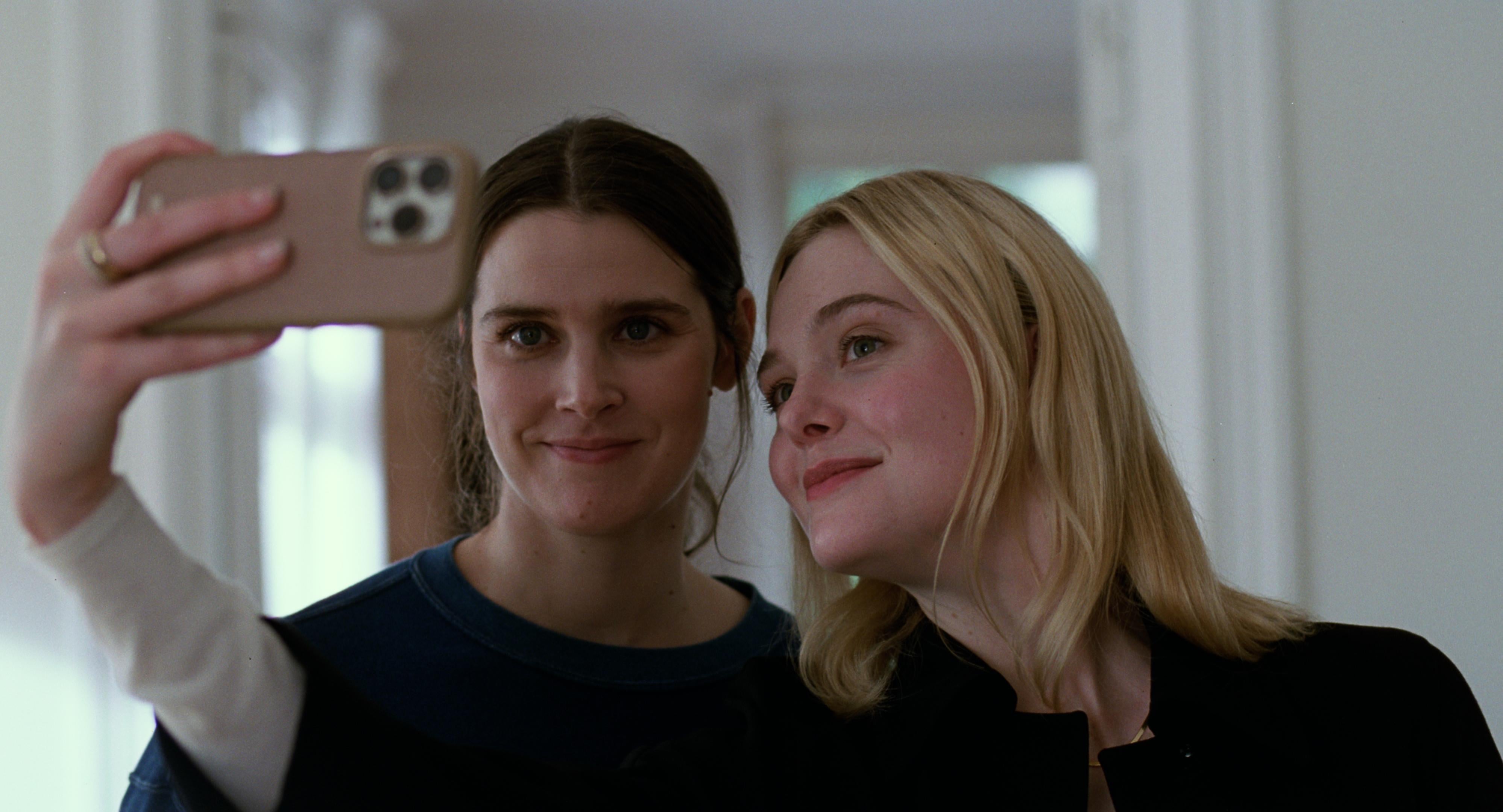
We initially meet her with her gentle historian sister, another Agnes (played by Inga Libsdotter Lilleaas), in their childhood home after a church service for their recently deceased mother. Gustav sweeps in unexpectedly, a loud voice and commanding figure dominating every corner of the house that we discover he still owns. Nora is impaired by anxiety attacks and dark, depressive episodes that have led to a failed suicide attempt. When her father attempts to reconnect with her, he is harsh and unstinting, grandiose and overbearing. Nora refuses to read the script he has written; Gustav ends up getting funding from Netflix to make the film anyway. He casts Rachel Kemp (played by Elle Fanning)—an American movie star hoping for better roles, whom he meets at the Deauville Film Festival—in Nora’s place.
“This is the most salient fantasy of trauma culture in the 2020s: art is therapy and can heal families”
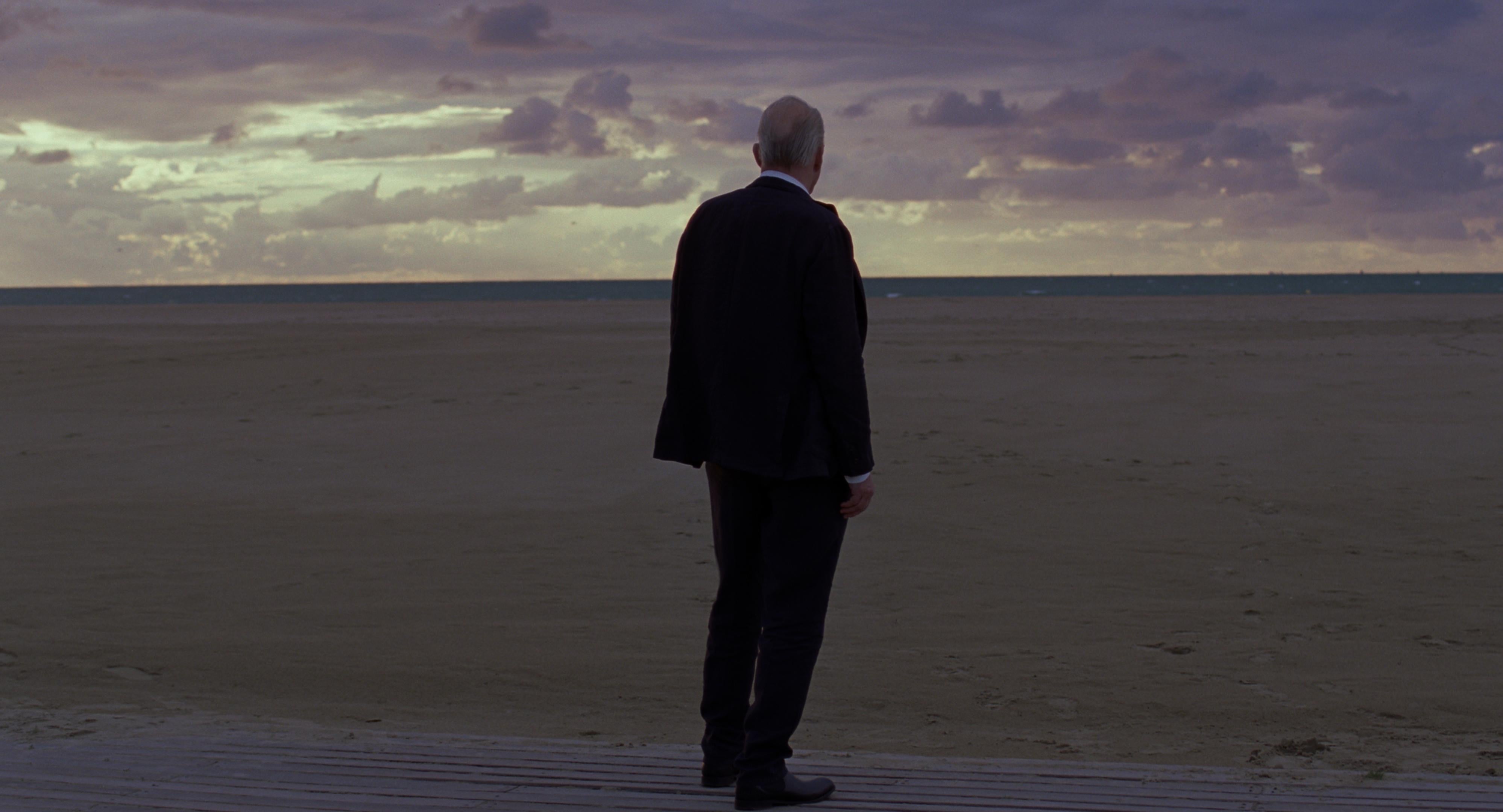
Rachel thinks Gustav will give her an arthouse film opportunity to redeem her flagging reputation among critics. The scenes of their all-night merrymaking on the Deauville beach tip into the slightly off-kilter hedonism and melancholy of Federico Fellini’s 8½ (1963), another film about filmmaking. The wide-angle framing of sea, sand and horizon are nothing if not theatrical, but only as film can render it. Gustav and Rachel’s seaside drinking and dancing are outlined as if across an impossibly wide proscenium, with the natural world providing a backdrop on to which Gustav can act the bon vivant gentleman by hailing Rachel a horse-drawn buggy to whisk her back to her hotel.
Fanning is brilliant at playing an actress playing a role poorly. She cannot connect with the character. When she finds out that Gustav’s mother—a member of the Norwegian resistance who was jailed and tortured by the Nazis—killed herself after the war when her son was six years old, in his childhood home, she tries to get more motivation from his biography. Gustav—through the scenes created by Trier—shuts down that line of questioning like an iron door. Agnes, also on a historian’s quest for information, goes into the Norwegian archives to find out more about her grandmother’s imprisonment but discovers nothing more than she has already learned through family lore.
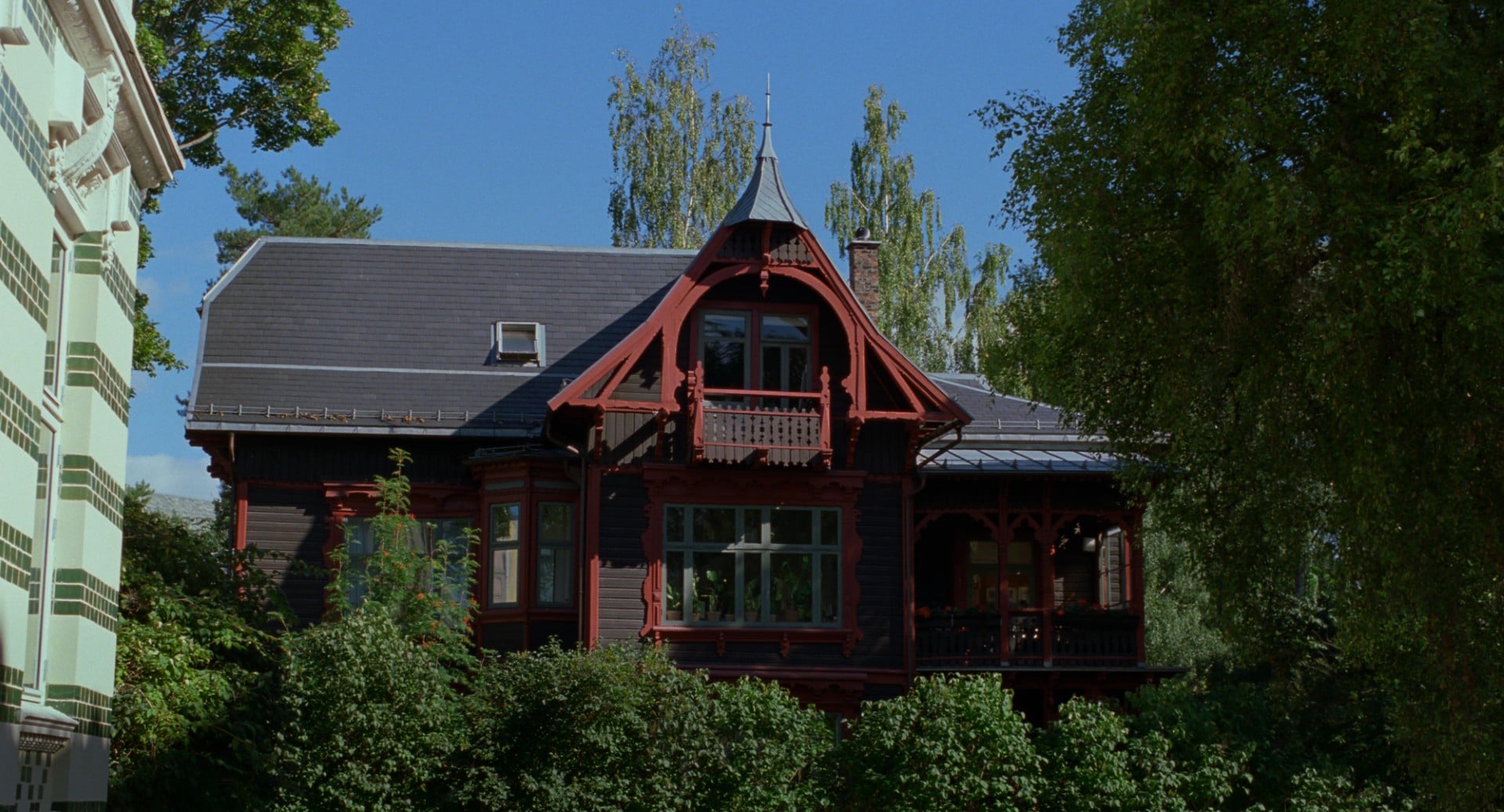
In the end, Nora accepts the role her father has written for her, and the final scenes of the film contain a pullback from the last tracking shot of Gustav’s film, shot in the bright narrow hallways and rooms of her childhood home. In this reveal, we see that the house is now a movie set, perhaps where the entire film was shot. The house with so much sentimental value has windows blocked by blue screens, half-built walls and open ceilings. Their ‘real house’ has been renovated into a home improvement montage, to the beige standards of real estate agent sensibilities.
“Trier suggests that it is much easier to make a film than to repair a broken relationship”
On set, Nora’s luminous and enigmatic performance is seen by her father, and by us, as an outstanding achievement, but his celebration of it does not necessarily bring them closer. Earlier in the film, Gustav describes filmmaking as the syncing of time and space. Trier suggests, in the conclusion, that it is much easier to make a film than to repair a broken relationship. Nora and Gustav have made a film together, but they are still not quite in sync once the camera stops rolling. In Hamnet, art is reduced to family therapy. Hamlet’s tragedy, his entrapment in a web of dishonour, betrayal and usurpation, is made more accessible and more novel to the 21st-century viewer when filtered through Will’s biography. For Trier, however, truth-seeking in art reaches its affectual and aesthetic horizon when the artwork can express, for all mere mortals, the terrible, mysterious passion, beauty and insignificance of our brief time on this sweet earth. —[O]
Main image: Chloé Zhao’s Hamnet (2025) (Still). Courtesy of Focus Features.






A respected voice in contemporary art discourse.
Focusing on ambitious storytelling and insightful art-world commentary. Ocula Magazine publishes in-depth interviews, critical essays and timely analysis on the artists, exhibitions and ideas driving the global art world.
Learn more about Ocula Magazine
Showcasing the best of the art world.
Ocula partners with galleries from around the world to highlight their artists, artworks and exhibitions. Gallery membership is by application and invitation, with each member vetted by an independent panel.
Learn more about Ocula Membership
Specialises in the sale of major artworks.
Led by a team with deep ties to the world’s leading auction houses, galleries and collectors. Ocula’s advisory team offers bespoke services to high-net-worth clients from around the world who are looking to acquire the best of contemporary and modern art.
Learn more about our team and services