The art world in focus
Subscribe to our newsletter for news and insights on artists, galleries and exhibitions.

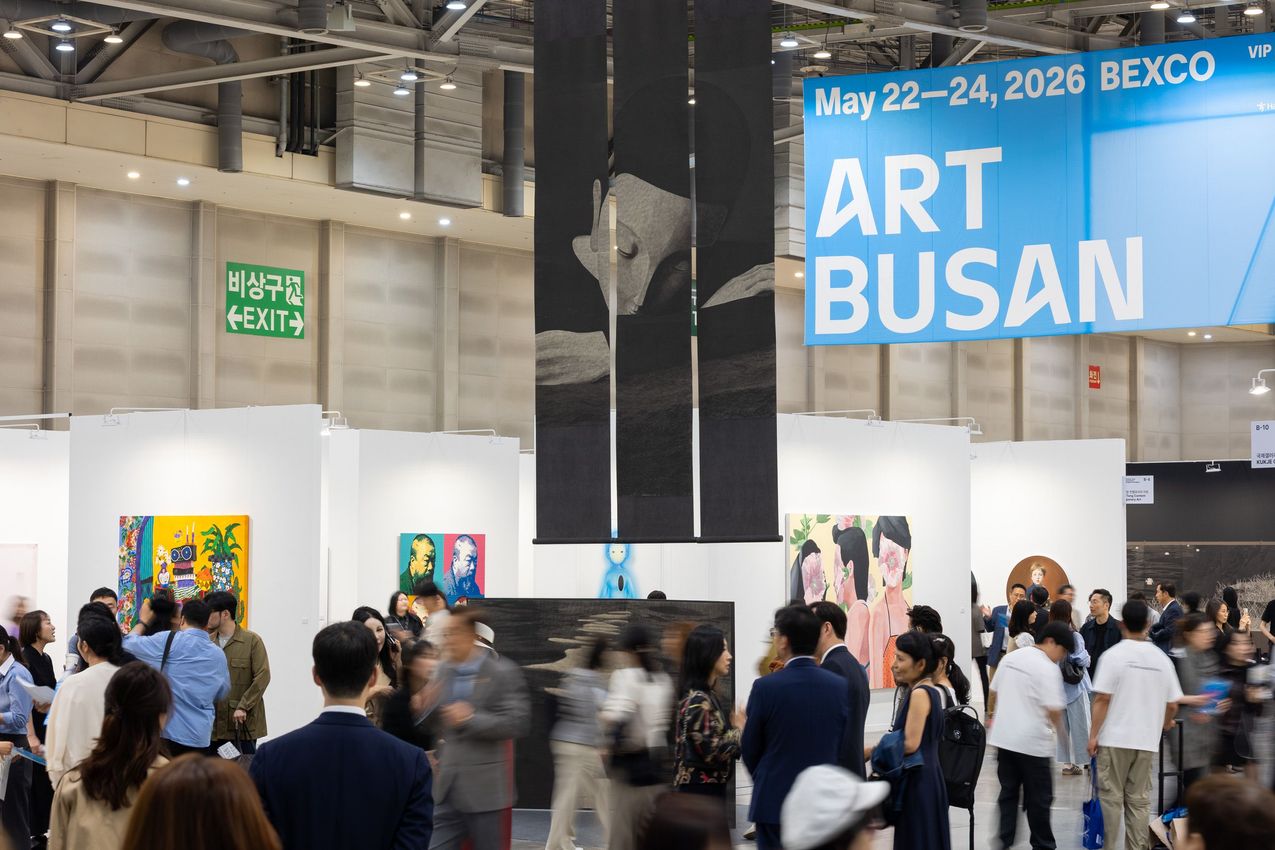
Founded in 2012, Art Busan emerged at a time when South Korea’s art market was overwhelmingly concentrated in Seoul. Busan, despite being the country’s second-largest city by population and one of Asia’s busiest port cities, was rarely considered a serious destination for the contemporary art trade. The fair began as something of a regional experiment: an attempt to decentralise Korea’s art ecosystem by building an alternative platform outside the capital. The comparison to Miami was inevitable—another coastal city that transformed itself into an international cultural destination beyond the shadow of a dominant metropolitan centre.
Over the past decade, however, Art Busan has evolved from a peripheral initiative into one of the few fairs in Asia to meaningfully complicate a capital-centric art geography. Its most dramatic period of expansion was during the pandemic years of 2021 and 2022, when South Korea experienced an unprecedented boom in art collecting. Visitor numbers surpassed 100,000 in 2022, while sales reportedly reached KRW 74.6 billion (approximately £36.6 million), fuelled by a convergence of restricted overseas travel, high domestic liquidity, and the rapid emergence of millennial and Gen Z collectors.
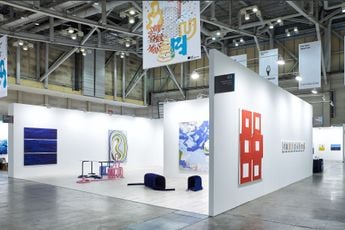
The speculative surge of the fair has since stabilised (like much of the global art market). As visitor figures have normalised and the broader market has entered a correction phase, Art Busan’s 15th anniversary edition in 2026 (running from 22–24 May), arrives at a different moment: one defined more by recalibration than by explosive growth. Rather than competing directly with the increasingly blue-chip driven model adopted by many major Asian fairs, Art Busan shifts toward exhibition-like presentation formats, spatial experimentation, and more deliberate curatorial structures within the booths themselves.
This shift is most immediately visible at Gallery Baton: its booth is anchored by a central installation by Liam Gillick. Composed of powder-coated aluminium structures, the work extends into the surrounding space, establishing a subtle rhythm across the booth’s circulation. Around this spatial core, the gallery constructs a series of formal correspondences: Chung Eun-Mo’s geometric abstractions sit alongside Gillick’s industrial vocabulary, while Lee Jaeseok’s fragmented depictions of military tents resonate with the urban-edge landscapes of Belgian painter Koen van den Broek. The booth unfolds with unusual coherence for a fair setting, closer to a tightly structured group exhibition than a commercial presentation.
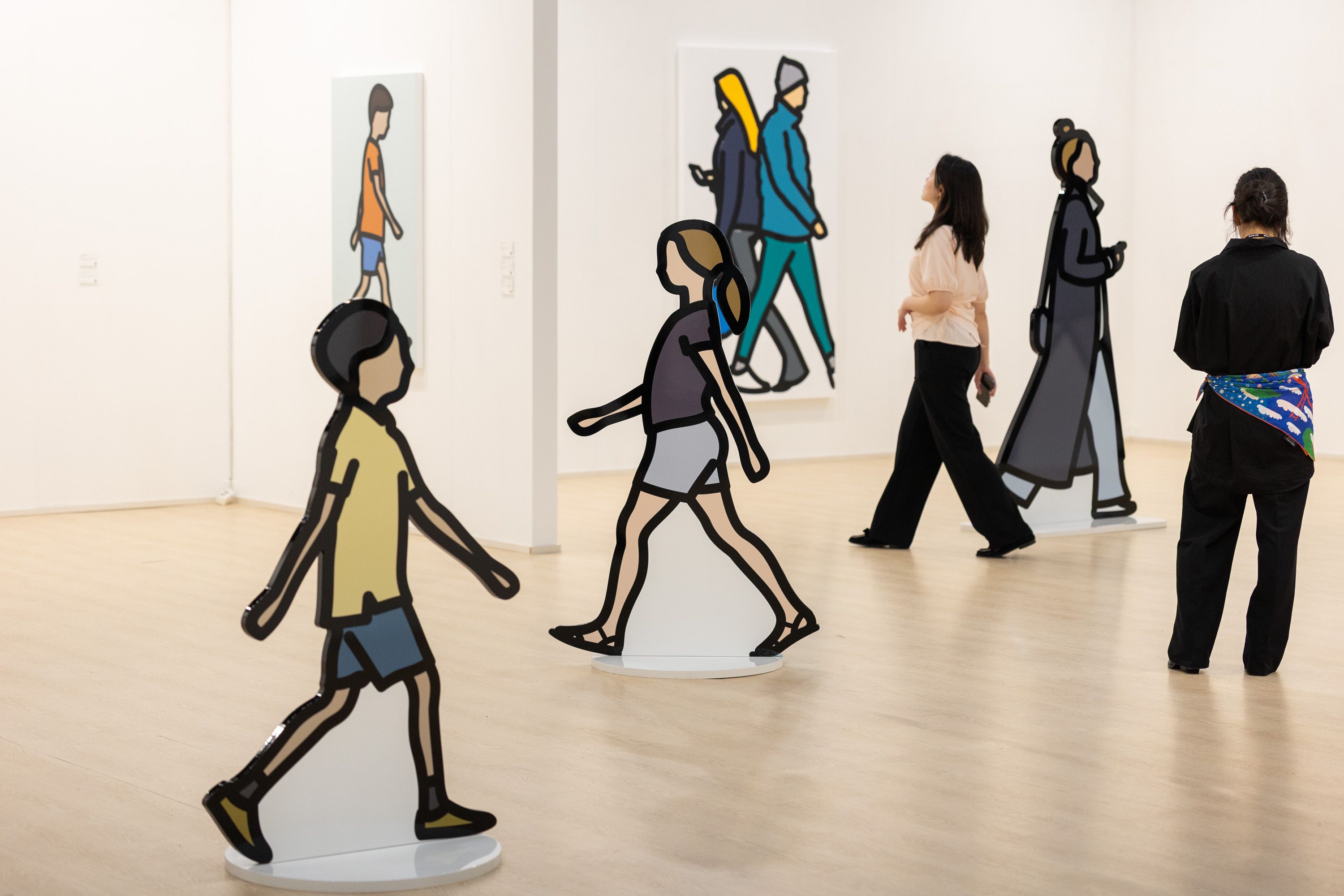
At Kukje Gallery, the presentation tightens into a fully immersive single-artist environment dedicated to Julian Opie. Known for his reduced visual language derived from signage, digital animation and urban pictograms, Opie’s figures—walking bodies, portraits, and repeated silhouettes—form a continuous visual rhythm across the booth. Rather than a sequence of discrete works, the presentation operates as a unified perceptual field in which repetition and clarity replace accumulation as the primary structure.
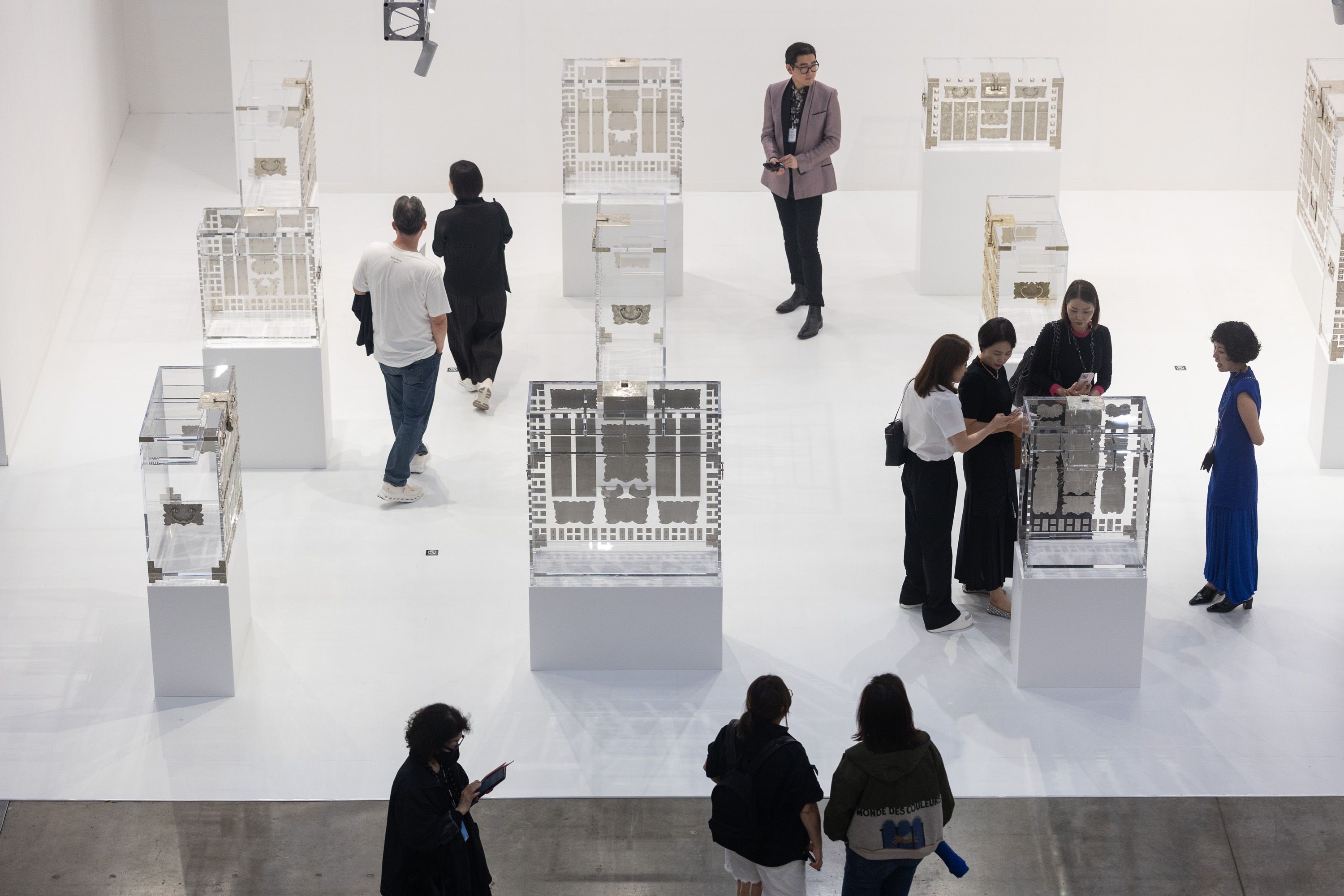
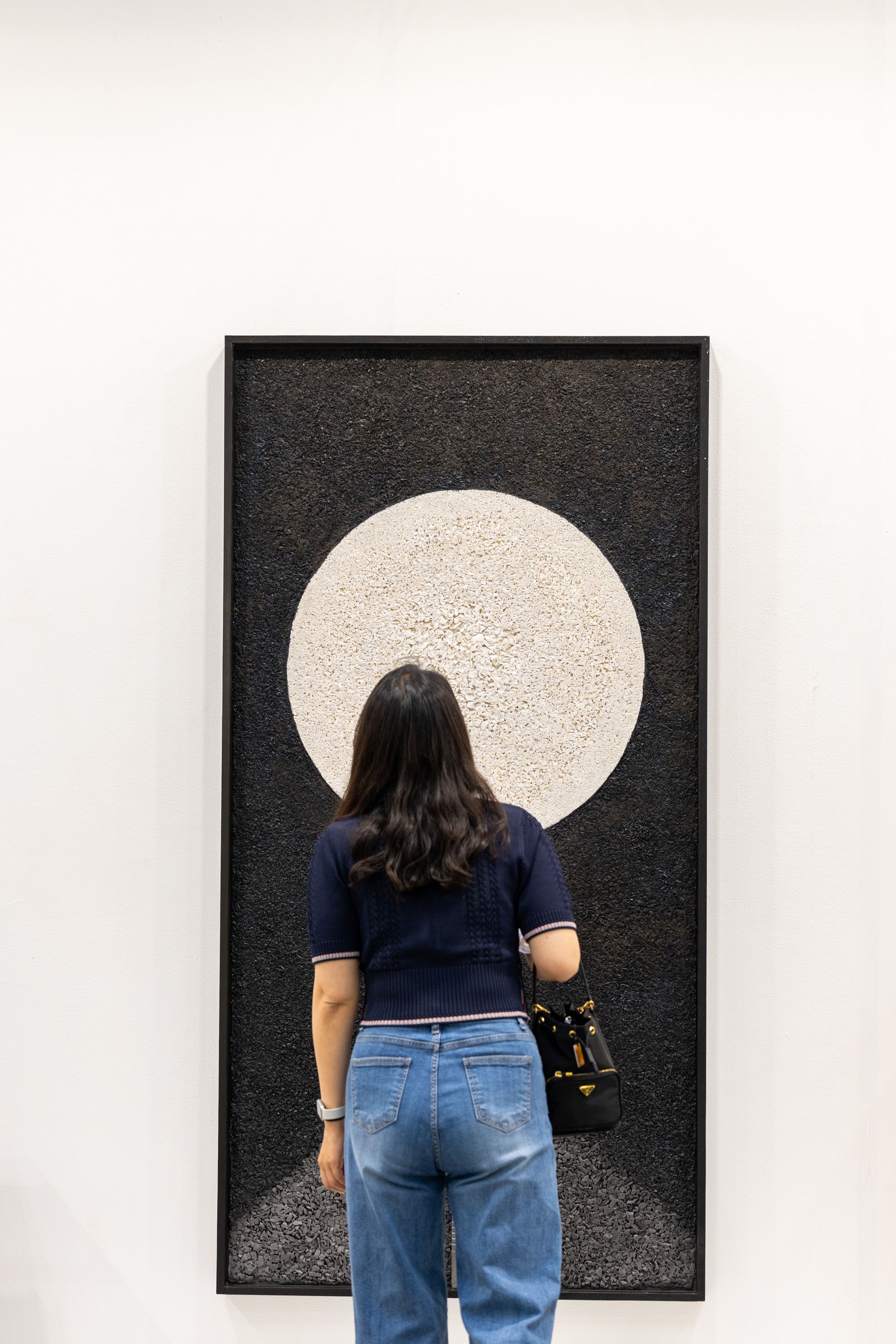
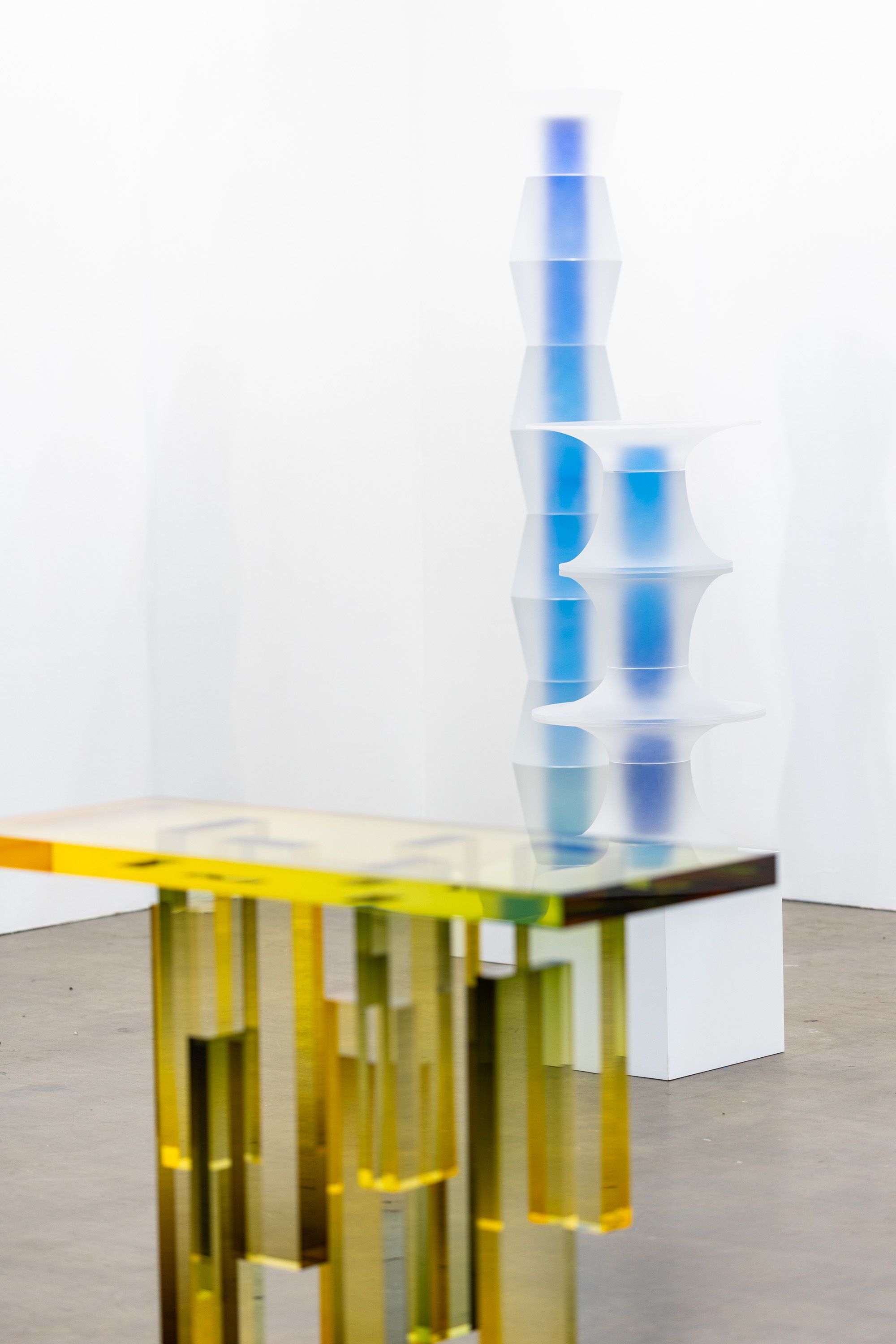
Galleries are encouraged to construct internally coherent spatial environments within their stands, foregrounding pacing and thematic focus rather than density. The result is a gradual shift away from salon-style installation toward something closer to modular exhibition design. At The Page Gallery, a project centred on designer Kuho Jung brings fashion, image-making and object display into a single scenographic environment, where visual identity becomes inseparable from spatial composition. Meanwhile, Cheyul and Galerie Philia similarly position collectible design as a parallel system of exhibition-making, with sculptural furniture and craft-based works staged as autonomous visual propositions. These design-oriented presentations are embedded directly within the fair’s booth ecology, reflecting a broader convergence between contemporary art, interior design and collectible culture in East Asia.
Elsewhere, the fair’s increasing regional integration across Asia is visible through a series of hybrid and collaborative booths. The presentation by Seoul-based OKNP and Tokyo’s Ginza Tsutaya Books combines publishing, archival material and exhibition display, unfolding as a temporary reading and research space structured around experimental textual materials circulating across Asia.
“Art Busan shifts toward exhibition-like presentation formats, spatial experimentation, and more deliberate curatorial structures”
This regional connectivity extends further through Taiwan’s participation as guest country in collaboration with Art Taipei, with galleries such as Taipei’s Yiri Arts introducing practices that sit between contemporary art, craft and design. Additional cross-fair exchange partnerships, including participation linked to Art Central Hong Kong, further underline the increasingly fluid circulation of galleries across regional platforms.
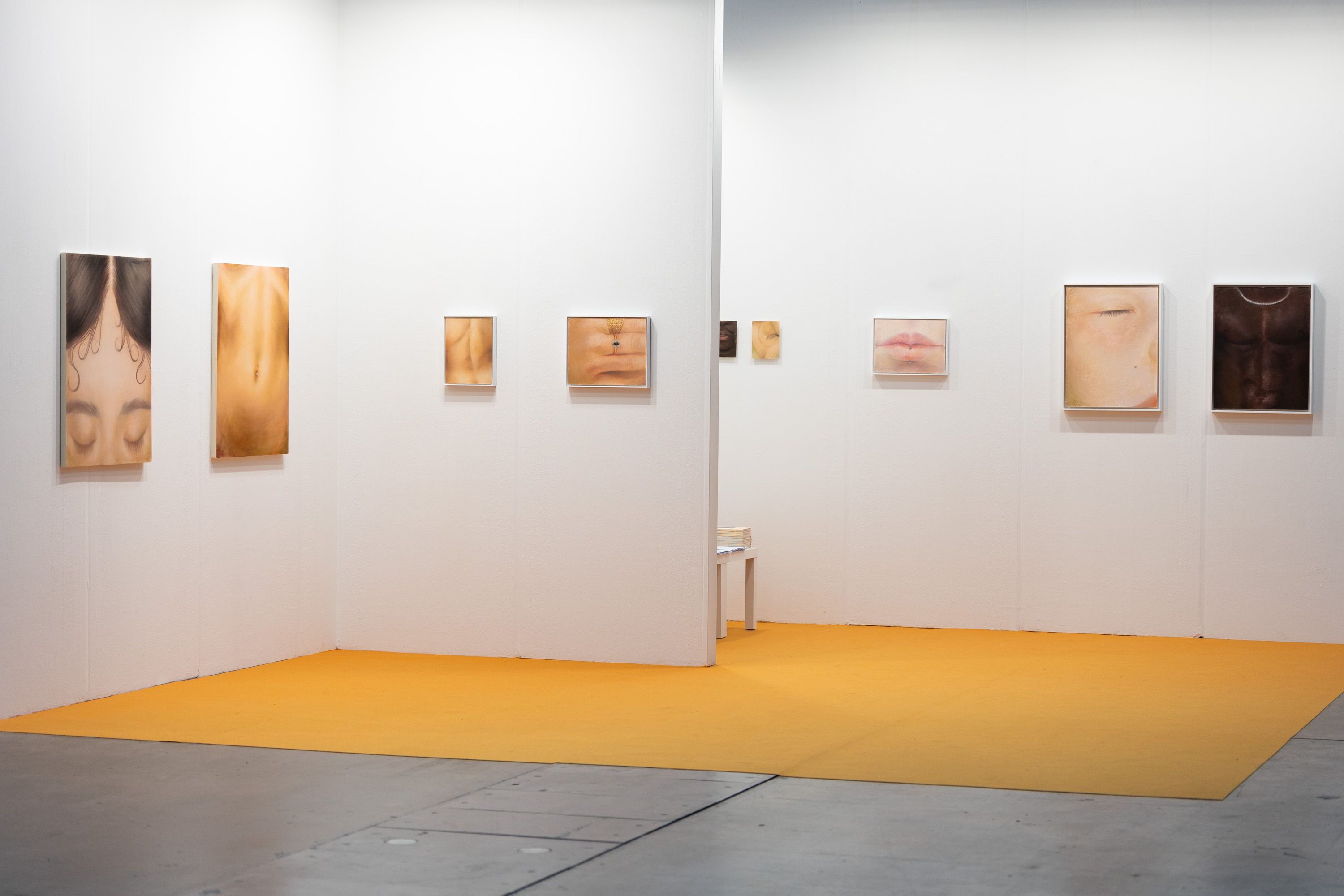
Among the younger galleries, Awase presents a performance-oriented booth featuring Japanese artist Soh Souen, recipient of the Fukuoka Art Award. Working across performance- and process-based installations, Souen’s practice often foregrounds gesture, duration and the unfinished as material in itself. Resisting the typical logic of resolved objects, the display instead privileges works that unfold as actions or traces rather than fixed outcomes.
This presentation is part of Future, a section of the fair launched last year foregrounding younger galleries and emerging artists. The inaugural Future Art Award was given to Chinese-Canadian artist Jeffrey Chong Wang, represented by Seoul-based gallery WWNN, for his psychologically charged figurative paintings that merge personal memory with broader historical references. Combining classical painterly techniques with contemporary visual language, Wang’s works reflect a generation of artists navigating fractured identities, mediated images and unstable social realities.
The section returns this year with 23 participating galleries from cities including Seoul, Tokyo, Hong Kong, Madrid and The Hague, while the award prize has increased to KRW 20 million (approximately £9,800). This year, first prize was awarded to Ryu Jimin (presented by Hippie Hannam) while second prize was awarded jointly to Inside Job, presented by Caption Seoul, and Miyu Yamada, presented by Biscuit Gallery. Future signals the fair’s attempt to cultivate longer-term ecosystems rather than relying solely on established market names. In a period when younger galleries internationally face increasing financial pressure, such platforms have become increasingly important points of visibility and sustainability.
At Connect, the fair’s curated exhibition platform, the theme “Urbanism and Locality” links the curation to Busan itself. This year’s Connect includes six exhibitions, all curated by Wonseok Koh, director of the Seoul-based Line Cultural Foundation. Group exhibition Necro-Urbanism: Layered Ground takes Busan’s history as a wartime refuge city and its successive waves of reconstruction as a starting point: the project approaches the city as a layered terrain shaped by displacement, labour, memory, and redevelopment. The exhibition’s title reflects Busan’s peculiar urban condition: a city in which traces of conflict, migration, religion, industry and rapid modernisation remain visibly compressed within its geography.
“Galleries are encouraged to construct internally coherent spatial environments within their stands”
A strong local focus also runs throughout the five solo presentations in this section. Artists from different generations examine the social and psychological textures of Korean urban life, from the graphite drawings of Eunju Kim, which translate dense metropolitan experiences into restless accumulations of lines, to Suh Yongsun’s sculptural depictions of farmers and soldiers: figures that evoke labour, interdependence, defence and the structures that shaped modern Korea. Opening the section is a large-scale hanging work of a figure in a moment of contemplation, by the Seoul-born artist Moonassi, which invites a moment of reflection.
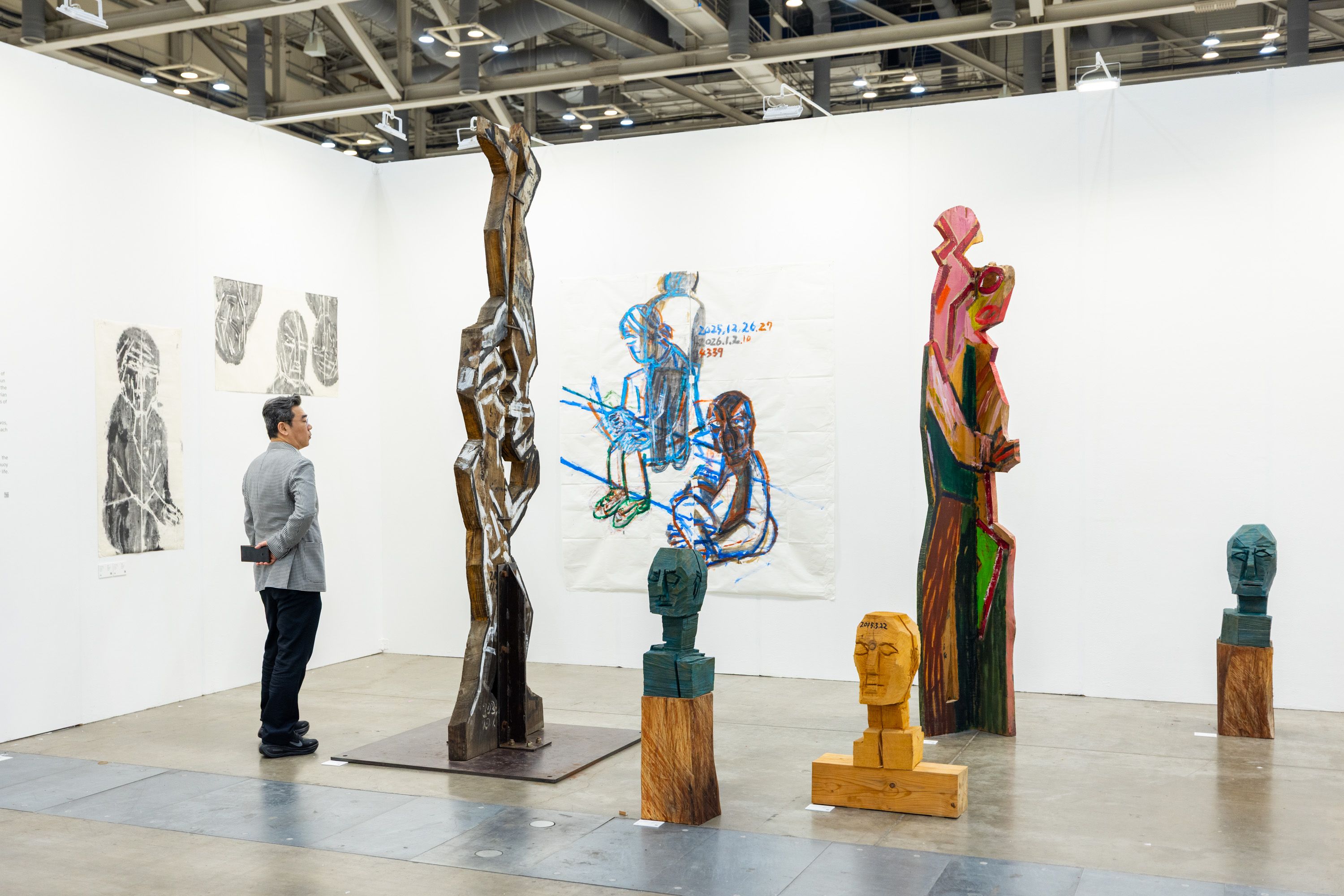
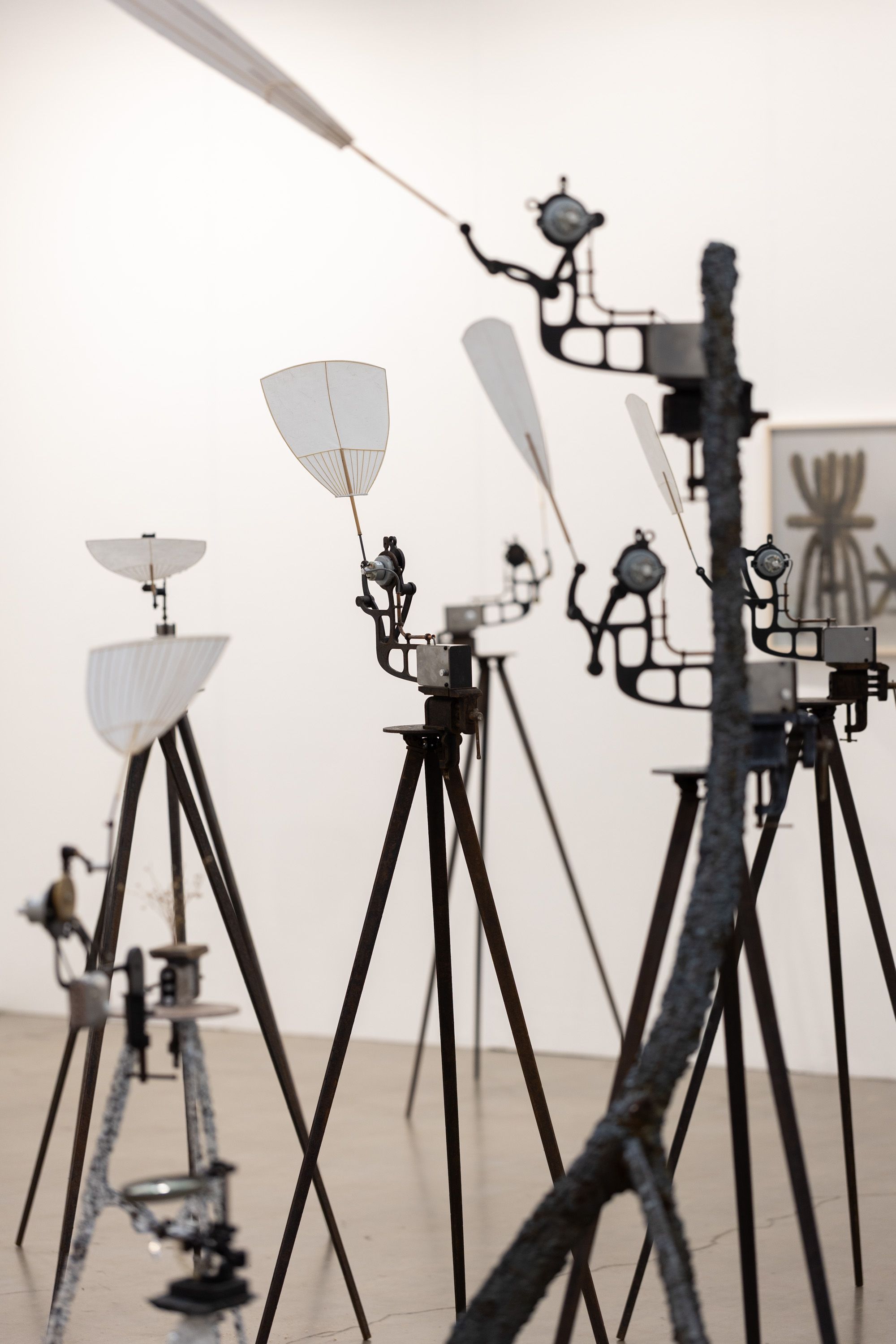
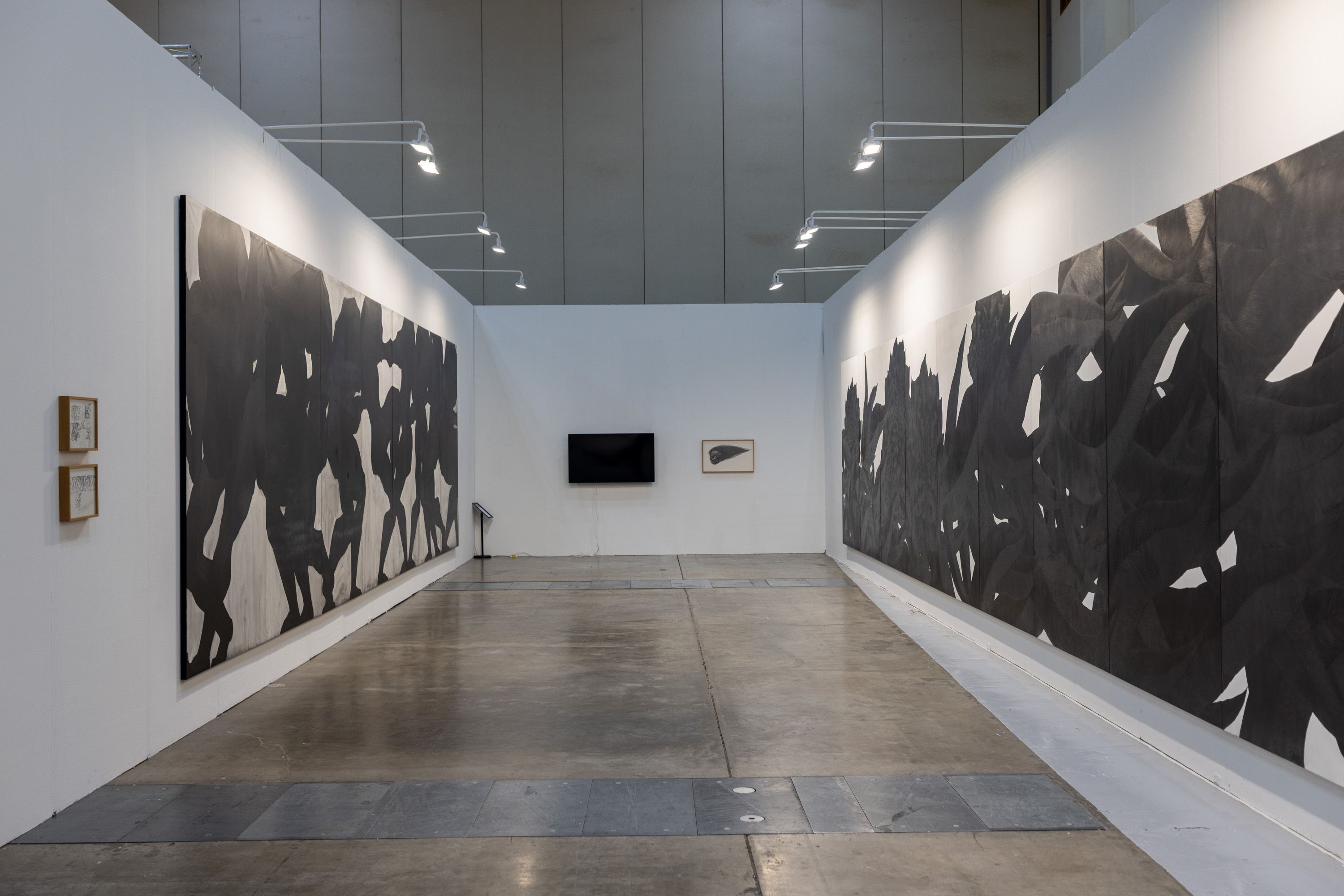
The trajectory of Art Busan mirrors broader shifts within the Asian art market itself. The fair undoubtedly benefited from the speculative energy of the pandemic-era boom, but its longer-term identity now appears to be consolidating around something less immediate and more spatially grounded. Rather than competing solely through scale or blue-chip concentration, Art Busan has increasingly distinguished itself through its engagement with the city around it—its histories, industrial afterlives, and evolving, vibrant design culture. Across the fair, this is less expressed as a unified model than as a series of different approaches to display, from constructed curatorial systems to immersive solo environments and design-led installations. This sense of locality may ultimately prove the fair’s most durable asset. —[O]


A respected voice in contemporary art discourse.
Focusing on ambitious storytelling and insightful art-world commentary. Ocula Magazine publishes in-depth interviews, critical essays and timely analysis on the artists, exhibitions and ideas driving the global art world.
Learn more about Ocula Magazine
Showcasing the best of the art world.
Ocula partners with galleries from around the world to highlight their artists, artworks and exhibitions. Gallery membership is by application and invitation, with each member vetted by an independent panel.
Learn more about Ocula Membership
Specialises in the sale of major artworks.
Led by a team with deep ties to the world’s leading auction houses, galleries and collectors. Ocula’s advisory team offers bespoke services to high-net-worth clients from around the world who are looking to acquire the best of contemporary and modern art.
Learn more about our team and services