





Mumbai Gallery Weekend 2025 Calls for Fresh Energy
With a push to innovative programming and emerging voices, MGW could solidify Mumbai’s place on the global art map. Save to My OculaAs galleries face growing market pressures, what often results is an increasing prioritisation of crowd-pleasing works at events like Mumbai Gallery Weekend (MGW) (9–12 January 2025), which featured exhibitions by over 30 galleries spanning neighbourhoods from Bandra to Colaba. Established galleries like Chemould Prescott Road, for instance, erred on the side of caution, showing Atul Dodiya‘s Radio Ceylon Paintings: Vol. I, a continuation of similar work they displayed at the festival in 2023.
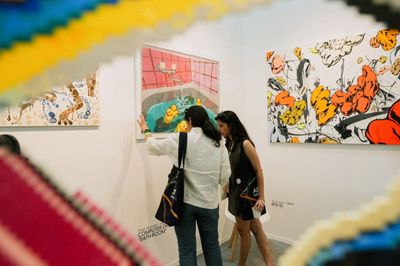
Returning to the event for the first time since 2019, I noticed the scene had grown larger and more organised—slick, polished, and running like a well-oiled machine. Yet, it seemed to lack the risk-taking, rhizomatic programming, and productive chaos known to Mumbai’s art world.
“While MGW exemplifies collaboration and camaraderie among gallerists, there is room for more critical programming...
This raised a crucial question: how can a growing commercial hub balance showcasing critical, engaging works with market demands? A few exhibitions during MGW addressed this problem, probing the role of art in an economically burgeoning yet politically divided India.
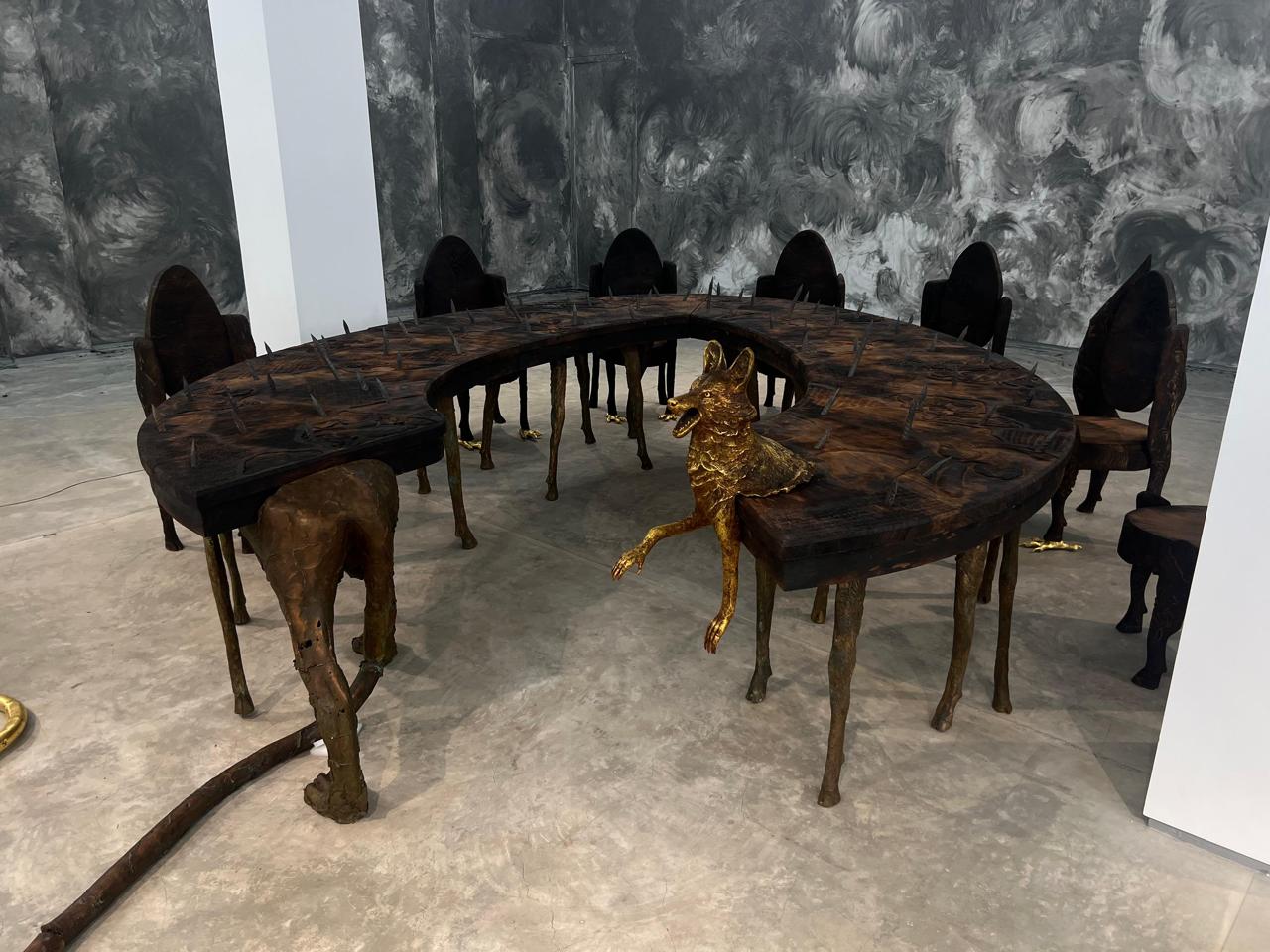
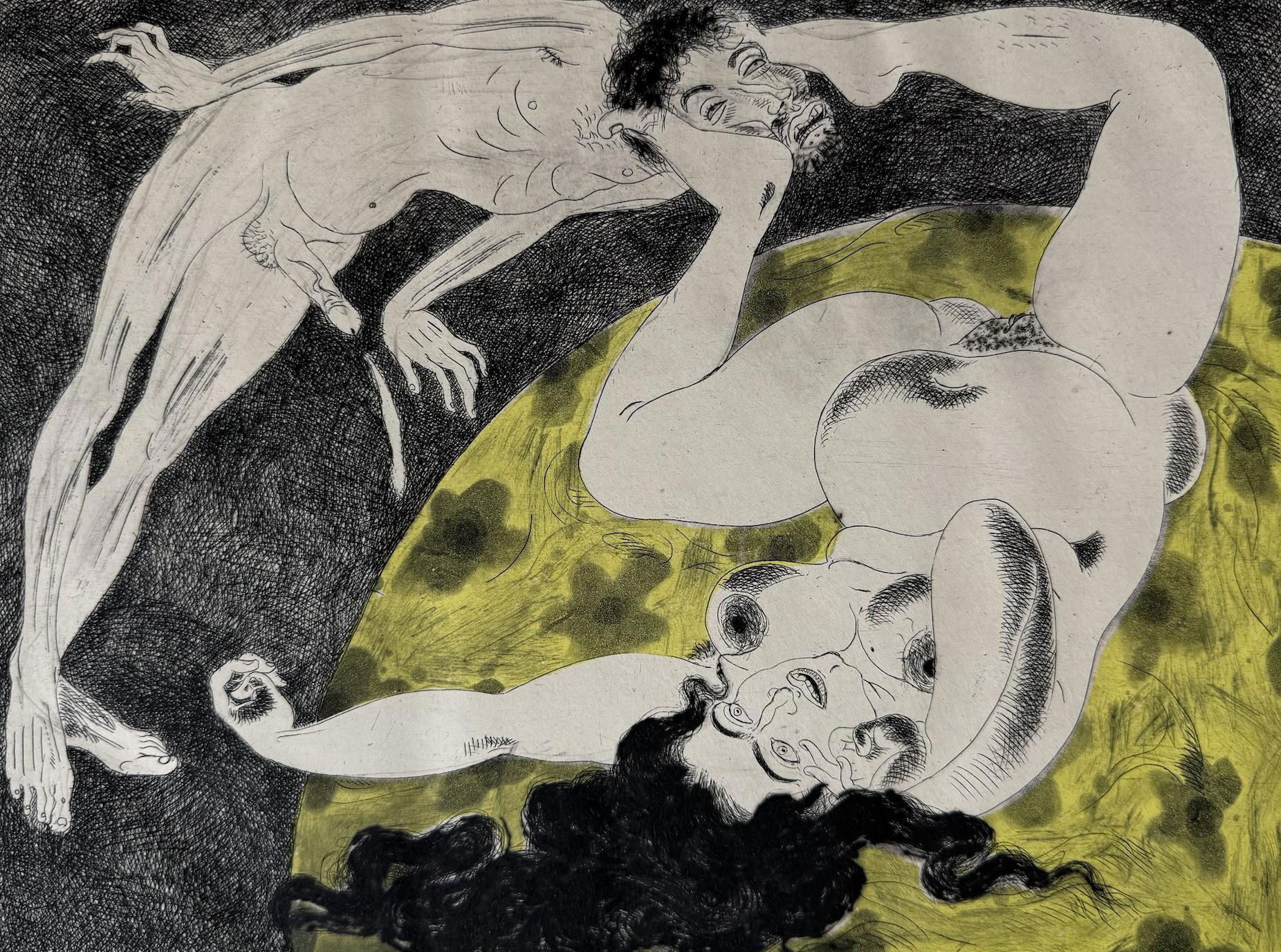
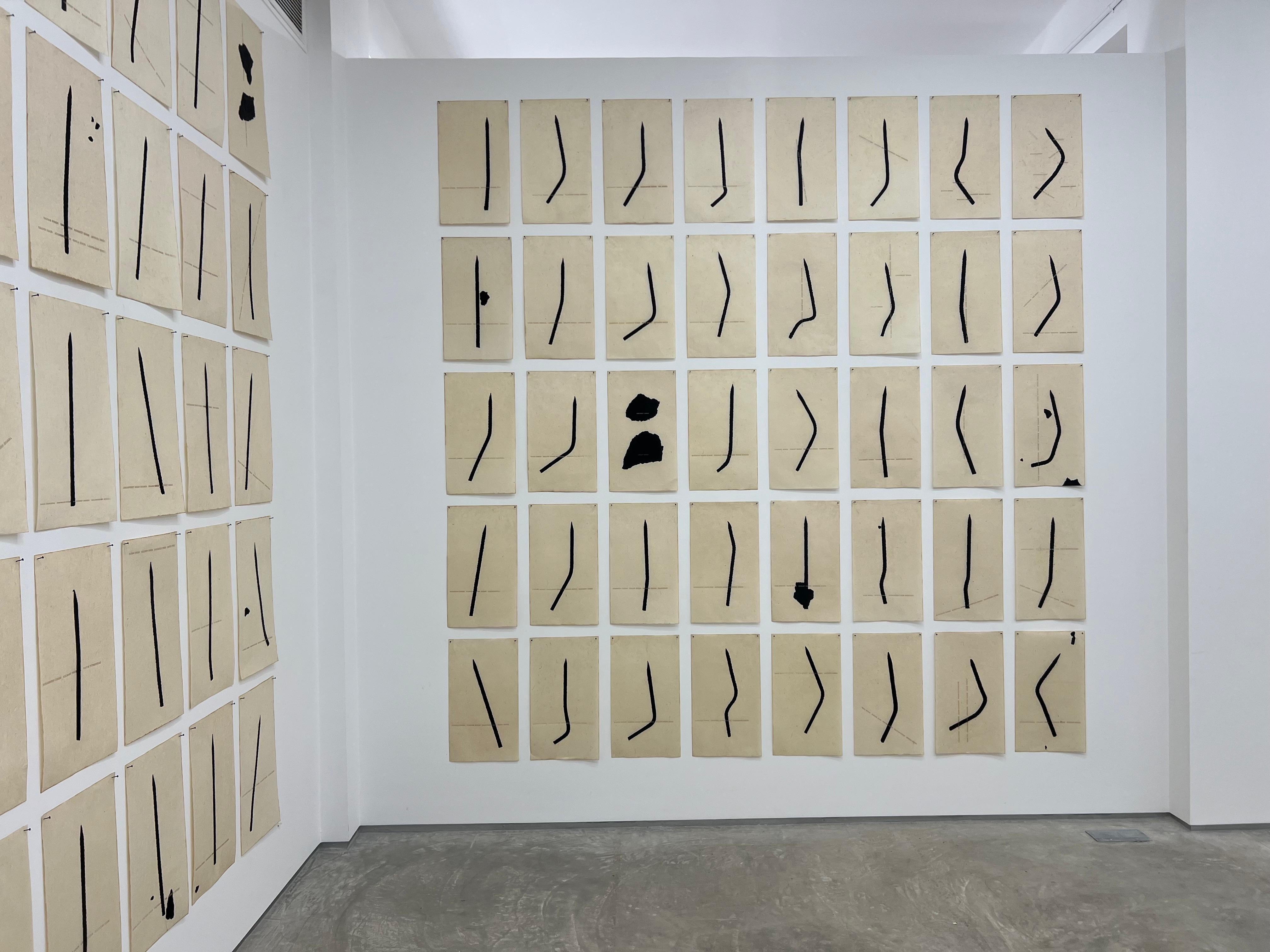
Galerie Mirchandani + Steinruecke in Ballard Estate showcased the second in a series of exhibitions featuring Punjab artist Kulpreet Singh. Singh’s practice delves into land histories and environmental art, emphasising the precarious realities of farmers in his home state. Singh’s drawings, prints, and sculptures revisit his experience of the 2020–2021 farmers’ protests in Delhi and surrounding districts, which were sparked by long-standing discontent and fears that privatisation would erode safety nets provided by government-regulated markets. His work incorporates striking imagery of nails and barricades, depicting the resistance farmers encountered as they voiced their grievances.
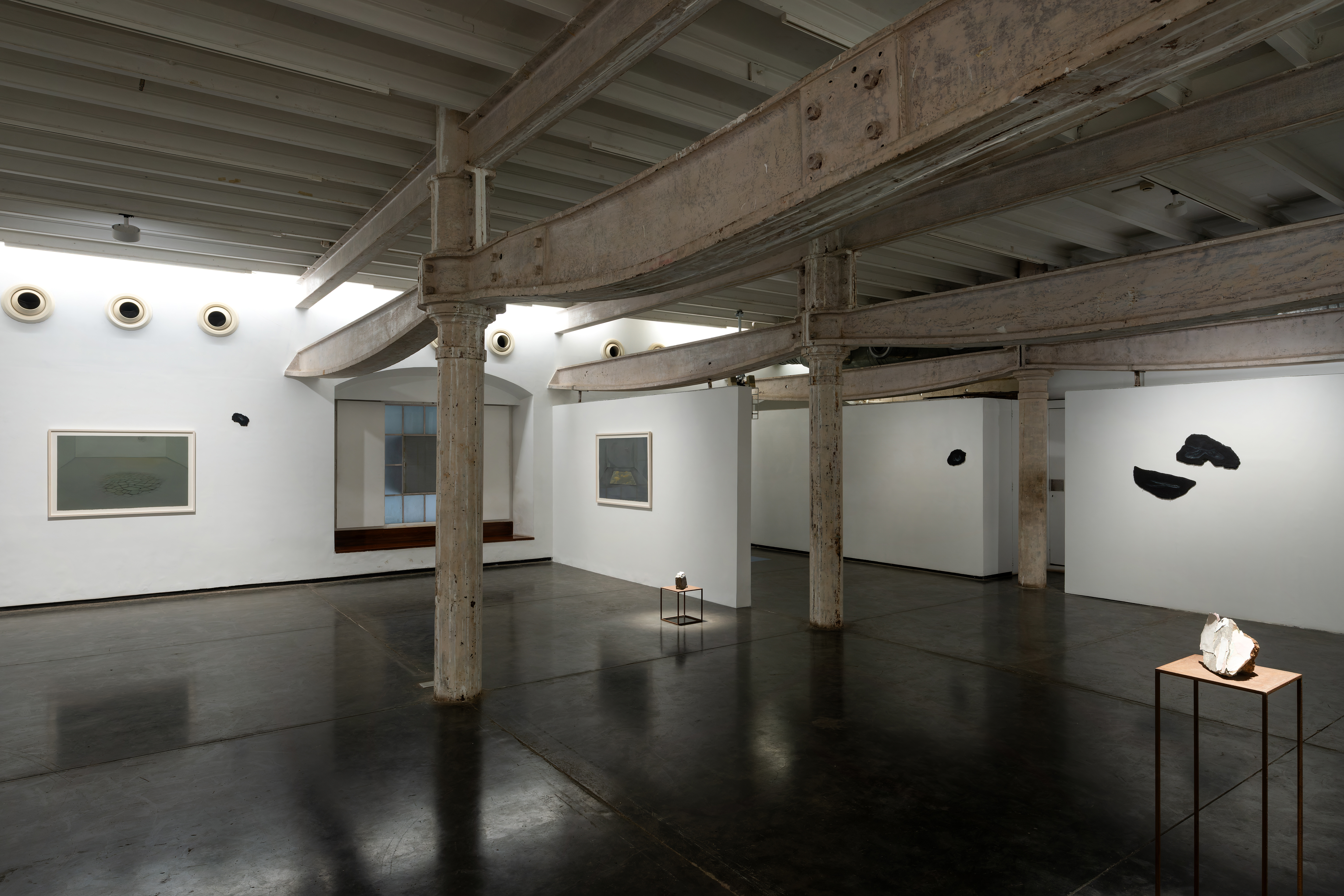
At Project 88, Prajakta Potnis’ exhibition, Where Should the Birds Fly after the Last Sky? (9 January–28 February 2025), explored the night sky as both a witness to humanitarian crises and a shelter for those displaced by such events. The title, drawn from a poem by Palestinian poet Mahmoud Darwish, seemed to allude to the atrocities in Gaza while addressing a broader global crisis marked by attacks on aggrieved bodies and their homes. One poignant work featured the illustration of a bulldozed house. The image evoked the arbitrary destruction of homes under India’s current political regime—often referred to as the ‘Bulldozer Raj’—which has disproportionately targeted Muslims and marginalised communities.
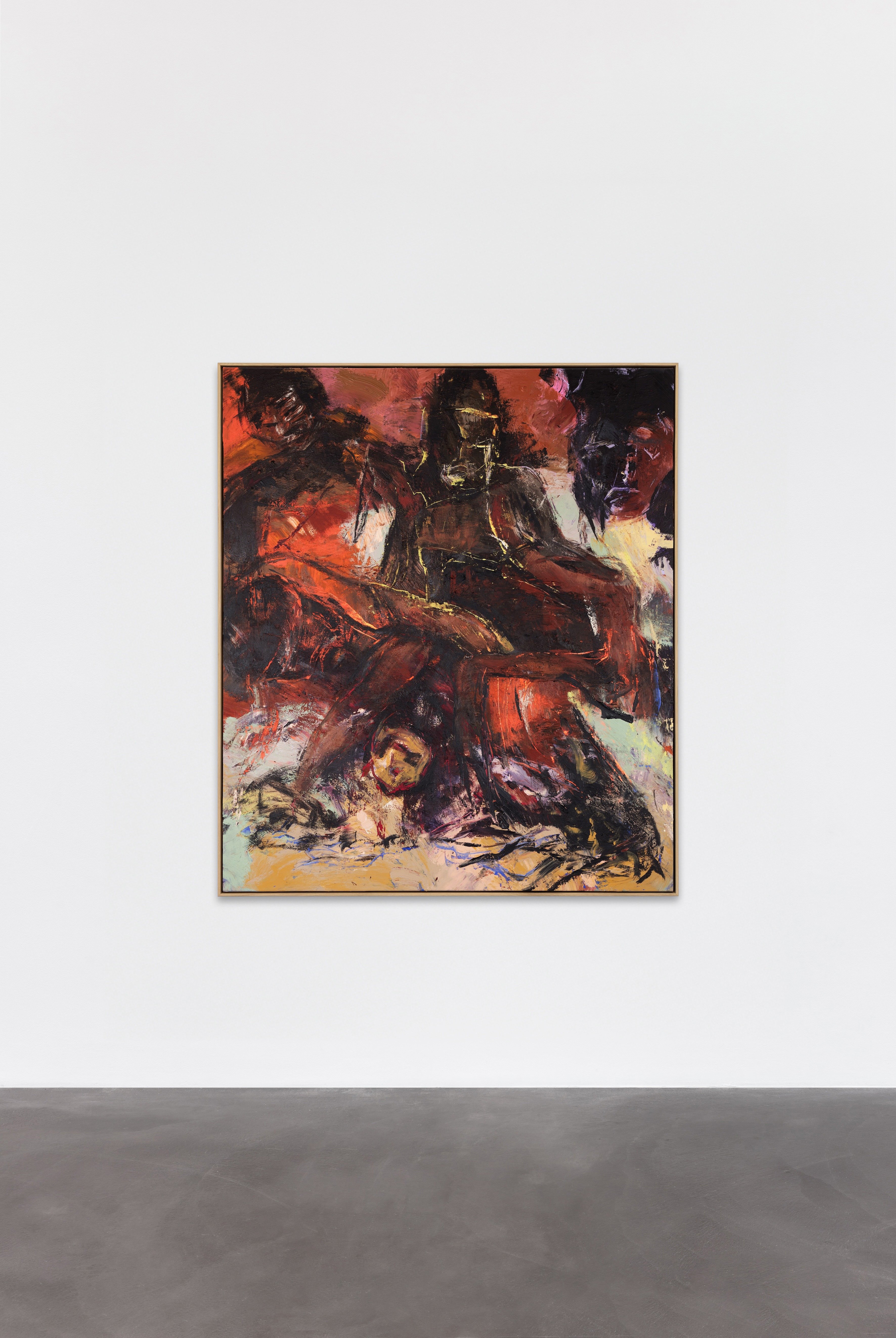
At Experimenter Colaba, British-Sri Lankan artist Christopher Kulendran Thomas’ use of painting felt particularly relevant in thinking about the tension between market-driven priorities and experimental practices. Through his paintings, Thomas explored themes of belonging and the notion of a transnational identity by interrogating global art histories and his position within these narratives. Thomas used generative AI to feed his system with images of 20th-century and contemporary Sri Lankan artists, subsequently expanding the dataset to incorporate art historical references. The resulting works emphasise the confluence of influences that shape a work and underscore the dynamic, fluid nature of history.
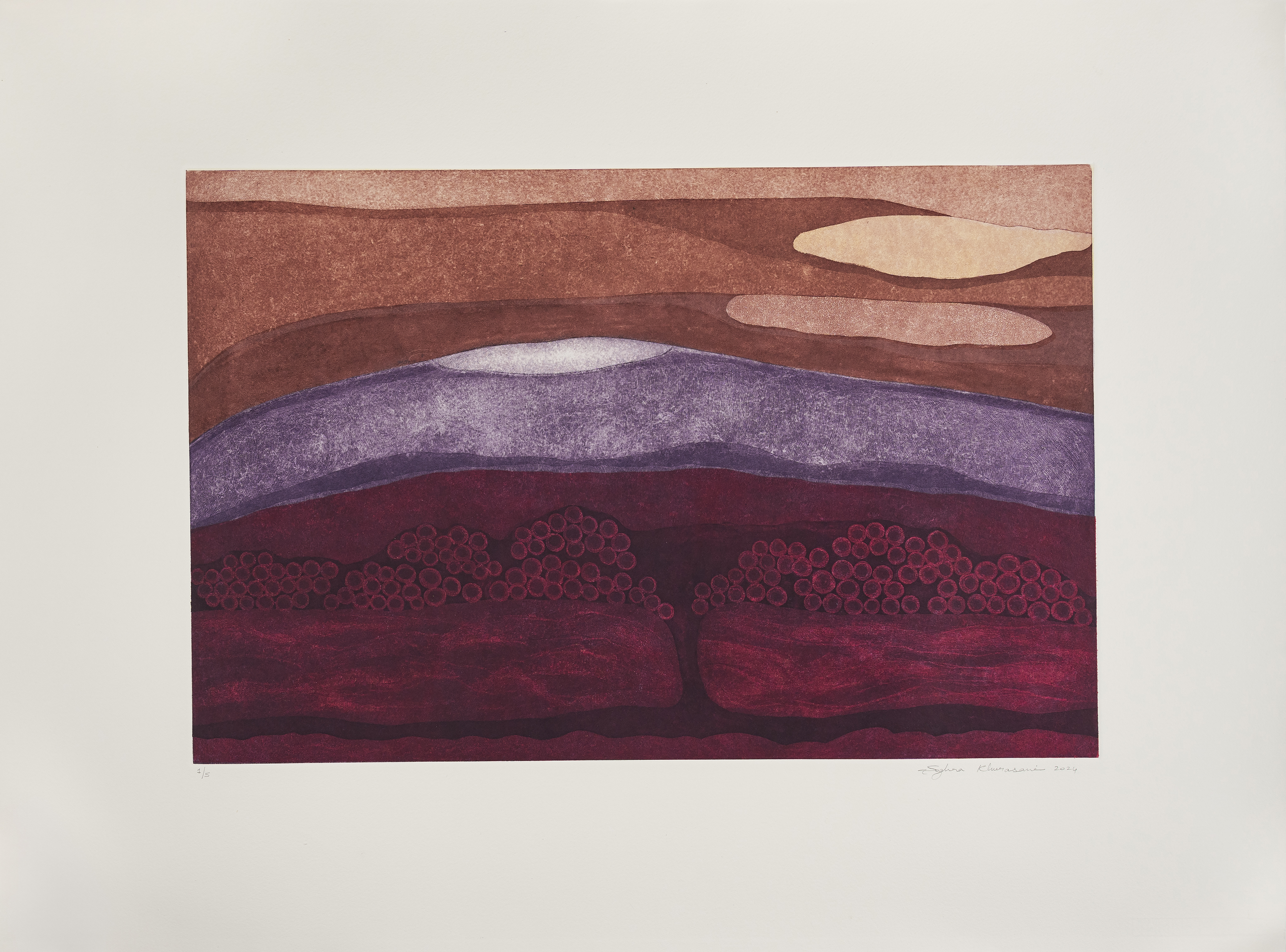
Established galleries like TARQ and Jhaveri Contemporary complemented these newer efforts with polished, accessible programming by artists such as Rana Begum and Soghra Khurasani.
Mumbai’s art scene is gaining recognition among collectors and patrons, particularly with the third edition of Art Mumbai slated for 2025. While MGW exemplifies collaboration and camaraderie among gallerists, there is room for more critical programming to more deeply engage audiences. For instance, the panel discussion Spaces of Possibility: The Founding of Hong Kong’s Museums and Cultural Institutions could have benefited from exploring the cultural growth and fragmentation of the two nascent markets, illuminating their shared challenges and opportunities.
Mumbai currently lacks spaces dedicated to pure experimentation, such as the now-defunct Clark House Initiative (CHI), which was replaced by commercial gallery Stranger’s House, and Mumbai Art Room. These spaces once launched a groundbreaking new generation of contemporary artists, including Yogesh Barve and Amol Patil, but are now casualties of Mumbai’s rising real estate prices and hyper-competitive market.
Moreover, with institutional voices largely limited to Chhatrapati Shivaji Maharaj Vastu Sangrahalaya, with sparse contemporary programming; Bhau Daji Lad Museum for decorative arts; and Nita Ambani Cultural Centre, whose programme could benefit from greater coherence, the task to promote cultural discourse in the city falls largely on galleries, who are called to deliver consistent and meaningful exhibitions.
Nevertheless, the professionalisation and collaboration of Mumbai’s galleries deserve recognition. The Mumbai Gallery Association—a parent organisation overseeing MGW and the Art Night Thursday gallery hops—ensures seamless programming year after year. Looking ahead, younger gallerists like Ayesha Parikh of Art+Charlie—who is slated to co-organise the event’s next two editions—may bring fresh energy to MGW. With 10,000 attendees recorded this year, there is significant potential to further expand its reach. —[O]
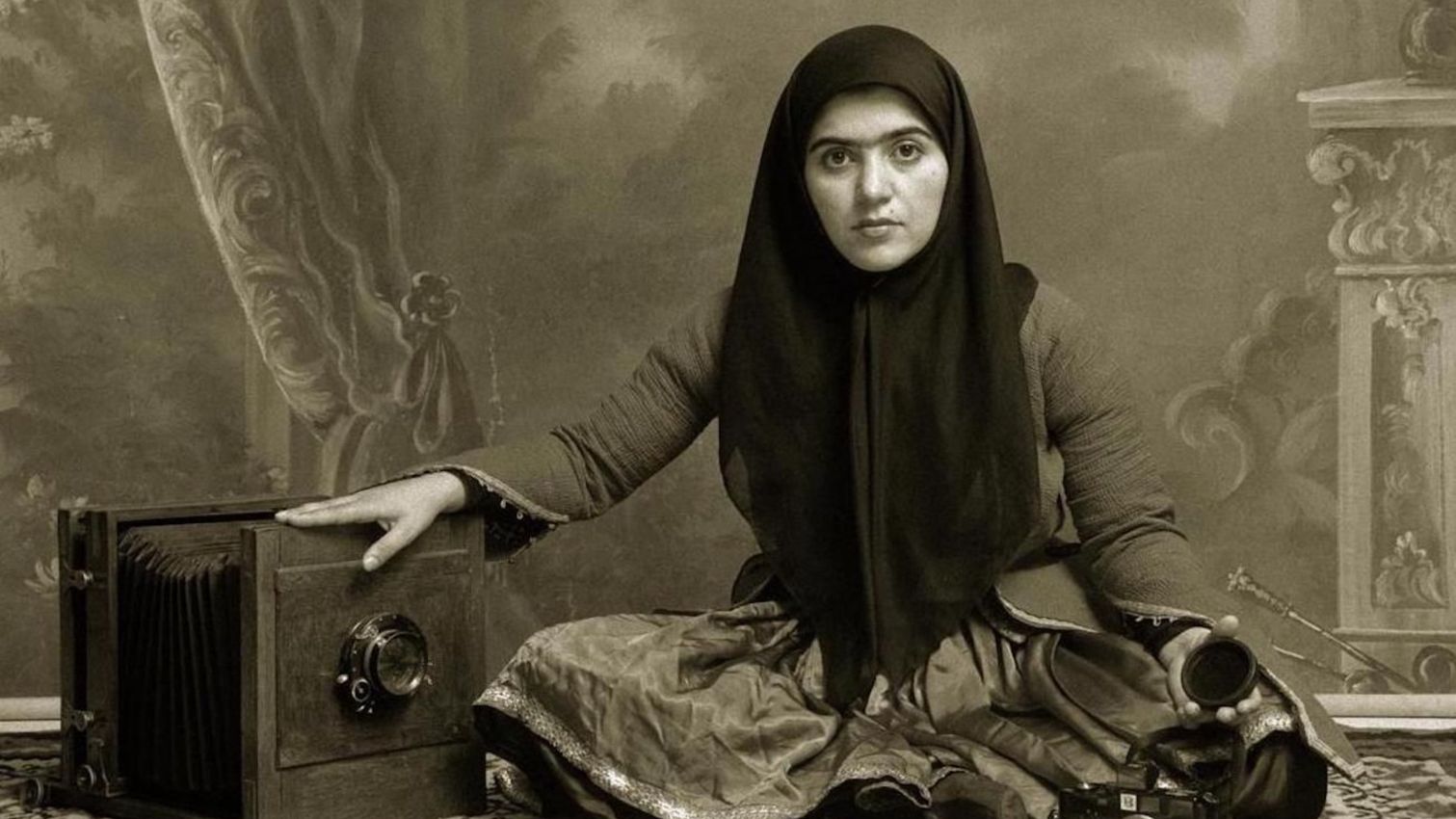
Main image: Shadi Ghadirian, from 'Qajar' series (2002). Digital photographs. 30 x 45 cm. Courtesy Kamalnayan Bajaj Art Gallery.






A respected voice in contemporary art discourse.
Focusing on ambitious storytelling and insightful art-world commentary. Ocula Magazine publishes in-depth interviews, critical essays and timely analysis on the artists, exhibitions and ideas driving the global art world.
Learn more about Ocula Magazine
Showcasing the best of the art world.
Ocula partners with galleries from around the world to highlight their artists, artworks and exhibitions. Gallery membership is by application and invitation, with each member vetted by an independent panel.
Learn more about Ocula Membership
Specialises in the sale of major artworks.
Led by a team with deep ties to the world’s leading auction houses, galleries and collectors. Ocula’s advisory team offers bespoke services to high-net-worth clients from around the world who are looking to acquire the best of contemporary and modern art.
Learn more about our team and services