





We Travel to Taiwan’s Brand New Contemporary Art Museum
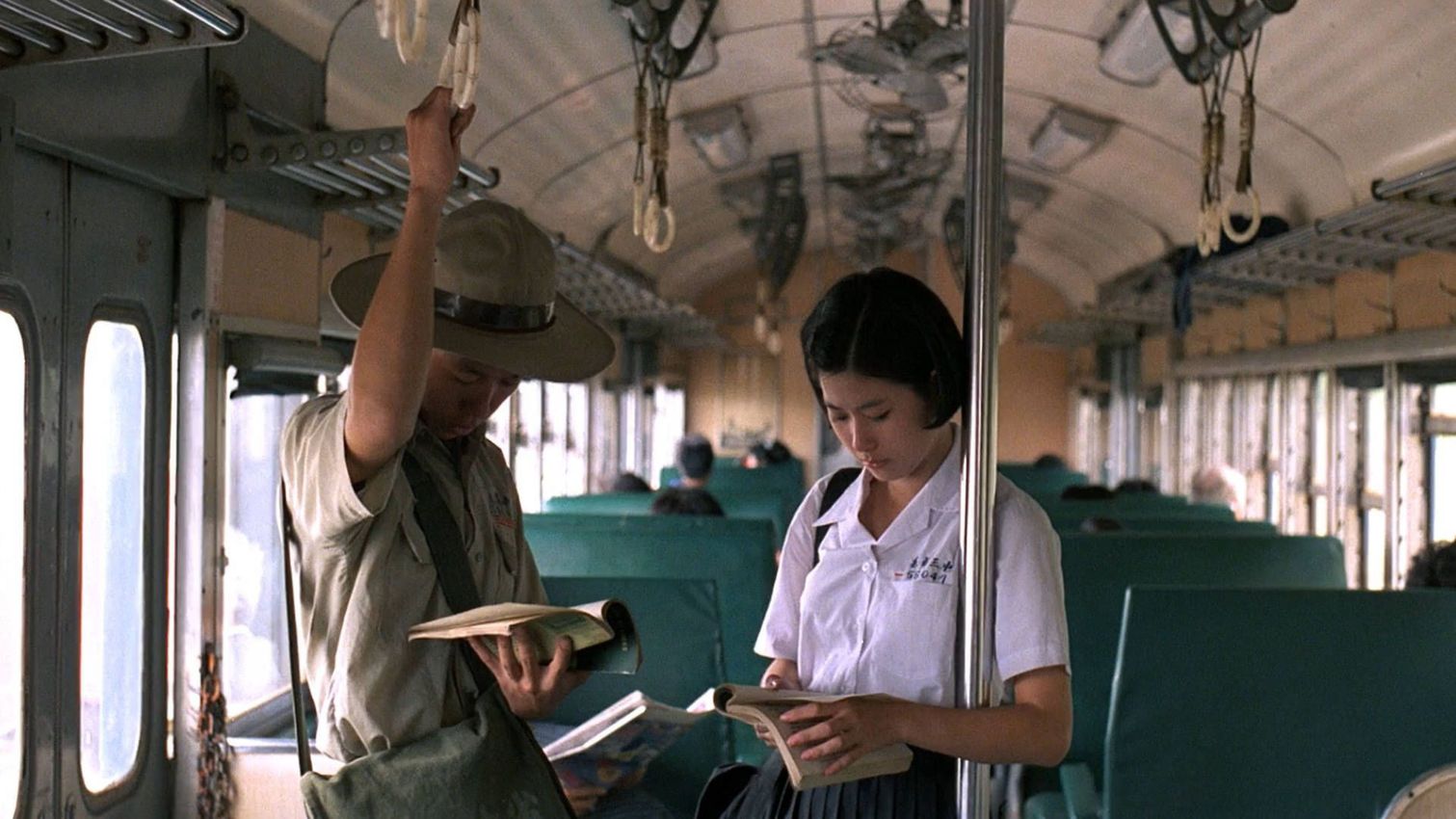
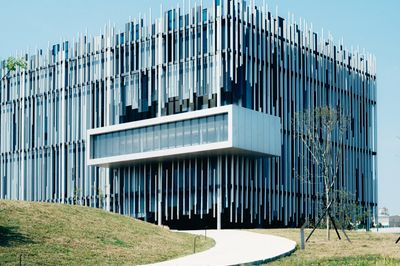
As the New Taipei City Art Museum opens its doors in the historic district of Yingge, Zian Chen explores its rich surroundings and examines how Taiwan’s largest municipality seeks to redefine its role, despite having long been overshadowed by its encircling capital, Taipei. Save to My OculaTo reach the New Taipei City Art Museum, one takes a modest local train from the bustling city centre to Yingge, a historic pottery town around 20 minutes west. As the train snaked through the suburbs, my carriage was cast into fleeting darkness as it passed through tunnels. The journey invoked Fredric Jameson’s essay ‘Remapping Taipei’ (1995), in which he observed how the film director Hou Hsiao-hsien—whose realist style helped to launch the Taiwanese New Wave in the 1980s—used commuter trains as a cinematic device for bridging stories from the countryside to the city. This imagery of transit, Jameson argued, helps denote a form of postmodernity distinct from Chinese cities, with their clear historical profiles, or from hyper-urban centres like Hong Kong—Taiwan, instead, is characterised by its ever-expanding urban sprawl.
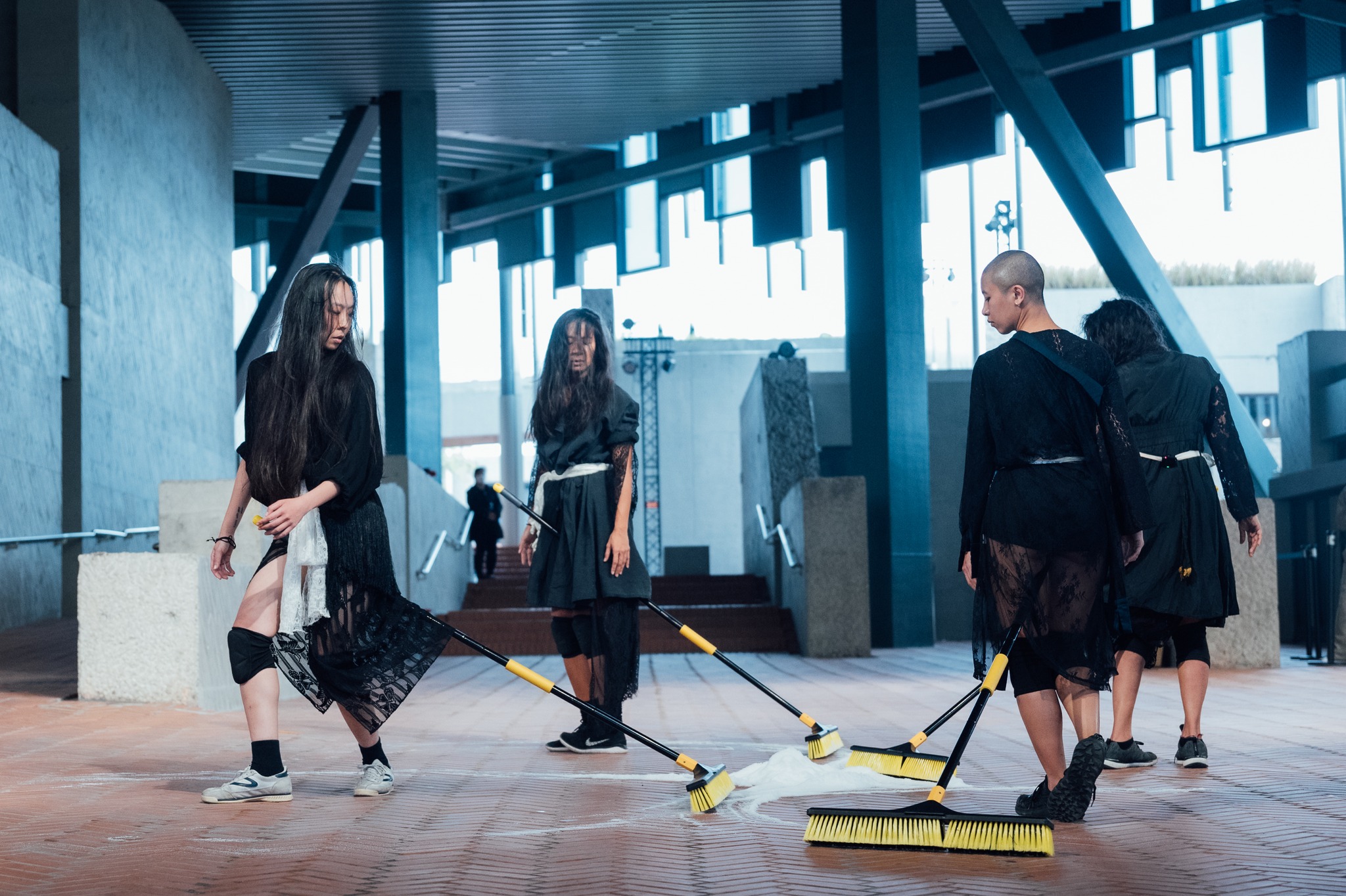
Staged in the expansive plaza beneath the museum’s central building is Eisa Jocson and Venuri Perera’s performance, Sweeping Sisters (2025). Four performers steer brooms fluidly through space—at times using them functionally to sweep the floor; at others sensually, rendering them provocative symbols of desire. The minimal choreography, which also sees the performers straddle the broomsticks, conjures the historic image of witches—outsiders within a misogynistic society—and turns the piece into a subtle challenge to gender roles and power dynamics.
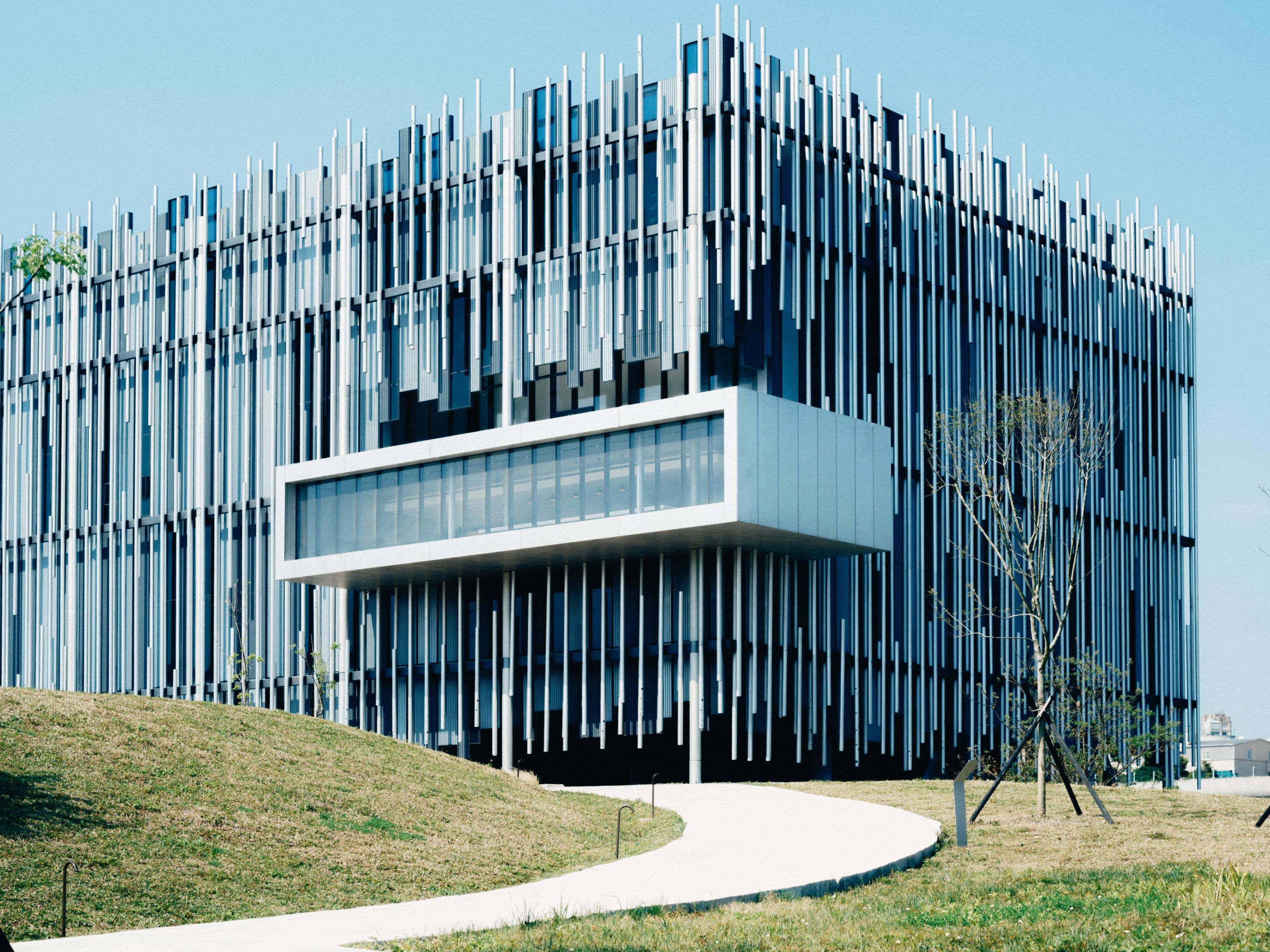
The performance forms part of the museum’s inaugural exhibition, Reimagining Radical Cities (25 April–7 September 2025), co-curated by Amy Cheng and Hsieh Feng-Rong. Conceived to reflect the aftermath of deindustrialisation in East Asian cities, with New Taipei as the focal point, the exhibition features works by 26 artist groups. Almost a decade in the making, the city’s first public art museum, which has a budget second only to Taipei Fine Arts Museum, signals a shift away from New Taipei’s past as an agricultural and industrial hub.
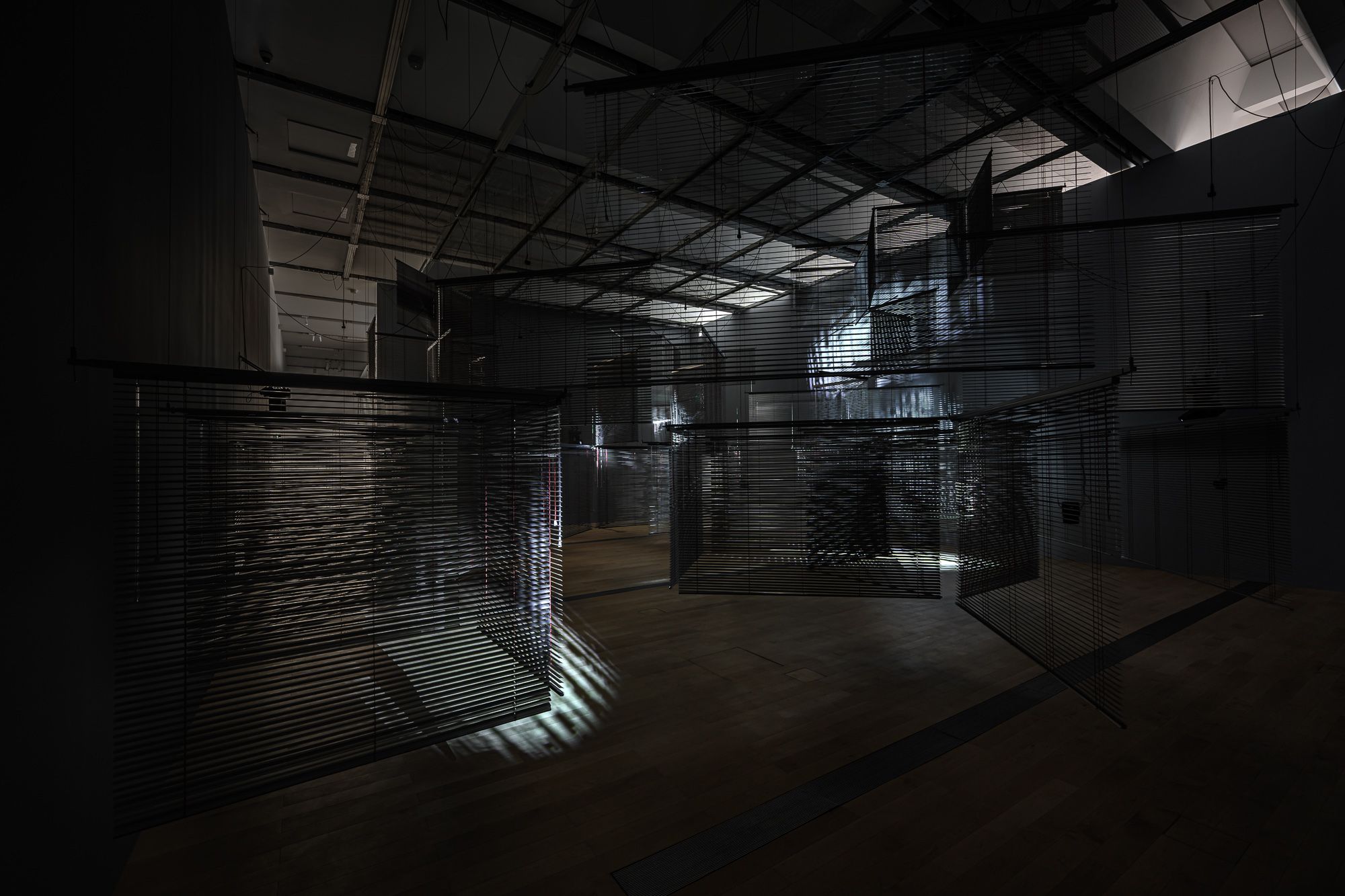
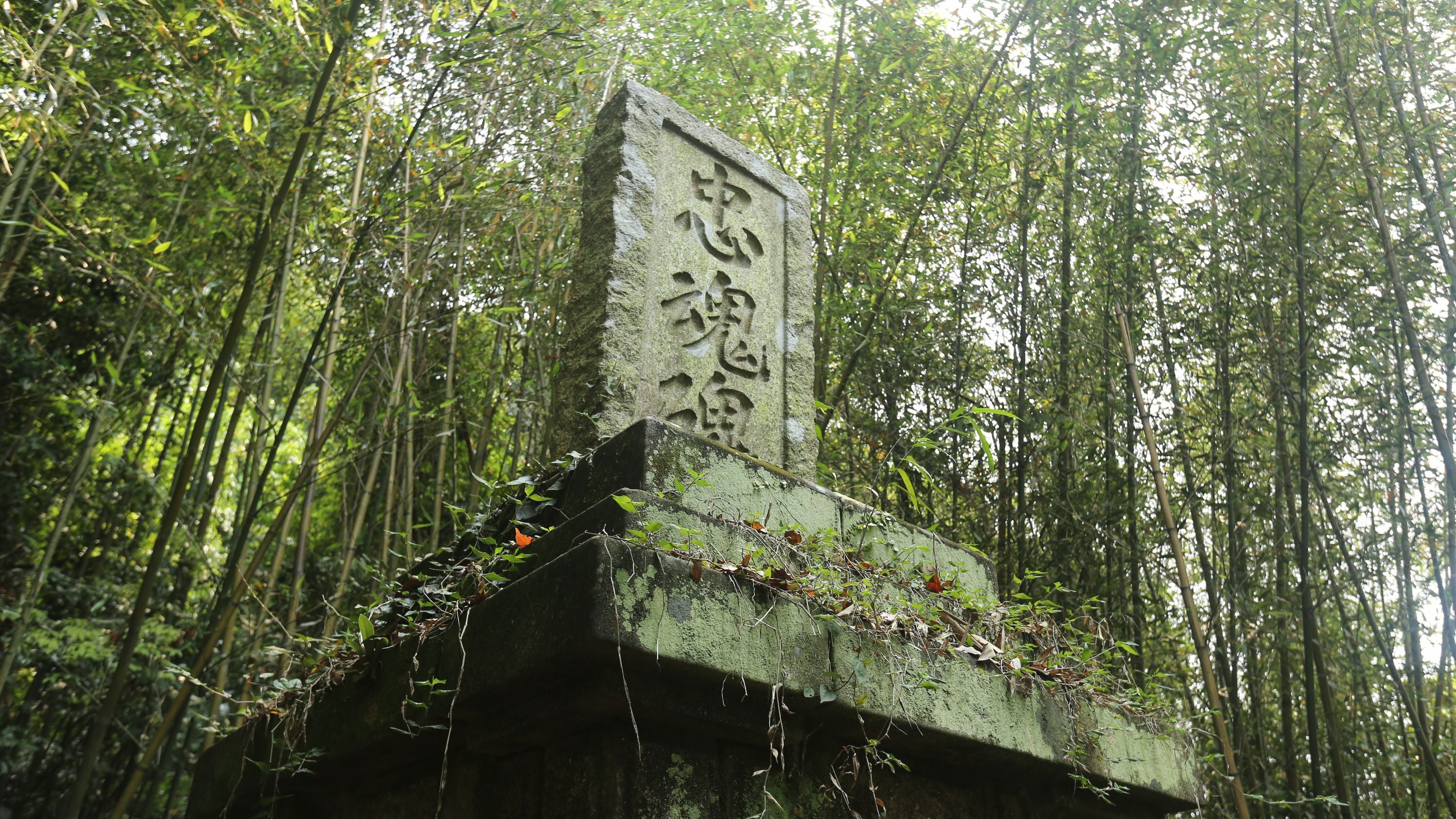
Central to the exhibition is Haegue Yang’s Cittadella (2011), a scaled-up labyrinth of intersecting Venetian blinds, with shifting beams of light slicing through the darkness, that evokes an abstract sense of a metropolis. Among the various scents released within Yang’s labyrinth is camphor, which unwittingly evokes a historical connection to the mountains that sit on the horizon just beyond the museum—once the site of the Camphor War (1900–1907) between Japan and the Bngciq Indigenous Nation over sacred trees. The title Cittadella, suggesting a military outpost, resonates with the fortified trenches that lie scattered across Sanxia’s mountain range.
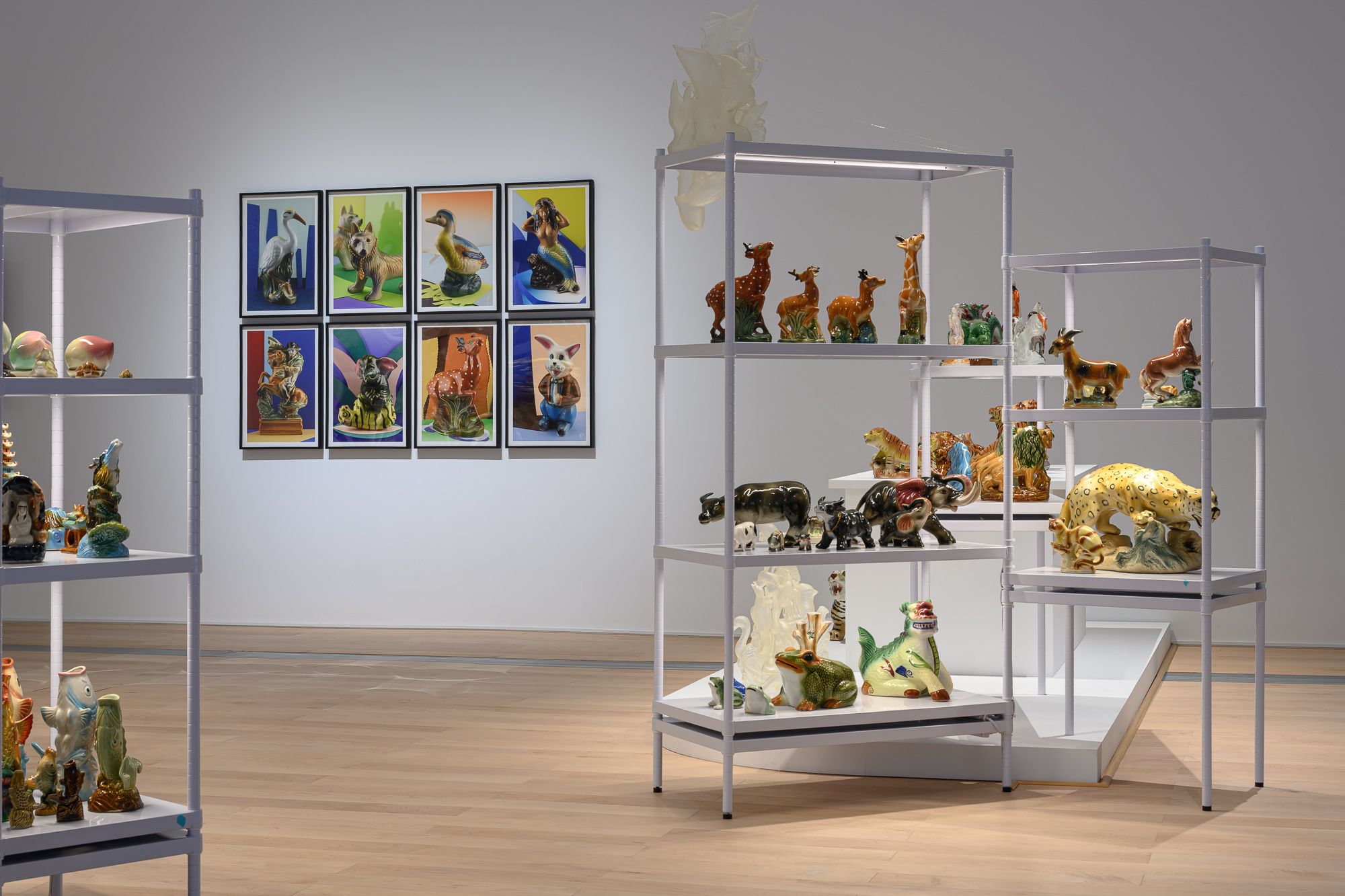
The exhibition uses Cittadella as a narrative bifurcation, with the works leading up to it focusing on industrialisation. Lulu Shur-tzy Hou, Hou I-Ting, and Wu Mali all show projects that reference Hsin Chuang City Culture Center’s seminal exhibition Lord of the Rim: In Herself/For Herself (1997), which highlighted the lives of textile workers who were integral to Taiwan’s economic growth at the time. Following this, Wu Chuan-Lun presents an eclectic collection of Taiwanese pottery evoking the ubiquitous store fronts in the area, where similar wares are sold (Derived Pottery, 2025). While in the film Lining (2022), Ho Rui An examines Hong Kong’s textile industry and its decline in parallel to China’s economic rise—a subject that mirrors the industrial downturn in New Taipei during the 1990s.
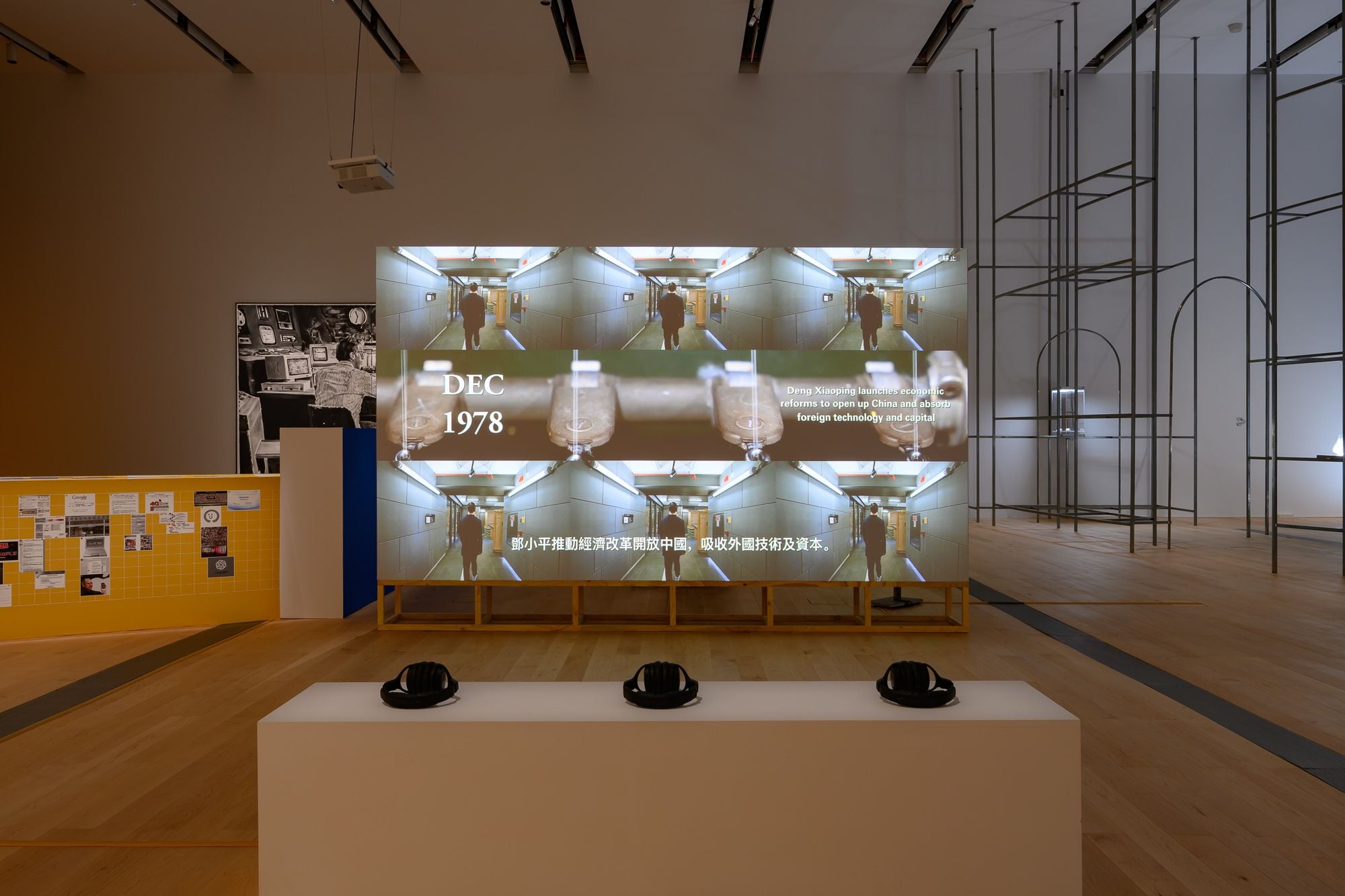
The exhibition’s central theme is explored further in future-oriented works such as Musquiqui Chihying’s Annotation: Driving Simulator (2025), a multisensory installation featuring a simulator seat and a panoramic five-screen video that examines how AI-powered driving technologies link China’s tech ambitions with hidden labour networks in anglophone African countries like Kenya and Nigeria.
After Cittadella, the show’s focus shifts to examining the impact of deindustrialisation on the lives of diverse individuals and groups. In Joyce Ho’s video installation Vera X Diary (2023), a normcore-dressed protagonist is seen sliding through a low gap between a piece of furniture and the floor, probing the rituals and solitude of domestic labour, while other projects take on collaborative forms. Zhang Xu Zhan, for example, engages local craftspeople through participatory workshops to create large-scale, paper-puppet centipedes (Yi-zhen Paper Puppet Book-Centipede [Collaboration version], 2025). The collective Print & Carve Department collaborates with residents and workers affected by the city government’s expropriation of industrial land, resulting in a mandala-inspired woodcut print that reflects their memories of the area (Where Do We Come From? What Are We? Where Are We Going?, 2025).
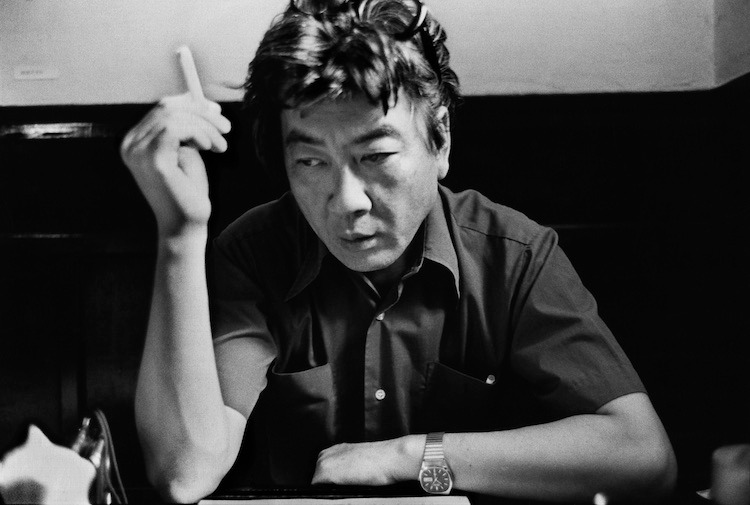
Downstairs, a collection presentation, Encounters in Reflection (25 April–17 August 2025), led by art historian Andrew Shih-Ming Pai with co-curator Ting Tsou, features works by 45 artists with ties to New Taipei City and its cultural history. The most singular and comprehensive display focuses on Chang Chao-Tang (1943–2024), a leading experimental photographer whose depictions of daily life have a disquieting, surrealist quality. Included in the exhibition are Chang’s portraits of artist Li Mei-shu (1902–1983) who placed the nearby Sanxia on the cultural map, and Marxist thinker and novelist Chen Yingzhen (1937–2016), who would often set his fiction in Yingge, where he grew up.
Intrigued by these local figures, I decided upon leaving New Taipei City Art Museum to detour to the community-run Li Mei-shu Memorial Gallery, where I stumbled upon an intimate exhibition opening. The show reunited works by members, both Japanese and Taiwanese, of the 1934 Tai-Yang Art Society of which Li was a central figure. An older crowd filled the space as a wind orchestra played old Taiwanese pop originally released by Columbia Records. It transported me to a time far removed from today’s sleek museum openings and invoked a time when vernacular modernism thrived here, from the 1930s through the early postwar years. After all, how many galleries invite live bands to play at openings these days?
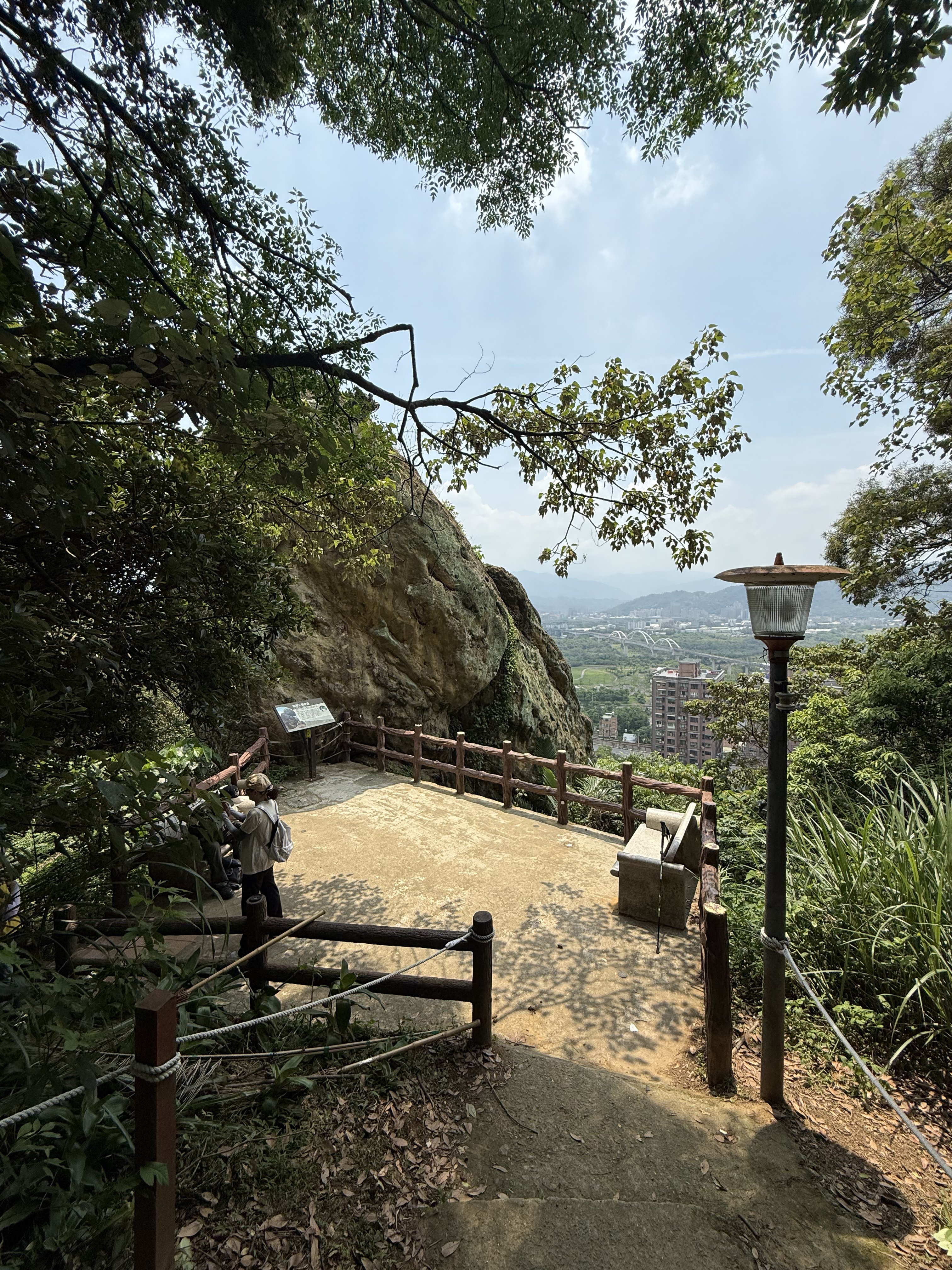
As I made my way back to the station, I veered off onto a quiet hill track full of tung blossoms. From the top of the trail, I could see Parrot Rock jutting out from the hillside and the museum glinting by the riverbed, under the shadow of an overground metro line still under construction—a route that will soon replace the local train as the primary way for visitors to reach NTCAM. The scene recalled Jameson’s image of transit—an emblem of movement now threatened by its own accelerated speed. While New Taipei City’s museum stands as a symbol of urban ambition, the real challenge lies not in building anew, but locating an artistic voice, much like Hou Hsiao-hsien’s commuter train, which bridges suburban and city life, without letting either slip away. —[O]
Reimagining Radical Cities is on view at New Taipei City Art Museum from 25 April through 7 September 2025.
Main image: Hou Hsiao-hsien, Dust in the Wind (1986) (film still). Courtesy Taiwan Film and Audiovisual Institute.










A respected voice in contemporary art discourse.
Focusing on ambitious storytelling and insightful art-world commentary. Ocula Magazine publishes in-depth interviews, critical essays and timely analysis on the artists, exhibitions and ideas driving the global art world.
Learn more about Ocula Magazine
Showcasing the best of the art world.
Ocula partners with galleries from around the world to highlight their artists, artworks and exhibitions. Gallery membership is by application and invitation, with each member vetted by an independent panel.
Learn more about Ocula Membership
Specialises in the sale of major artworks.
Led by a team with deep ties to the world’s leading auction houses, galleries and collectors. Ocula’s advisory team offers bespoke services to high-net-worth clients from around the world who are looking to acquire the best of contemporary and modern art.
Learn more about our team and services