





The Top 10 Exhibitions to See Around the World This April
Save to My OculaOur editors around the world have compiled the shows not to miss this month, including photographs of New York City hip-hop culture, the chaotic nature of consumerism and a retrospective from a Shanghai-based partnership.
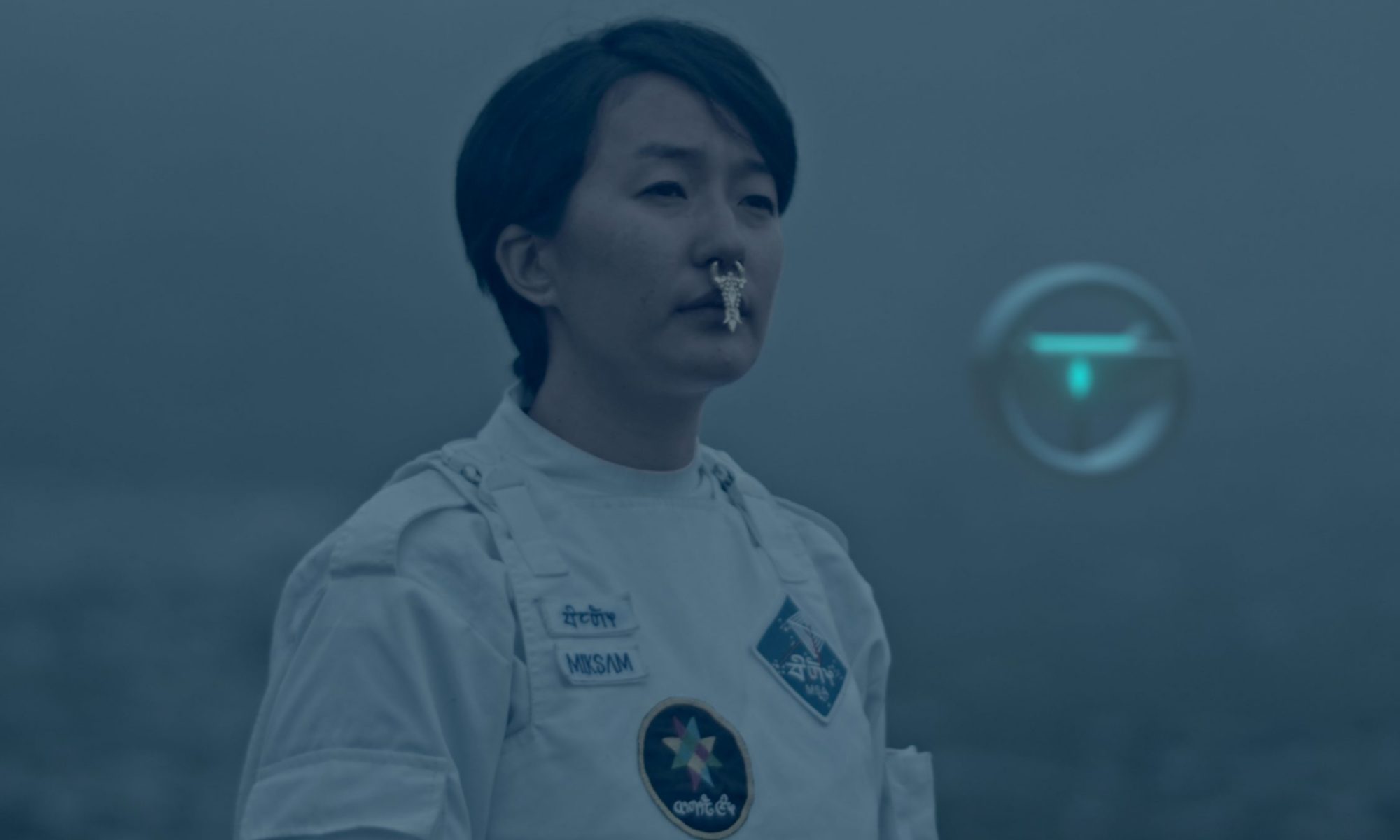
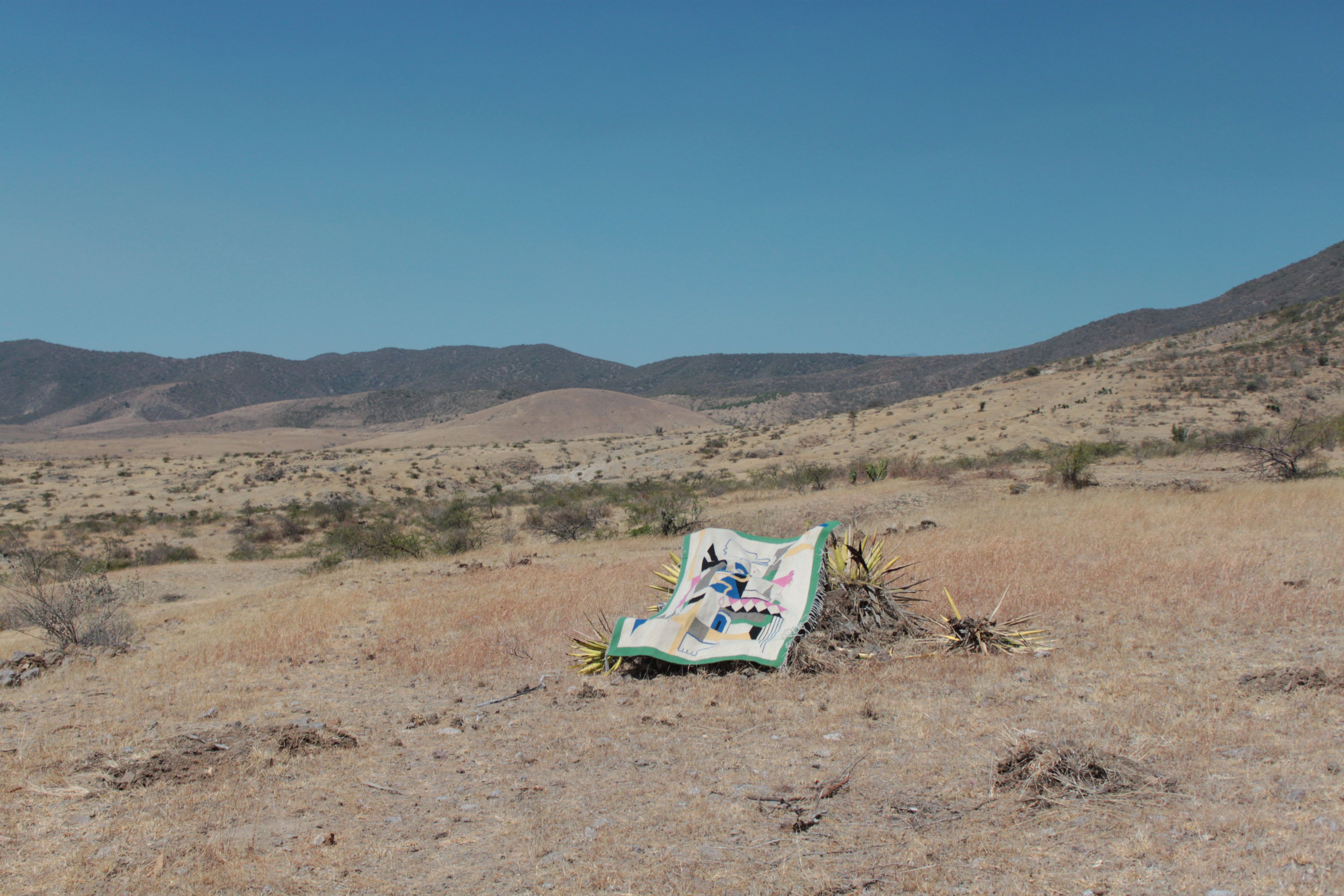
Brandon Tay, Sangkalan (15 April–25 October 2026) at four regional libraries in Singapore
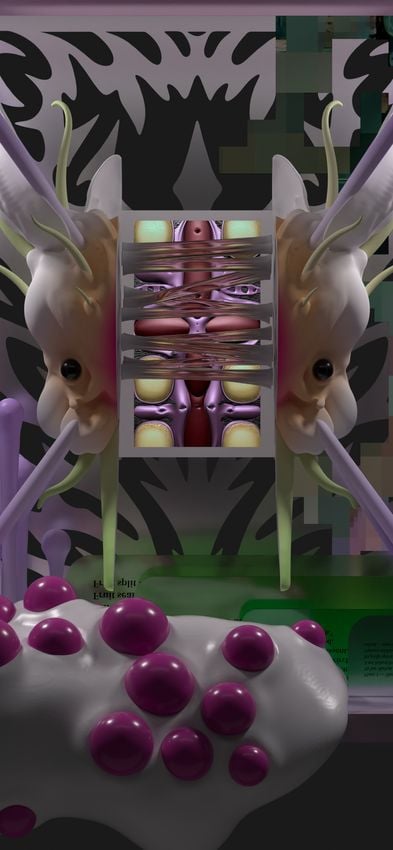
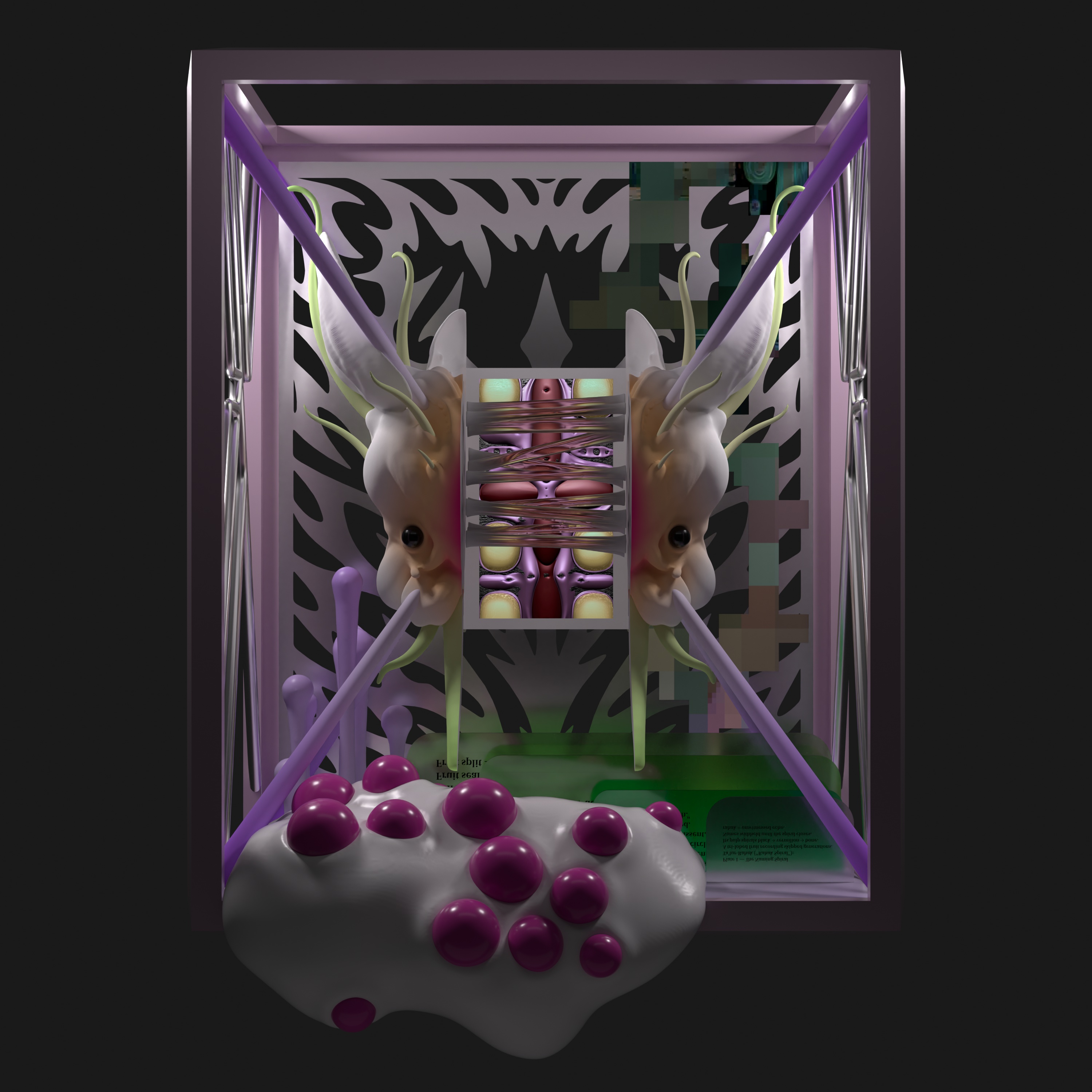
A musician and installation artist attuned to theory-fiction, Brandon Tay develops Sangkalan as a form of speculative anthropology: a fictional island where culture emerges through entanglement with nature. The title carries playful meanings across Southeast Asia: in Tagalog it means “chopping block”, while in Javanese it refers to a unit of time—reflecting the project’s love of shifting meanings and interpretations. Or, as Tay puts it: “This linguistic interchangeability and ‘mouth feel’ operates in the domain of phonetics—how I feel the objects form symbiotic links in form and context.” Beyond its linguistic intrigue and visual appeal, the project is also unusual in the way it’s presented: across four regional libraries—a rare pairing for this kind of speculative work and its audience. (Imagine a mix of gothic mystery and children’s storybook charm.) Sculptures, textiles and archival fragments will travel in relay, each given its own moment before coming together at the final location. —Zian Chen
Beyond the Manosphere—Masculinities Today (17 April–2 August 2026) at Stedelijk Museum Amsterdam
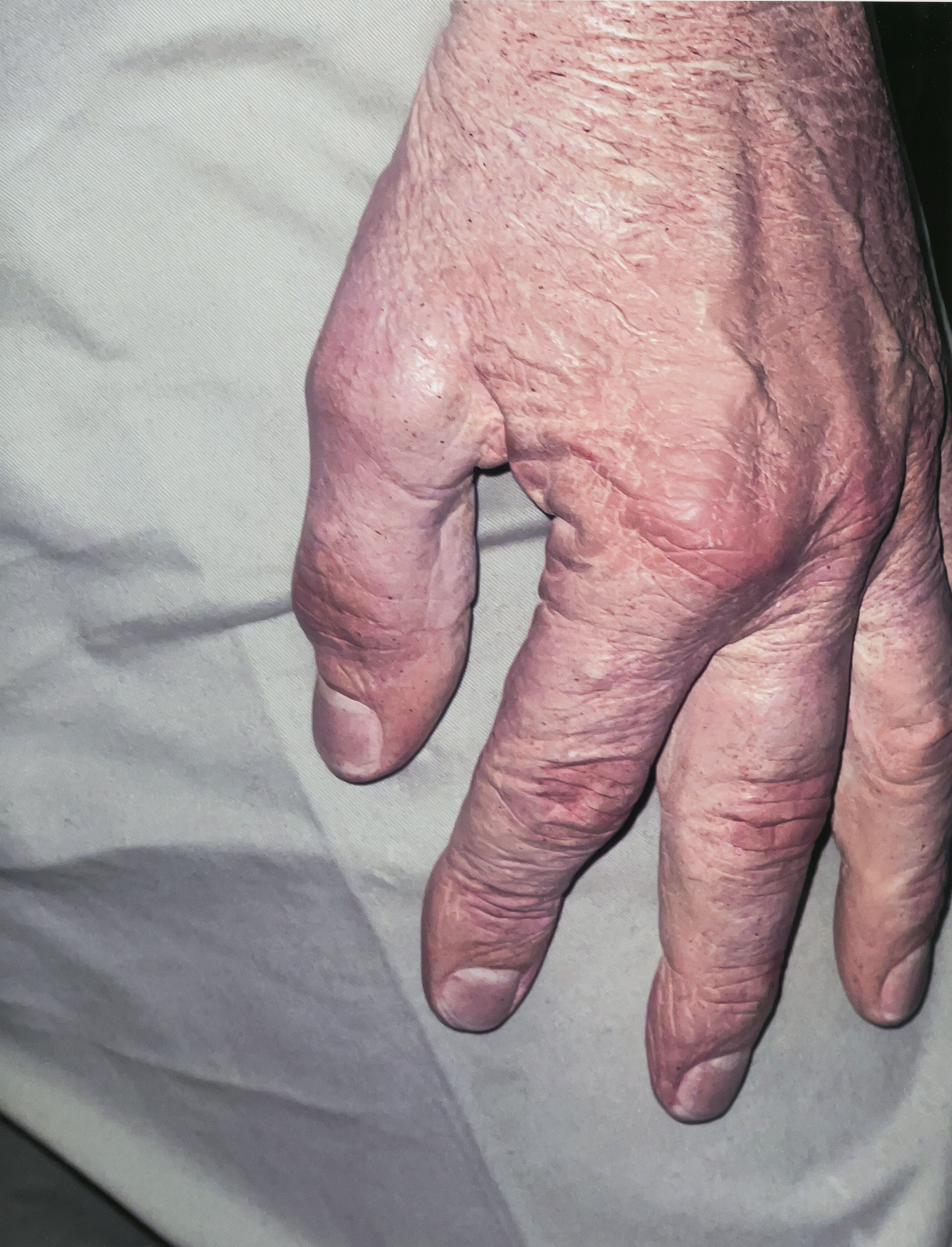
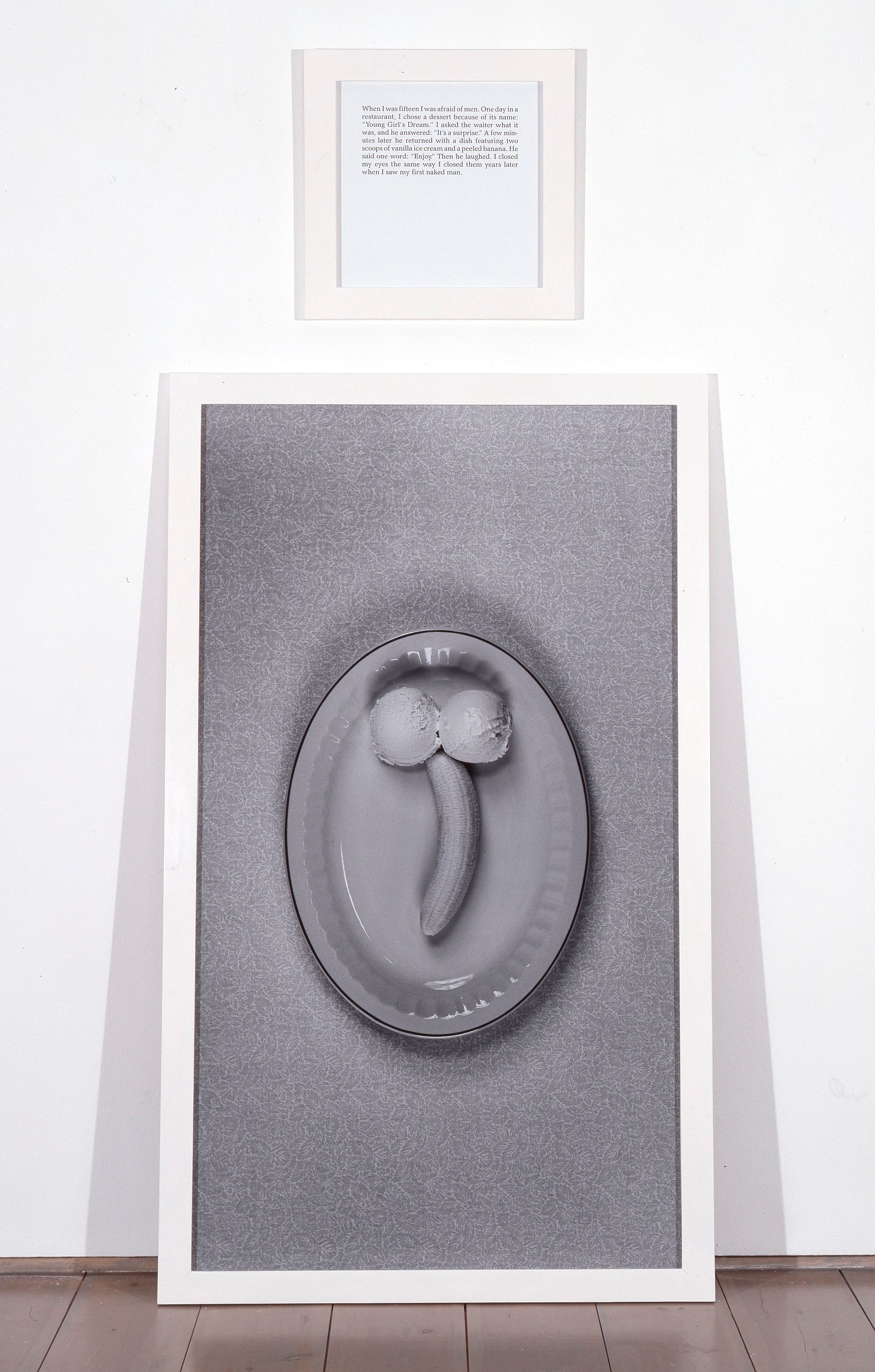
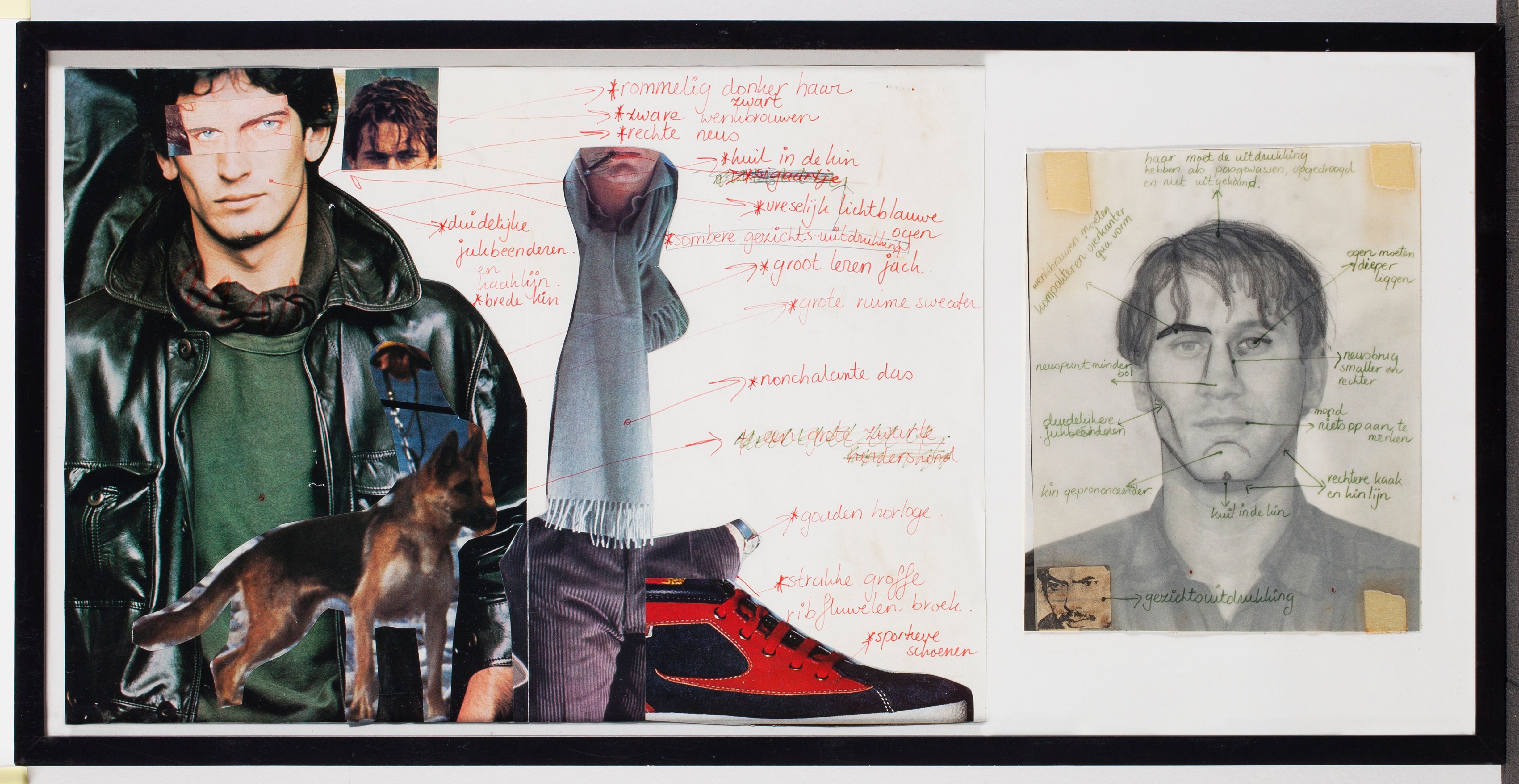
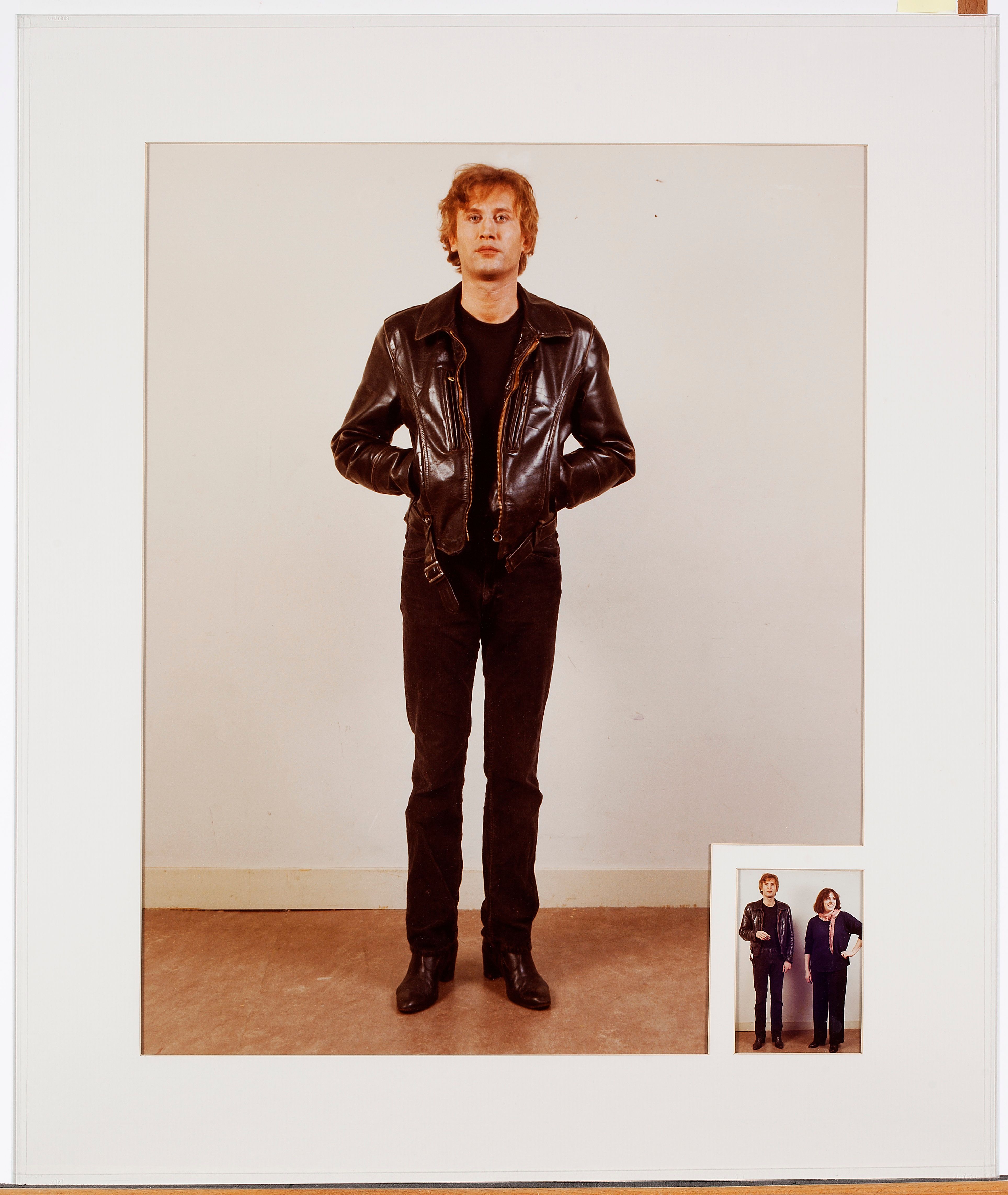
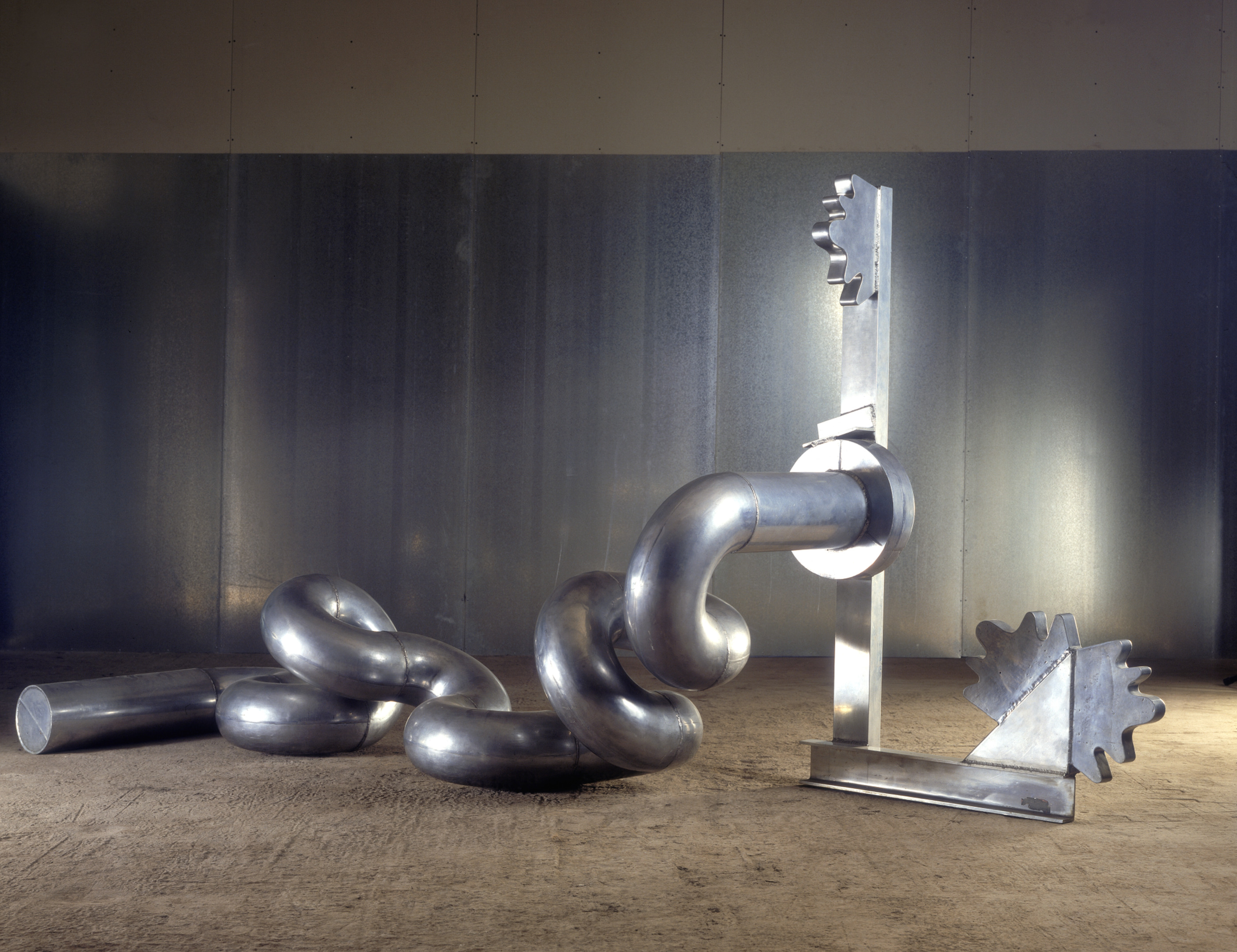
Louis Theroux’s Netflix documentary brought the manosphere—the aggressive digital world in which loud, muscular men peddle a predictable blend of workout tips, get-rich-quick schemes and misogyny—to global attention. Beyond the Manosphere addresses the same question as Theroux—What does it mean to be a man today?—but interviews with hyperbolic podcasters are replaced by artworks exploring masculinity as a lived reality that can be conflicting, banal, unsteady and tender. Through an intergenerational group of 35 artists including Eduardo Paolozzi, Tetsumi Kudo and Sophie Calle, masculinity is placed within the broader contexts of modernity, consumerism, industrialisation and psychoanalysis. In Hans Eijkelboom’s series De ideale man (1977-1982), the photographer poses several versions of masculine perfection, as described to him by a group of women, using repetition in form to highlight variation in identity. Meanwhile, Sven Gex examines how contemporary culture shapes masculinity by creating “characters” derived from influencers and celebrities. —Philippa Kelly
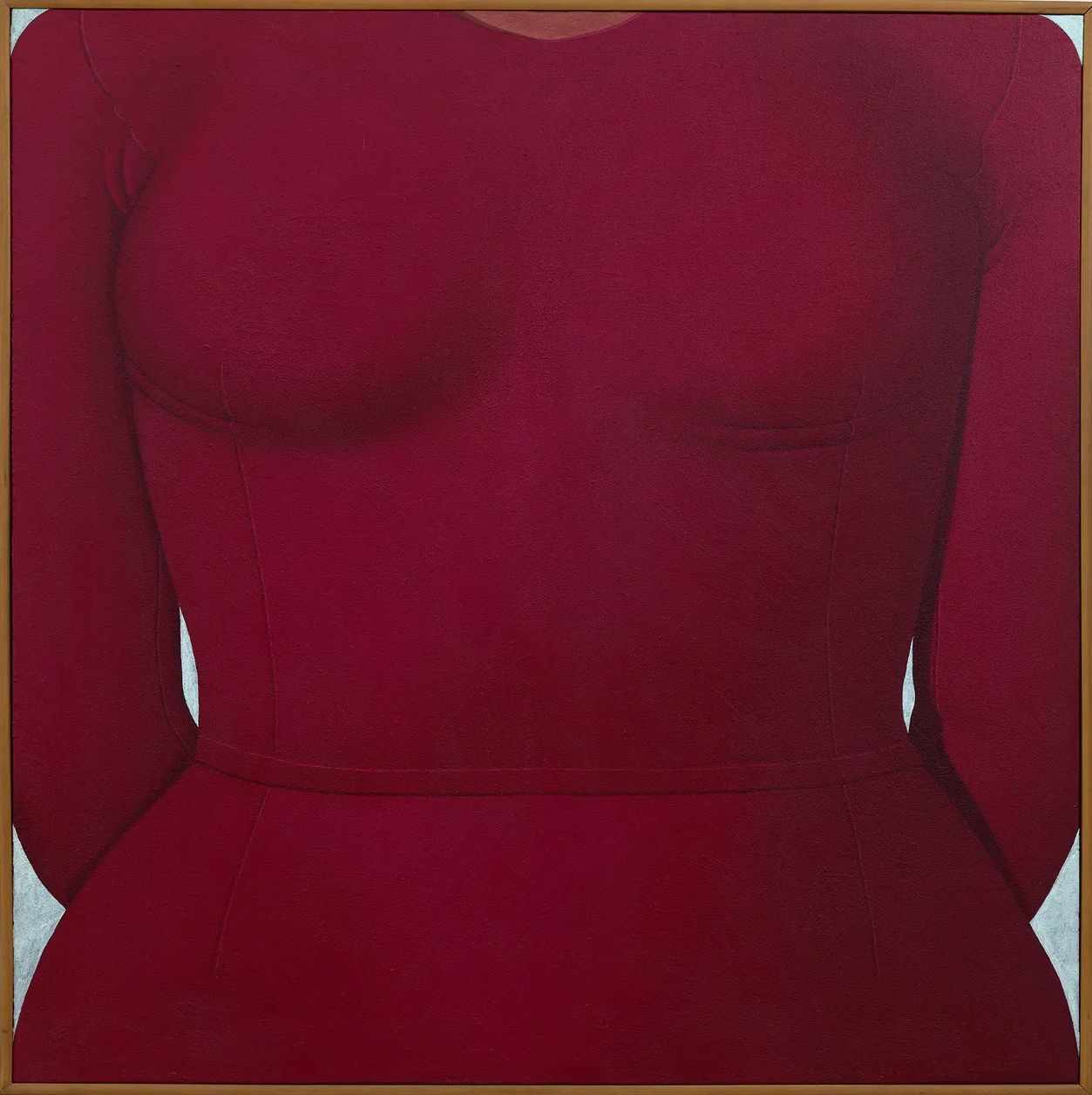
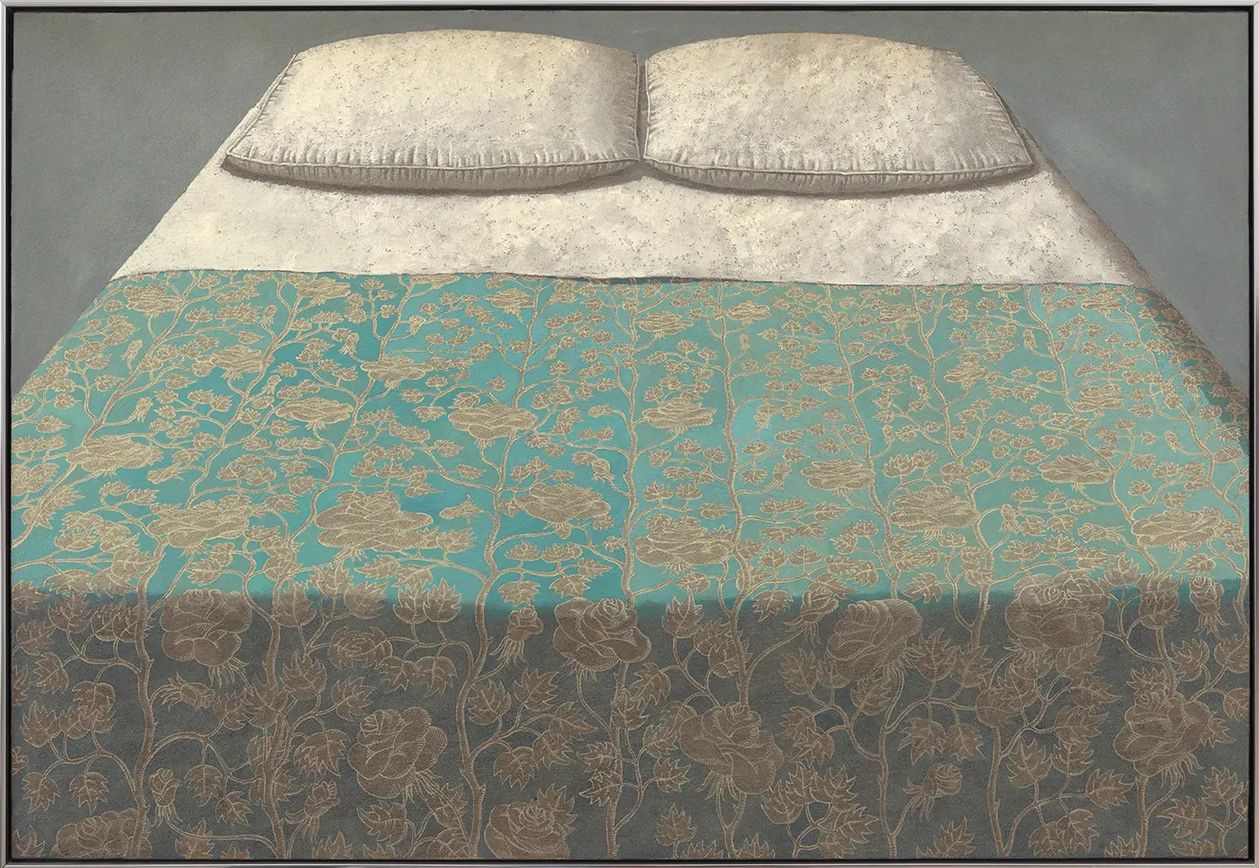
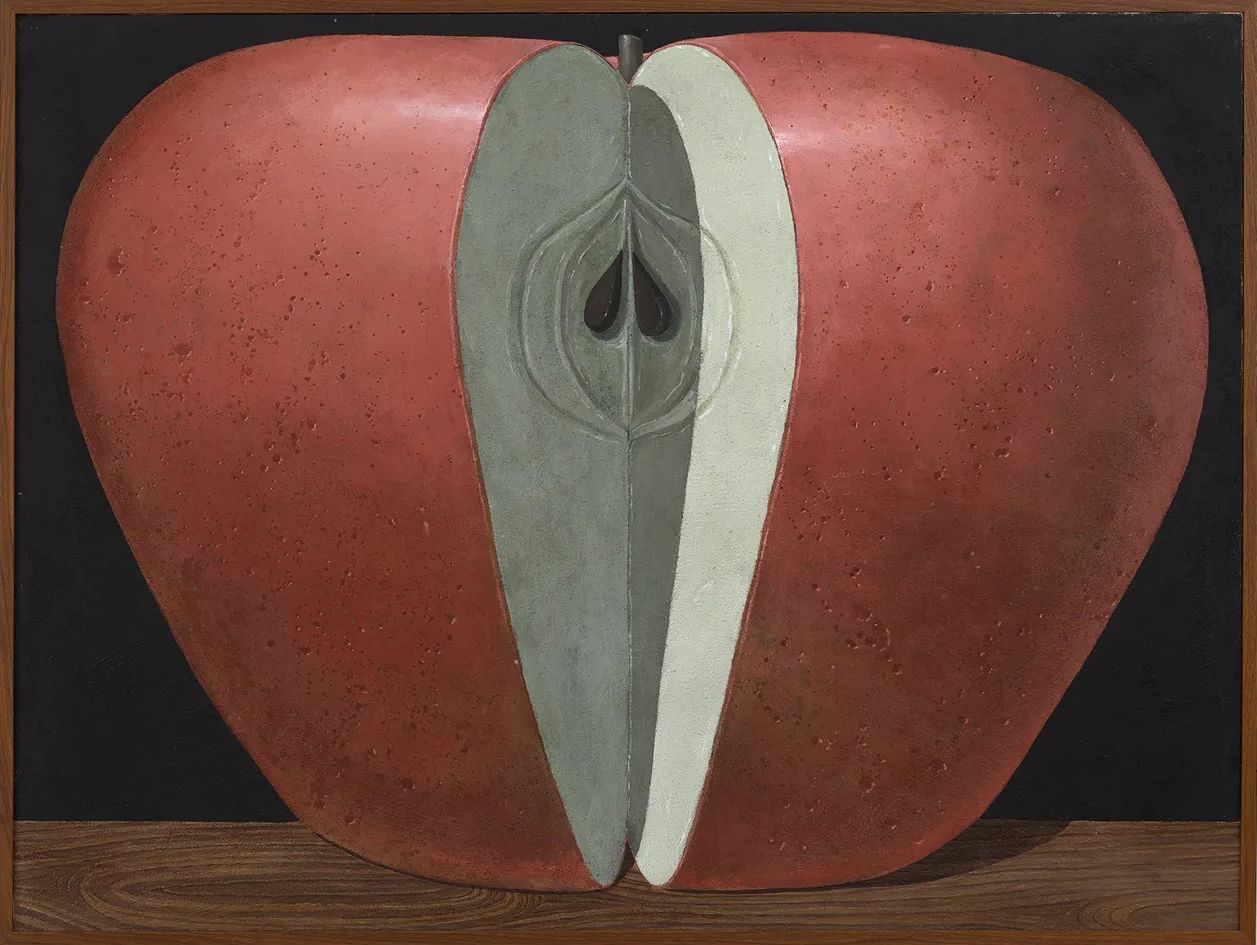
Domenico Gnoli, The Adventure of Domenico Gnoli (until 23 May 2026) at Lévy Gorvy Dayan, New York City
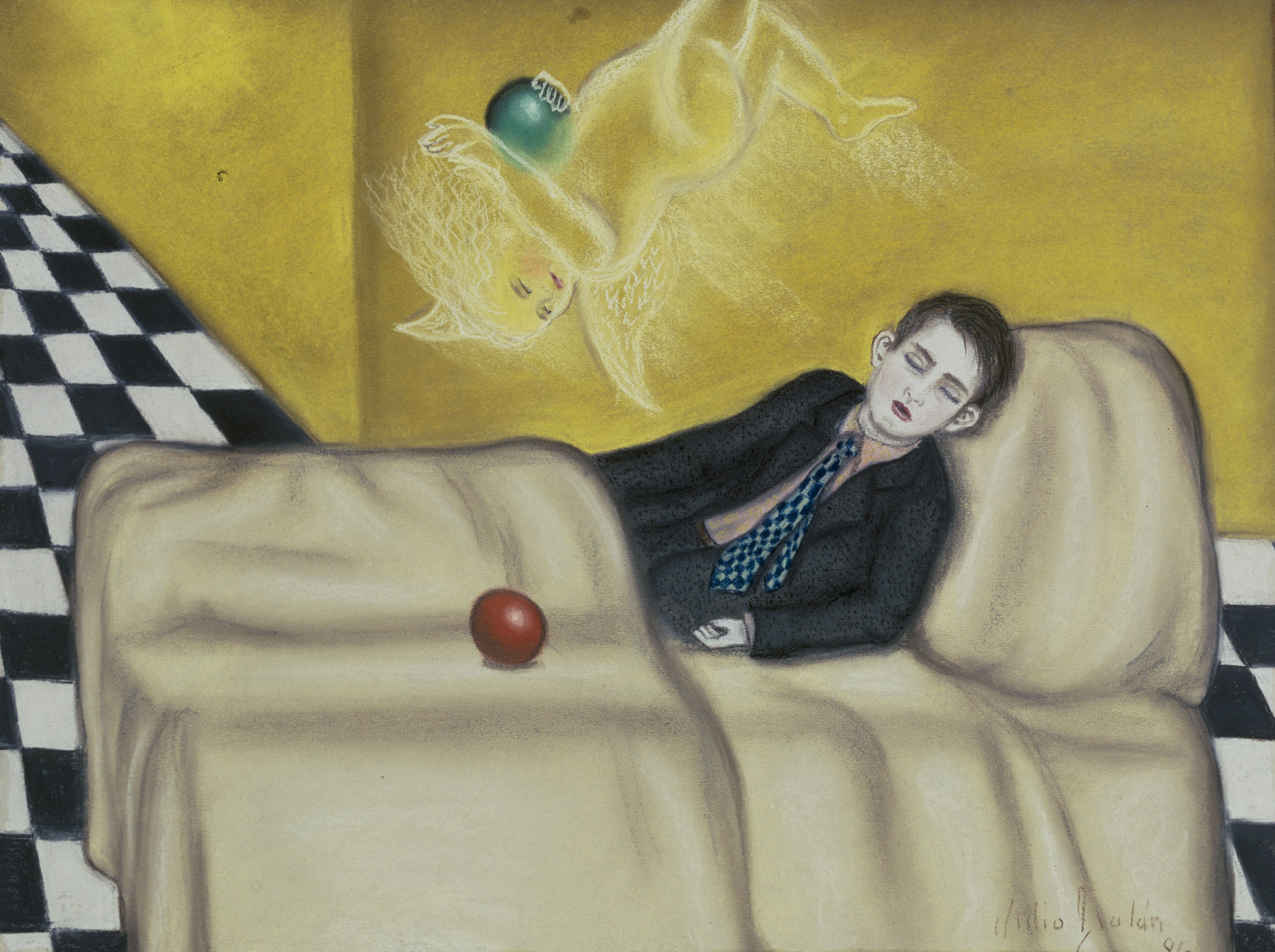
Italian painter and stage designer Domenico Gnoli made very neat paintings: a close-up of a stiff-collared white shirt; an apple seen side-on, with a perfect slice cut out. Even his paintings of people in bed are tidy, the covers perfectly tucked in. Cropping in on his subjects so tightly cuts out any messiness, but also presents the viewer with a startling, intimate picture: necks, crotches, the innards of the apple. These subtly eerie, sensual paintings are now on show at Lévy Gorvy Dayan in New York in the largest exhibition of Gnoli’s work in America for more than five decades. The show offers an insight into the mind and practice of an artist we were unable to watch mature: he died of cancer in 1970, aged 36. “My themes come from the world around me, familiar situations, everyday life,” Gnoli once wrote. “Because I never actively mediate against the object, I experience the magic of its presence.” —Baya Simons
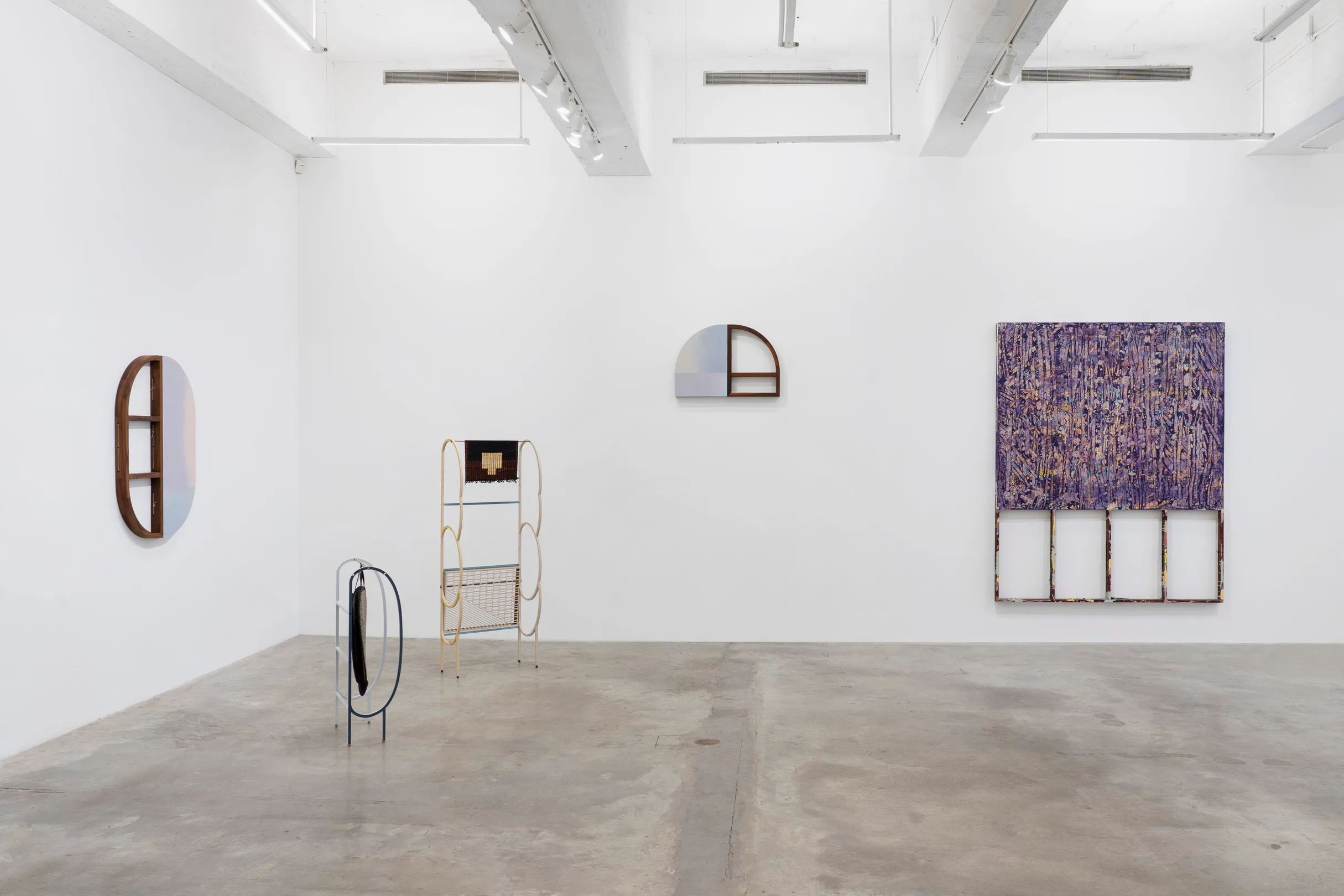
Suki Seokyeong Kang, Our Spring (until 25 April 2026) at Tina Kim Gallery, New York City
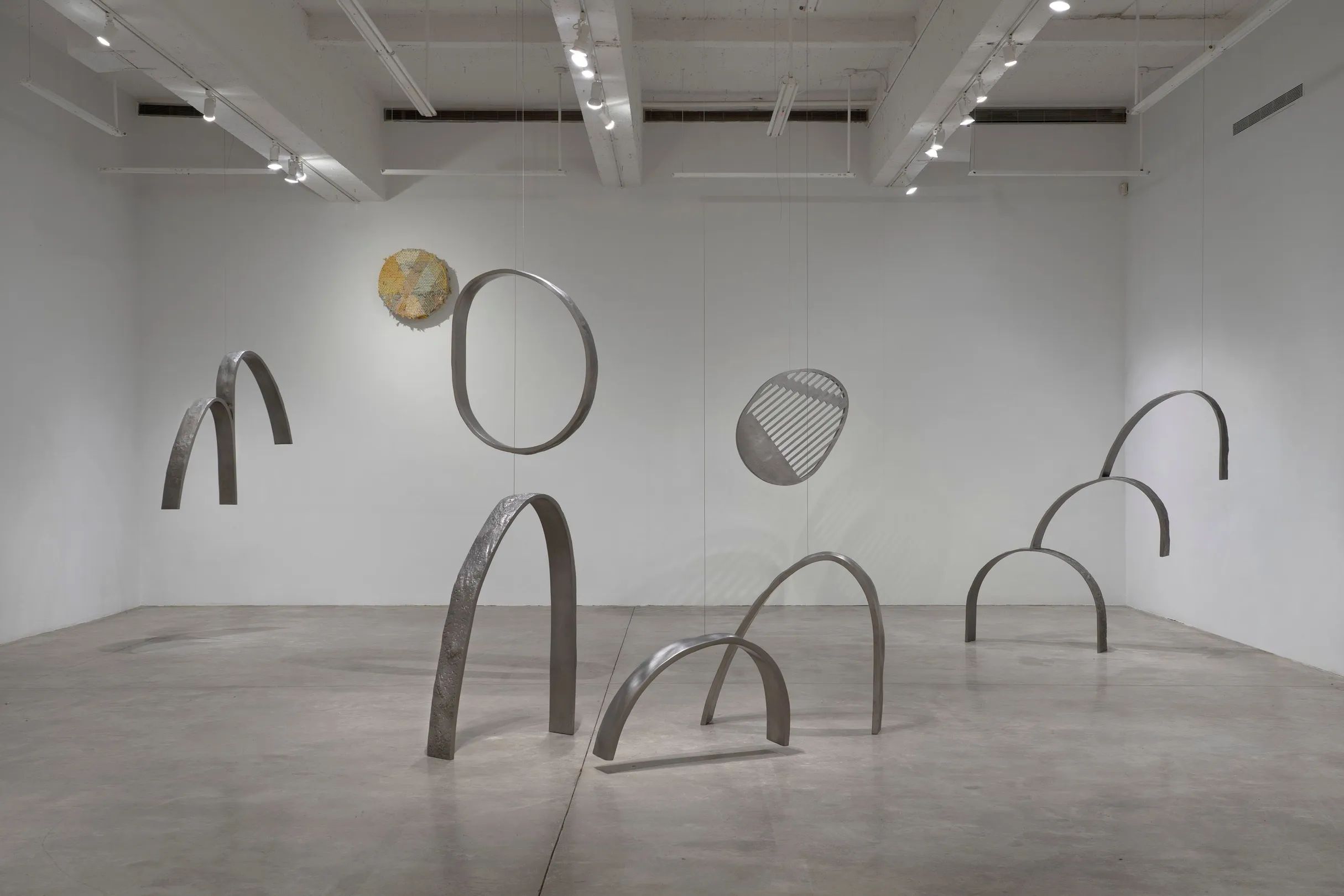
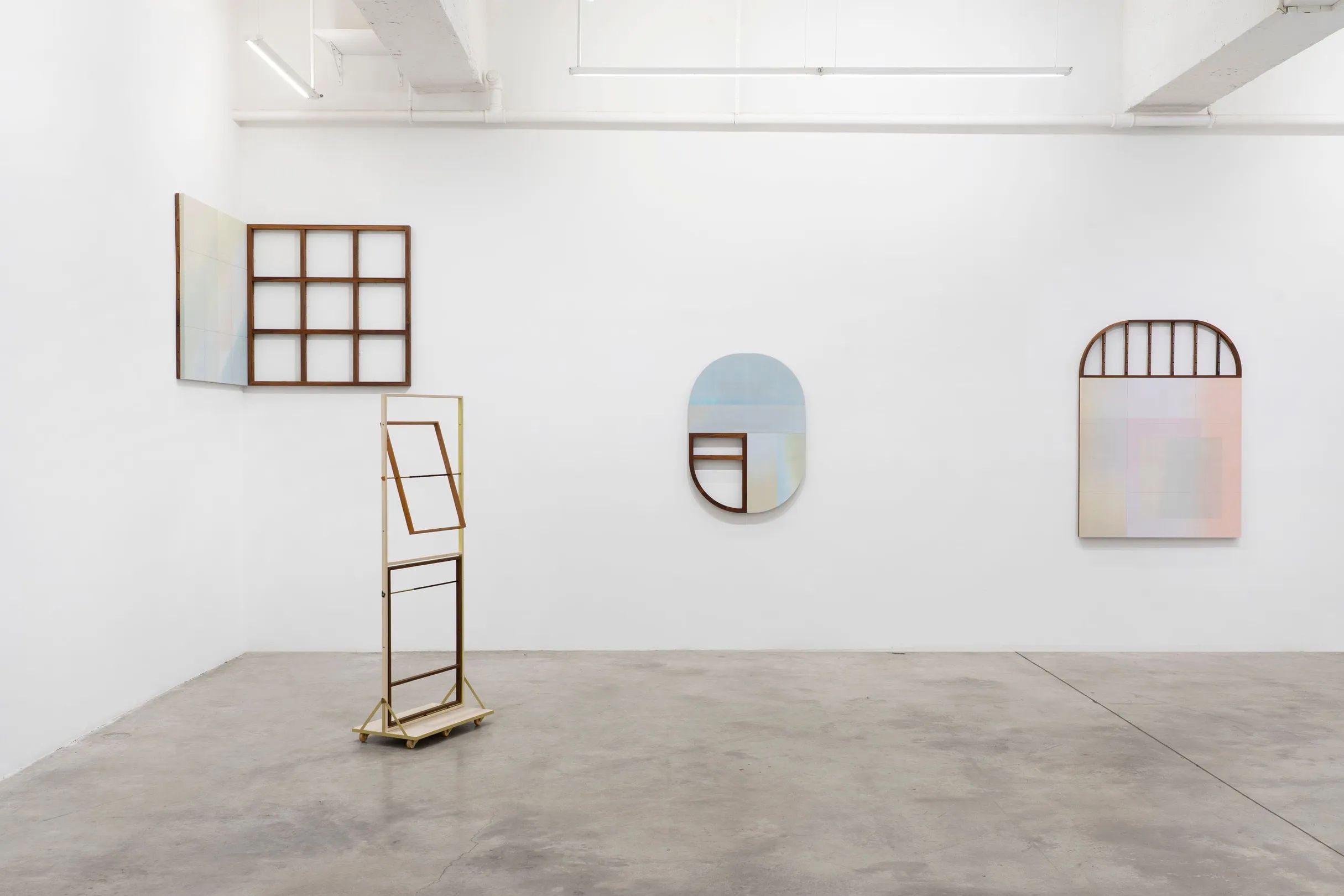
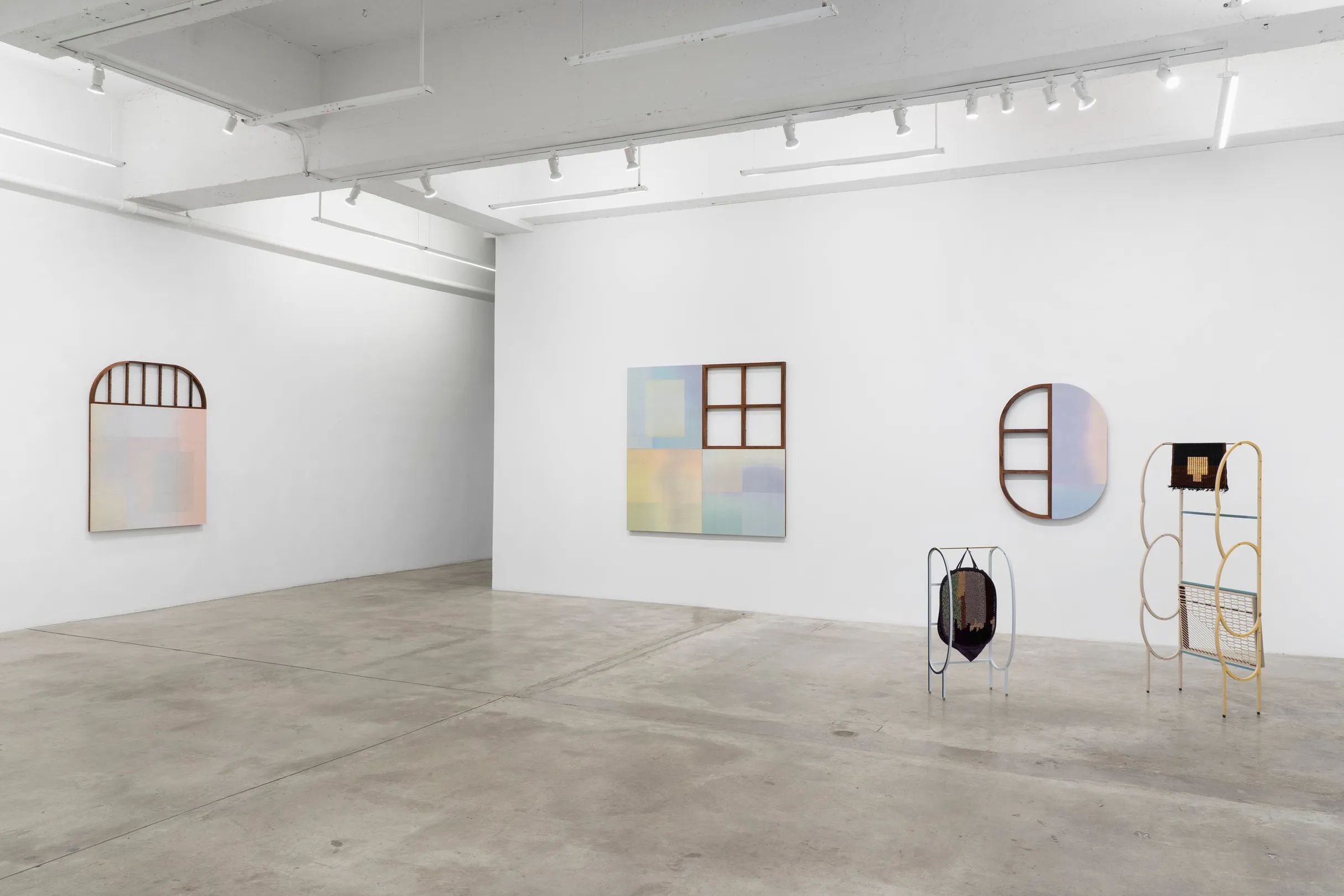
“I always thought, ‘Why do I have to draw the mountain?’” the late Korean artist Suki Seokyeong Kang told Art Basel last year. “‘Can I draw that kind of form using paper rather than depicting a mountain?’” The question of how line can take up space drove her through decades of artmaking, until her death last year from cancer, aged just 47. The clearest expression of such thinking can be seen in this new solo exhibition. It includes Mountain–hours (2020–2021), a series of aluminium sculptures, some of which are suspended in the air, like hills seen in the horizon, others planted firmly on the ground. They sit alongside her Mora–nuha (2014 – 2024) series of dust-and-gouache paintings: colourful records of the matter floating through the air of her studio on any given day. As Suki Seokyeong Kang told Ocula in 2018: “This idea of space allotted for each individual serves as the primary grammar of my art.” —Baya Simons
Sara Cwynar, Baby Blue Benzo (23 April–7 June 2026) at The Approach, London
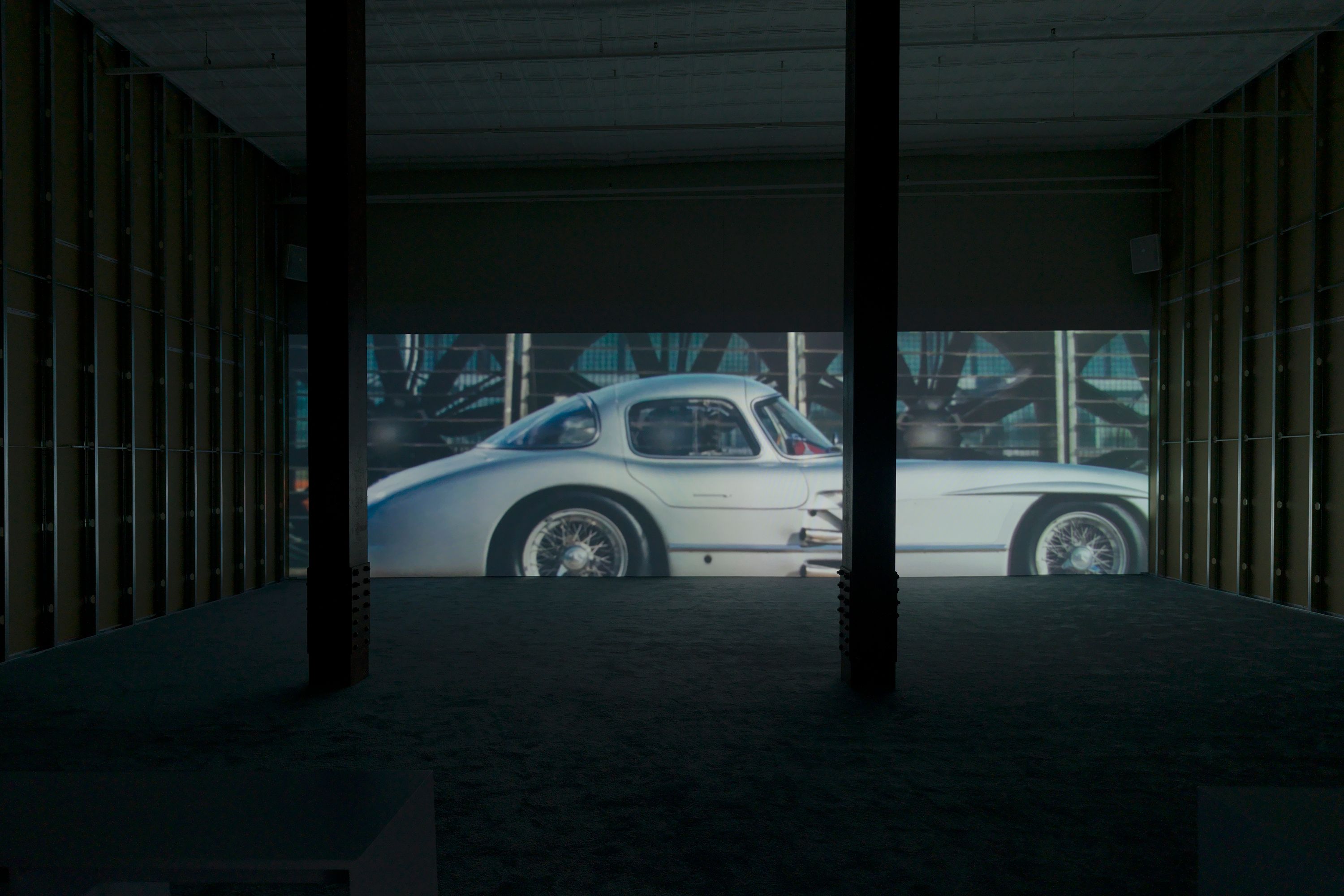
At the 2025 Shanghai Biennale, one of the most memorable presentations was Sara Cwynar’s film installation project Baby Blue Benzo (2024), a chaotic, bombarding sea of images. Visitors entered a room wrapped in monumental wallpapers of enlarged digital landscapes and cityscapes, divided into grids and overlaid with overtly saturated, commercial-style photographs drawn from found imagery. Deeper inside, on an extra-wide screen, massive props crowded the frame as models in elaborate costumes posed with a replica of a 1955 Mercedes-Benz 300 SLR—the most expensive car ever sold at auction—uneasily encircled by two sets of circular camera tracks. Shot on 16mm film and digital video, and enlarged to emphasise its grain, the 21-minute film carries a retro sheen. Yet it channels something distinctly contemporary: anxiety, infobesity, sleeplessness, and the urge both to consume and be consumed—an ambient discomfort that hums through 24/7 life, shaped by post-Fordist production, AI-driven image culture, and the incessant pull of social media. —Shanyu Zhong
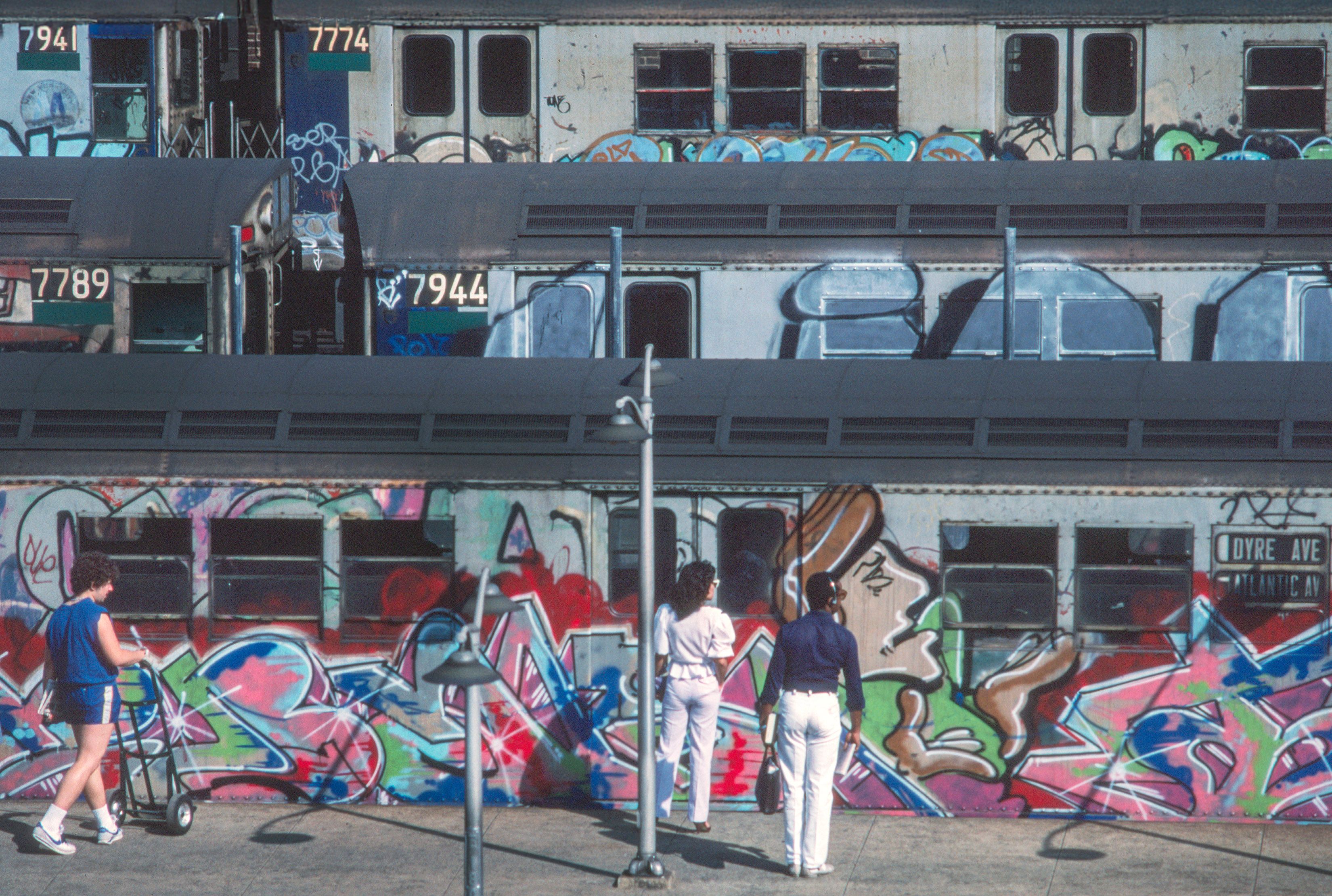
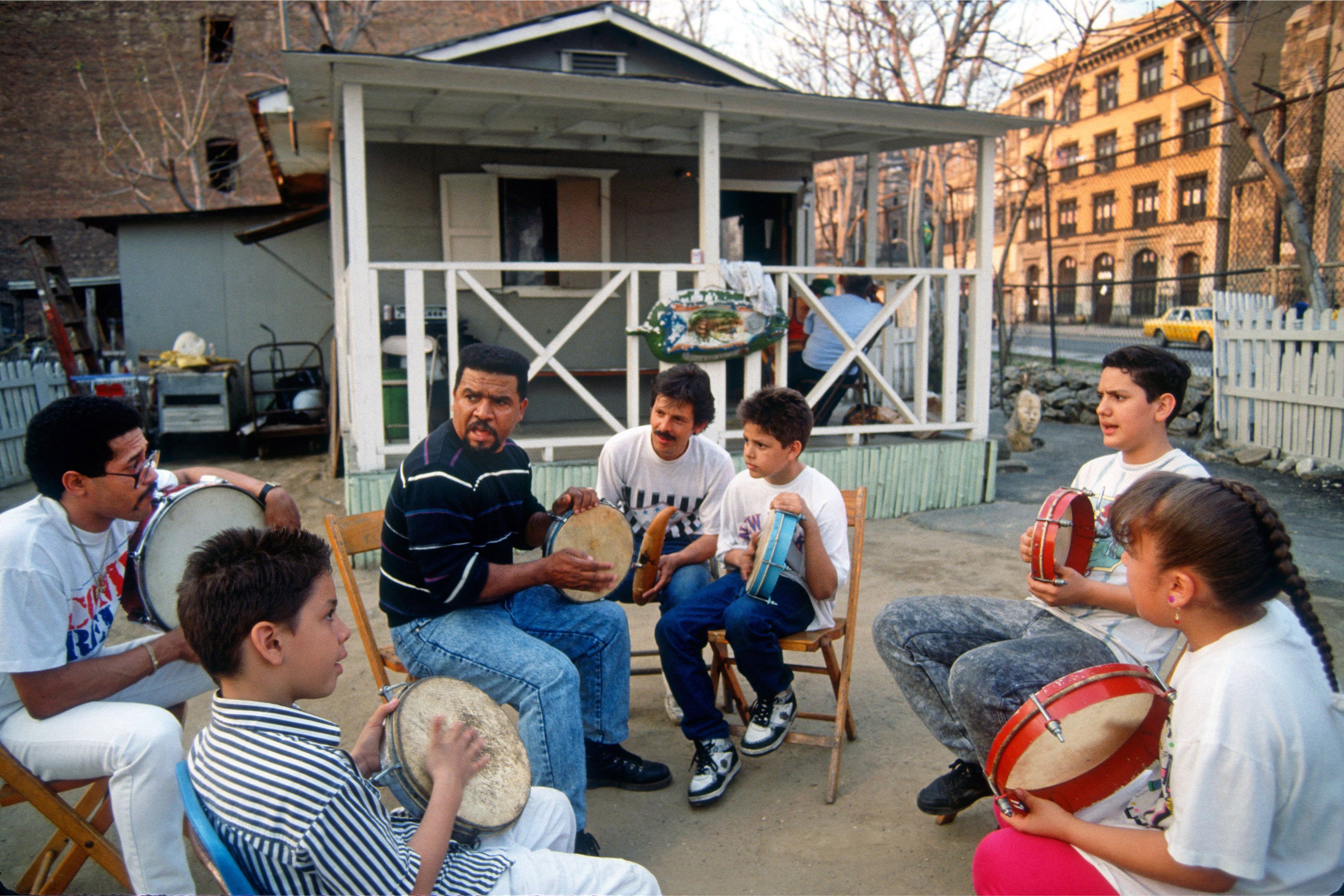
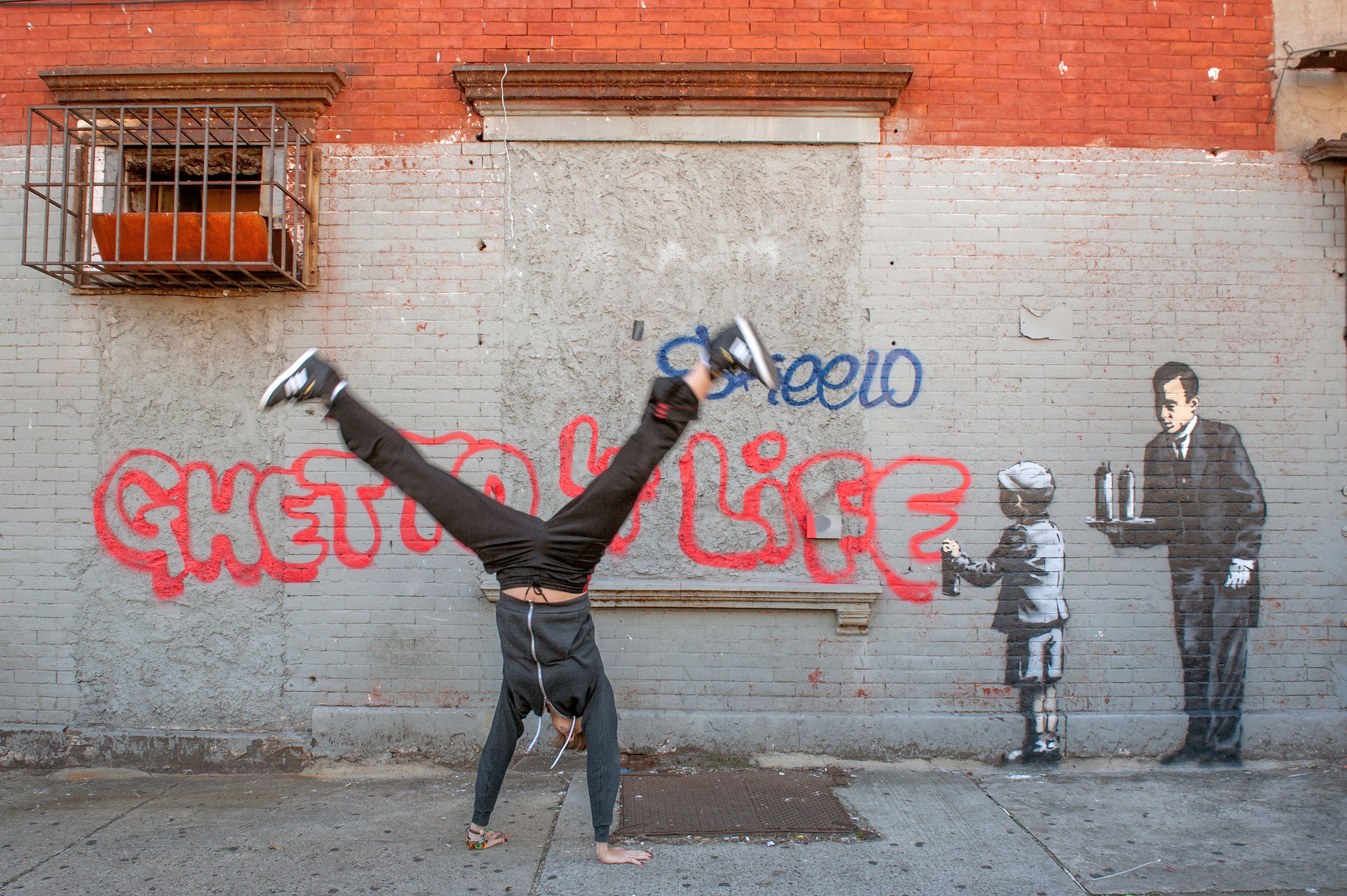
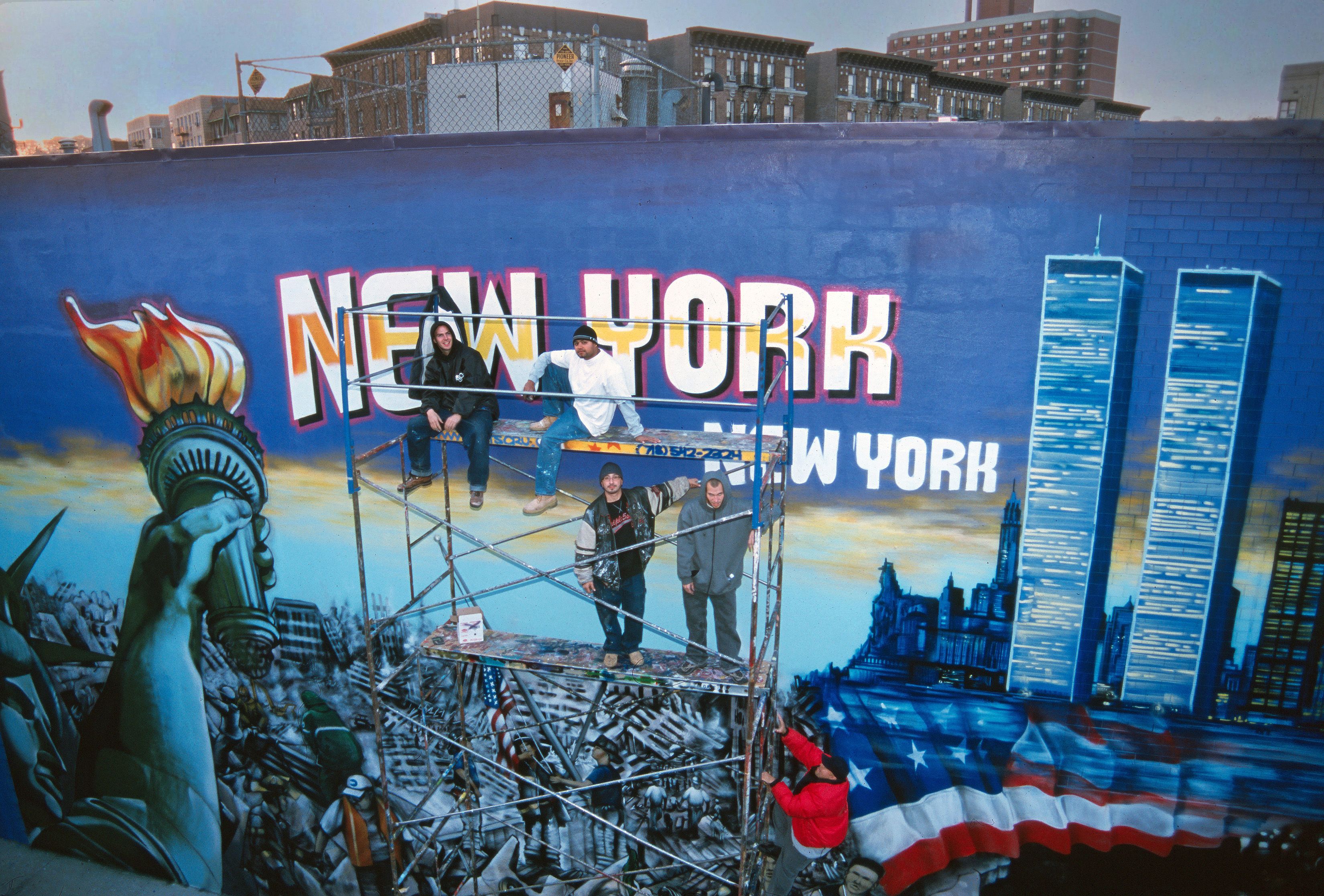
Martha Cooper, Streetwise (9 April–14 June 2026) at Bronx Documentary Center, New York City
Leave it to a living legend like Martha Cooper to show us exactly why documentary photography is such an important tool for understanding and historicising urban culture. Cooper, the New York Post’s first female staff photographer, began photographing the city’s burgeoning graffiti and hip-hop scenes during the late 1970s. The Bronx Documentary Center’s Streetwise exhibition also includes images connected to Fashion Moda, the influential Bronx art space founded in 1978 to facilitate exchanges between downtown Manhattan artists, graffiti writers, and Bronx residents. “When I photograph a graffiti piece or a mural… I do not try to transform the work into my own art…’ she told Lens Culture. ‘I [see myself] as a provider of documentary evidence, of historic preservation. The meaning and value of works of art can change over time, based on developments in our society, culture and politics. A photograph of an ephemeral work allows that to happen.” —Aimee Walleston
Zhang Ruyi and Liu Ren, Everything is on time, only time was never ours (22 March–21 June 2026) at Yuz Museum Shanghai
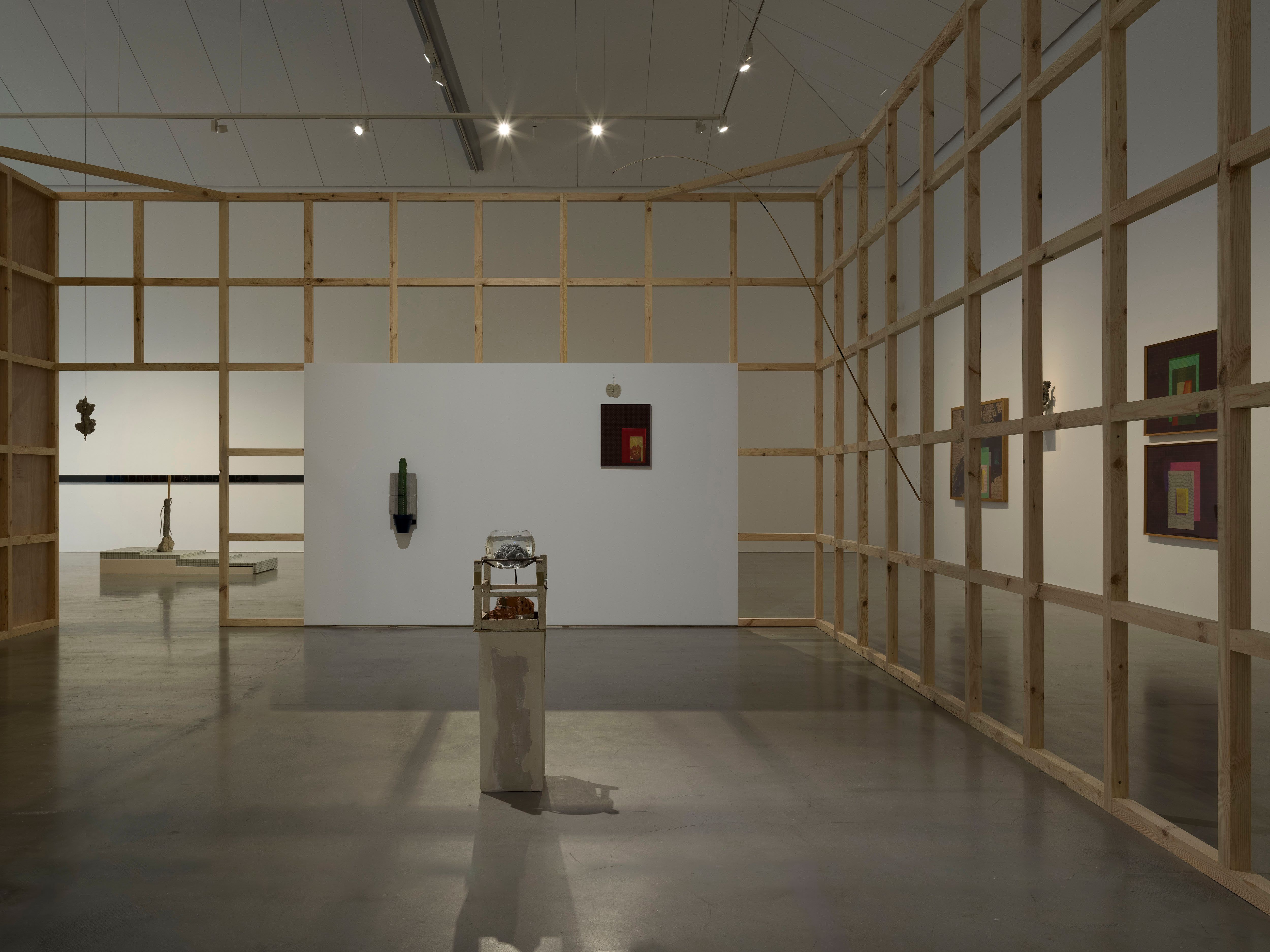
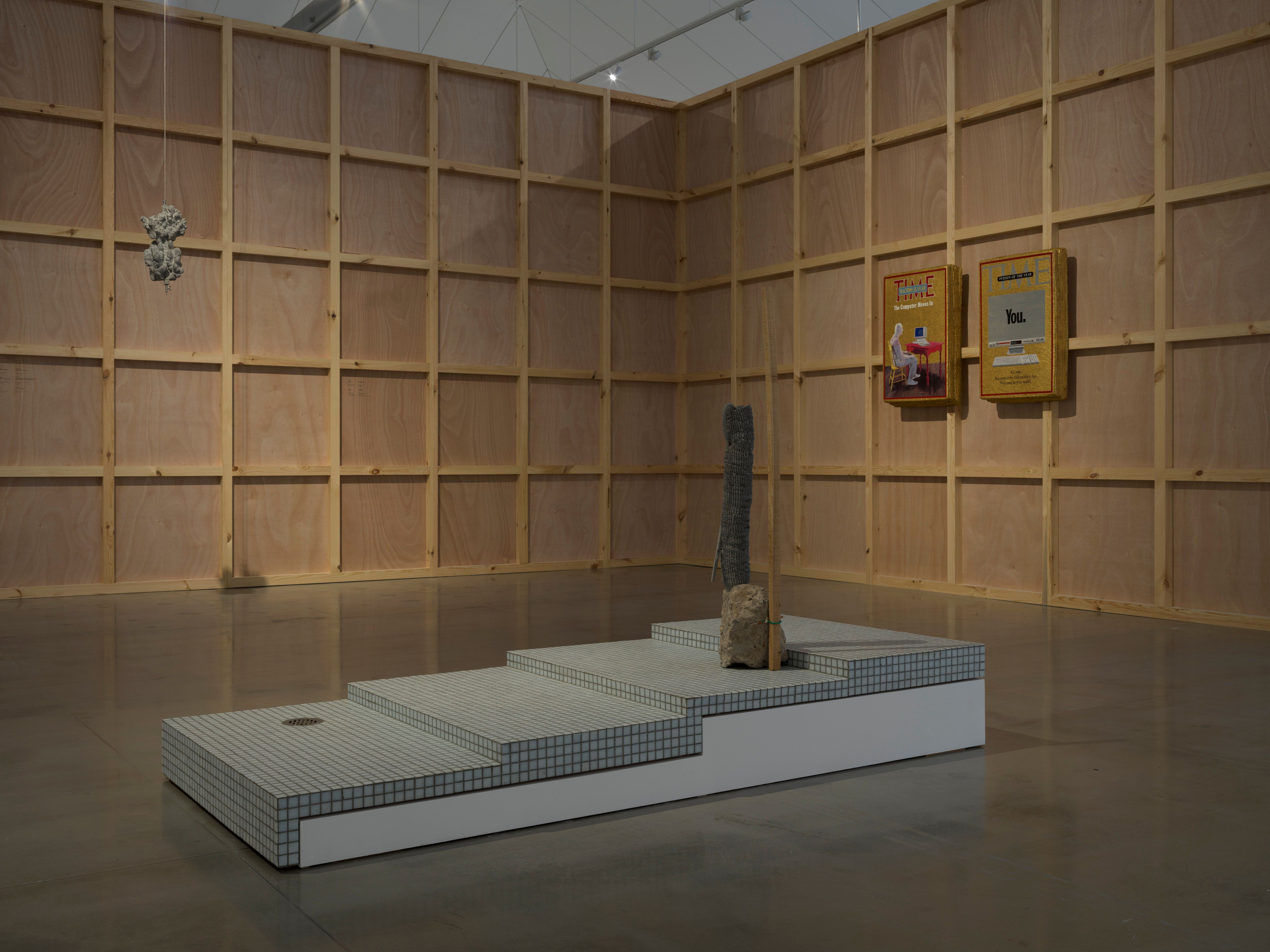
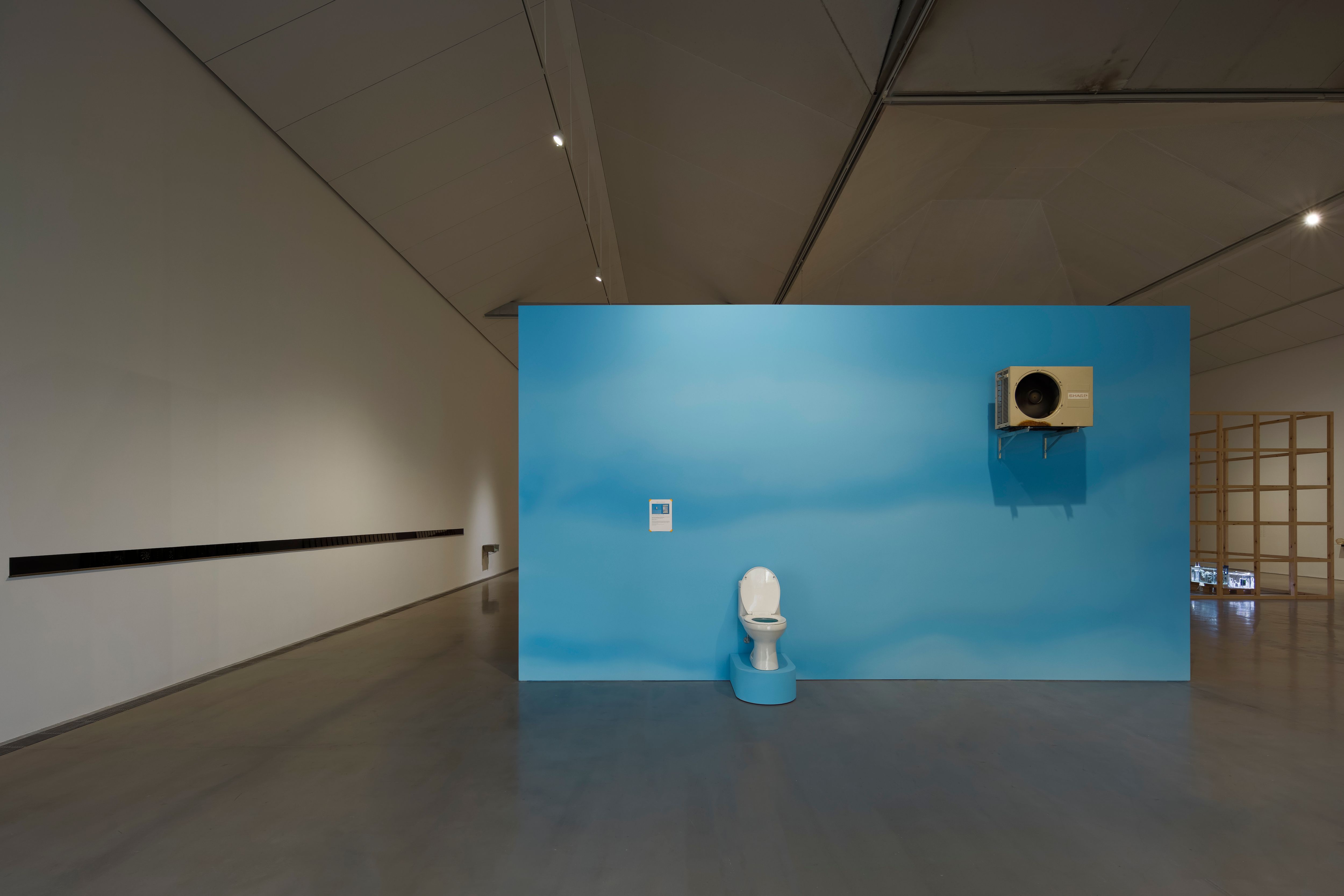
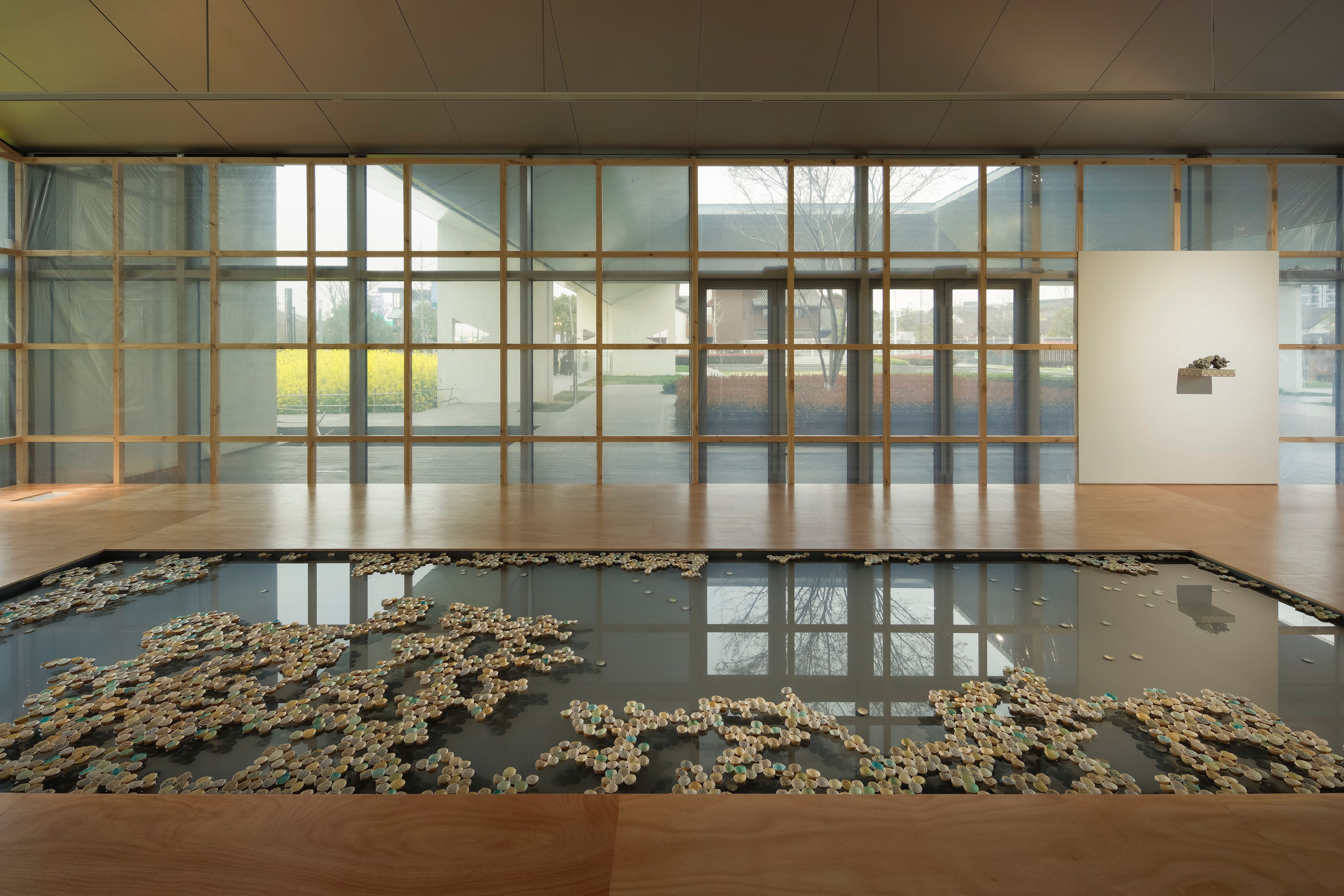
Zhang Ruyi’s sculptures of building relics wink at urban decay, highlighting how rapid gentrification can stall culture and the need for signs of resilience. Now, her most expansive duo solo, made with her artistic and life partner Liu Ren, is on view for the first time in their home city at Shanghai’s Yuz Museum. Zhang’s atmospheric work probes the metabolism of plants, animals and the city (Shanghai’s rapid demolition and rebuilding during their adolescence is a throughline), while Liu’s playful painterly objects—tiny wooden ocean cubes, gilded Time magazine covers, a clock—revel in material swaps and wordplay. What’s special is the shared architectural backdrop occupying two gallery rooms: Zhang’s environments gently take over the space, providing moody ambience for Liu Ren’s 20‑year mini‑retrospective, which traces back to their shared studio and conversations in the city’s BFA programme. It’s a homecoming for work that once circulated underground. —Zian Chen
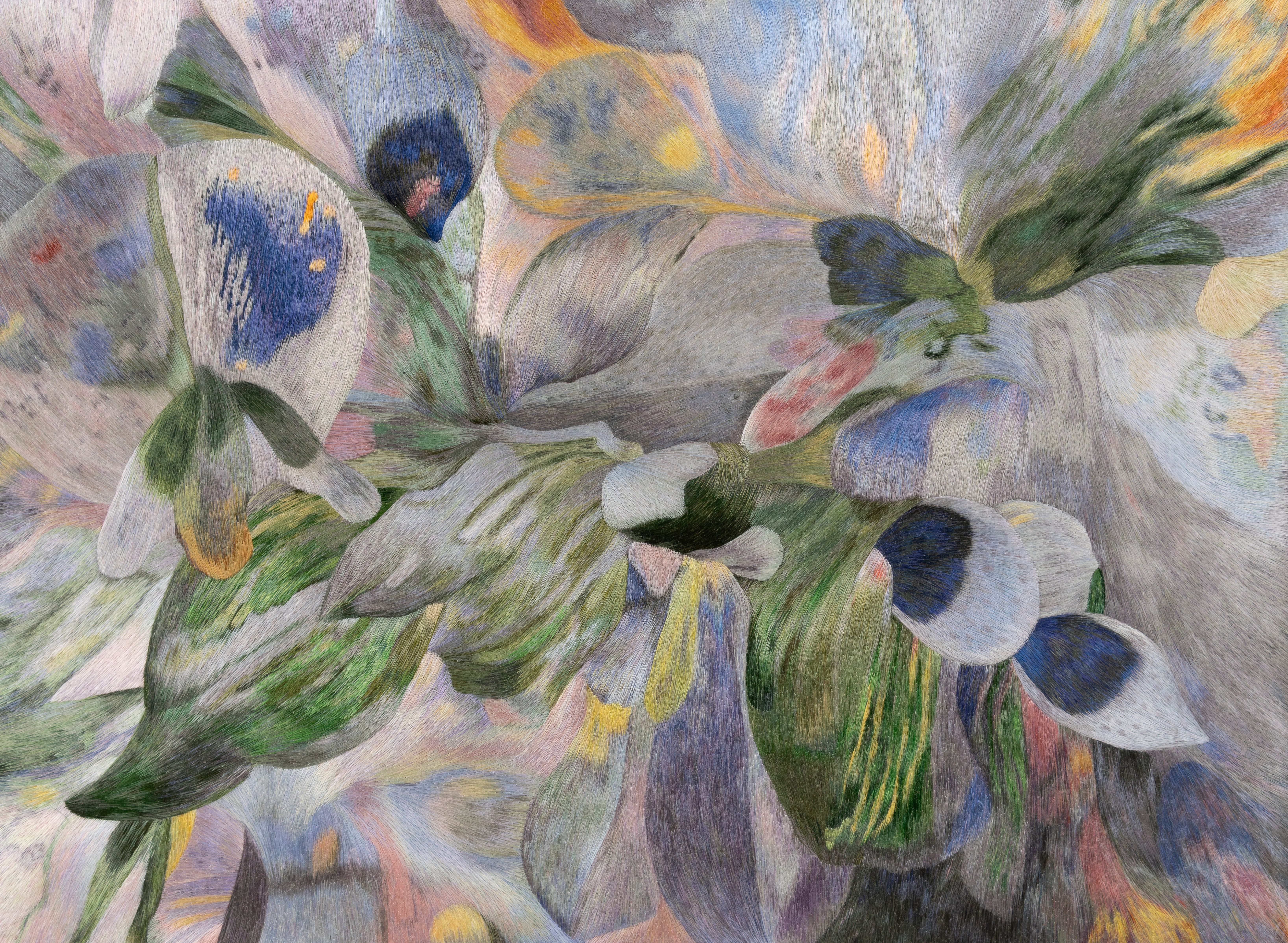
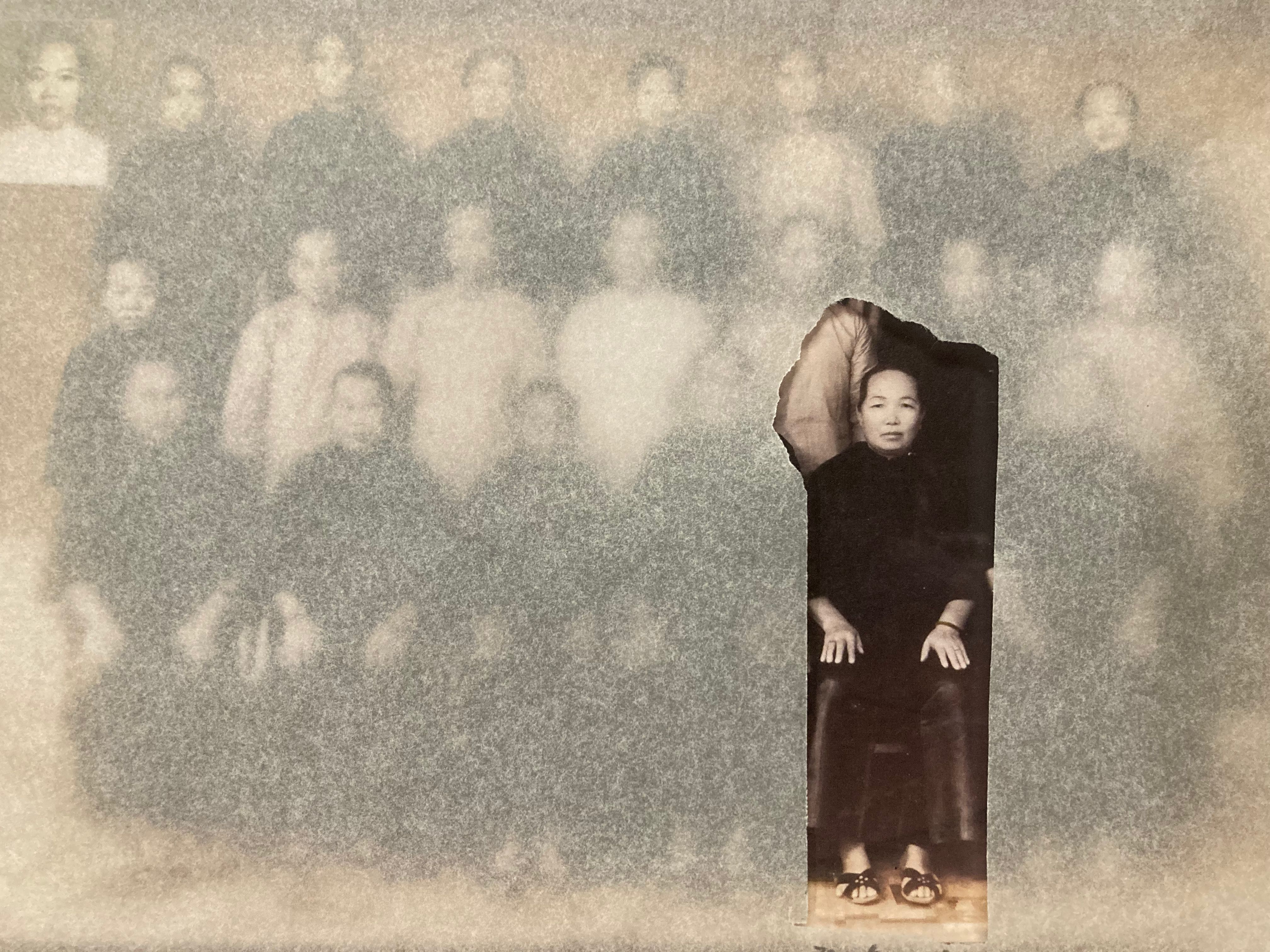

Threads of Kinship (16 March–30 June 2026) at He Art Museum, Guangdong
More than 300 years ago, the “comb sisters” of southern China were women who supported themselves economically through sericulture and weaving, adopting a hairstyle that marked their independence and forming celibate communities. This history of female autonomy is closely tied to the silk industry of the Pearl River Delta, where He Art Museum is located. Following its debut at KADIST Paris last year, this expanded iteration of Threads of Kinship returns to the story’s origins through the collections of both KADIST and HEM. The former’s presentation focuses on how weaving labour is preserved and reshaped through kinship and migration, tracing the experiences of female textile workers and diasporic communities. In contrast, works from the museum’s collection highlight self-determined female figures in paintings by Chinese modernists such as Pan Yuliang and Lin Fengmian. These histories continue to circulate within and beyond the region, long after the silk industry’s decline—threaded through weaving and care. —Shanyu Zhong
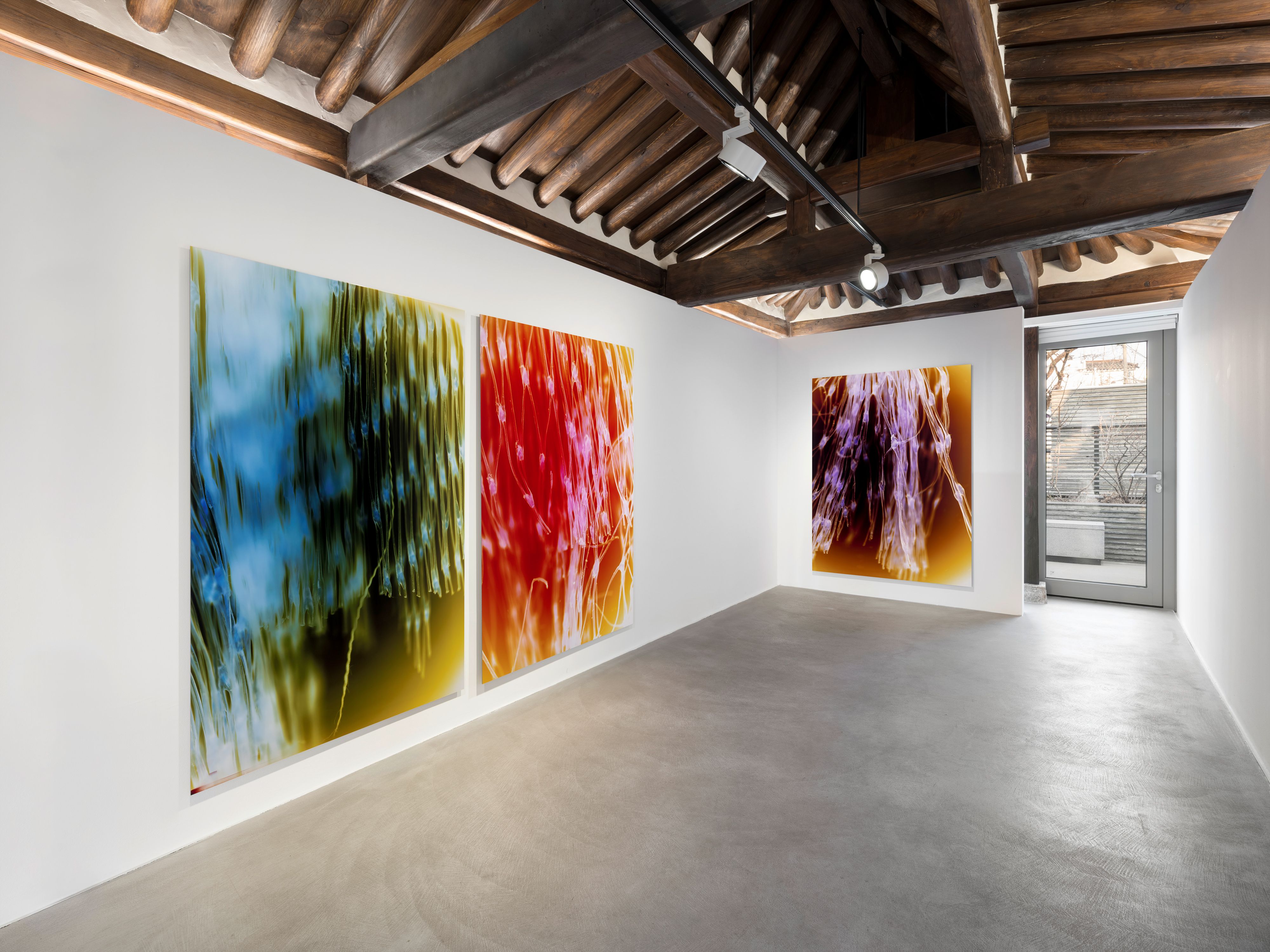
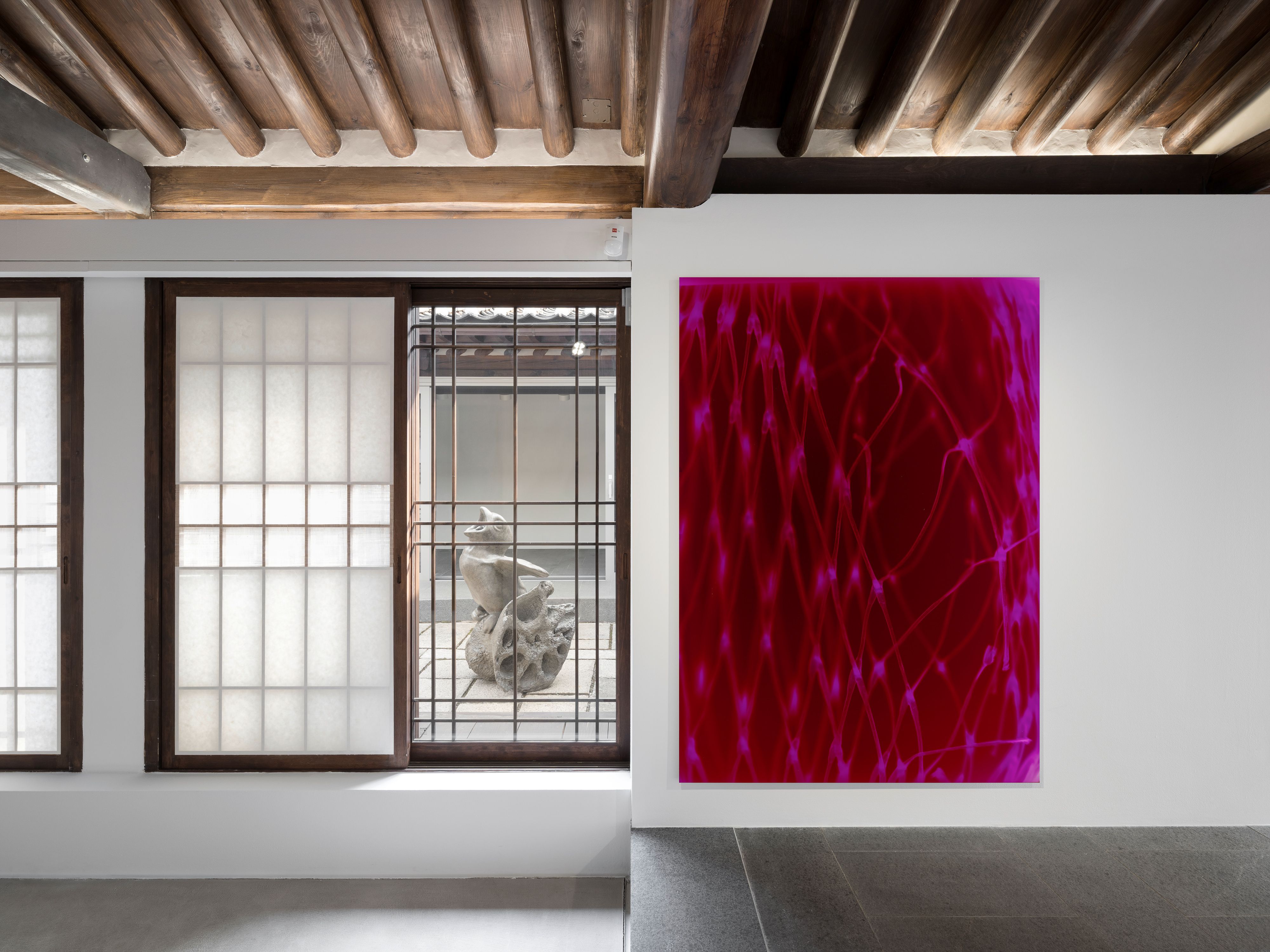
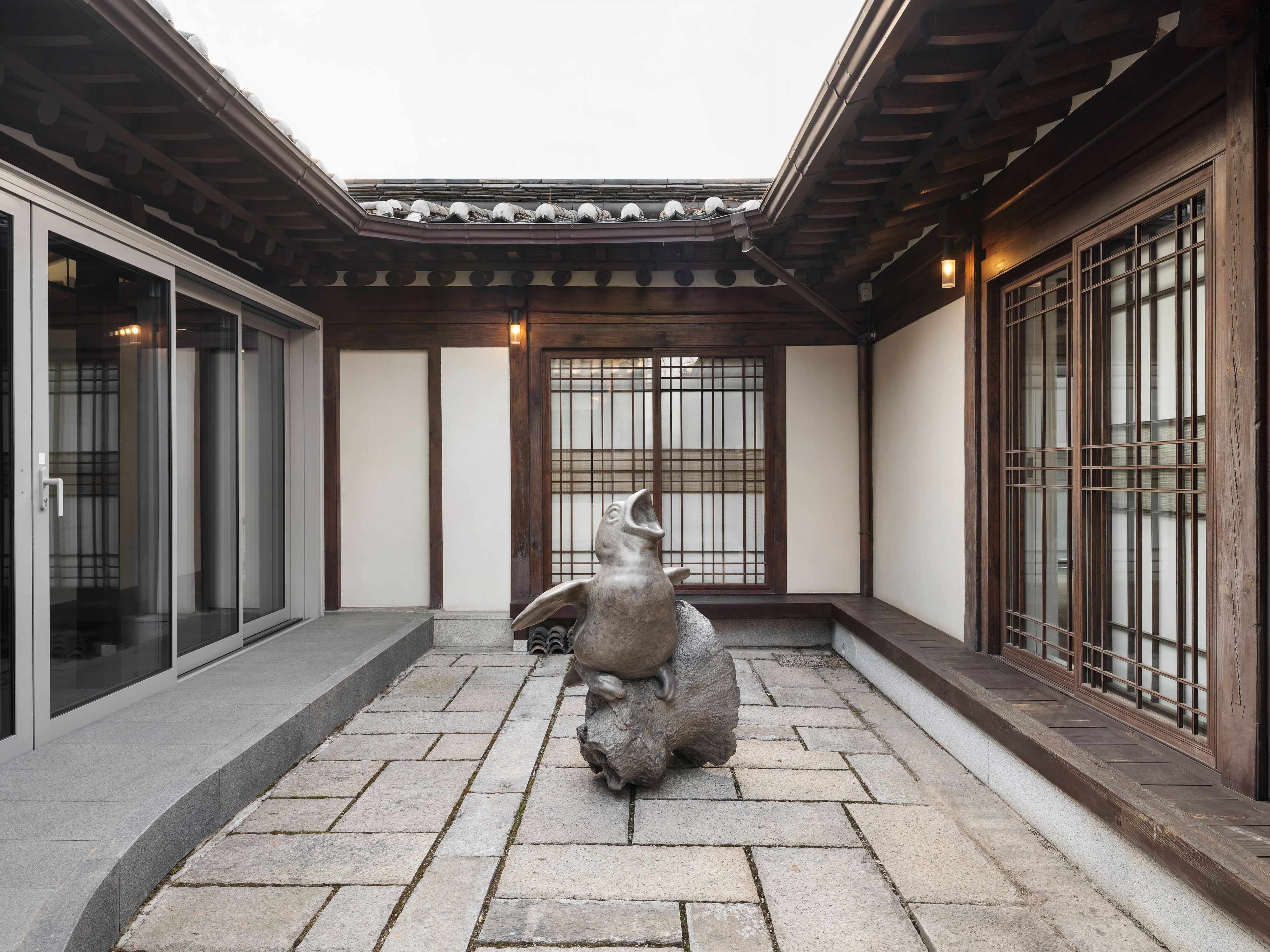
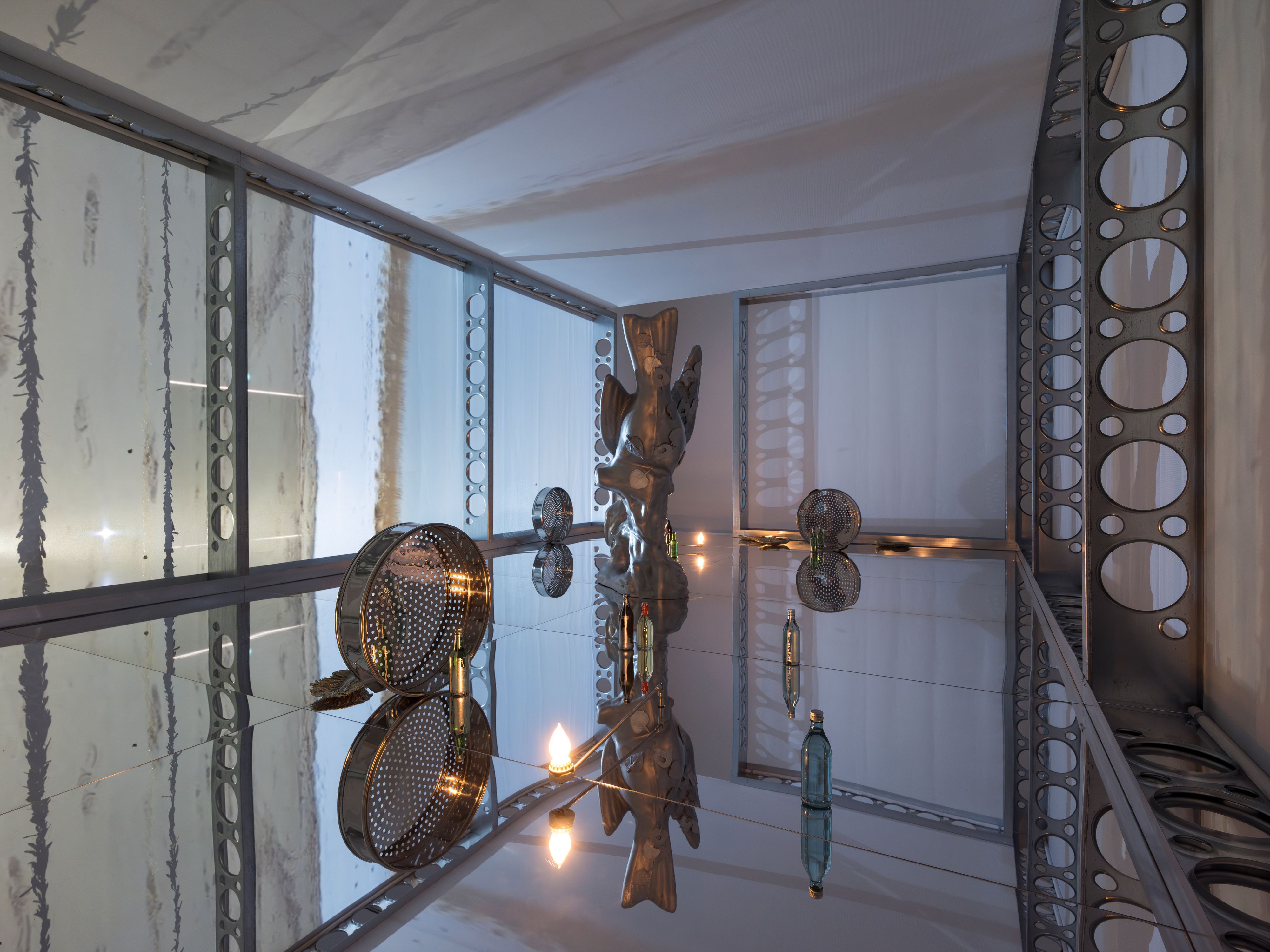
Lotus L. Kang, Chora (19 March–10 May 2026) at Kukje Gallery, Seoul
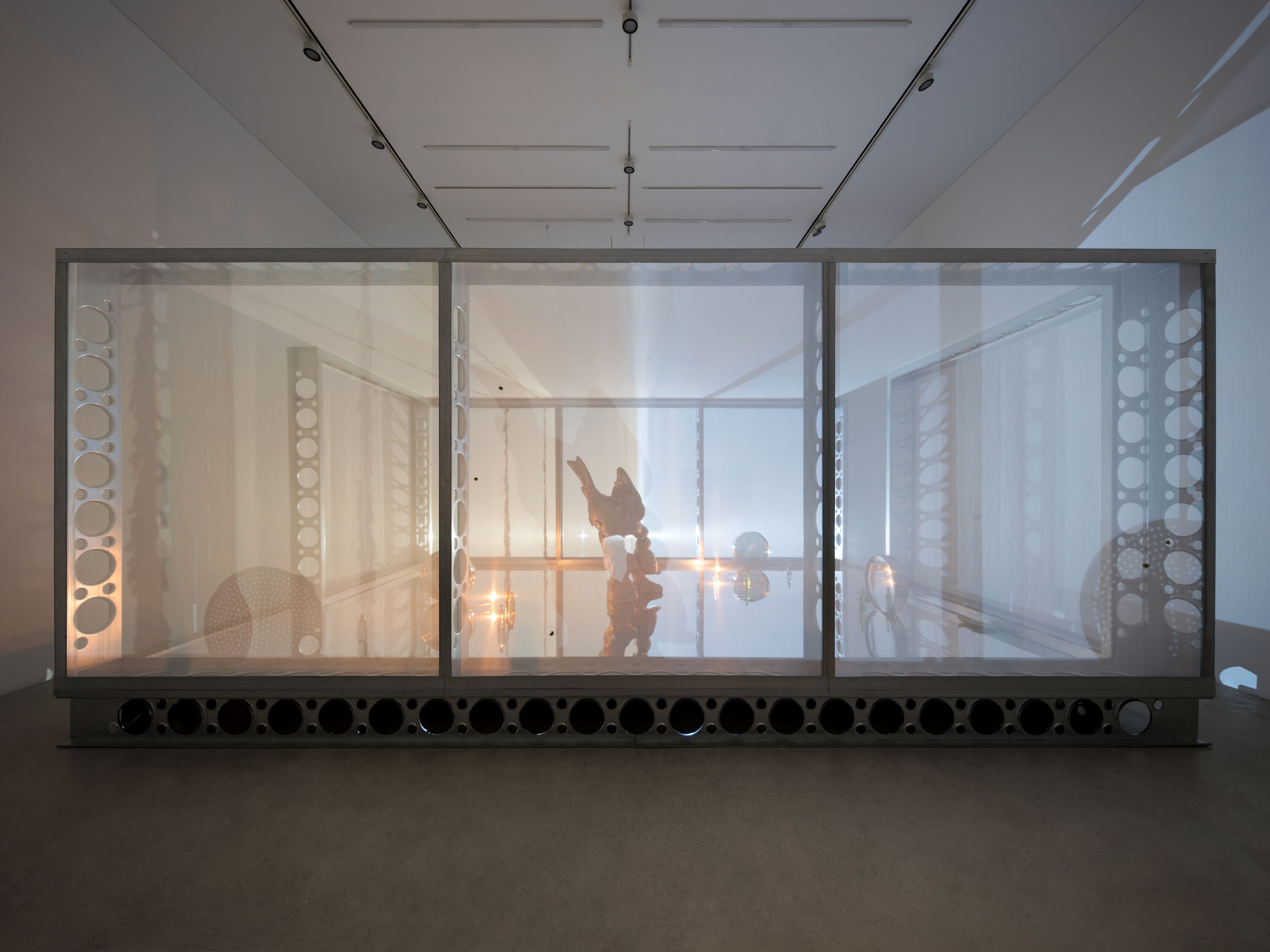
The Bulgarian-French writer and psychoanalyst Julia Kristeva drew on Plato’s ideas to conceive her concept of the chora as a womb-like space which exists before language. It “precedes evidence, verisimilitude, spatiality, and temporality,” she wrote in her 1974 book Revolution in Poetic Language. It was this idea that Korean-Canadian artist Lotus L. Kang drew from when putting together her exhibition at Seoul’s Kukje Gallery. The artist recognised in the idea the beauty of in-between states as nourishing and generative, rather than constrictive.
It includes her luminogram series, Synapse, for which she enlarged images of the nylon-woven netting typically used for packing fruit and vegetables in a color darkroom to create large-scale, glow-bright works that evoke synapses or nerves. In another piece, projected onto the wall of the gallery’s courtyard, Kang interspersed video of South Korean mudflats with footage recorded over 49 circumambulations—loops walked around a sacred object, in this case a beach—which she conceived on her 40th birthday. Hundreds of cast aluminum and brass-bronze anchovies surrounding the structure create a windchime effect, building on her meditation on internal shifts and growth. — Baya Simons
The Nabi Shock (9 April–6 June 2026) at Waddington Custot Paris
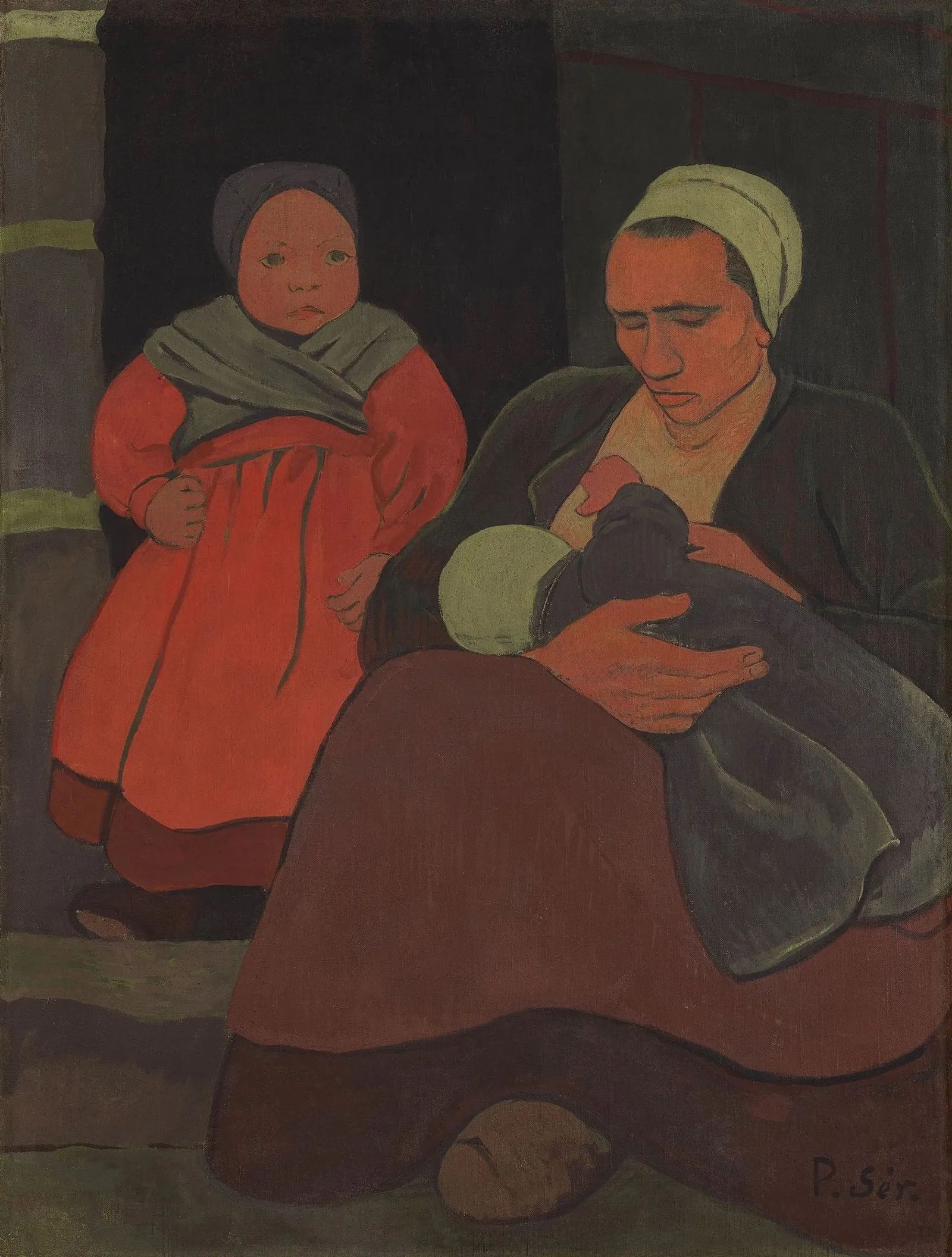
The history of art would be nothing without its movements—Gutai, ZERO, Fluxus, to name a few—where collective efforts often become more than the sum of their parts. Les Nabis were one such grouping: a handful of late 19th-century French painters, including Maurice Denis, Paul Sérusier and Edouard Vuillard, who used colour to translate their emotional state directly on to canvas. The Nabi Shock christens Waddington Custot’s new Parisian gallery space with a tight focus on the creative output of Les Nabis, showcasing not just the intricacies of their work—from Maurice Denis’ painterly interpretation of stained glass imagery, Le Cheval blanc (projet de vitrail) (1894) to Paul Sérusier’s Gauguin-hued Bretonne allaitant (1892)—but also their legacies. Juxtaposed with these historic offerings are contemporary works sympathetic to the Nabi vision, from artists including French painter Ben Arpéa, Canadian draughtsman Marcel Dzama, and English painter Ian Davenport, among others. —Aimee Walleston
Main image: Hans Eijkelboom, De ideale man series (1977–1982) (detail). Collection Stedelijk Museum Amsterdam.




A respected voice in contemporary art discourse.
Focusing on ambitious storytelling and insightful art-world commentary. Ocula Magazine publishes in-depth interviews, critical essays and timely analysis on the artists, exhibitions and ideas driving the global art world.
Learn more about Ocula Magazine
Showcasing the best of the art world.
Ocula partners with galleries from around the world to highlight their artists, artworks and exhibitions. Gallery membership is by application and invitation, with each member vetted by an independent panel.
Learn more about Ocula Membership
Specialises in the sale of major artworks.
Led by a team with deep ties to the world’s leading auction houses, galleries and collectors. Ocula’s advisory team offers bespoke services to high-net-worth clients from around the world who are looking to acquire the best of contemporary and modern art.
Learn more about our team and services