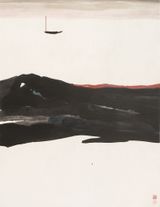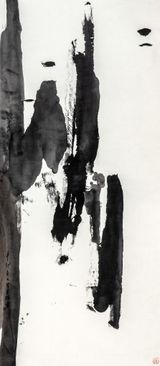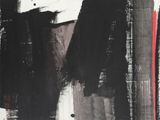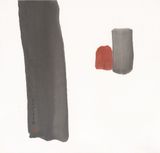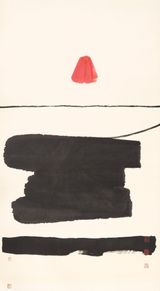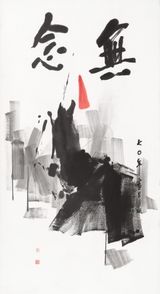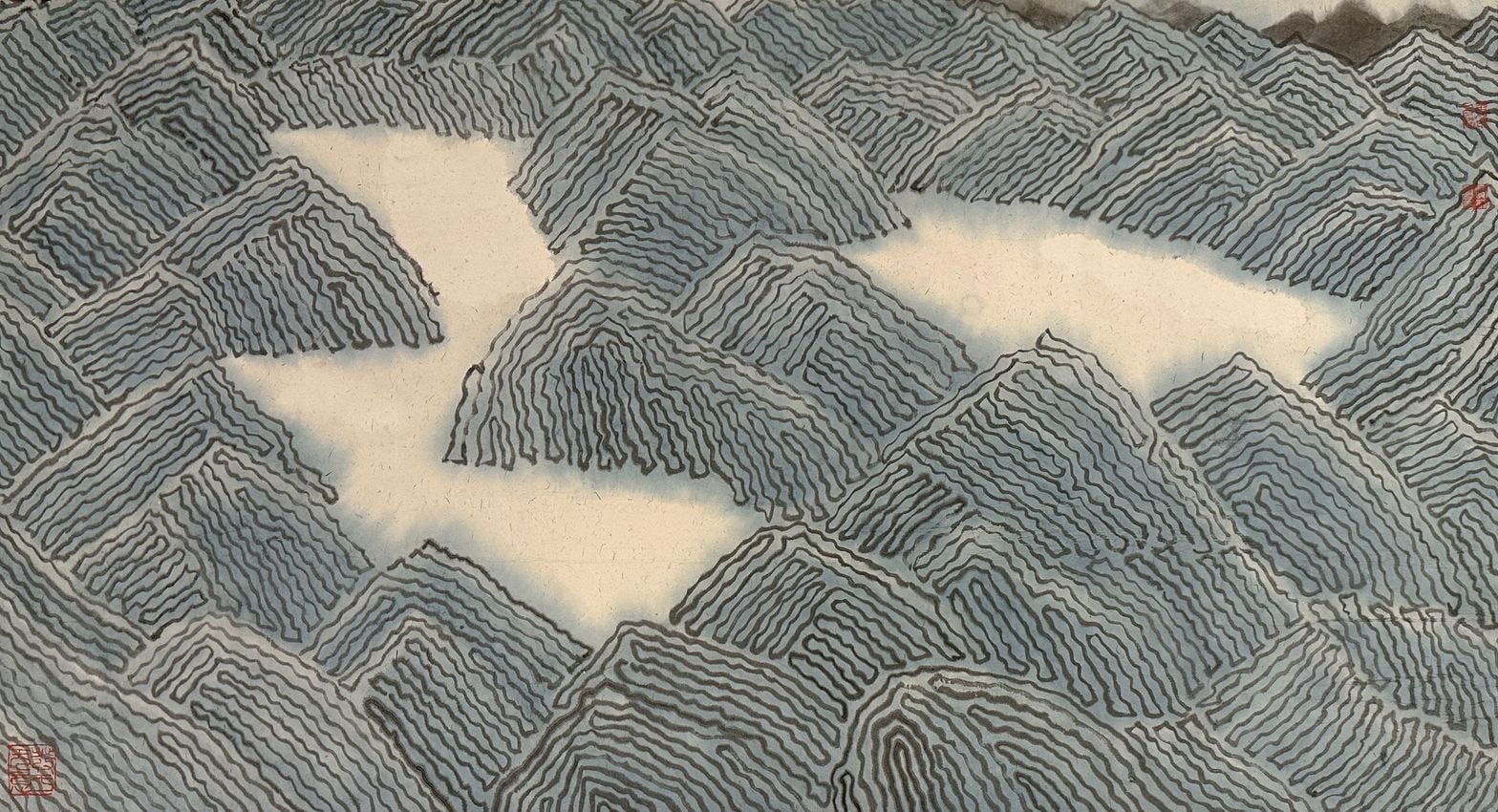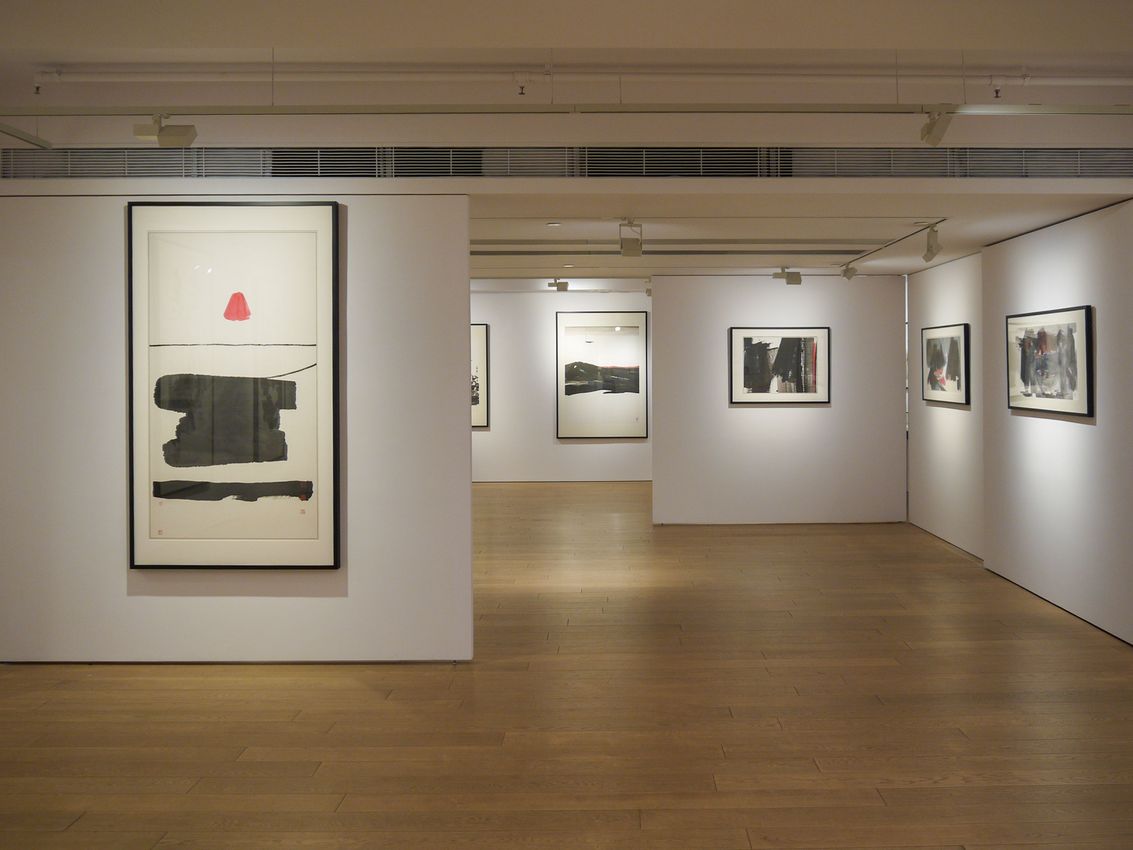
Alisan Fine Arts is proud to present Lui Shou-kwan: Artist Teacher Scholar, commemorating the 50th anniversary of Lui’s passing. This exhibition gathers around two dozen exemplary works across the key decades of the artist’s career from 1951 to 1972. A selection of archive materials on his teachings and writings will also be on display. Together with the publication of a book of the same title, this landmark exhibition aims to re-examine the discursive and wide-ranging influences of Lui through his three distinct, yet interconnected, identities: bold innovator, tireless educator and fierce scholar. Fifty years later, Lui remains one of the most influential artists in Hong Kong’s history, whose groundbreaking approach to art and education continues to inspire generations of artists in the city and beyond.
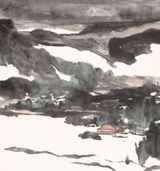
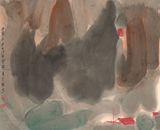
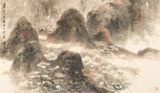
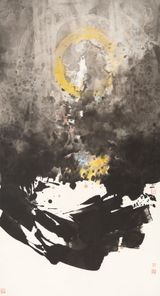
Born in 1919 to a scholarly family in Guangzhou, Lui grew up immersed in the study of ancient masters. His relocation to Hong Kong at age 28 broadened his artistic horizons, allowing him to blend traditional Chinese influences with Western ideas. This evolution established him as a trailblazer in Chinese art and a founding figure of the New Ink Movement. This exhibition showcases rarely seen works from the Lui family’s private collection, offering examples throughout his artistic career, including landscape paintings of Hong Kong, semi-abstract landscapes, and his abstract Zen paintings.
****The Artist
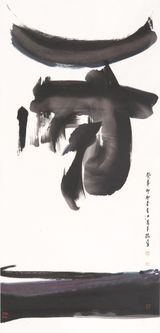
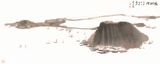
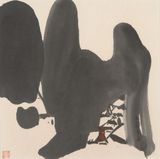
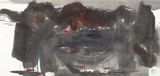
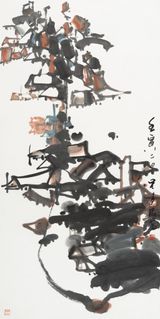
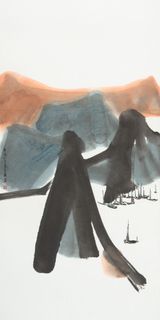
****Lui’s fierce advocacy for individuality marked his artistic innovation, prompting him to explore diverse vocabularies and styles while remaining rooted in Chinese ink painting. In the early years, Lui found time for painting between working as an inspector at the Hong Kong and Yaumatei Ferry Company and moonlighting as an art tutor. He captured the natural scenes of Hong Kong in en-plein-air sketches and landscape paintings. He experimented freely with different brush strokes, and between figuration and abstraction. Abstract—Xinmao Spring (1951) is one of the earliest examples of the artist’s exploration of abstraction.
The Teacher
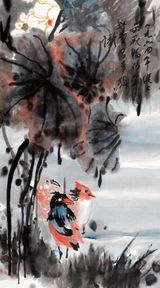
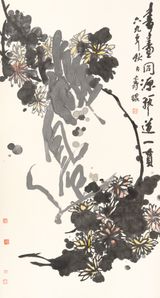
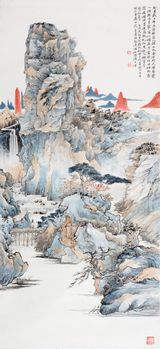
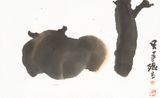
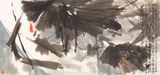
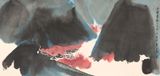
****As Lui gained more recognition in the burgeoning Hong Kong art scene in the late 1950s, he actively engaged with local and international art groups and began developing a system of pedagogy writing newspaper columns and formal teaching appointments. As an educator, Lui emphasised the importance of studying classical Chinese masterpieces. His “study paintings,” such as After Ren Bonian (1964) and After Shitao: Pines in Light Rain (1968), exemplify this commitment. Lui himself never abandoned studying and copying ancient masters, which, he believed, played a significant role in his continuous learning, teaching and self-actualisation.
The Scholar
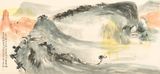
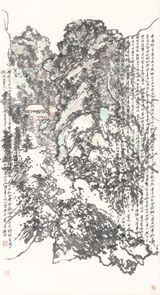
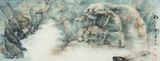
****Lui’s scholarly contributions are encapsulated in various published books and manuscripts, and copious amounts of personal notes and unpublished writing—some on display in this exhibition. Works like Landscape (1972), in which he articulates the fundamental principles of Chinese painting, are also clear demonstrations of his scholarly development. His inscription emphasises the understanding of the dot and line in the creative process, advocating for individuality within the framework of traditional techniques.Fifty years after his untimely death in 1975, his influence on Chinese art continues to expand. Lui championed personal expression and exploration, leaving a lasting impact on the evolution of ink painting. This exhibition stands as a testament to his enduring legacy.
Lui Shou-kwan (1919-1975), recognized as Hong Kong’s pioneer in the New Ink Movement has had a far-reaching influence on contemporary Chinese art. Born in Guangzhou, Lui’s interest in painting was inherited from his father Lui Canming (1892-1963) from early on. His father was a scholar-painter and owner of an antique shop. Lui studied Chinese painting by copying classical works by past masters, such as Bada Shanren (1626-1705, Ming Dynasty), Shitao (1642-1707, Qing Dynasty) and Huang Binhong (1865-1955, who he studied under for a short period). Lui graduated from the University of Guangzhou with a degree in Economics in1946. He moved to Hong Kong in 1948 and began working for the Hong Kong and Yaumatei Ferry Company as an inspector in 1949. While working on the pier, he was able to observe Hong Kong’s mountains and harbour scenes. These scenes often appear in his semi-abstract landscape works. Afterwards, he experimented with abstraction and symbolism which ultimately lead to the creation of his unique Zen Painting.
Co-founded in the 1980s by Alice King, Alisan Fine Arts is Hong Kong’s longest-standing contemporary gallery, celebrated for its trailblazing promotion of Chinese contemporary art and New Ink art. The gallery has consistently championed artists from the Greater China region and Chinese diaspora, making an impact on cross-cultural dialogues and global appreciation of diverse artistic expressions.
A respected voice in contemporary art discourse.
Focusing on ambitious storytelling and insightful art-world commentary. Ocula Magazine publishes in-depth interviews, critical essays and timely analysis on the artists, exhibitions and ideas driving the global art world.
Learn more about Ocula Magazine
Showcasing the best of the art world.
Ocula partners with galleries from around the world to highlight their artists, artworks and exhibitions. Gallery membership is by application and invitation, with each member vetted by an independent panel.
Learn more about Ocula Membership

Specialises in the sale of major artworks.
Led by a team with deep ties to the world’s leading auction houses, galleries and collectors. Ocula’s advisory team offers bespoke services to high-net-worth clients from around the world who are looking to acquire the best of contemporary and modern art.
Learn more about our team and services