Press Release

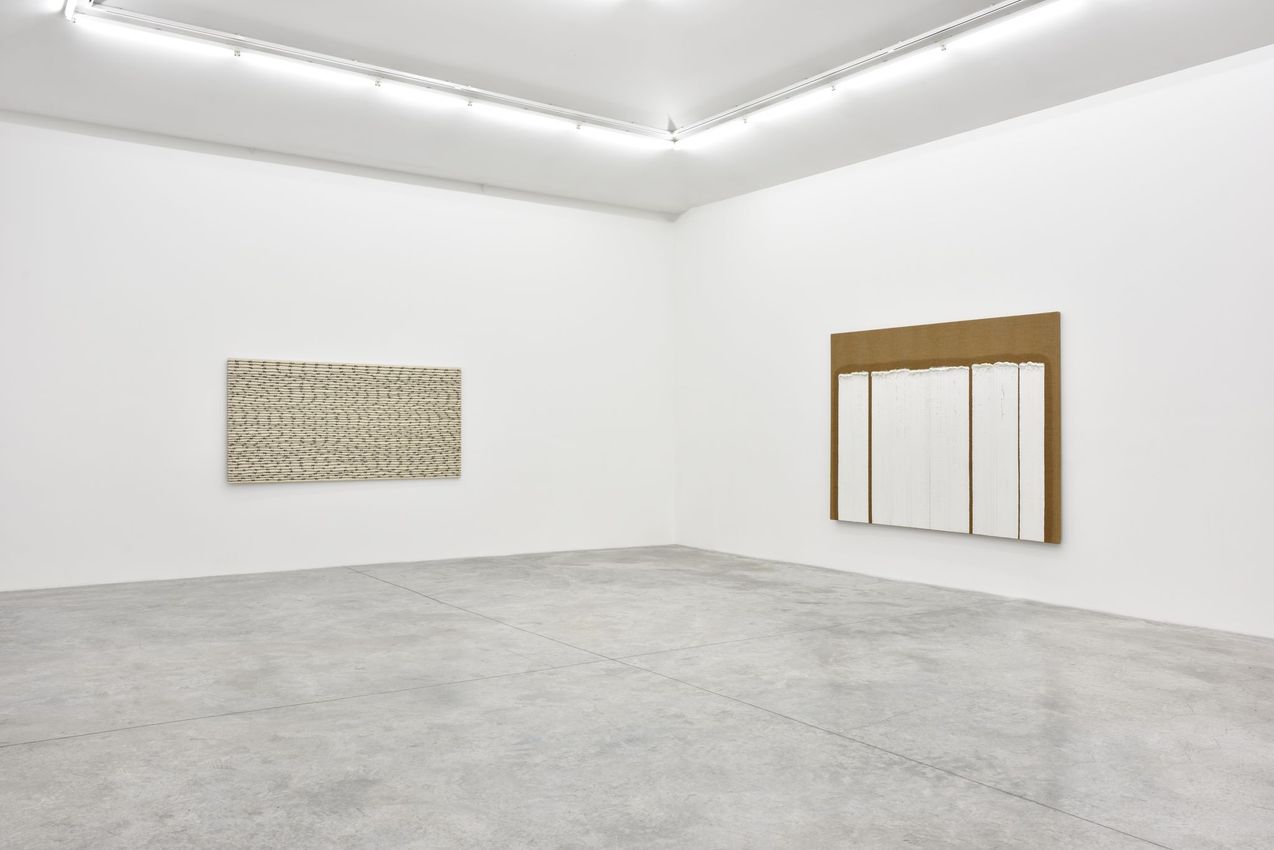
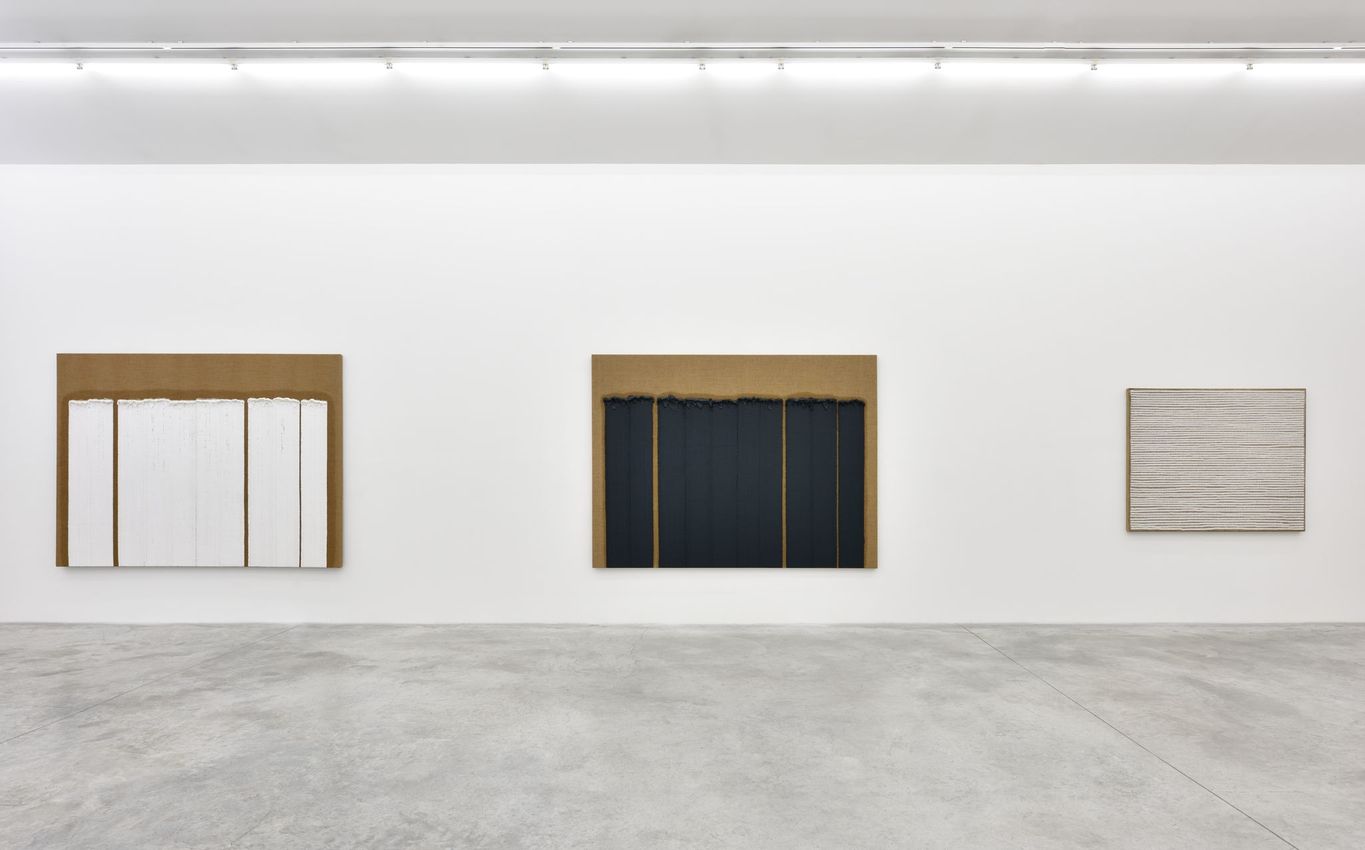
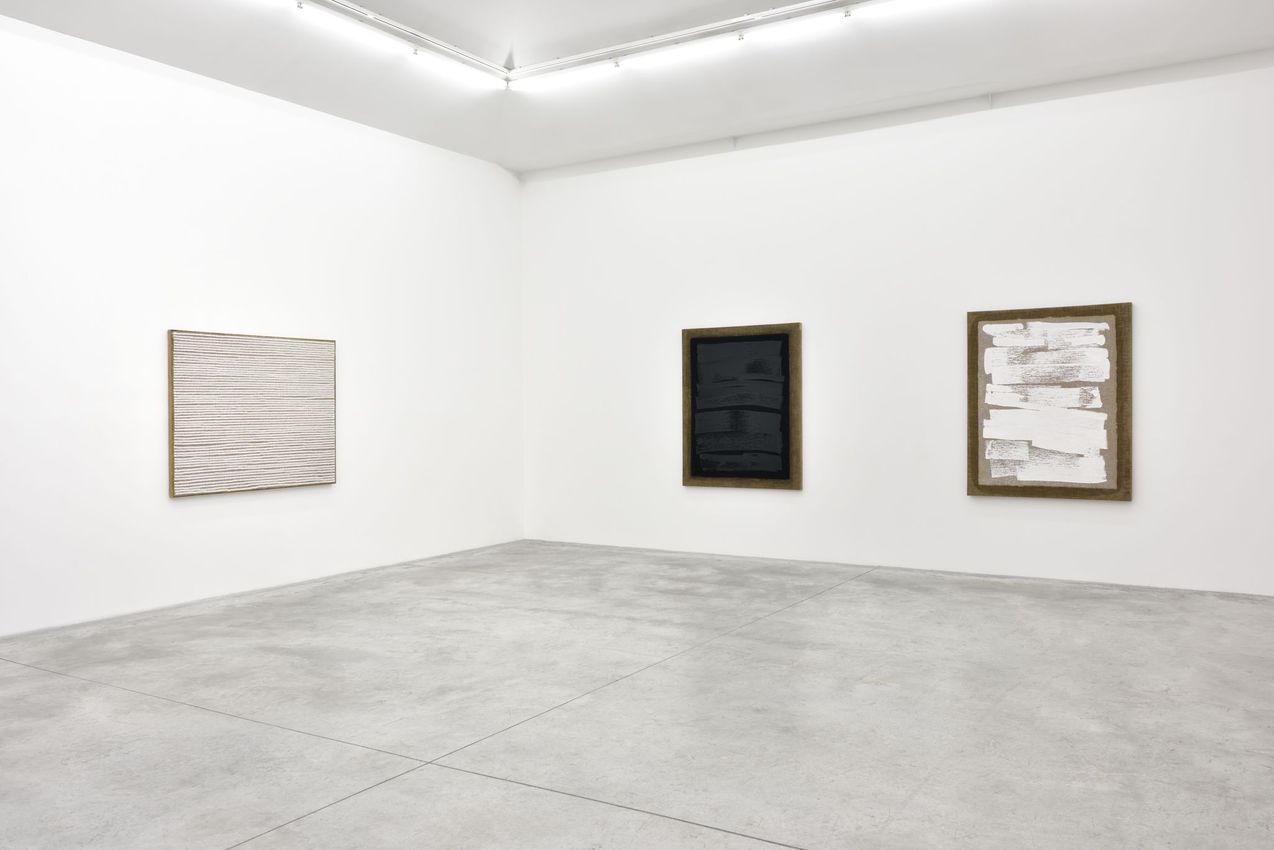
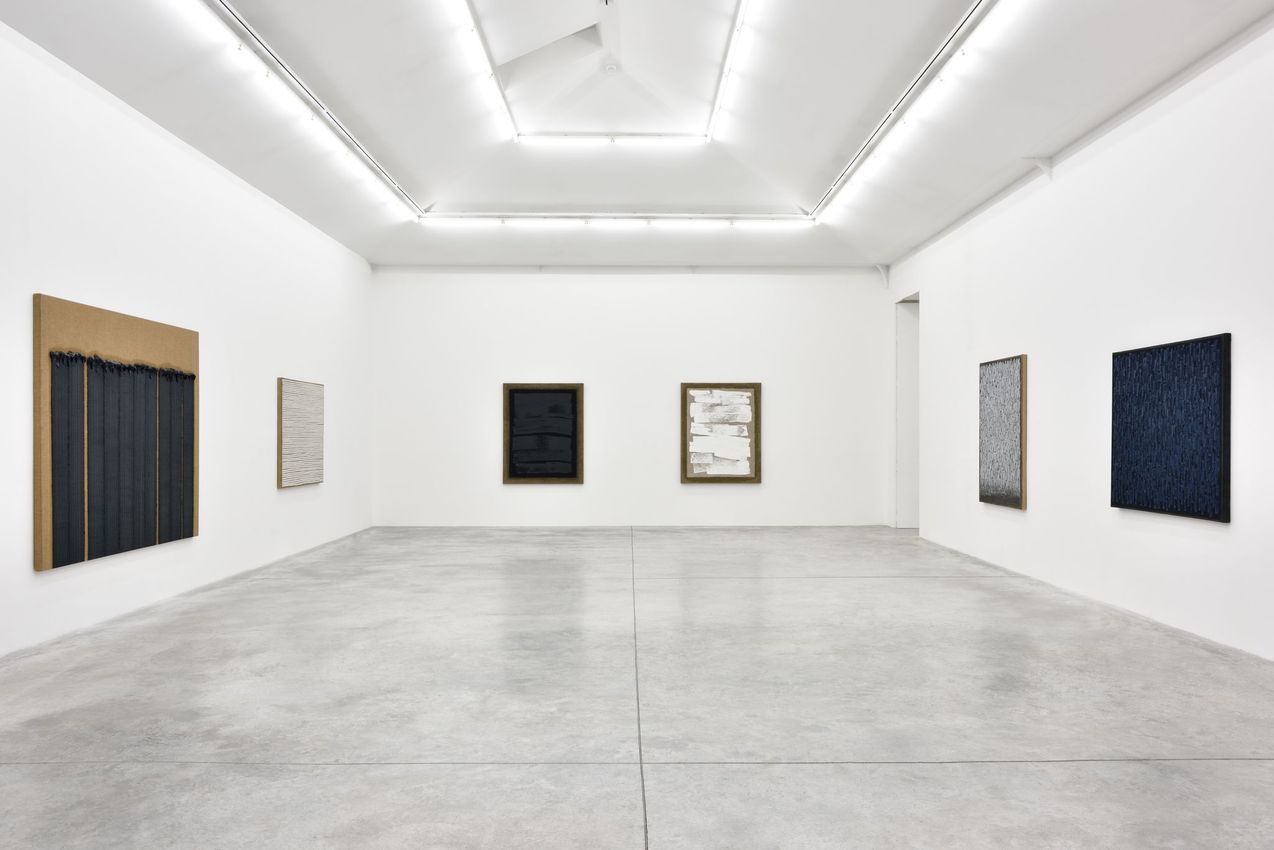
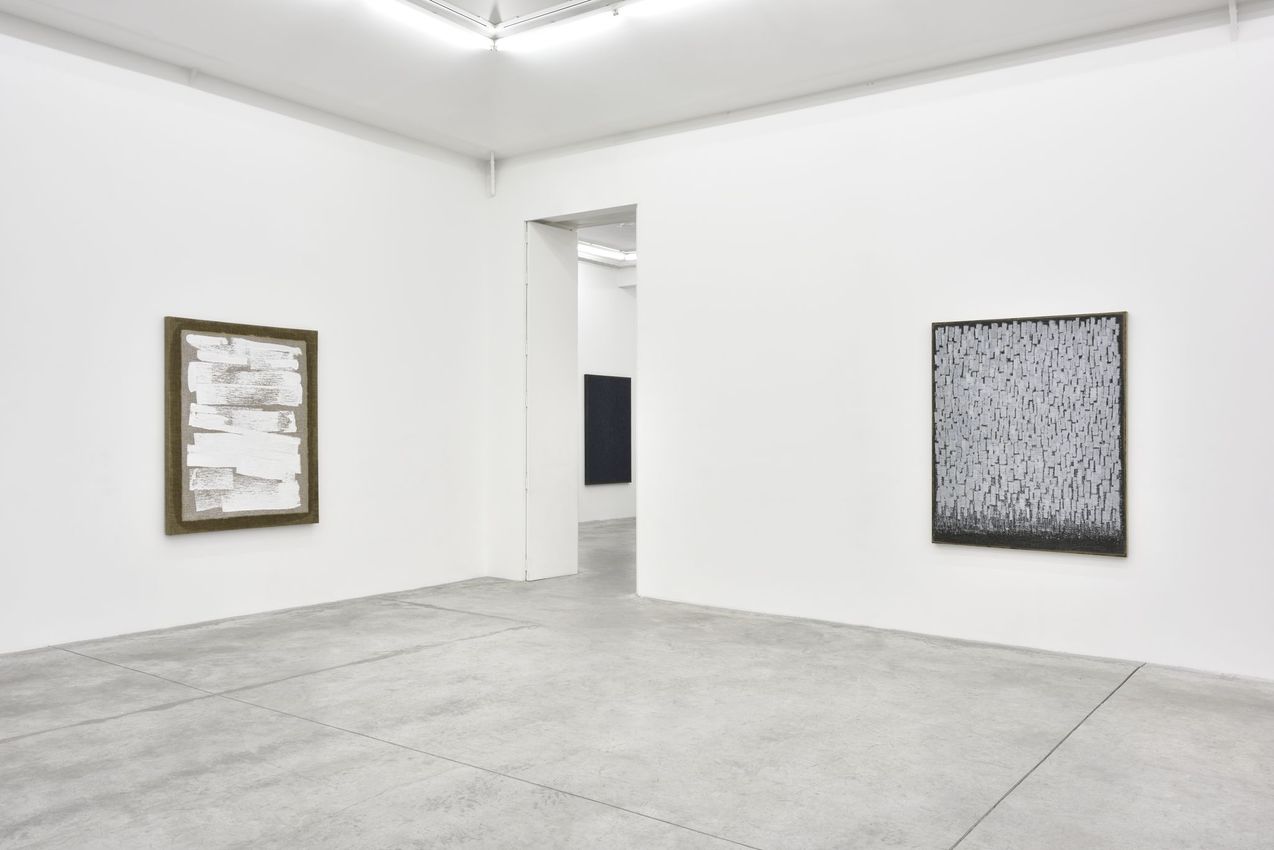
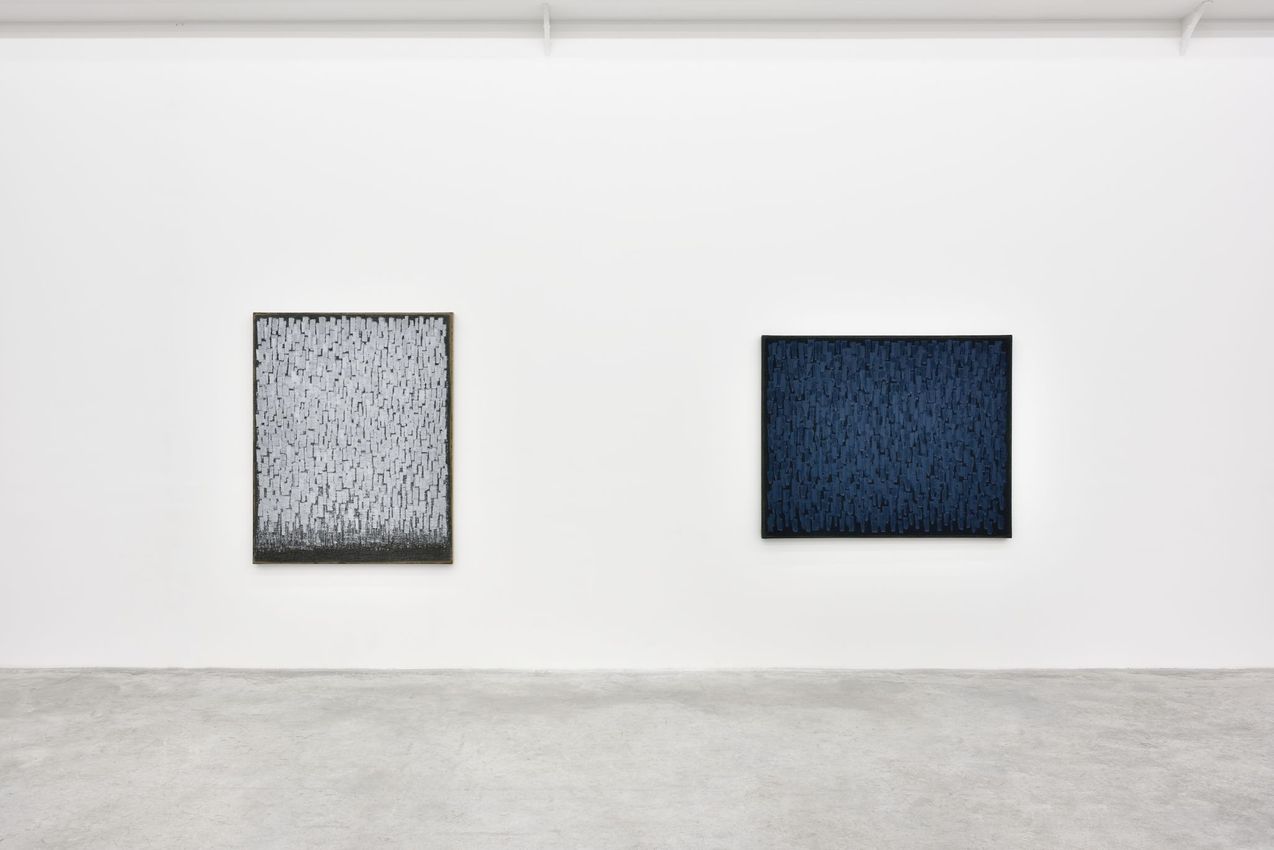
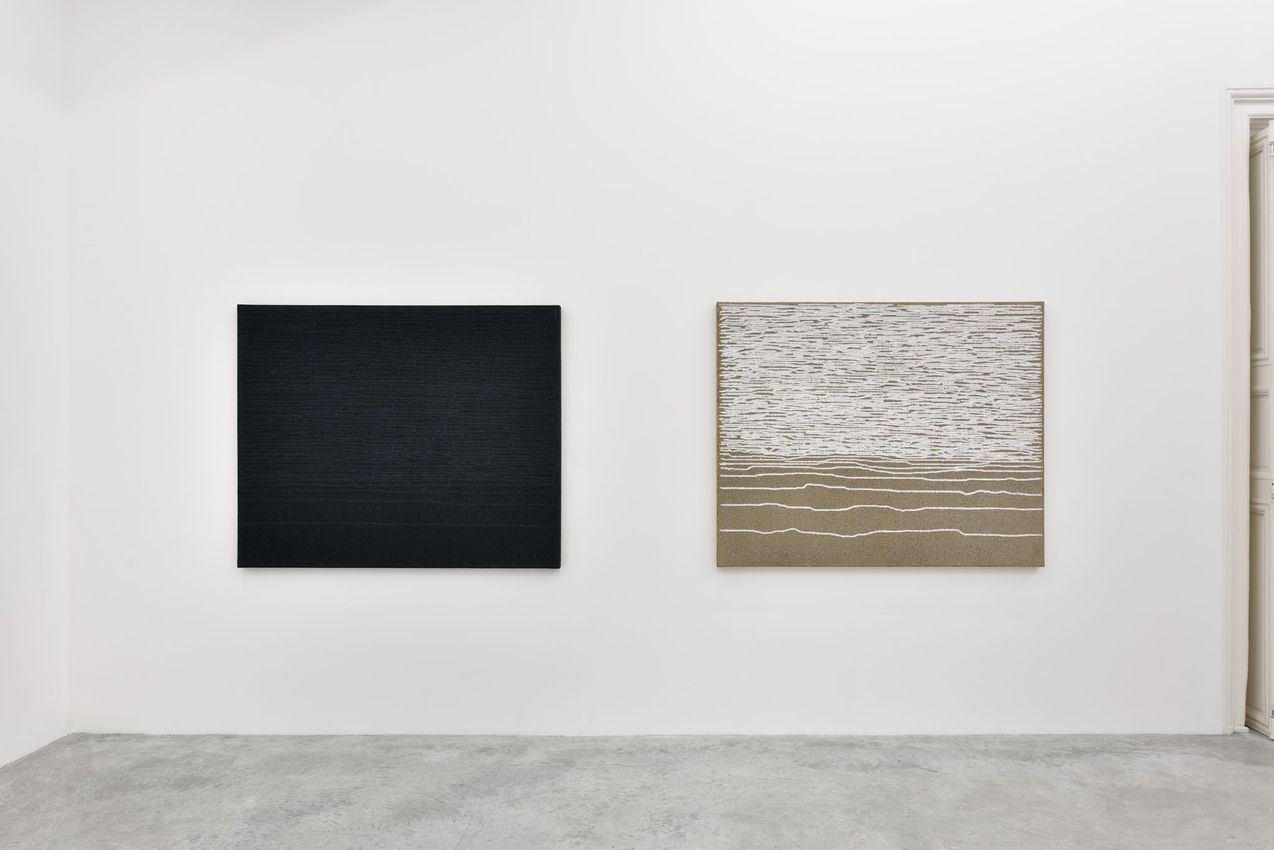
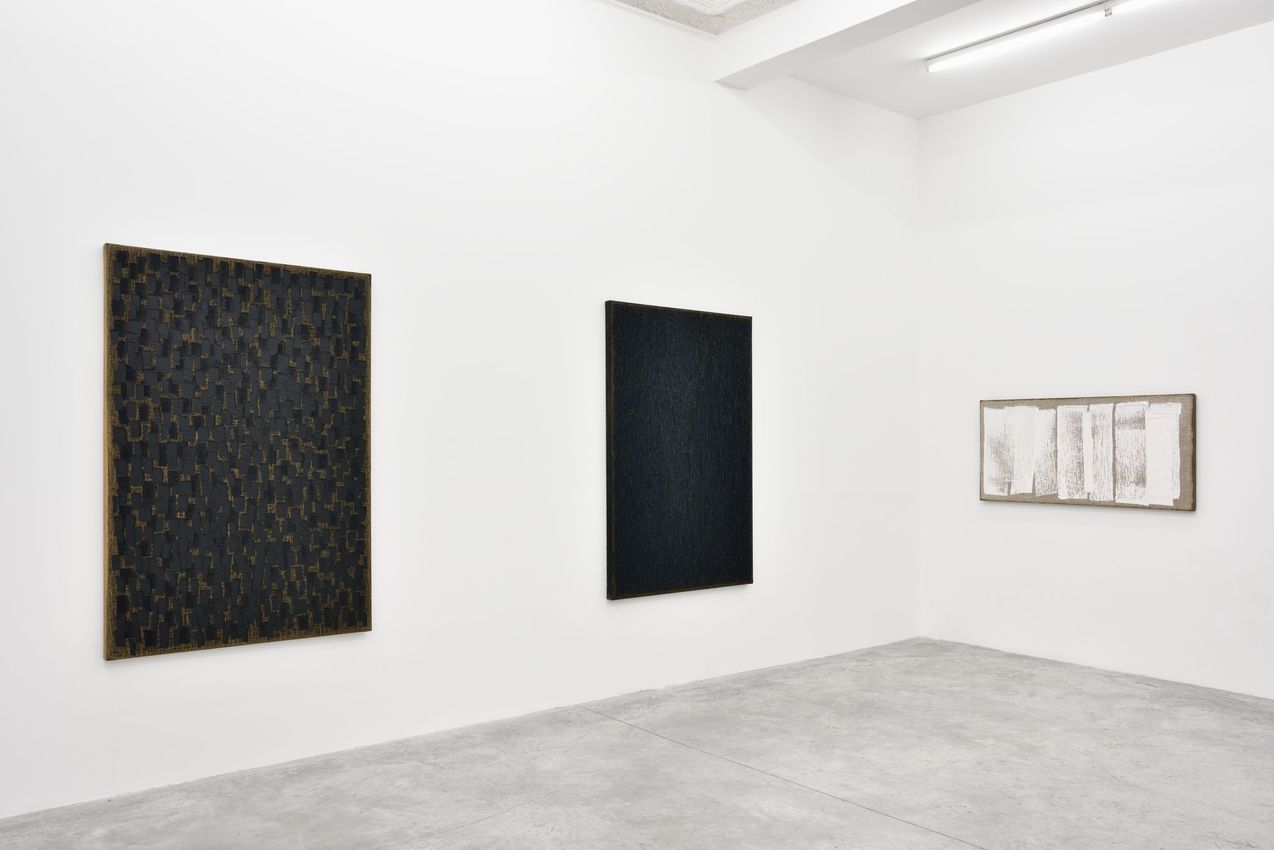
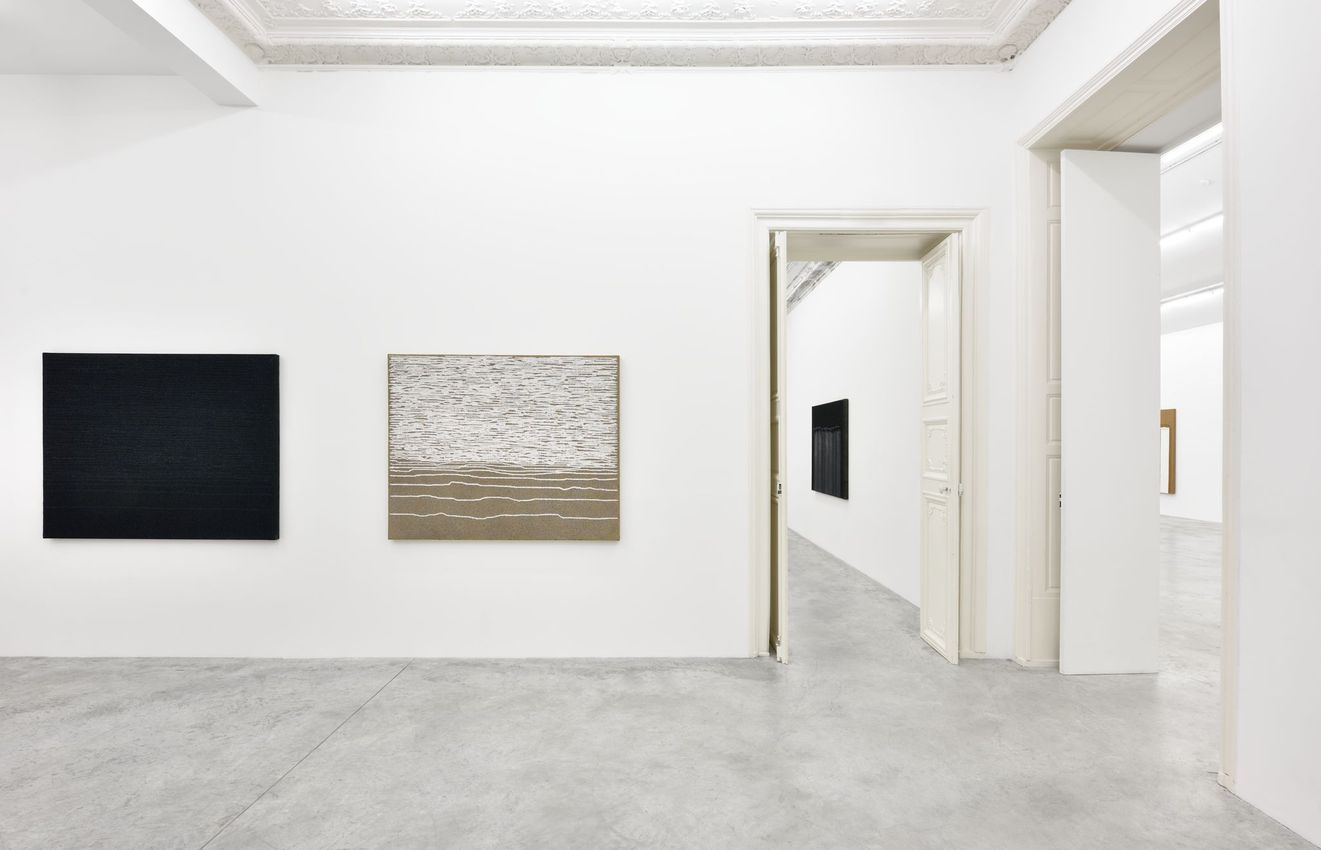
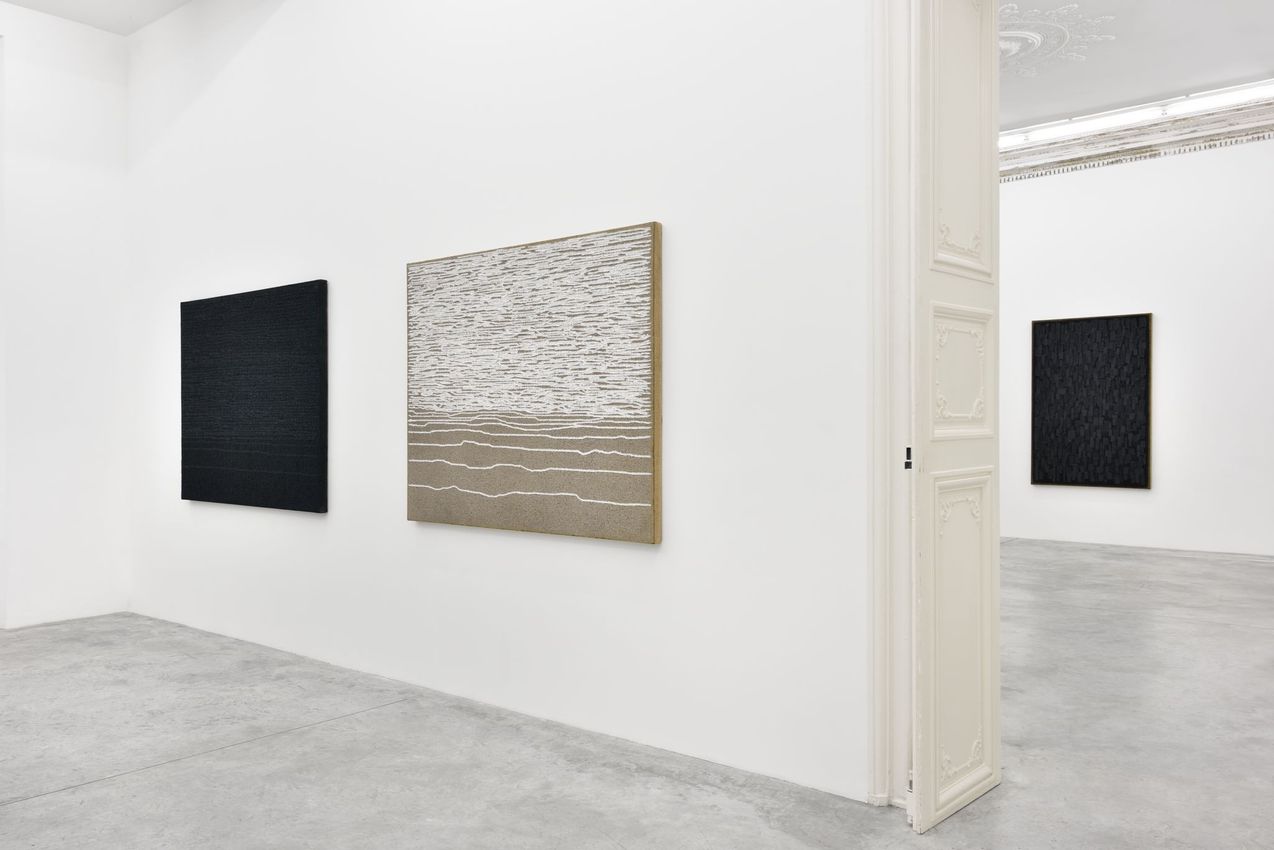
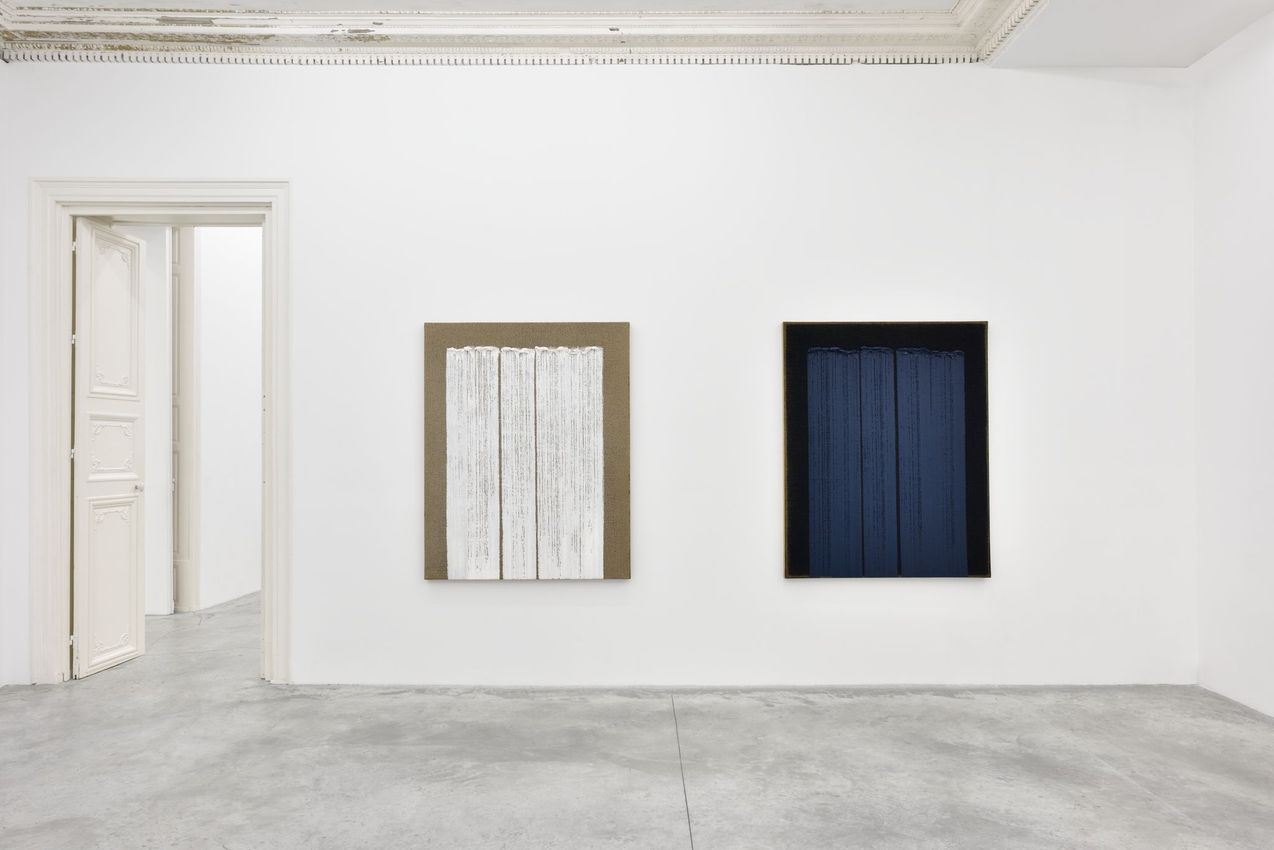
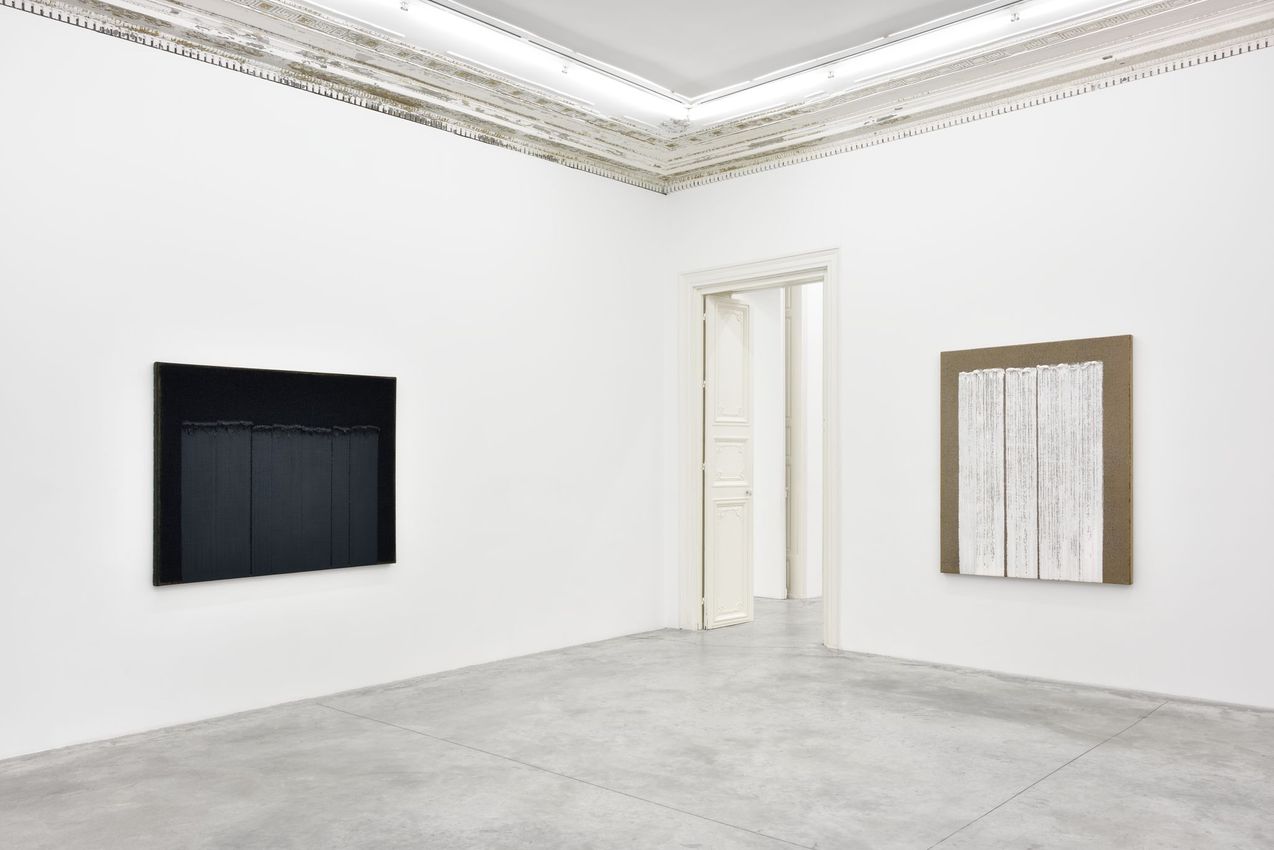
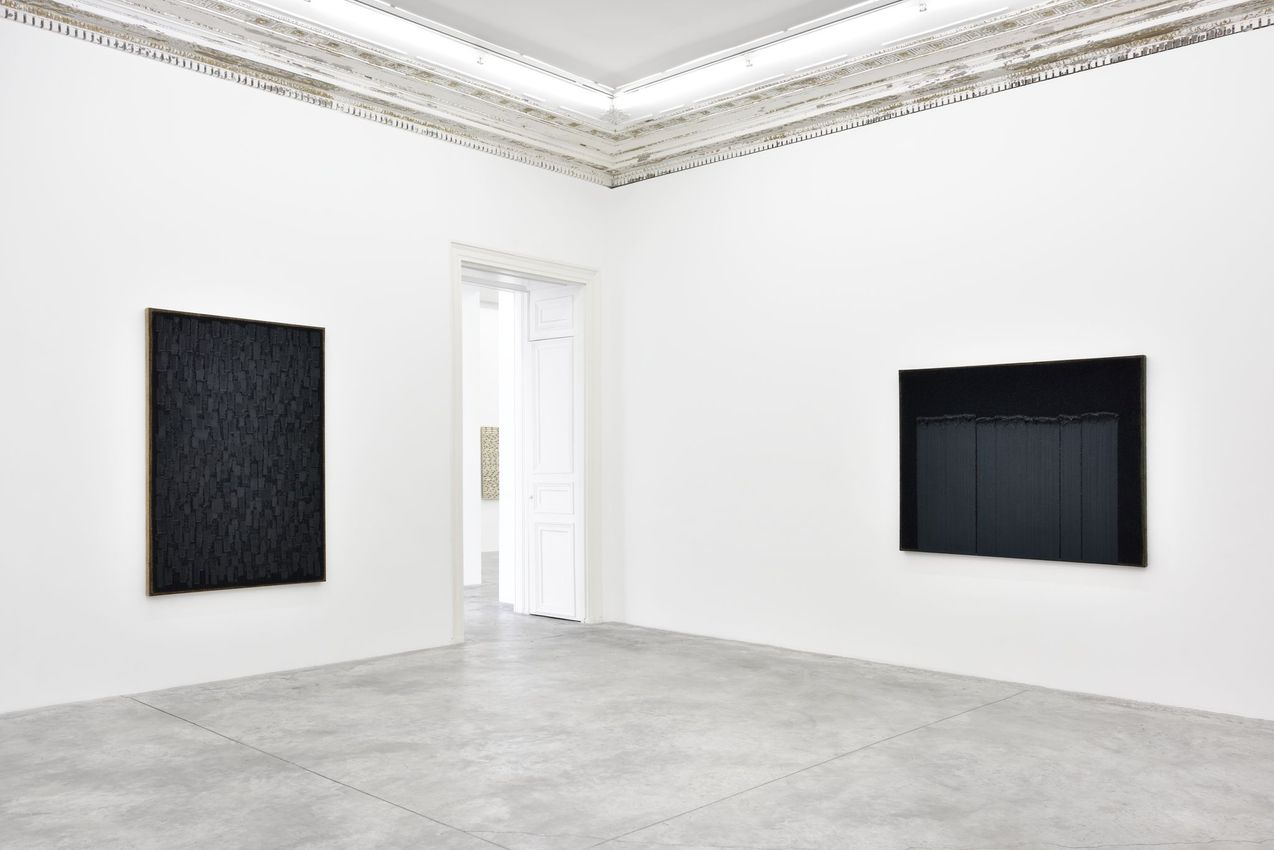
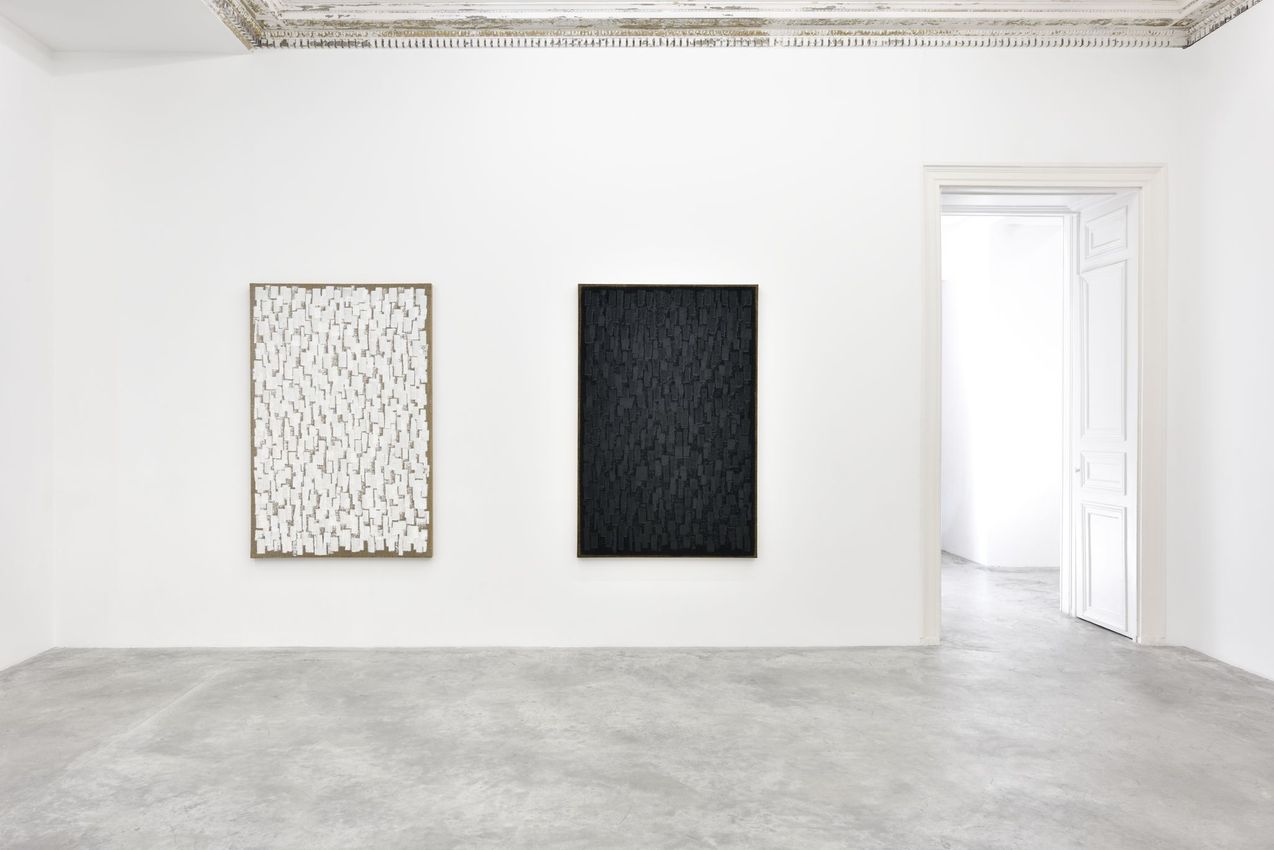
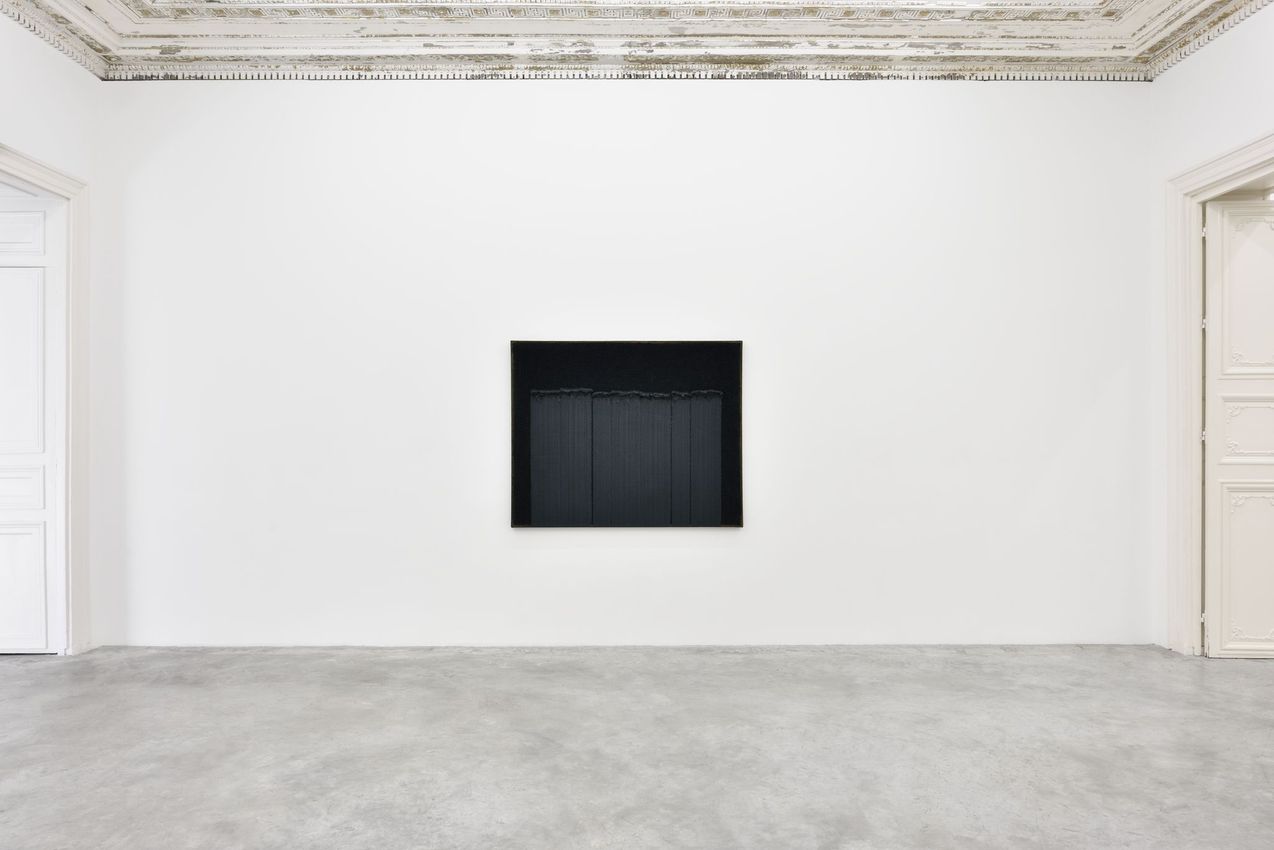
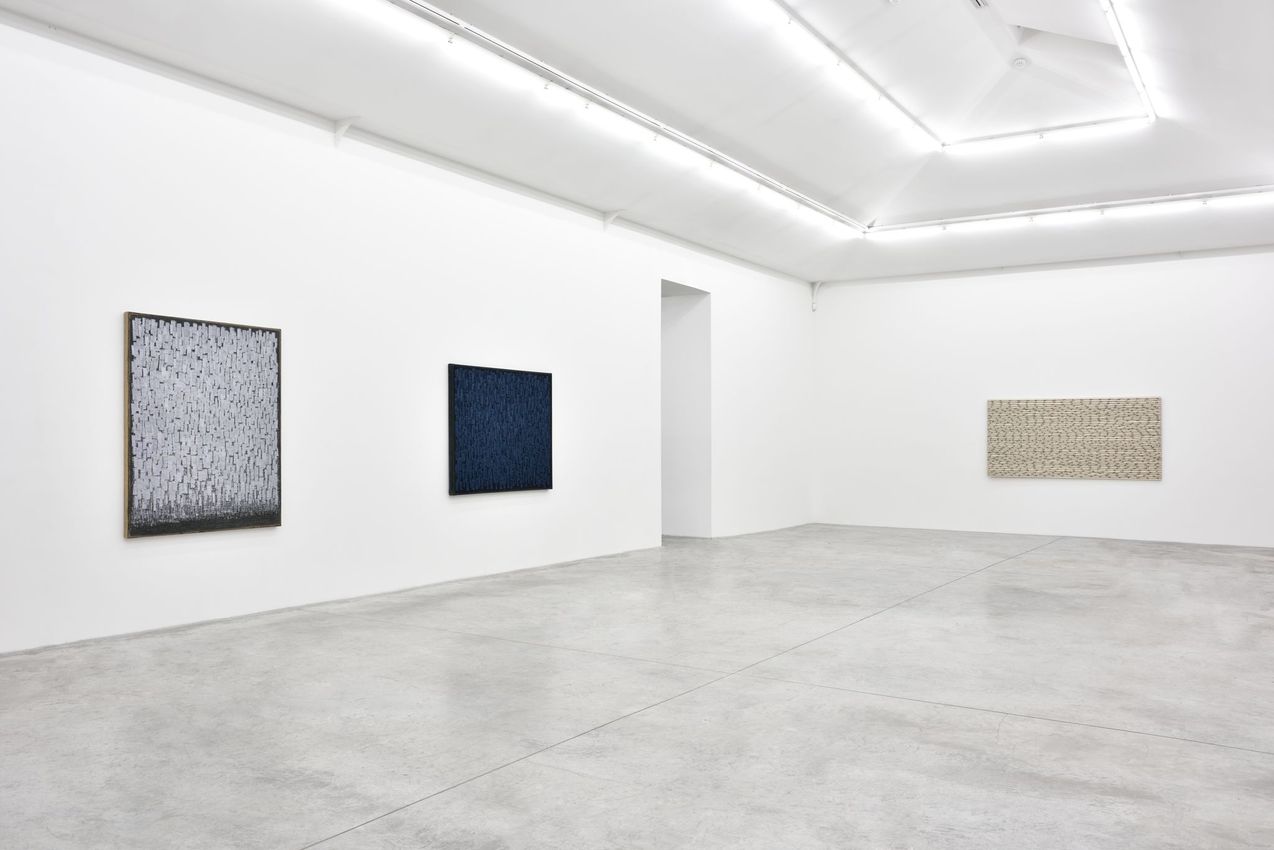
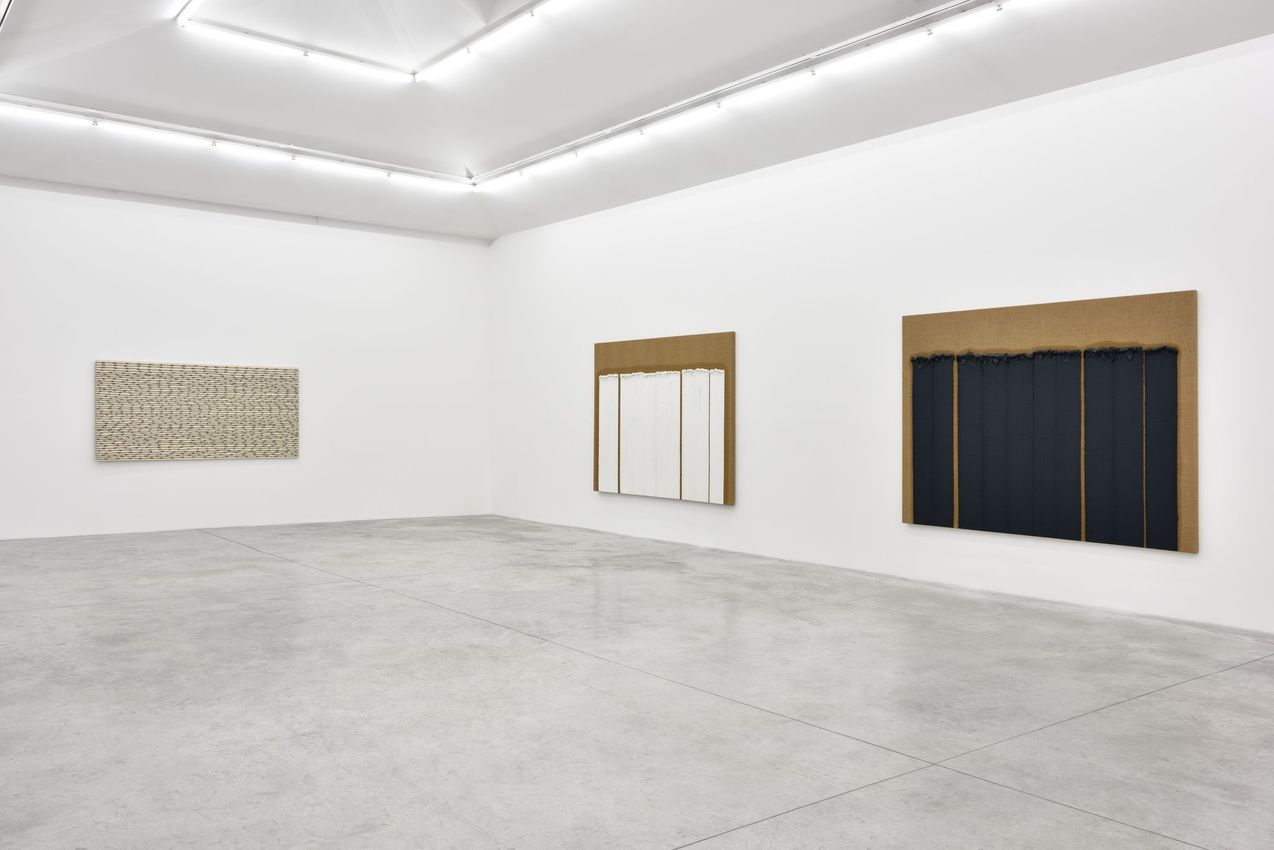
In 1972, Ha Chong-Hyun made a small sculpture, which appears on its own as if anticipating his subsequent work as a painter. It consists of a hemp rope stretched across a wooden box so tightly that a few unraveling strands threaten to break the entire cordage. Extremely effective, the composition is as simple as its material is banal. An image of great tension and resistance, it epitomizes the artist’s practice and further announces his Conjunctions, a lifelong series of paintings, which was initiated in 1974 and is still ongoing to this day.

Ha Chong-Hyun turned to abstraction in the early 1960s, belonging to the first generation of Korean artists who embraced this aesthetical direction. While he first approached it by applying heavy materials onto canvases, his way of structuring the pictorial space was also close to that of European Informel1. He then continued his investigation by painting geometrical and polychromatic forms, which completely differed from the works he made initially. His nation’s traditional colors dominated in these new abstractions.

In the early 1970s, the artist made sculptures for a brief period, using ‘poor’ materials in the spirit of the time: for example, he installed a pile of newspapers next to a pile of blank sheets of paper, or he set a wooden beam upright on a rope, which he then strained between two walls. The 1972 sculpture we mentioned earlier takes us back to A.G. (Avant Garde), a group cofounded by Ha Chong-Hyun, within which he played a prominent role. All these works inevitably bring to mind Western artists of the same generation or active during the same years: to mention just a few, those gathered around Arte Povera, Post-minimalism, Supports/Surfaces, who used similar processes. A.G. also coincides with Japanese Mono-ha, which emerged around the same time and shared many striking similarities2. All these movements coexisted, more or less related to one another, or completely independent from one another, if not ignorant of the others’ existence. In Korea like anywhere else, the Zeitgeist alone may as well explain these similar tendencies (to some extent at least).

However, the historical context in Korea was very different from that in Europe or the United States. On the one hand, student protests, anti-Vietnam War manifestations, prolongations of the Cold War and a certain economic prosperity, which the first oil crisis was about to shake, were happening in the West. On the other hand, after having endured Japanese occupation and a devastating war with its Northern region, Korea was about to enter two decades of dictatorship, which would see a spectacular economic growth. During this difficult period for intellectuals and artists, an autonomous Korean art would eventually rise. Indeed, from then on, two opposite trends coexisted turning their back on each other, like two sides of the same coin: a politically engaged figurative trend and a predominantly monochromatic abstract one. The artists associated with the latter also sought to retrieve their nation’s cultural identity by promoting Korean traditions, yet they remained open to the world and modernity. Thus, contemporary abstraction in Korea was founded on a dichotomy.

1. This tendency in Korea is actually referred to as ‘Korean Informel.’
2. An actual link between these two groups is unquestionably Lee Ufan. As a Korean living in Japan, he is associated with both Mono-ha, being somewhat its theorist, and Korean Monochrome painting, a group that we now refer to as Dansaekhwa.

Read More

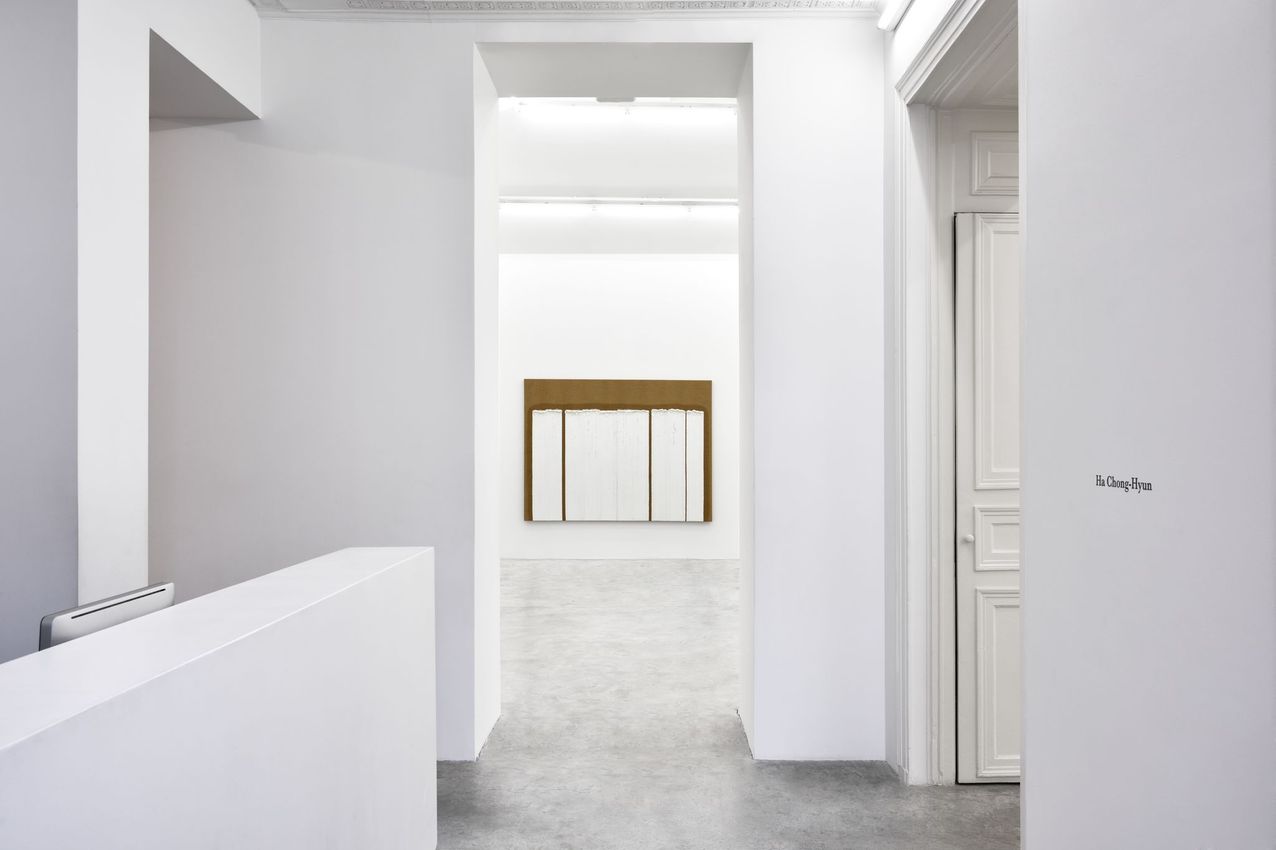
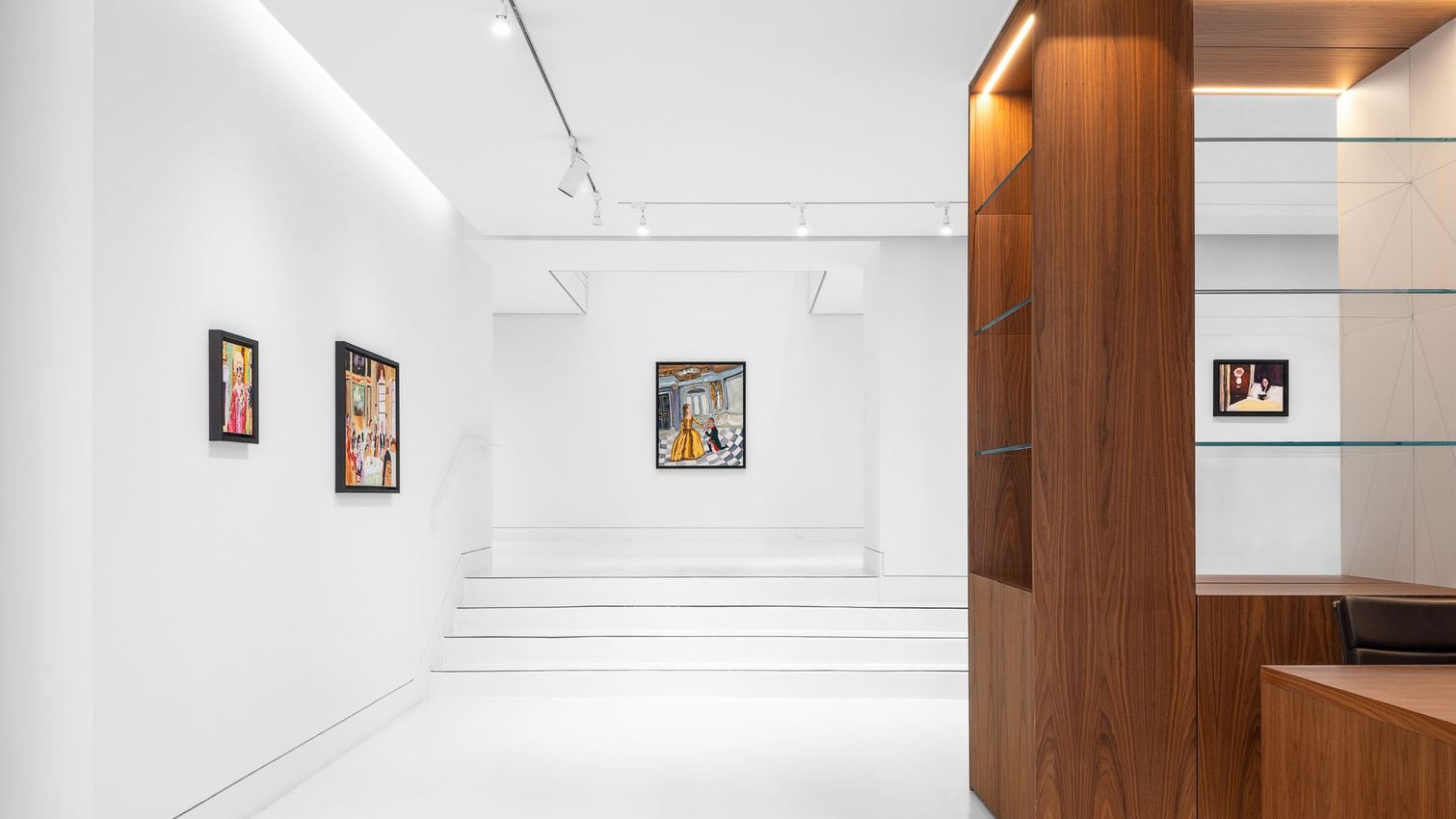
Installation Views

About the Artist

Ha Chong-Hyun came to prominence with his Conjunction series in the early 1970s. These early experiments have led him to build his signature style, pushing the paint from the back to the front of hemp cloth. As a leading member of the movement known as Dansaekhwa, or “monochrome painting”, he has consistently used material experimentation and innovative studio processes to redefine the role of painting, playing a significant role bridging the avant-garde traditions between East and West. Committed to redefining modern art and rejecting mainstream academic trends, Ha developed a process that converted physically demanding studio processes into abstract compositions. In his most recent work, Ha has expanded upon his practice of transforming three-dimensionality into a two dimensional surface by experimenting with new ways to add materiality and a sense of volume to colour.

View Artist Profile

Also Exhibiting at Almine Rech

About the Gallery

Almine Rech opened its doors on April 1st, 1997 in the 13th arrondissement in Paris. The gallery was founded on an axis of California Minimal, Perceptual art and Conceptual art, representing artists such as James Turrell, John McCracken and Joseph Kosuth.

View Gallery Profile
Address
64 Rue de Turenne
Paris
France
Opening Hours
Tuesday – Saturday
11am – 7pm
(1)
Paris 64 Rue de Turenne
Almine Rech
64 Rue de Turenne, Paris, France
+33 145 837 190
http://www.alminerech.com

Opening hours
Tuesday – Saturday
11am – 7pm
The art world in focus