Press Release
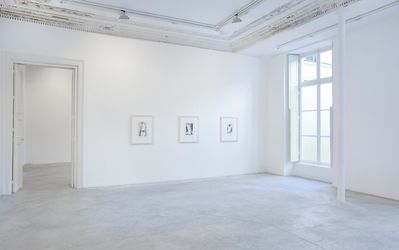
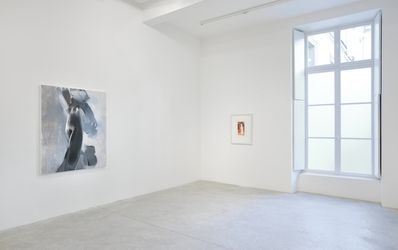
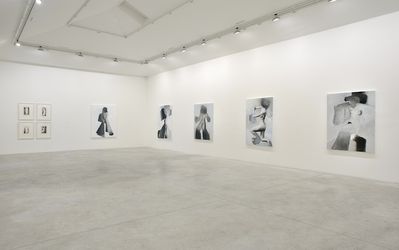
Born in the Panama Canal Zone in 1949, Richard Prince’s remarkable artistic trajectory began during America’s bicentennial, 1976, when Jimmy Carter was running for President and New York City was bankrupt. Living in a small East Village apartment he shot slides of advertisements without the blurb copy, and cataloged these commercial gestures as anthropological types: “mixed couples”, “girlfriends”, “cowboys”, etc. He used male escapist commercial art forms like jokes, sex cartoons, drag racing, and girly pictures, some of those from his carefully bought collection of pulp fiction novels. His blown up and framed “rephotographs”, as he called them, were shocking and unexpected artworks, and as puzzling as they were compelling. And this was the tip of an unfathomable artistic iceberg that would emerge. In the early 1980s he surprised us with his meticulously re-drawn magazine cartoons, which were stylistically related to the rephotographs. No one thought he could draw—or paint! Then came silk-screens paintings of jokes and cartoons, hand-painted B-girl (bar girl) nurses, minimalist-styled sculptures constructed from custom car parts, and the countless collages pieced together from found images, now including—just after his extraordinary exhibition at Kunsthaus Bregenz—the scanned and over-drawn and collaged “New Figures” and “Cutouts”.

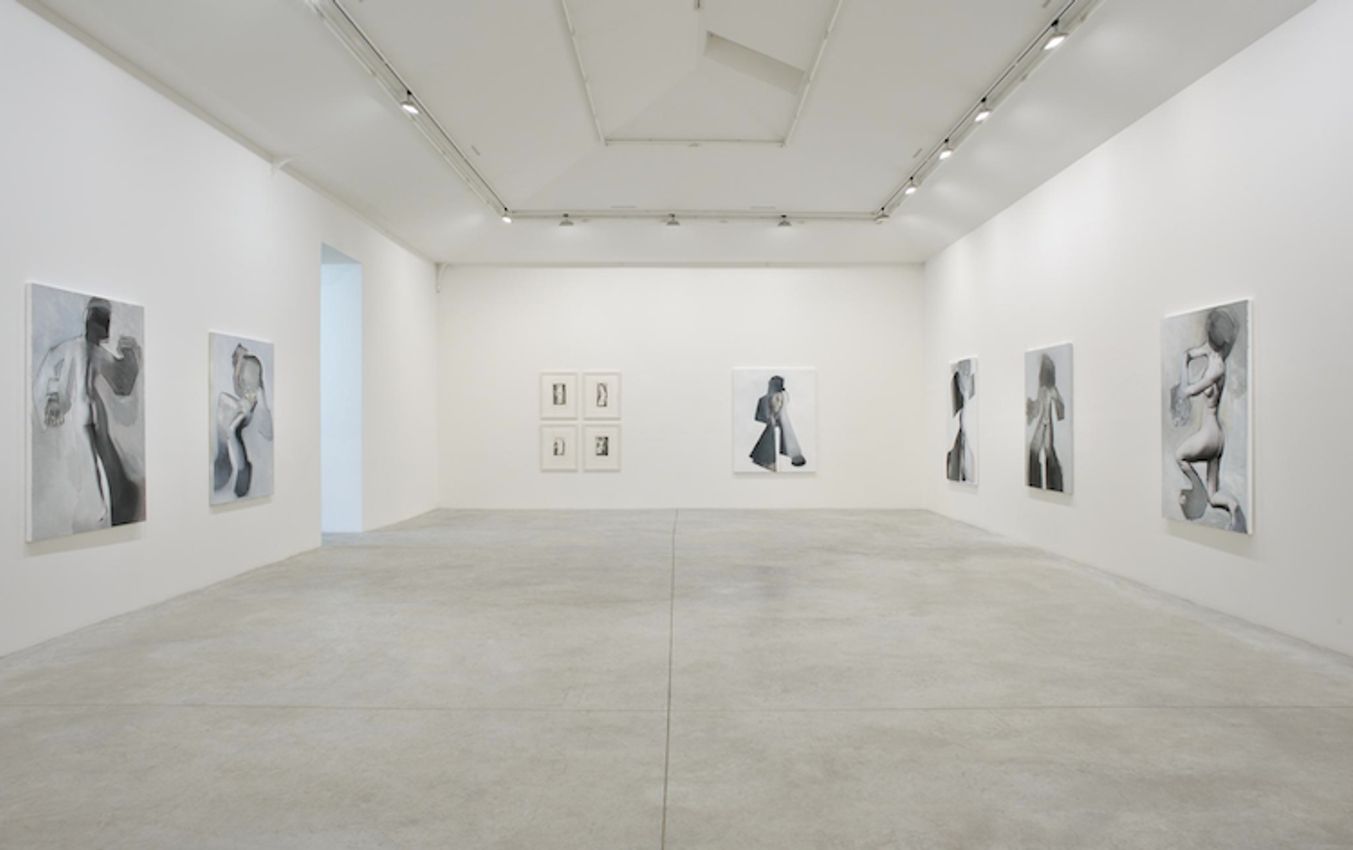
The found photographs in the “Cutouts” and “New Figures” evoke the sex pictures mothers once called “dirty”, but whose children would become the social revolutionaries of the Woodstock Generation; the drawn lines, pale colors, and collaged shapes look back further to Picasso’s elegant lines and Matisse’s scissor-snipped collages, before American art went Pop and life turned electronic. Some of the girls are covered with drawn bodies, another’s arms morph into geometric or schematic appendages in a freehand combination of image, design, and drawing. They also reveal an artist—perhaps the best of his generation—with the technical and artistic freedom to create an unexpected art from an earlier era’s techniques into one that is easily as good and yet wholly contemporary.

Early on Richard Prince explained his “rephotographs” with an alteration of American poet Ezra Pound’s modernist dictum, circa 1914, “Make It New”, in the phrase, circa 1980, “make it again”. Pound’s “it” expressed a modernist’s fedupness with “tradition”; Richard’s referred to modernism’s newness seen through the lens of the television and space age. He always looked for subjects that hadn’t been co-opted by art, like jokes, car parts, and B-girls, then creating memory images with familiar photographs and objects as if someone or something else had made them. He made it look easy and natural, which is what television watchers and moviegoers wanted: an art made with the casual élan of Zorro sword-tickling a “Z” on Sargent Garcia’s blouse; an art that combined originality and the suspension of belief as in film’s special effects. The “New Figures” and Cutouts” combine ease, confidence, and special effects. More than that, they project a more complex and more diffident ego from Matisse or Picasso’s, in a manner more complex than their pictorially reductive modernism. Richard achieves newness using today’s complex imaging methods. Recently he said to me, “I’ve been incredibly lucky when it comes to making exactly what I want.” I’m always surprised at how well he draws, but particularly how seductively he can get into our complex minds.

Jeff Rian

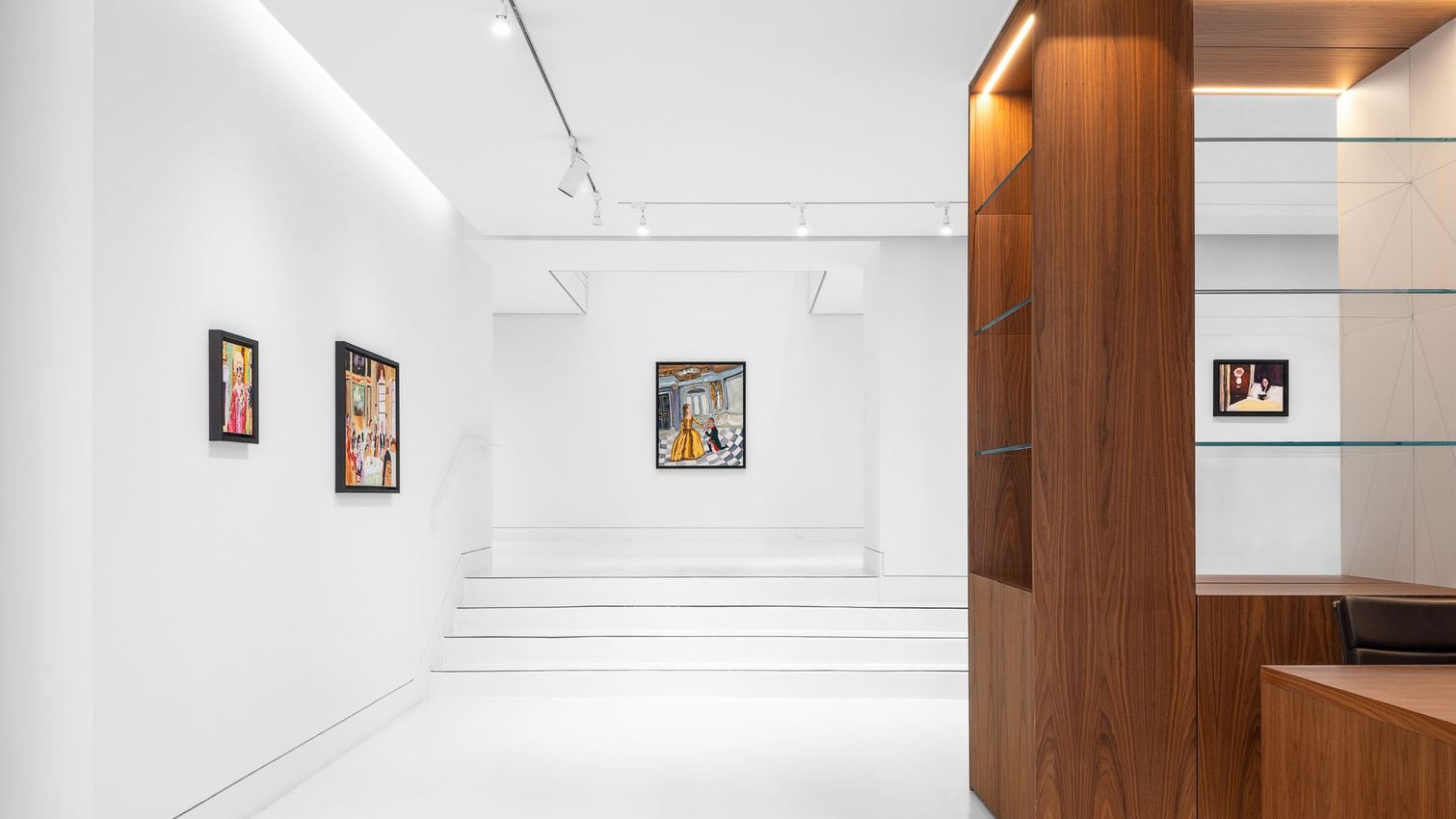
Installation Views

About the Artist

Prince has been working as an artist since the 1970s; a member of the influential Pictures Generation, he worked alongside other artists to expand the scope of conceptual photography through the use of appropriation and rephotography. Prince takes aim at the vulgar, revealing culture’s indiscretions–misogyny, consumerism, exhibitionism and idealised desire. However, as a critique it is ambiguous in that it is accompanied by an equal dose of sympathy and obsession. He is an avid collector and curator of Americana. In selecting or regroupings images, whether they be rephotographs of advertisements or forged publicity photographs, extracting them from their source, Prince elevates them to the status of fine art. As Robert Rubin writes ‘He appropriates an era and makes something that resonates differently for different people. The beauty of Richard Prince’s art is that it doesn’t have limits.’

View Artist Profile

Also Exhibiting at Almine Rech

About the Gallery

Almine Rech opened its doors on April 1st, 1997 in the 13th arrondissement in Paris. The gallery was founded on an axis of California Minimal, Perceptual art and Conceptual art, representing artists such as James Turrell, John McCracken and Joseph Kosuth.

View Gallery Profile
Address
64 Rue de Turenne
Paris
France
Opening Hours
Tuesday – Saturday
11am – 7pm
(1)
Paris 64 Rue de Turenne
Almine Rech
64 Rue de Turenne, Paris, France
+33 145 837 190
http://www.alminerech.com

Opening hours
Tuesday – Saturday
11am – 7pm
The art world in focus