“This rectangle, shattered, we have swallowed it, absorbed it. To demolish the plane as a support for expression is to become aware of unity as a living and organic whole.”
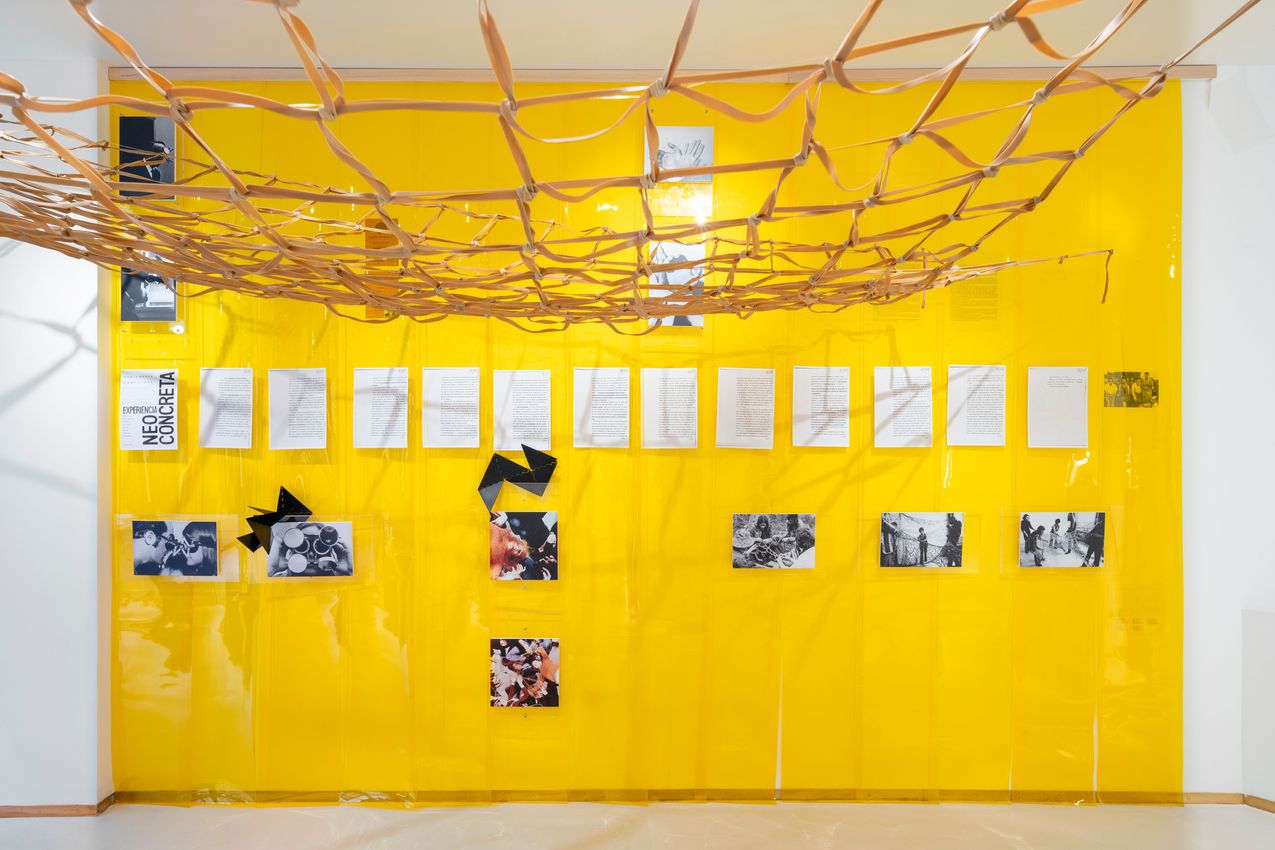
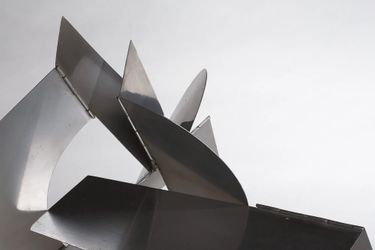
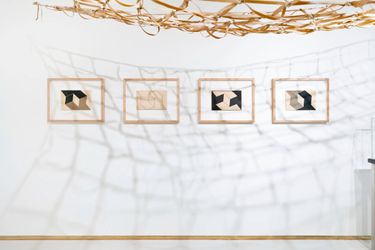
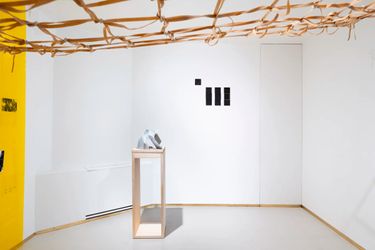
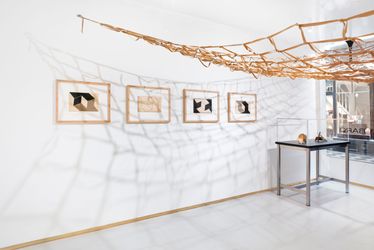
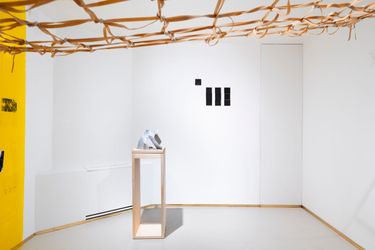
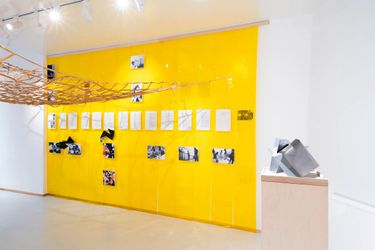
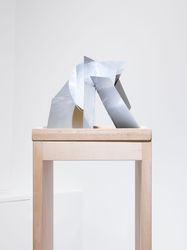
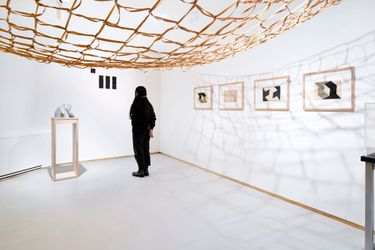
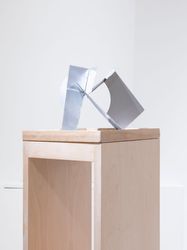
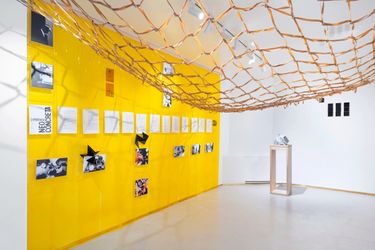
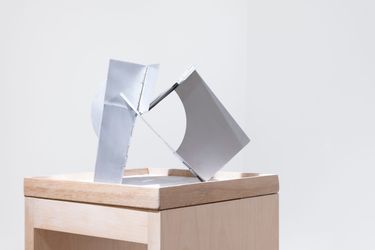
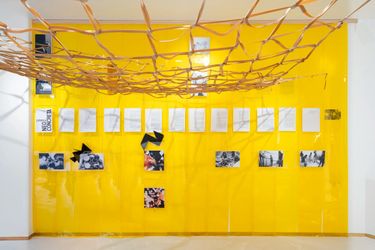
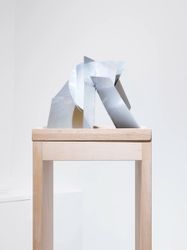
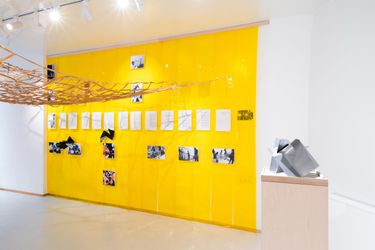
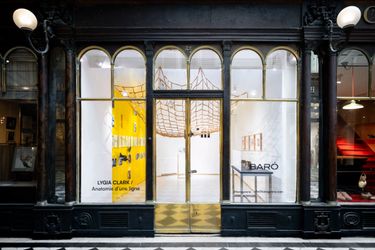
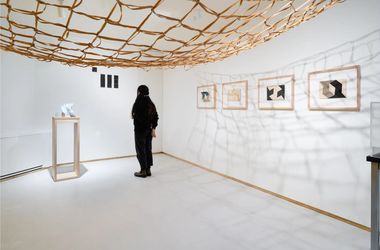
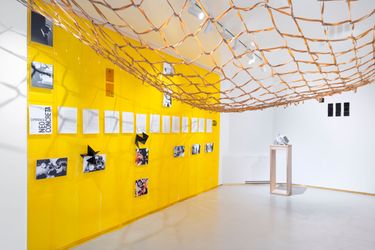
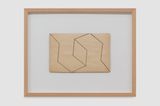
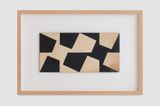
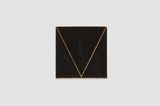
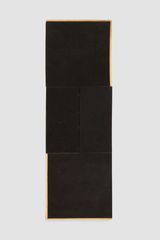
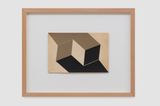
Baró Paris presents Lygia Clark: Anatomie d’une ligne, the second exhibition dedicated to the Brazilian artist by Baró Galeria and the inaugural exhibition of its new permanent space in Paris. Curated by Rolando J. Carmona, the exhibition focuses on key moments in Lygia Clark’s practice, examining the relationship between geometric abstraction, the body, and psychoanalysis. The presentation brings together studies, photographs, cardboard maquettes produced in the 1950s, and Bicho Desfolhado (579), highlighting a decisive phase in the artist’s transition from geometric structures to participatory propositions.
A significant part of the works and propositions presented in the exhibition were conceived during Lygia Clark’s time in Paris. Between 1950 and 1952, she studied in the city with Isaac Dobrinsky, Fernand Léger, and Arpad Szenes, and later returned to Paris in self exile during the Brazilian military dictatorship. From 1968 to 1976, Clark developed an intensive body of work that integrated psychoanalytic thinking into her artistic practice.
During this period, Clark was invited to teach a course on gestural communication at the Sorbonne, where she developed the series of propositions known as Corpo coletivo. Works such as Baba Antropofágica and La Red, also presented in this exhibition, emerged from these experiences. In La Red, the modern grid is destabilized and transformed into a flexible structure activated by collective bodily interaction.
At its Paris location, Baró Galeria develops a program that brings together historical works and emerging artists from the Global South. The opening exhibition dedicated to Lygia Clark positions the Paris space within an international dialogue between historical practices and contemporary artistic research.
Lygia Clark was born in 1920 in Belo Horizonte, Brazil, and became a central figure of the Neo Concrete movement in the late 1950s. Her work is included in major international collections, including the Museum of Modern Art in New York, Tate in London, Centre Pompidou in Paris, and Museo Reina Sofía in Madrid. Recent institutional exhibitions include a major retrospective at the Nationalgalerie in Berlin, currently traveling to Kunsthaus Zürich.
Born in 1920 in Belo Horizonte, Lygia Clark’s early paintings laid the foundation for her later experiments with geometric abstraction and sensory engagement. Her founding and involvement with the Neo-Concrete movement in the late 1950s and early 1960s marked a pivotal shift in her practice, as she began to create works that invited tactile interaction and explored the phenomenological experience of the viewer. From her renowned “Bichos” (Critters) series, which featured interactive metal sculptures, to her later therapeutic propositions using simple objects and sensory stimuli, Clark continually pushed the boundaries of artistic expression.