




TRACEY EMIN
b. 1963, United KingdomTracey Emin (b. 1963, London) is a British artist known for intensely autobiographical and confessional work that spans drawing, painting, sculpture, film, photography, neon text, appliqué, and installation. Emerging as one of the Young British Artists (YBAs) in the 1990s, she became widely known for works that use her own life—sexual history, trauma, illness, and recovery—as raw material, including the notorious bed installation My Bed (1998) and the appliquéd tent Everyone I Have Ever Slept With 1963–1995 (1995). Emin’s work has been shown at institutions such as Tate, the Royal Academy of Arts, and major museums internationally, and she will be the subject of a landmark survey at Tate Modern in 2026.
Early life and career
Born in Croydon and raised in the seaside town of Margate, Emin studied fashion at Medway College of Design before turning to fine art, eventually earning an MA in painting from the Royal College of Art in London in 1989. Early personal experiences, including two traumatic abortions, led her to destroy much of her student work, an episode she has described as a form of “emotional suicide” that shaped her later output. In the early 1990s she began to develop a raw, diaristic voice through writing, monoprints, and installations, often shown with fellow YBAs at spaces associated with Charles Saatchi and in artist-run contexts.
Her breakthrough to wider public attention came in the mid-to-late 1990s, through a combination of television appearances, provocative interviews, and highly personal artworks that blurred the line between art and confession. Emin has since become an influential establishment figure: she was elected a Royal Academician in 2007, appointed Professor of Drawing at the Royal Academy in 2011, and made a Dame Commander of the Order of the British Empire (DBE).
Seminal works: My Bed and the Tent
Two works have come to define Emin’s public image. Everyone I Have Ever Slept With 1963–1995 (1995), a small tent appliquéd inside with the names of people she had ‘slept with’—in the literal sense of sharing a bed, not only sexual partners—became emblematic of her confessional approach and of 1990s British art more broadly. Owned by Saatchi, the tent achieved iconic status before being destroyed in the 2004 Momart warehouse fire, after which Emin refused to recreate it, further cementing its mythic status.
My Bed (1998), exhibited at Tate in 1999 when Emin was shortlisted for the Turner Prize, consists of her own unmade bed surrounded by detritus from a period of depression—empty vodka bottles, cigarette butts, used condoms, worn underwear, and other personal items. The work polarised critics and the public, becoming a lightning rod in debates about the boundaries of art, authenticity, and shock value. It has since been re-exhibited and acquired by a private collector, and remains one of the most discussed installations of contemporary British art.
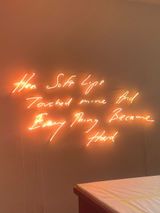
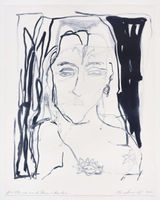
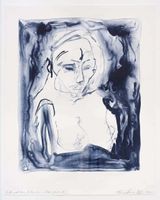
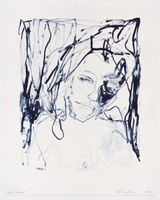
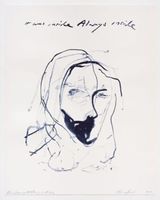
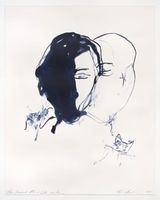
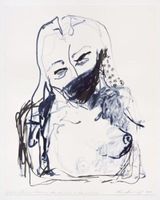
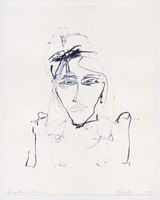
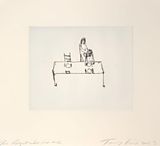
Alongside these headline-grabbing pieces, Emin has produced an extensive body of drawings, prints, embroidered textiles, and neon works bearing handwritten phrases that articulate longing, regret, desire, and self-doubt. Works such as Hotel International (1993), I’ve Got It All (2000), and numerous text-based neons demonstrate how she translates intimate experiences into direct, sometimes caustic language and imagery.
Themes, media and recent work
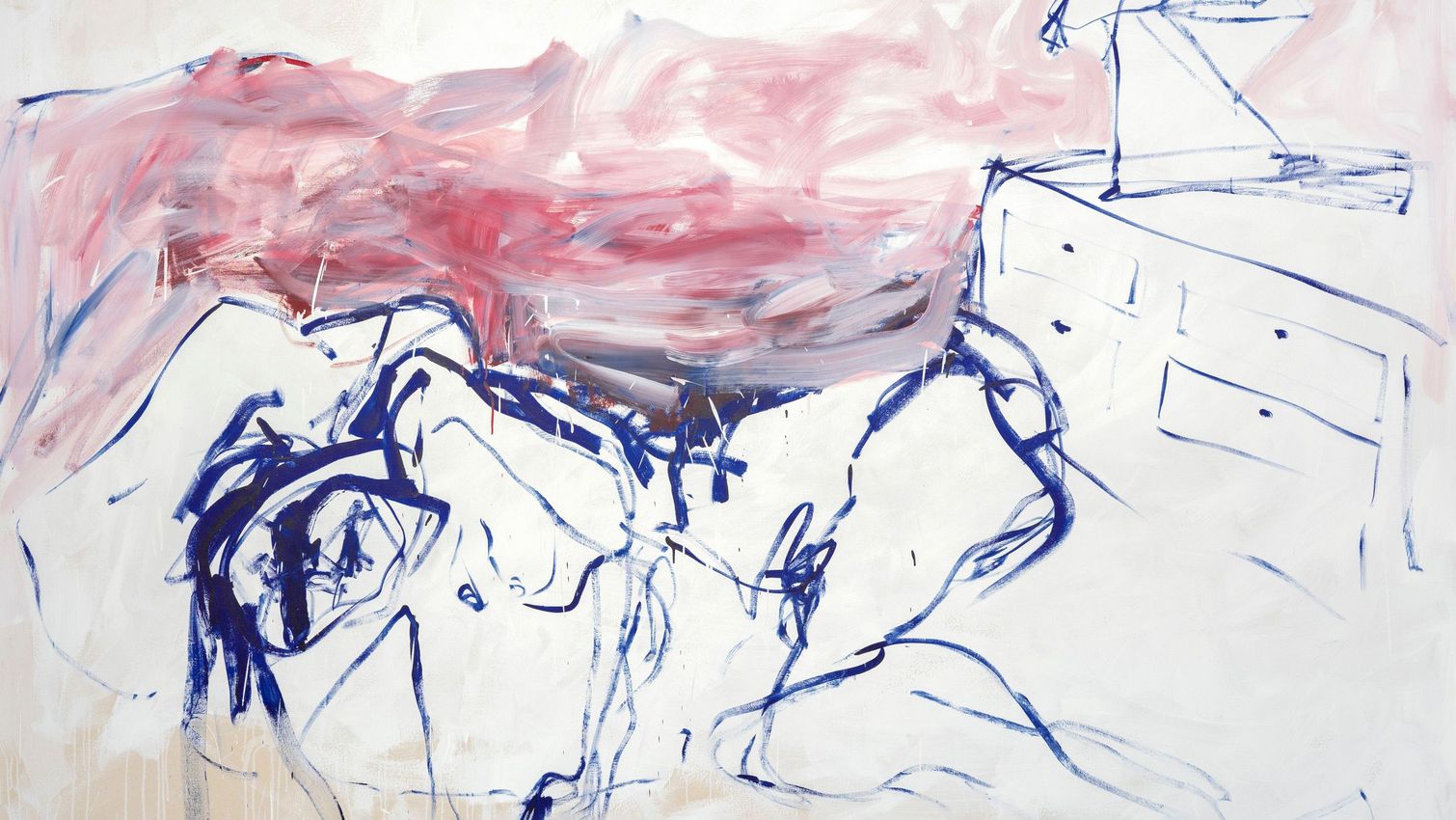
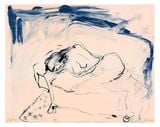
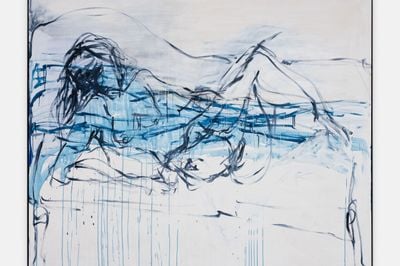
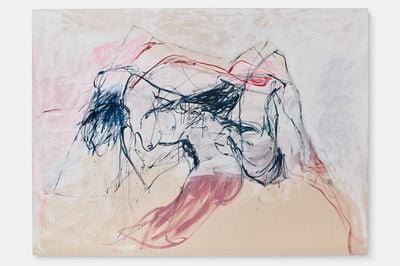
Emin’s art consistently mines her own biography, using confession as a way to speak about more universal themes of sexuality, love, grief, and survival. Her drawings often feature vulnerable, contorted female figures rendered in quick, expressive lines, while her paintings and sculptures extend this bodily focus into more monumental, sometimes almost abstract forms. Across media, she addresses subjects such as rape, abortion, heartbreak, alcoholism, and ageing with a blend of candour and theatricality that challenges distinctions between private and public life.
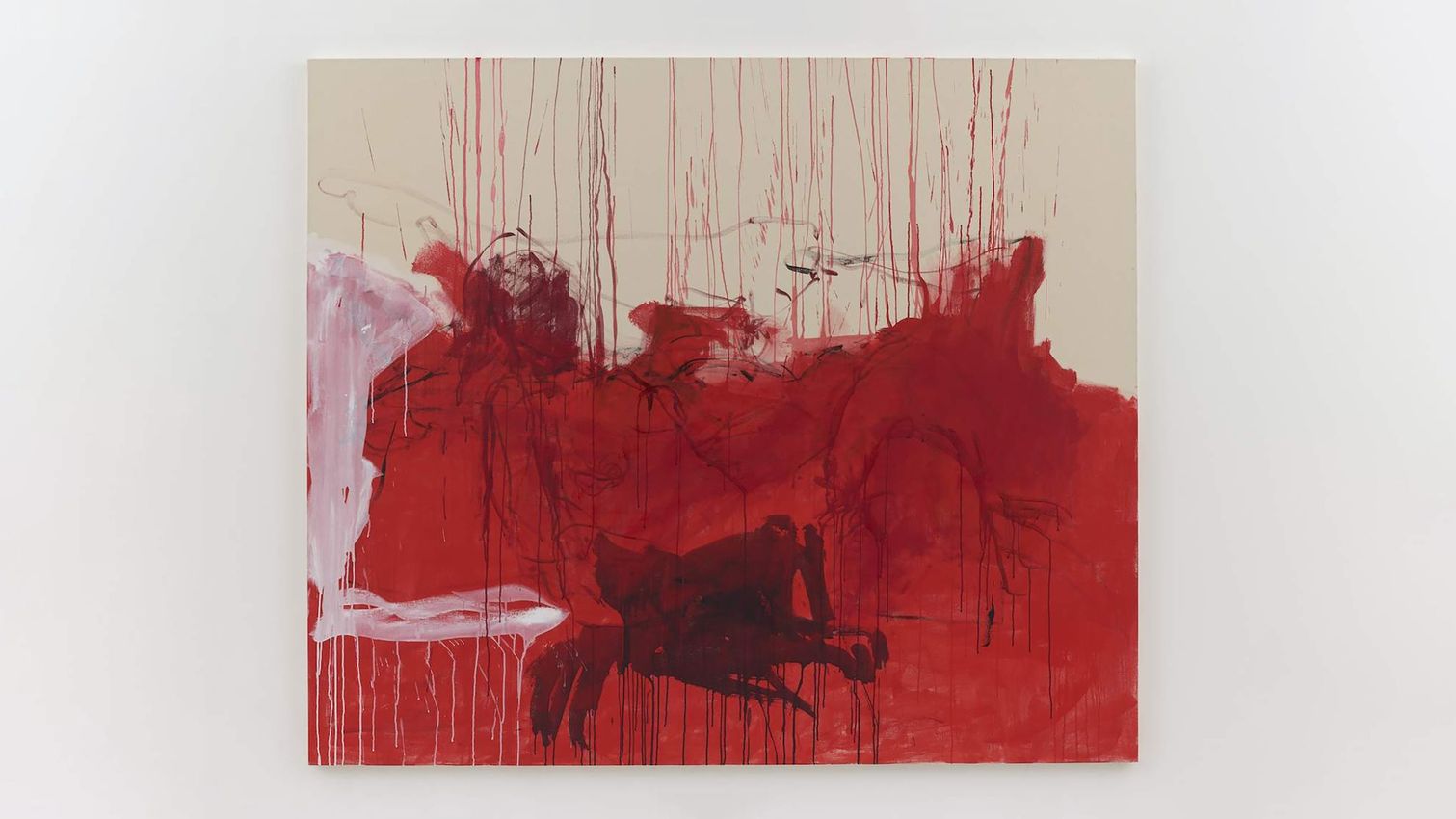
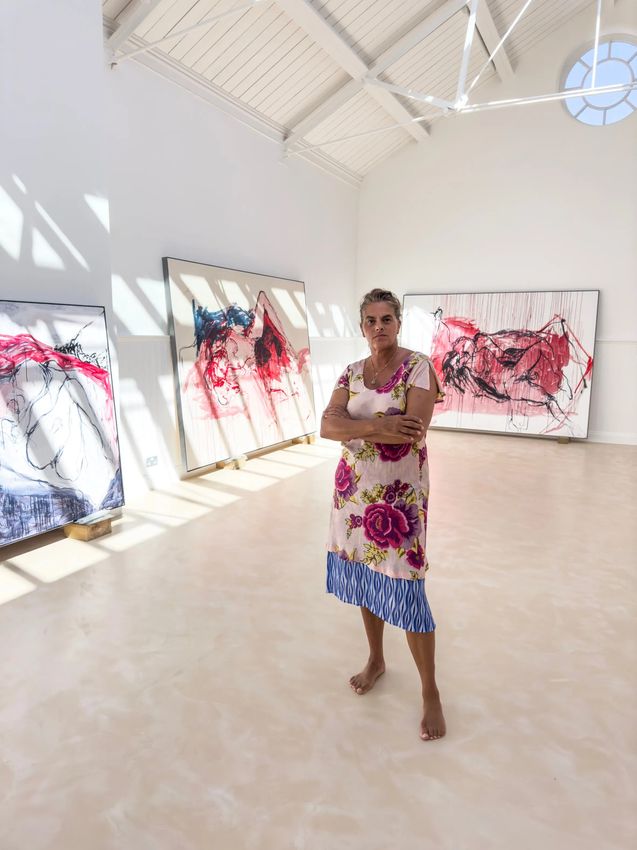
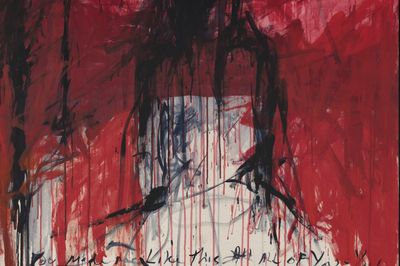
In recent years, particularly after her diagnosis and treatment for aggressive bladder cancer in 2020, Emin’s work has turned even more directly to questions of mortality, faith, and the body’s fragility. Exhibitions like I Followed You to the End at White Cube Bermondsey present visceral paintings and videos that grapple with illness, recovery, and the desire to keep working. New bronzes such as Ascension (2024) and large-scale paintings planned for Tate Modern‘s 2026 survey demonstrate how she has translated her long-standing preoccupations into a post-illness practice marked by both darkness and a renewed will to live.
Exhibitions, recognition and institutions
Emin has exhibited widely in the UK and internationally. Major institutional shows have taken place at venues including Tate Britain, Turner Contemporary in Margate, the Hayward Gallery, and museums in Europe and the United States. She represented Great Britain at the Venice Biennale in 2007, and her work has been included in numerous group exhibitions surveying contemporary British art and feminist practice.
In 2026 Tate Modern will present Tracey Emin: A Second Life, the largest exhibition of her work to date, spanning more than 40 years and featuring over 90 pieces across painting, sculpture, video, textiles, neon, and installation. The show will foreground key works such as Exorcism of the Last Painting I Ever Made (1996) and My Bed, along with new paintings and outdoor sculpture, and will be accompanied by a documentary on her recent experiences of illness and recovery. Emin’s work is held in significant public and private collections, and she has established studios and an artist residency programme in Margate, supporting emerging artists in the town where she grew up.
Tracey Emin FAQs
What is Tracey Emin best known for?
Tracey Emin is best known for confessional artworks that draw directly on her own life, particularly the installation My Bed (1998) and the appliquéd tent Everyone I Have Ever Slept With 1963–1995 (1995). These works, along with her neon texts and diaristic drawings, helped define the tone of Young British Art in the 1990s.
Why is Tracey Emin’s ‘My Bed’ so famous?
My Bed became famous when it was shown at Tate in 1999 as part of Emin’s Turner Prize nomination, presenting her unmade bed and bedroom detritus as a self-portrait of emotional crisis. Its explicit display of private mess—used condoms, stained sheets, empty bottles—sparked fierce debate about taste, authenticity, and what can count as art.
What themes does Tracey Emin explore in her work?
Emin’s work explores themes of sexuality, desire, trauma, heartbreak, illness, and survival through an intensely personal lens. She often uses the female body and handwritten text to address shame, vulnerability, and resilience, inviting viewers into experiences that are at once highly specific and broadly relatable.
Where can I see Tracey Emin’s art?
Tracey Emin’s works are held in collections such as Tate, the British Council, and major museums in Europe and North America, and they regularly appear in international group shows and surveys of contemporary art. From 2026, Tate Modern in London will stage a large-scale retrospective, while her hometown of Margate hosts works and projects through Turner Contemporary and the TKE Studios she has founded for emerging artists.
What is Tracey Emin’s 2026 Tate Modern exhibition about?
The 2026 Tate Modern exhibition, titled A Second Life, will be the largest survey of Tracey Emin’s work to date, spanning more than four decades. It focuses on her use of the female body and autobiographical narrative to explore passion, pain, and healing, and includes key works from the 1990s alongside recent paintings, sculptures, and a new documentary about her experience of cancer and recovery.
Is Tracey Emin still making new work?
Yes. Following surgery for bladder cancer in 2020, Emin returned to the studio and has produced new paintings, bronzes, and installations that confront mortality and the drive to create. Recent projects such as I Followed You to the End and new works for Tate Modern’s A Second Life show her continuing to evolve her language while remaining rooted in personal experience.
How did Tracey Emin become famous?
Tracey Emin first gained widespread attention in the 1990s through candid TV appearances and raw, autobiographical installations shown with the Young British Artists, including her tent Everyone I Have Ever Slept With 1963–1995. Her Turner Prize–shortlisted work My Bed (1998) then made her a household name and a focal point for debates about contemporary British art.
Is Tracey Emin a feminist artist?
Emin is often discussed in relation to feminist art because she foregrounds female experience—sexuality, abortion, trauma, ageing—in unapologetically direct ways. While she has had an ambivalent relationship to labels, her work has been central to conversations about women’s bodies, voice, and visibility in late 20th- and early 21st-century art.
What happened to Tracey Emin’s tent ‘Everyone I Have Ever Slept With’?
Everyone I Have Ever Slept With 1963–1995 was destroyed in the 2004 Momart warehouse fire, along with works by several other artists. Emin has refused to recreate the piece, which has only added to its cult status and to public fascination with its story.
What kind of art does Tracey Emin make now?
Recently, Emin has focused on large, gestural paintings, bronze sculptures, and installations that respond to her experience of cancer and recovery. These works retain her confessional tone but place more emphasis on mortality, spirituality, and the persistence of desire.
Ocula | 2026

Explore Tracey Emin's Exhibitions On Now





View Tracey Emin's Artworks














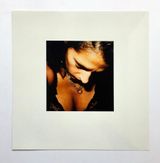

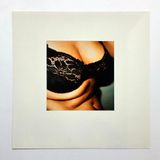

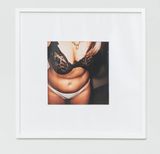







Tracey Emin in Ocula Magazine








Explore and Follow Artists Shaping Contemporary Art
A respected voice in contemporary art discourse.
Focusing on ambitious storytelling and insightful art-world commentary. Ocula Magazine publishes in-depth interviews, critical essays and timely analysis on the artists, exhibitions and ideas driving the global art world.
Learn more about Ocula Magazine
Showcasing the best of the art world.
Ocula partners with galleries from around the world to highlight their artists, artworks and exhibitions. Gallery membership is by application and invitation, with each member vetted by an independent panel.
Learn more about Ocula Membership
Specialises in the sale of major artworks.
Led by a team with deep ties to the world’s leading auction houses, galleries and collectors. Ocula’s advisory team offers bespoke services to high-net-worth clients from around the world who are looking to acquire the best of contemporary and modern art.
Learn more about our team and services