de Sarthe Gallery is pleased to present for the first time in Hong Kong the sculptures by Mariko Mori
Flatstone and Tom Na H-iu.
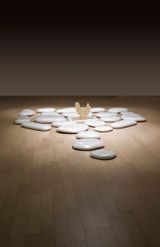
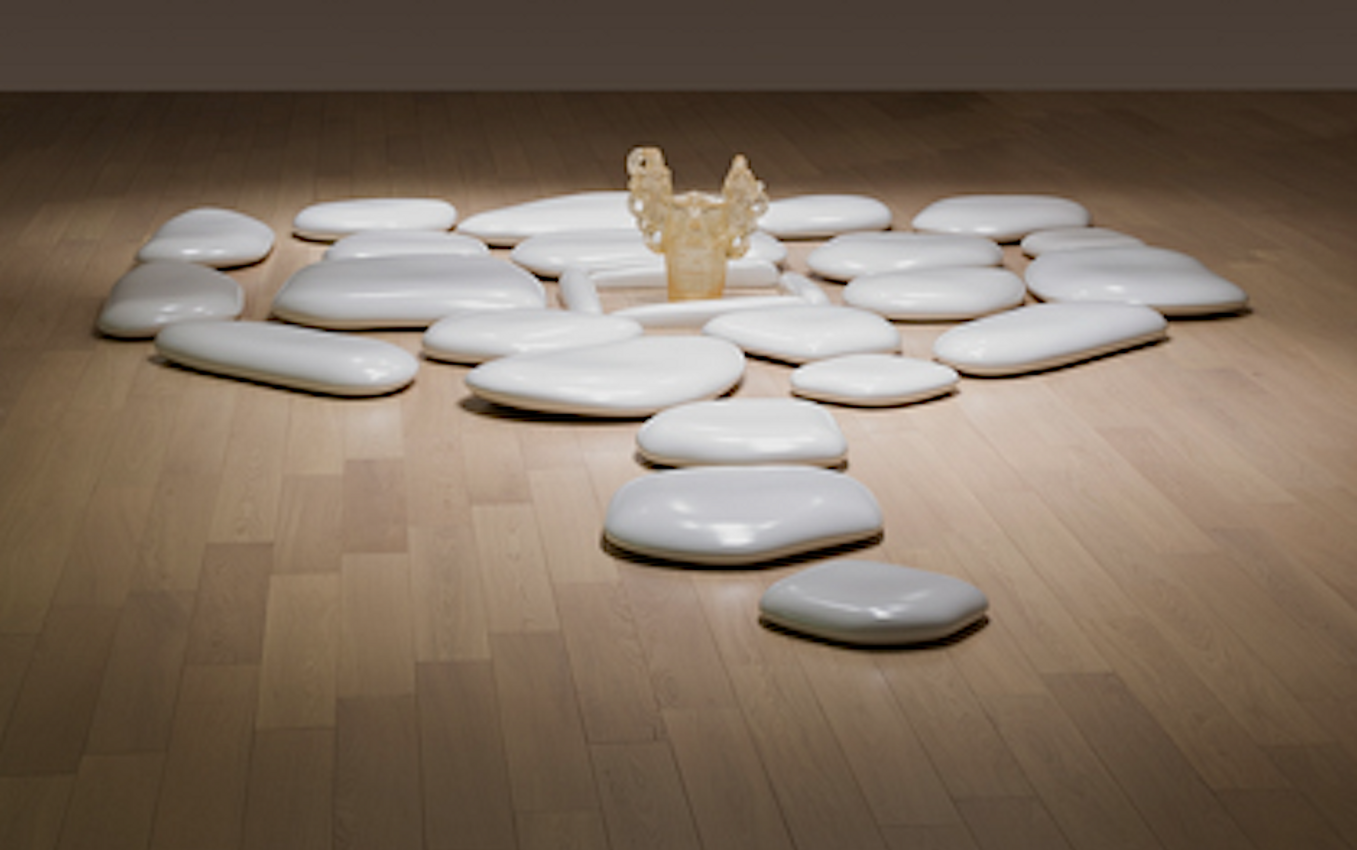
Flatstone is named after the special stones used by the mid-Jomon era people in Japan (3500-2500 BC) in the structures archeologists believe to have housed ancient shrines. The entrance of these early buildings was located specifically to receive sunlight on the winter solstice. Jomon period stone circles used to celebrate dawn on the Winter Solstice inspired this work. The people of Jomon period Japan celebrated the seasonal transition of the Winter Solstice, realizing that the day marked the ultimate waning of the natural environment due to the shortened daylight, while also heralding the coming renewal of spring. Resonating with the values of these ancient people who lived in harmony with nature, Mori recreated the Jomon ritual space with 22 white ceramic forms, thus expressing the transitions and rebirth of nature, and of the soul. This work speaks to all of us caught up in contemporary social issues, suggesting a new way of being that incorporates a fusion with nature. Flatstone was part of Mariko Mori: Rebirth, a major exhibition of her works at Royal Academy of Arts, Burlington Gardens in London which took place from December 13 2012 to February 17 2013.
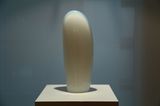
Tom Na H-iu is an ancient Celtic site of spiritual transmigration. According to legend, following death, a soul enters the spirit world, where one day equals 100 years or 36,525 days by the Julian calendar, before returning to earth. Ancient people built eternal monuments, or “standing stones” to guide the return of transmigrating spirits to our world. Mori’s version of a standing stone is a contemporary memorial to the cycle of eternal life, a cycle that has been honored throughout art history by many ancient cultures. Mori’s Tom Na H-iu marks the death of a star with a beautiful light, reminding us not only of our own mortality, but also of the potential birth of another star, memorializing the eternal flow of life and rebirth. The works develop Mori’s continued interest in a fusion of art and technology, and the idea of universal spiritual consciousness. Drawing from ancient rituals and symbols, Mori uses cutting edge technology and material to create a striking vision for the 21st century.
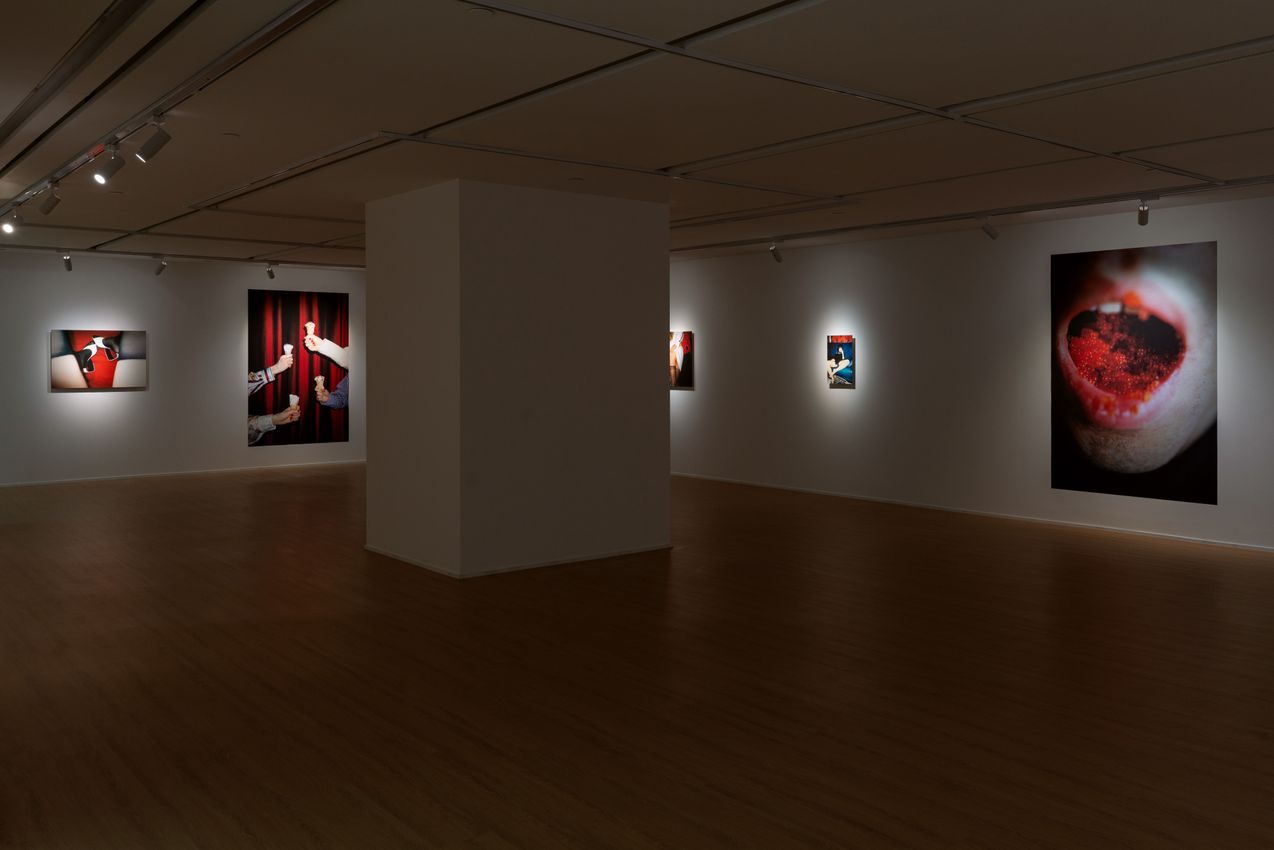
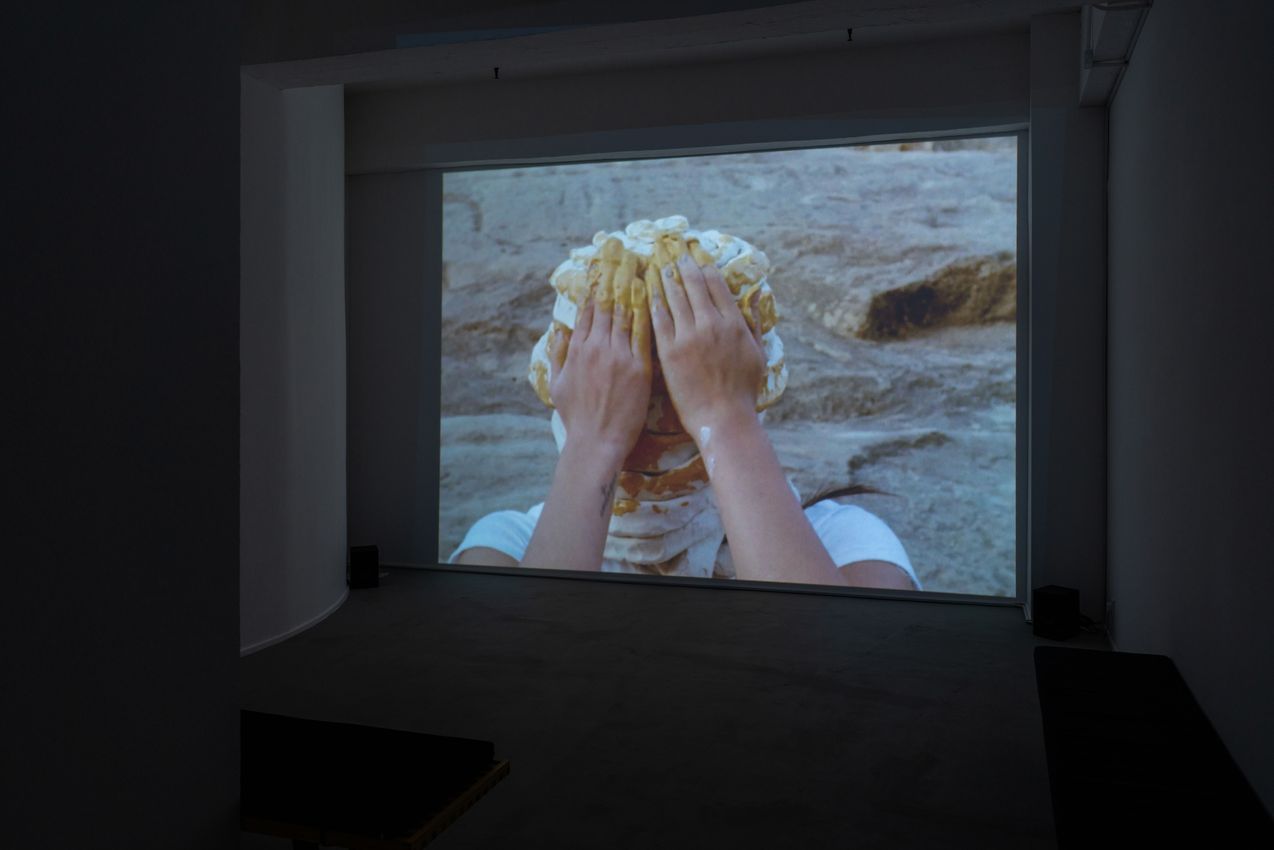
Working across performance, video, photography, and large-scale installation, Mariko Mori’s artworks combine ideas and imagery from pop culture, religion, and technology in her exploration of the universal, the fantastic, and otherness.


DE SARTHE is a pioneering platform for boundary-pushing contemporary art from Asia. It has also contained an influential international presence in modern and post-war art since 1977.

A respected voice in contemporary art discourse.
Focusing on ambitious storytelling and insightful art-world commentary. Ocula Magazine publishes in-depth interviews, critical essays and timely analysis on the artists, exhibitions and ideas driving the global art world.
Learn more about Ocula Magazine
Showcasing the best of the art world.
Ocula partners with galleries from around the world to highlight their artists, artworks and exhibitions. Gallery membership is by application and invitation, with each member vetted by an independent panel.
Learn more about Ocula Membership

Specialises in the sale of major artworks.
Led by a team with deep ties to the world’s leading auction houses, galleries and collectors. Ocula’s advisory team offers bespoke services to high-net-worth clients from around the world who are looking to acquire the best of contemporary and modern art.
Learn more about our team and services