




SUNG TIEU
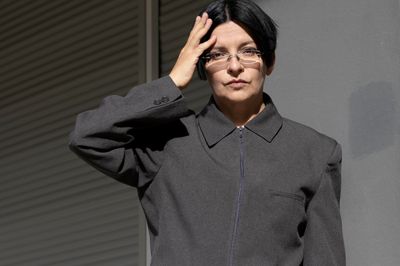
b. 1987, VietnamSung Tieu (born 1987, Hai Duong, Vietnam) is a German-Vietnamese artist whose research-based practice investigates how state power and bureaucracy seep into everyday experience. Working with sound, text and precisely staged architectural structures, she recreates spaces such as waiting rooms, offices and border zones to make these pressures tangible. Based in Berlin, she moves across installation, sculpture, moving image and performance to show how institutions—from migration services to security infrastructures—shape perception, identity and felt states of anxiety.
In 2025, Tieu was selected with Henrike Naumann to realise the German Pavilion at the 61st Venice Biennale under curator Kathleen Reinhardt; after Naumann’s death in February 2026, the commissioning bodies confirmed that the pavilion will go ahead and be realised posthumously, largely according to Naumann’s concept, which had been finalised before her death and will be presented alongside Tieu’s contribution.
Early life and career
Tieu moved from northern Vietnam to Germany as a child, joining her father who had worked as a contract labourer in the GDR, a family history that underpins her sustained engagement with migration, Cold War geopolitics and the legacies of socialist labour programmes. She studied fine arts at Hochschule für Bildende Künste Hamburg and at Goldsmiths, University of London, before completing the postgraduate programme at the Royal Academy Schools in London, graduating in 2018, and has since developed a practice that fuses archival research with autobiographical fragments and speculative scenarios. Early recognition came through exhibitions in Germany and the UK, culminating in high-profile presentations at Nottingham Contemporary and Haus der Kunst that cemented her reputation as an artist of international significance.
Works, methods and key projects
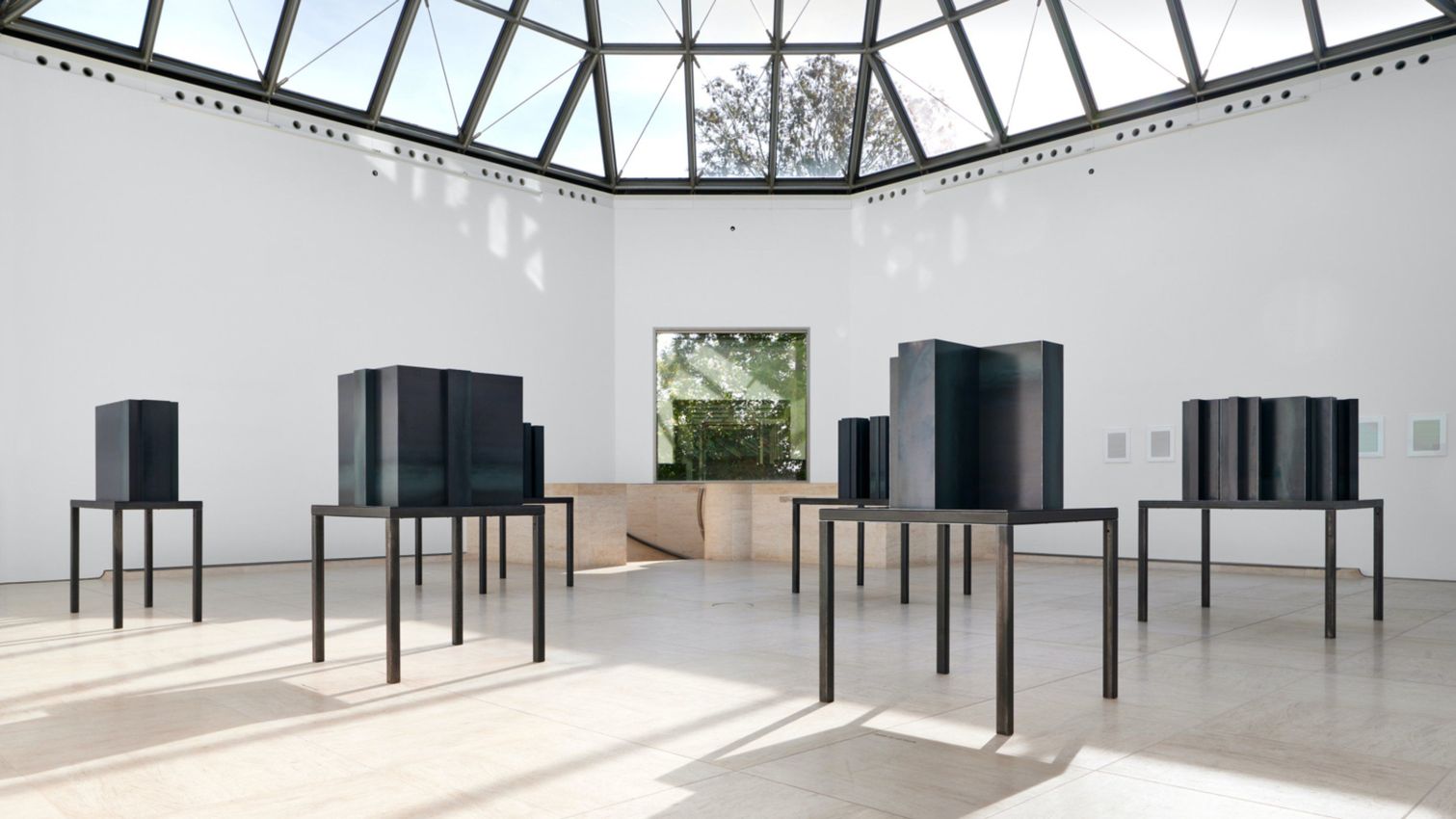
Tieu’s installations often restage spaces of control—waiting rooms, offices, detention-like corridors—using industrial materials, security infrastructure and minimalist display systems to evoke the ambient pressure of administration. In Zugzwang at Haus der Kunst, she transformed the museum into a labyrinth of steel fences, fluorescent lighting and sound, investigating how design aesthetics in bureaucratic environments can condition behaviour and induce anxiety. The project In Cold Print at Nottingham Contemporary and the Frieze Artist Award commission Moving Target Shadow Detection (2021) extended this approach to the controversial ‘Havana Syndrome’, combining brain-scan imagery, journalistic research and multi-channel sound to explore the blurred line between medical fact, media speculation and covert warfare.
Another strand of Tieu’s work focuses on migration histories and German reunification, as in Song for VEB Stern-Radio Berlin, which links GDR radio production, Vietnamese contract labour and contemporary diasporic experience through a mirrored sculptural environment and a layered sound score. Across these projects she frequently incorporates official documents, contracts and legal forms, sometimes redacted or rephrased, to expose what she has called the “macabre” implications hidden in bureaucratic language. Her exhibitions reference minimalism and systems art yet remain anchored in lived, often vulnerable experience, using repetition, grids and acoustic fields to translate abstract power structures into sensory encounters.
Themes and context
Tieu’s practice is driven by a close reading of how governance operates at the level of everyday life, from visa appointments and surveillance protocols to the architecture of public institutions. She examines the tension between individual agency and systemic regulation, asking how categories such as citizenship, security and belonging are enforced through design, sound and language. Her position as a German Vietnamese artist who grew up after reunification allows her to connect histories of the GDR, global Cold War alignments and contemporary border regimes, situating her work within broader conversations on post-socialism, diasporic identity and decolonial critique.
Exhibitions, recognition and Venice
Tieu has presented solo exhibitions at institutions including Haus der Kunst, Munich; Nottingham Contemporary; Kunsthalle Gießen; and KW Institute for Contemporary Art in Berlin. She has participated in major international biennials such as the Bienal de São Paulo, the Kyiv Biennial, the Shanghai Biennale and the Gwangju Biennale, reflecting the global resonance of her investigations into power and perception. Awards such as the Frieze Artist Award and the Schering Stiftung Award for Artistic Research in 2024 recognise the depth of her inquiry into the aesthetics of administration and the politics of sound. For the 61st Venice Biennale, the German Pavilion—commissioned by ifa and developed with the late Henrike Naumann and curator Kathleen Reinhardt—is set to foreground questions of historical responsibility, bureaucracy and social order, with Tieu playing a crucial role in carrying the project forward in Venice in dialogue with Naumann’s posthumously realised concept.
Sung Tieu FAQs
What is Sung Tieu best known for?
Sung Tieu is best known for research-based installations that examine the psychological impact of bureaucratic and security systems, often through sound, documents and spatial interventions that evoke spaces of control. Her projects on Havana Syndrome, Cold War migration and divided Germany have made her a key figure in debates around institutional power and perception.
What themes does Sung Tieu explore in her work?
Tieu’s work addresses governance, surveillance, migration and the legacies of the Cold War, focusing on how these large-scale forces shape everyday experiences of anxiety, belonging and exclusion. She frequently critiques the language and design of state systems, revealing how forms, waiting rooms and acoustic environments quietly regulate behaviour and identity.
Where can I see Sung Tieu’s work?
Sung Tieu’s installations have been shown at institutions such as Haus der Kunst in Munich, Nottingham Contemporary, KW Institute for Contemporary Art in Berlin and MUDAM Luxembourg. Her work has also featured in international biennials including São Paulo, Shanghai, Kyiv and Gwangju, and will be presented in the German Pavilion at the 61st Venice Biennale.
How is Sung Tieu involved in the Venice Biennale?
For the 61st Venice Biennale, Sung Tieu has been appointed, together with the late Henrike Naumann, to represent Germany in the national pavilion under the curatorship of Kathleen Reinhardt, commissioned by ifa. Following Naumann’s death in February 2026, ifa and La Biennale have confirmed that the pavilion will be realised posthumously, largely according to Naumann’s concept while foregrounding Tieu’s ongoing contribution.
How does Sung Tieu use sound in her installations?
Sound plays a central role in Sung Tieu’s practice, from multi-channel installations that reconstruct alleged sonic weapons to ambient audio that mimics bureaucratic environments. By manipulating acoustic space, she makes intangible forms of pressure—such as surveillance or psychological warfare—physically palpable for viewers.
Ocula | 2026


Representative Artworks
View story

View story





Explore and Follow Artists Shaping Contemporary Art
A respected voice in contemporary art discourse.
Focusing on ambitious storytelling and insightful art-world commentary. Ocula Magazine publishes in-depth interviews, critical essays and timely analysis on the artists, exhibitions and ideas driving the global art world.
Learn more about Ocula Magazine
Showcasing the best of the art world.
Ocula partners with galleries from around the world to highlight their artists, artworks and exhibitions. Gallery membership is by application and invitation, with each member vetted by an independent panel.
Learn more about Ocula Membership
Specialises in the sale of major artworks.
Led by a team with deep ties to the world’s leading auction houses, galleries and collectors. Ocula’s advisory team offers bespoke services to high-net-worth clients from around the world who are looking to acquire the best of contemporary and modern art.
Learn more about our team and services