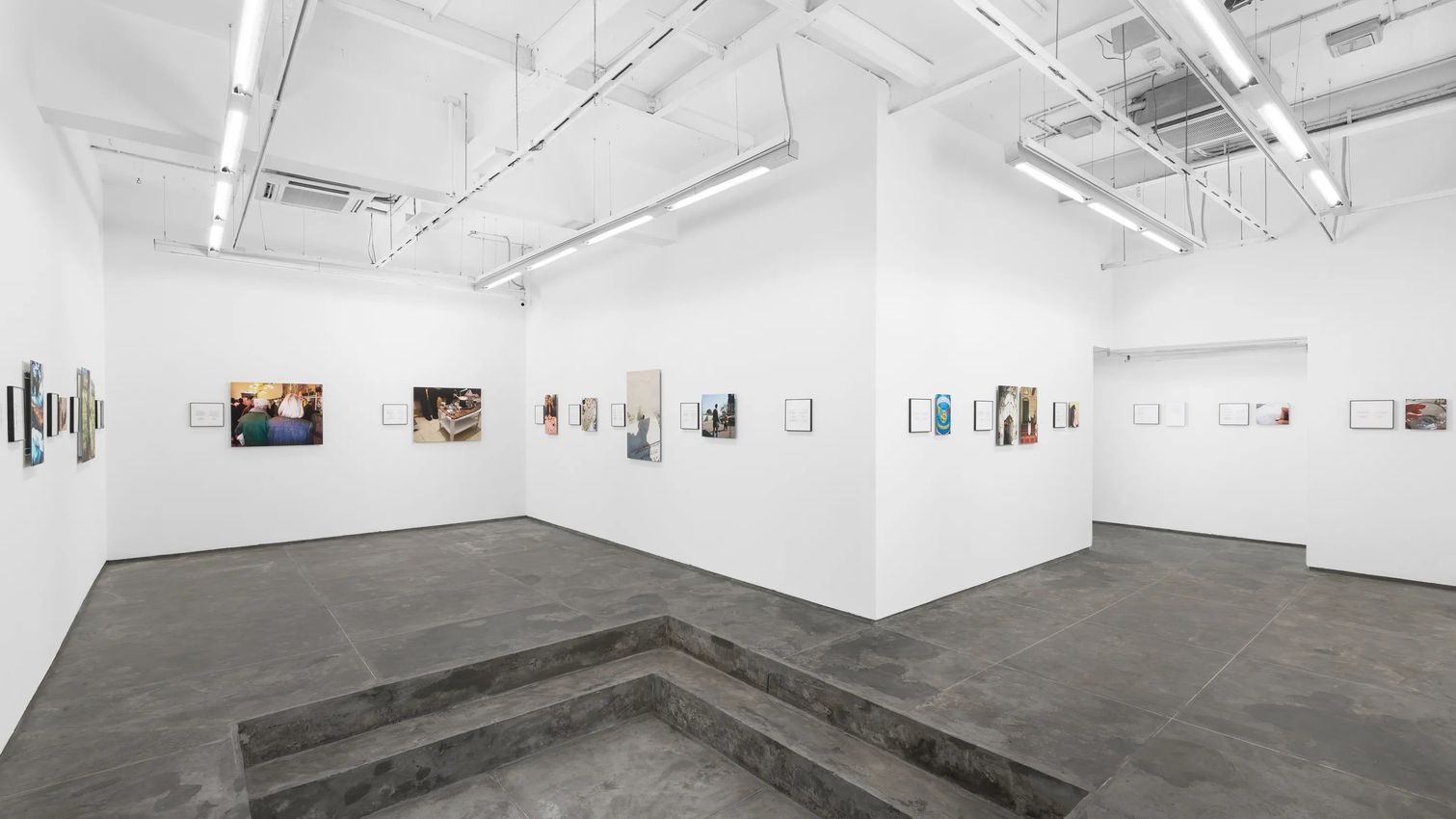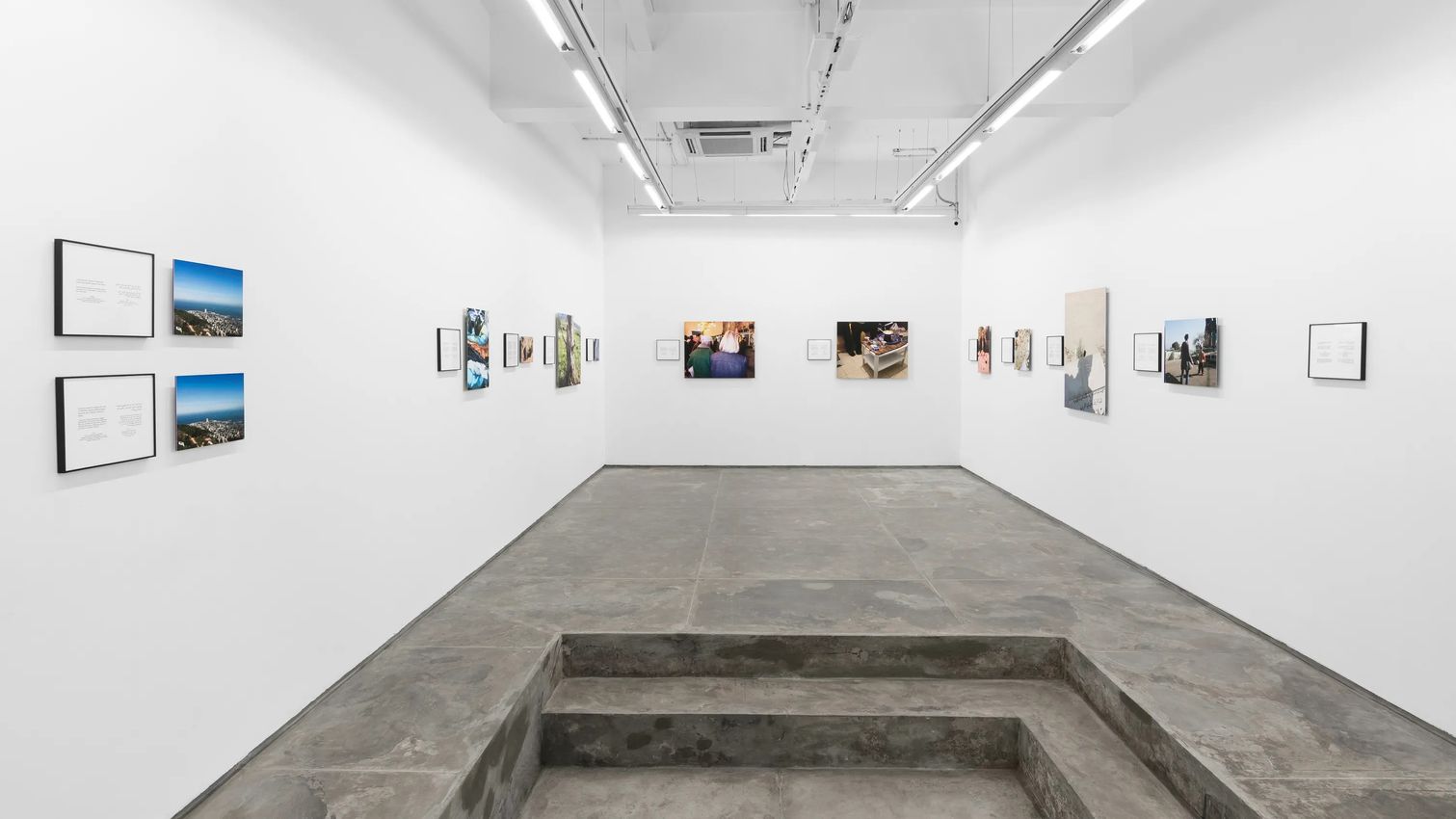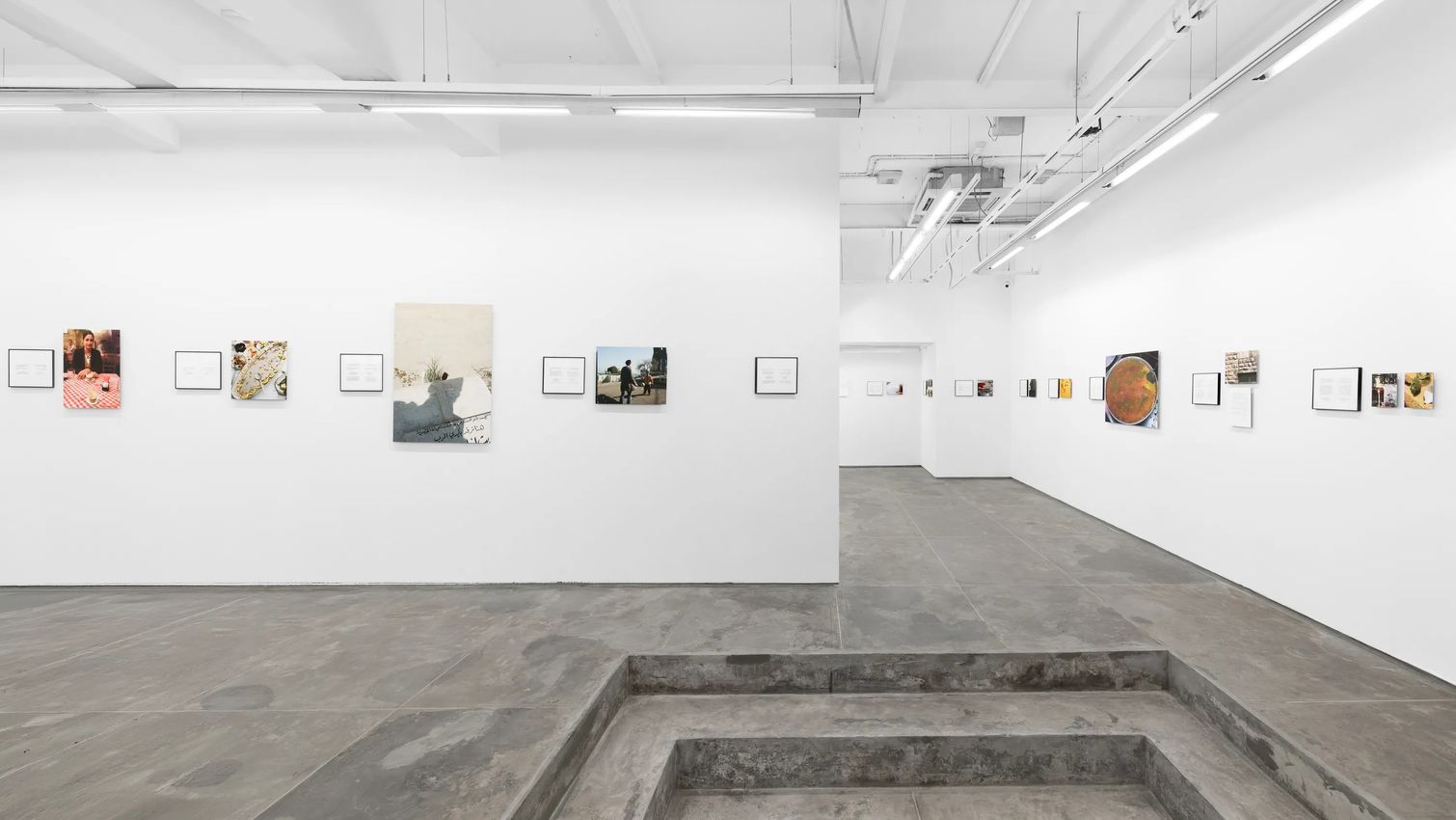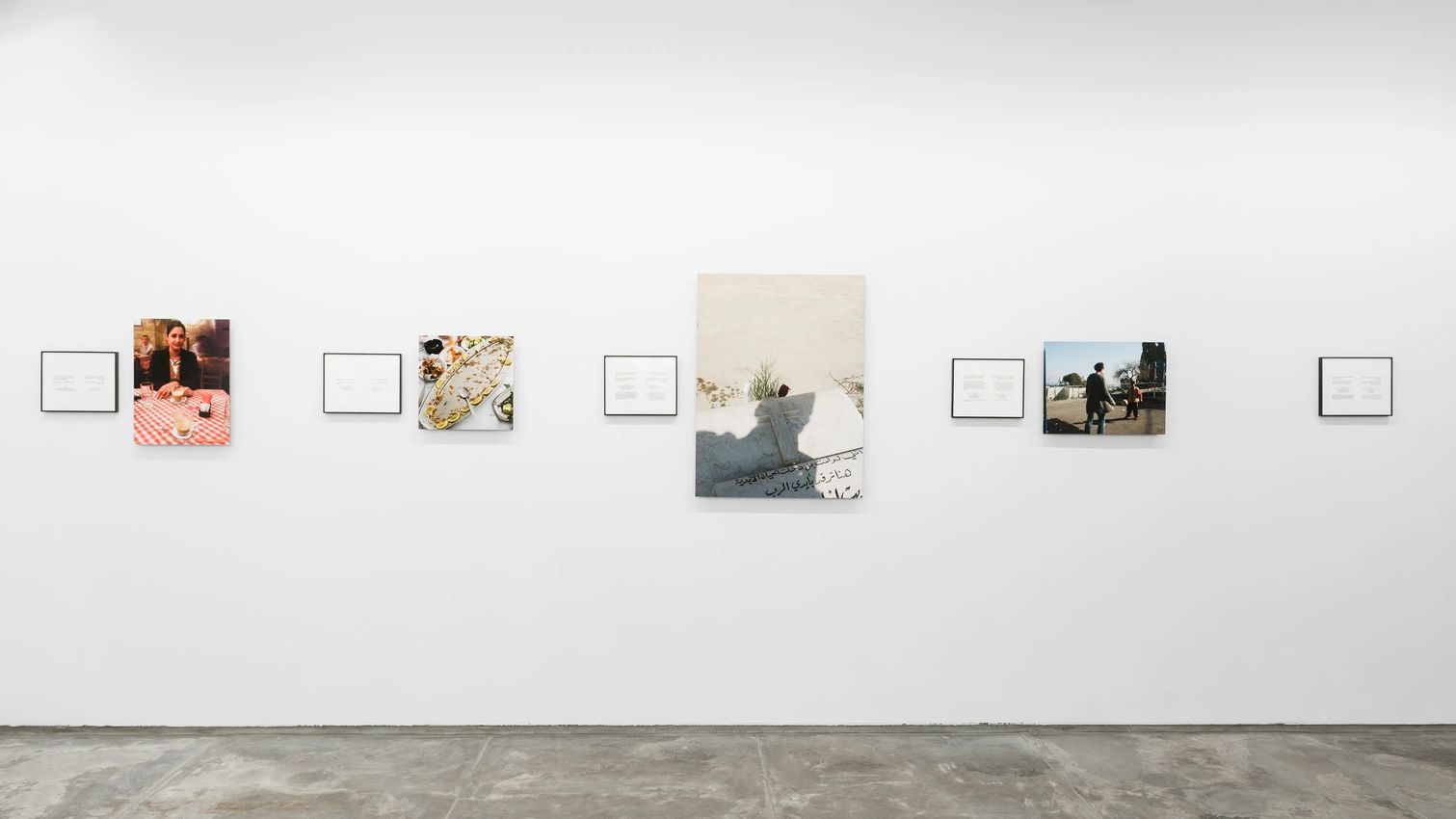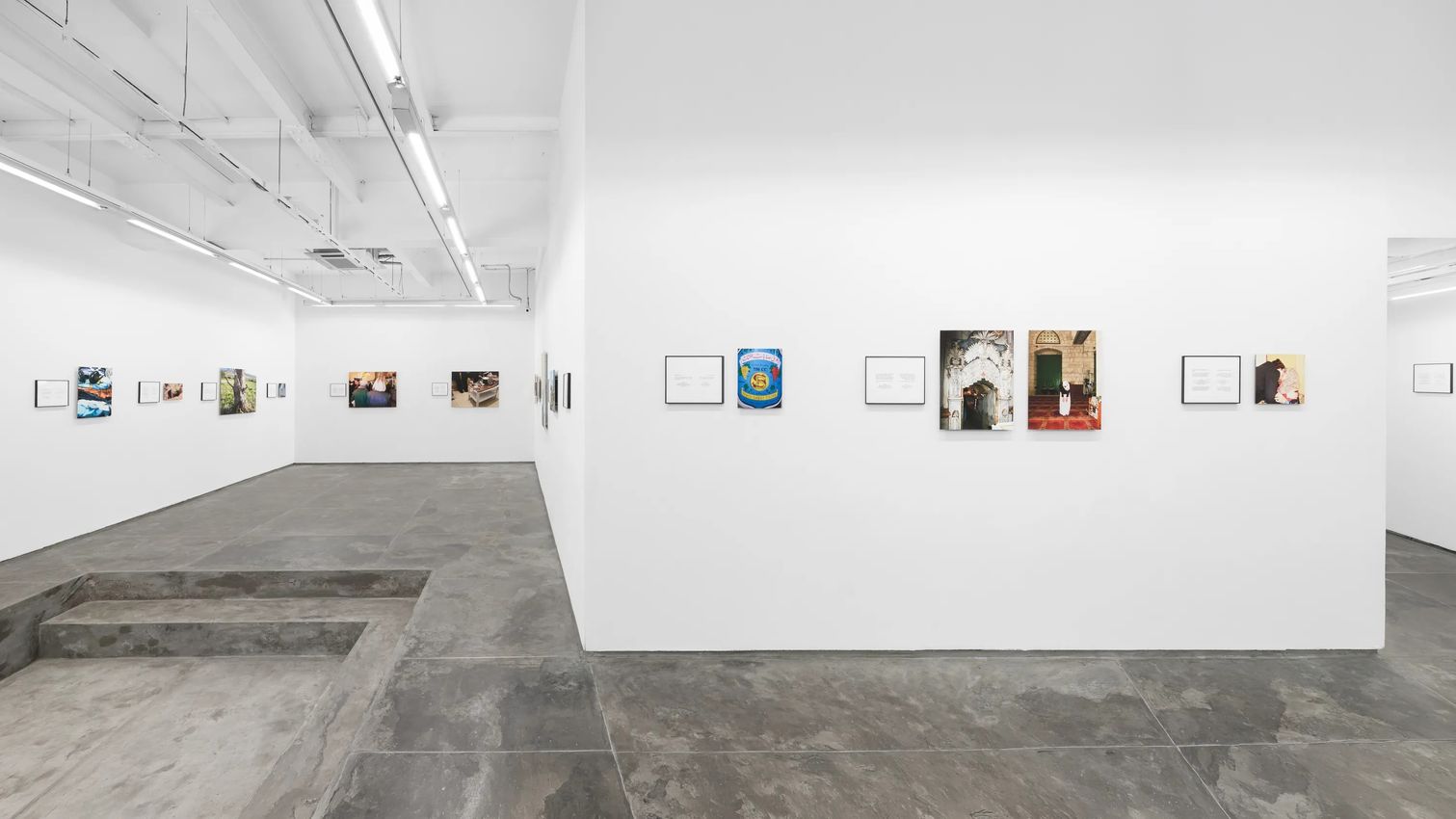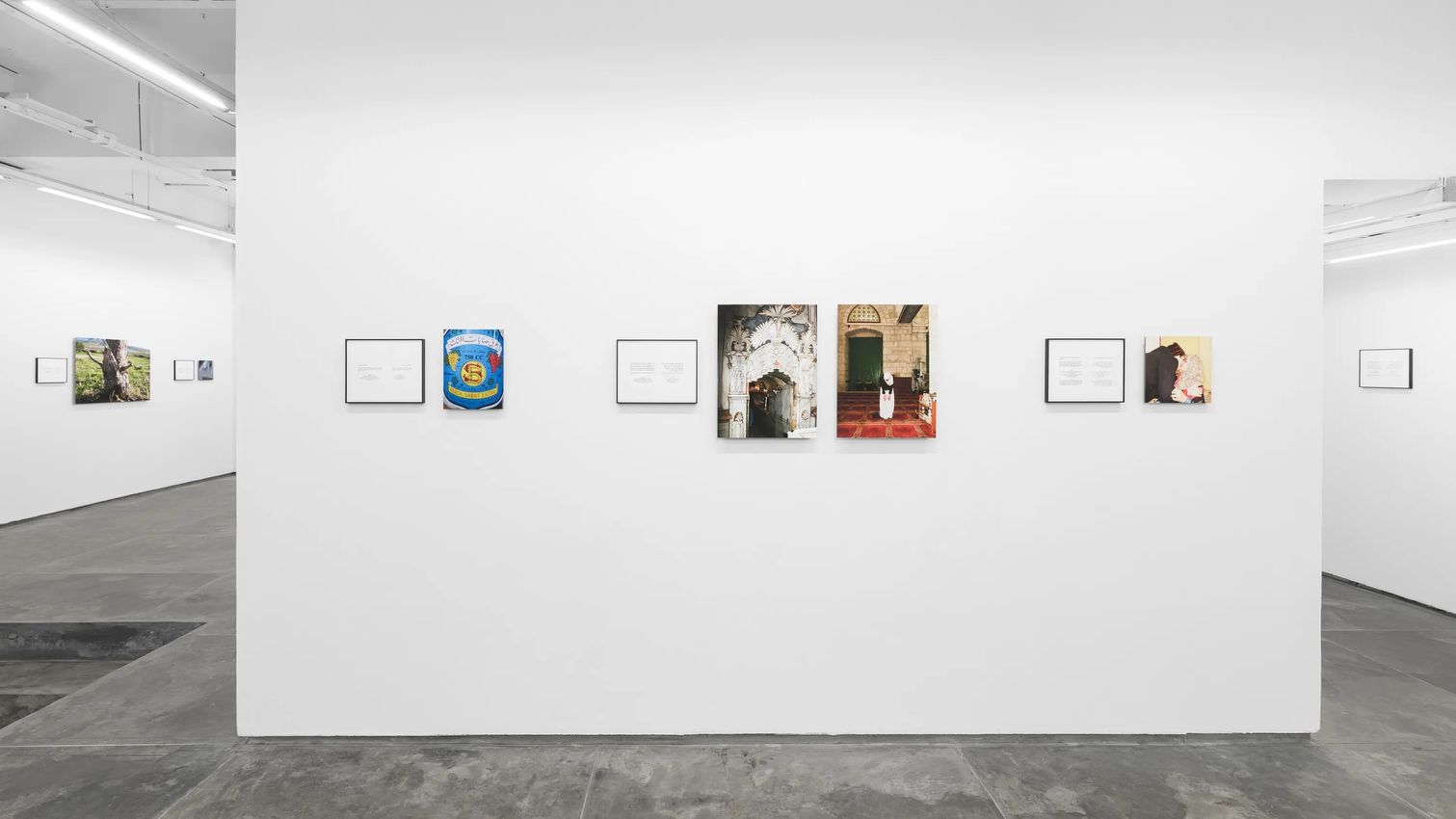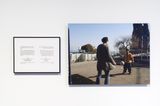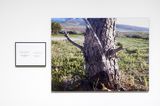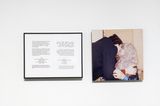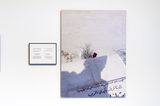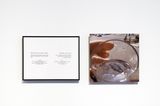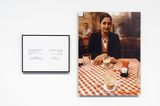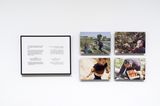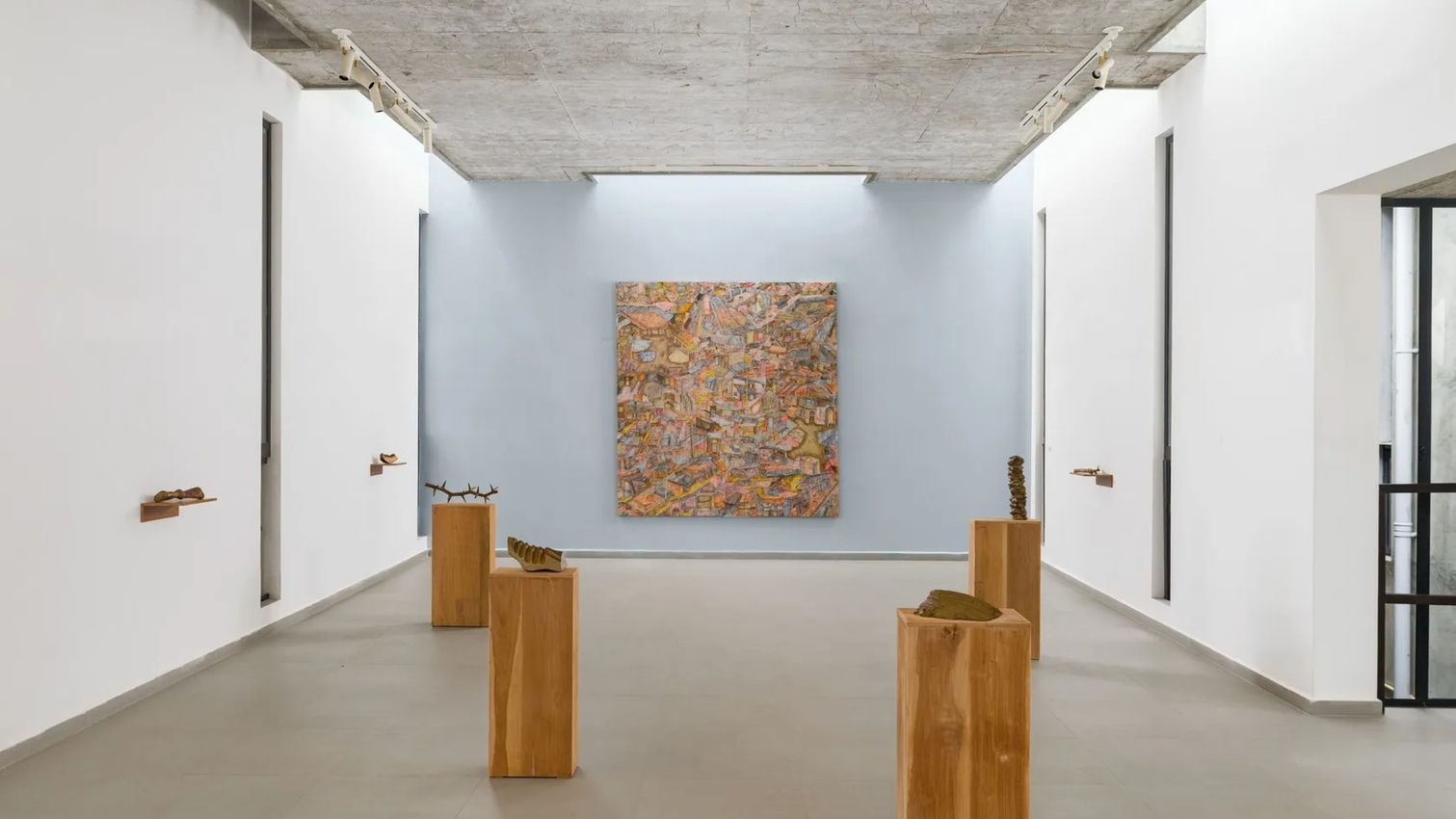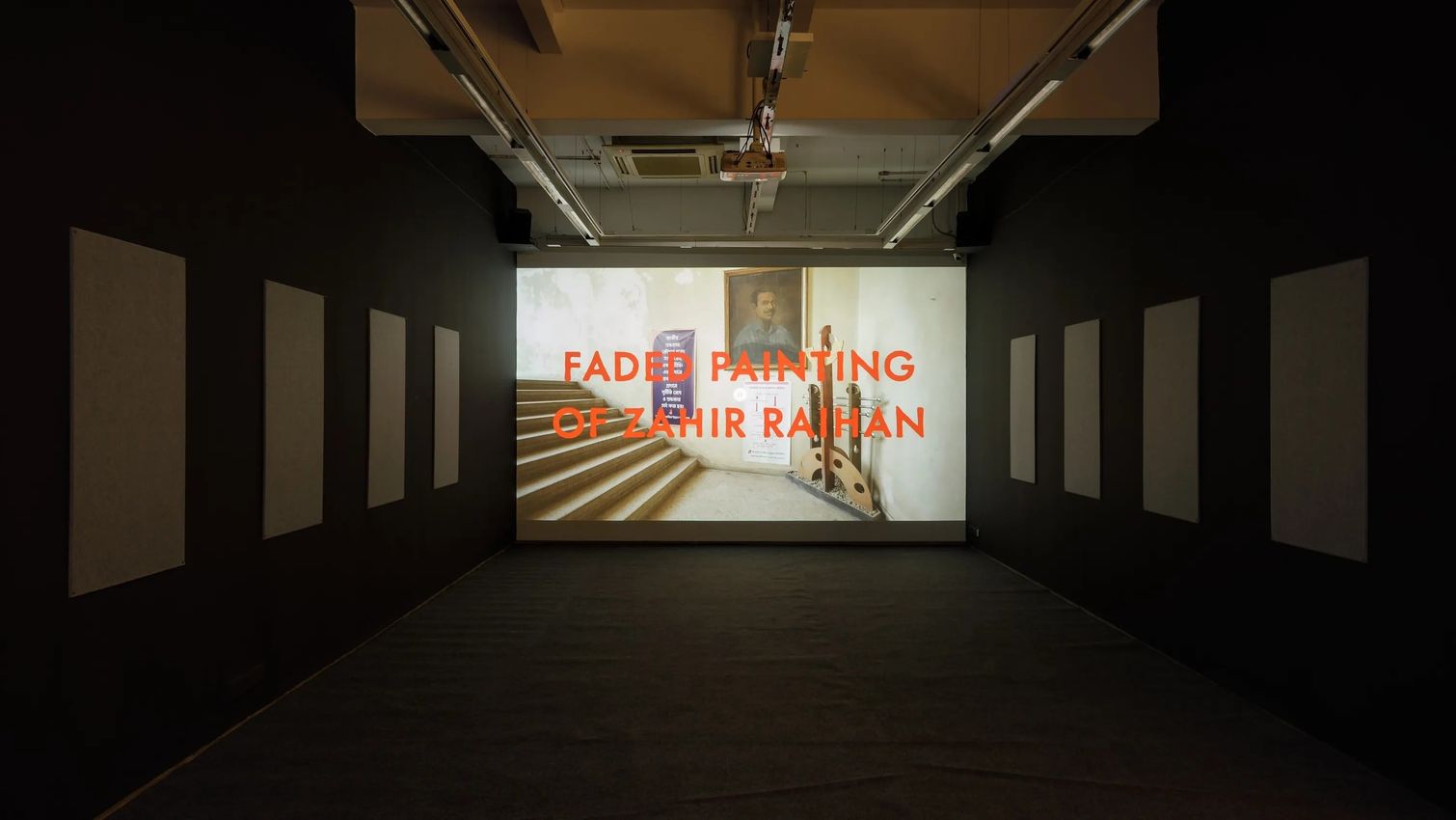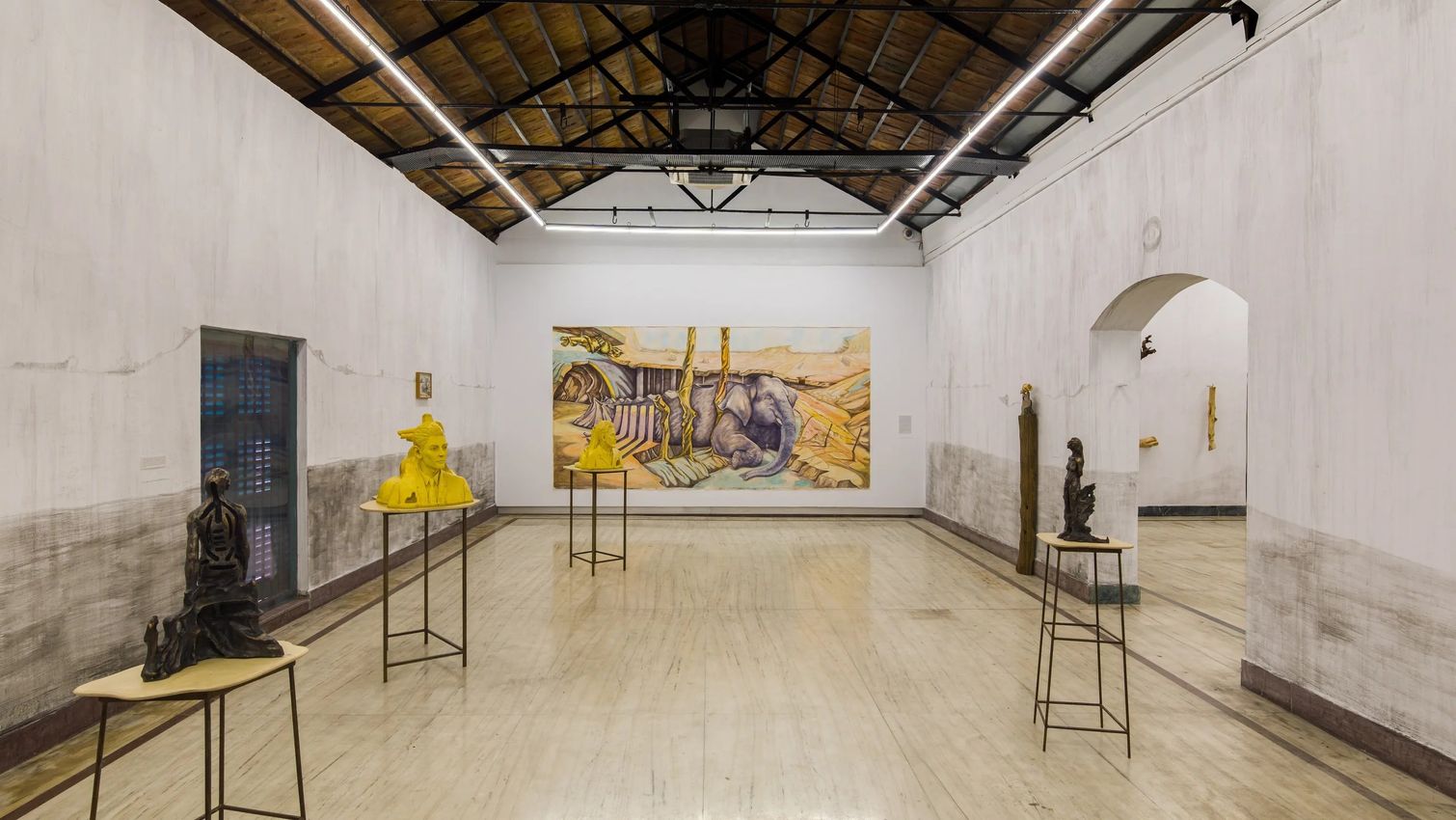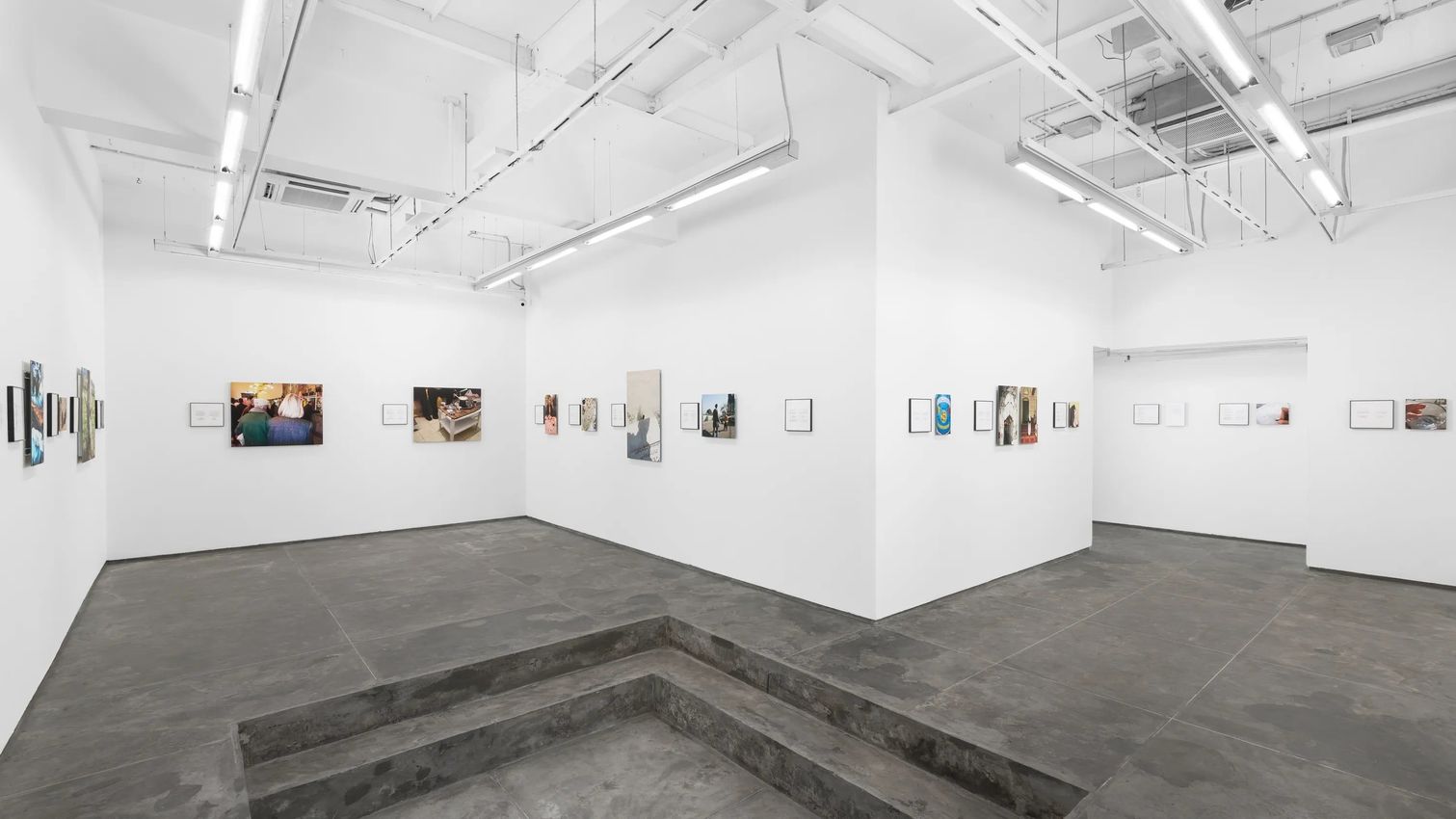
Where We Come From, Emily Jacir’s debut solo at the gallery and in India, brings together a seminal body of work. Through rigorous historical and archival research, Jacir’s layered and resonant body of work is rooted in gathering, community, and in social affiliations. As poetic as it is political and biographical, her work investigates silenced histories, exchange, translation, transformation, and resistance.
In the titular work Where We Come From (2001–03), Jacir posed a question to Palestinians living in the occupied territories and abroad: “If I could do anything for you, anywhere in Palestine, what would it be?” In carrying out the resulting tasks and documenting her actions in a series of photographs, texts, and video, she transforms intimate histories to address collective experiences of displacement, exile, and their emotional upheaval across generations.
The exhibition uses the work as a vantage point for viewing the current moment of fracture in the world, while offering a lens into how the matrix of control and settler-colonialism has jeopardised and held Palestinian lives hostage in their homeland for decades. It traces how, despite more than two decades passing since the project was conceived, the body of work remains acutely relevant as we stand witness to the genocidal oppression of Palestine—carried out with full impunity for over two years now—which has wiped out entire generations. Where We Come From (2001–03) compels us to reflect on how the mundane acts of living sustain memory and a sense of belonging, while underscoring how violence and military occupation cannot erase people or their histories.
Emily Jacir’s (b: Mediterranean; lives and works between Palestine and Italy) interdisciplinary practice encompasses film, photography, installation, performance, sound, and text. She has received significant recognition and awards, including: Golden Lion, 52nd Venice Biennale (2007); Prince Claus Award, The Hague (2007); Hugo Boss Prize, Guggenheim Museum (2008); Alpert Award, Herb Alpert Foundation (2011); Rome Prize Fellowship — Andrew W. Mellon Foundation, American Academy in Rome, Rome (2015); Arts and Letters Awards in Art — American Academy of Arts and Letters, New York (2023); and an honorary doctorate — NCAD, Dublin. Her solo exhibitions include those at: OTO SOUND MUSEUM (2024); MCBA — Musée cantonal des Beaux-Arts, Lausanne (2023); Bozar, Brussels (2023); Space 204, Nashville (2022); Galleria Peola Simondi, Turin (2021, 2013, 2010); Irish Museum of Modern Art, Dublin (2016–17); Whitechapel Gallery, London (2015); Darat al Funun, Amman (2014–2015); Beirut Art Center (2010); Guggenheim Museum, New York (2009). Her group exhibitions include: Biennale of Sydney (2026); Malta Biennale (2026); Mathaf: Arab Museum of Modern Art, Doha (2026); Fondazione Merz (2025); 32 Bienal de Pontevedra (2025); Moderna Museet, Stoccolma (2025); 60th Venice Biennale — Collateral Event, Venice (2024); MoMA, New York (2023); Manifesta 14, Prishtina (2022); Hamburger Bahnhof – Museum für Gegenwart, Berlin (2021); Fondazione Merz, Turin (2020); Witte de With Center for Contemporary Art, Rotterdam (2018); documenta, Kassel (2017, 2012), among others. Jacir is the founder of Dar Yusuf Nasri Jacir for Art and Research in Bethlehem.


Experimenter was co-founded by Prateek & Priyanka Raja in 2009. With a multidisciplinary approach, the gallery is an incubator for an ambitious and challenging contemporary practice. The program represents some of the most critical contemporary artists worldwide. Considered to be a ‘pace-setter’ for its region, the program extends from exhibition-making, to knowledge creation, through regular talks, performances, workshops and most importantly, through it’s much acclaimed, annual curatorial intensive, Experimenter Curators’ Hub. In 2016, its artist-book publishing wing, Experimenter Books was launched. Experimenter’s program is rooted in dialogue and dissent. In 2018, the Experimenter Learning Program (ELP) was launched. ELP enables discussion, debate and learning in fields of contemporary and performing arts, curatorship, film, writing, language and social culture. In 2019, Experimenter Outpost an iterative exhibitions program outside the physical gallery where an extension of the program temporarily inhabits disused, characterful spaces was launched. In 2020, Experimenter Labs, an inclusive, experimental, online platform in addition to the onsite gallery programming was launched.

A respected voice in contemporary art discourse.
Focusing on ambitious storytelling and insightful art-world commentary. Ocula Magazine publishes in-depth interviews, critical essays and timely analysis on the artists, exhibitions and ideas driving the global art world.
Learn more about Ocula Magazine
Showcasing the best of the art world.
Ocula partners with galleries from around the world to highlight their artists, artworks and exhibitions. Gallery membership is by application and invitation, with each member vetted by an independent panel.
Learn more about Ocula Membership

Specialises in the sale of major artworks.
Led by a team with deep ties to the world’s leading auction houses, galleries and collectors. Ocula’s advisory team offers bespoke services to high-net-worth clients from around the world who are looking to acquire the best of contemporary and modern art.
Learn more about our team and services