Press Release

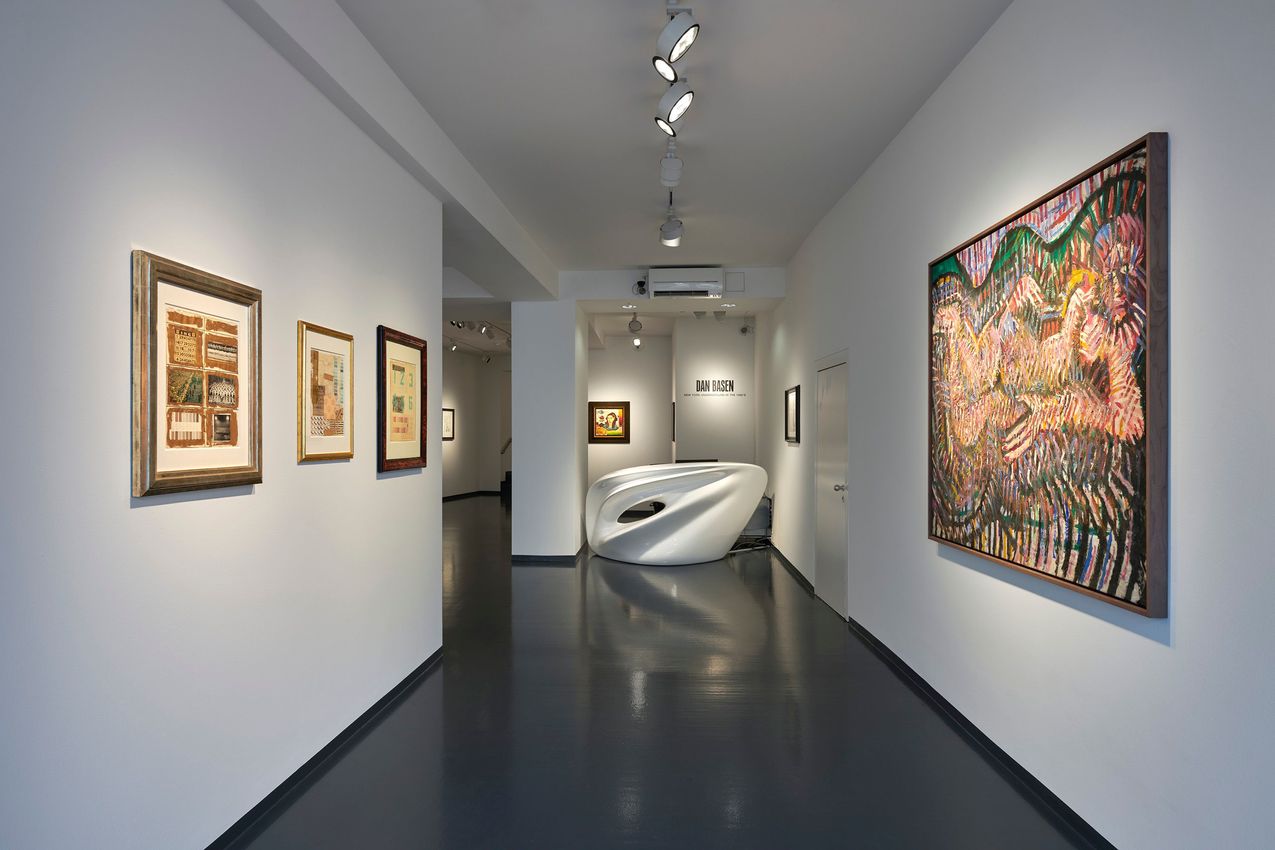
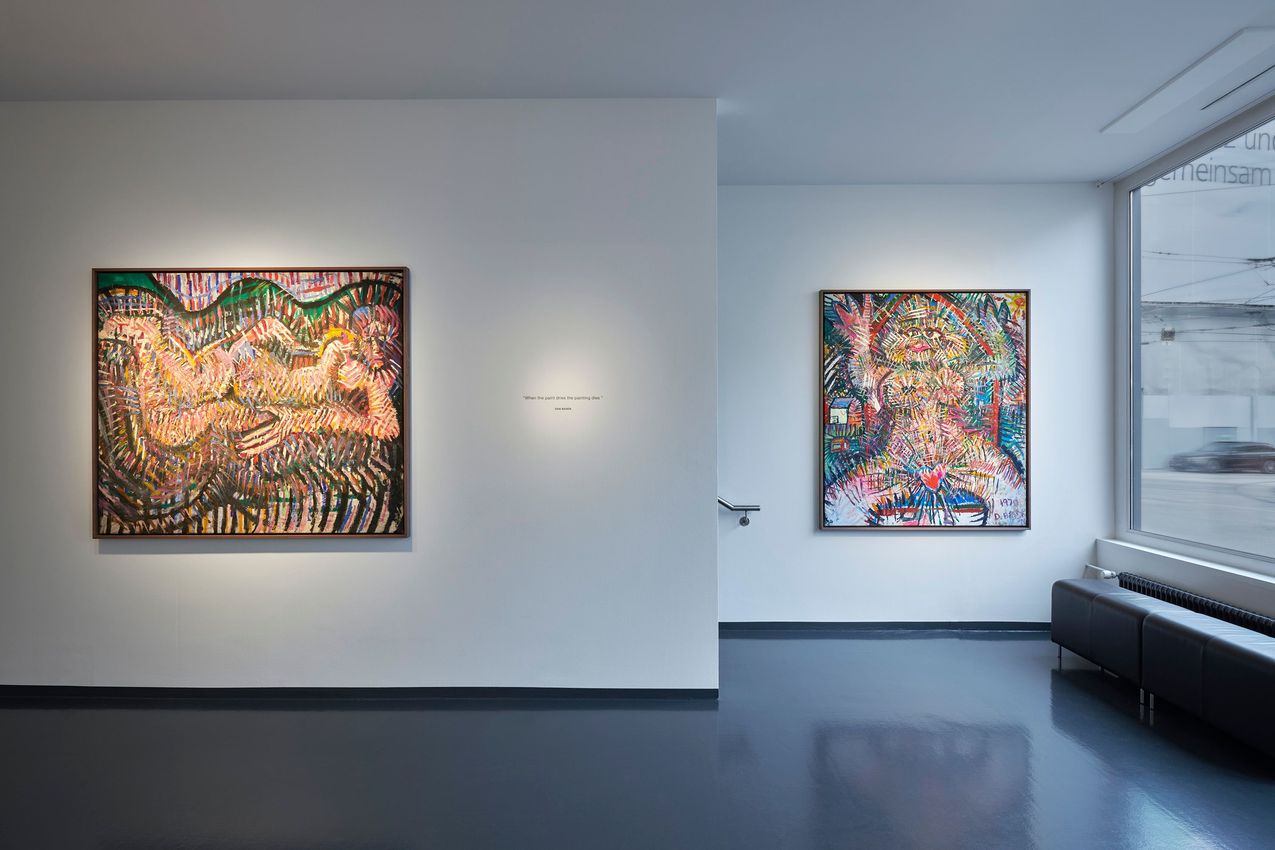
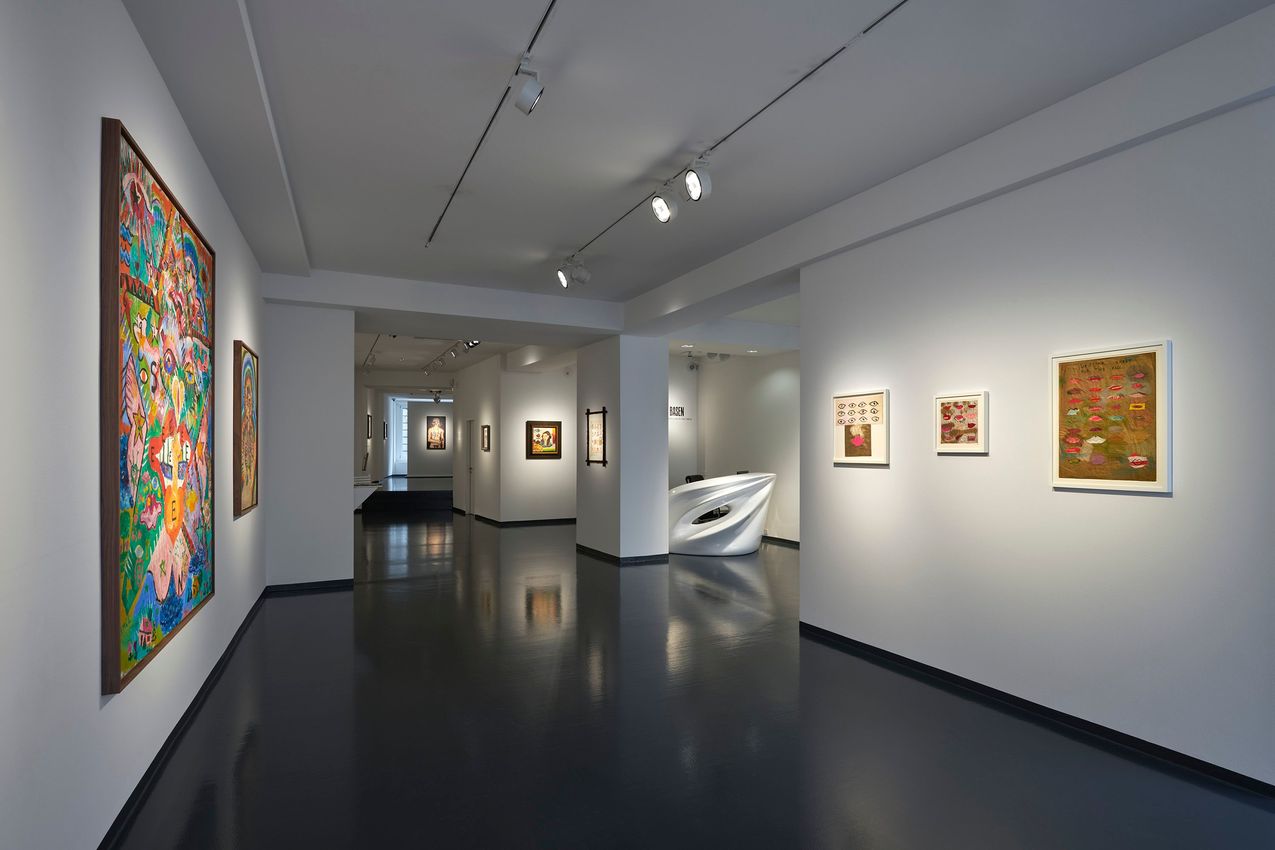
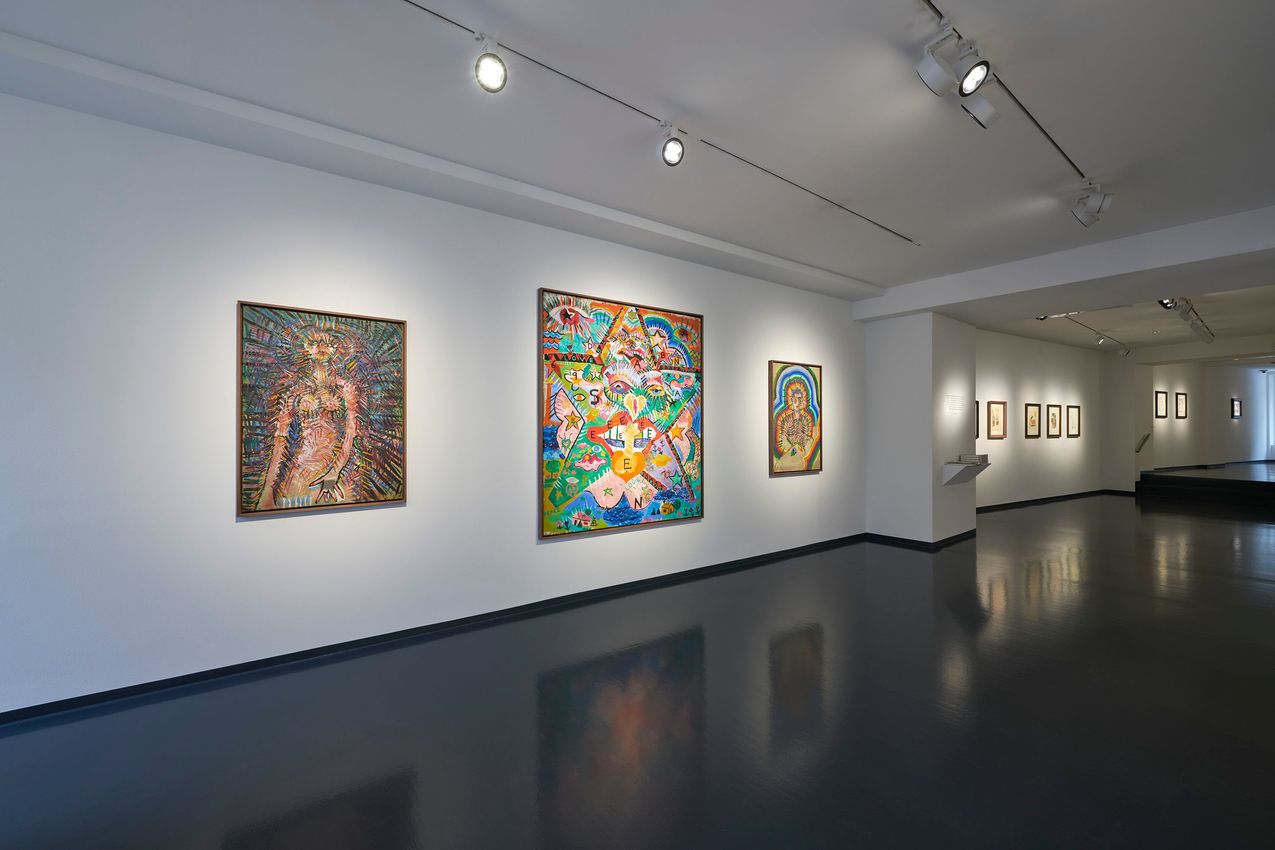
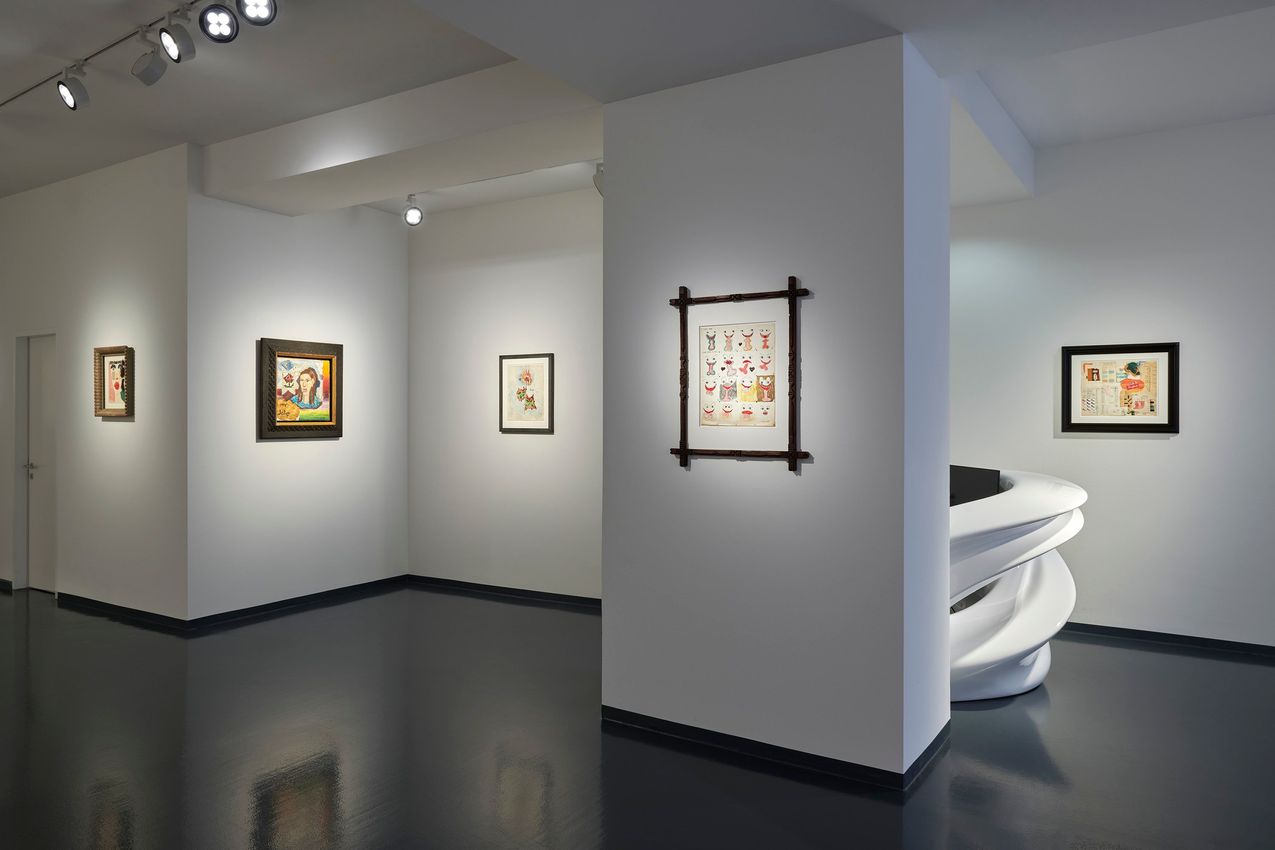
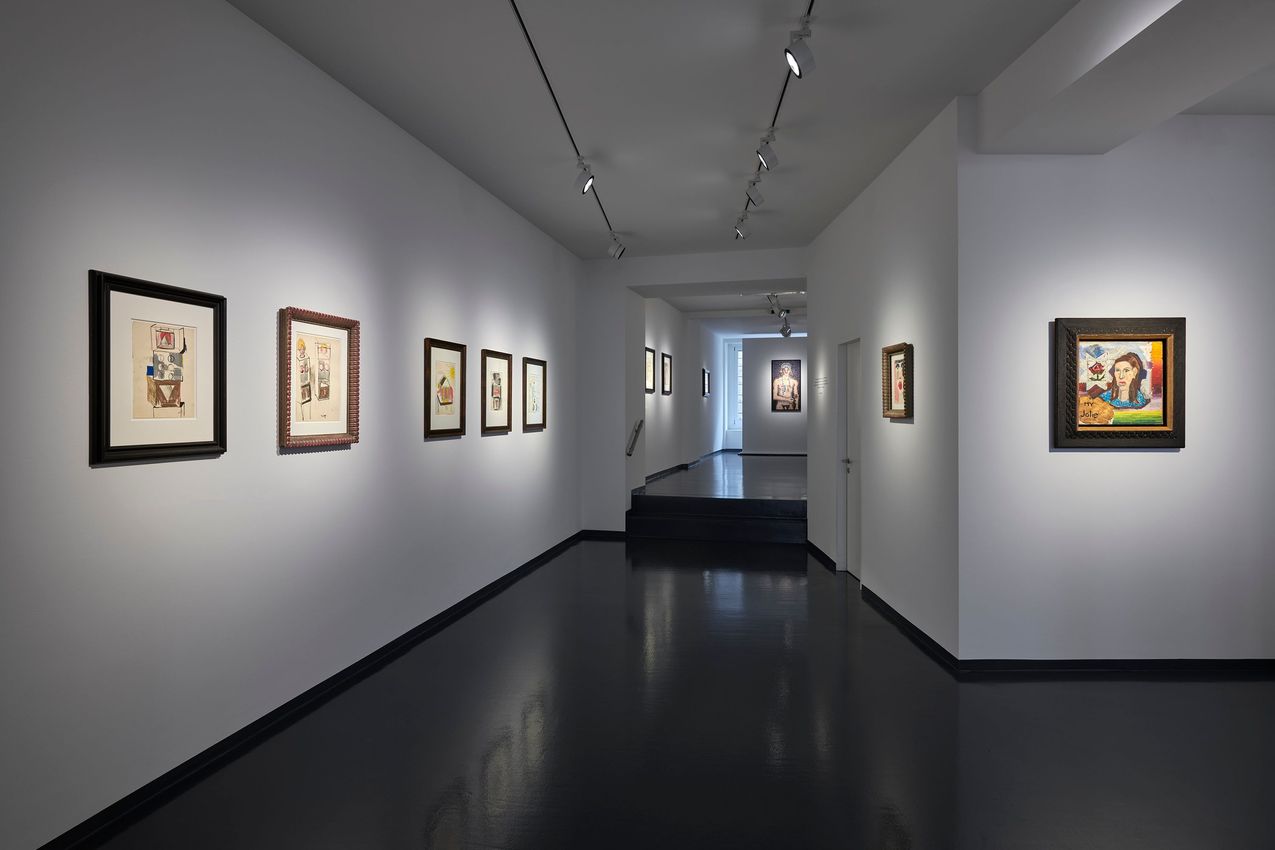
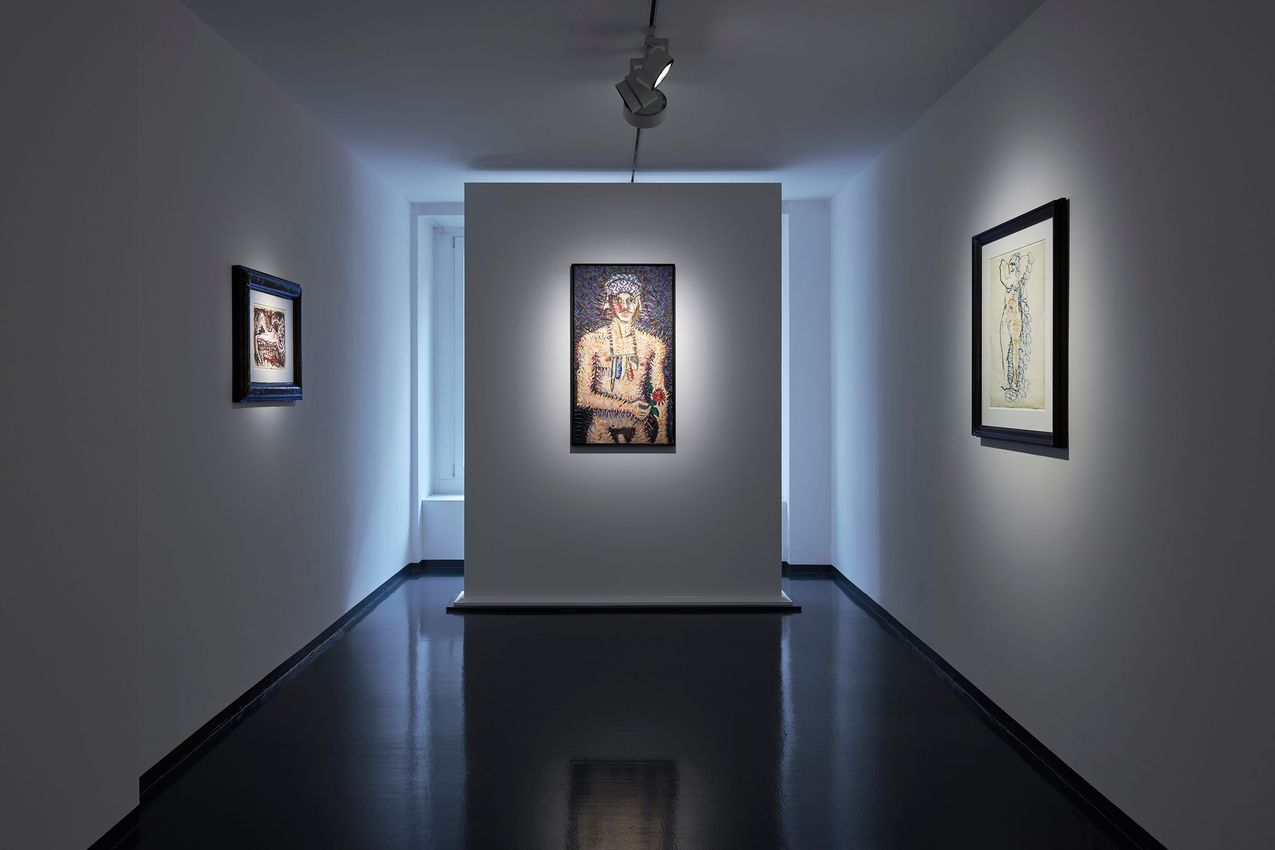
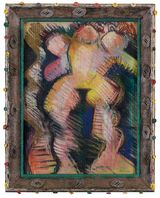
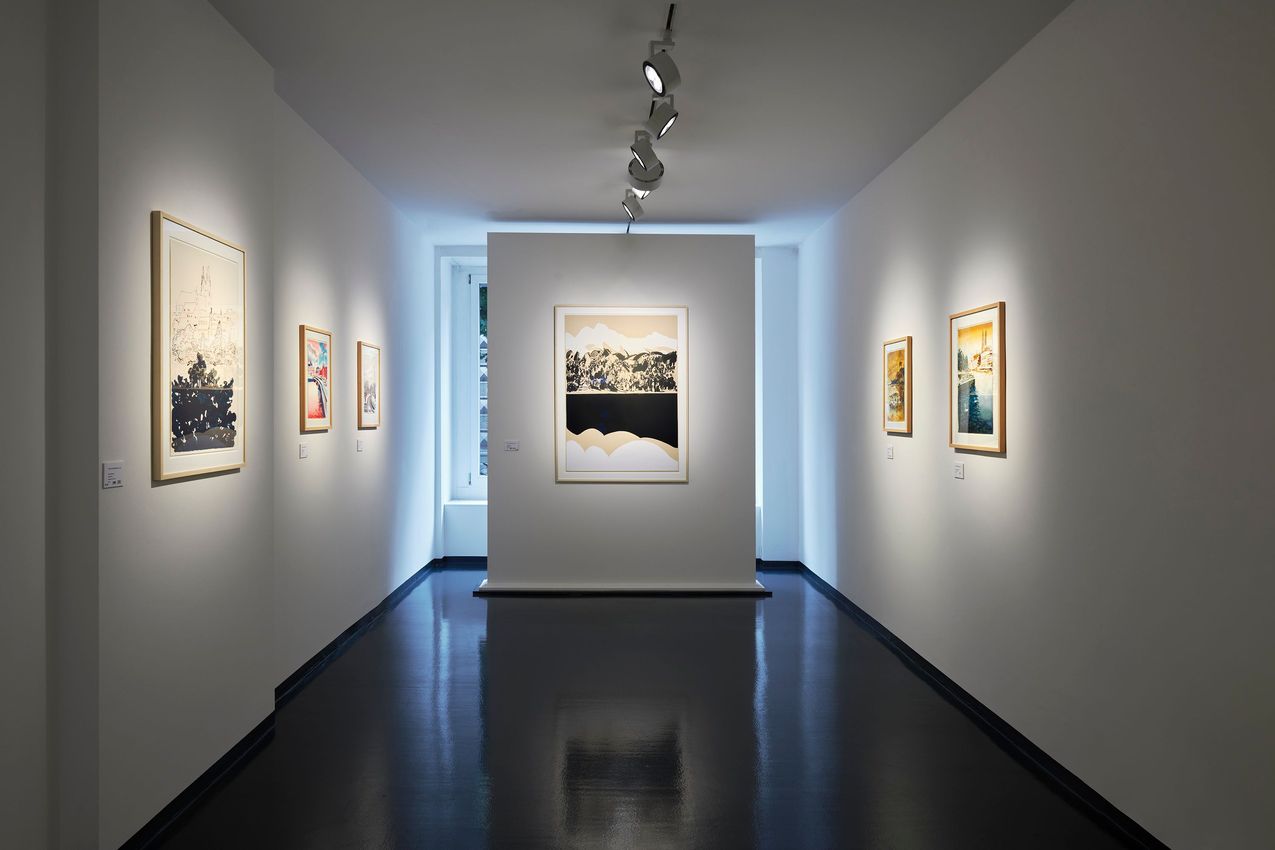
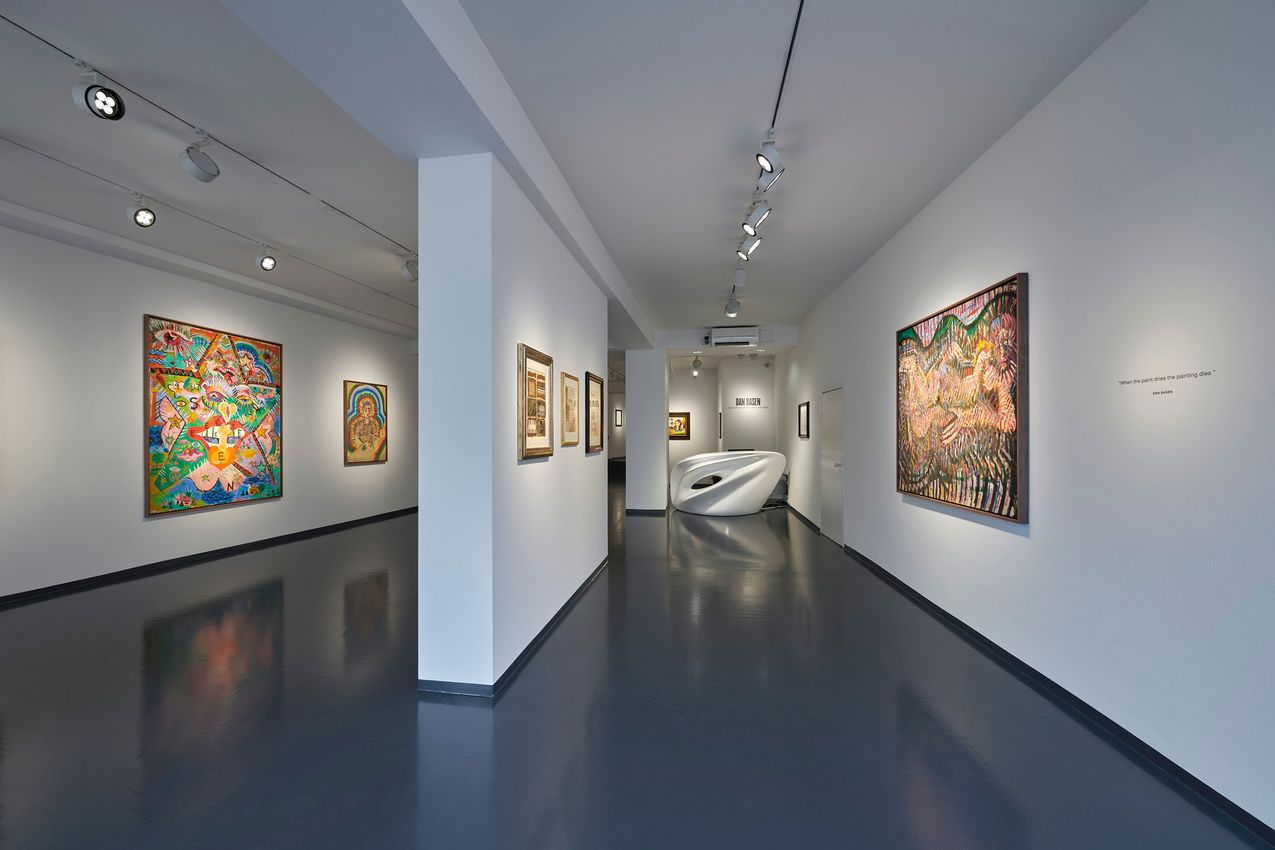
Dan Murray Basen (b. 1939–d. 1970) is a mercurial, enigmatic, and captivating figure who trafficked in the avant-garde Manhattan art world of the 1960s. Basen introduced the Happenings performance art movement to Baltimore in 1962 and performed with Beat poets like Allen Ginsberg. He orchestrated intermedia events in Manhattan and West Hartford, Connecticut during the mid-1960s. Basen rubbed shoulders with Fluxus artists like Al Hansen and American Modernists like Ed Giobbi. He also co-directed the Flame Gallery—an early underground venue that exhibited nascent artists like Les Levine, Walter De Maria and Bryce Marden before they became household names. Alongside Salvador Dalí, Basen helped narrate Charles Henri Ford’s experimental queer film classic, Johnny Minotaur (1971). He also exhibited his towering installations, wooden sculptures, motley paintings, and fantastical box constructions at Betty Parsons and the Allan Stone Gallery, which represented Basen throughout the decade.

Basen’s work was prominently shown in important museums including the Baltimore Museum of Art, the Corcoran Gallery of Art (Washington, D.C.), the Rhode Island School of Design Museum, the Whitney Museum of American Art, the Institute of Contemporary Art (Boston, MA), the Wadsworth Atheneum, and the San Francisco Museum of Art, amongst many others. He participated in some of the era’s most important and genre-defying group shows such as the Byron Gallery’s “The Box Show” (1965), showing alongside Arman, Arakawa, Andy Warhol, Sol LeWitt, and Louise Nevelson, amongst many others. In spring 1965, Allan Stone gave the twenty-year-old Basen a two-person show, pairing him with the Swiss assemblage artist Daniel Spoerri. Basen was collected and patronised by prominent collectors ranging from his long-time mentor and lover, Samuel J. Wagstaff, to the Metropolitan Museum of Art’s director, Thomas P.F. Hoving, to the American folk art collector duo, Howard and Jean Lipman, as well as Pop Art bastion Emily Tremaine Hall, the maverick Eugene Schwartz, and the ecumenical collector-politician, Nelson Rockefeller. Despite Basen’s temperamental nature, all were quite fond of Basen.

However, due to his tragic death at the age of 30, Basen was quickly eclipsed by art history. This was compounded by his refusal to remain satisfied with the restrictions of any one mode as Basen, lauded as a Pop artist during his early career, moved with ease from performance art to nouveau realisme and objet trouve assemblages to folk painting. This exhibition, the first major retrospective of Basen’s work, is thus a comprehensive and thoroughly researched endeavour. It is paired with an accompanying monograph published by Skira, Dan Basen’s Antiestablishment Expressionism.

Dan Murray Basen (1939-1970) was a captivating and largely overlooked artist of the 1960s downtown Manhattan scene. Though long neglected by art history, he left a lasting impression on those who knew him, friends, lovers, and fellow artists alike. He helped introduce Allan Kaprow’s Happenings to Baltimore, blurred the line between Pop art and Nouveau Réalisme, and exhibited alongside icons like Andy Warhol, Roy Lichtenstein, and Robert Rauschenberg. Yet he resisted easy classification, critiquing commercial Pop, dabbling in folk art, surrealist film, performance, and assemblage.

In September 2025, Editions Skira Paris published an art historical monograph on Dan Basen written by Ekin Erkan and featuring an introduction by Jonathan Katz.

Read More

Installation Views

Also Exhibiting at Galerie Gmurzynska

About the Gallery
GALERIE GMURZYNSKA is an international art gallery with locations in Zurich, Zug and St. Moritz, Switzerland, that specialises in modern and contemporary art as well as Russian avant-garde.

The gallery was founded in 1965 in Cologne, Germany by Antonina Gmurzynska. From the beginning, the gallery was interested in organising exhibitions that had a documentary character both through the choice of themes and through its publications.

In 1996 Mathias Rastorfer became a partner of both extensions of the gallery, having been with it since 1991 when he left his position as Associate Director at Pace Gallery in New York. Under his influence and in addition to the gallery’s traditional repertoire, the work of contemporary artists such as Donald Judd, Louise Nevelson and Yves Klein amongst others, was incorporated. Ten years later the gallery opened its third branch in St. Moritz at Via Serlas, in 2003.

Forty years after its establishment, Krystyna Gmurzynska and Mathias Rastorfer relocated the gallery from Cologne to its new flagship location in Zurich’s Paradeplatz in 2005. The building that currently houses the gallery dates back to 1857 and it is the same building in which the Dada movement was founded in 1917. The first exhibition in Zurich was a solo exhibition by Alexander Calder entitled, The Modernist, that was thoroughly endorsed by the Calder Foundation, which described it is as, ‘rare to experience a presentation of this quality outside of a museum’. As with each exhibition at the gallery the show featured a fully illustrated catalogue with important essays.

Galerie Gmurzynska continues to present unique exhibitions that are both historically well researched and scientifically documented. It also continues to work with leading art historians as well as collaborating with museums on exhibitions and for the enlargement of their permanent collections. Additionally, it currently participates in several art fairs such as Art Basel Miami Beach, Art Basel Hong Kong, Frieze Masters in London, Salon in New York and Art Basel, Switzerland. In the past it has taken part in FIAC, Abu Dhabi and PAD New York.

View Gallery Profile
Address
Paradeplatz 2
Zurich
Switzerland
Opening Hours
Mon - Fri, 10am - 6.30pm
Sat, 10am - 4pm
(1)
Zurich Paradeplatz 2
Galerie Gmurzynska
Paradeplatz 2, Zurich, Switzerland
+41 442 267 070
http://www.gmurzynska.com

Opening hours
Mon - Fri, 10am - 6.30pm
Sat, 10am - 4pm
The art world in focus