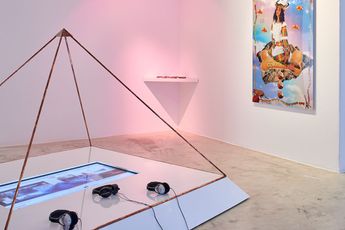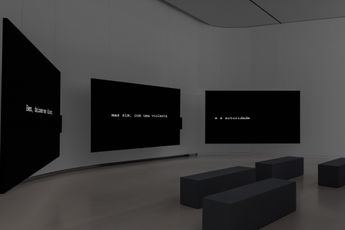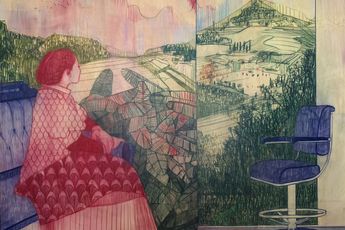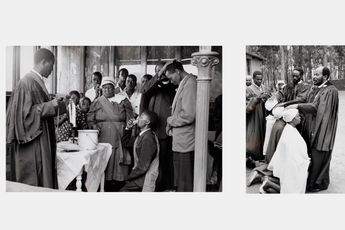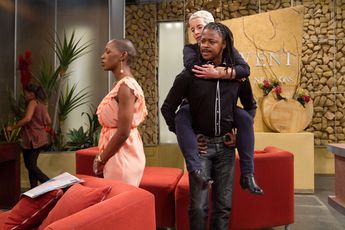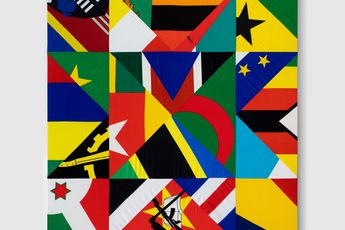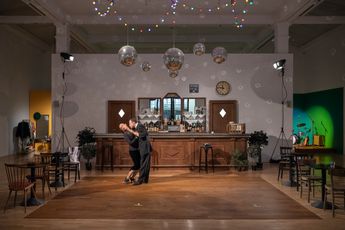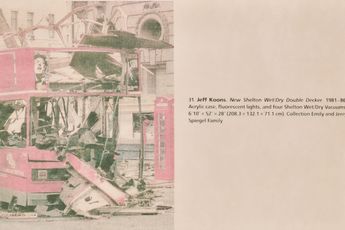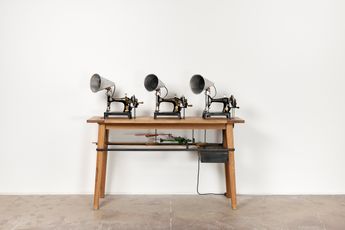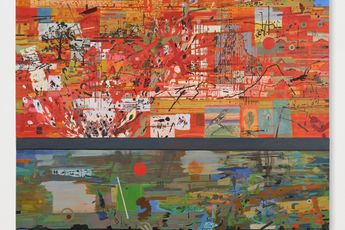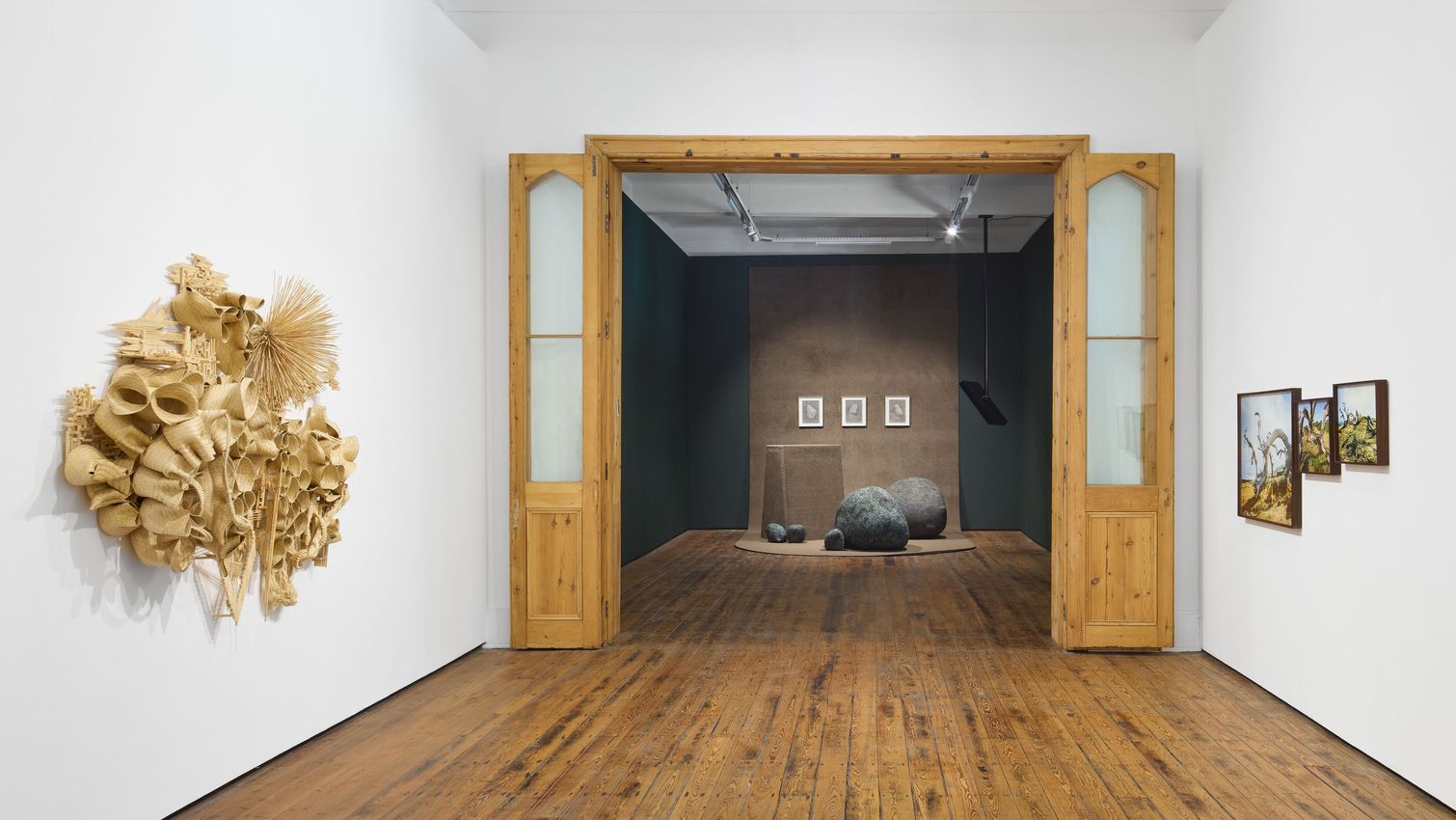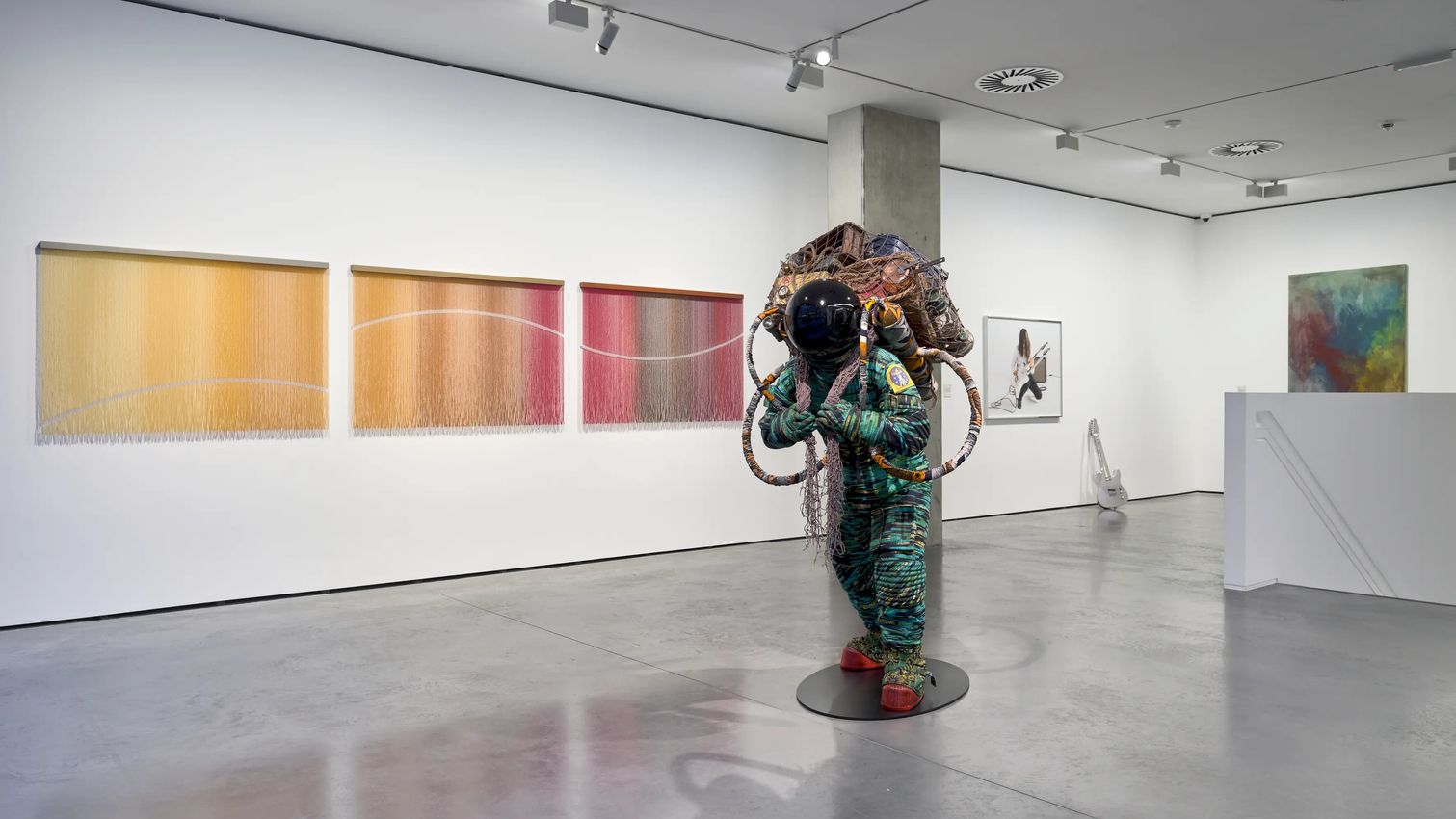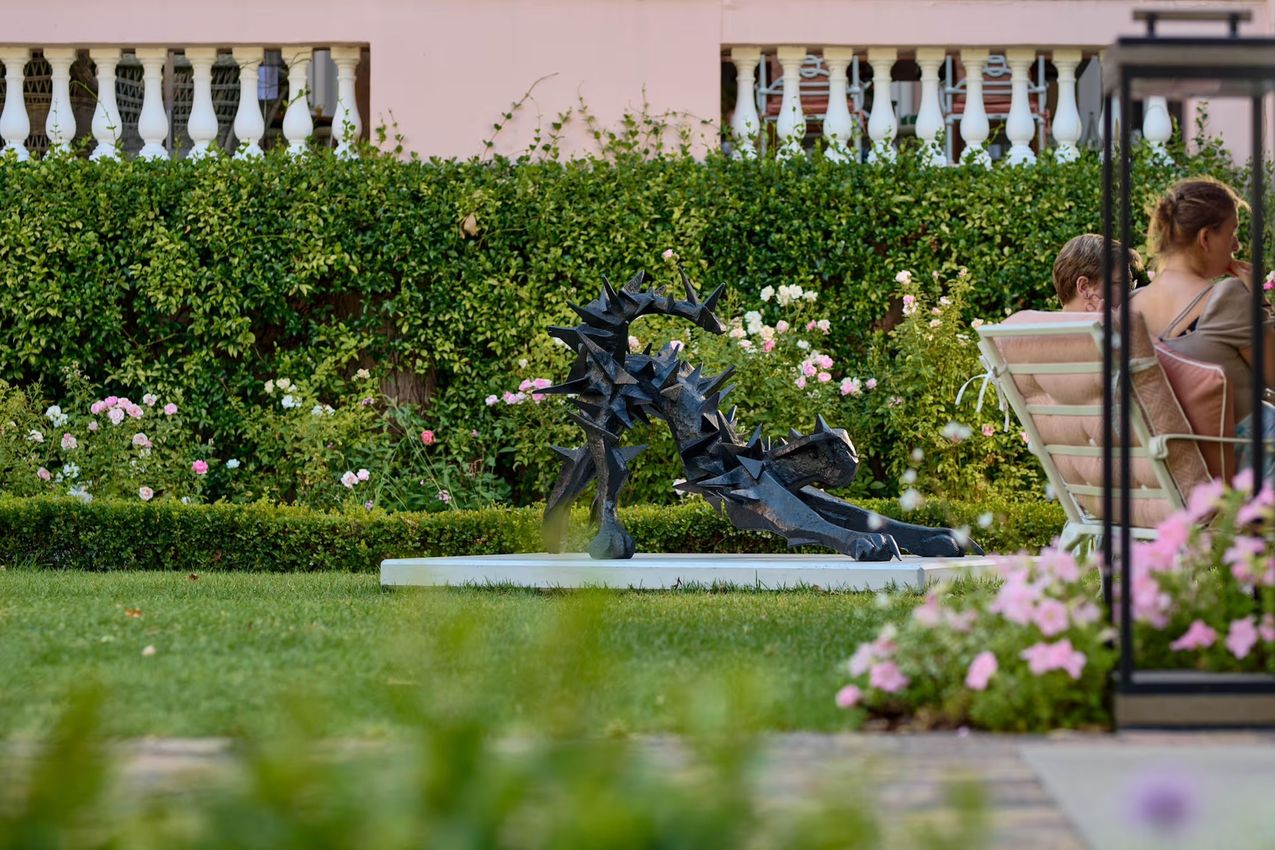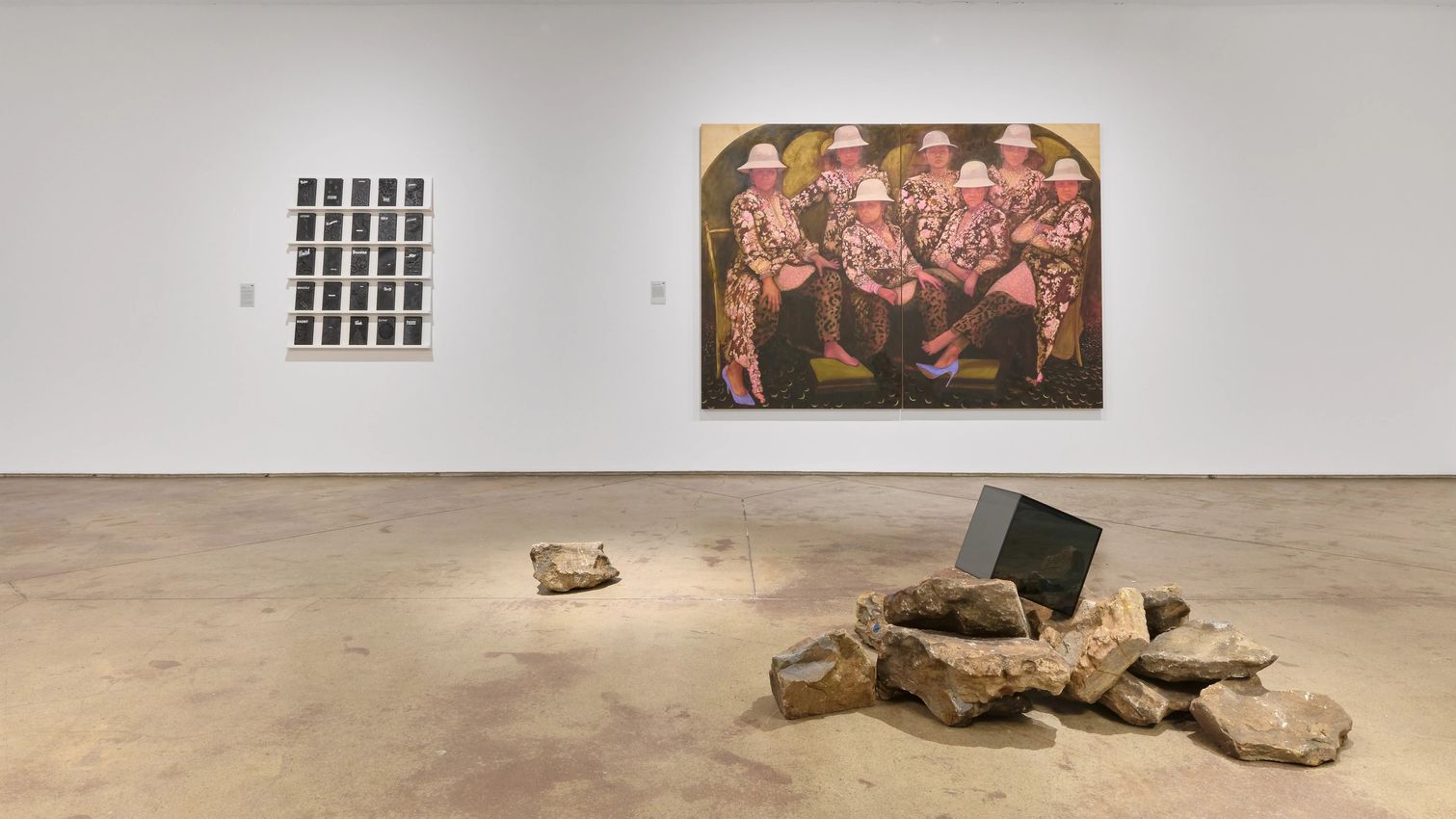
Goodman Gallery’s 60th-anniversary exhibition How to Live Together brings six decades of artistic innovation into dialogue with the present in Johannesburg, where the gallery was founded in 1966. Bringing internationally recognised artists together with a new generation of voices, the exhibition features significant historical works alongside ambitious new commissions by Pamela Phatsimo Sunstrum and others. Works by Ernest Cole, David Goldblatt, David Koloane, Grada Kilomba, Cassi Namoda and Hank Willis Thomas reflect the gallery’s longstanding belief in the possibilities created through the act of coming together, engaging questions of coexistence, difference, memory and social imagination.
“The 60th anniversary affirms Goodman Gallery as a living site of exchange, shaped by the rhythms of those who pass through it and by the belief that coming together remains a generative act.” – Liza Essers, Owner and Director, Goodman Gallery
Presented in Johannesburg, where Goodman Gallery was founded in 1966, How to Live Together brings together internationally recognised artists and a new generation of voices, reflecting on the gallery’s history as a cultural force from the Global South. The exhibition brings significant works from the twentieth and early twenty-first centuries into dialogue with ambitious new works created specifically for the anniversary. These include works by artists whose relationships with Goodman have extended across several years and, in some cases, decades, including David Goldblatt, David Koloane, Sam Nhlengethwa, Candice Breitz and Mikhael Subotzky.
The exhibition features landmark installations including Grada Kilomba’s Compressed Time (2024), previously seen at Museo Nacional Reina Sofía, Spain, and Instituto Inhotim, Brazil, and Zineb Sedira’s acclaimed Mother Tongue, which is held in the Tate collection. Also presented are works from Dor Guez’s S_canogram #1_ series (2010), examples of which are held in the Centre Pompidou collection, alongside new and recent works by Pamela Phatsimo Sunstrum, Cassi Namoda, Hank Willis Thomas, Tabita Rezaire and others. These appear alongside significant historical works, bringing the gallery’s history into conversation with emerging ideas and future possibilities.
Conceived as part of a shared yet locally responsive project across Johannesburg, Cape Town and London, How to Live Together draws on the notion of “idiorrhythmy”, a term originally used to describe monastic life on Mount Athos, where community was shaped around respect for individual rhythms. Roland Barthes later reimagined the idea in his 1977 lecture series How to Live Together as a model for coexistence grounded in attention, listening and mutual regard rather than enforced synchrony.
The Johannesburg exhibition extends beyond the presentation of artworks through an expanded programme of conversations, film screenings, listening sessions and participatory projects, reflecting the gallery’s longstanding role as a site of assembly and cultural exchange. Grada Kilomba will join composer Neo Muyanga for a special evening of conversation and musical dialogue. Kudzanai Chiurai’s The Library of Things We Forgot to Remember, previously presented at institutions such as Palais de Tokyo, transforms the gallery entrance, bookshop and café into a living space for listening and exchange.
An outdoor film programme will take place under Johannesburg skies at the Nine Yards amphitheatre (with a parallel screening at Goodman Gallery Cape Town’s courtyard). It will also include Whisky Talks: intimate public conversations staged in dialogue with William Kentridge’s nine-part film series Self-Portrait as a Coffee-Pot. The format builds on the Midnight Whisky Talks presented at the Arsenale Institute for Politics of Representation during the 2024 Venice Biennale, bringing invited guests together for improvisational philosophical dialogue.


Goodman Gallery is an international contemporary art gallery with locations in Johannesburg, Cape Town and London. The gallery represents artists whose work confronts entrenched power structures and inspires social change.

A respected voice in contemporary art discourse.
Focusing on ambitious storytelling and insightful art-world commentary. Ocula Magazine publishes in-depth interviews, critical essays and timely analysis on the artists, exhibitions and ideas driving the global art world.
Learn more about Ocula Magazine
Showcasing the best of the art world.
Ocula partners with galleries from around the world to highlight their artists, artworks and exhibitions. Gallery membership is by application and invitation, with each member vetted by an independent panel.
Learn more about Ocula Membership
Specialises in the sale of major artworks.
Led by a team with deep ties to the world’s leading auction houses, galleries and collectors. Ocula’s advisory team offers bespoke services to high-net-worth clients from around the world who are looking to acquire the best of contemporary and modern art.
Learn more about our team and services