The art world in focus
Subscribe to our newsletter for news and insights on artists, galleries and exhibitions.
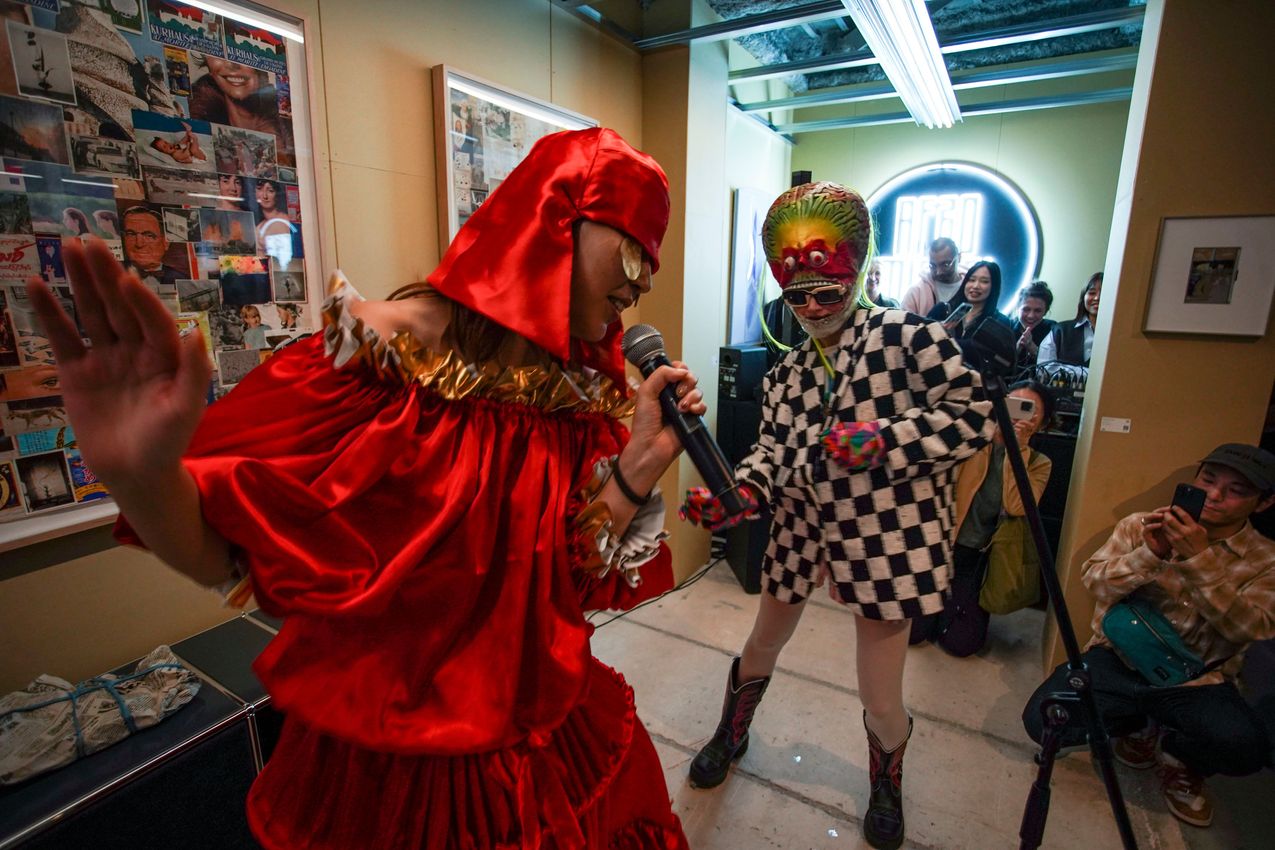
Yoshitomo Nara, whose auction record of US$24.9 million was set in Hong Kong in 2019, and Yayoi Kusama, whose latest record was set during the New York auctions last week at US$15.1 million, are familiar measures of Japanese art’s reach abroad. They tell us less about the audiences supporting art at home: in 2023, 84 percent of Japanese dealers’ sales by value went to buyers in Japan, to local artists less commonly found in glitzy auction sales abroad. The country has no Art Basel or Frieze fair, and relatively few major international galleries hold permanent spaces in Tokyo. International art has nonetheless long had an audience in its museums. European modern painting remains a familiar crowd-pleaser in Japan’s art institutions, from works held in collections to major loan shows, often co-organised with national newspapers and broadcasters.
Amid this global recognition and domestic support, Art Week Tokyo was launched by gallerist Atsuko Ninagawa and collector Kazunari Shirai in 2021, with the aim of raising the profile of Japan’s own art scene at a time when Hong Kong and Seoul seemed to dominate the itineraries of art-seeking international visitors. The 2026 event was a five-day event this November, with a city-wide programme linking exhibitions and events at 56 museums, galleries and art spaces across the Japanese capital, organised in collaboration with Art Basel with support from Japan’s Agency for Cultural Affairs and the Tokyo Metropolitan government. This year’s Art Week Tokyo opened against a backdrop of anti-war protests, the country’s largest in more than a decade, rallying against the directive from Prime Minister Sanae Takaichi to increase defence spending and revise the constitution.
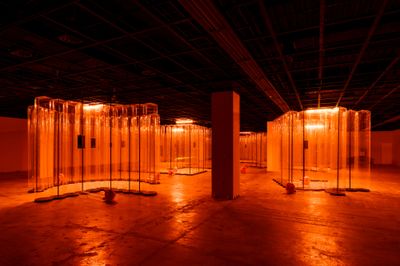
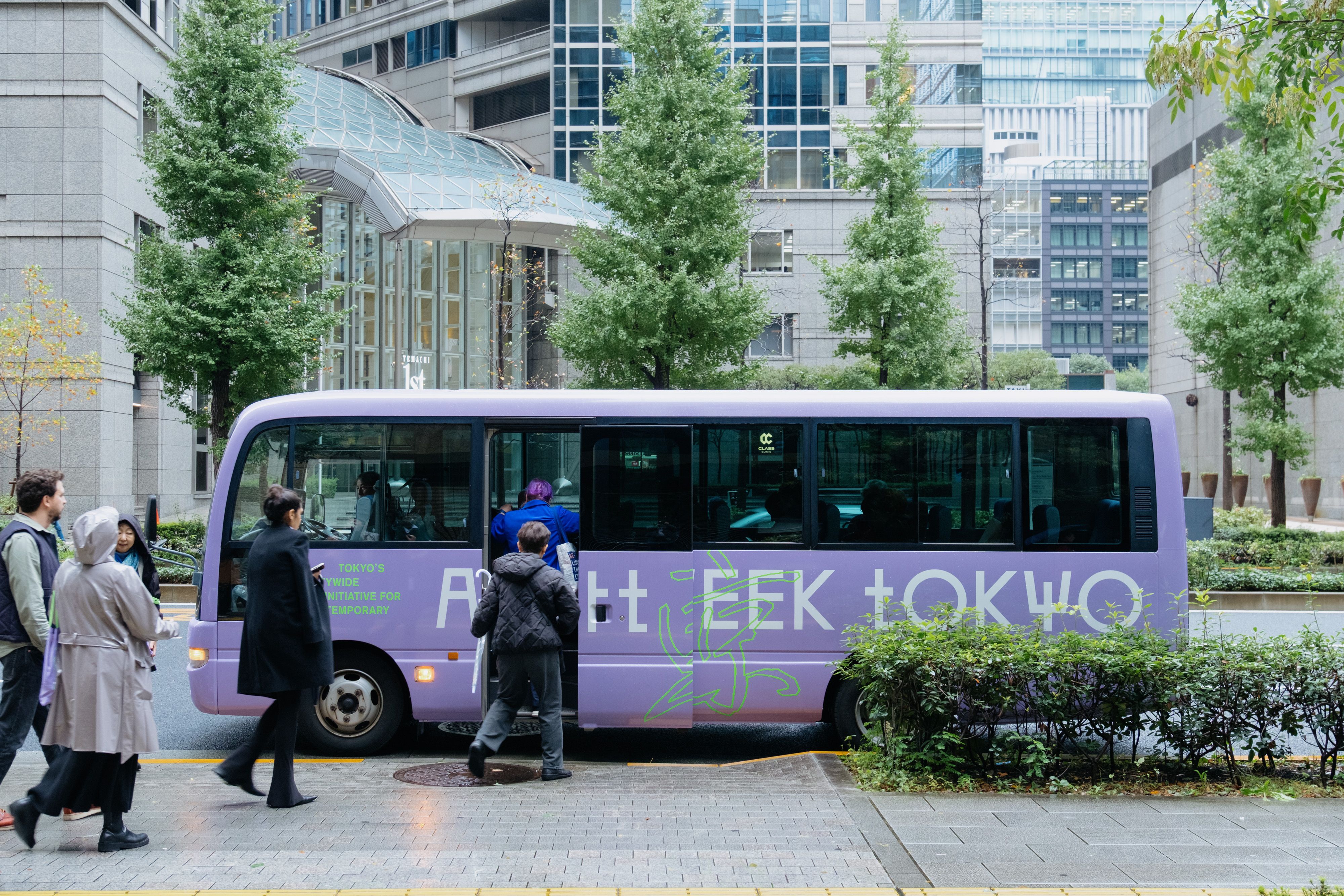
Free buses helped visitors crossed a metropolis where galleries form separate clusters, with long stretches of the city between them. The commercial gallery-count in wealthy neighbourhood Roppongi grew denser this year when KAYOKOYUKI moved from its Komagome warehouse into the Piramide building. Art Week Tokyo’s Focus presentation, meanwhile, spread out: what was previously one central exhibition overseen by a single curator became 10 curator-led projects in existing galleries and art spaces, including British writer and curator Ekow Eshun’s presentation of artist Julianknxx’s work at space Un, How Much Light Must I Consume?, which separated a dismantled piano’s workings from its frame while disembodied voices move between the parts.
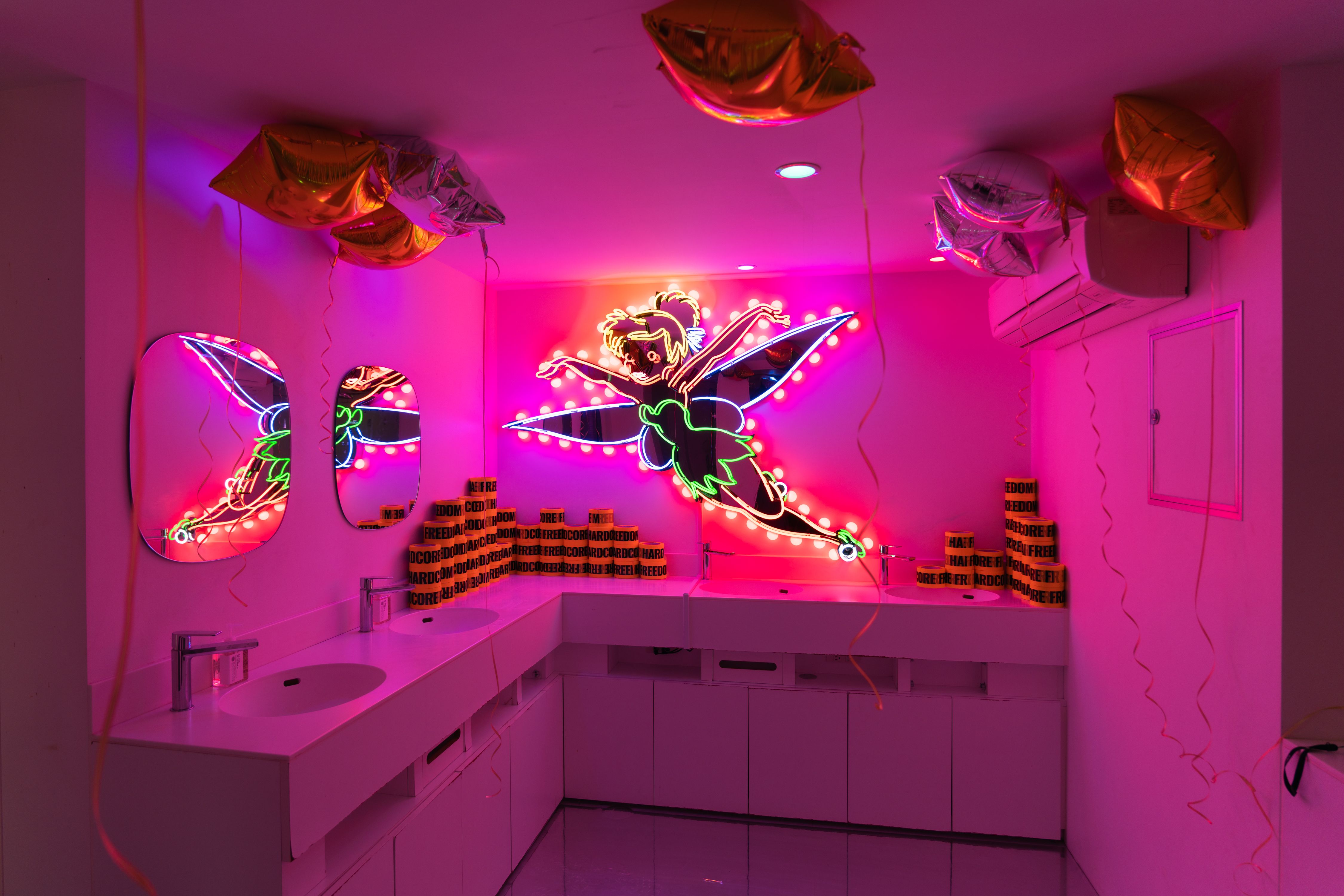
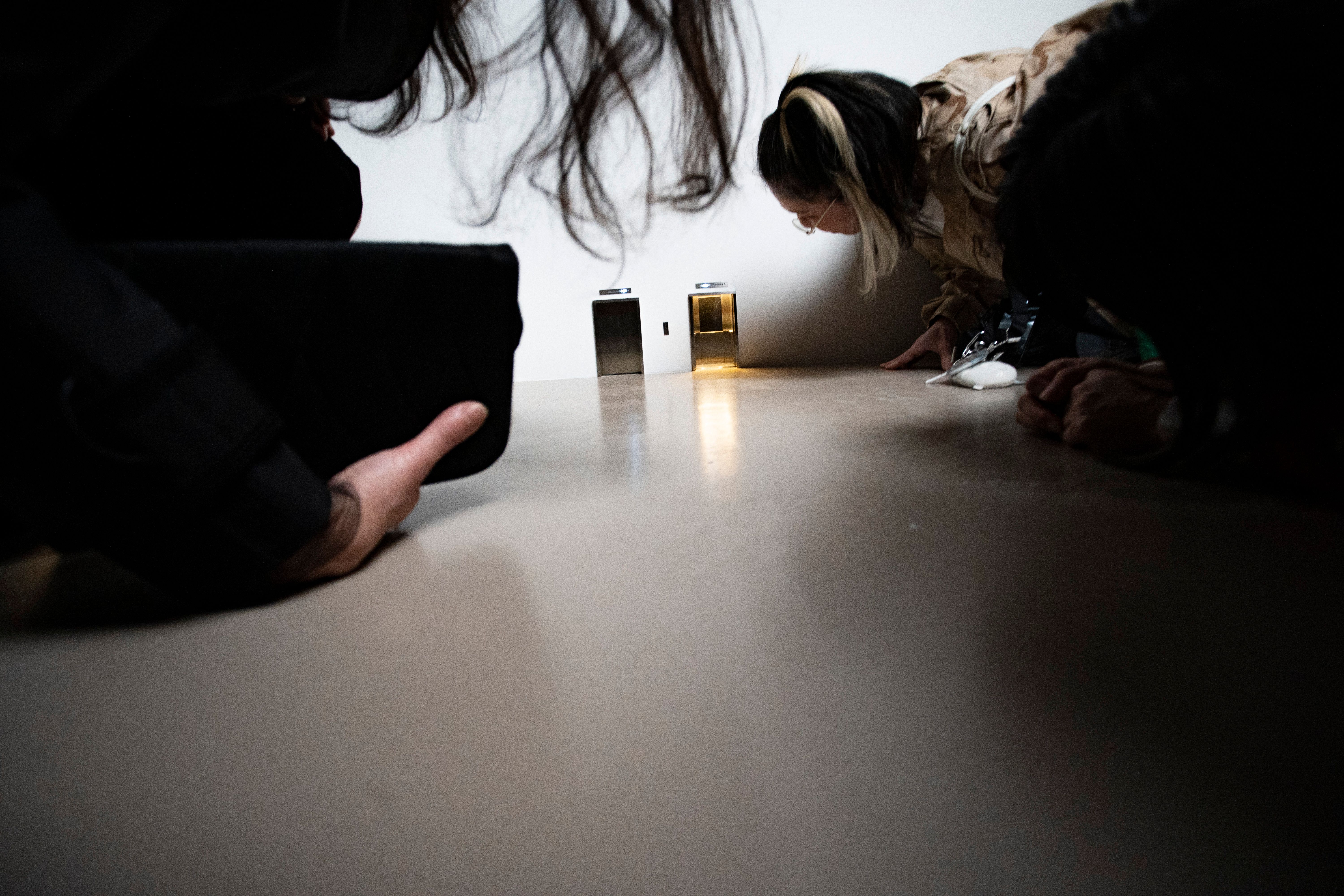
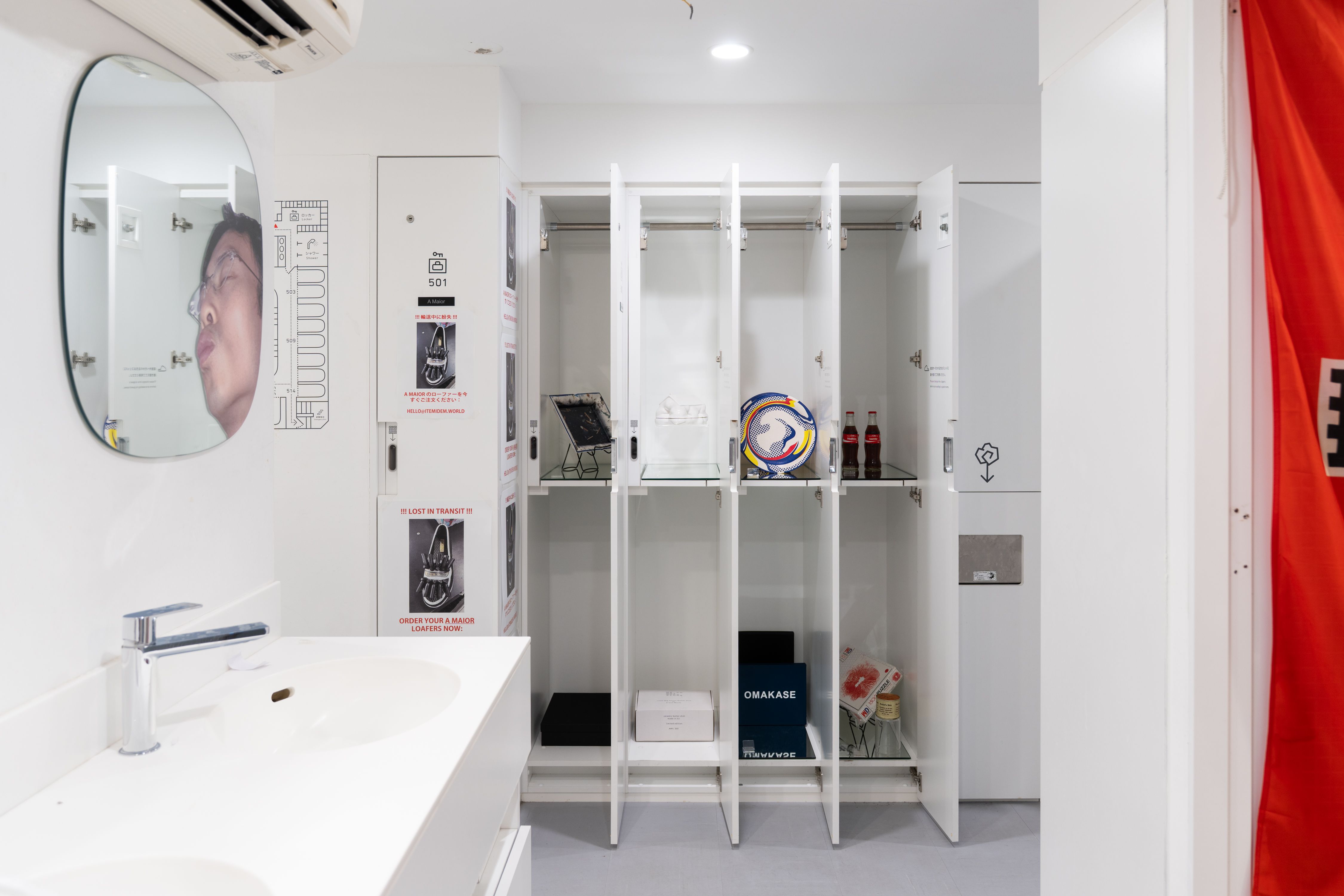
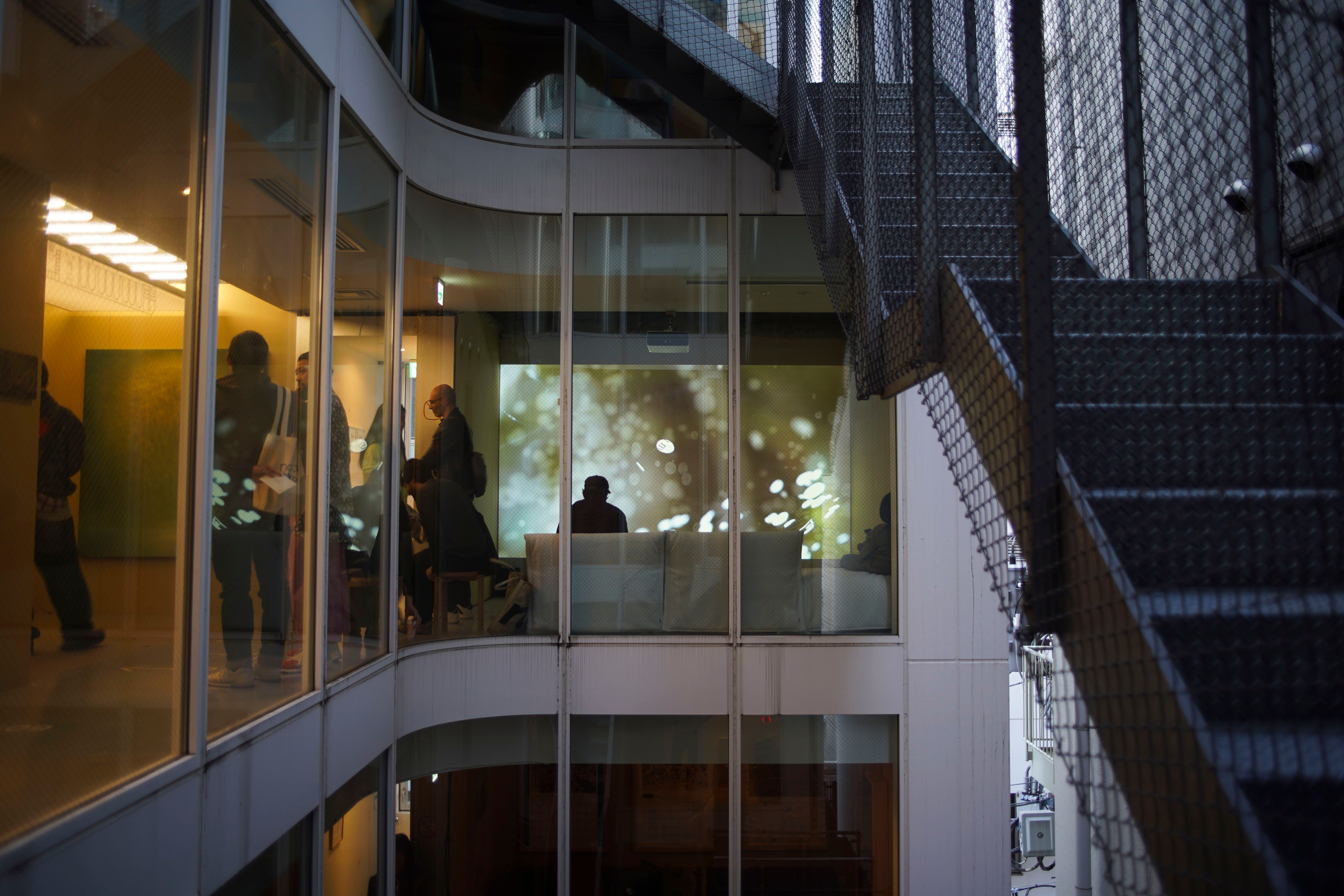
In the downtown district of Jimbōchō, books on cosmology and illustrated guides to minerals sat in the windows of second-hand bookshops. Down Suzuran Street, independent bookshop Passage was pioneering a new way of selling books: each shelf was rented and stocked by a writer, critic or booklover. The neighbourhood was the perfect setting for Tokyo Jazz Club, an inaugural alternative art fair launched by two of Basel Social Club’s co-founders. In partnership with Art Week Tokyo, it occupied all eight floors of a former capsule hotel opened in 2018 and designed by Akihisa Hirata, an architect famous for his “tangled” architecture that blurs inside and outside.
I squeezed into a narrow bathroom to see Jacopo Mazzetti’s light installations in the communal showers, then rested for a moment in a tiny “living room” with tarot cards on the table and an inky landscape by Gabriel Orozco, drawn on a roll of toilet paper, WC Landscape Scroll (2026). Then I crawled into a former sleeping capsule to hear Jan A Eckert’s audio work Perhaps Silence (2026), which integrates the electrical activity of plants, microorganisms and soils.
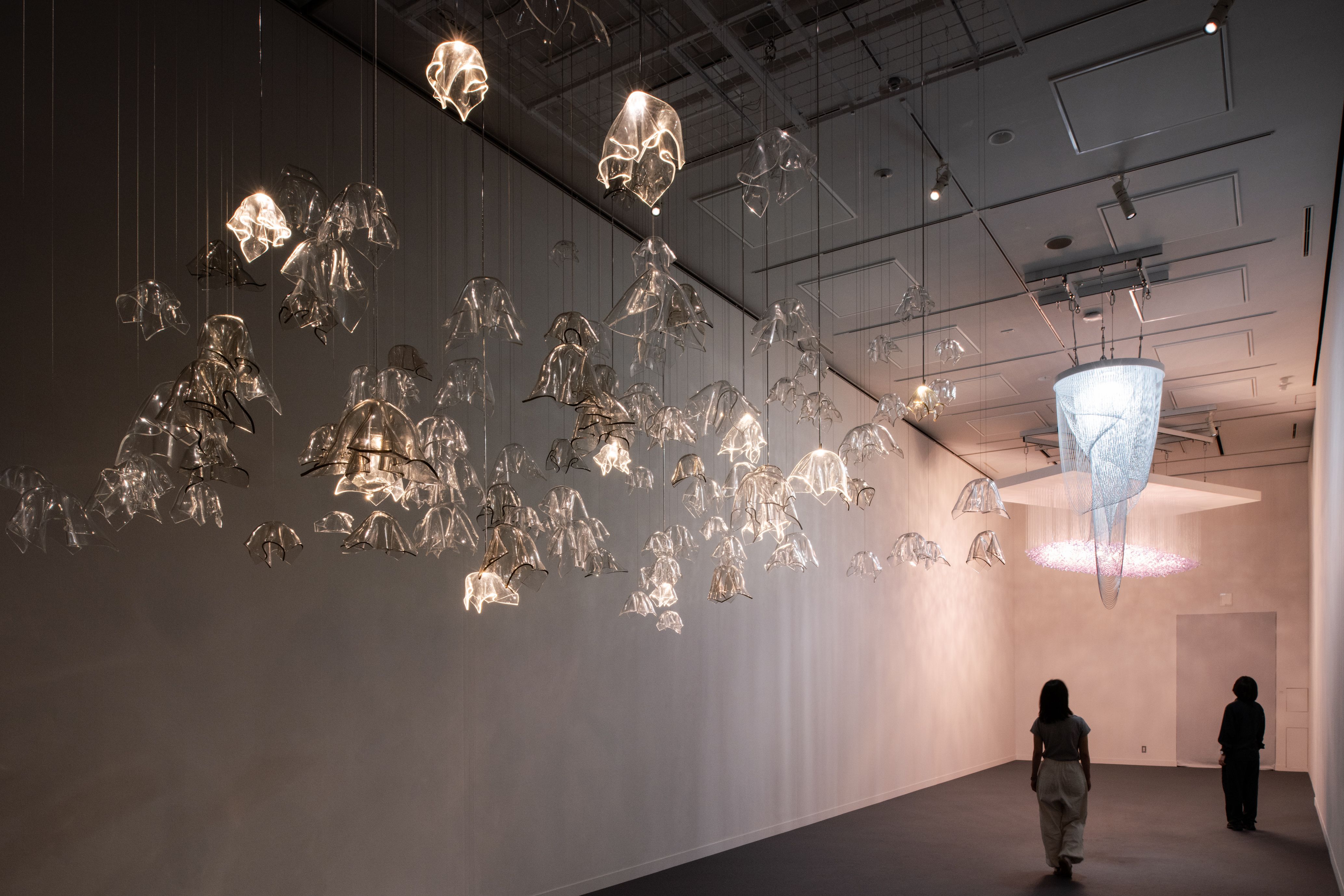
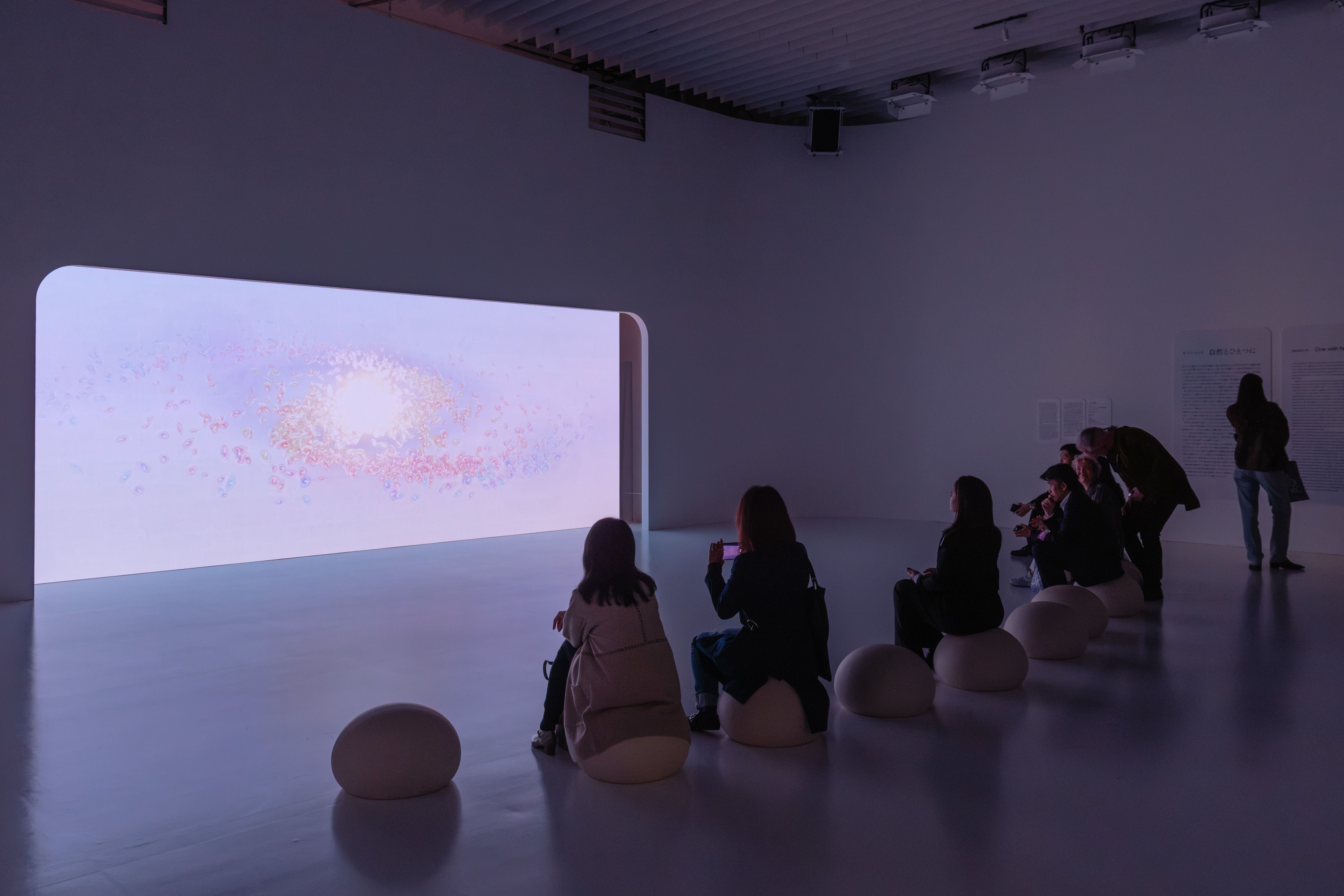
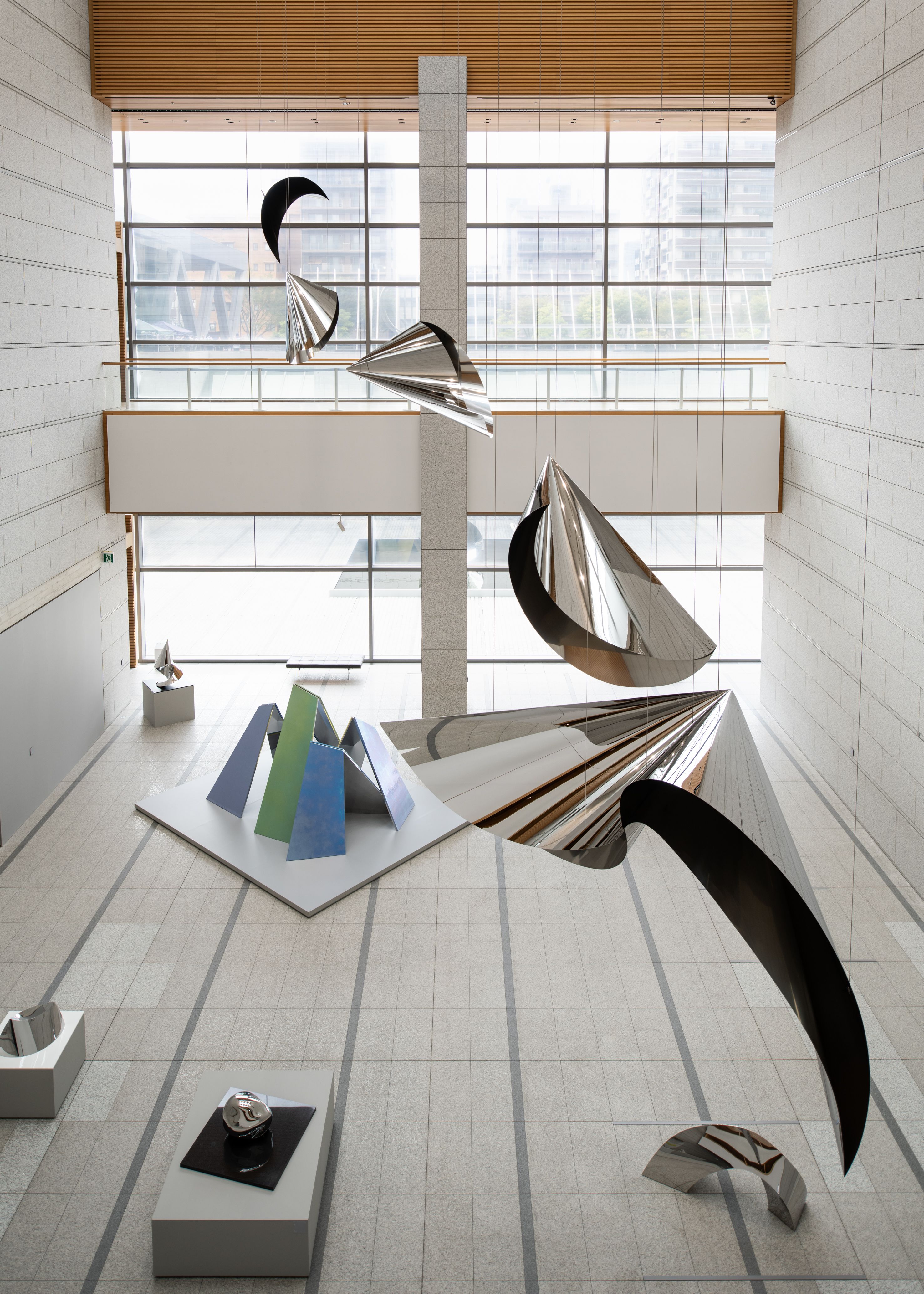
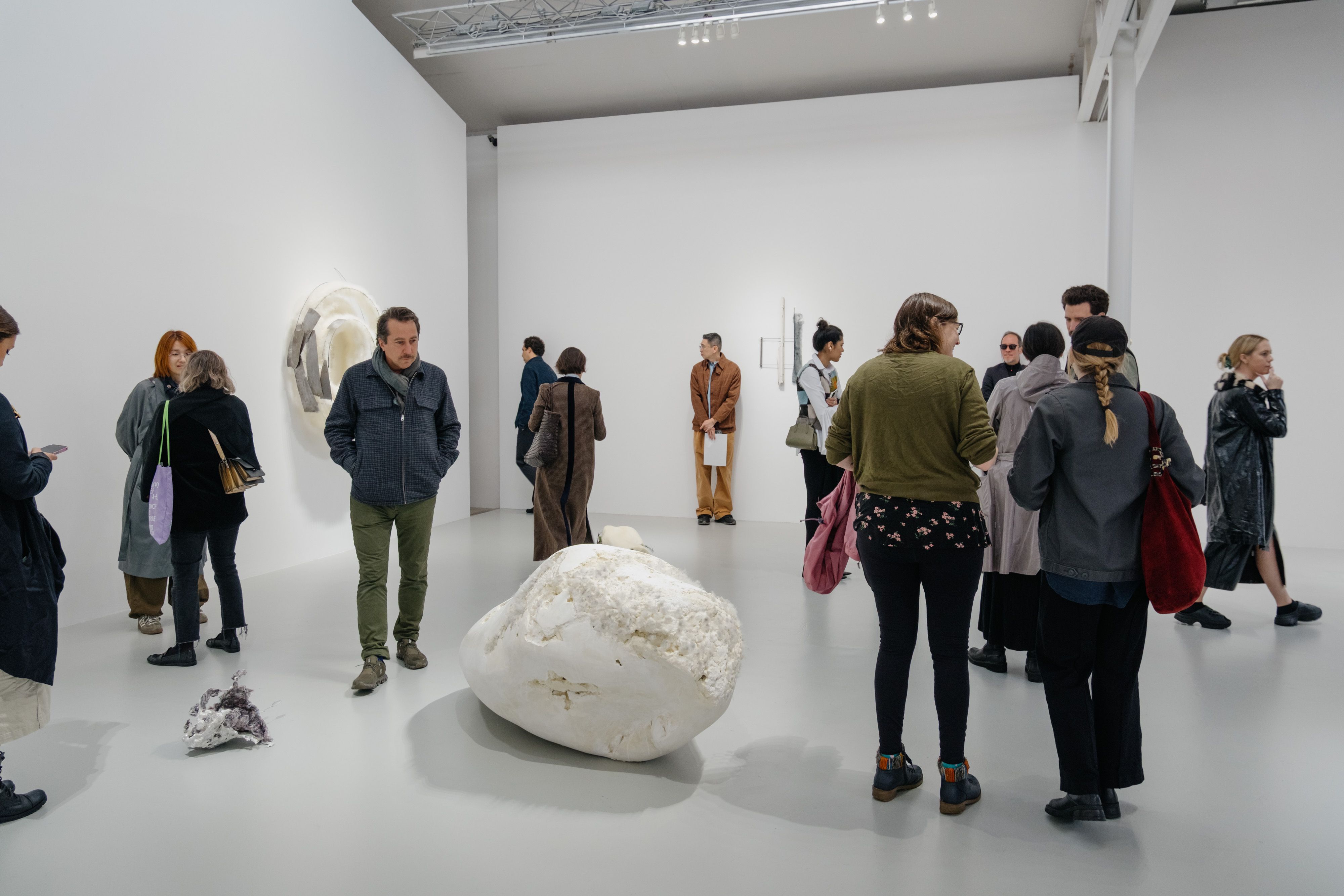
Beyond the European modern painting that often draws crowds to the capital’s museums, Tokyo’s art week brought homegrown art history to the fore. At the Museum of Contemporary Art Tokyo, which in past years has given David Hockney and Sol LeWitt major solo shows, I found a different post-war history in Japanese artist Tada Minami’s sculptures. A full-scale reconstruction of Chaindelier (1963), made from ball chains from a Ginza salon, showed how she carried abstraction into everyday architecture through industrial materials and light.
Elsewhere, I was surprised to find the National Art Centre marking its 20th anniversary with Shojo Manga Infinity, telling another history of post-war Japanese visual culture through comics that generations of girls across Asia and beyond have grown up reading. Original drawings by Moto Hagio, Ryoko Yamagishi and Waki Yamato, three manga artists central to the genre’s expansion during the 1970s, appeared alongside issues of Ribon and Margaret. A ballet costume recreated from Yamagishi’s Terpsichore stood among the pages. While I felt nostalgia for these works—a volume of Yamagishi’s horror manga is still by my bed—the number of shows I saw devoted to mid-career and established artists made me wonder where younger artists are finding space to work on their own terms.
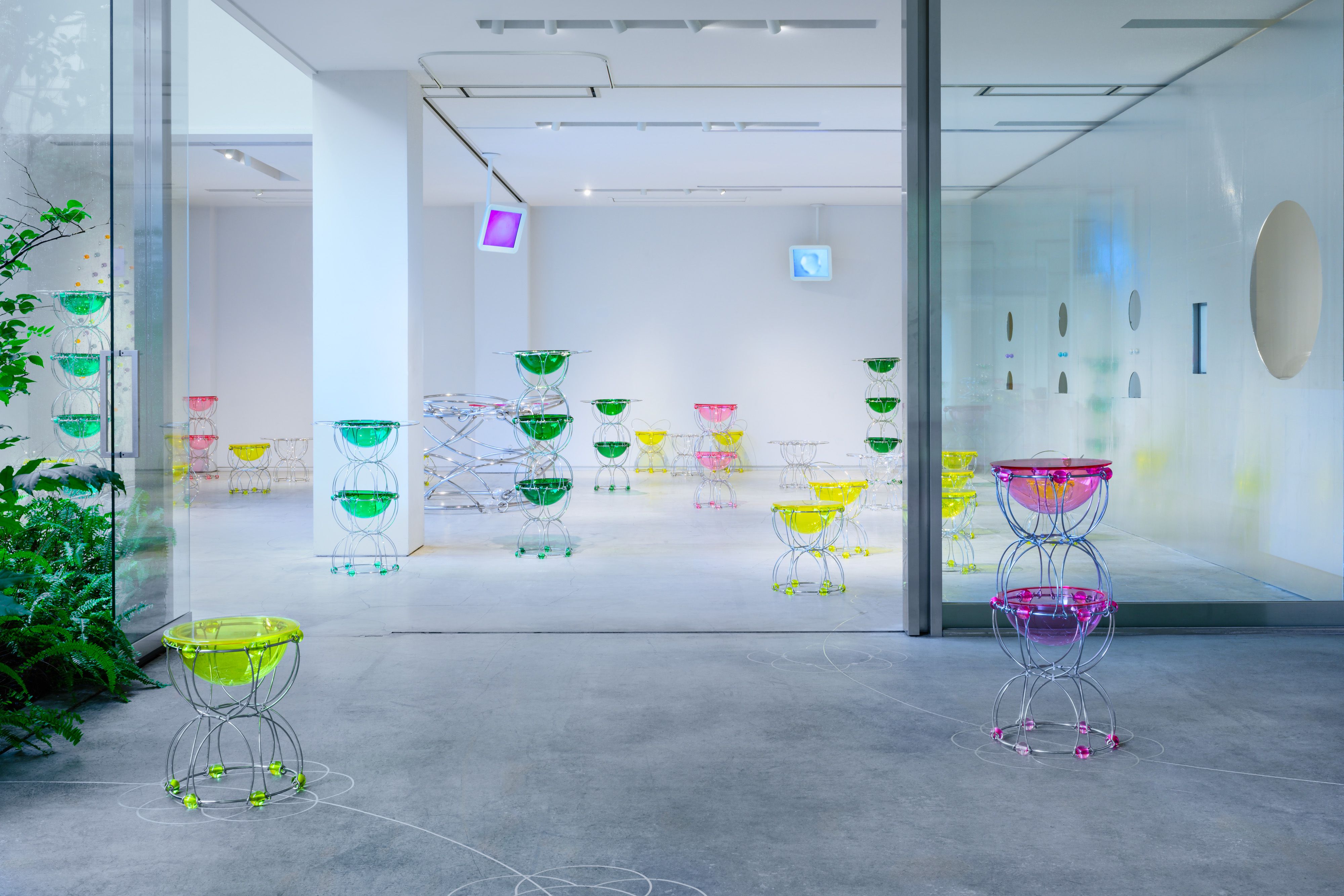
Tokyo Opera City Art Gallery’s Seeds and Roots: How to Cultivate a City stood out, bringing several younger artists into its main galleries to explore the ecologies taking shape in the city’s overlooked spaces. And on the top floor of the shopping complex Shibuya PARCO, I heard Jun Togawa, a prominent figure in the avant-garde music scene that emerged in Japan during the 1980s, revisit her songs with pianist Kei Ookubo. MES, an artist duo whose members were born in the 1990s, curated the night—they have worked as laser video jockeys in Shibuya nightclubs, some of which have since closed. On the fourth floor, their exhibition RE-I looked further back: one video films a former US military house near Yoyogi Park, now a café, with a thermal camera.
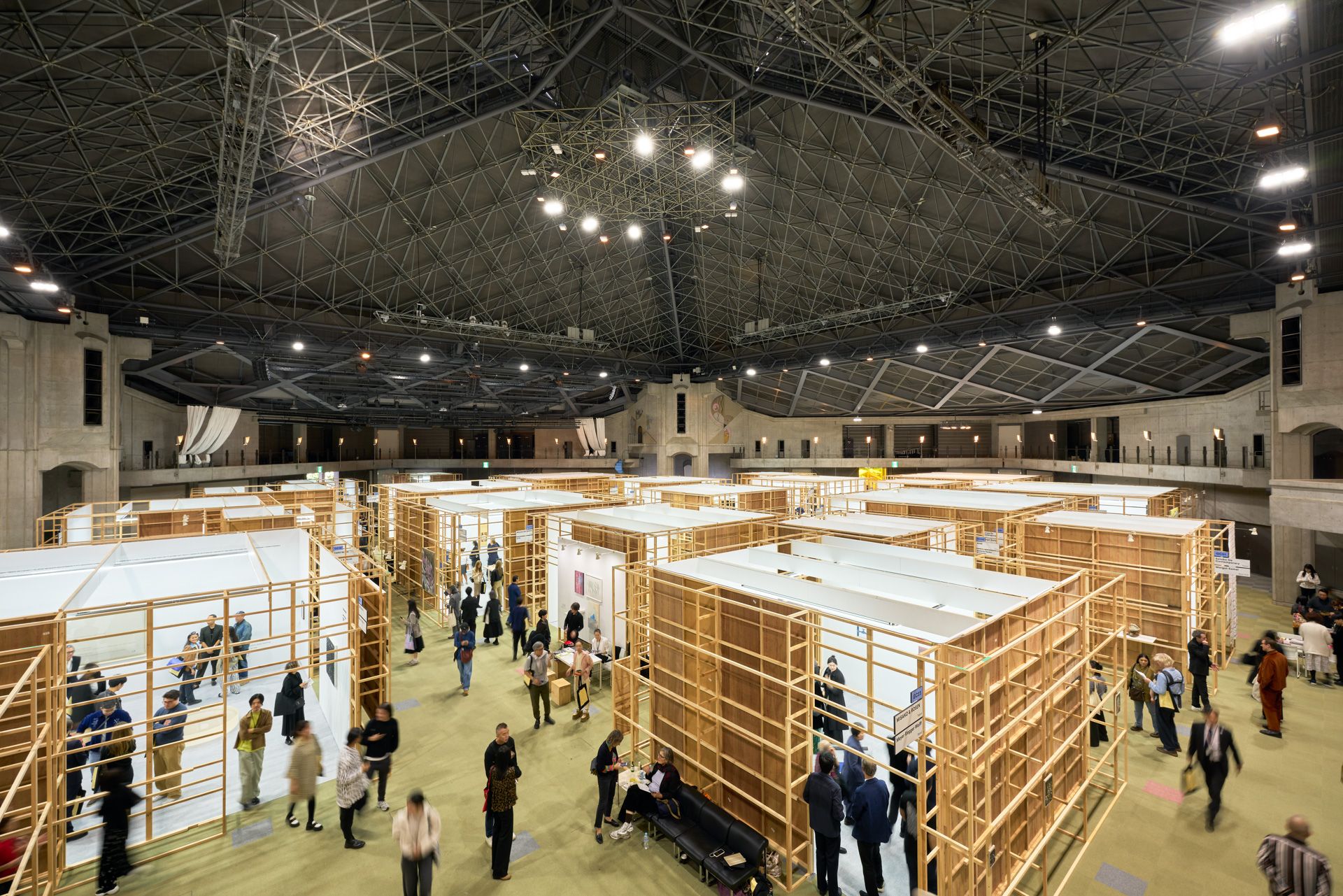
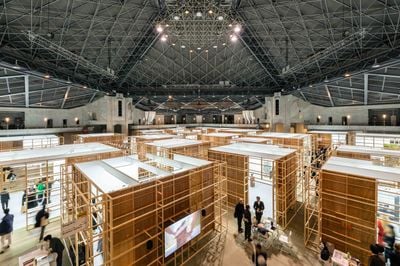
Art Collaboration Kyoto opened midway through Tokyo Art Week, so I left some galleries unseen and took a bullet train to the city that was once Japan’s imperial capital. Now in its sixth edition, the Kyoto fair operates a unique model whereby it pairs local galleries as hosts with overseas galleries as guests. In the Kyoto International Conference Centre, 25 hosts shared timber-framed booths with 27 guests, while a further 11 paired booths could be found in an adjoining hall. Some booths sat back-to-back, while works on their outer walls extend into the aisles. It offered an intimate viewing experience and, perhaps for the first time at a fair, I could see every booth.
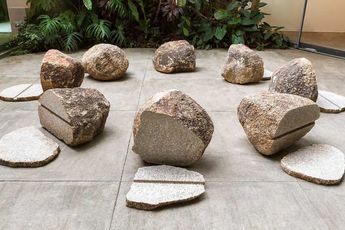
The halls were busy without feeling crowded. On the fair floor I heard mostly Japanese, with snatches of Korean and Mandarin. A Gallery Hyundai representative told me it would have been difficult to exhibit in Japan without Japanese-speaking staff, as their host helped to bridge the language gap. At the booth it shared with Tokyo Gallery + BTAP, Seung-taek Lee’s work sat alongside that of the Mono-ha artists Kishio Suga and Susumu Koshimizu, bringing Korean and Japanese post-war approaches to materials together.
Smaller paintings and installations predominated. Tokyo’s Taro Nasu and Hauser & Wirth (the latter making its ACK debut) devoted a booth to text, while the contemporary jewellery shown by KANEGAE and ATTA held its own. There were many curious first-time visitors, as well as first-time exhibitors. The dealers I spoke to seemed unusually relaxed—much more than those I’ve met at larger international fairs—and excited to be there, many saying that new connections mattered more to them than immediate sales here. With its relaxed atmosphere, the fair also drew first-time buyers who might otherwise stay away from larger events.
“At times, the curated version of Japan that I encountered felt almost too perfect”
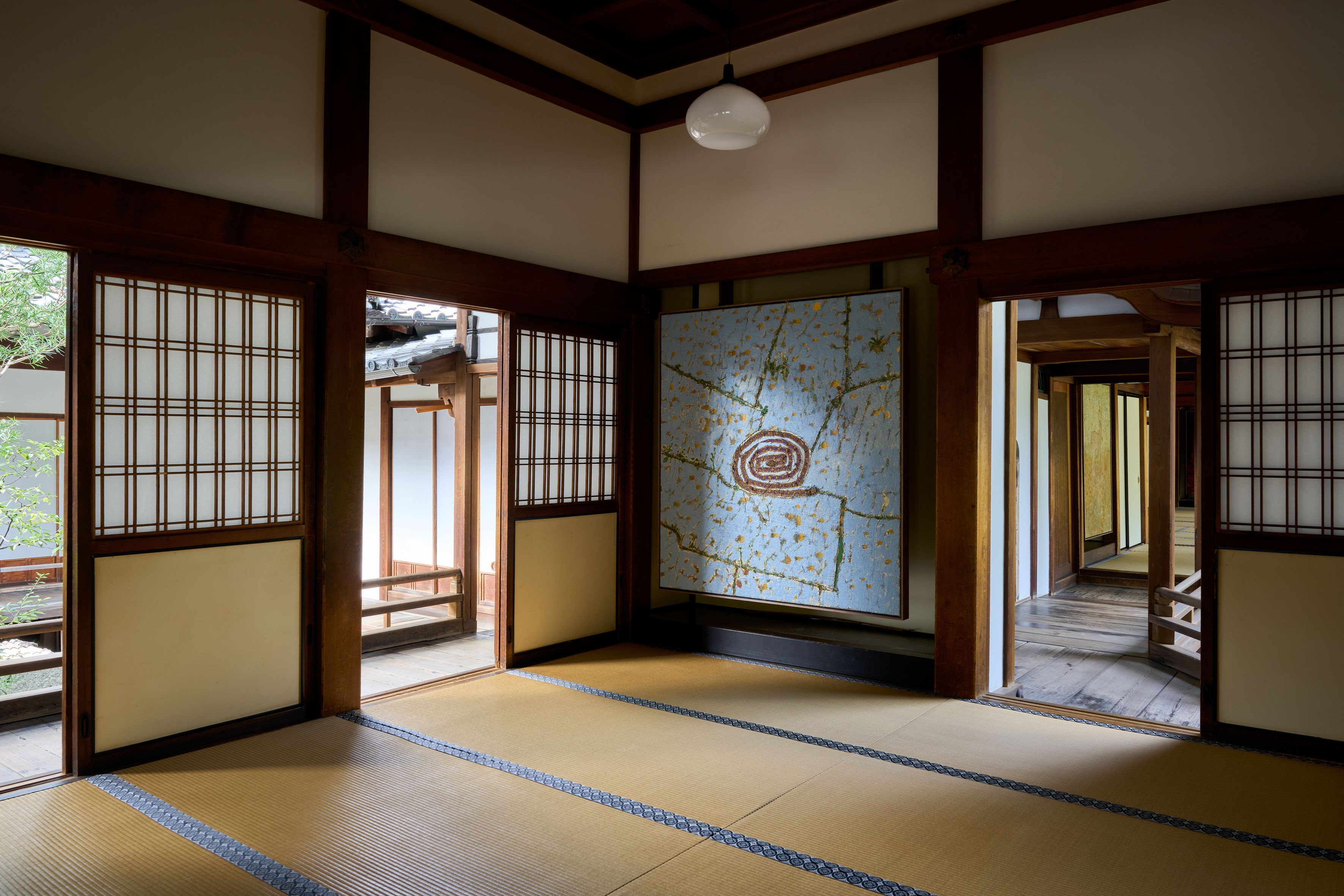
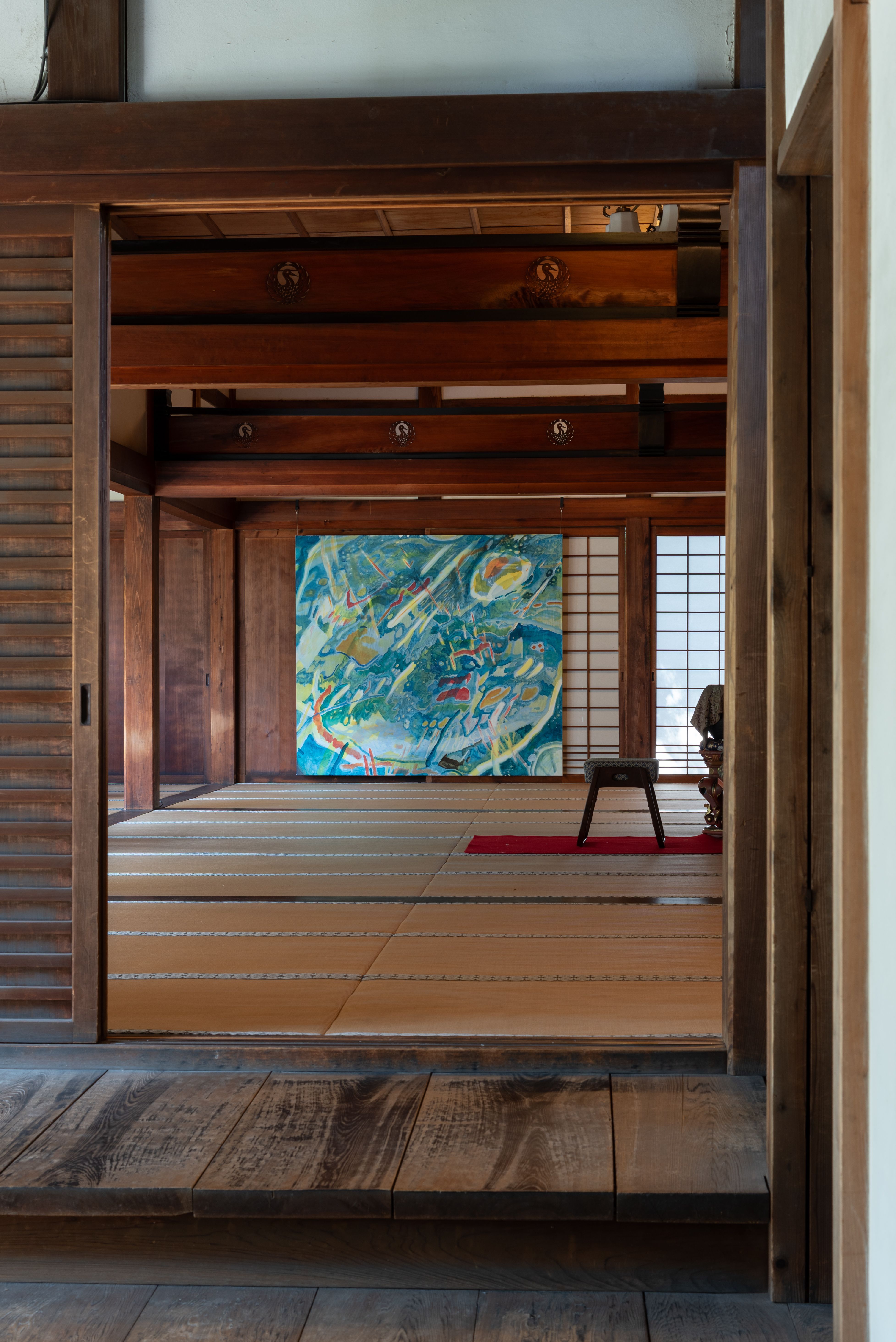
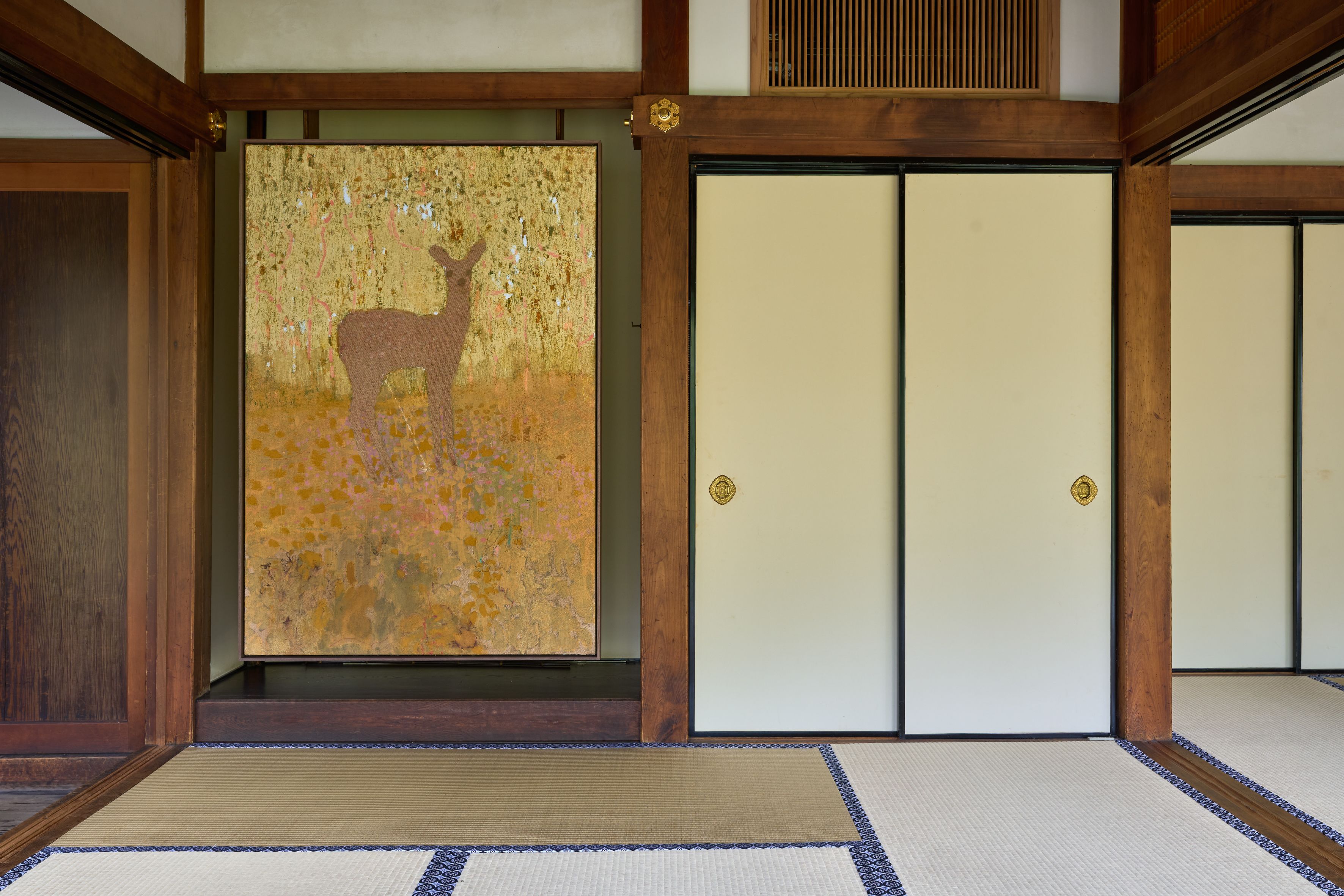
Beyond the bustle of the fair, I found quieter moments in the ancient capital’s temples. In the karesansui (dry garden) at the Kōmyō-in temple, white gravel suggested the sea, azalea hedges were clipped into cloud shapes, and the teahouse above them represented the moon. A monk had to tap me twice on the shoulder during a meditation session before I noticed the sound of the breeze and tourists talking. Yuka Kashihara, an artist who has been visiting the temple since childhood and whose paintings are now on show inside with views out to the garden, described her canvases as an unconscious record of how it feels to be in that place. Up close, the paintings verged on abstraction; viewed from afar in the adjoining rooms, they resolved into landscapes.
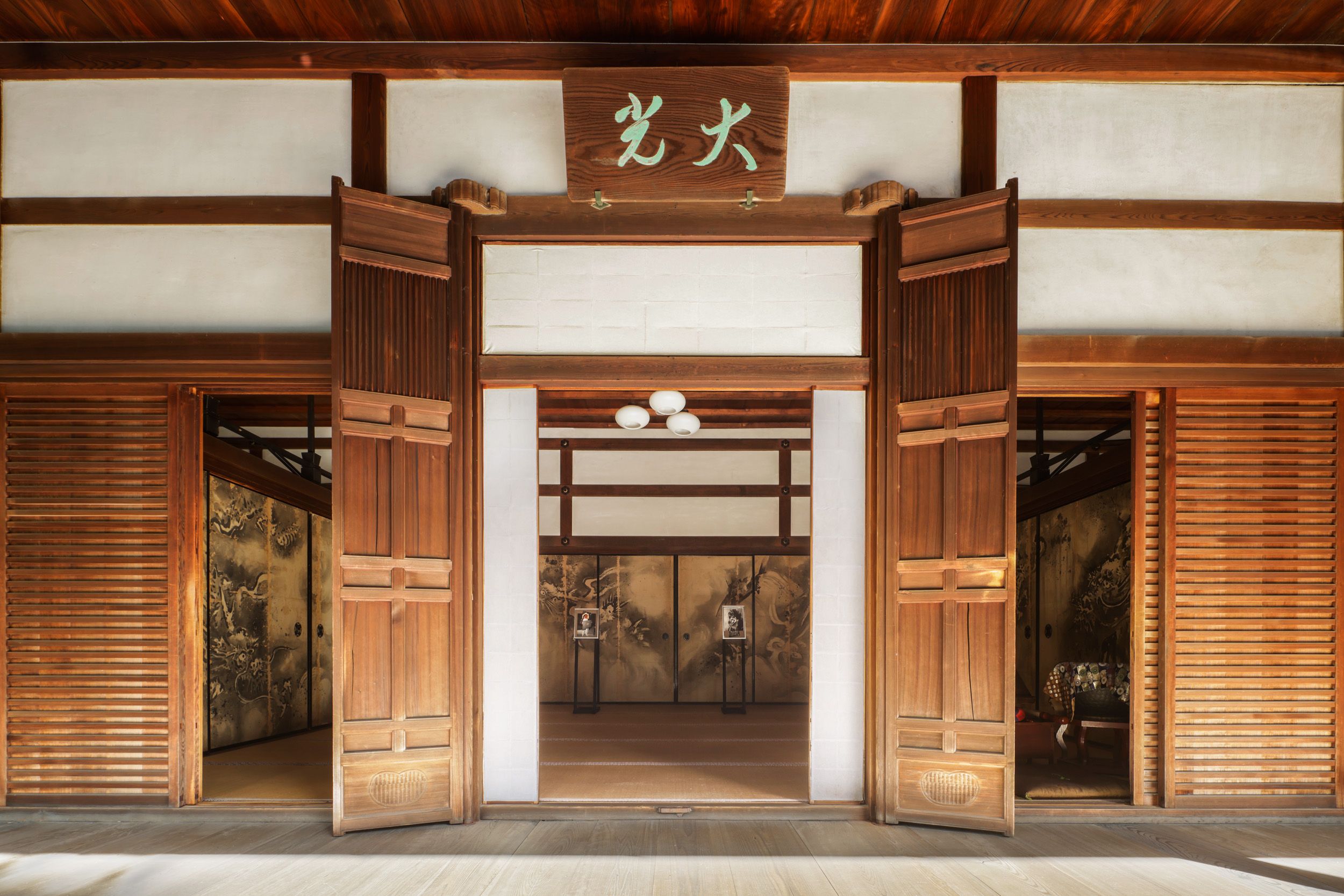
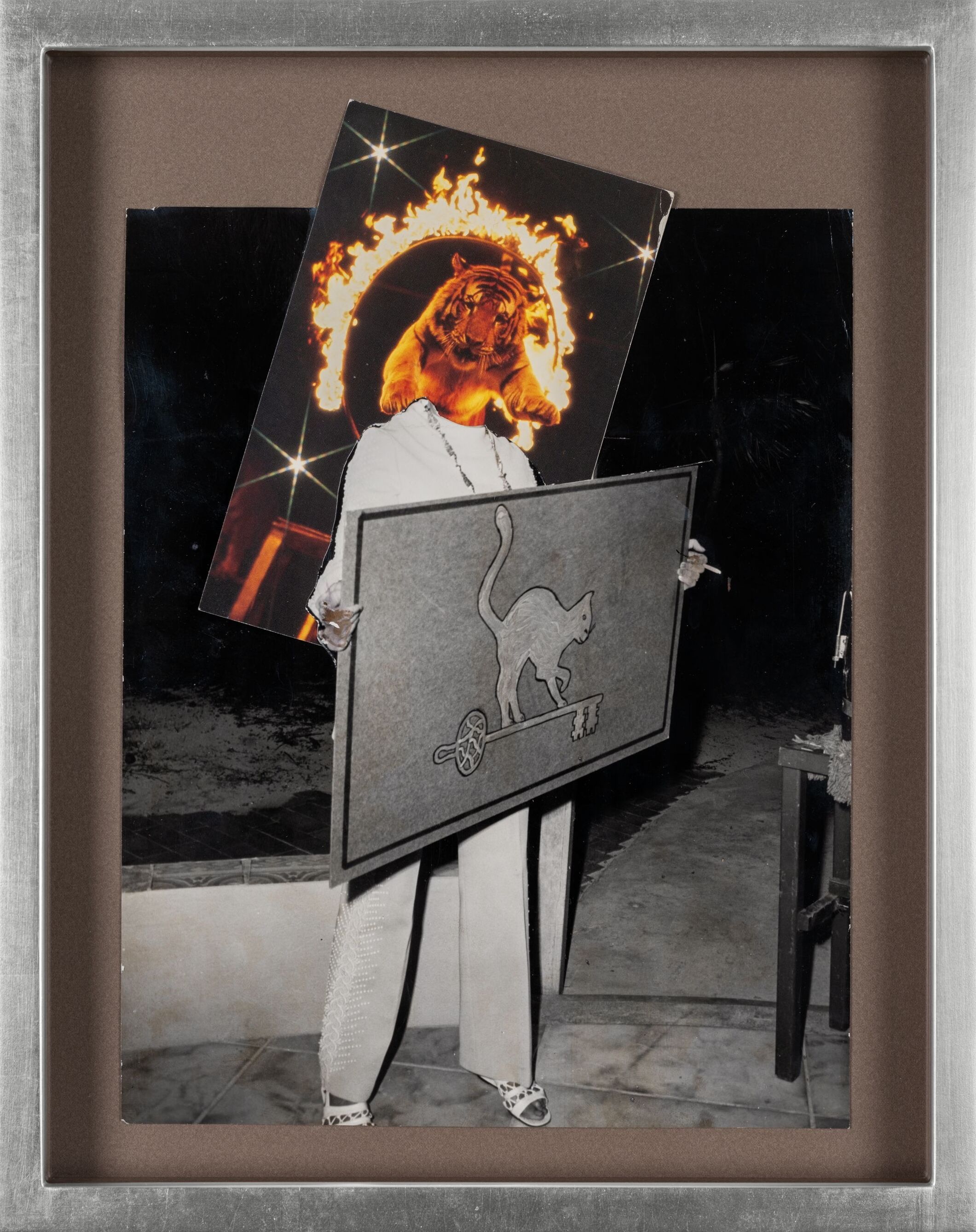
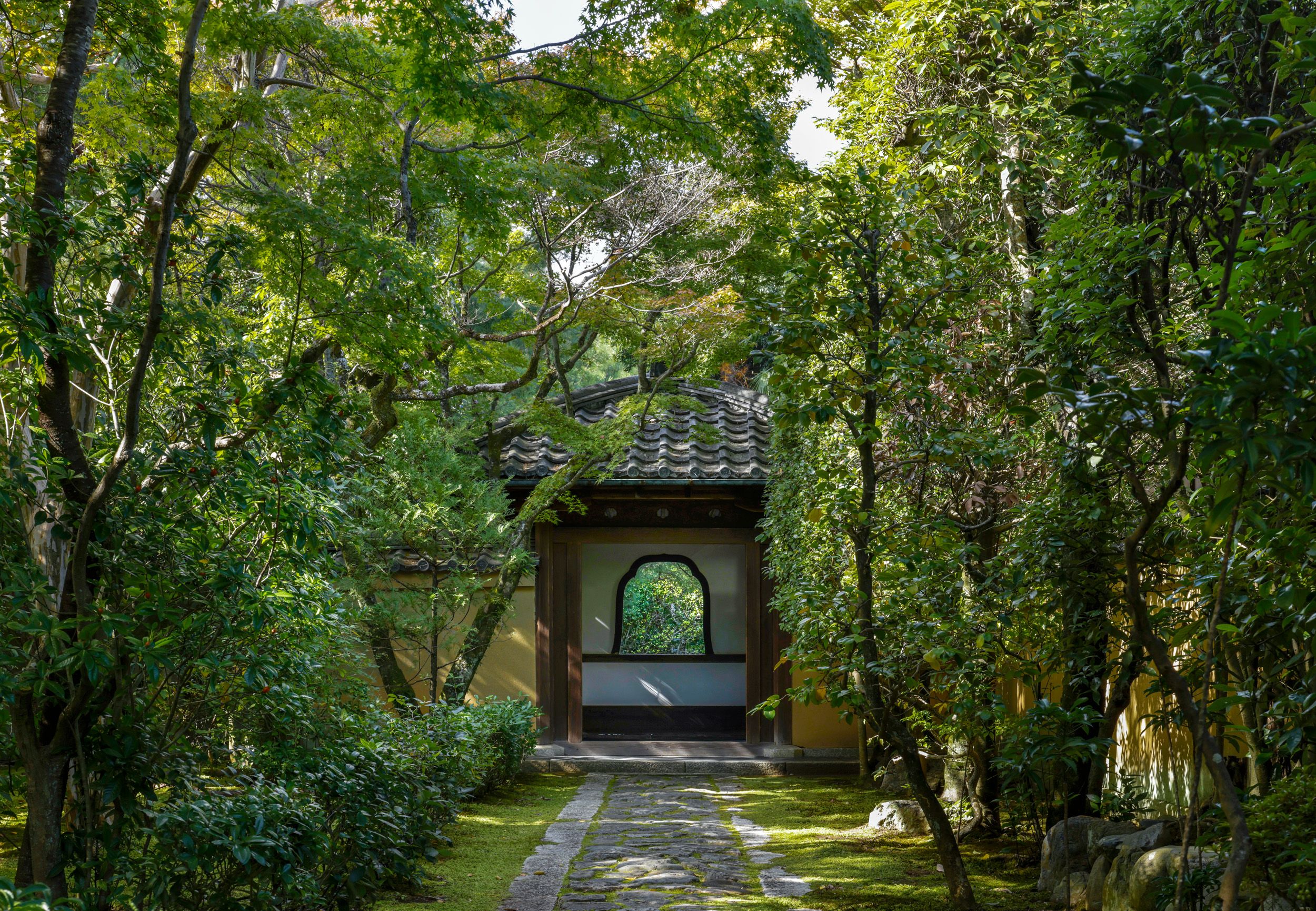
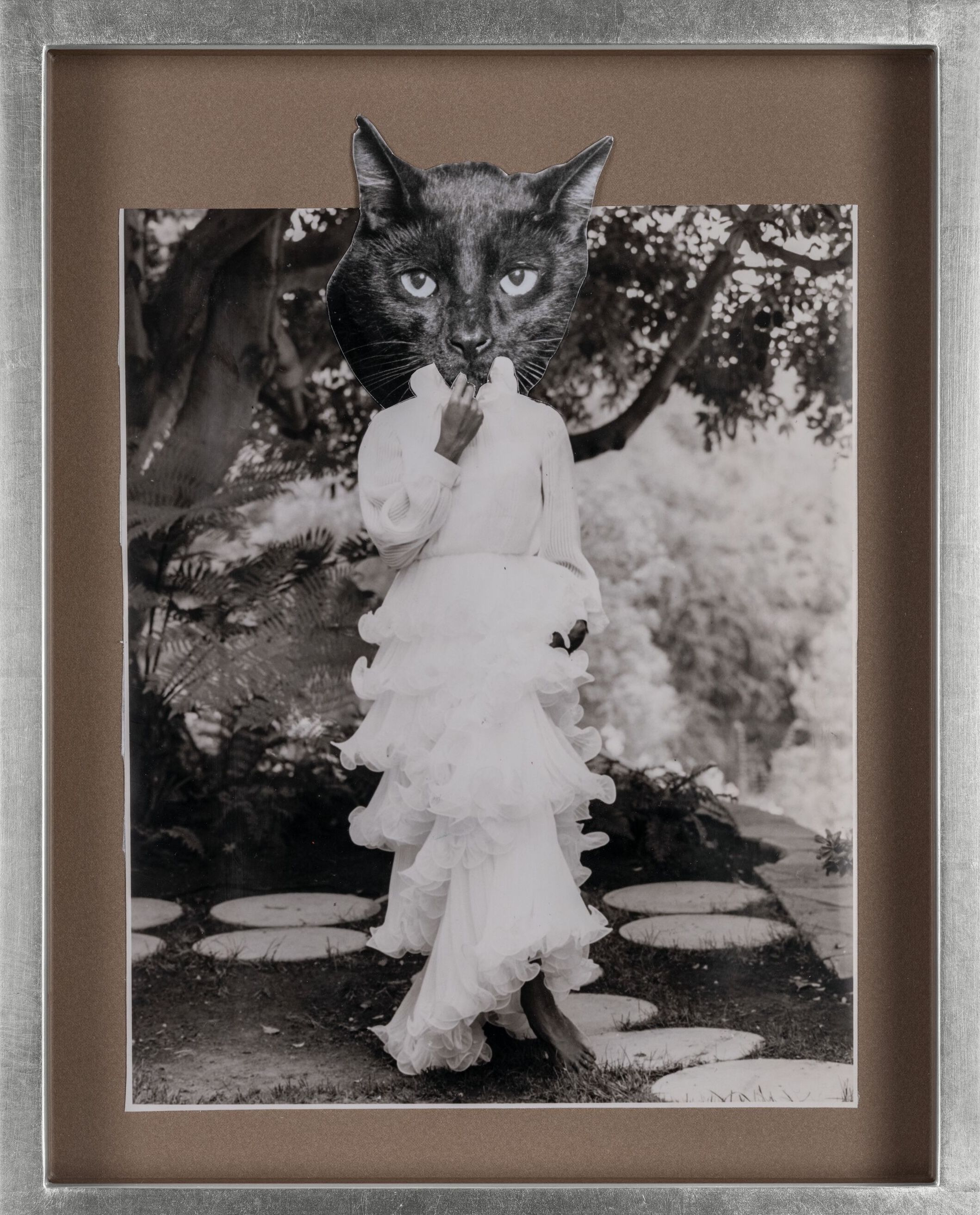
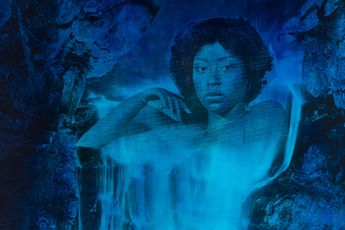
As in previous years, galleries had arranged exhibitions in Kyoto’s temples and other historic spaces during ACK. Here the art was at risk of being upstaged by the buildings and gardens. At Daiko-in, American artist Lorna Simpson approached the setting obliquely, placing her black-and-white collages in front of the temple’s dragon shōhekiga. They featured cats in a playful allusion to The Boy Who Drew Cats, a Japanese folktale that Simpson’s mother read to her as a child. In it, a boy’s drawings come to life and rid a temple of a demon. At Yuuhisai Kōdōkan, on the site of an Edo-period Confucian academy, Swiss portraitist Miriam Cahn’s charcoal sketchbooks of animals seemed to bring something of her solitude in her hometown, the Swiss mountain village of Stampa, into the rooms overlooking the moss garden.
At times, the curated version of Japan that I encountered felt almost too perfect. Gabriel Orozco and the designer Shinichiro Ogata had turned HIGASHI-YAMA Tokyo into a version of the artist’s home, where visitors could book an omakase dinner, a tasting menu of multiple courses decided entirely by the chef. Founder of Japanese construction materials firm Toho Leo and artist Theaster Gates presented Machiaishitsu, an outdoor bamboo terrace. Toho Leo also offered a tour of local guesthouse Ōhara Sansō, where its teahouse, rice terraces, gardens and waterfall was the setting for an installation curated by Gates. It was an idyll of art, food and landscape, which the political tensions I heard about elsewhere barely seem to enter.
Artist-run gatherings engaged more directly with the country’s politics. Back in Tokyo at Waitingroom gallery, I spoke to artists Mai Endo and Mika Maruyama from queer art collective Multiple Spirits. Maruyama described Japan today as increasingly xenophobic, with declining numbers of left-wing activists, whether this is because of ageing or disinterest from a younger generation. In early November, they joined a citizens’ drum march from Kyoto City Hall against military expansion and constitutional revision, with calls for Takaichi to resign. That activism persists, sometimes precariously. In October, the queer community space NamNam closed its premises in Tokyo’s Kōenji, where it had held exhibitions by LGBTQIA+ artists and raised funds to oppose anti-immigration policies. Yet grassroots activism such as this sits outside the scene mapped for visitors.
In November 2027, the art fair Tokyo Gendai will move from Yokohama, Japan’s second-largest city, to Tokyo. The month will be busier and more market-oriented. The relationships the fair and art week combined can sustain with domestic and international buyers alike will be crucial. But, selling power aside, most important will be the relationships built with the artists and homegrown talent who keep the scene alive all year round.—[O]

A respected voice in contemporary art discourse.
Focusing on ambitious storytelling and insightful art-world commentary. Ocula Magazine publishes in-depth interviews, critical essays and timely analysis on the artists, exhibitions and ideas driving the global art world.
Learn more about Ocula Magazine
Showcasing the best of the art world.
Ocula partners with galleries from around the world to highlight their artists, artworks and exhibitions. Gallery membership is by application and invitation, with each member vetted by an independent panel.
Learn more about Ocula Membership
Specialises in the sale of major artworks.
Led by a team with deep ties to the world’s leading auction houses, galleries and collectors. Ocula’s advisory team offers bespoke services to high-net-worth clients from around the world who are looking to acquire the best of contemporary and modern art.
Learn more about our team and services