The art world in focus
Subscribe to our newsletter for news and insights on artists, galleries and exhibitions.
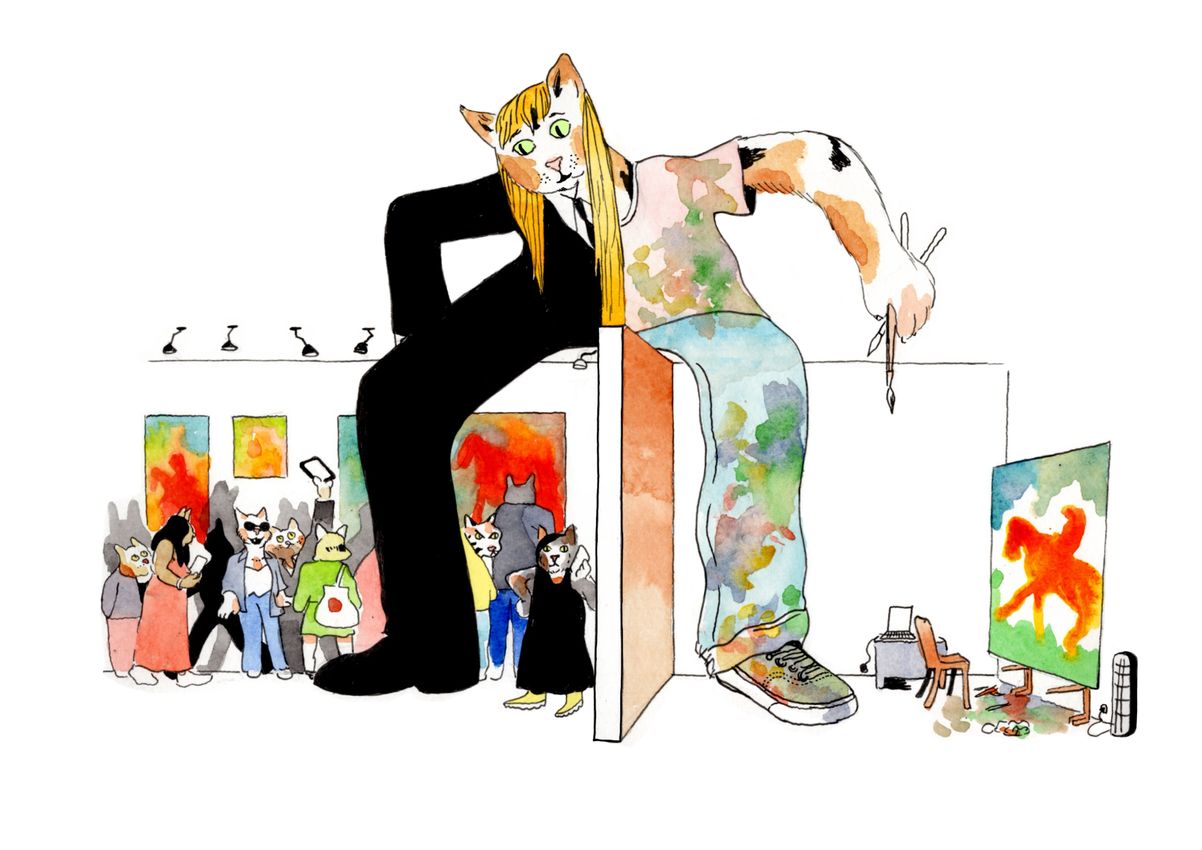
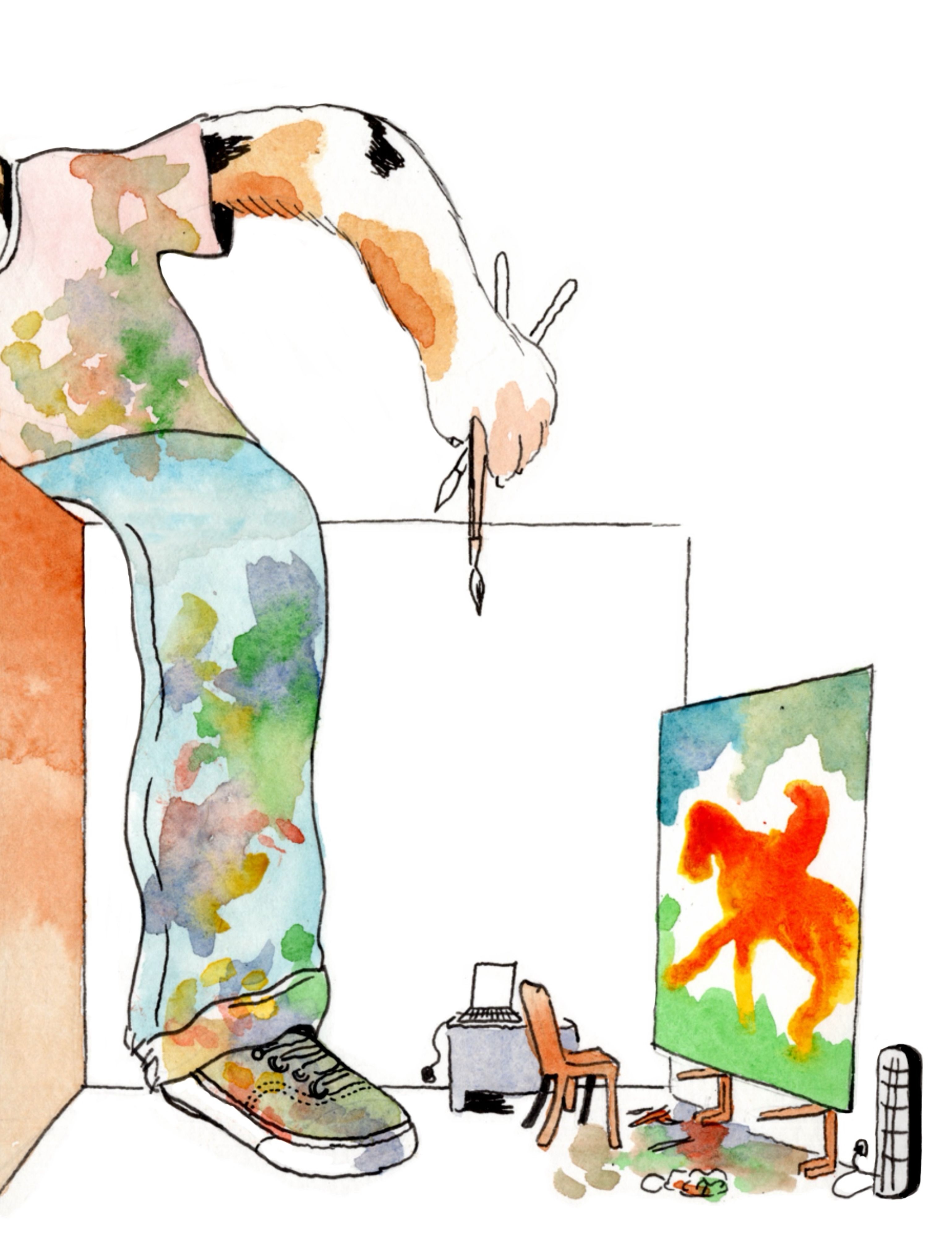
In her 2010 essay Politics of Art: Contemporary Art and the Transition to Post-Democracy, Hito Steyerl wrote that: “Contemporary art is no unworldly discipline nestled away in some remote ivory tower. On the contrary, it is squarely placed in the neoliberal thick of things.” The art market exists, replete with speculators, flippers and complicated dynamics with the power to profoundly impact the material wellbeing of artists. But how concerned should artists be with this fact? Is the commercial machinery that surrounds artists a distraction to be ignored, or a basic premise of the art world, which artists can benefit from understanding? Is it naive for them not to engage with it at all?
“I think it’s not necessarily wise; I think it’s a bit of a myth also,” the dealer Jorg Grimm says of the idea of an artist whose world begins and ends in the studio, totally abstracted from the market. Grimm, who tends to begin working with artists early in their careers and has developed a reputation for managing to keep close relationships with those who become stars, is open with his artists about the state of their markets. He says that such conversations tend to take one of two shapes: “This wasn’t as successful as we’d hoped” or “This was extremely successful”. He adds, “What are the next steps in either direction? As long as you have those frequent talks, then there’s no mystery.”
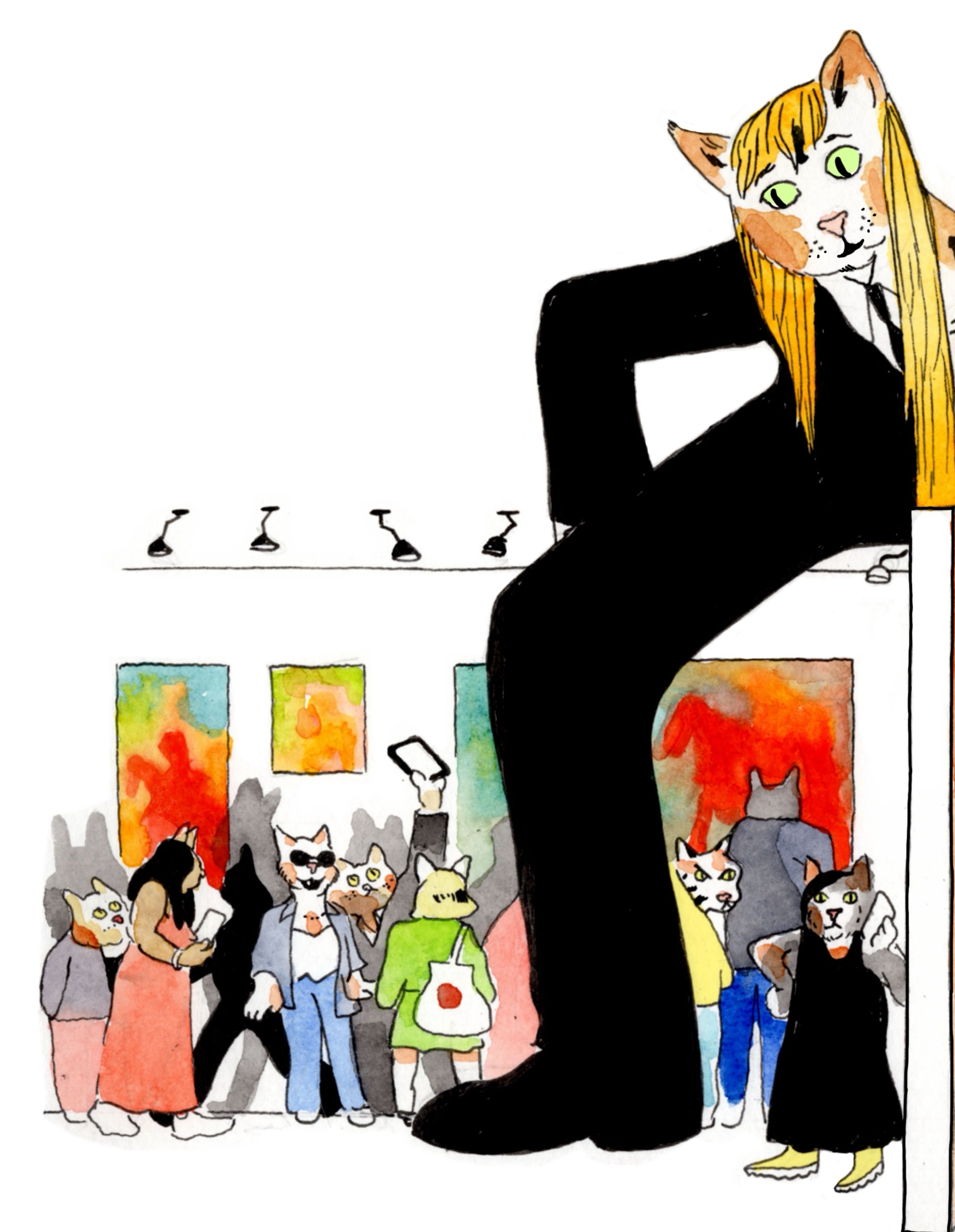
There has long been a class of artists who relish playing the market. Though this hyper-savvy archetype is generally associated with the rise of contemporary art and its requisite high prices, artists taking an interest in how their work is transacted is nothing new. Rembrandt, for example, has been described as a canny manipulator of his own market. Often, he would intentionally reproduce work-in-progress versions outside the main editions of his etchings in order to provide collectors with rare iterations of the artwork. Following the Warholian mantra that “good business is the best art”, artists such as Jeff Koons and Damien Hirst have become well known for a brand of acquisitiveness and dexterity within the art market that makes it difficult to distinguish where the art ends and the market begins.
Arguably, the idea that artists should, as Gerhard Richter once put it, “shut my studio door on most of the discussion about the market and prices” is a myth that simply serves to cut artists out of conversations about how their work should be valued. For Consignment, her current exhibition at Anonymous Gallery in New York City, the conceptual artist Débora Delmar has gathered furniture, business cards, merchandise and other ephemera from ten commercial galleries that have closed since 2020. The objects, all of which are catalogued and displayed alongside former consignment agreements, include a Saint Rita statuette gifted to the French gallery Air de Paris by the local parish priest and art dealer Gavin Brown’s former office chair. In a quickly changing art market, many of these objects now read like relics from an era before artwork sales were fodder for gambling on prediction-market platform Kalshi.
“There has long been a class of artists who relish playing the market”
By turning the flotsam of the commercial art world into a medium for art, the show upends the popular idea that art-making is a kind of pure, solitary alchemy that takes place far away from the places where the art is sold. “It’s not just me in the studio working by myself,” Delmar tells me, “because you never really work alone.” At the same time, Delmar says the commercial side of being an artist “doesn’t always sit right”, citing the experience of “seeing the work becoming capital” at art fairs. It “isn’t always the most exciting thing for us”.
This might seem a little brash to others. John Baldessari is often quoted as comparing an artist visiting an art fair to a child walking in on their parents having sex: “You know it happens; you just never want to see it.” And, indeed, the market doesn’t have the last word on an artist’s value. Sales are just one way for artists to make a living. The sculptor Benjamin Orlow, whose rough-hewn, monumental installation Ritual City was part of the Nordic Pavilion at this year’s Venice Biennale, tells me that he “had practically no commercial interest in [his] work until quite recently”, something that never stopped him from making art. Born in Finland, he says he grew up within a culture “where there’s an acceptance of a lack of a private art market, so the system’s much more reliant on grants”. He notes that, with these grants generally being offered by artist-led committees, the country’s art scene naturally tends towards artists who make work that impresses their peers rather than potential buyers.
After moving to London, Orlow opened St Chad’s, a project space whose programme tends towards the kind of non-commercial work that is generally only viable in countries with strong arts funding. He describes mediums such as video as “inherently not commercial”, adding that “they filter out people who work more from having this illogical drive to make”. Since Venice, Orlow’s art has been included in group shows at Thaddaeus Ropac and Galerie Nordenhake. As his work is the subject of increasing interest from commercial galleries and buyers, he might find himself more concerned with a commercial art world that he has until now sidestepped.
Dealers have to be careful to manage their artists’ relationship to the market, too. A difficult situation to navigate, Grimm says, “is where you could potentially sell a work but it’s just not the right fit”. He’s keenly aware that accepting one offer means turning down another, a decision whose effects tend to compound. “If you say yes to one solo show, it negates the possibility of doing another,” he says. “It’s in that career management where trust really lies, apart from individual sales.”
“The market doesn’t have the last word on an artist’s value”
That’s why, for him, it’s important that artists don’t shut out the market completely. It doesn’t have to impact the work that they make—in most cases, it shouldn’t. But a good understanding of the business end of things will help them to make decisions about where and how to place their work—with input from dealers or alone—that might ultimately determine their place in art history. “It’s not necessarily about the monetary side of things,” he says, “but where the work ends up is important.”—[O]
A respected voice in contemporary art discourse.
Focusing on ambitious storytelling and insightful art-world commentary. Ocula Magazine publishes in-depth interviews, critical essays and timely analysis on the artists, exhibitions and ideas driving the global art world.
Learn more about Ocula Magazine
Showcasing the best of the art world.
Ocula partners with galleries from around the world to highlight their artists, artworks and exhibitions. Gallery membership is by application and invitation, with each member vetted by an independent panel.
Learn more about Ocula Membership
Specialises in the sale of major artworks.
Led by a team with deep ties to the world’s leading auction houses, galleries and collectors. Ocula’s advisory team offers bespoke services to high-net-worth clients from around the world who are looking to acquire the best of contemporary and modern art.
Learn more about our team and services