




PARK SEO-BO
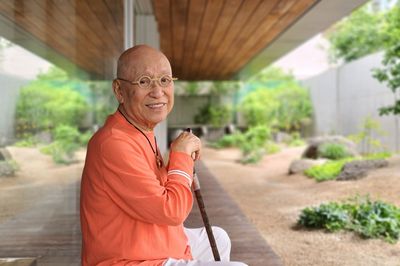
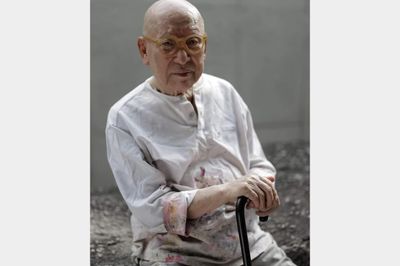
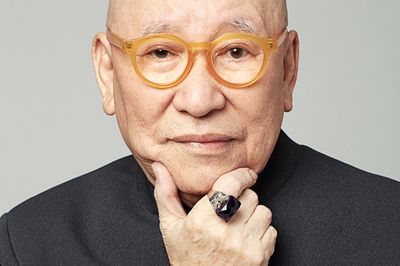
1931-2023, South KoreaA founding figure of Korean contemporary art, Park Seo-bo is celebrated for his pioneering contributions to the Dansaekhwa movement, which redefined abstraction in post-war East Asia through a meditative, process-driven approach to making art.
Early Years
Park Seo-bo was born in 1931 in Yecheon, North Gyeongsang Province, during Japanese colonial rule. His early years were marked by the turbulence of Korea’s modern history, including the Korean War, which deeply influenced his pursuit of artistic expression as a means of personal and cultural healing.
Park studied painting at Hongik University in Seoul, graduating in 1954. He briefly studied in Paris in the early 1960s under a French government scholarship, where he encountered Art Informel, which had a lasting influence on his early experimentation. Returning to Korea, he became a key figure in the development of contemporary art education, later serving as dean of the College of Fine Arts at Hongik University.
Artworks
Park Seo-bo’s artworks reflect a lifelong commitment to the act of making as a spiritual discipline, stripping painting down to repetition, rhythm, and the raw gesture of the hand.
The Informel Period (1950s–1960s): Searching for Form
In the late 1950s and early 1960s, Park Seo-bo embraced the gestural style of Art Informel. Influenced by his exposure to European abstraction during his time in Paris, he produced visceral, expressive canvases that embodied the trauma and chaos of post-war Korea. These early paintings, often characterised by impasto surfaces and intuitive marks, rejected formalism and traditional aesthetics. Instead, they sought to convey emotional and psychological states. Park’s engagement with Art Informel marked a critical turning point in his development, as he moved away from representational painting toward a more existential and process-focused language that would later define his mature work.
Ecriture Series (1967–2023): Repetition as Meditation
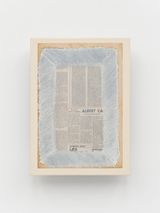
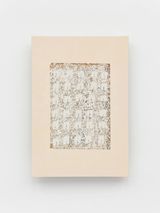
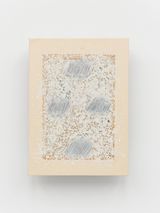
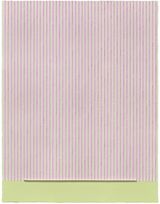
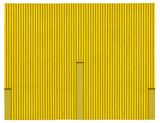
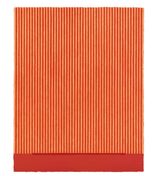
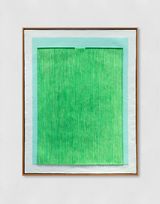
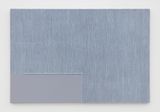
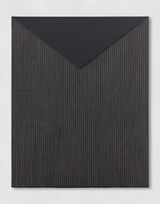
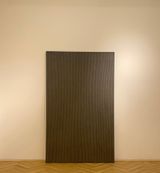
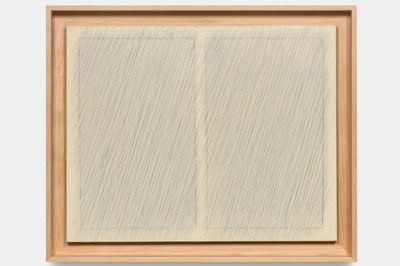
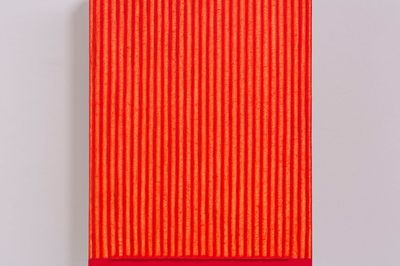
Park’s Ecriture series, which began in 1967, represents the core of his artistic practice. These works consist of rhythmic lines drawn or pressed into layers of wet hanji paper, laid over canvas. Initially monochromatic and often created using pencils or styluses, the surfaces suggest calm yet disciplined labour. Park described the act as “emptying the self,” allowing the process to dictate the final outcome rather than imposing a composition. Over time, the series evolved to incorporate colour, reflecting natural influences like seasonal transitions or Korean landscapes. Ecriture is both a visual language and a meditative act, expressing quiet perseverance.
Late Works (2000s–2023): Colour, Nature and Serenity
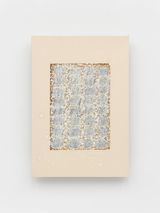
In his later years, Park began integrating soft colour into the Ecriture series, using pastel tones inspired by the Korean countryside. These artworks maintain the same textured surfaces and repetitive lines but evoke a more lyrical, organic quality. The shift to colour was not aesthetic alone—it reflected Park’s desire to reconnect with the natural world and infuse the artworks with emotional resonance. Pigments were often mixed with hanji pulp and applied delicately, suggesting seasonal rhythms or inner states of peace. This period underscored Park’s belief that art should be in harmony with nature, transcending ego to cultivate inner serenity.
Awards and Accolades
- Officier de l’Ordre des Arts et des Lettres, France (2011)
- Order of Cultural Merit, Silver Crown, South Korea (2010)
- Ho-Am Prize in the Arts, South Korea (2000)
Exhibitions
Park Seo-bo has been the subject of both solo and group exhibitions at important institutions. A selection of important exhibitions are provided below.
Solo Exhibitions
- Park Seo-Bo: Ecriture, Château La Coste, Le Puy-Sainte-Réparade, France (2021)
- Park Seo-Bo, Langen Foundation, Neuss, Germany (2019)
- Park Seo Bo: The Untiring Endeavorer, The National Museum of Modern and Contemporary Art, Seoul (2019)
- Park Seo-Bo:Ecriture, Daejeon Museum of Art, Daejeon (2015)
- Park Seo-Bo, a Forerunner of Korean Avant-garde: Record His 60 years, Busan Museum of Art, Busan (2011)
- PARK, Seo-Bo Today Playing with Color, Gyeonggido Museum of Art, Ansan (2007)
Group Exhibitions
- Origin, Emergence, Return, Rockefeller Center, New York (2023)
- Marking Time: Process in Minimal Abstraction, Solomon R. Guggenheim Museum, New York (2019)
- Asian Diva: The Muse and the Monster, Seoul Museum of Art, Seoul (2017)
- Soul of Line, Ungno Lee Museum of Art, Daejeon (2010)
- _Transcendence: Modernity and Beyond in Korean Ar_t, Singapore Art Museum, Singapore (2008)
- Park Seo-Bo & Lee Kang So; Working with Nature, Tate Liverpool, Liverpool (2006)
Park Seo-bo’s Instagram can be found here.
Critical Reception
Park Seo-bo’s artworks have been reviewed in publications such as Art Basel, Ocula, and The New York Times
Park Seo-Bo FAQs
How did Park Seo-bo influence Korean contemporary art?
Park Seo-bo played a foundational role in shaping the direction of Korean contemporary art in the post-war period. As a pioneer of the Dansaekhwa movement, he championed an introspective, process-oriented approach that broke away from both Western abstraction and traditional Korean aesthetics. Through his Ecriture series, he redefined painting as an act of quiet endurance and spiritual discipline. Park also influenced generations of younger artists through his teaching at Hongik University, where he advocated for experimentation, self-reflection, and philosophical depth in artmaking. His impact lies not only in his own artworks but in his legacy as a mentor, thinker, and cultural leader.
What materials did Park Seo-bo use in his art?
Park Seo-bo’s choice of materials was central to his philosophy and process. He is best known for using hanji—traditional Korean mulberry paper—applied in layers over canvas, which he would score or impress with repetitive lines using pencils, styluses, or his fingers. In early works, he used oil paints and thick impasto, influenced by Art Informel. Later, his materials became more restrained and organic. He often tinted his hanji with subtle pigments, drawing inspiration from nature. Park’s tactile use of paper and emphasis on raw texture reflected his belief that materials should resonate with the rhythms of the body and the environment.
What is Dansaekhwa?
Dansaekhwa—translated as ‘monochrome painting’—is a term that describes a group of Korean contemporary artists in the 1970s who explored minimalism, repetition, and materiality. Rather than focusing on image-making, Dansaekhwa artists emphasised process and physical engagement with materials. Techniques such as pushing paint through canvas, soaking paper, or scratching surfaces were common. Unlike Western minimalism, Dansaekhwa is deeply rooted in East Asian philosophies such as Taoism, Buddhism, and Confucianism. Park Seo-bo was one of the key figures of the movement, with his Ecriture series exemplifying its core principles of meditative labour, restraint, and harmony between the artist, medium, and nature.
Ocula | 2025
















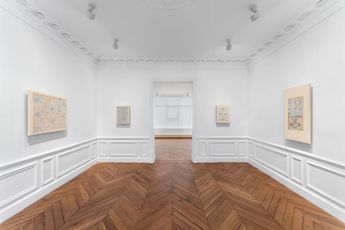
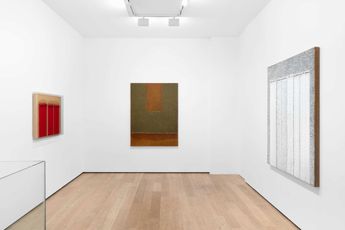
Explore Park Seo-Bo's Exhibitions










Park Seo-Bo in Ocula Magazine









Explore and Follow Artists Shaping Contemporary Art
A respected voice in contemporary art discourse.
Focusing on ambitious storytelling and insightful art-world commentary. Ocula Magazine publishes in-depth interviews, critical essays and timely analysis on the artists, exhibitions and ideas driving the global art world.
Learn more about Ocula Magazine
Showcasing the best of the art world.
Ocula partners with galleries from around the world to highlight their artists, artworks and exhibitions. Gallery membership is by application and invitation, with each member vetted by an independent panel.
Learn more about Ocula Membership
Specialises in the sale of major artworks.
Led by a team with deep ties to the world’s leading auction houses, galleries and collectors. Ocula’s advisory team offers bespoke services to high-net-worth clients from around the world who are looking to acquire the best of contemporary and modern art.
Learn more about our team and services