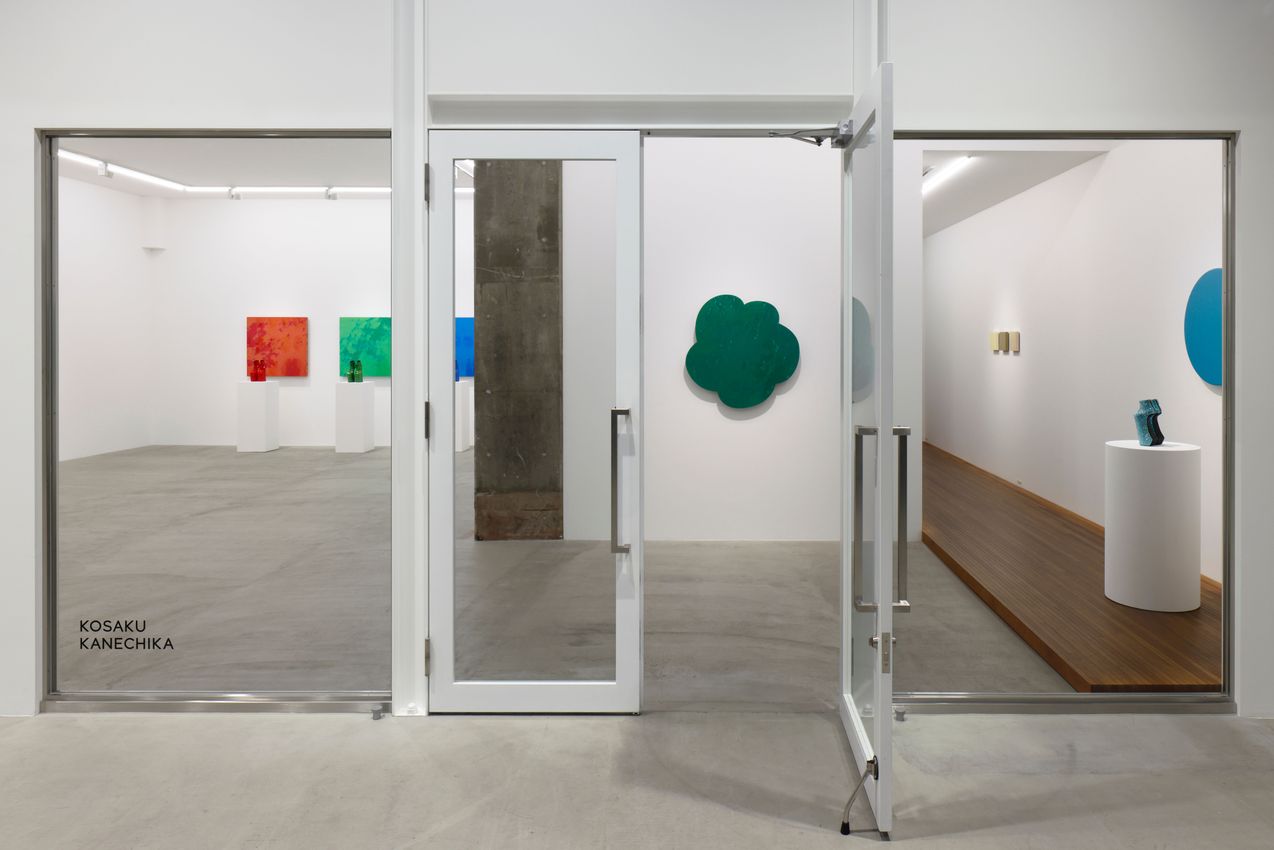
Press Release

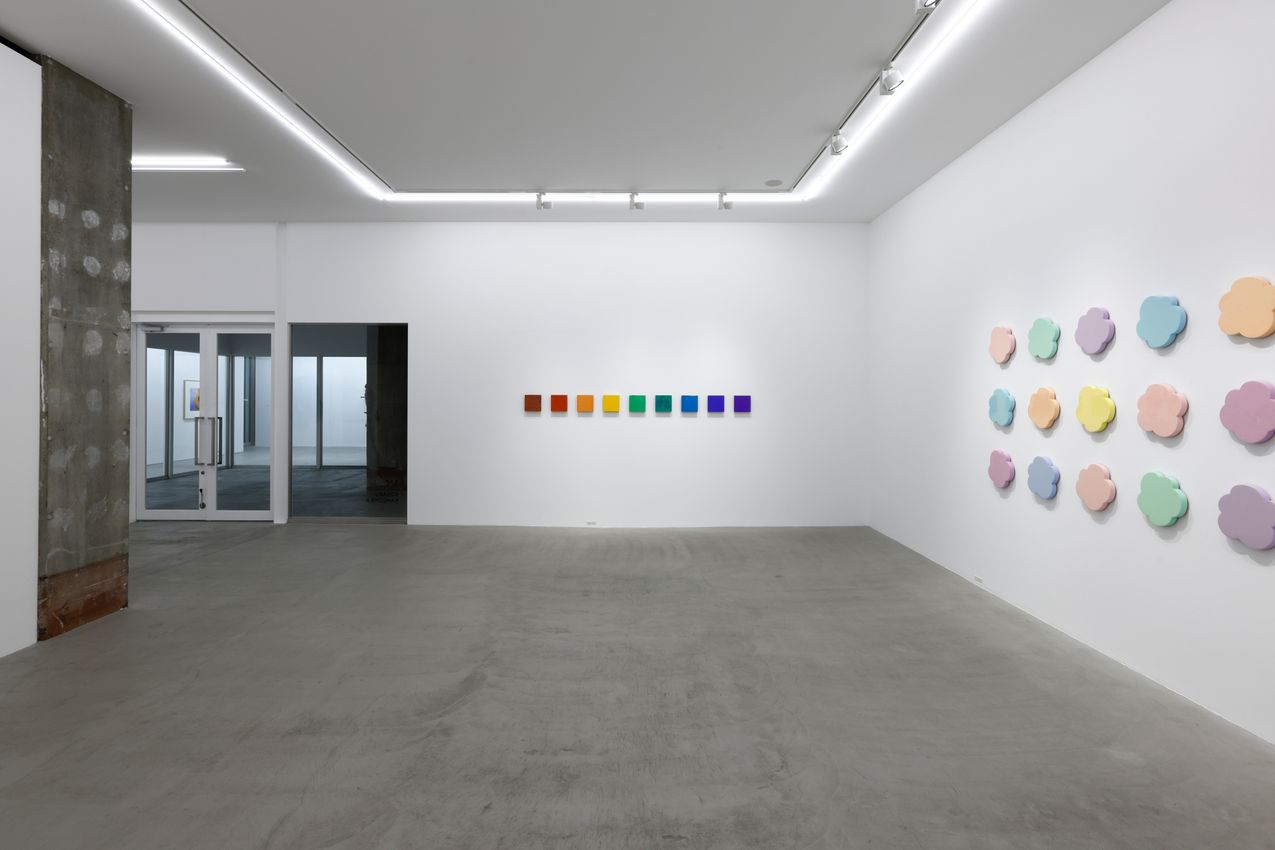
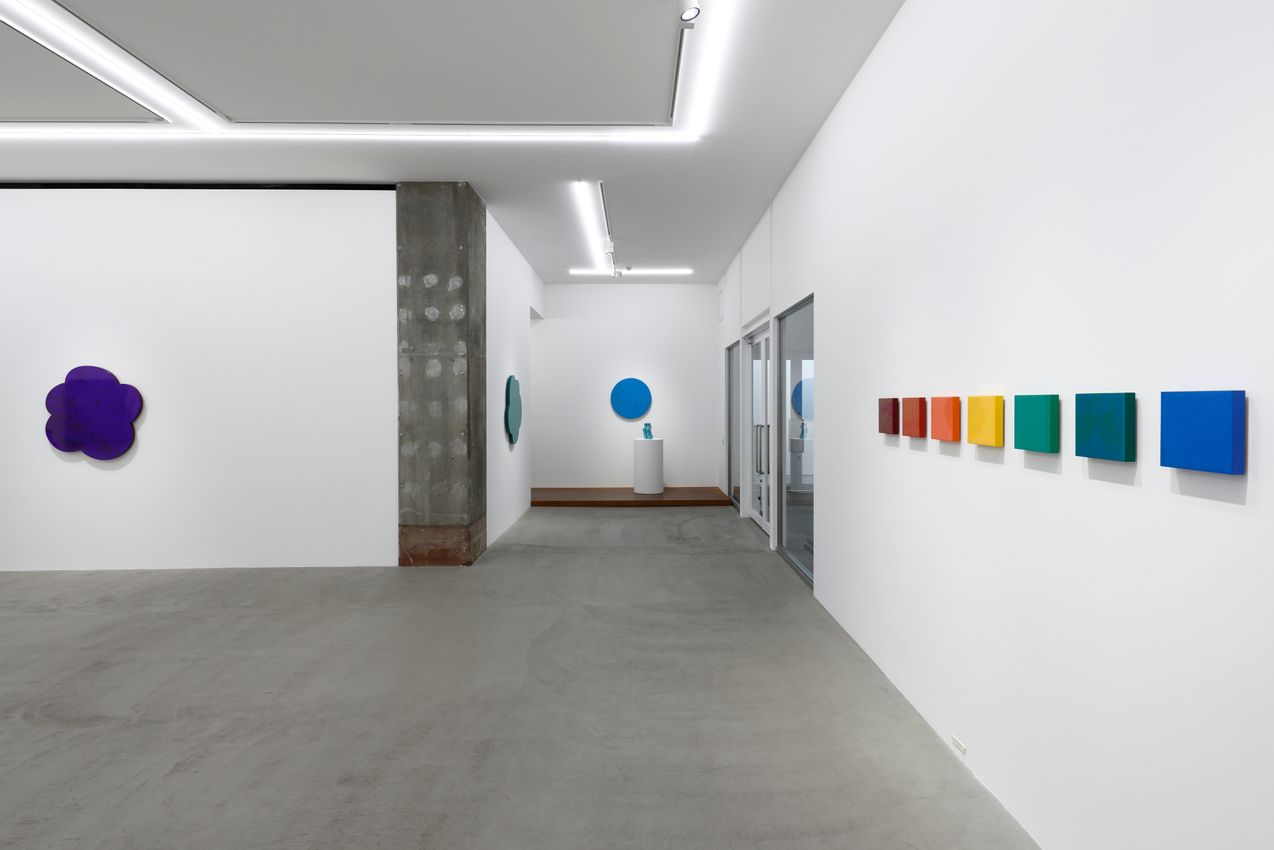
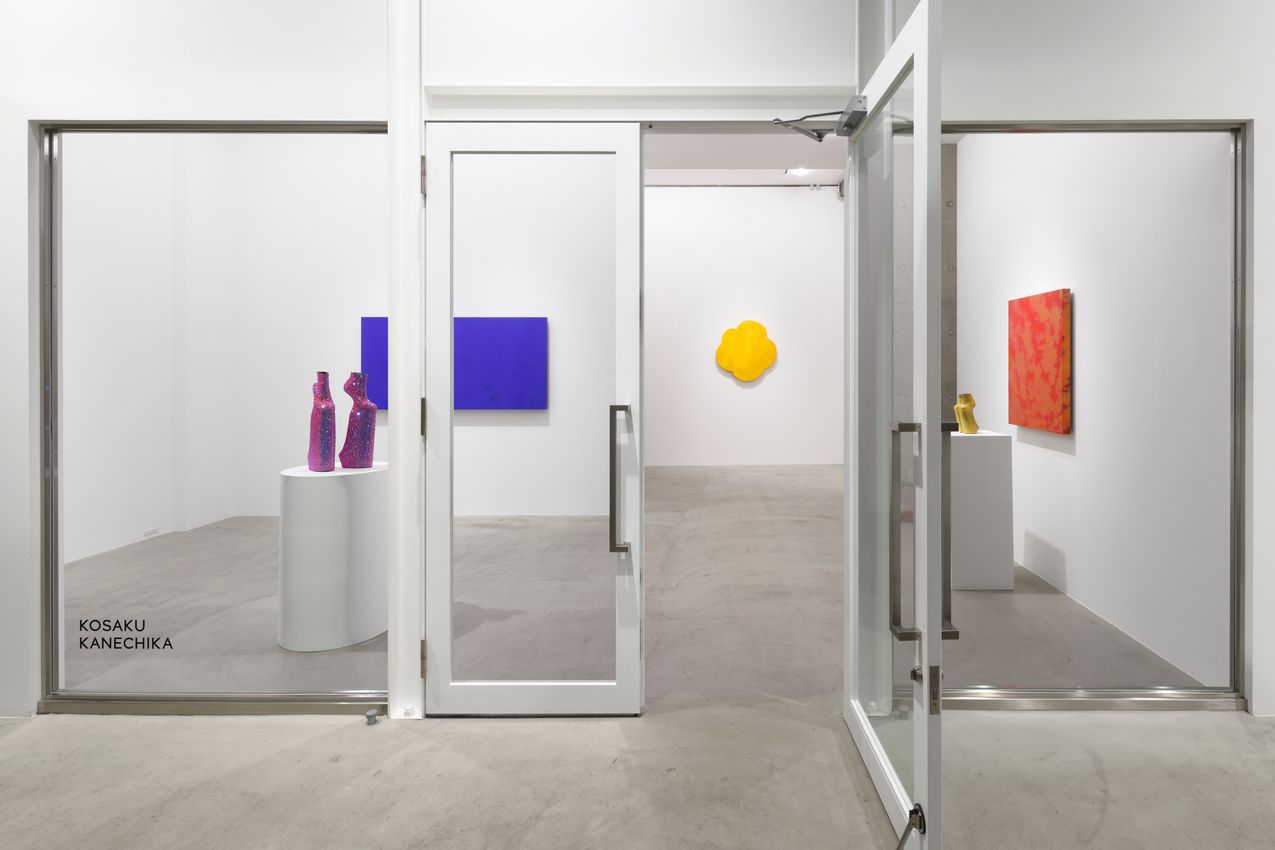
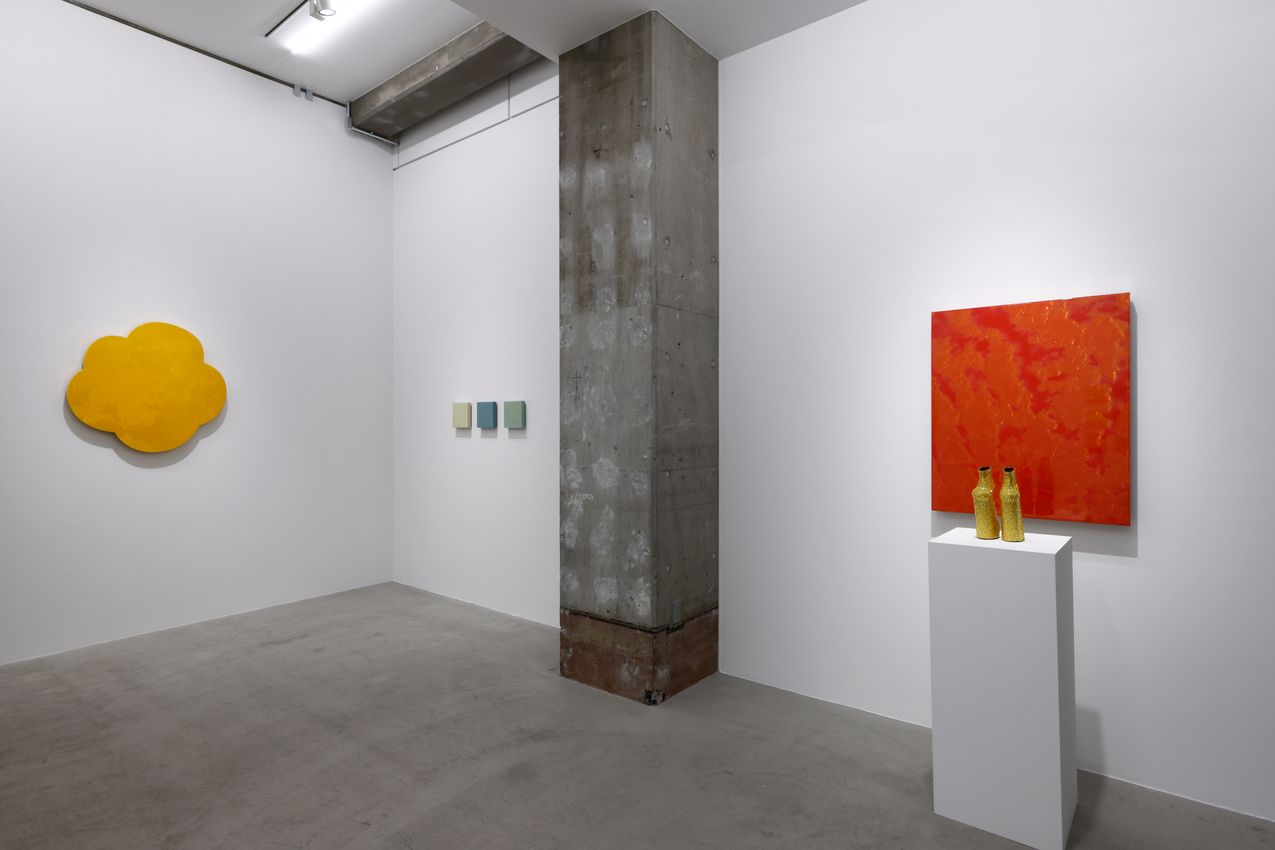
We are pleased to present PRIMARY COLORS, a solo exhibition by Noritaka Tatehana, from 16 April–28 May 2022.

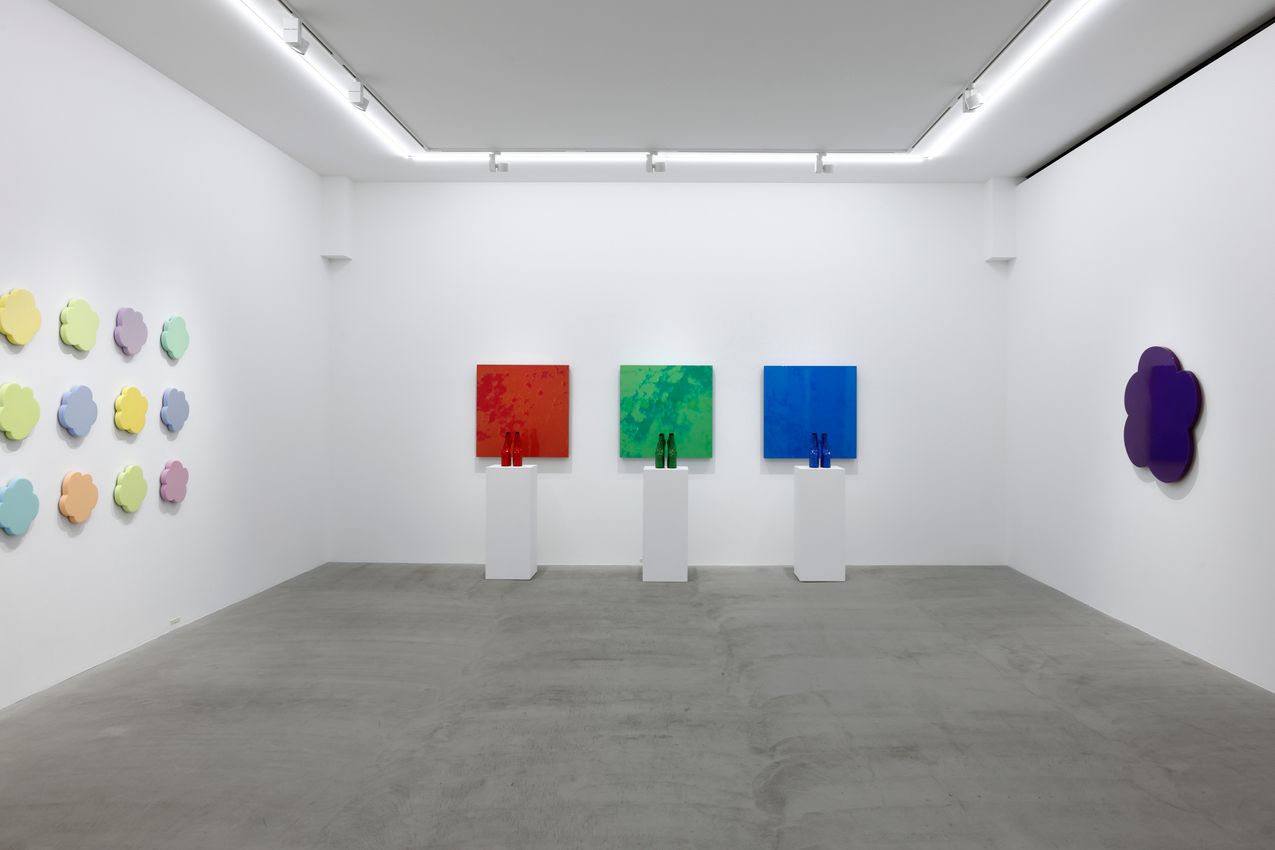
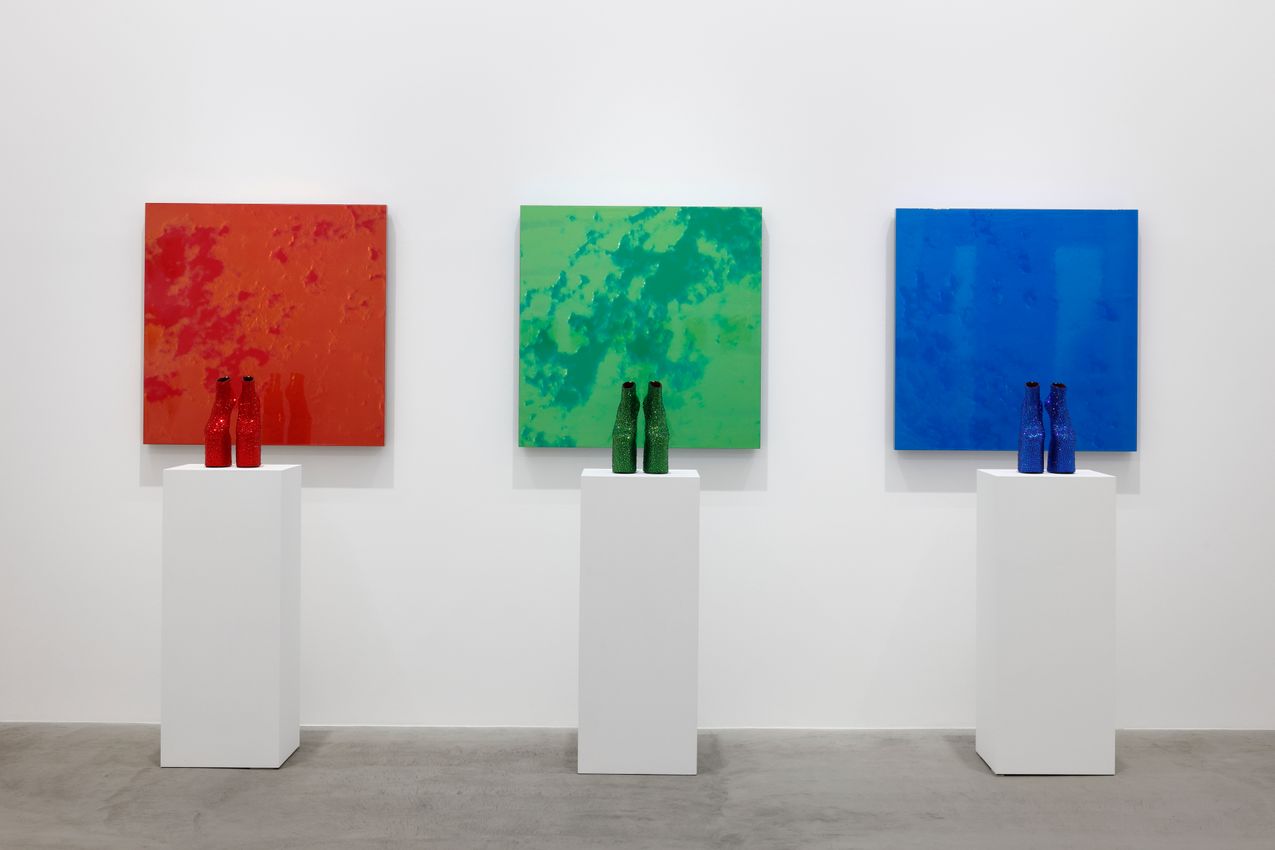
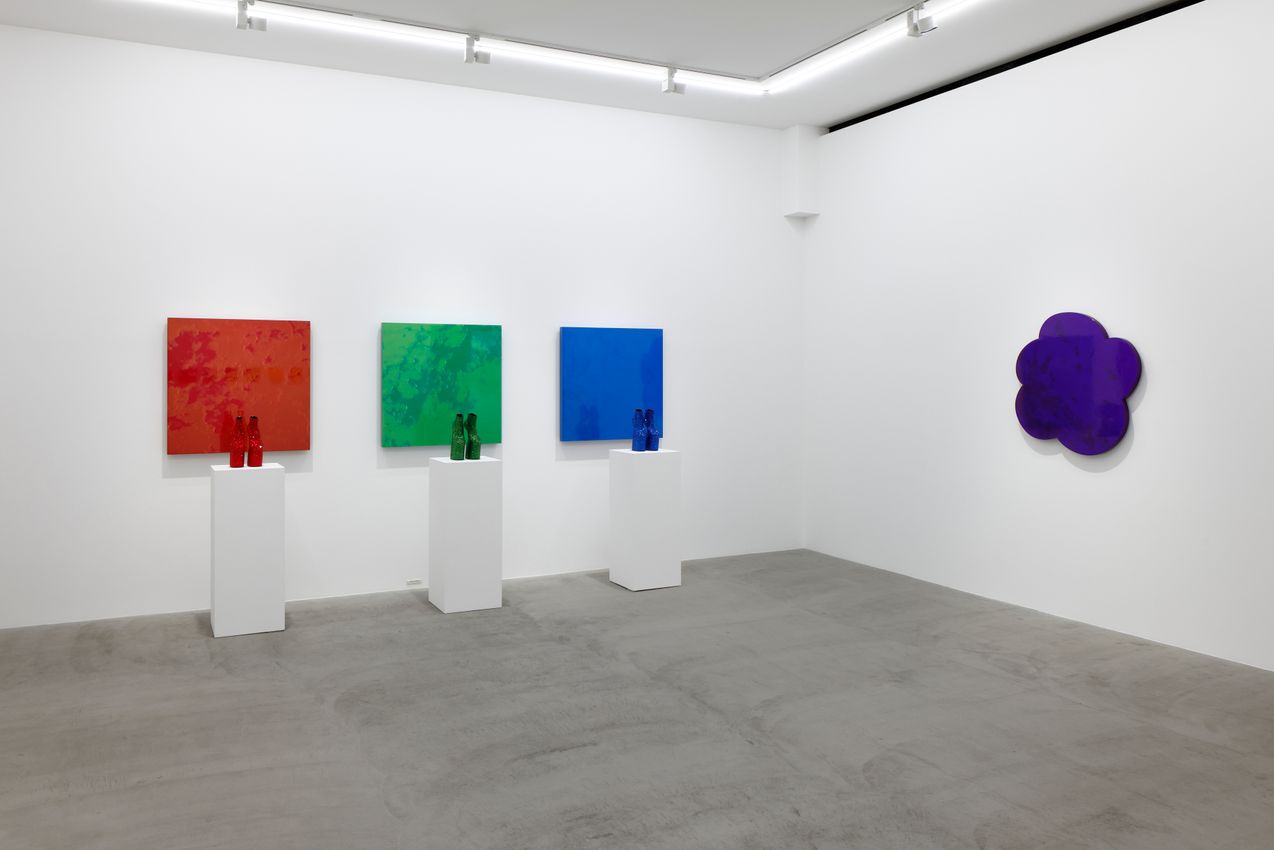
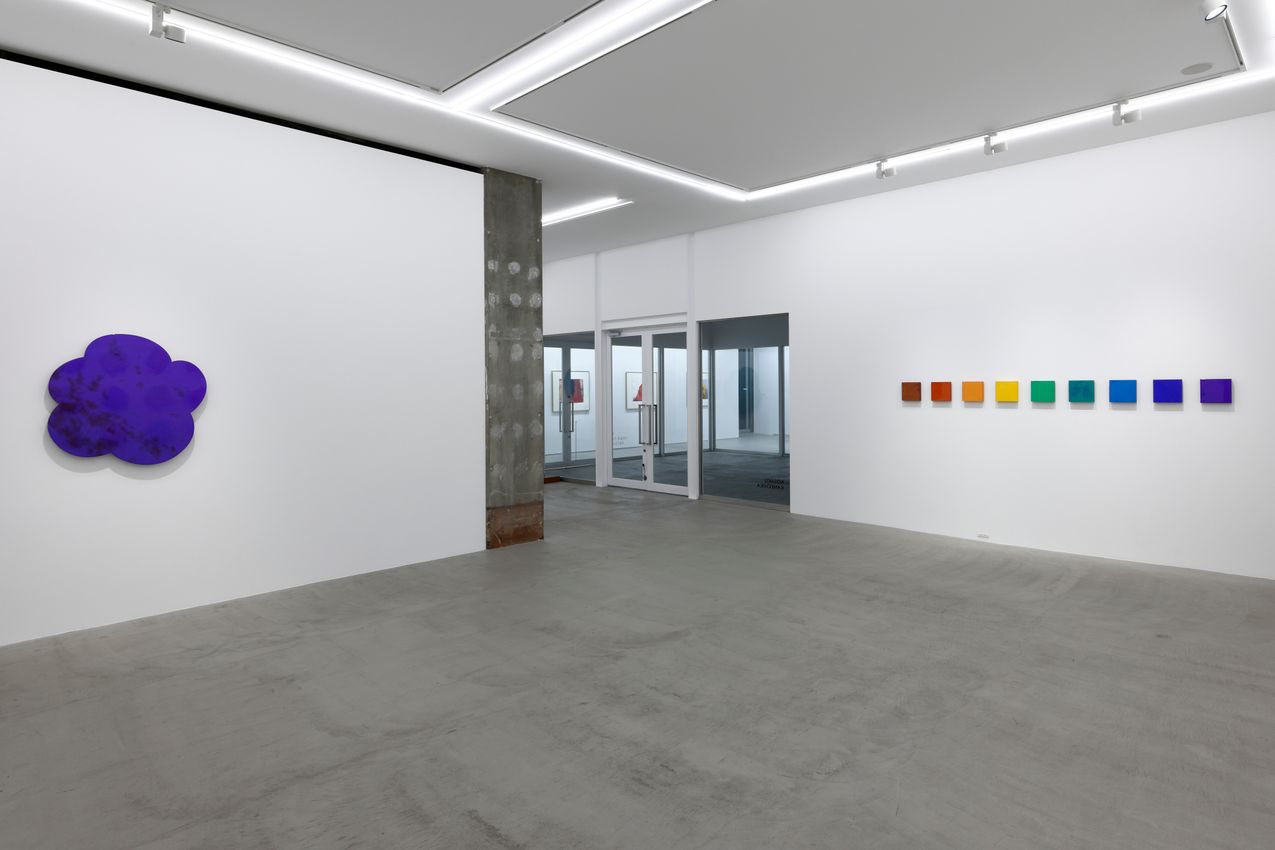
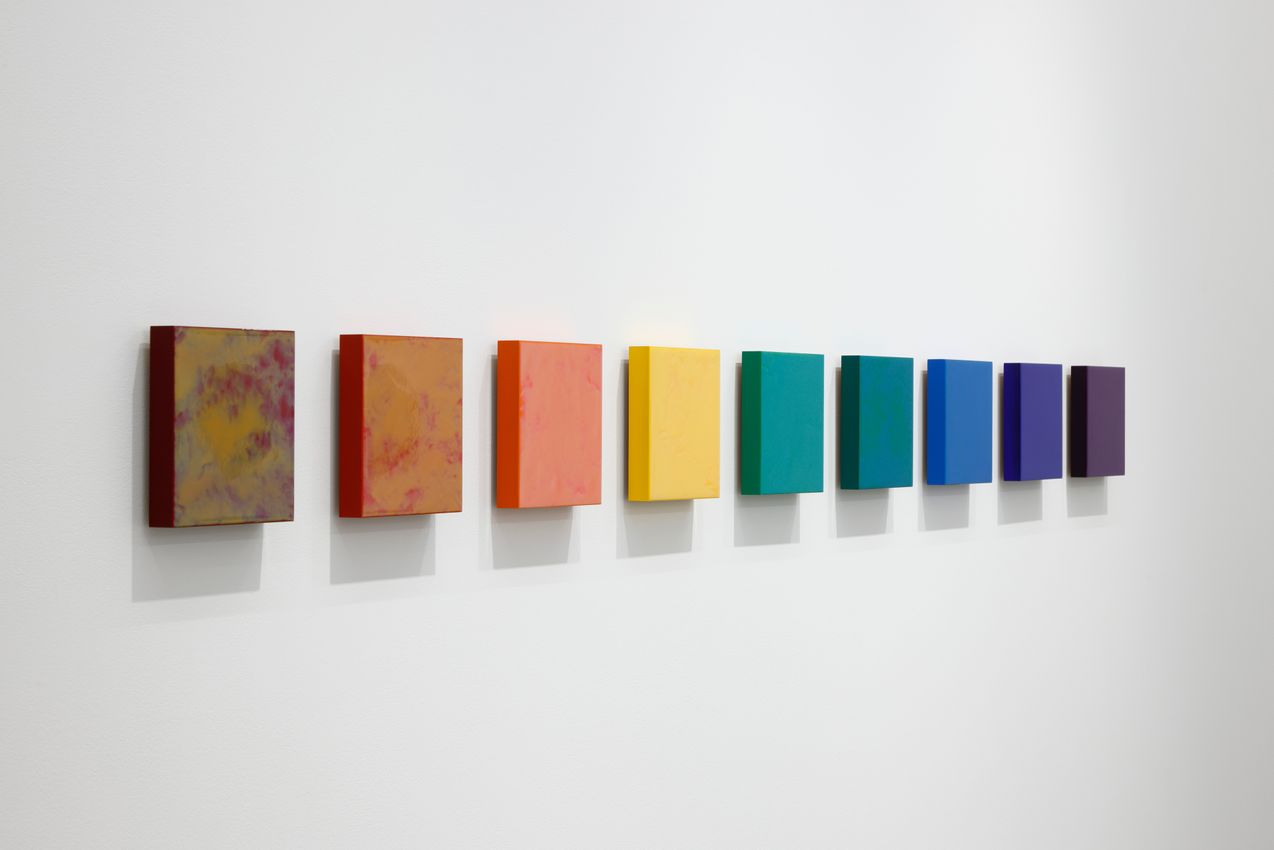
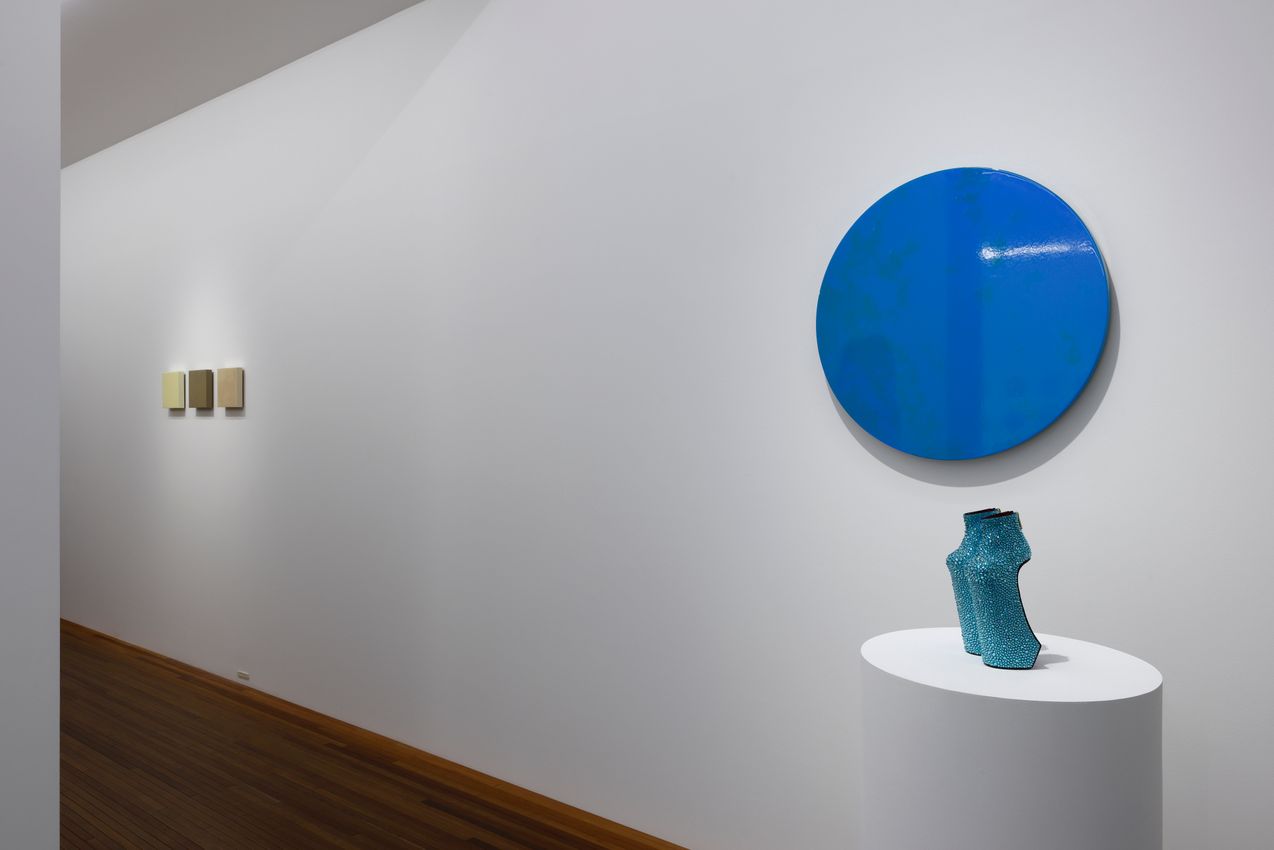
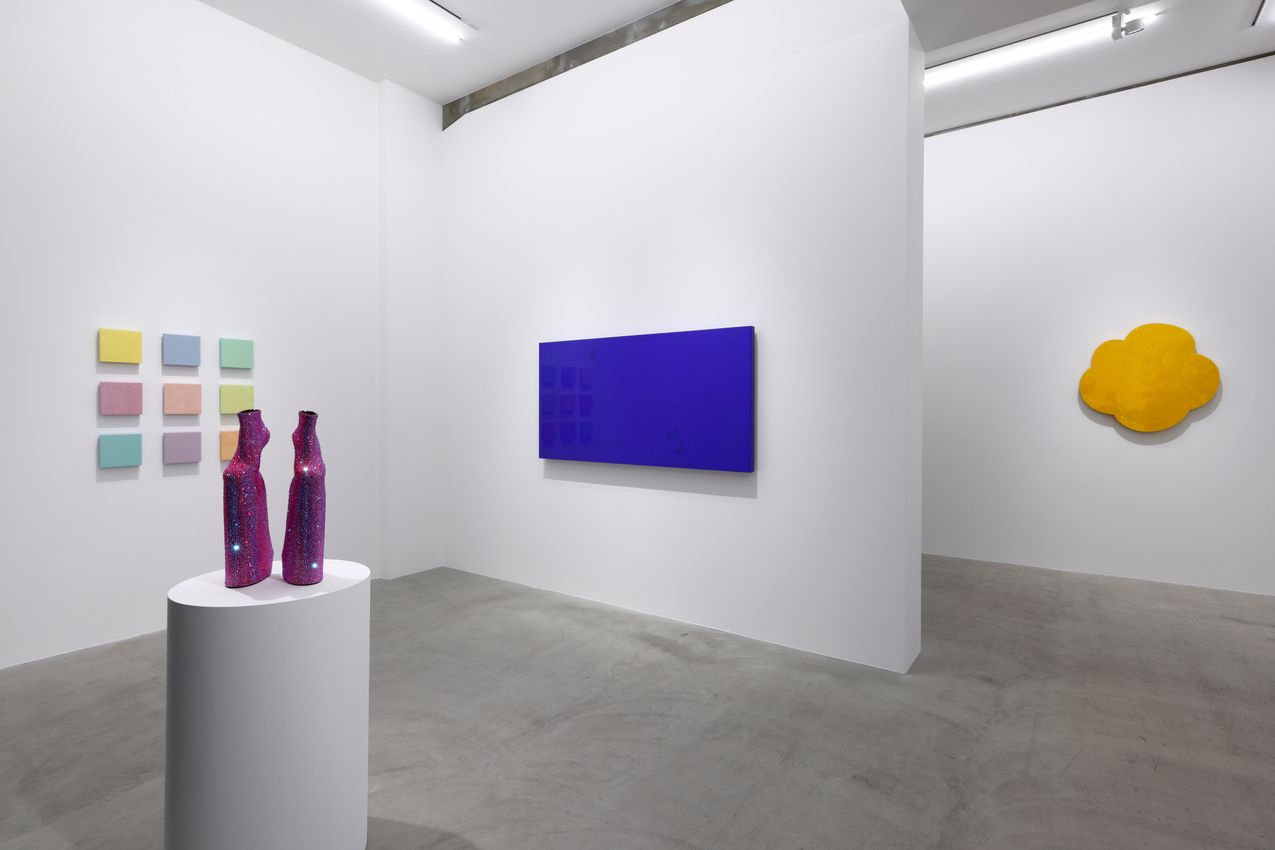
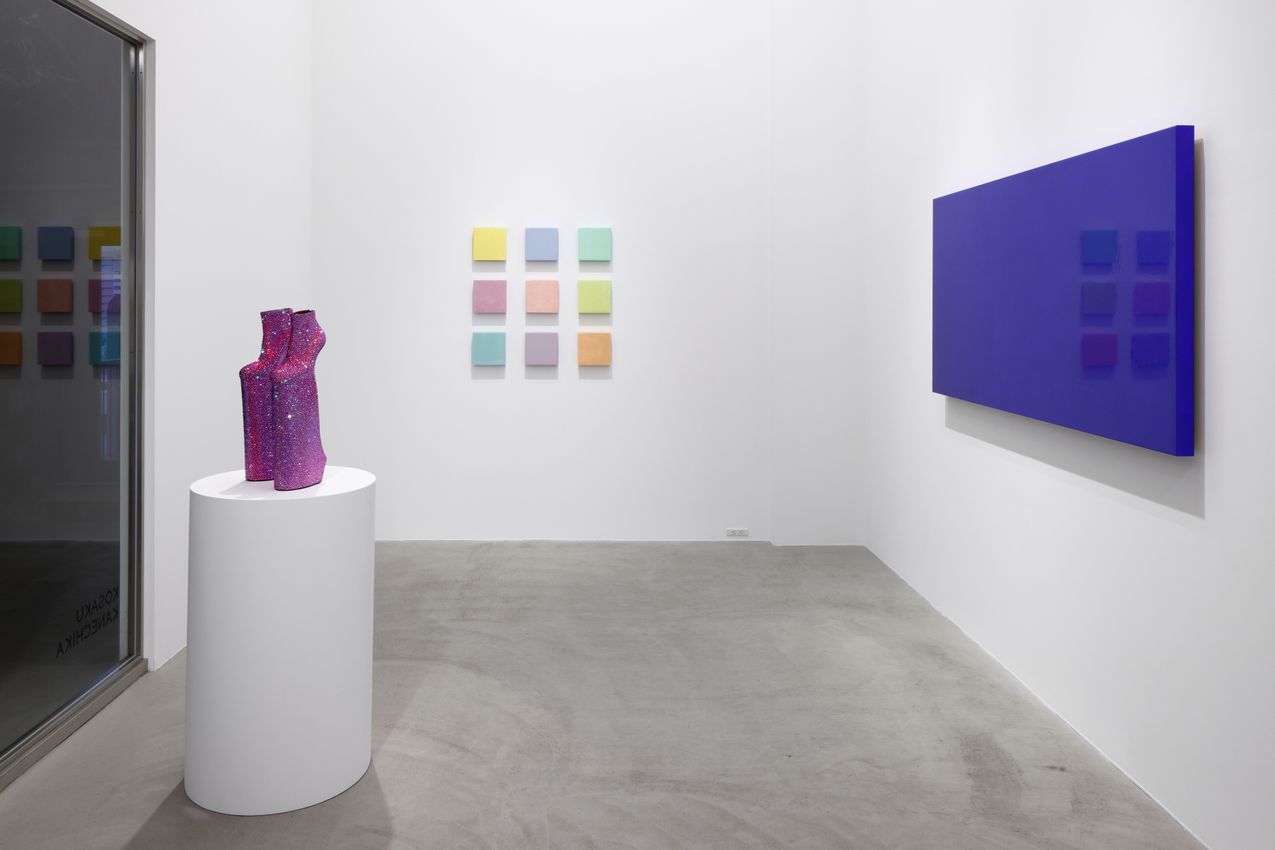
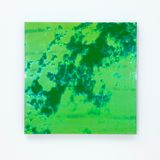
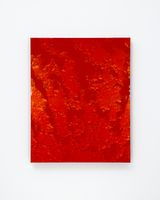
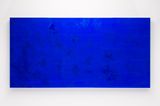
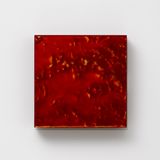
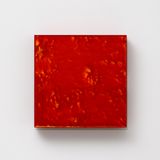
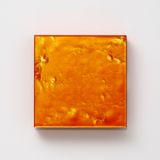
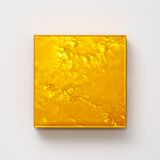
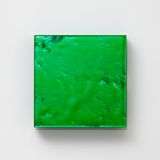
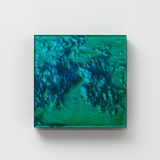
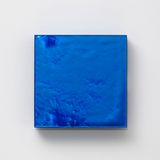
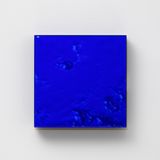
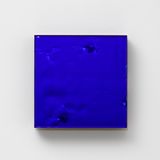
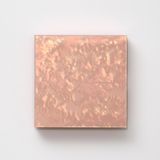
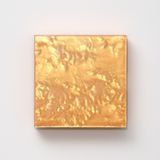
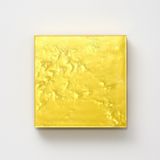
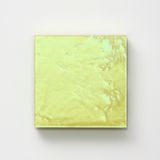
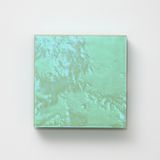
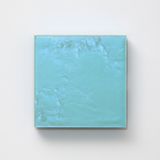
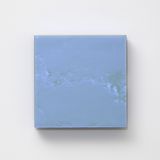
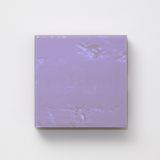
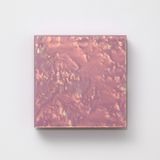
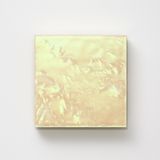
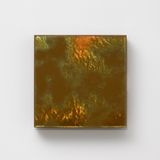
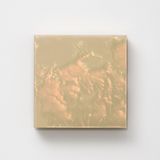
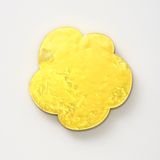
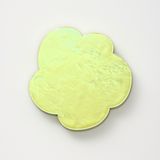
In this exhibition, Tatehana reveals a new series of work entitled Primary Colors, which uses a unique type of ink that produces ‘structural colour,’ a phenomenon in which colour is produced by the reflection of light, rather than by pigments.

Structural colours are colours generated by the interaction between the wavelengths of light and the nanostructures of a substance. Without the presence of pigments, colour is produced by interference effects occurring when the light encounters the nano-level structure of the substance’s surface. Examples of structural colours found in nature include the bright and iridescent colouring of Morpho butterflies, jewel beetles, and mother of pearl. The new structural colour inks used by Tatehana are unique, expressing colour by embedding nanostructures into a light-reflecting film of ink applied to a surface, rather than applying colour with the dyes and pigments of generic inks. Decorative printing and the materialization of digital data using structural colours were made possible in Tatehana’s new works with the support of Fujifilm design and their new ‘Structural Color Inkjet Technology’, which allows for the printing of genuine structural colours in full colour. This revolutionary, state-of-the-art print technology will be shown publicly for the first time in this exhibition.

For this series of paintings, Primary Colors, Tatehana undertook an experimental approach of crossing the brand-new Inkjet technology with acrylic paint as a way to create a new visual expression through the intersection of painterly abstract expression with the natural colour phenomenon made available by the latest technology.

Within the rich history of abstract expressionist painting, there is a movement known as Colour-Field painting, best known through Barnett Newman’s painted works. Colour-Field painting is characterized by large areas of flat colour, rejecting the idea that the presence of figure and ground is an absolute requirement for a painting. In Tatehana’s interpretation, however, a flat visual field is established not by the complete omission of the figure, but rather through principles he derives from his study of the traditional practice of yūzen-dyeing at Tokyo University of the Arts.

Tatehana provided the following statement regarding those principles.

In the yūzen-dyeing technique I studied, there is a method of resist dyeing called itome-yūzen in which thin, white outlines called itome (thread) are left on the silk after it has been dyed. With this method, even if there is a motif on the silk, the figure and ground are always on an equal footing. The idea of the motif and background existing on a single-plane—rejecting the notion of a distinct figure and ground—is, in a sense, one of the vital elements in the creation of the style of visual distortion distinctive to Japanese art, contrasting with that of European realism, which relies on the one-point perspective. The style of expression unique to Japanese art predates the introduction of the one-point perspective in Japan’s Edo era.

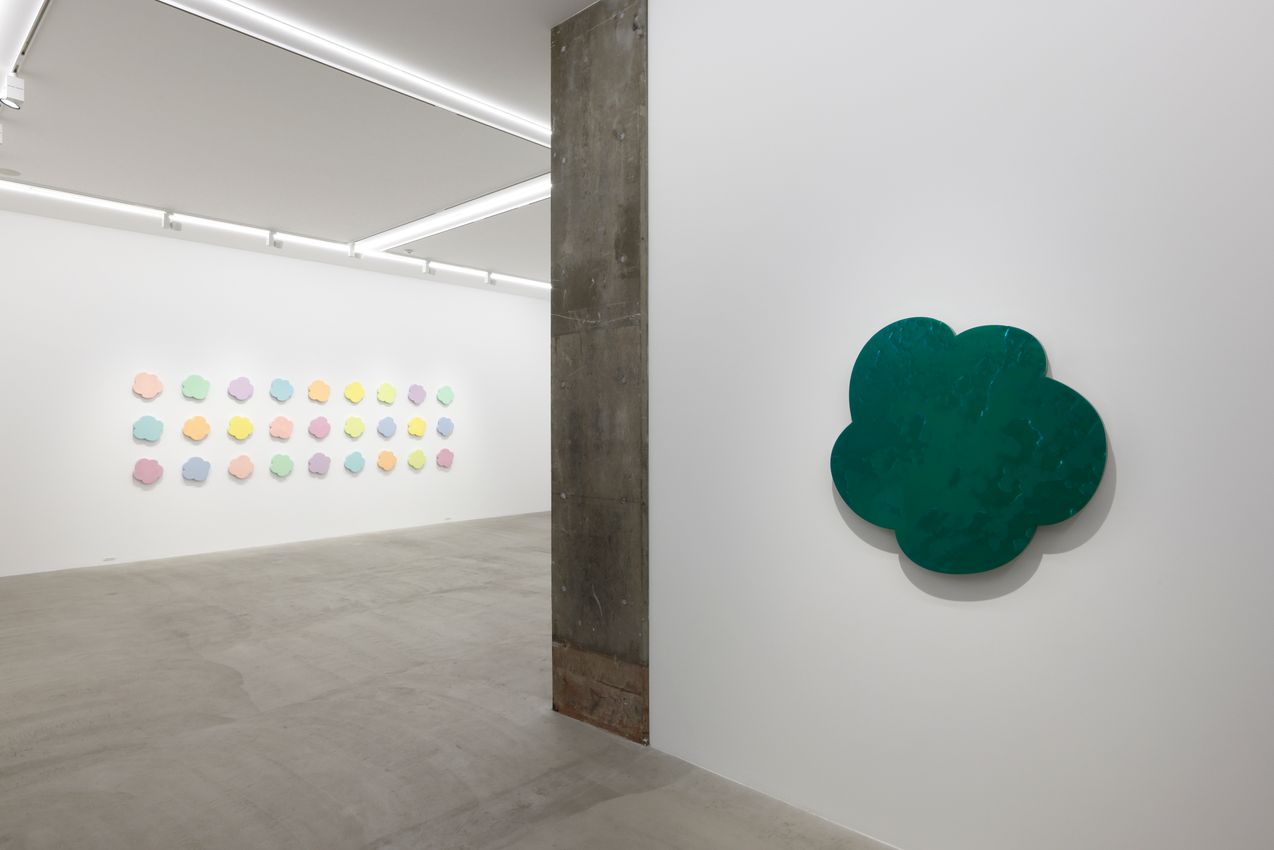
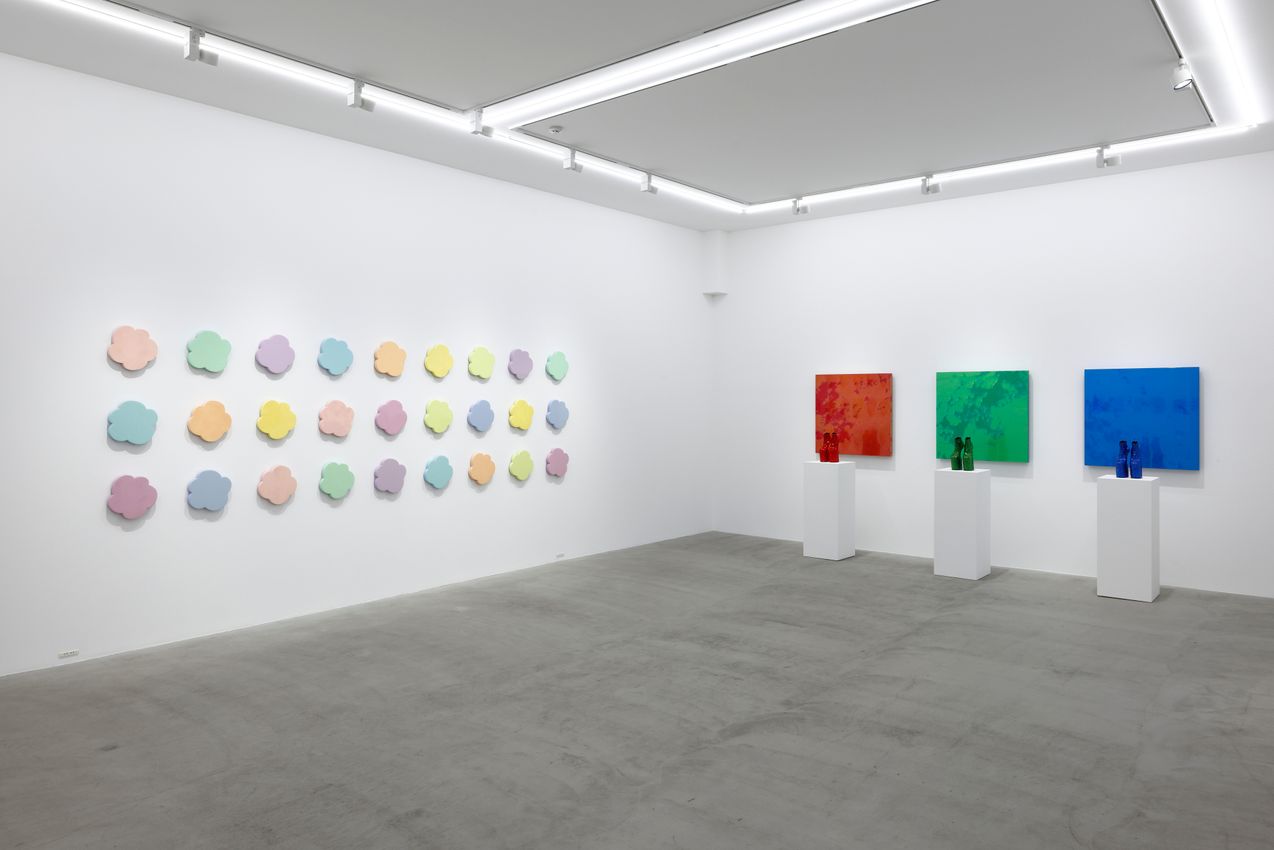
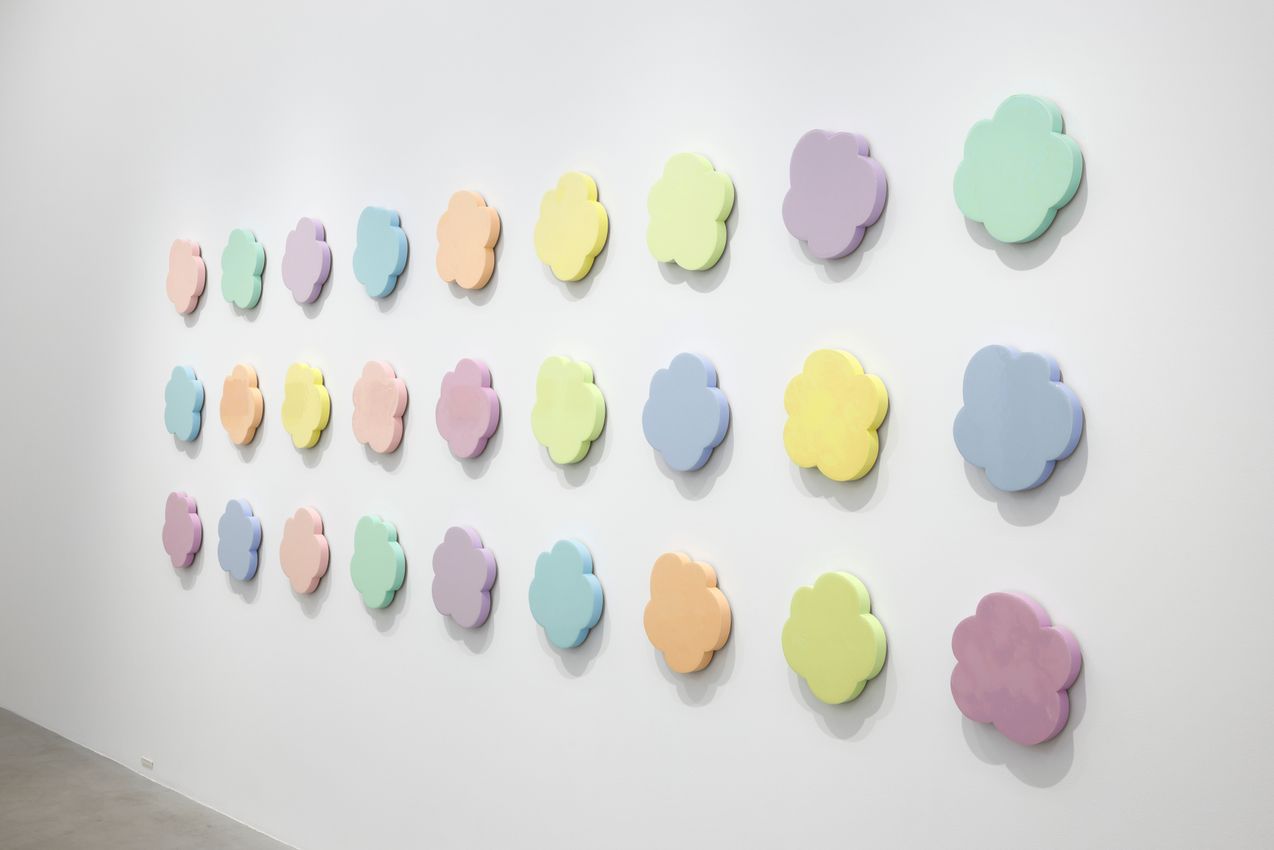
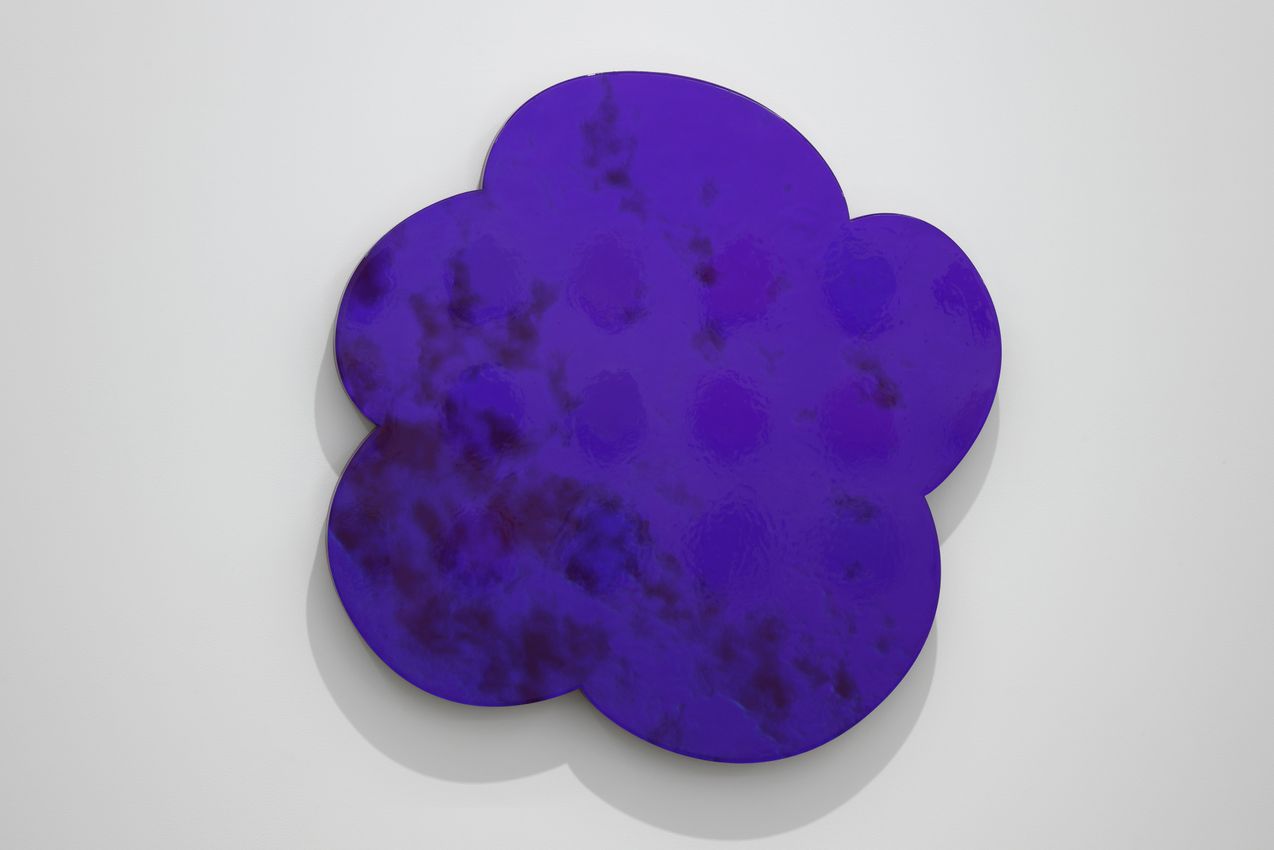
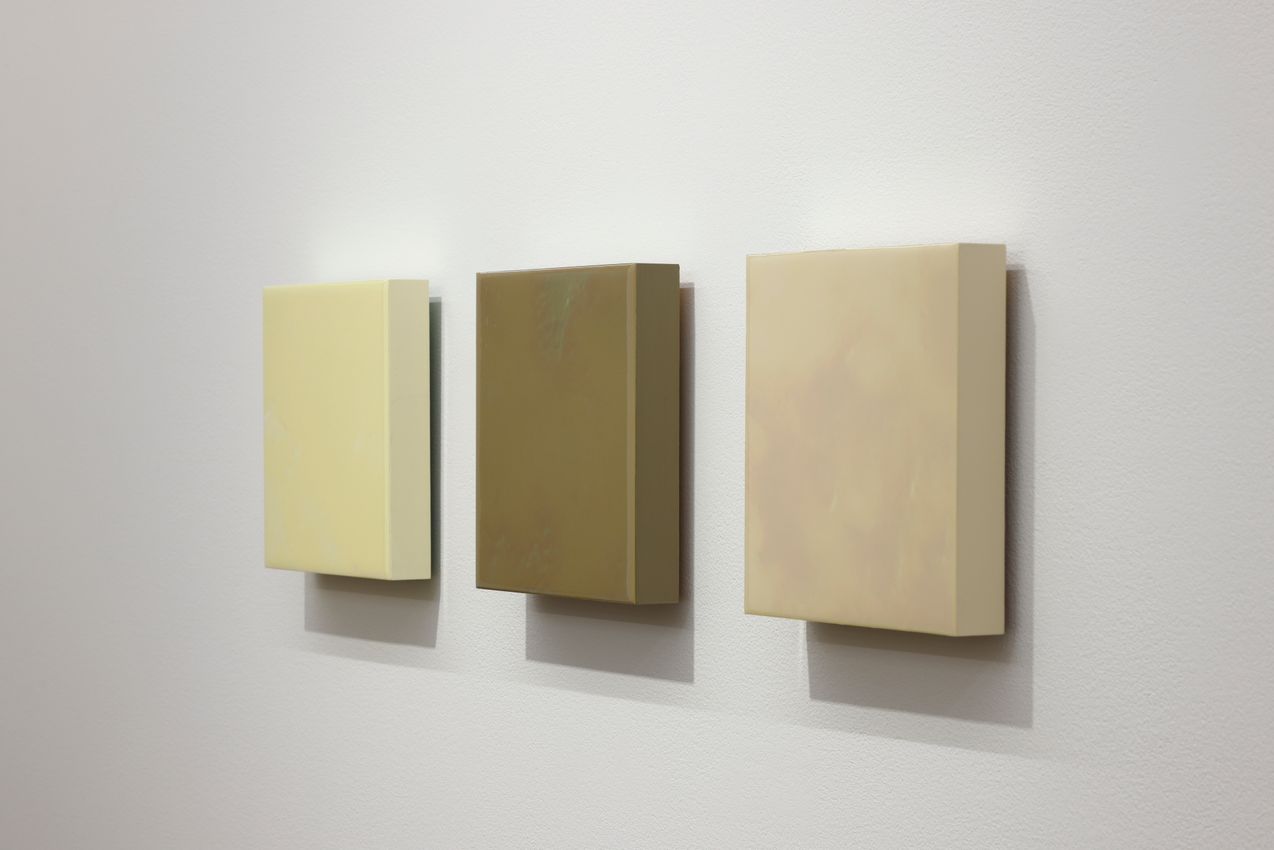
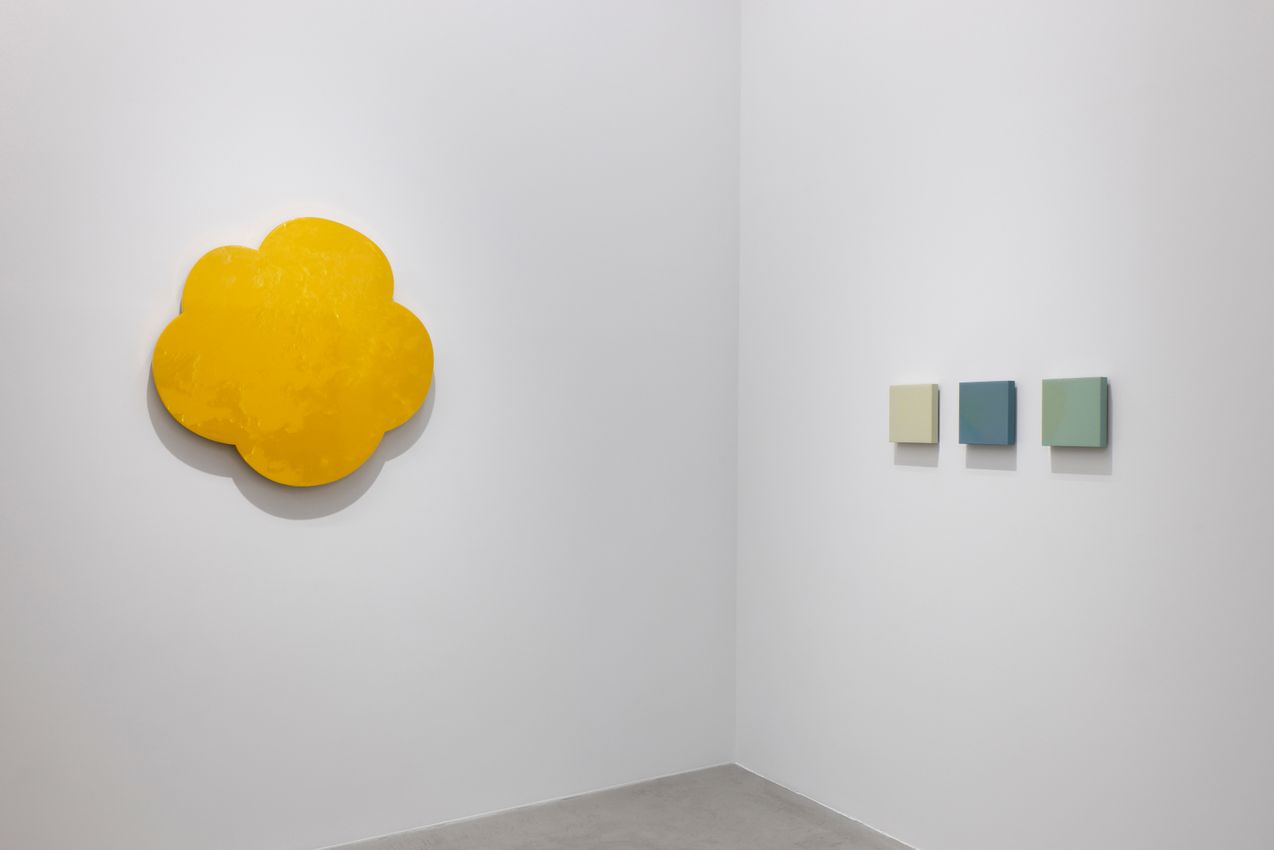
The colour plane of Tatehana’s Primary Colors is composed of a layer of plastic that has been coated with structural colour ink and acrylic paint. The motif expressed on the surface of the work is a composite image based on various photographs of clouds taken by Tatehana, tying in the idea of multiple perspectives residing in a single work, a continued theme in the artist’s portfolio.

The clouds perform as a framing device, isolating the various daily scenes that meet the viewer’s eye on a single surface, much like the clouds in Rakuchu Rakugai Zu (‘Scenes in and Around the Capital’), a set of traditional Japanese screen paintings that is now a national treasure. One could say that the clouds symbolise the Japanese embrace of dichotomies such as heaven and earth, and life and death.

Although the materials debuting in Tatehana’s newest works are highly innovative, his vision remains underpinned by his dedication to continuing the integration of traditional craft techniques into his creative processes. His experience working with materials and techniques derived from nature, such as raden—a decorative technique used in the Takaoka lacquerware of Toyama Prefecture—was fundamental in the artist’s inspiration to incorporate the same natural colour phenomenon in his works.

The structural colour inks used in Primary Colors were the catalyst for Tatehana to create visually focused works that are free from any material constraints. The artist is still undecided about how to approach the matter of form—something that he hopes to discover through continued experimentation.

This exhibition bears powerful witness to Tatehana’s constant effort to pioneer new forms of visual expression through the linkage of tradition and innovation from a unique perspective.

Read More

Installation Views

Selected Works

Loading...
About the Artist

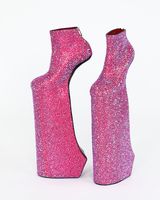
Noritaka Tatehana presents a redesigned worldview by combining elements of traditional Japanese culture with those of the contemporary era. His carefully honed artistry is elegantly expressed through various media, and his creations, which nurture the sensitivities of Japanese history, tradition,and innovation, burst with endless possibilities for the future. Gaining the attention of audiences all over the globe, Tatehana is known for his ‘Heel-less Shoes’ series inspired by takageta – elevated wooden clogs worn by traditional Japanese courtesans. The artistʼs works have been acquired by internationally acclaimed institutions such as the Metropolitan Museum of Art in New York, and the Victoria & Albert Museum in London.

View Artist Profile

Also Exhibiting

About the Gallery

Founded in March 2017 by director, Kosaku Kanechika, KOSAKU KANECHIKA is a contemporary art gallery in Tokyo, Japan, that belongs to a new generation of venues re-defining the local contemporary art landscape. The gallery showcases Japanese artists who are renowned domestically and on an international scale, representing Yutaka Aoki, Junko Oki, Takuro Kuwata, Ataru Sato, Chikashi Suzuki, Noritaka Tatehana, and fumiko imano. The gallery also hosts exhibitions featuring overseas artists such as Dan McCarthy and Ruby Neri, introducing artists that engage in novel expressions transcending both medium and genre.

View Gallery Profile
Address
TERRADA Art Complex 5F
1-33-10 Higashi-Shinagawa
Shinagawa-ku
Tokyo
Japan
Opening Hours
Tuesday – Saturday
11am – 6pm
(1)
Tokyo TERRADA Art Complex 5F, 1-33-10 Higashi-Shinagawa
KOSAKU KANECHIKA
TERRADA Art Complex 5F, 1-33-10 Higashi-Shinagawa, Shinagawa-ku, Tokyo, Japan

Opening hours
Tuesday – Saturday
11am – 6pm
The art world in focus