





SUKI SEOKYEONG KANG
1977-2025, South KoreaSuki Seokyeong Kang was a leading Korean contemporary artist known for a multidisciplinary practice that spanned painting, sculpture, installation, and performance.
She has been internationally celebrated in numerous institutional shows. Using traditional Korean craft techniques and systems—such as the musical notation jeongganbo and hwamunseok mats—as frameworks for her contemporary works, her art often examines how personal and collective identities are negotiated within structured spaces.
Early Life and Education
Born in Seoul in 1977, Kang grew up immersed in the cultural and artistic heritage of Korea. She studied Oriental Painting at Ewha Womans University, Seoul, where she completed both her BFA and MFA, and later became a professor of painting at the same institution. Kang furthered her education with an MA in Painting at the Royal College of Art, London, a dual grounding that informed her unique approach to art making, combining classical technique with contemporary discourse.
Artistic Practice
Kang’s work rigorously explores form, material, and movement, consistently questioning how individuals navigate collective structures. Her practice balanced tradition and innovation, employing painting, sculpture, video, installation, and performance.
Jeong’, ‘Mat’, and ‘Mora’ series of work
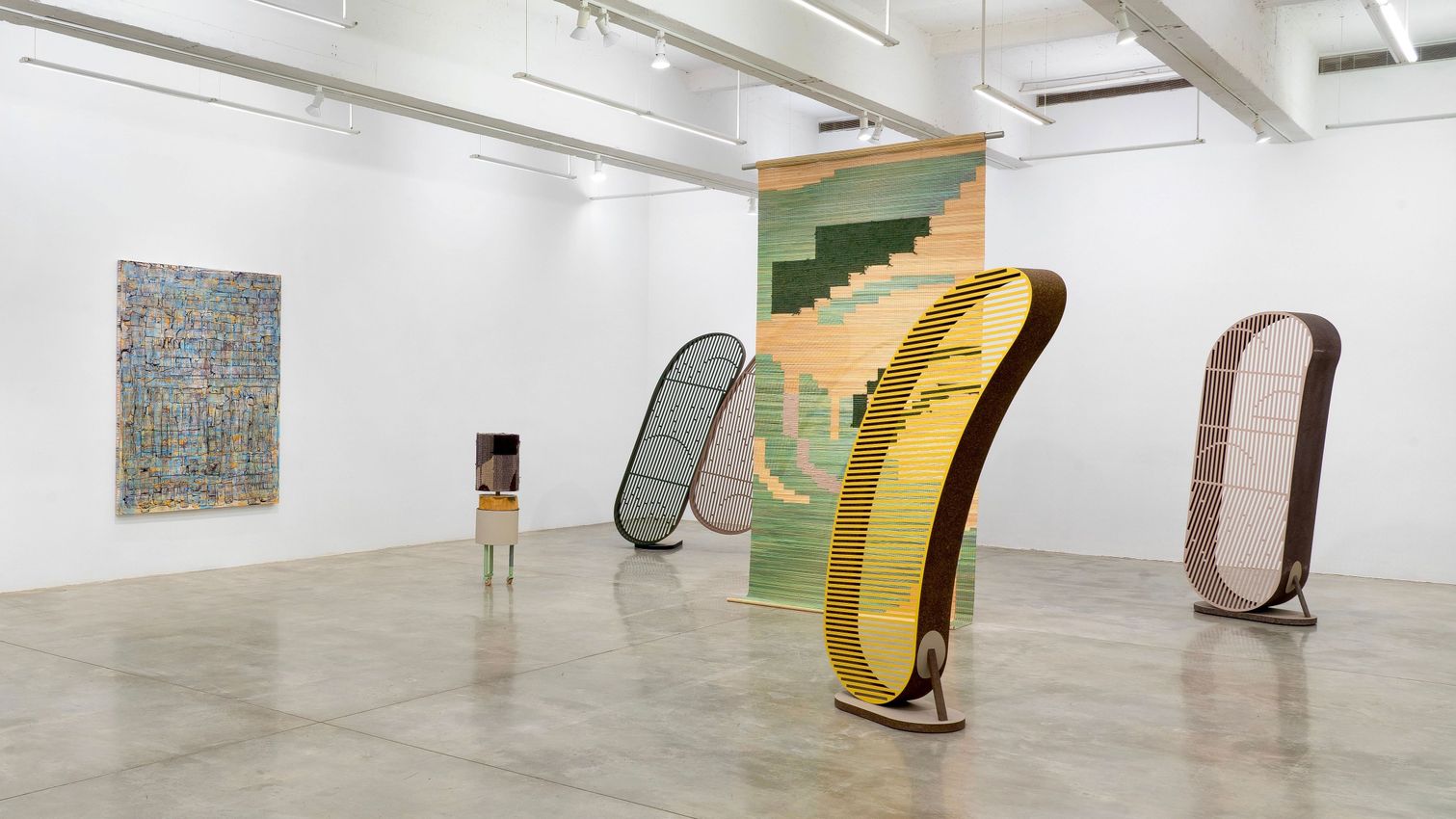
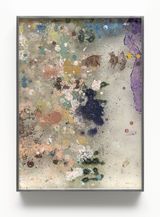
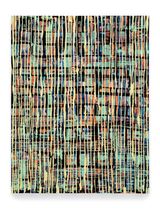
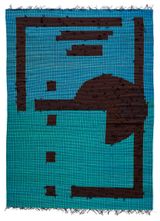
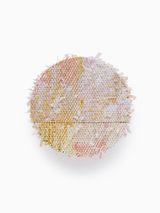
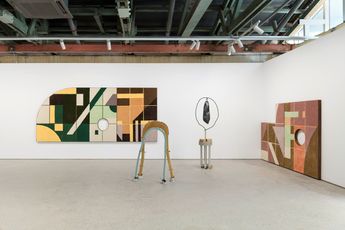
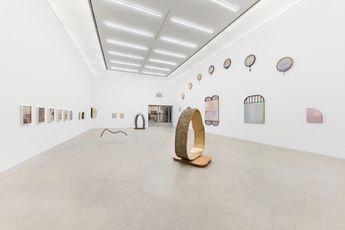
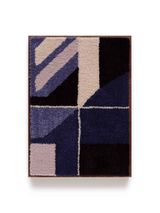
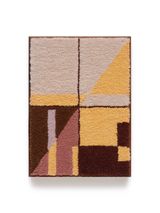
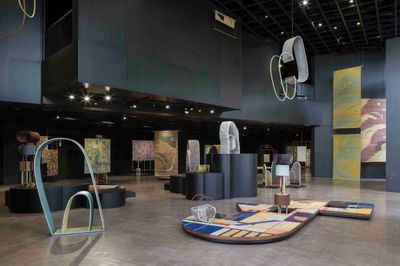
In a 2024 exhibition at Tina Kim Gallery in New York, the artist presented works—many of which were specifically created for her major 2023 solo exhibition at Leeum Museum of Art Willow Drum Oriole. The show included works from her ‘Jeong’, ‘Mat’, and ‘Mora’ series, and incorporated the grid, a recurring motif for the artist which acted as a structuring device. It also included woven reed mats (hwamunseok). The works offered poetic meditations on how people define and are defined by the spaces they inhabit.
Mountain Sculptures
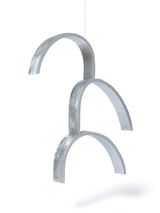
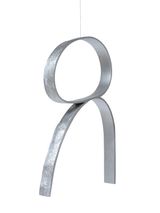
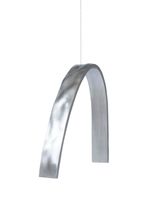
Kang’s multidisciplinary approach is evident in her use of found objects, layered colour, and tactile materials such as wood, steel, paper, and silk. Her ‘Mountain’ sculptures—curved steel forms sometimes adorned with thread—recall traditional ink painting and are often human-scaled, emphasising the relationship between body, object, and space.
Grandmother Tower
Her celebrated ‘Grandmother Tower’ series (2011–2013) exemplifies her interest in the precariousness of the individual. Inspired by her grandmother’s declining health, these works often use stacked, drum-like frames wrapped in thread or leather, referencing both familial memory and the fragility of support structures. Some versions incorporated wheeled walking frames and were activated by performers, further exploring the intersection of stability and vulnerability.
Land, Sand, Strand and Black Mat Oriole
Performance was central to Kang’s practice. Installations such as ‘Land, Sand, Strand’ and ‘Black Mat Oriole’ (both 2017) combined sculpture, performance, and video, with dancers navigating spaces defined by Kang’s sculptures and mats. These performances, often rooted in historical Korean dance and musical notation, transformed the exhibition space.
Exhibitions
Suki Seokyeong Kang has been the subject of both solo and group exhibitions at important institutions
Solo Exhibitions
- Mountain–Hour–Face, Museum of Contemporary Art Denver (2025)
- Willow Drum Oriole, Leeum Museum of Art, Seoul (2023)
- Square See Triangle, Buk-Seoul Museum of Art (2019–2020)
- Black Mat Oriole, Institute of Contemporary Art, Philadelphia (2018)
- Mudam Luxembourg (2018)
Group Exhibitions
- Venice Biennale (2019 and 2024)
- Shanghai Biennale (2018).
- Gwangju Biennale (2018)
- Liverpool Biennial (2018)
Awards and Critical Reception
In 2018 Kang was awarded the Baloise Art Prize. Her practice has been covered in leading art publications, including ArtReview, Ocula, and Artnet News, which have highlighted her innovative approach to tradition and her profound impact on Korean and international contemporary art.
Suki Seokyeong Kang FAQs
What materials and techniques did Suki Seokyeong Kang use in her art?
Kang’s work is characterised by a sensitive use of materials, including wood, steel, paper, silk, and hand-woven sedge mats. She often incorporated found objects, machine-made and hand-shaped metal structures, and multicolored threads. Her approach blends traditional Korean craft with modern industrial production, resulting in tactile, interactive installations that frequently involve performance and movement.
What are the main themes in Kang’s work?
The central themes in Kang’s work include the negotiation of individual agency within collective systems, the relationship between body and space, and the reinterpretation of traditional Korean forms for contemporary contexts. Her use of grids, mats, and modular structures reflects a deep interest in how social roles, movement, and memory shape personal and communal experience.
What are her most significant works or series?
Among Kang’s most significant works are the ‘Jeong’, ‘Mat’, and ‘Mora’ series, which draw on Korean musical notation and dance to explore spatial and social structures. Her ‘Grandmother Tower’ sculptures, inspired by her grandmother’s declining health, use stacked frames wrapped in thread to reflect on fragility, support, and memory. These works have been widely exhibited and are considered foundational to her practice.
Where did Suki Seokyeong Kang study and teach?
Kang studied Oriental Painting at Ewha Womans University in Seoul, where she earned both her BFA and MFA, and later completed an MA in Painting at the Royal College of Art in London. She returned to Ewha Womans University as a professor of painting, contributing to the education of a new generation of artists.
Ocula | 2025
Works at Kukje Gallery







Recently Exhibited


Works Elsewhere















Explore and Follow Artists Shaping Contemporary Art
A respected voice in contemporary art discourse.
Focusing on ambitious storytelling and insightful art-world commentary. Ocula Magazine publishes in-depth interviews, critical essays and timely analysis on the artists, exhibitions and ideas driving the global art world.
Learn more about Ocula Magazine
Showcasing the best of the art world.
Ocula partners with galleries from around the world to highlight their artists, artworks and exhibitions. Gallery membership is by application and invitation, with each member vetted by an independent panel.
Learn more about Ocula Membership
Specialises in the sale of major artworks.
Led by a team with deep ties to the world’s leading auction houses, galleries and collectors. Ocula’s advisory team offers bespoke services to high-net-worth clients from around the world who are looking to acquire the best of contemporary and modern art.
Learn more about our team and services