Press Release

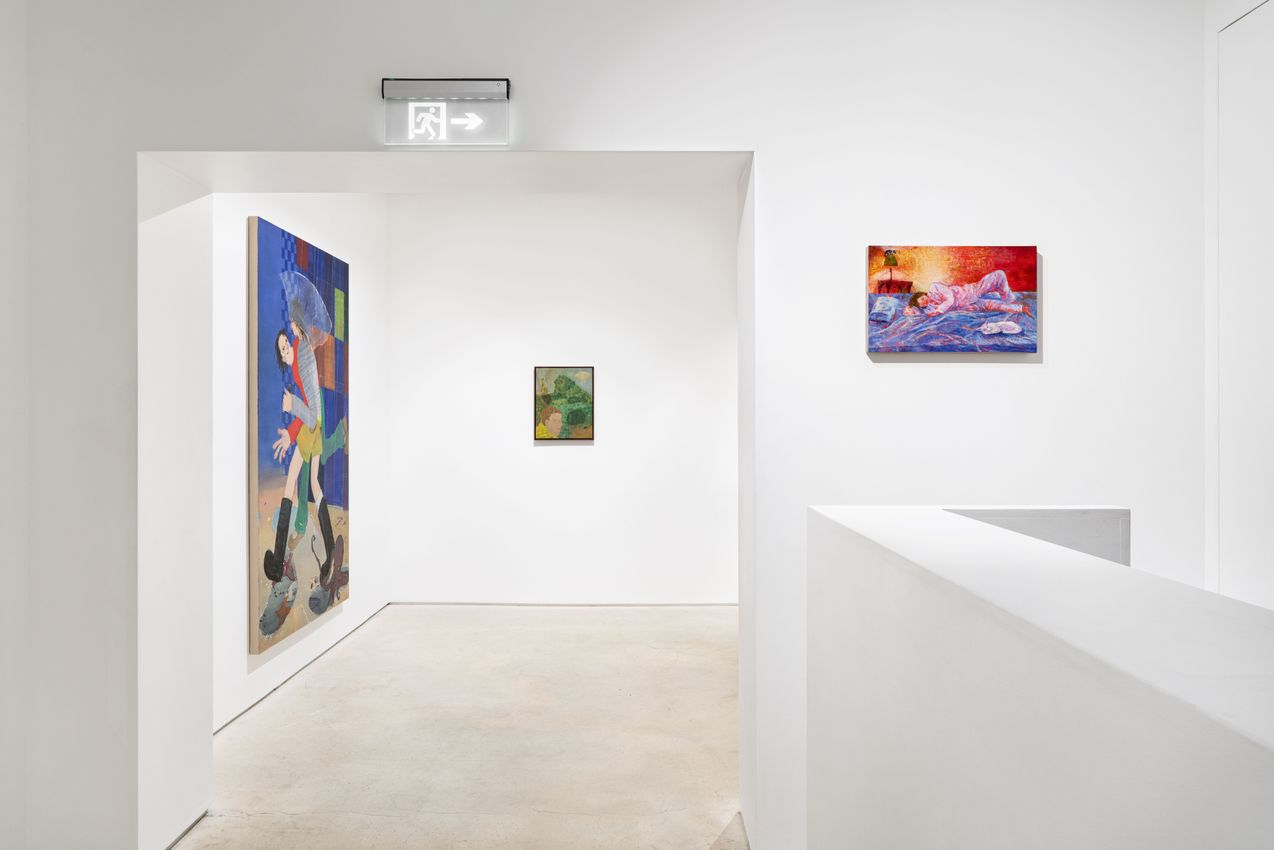
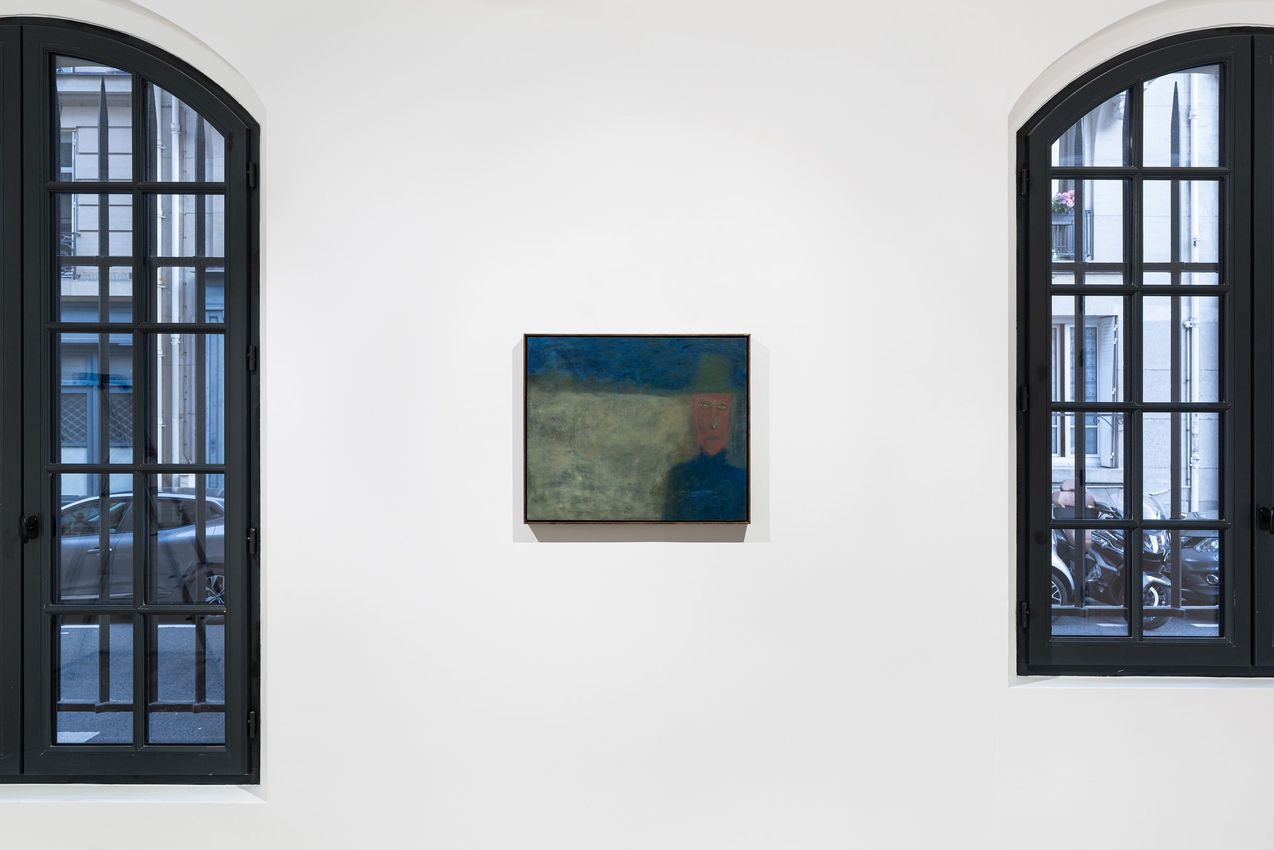
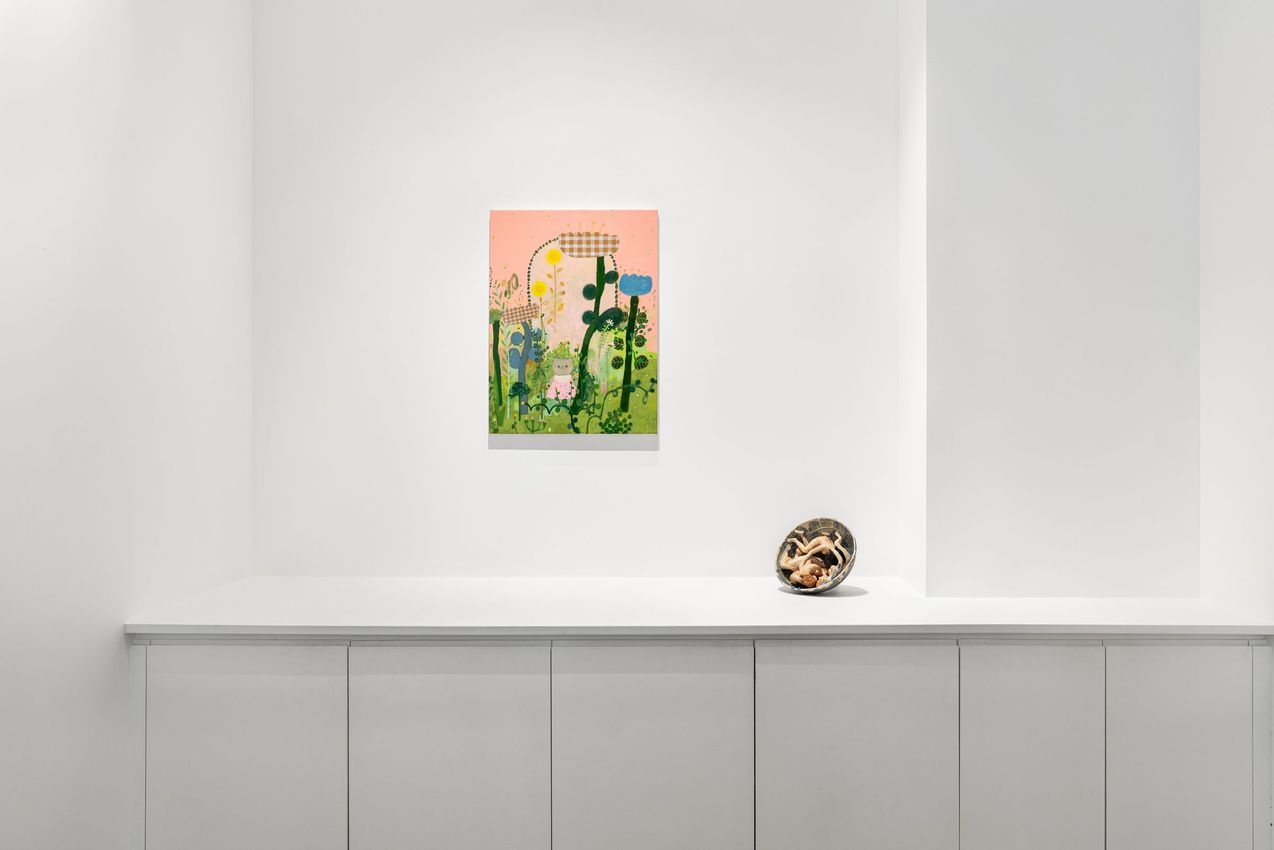
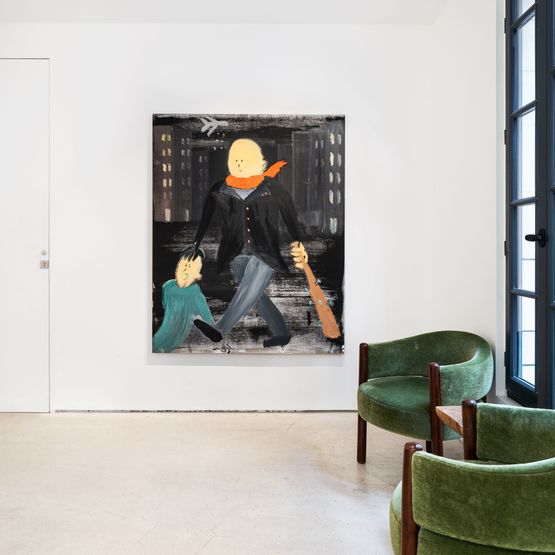
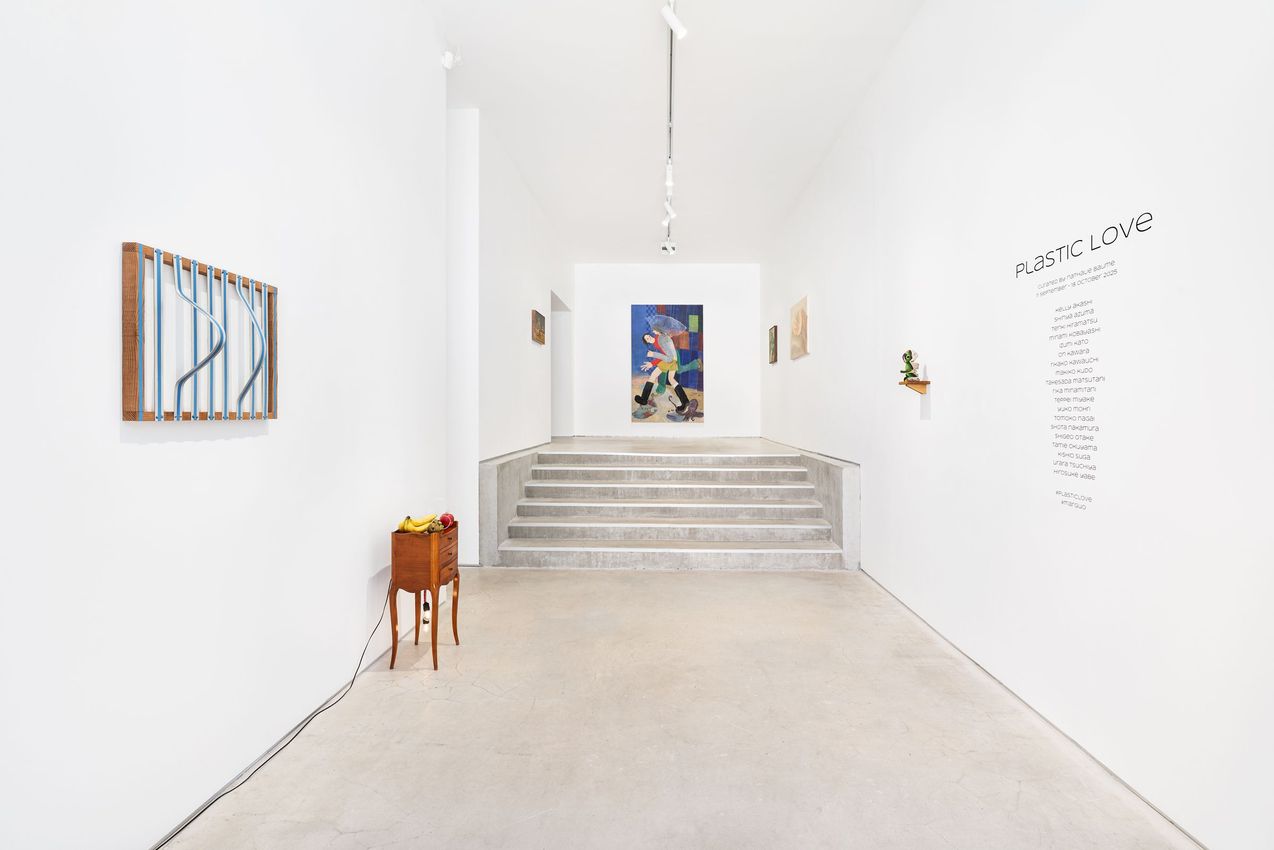
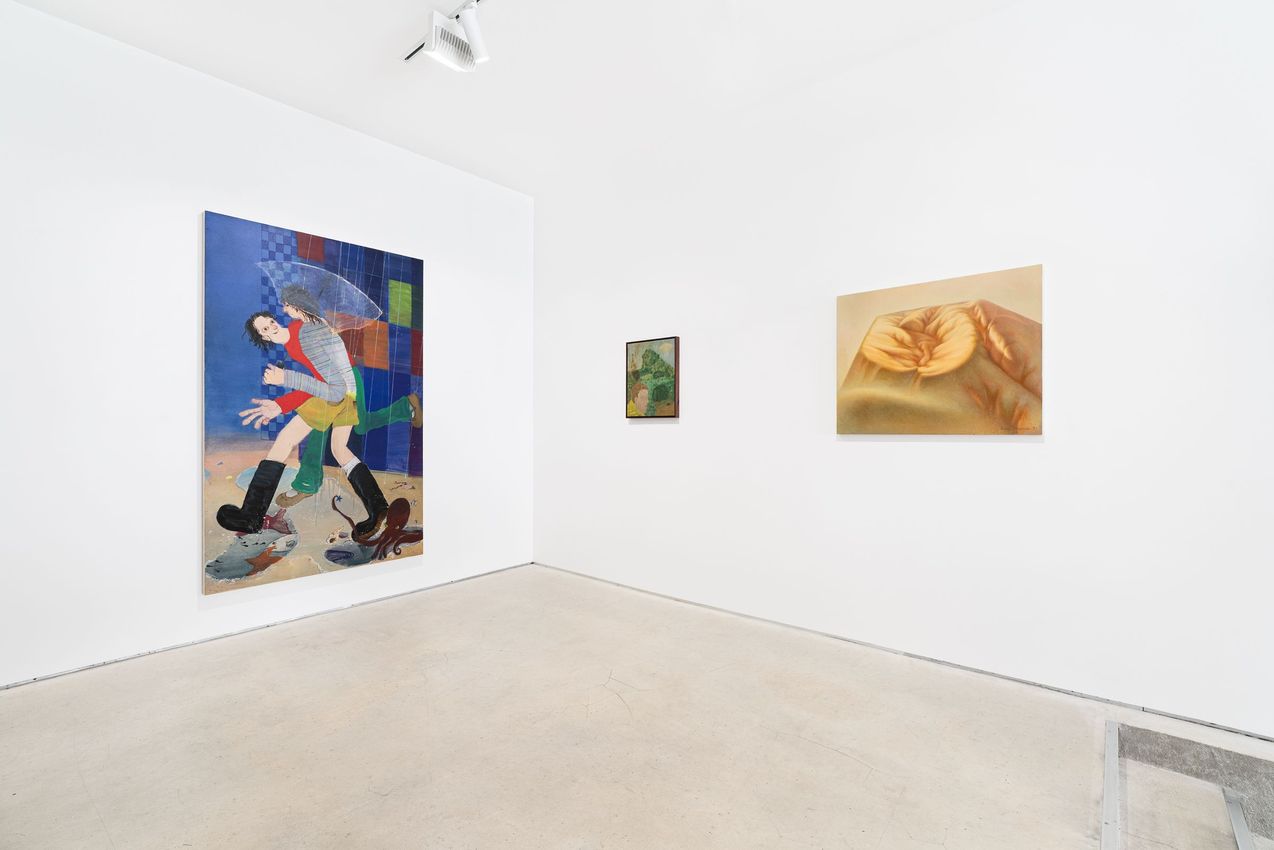
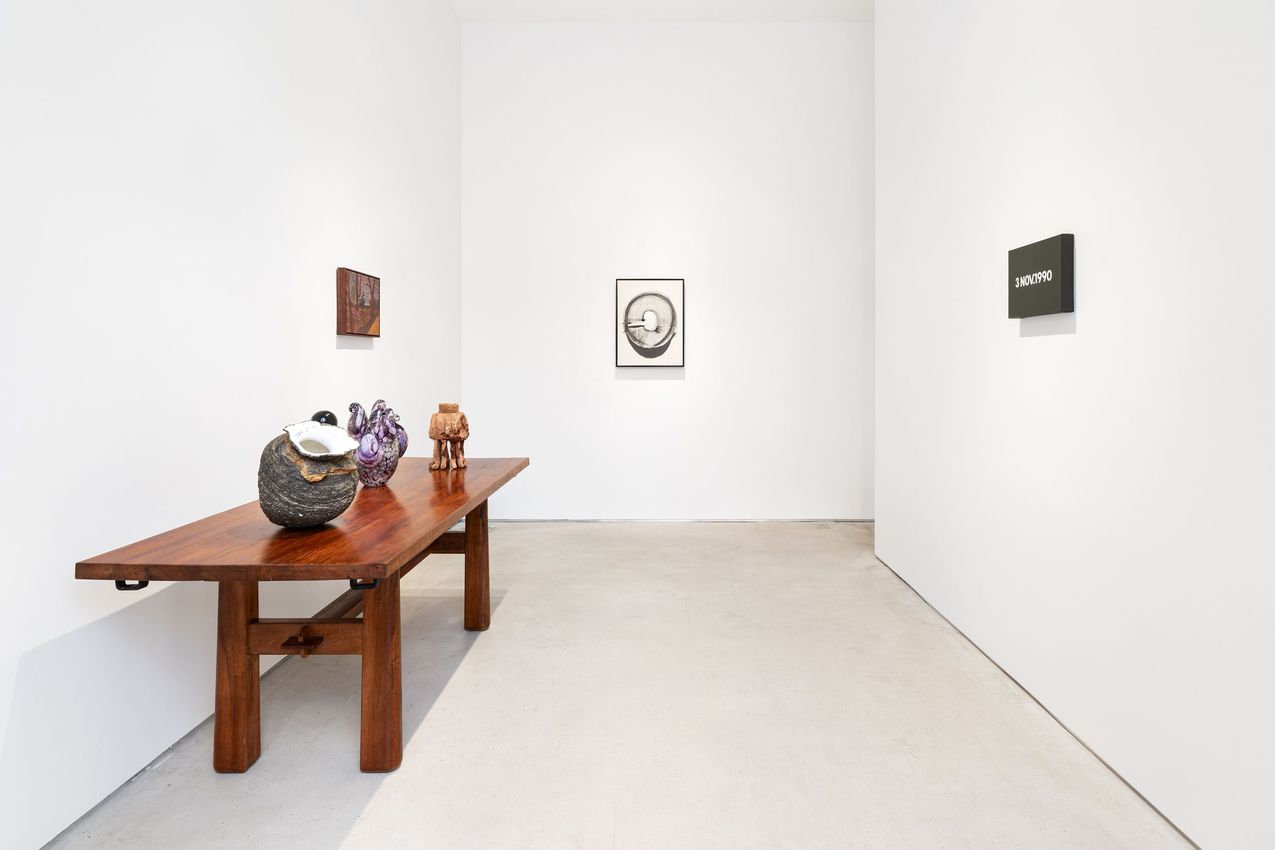
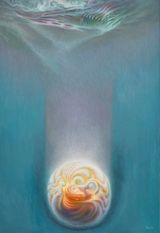
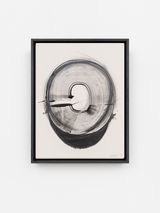
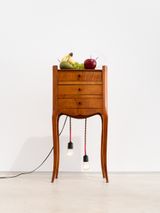
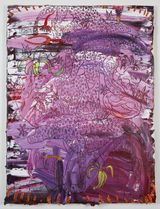
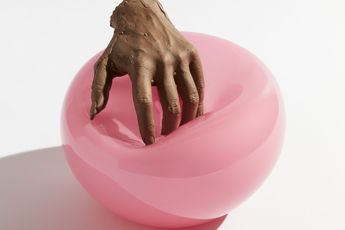
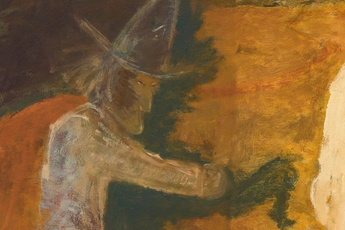
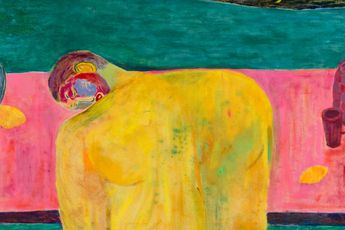
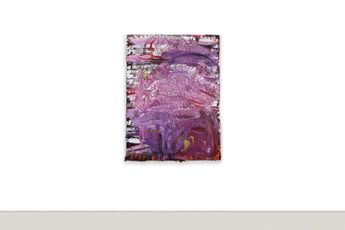
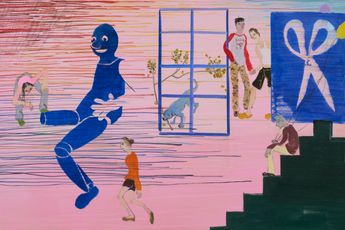
Marguo is pleased to present Plastic Love curated by Nathalie Baume, an ambitious exhibition that seeks to uncover the universal potential inherent in Japanese art. It brings together the work of 19 artists, ranging from postwar masters such as On Kawara, a pioneer of conceptual art; Takesada Matsutani of the Gutai group; and Kishio Suga, a central figure of Mono-ha; to a new generation of emerging artists active both in Japan and abroad.

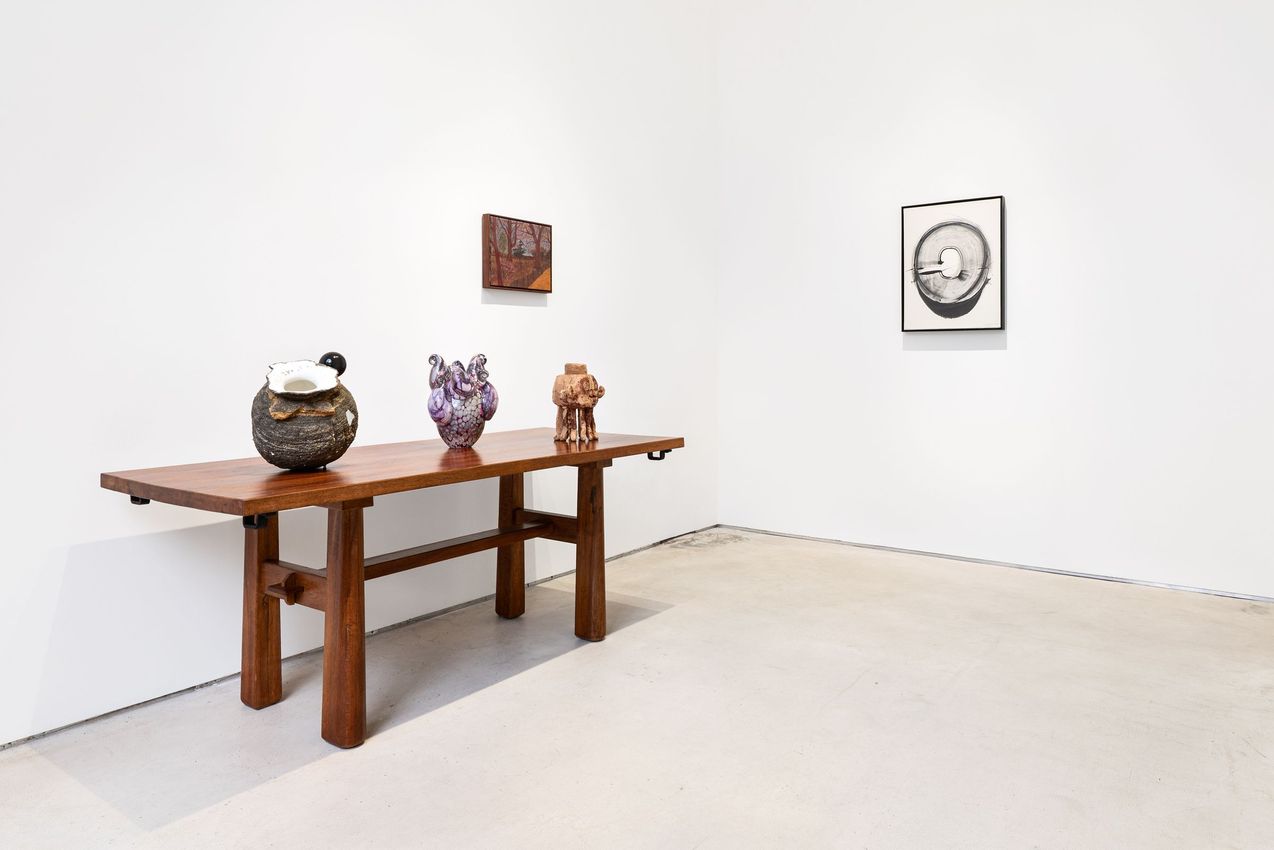
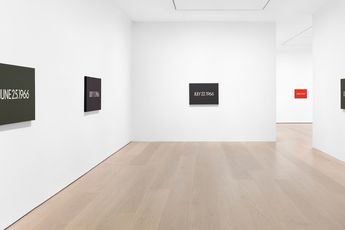
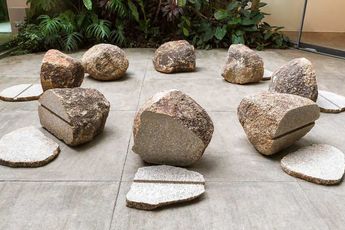
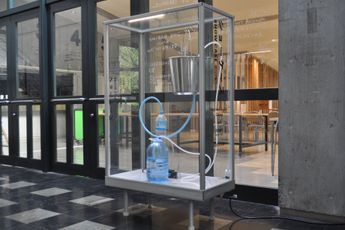
By stepping back from existing critical frameworks and historical classifications, the works in this exhibition can be reinterpreted through three overarching thematic lenses. The first concerns an inquiry into the nature of existence. On Kawara documents the uncertainty of time and being; Takesada Matsutani expands the boundaries of expression through playful, rigorous material engagement; Kishio Suga visualizes spatial relationships and the interaction of object and self. More contemporary practitioners extend this inquiry in varied ways: Yuko Mohri evokes sensory phenomena through installations that combine sound, light and everyday matter; Teppei Miyake draws attention to ‘the material of materials’—elements often overlooked in today’s layered information society; Meanwhile, Rikako Kawauchi approaches the canvas as ‘the Other,’ engaging in a tension-filled dialogue with the energy and resistance that emanates from it.

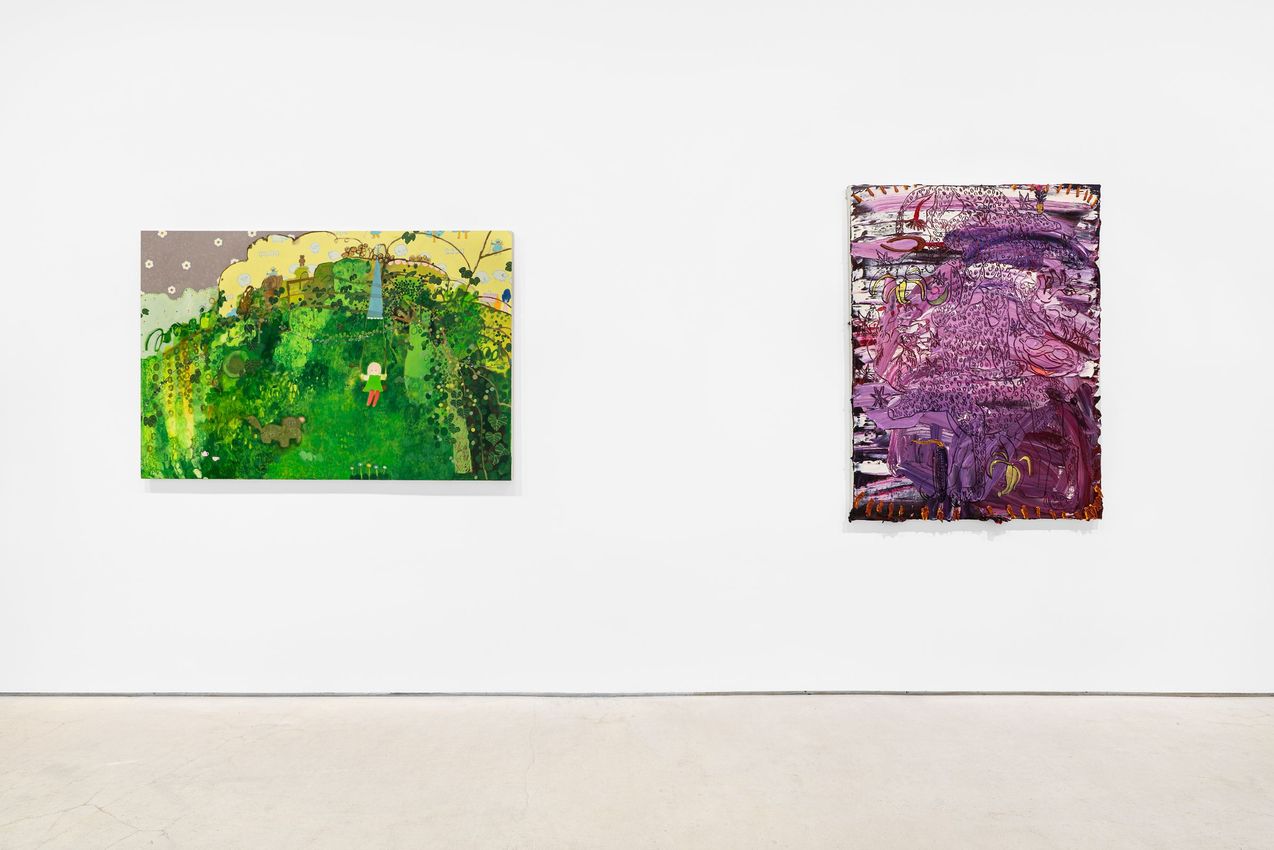
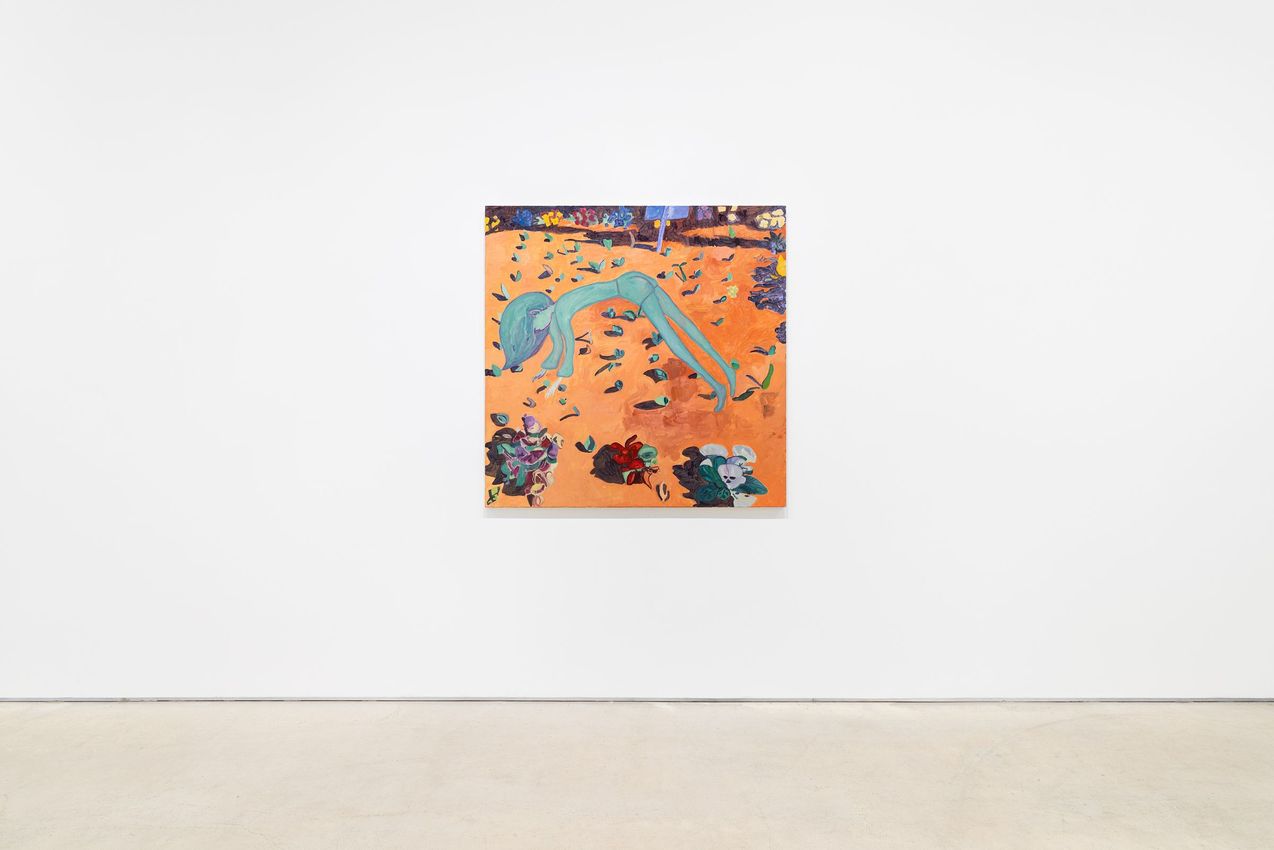
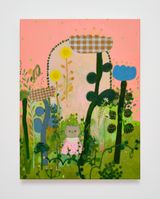
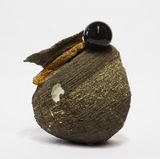
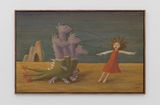
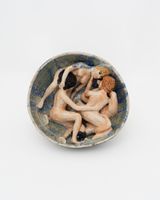
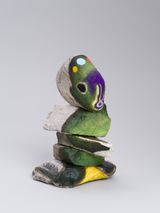
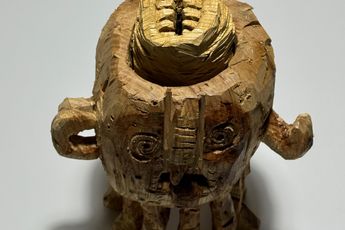
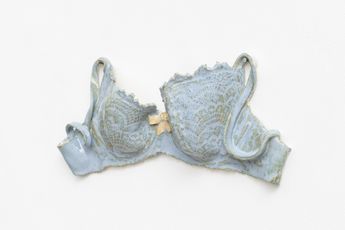
The second theme explores a form of radically personal realism. These artists face society, nature, and their environments head-on, forging unique modes of expression from deeply personal perspectives. Shigeo Otake constructs paintings through memories and the presence of people and things close to him; Kelly Akashi begins with her identity as a Japanese American, revealing the world through multilayered relationships. Tamie Okuyama renders the sun and plants as she experiences them—through their warmth and energy. Hirosuke Yabe translates a wide range of moments, from the everyday to the surreal, into sculptural forms that convey a persistent sense of joy and hope. Urara Tsuchiya uses pared-down forms to express her unease with social constructs, such as gender. Shinya Azuma incorporates references ranging from current news to art history, developing a unique approach to visual deformation.

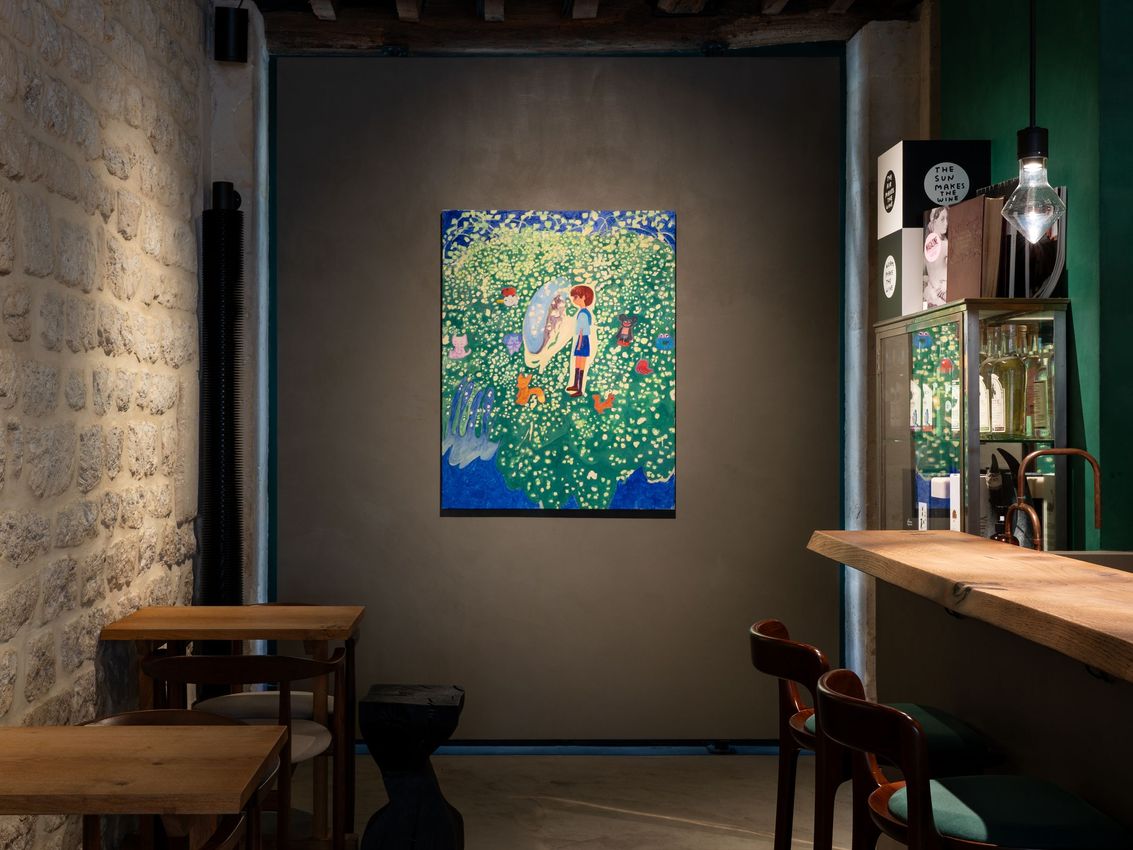
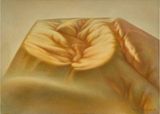
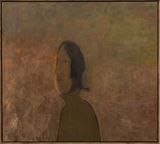
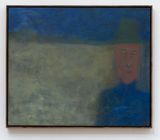
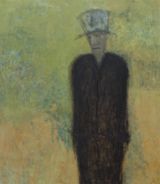
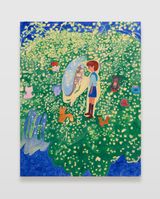
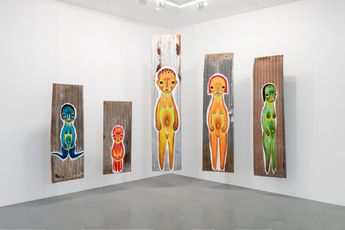
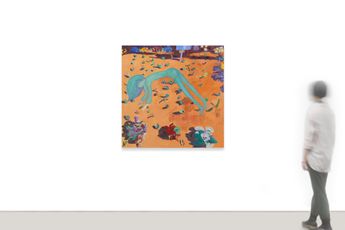
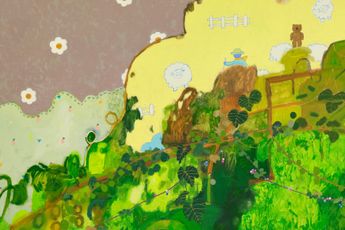
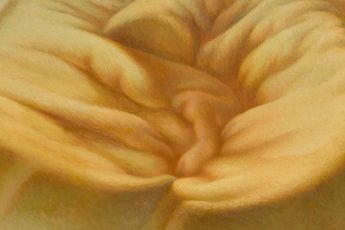
The third group of artists is concerned not with social commentary or conceptual frameworks, but with confronting the image itself. Their practices are centered on the fundamental possibilities of painting and image-making. Izumi Kato paints with raw, primitive gestures on a variety of supports, creating a world entirely his own; Tenki Hiramatsu draws imagery from the rhythmic flow of color; Minami Kobayashi captures poetic, painterly moments hidden within ordinary landscapes, rendered in her distinctive touch. Makiko Kudo seizes fleeting moments of transformation—like a sudden beam of dreamlike light that shifts the everyday into the sublime. Tomoko Nagai depicts imaginary worlds reminiscent of fairy tales and dreams, populated with her own characters and colors. Shota Nakamura references Western painting traditions such as Impressionism but positions the viewer not at a window, as in the Western sense, but in the inbetween space of an engawa—a traditional Japanese veranda—blurring inside and outside. Rika Minamitani experiments with visual language by layering flat, graphic expressions inspired by ukiyo-e and animation into new painterly constructions.

These themes are not uniquely Japanese. In fact, many of the artists in the exhibition have diasporic identities shaped by international education and experience. As a result, their work shows no strong attachment to fixed ideas of ‘Japaneseness.” Instead, it carries a certain universality. But what does it truly mean for art to be universal?

A pianist friend once said, ‘When performing a classical masterpiece, trying to express one’s individuality is presumptuous.’ The reasoning, he explained, was simple: ‘The composer was a genius. Everything they intended is already written in the score. Our job is to perform it faithfully.’ At first, this may sound like a denial of personal expression—but in fact, it’s quite the opposite. He continued, ‘No matter how precisely you play, some personal quirk inevitably shows through. That quirk is your individuality, your charm.’ If the works in this exhibition seem to share a certain aesthetic sensibility—neither decorative nor symbolic, yet subtly resonant—that may well be the true essence of the Japanese aesthetic.

The exhibition takes its title from Plastic Love, Mariya Takeuchi’s 1984 city pop classic, which played a key role in the genre’s revival in the late 2010s. In a similar spirit, this exhibition hopes to serve as a renewed occasion to discover, appreciate, and reevaluate the aesthetic consciousness at the heart of contemporary Japanese art.

Atsuhiro Miyake, Co-founder of Curatorial Collective HB.

Read More

Installation Views

Selected Works

Loading...

Artists Exhibiting

Also Exhibiting at Marguo

About the Gallery

Founded in late 2020 by art world veterans Vanessa Guo and Jean-Mathieu Martini, Marguo is a Paris-based contemporary art gallery nestled in the Marais, dedicated to championing emerging and early-career artists from around the globe. Drawing inspiration from the founders’ rich cultural heritages and global perspectives, Marguo bridges Eastern and Western artistic sensibilities, amplifying voices often sidelined by mainstream institutions. Embracing a spirit of hybridity, Marguo weaves together local, international, and digital narratives, reflecting an unwavering conviction that art and life are intricately entwined. At its heart lies a dynamic exhibition program—strengthened by participation in major art fairs and bold off-site initiatives—that propels its mission forward. This vision is enriched by complementary endeavors: Casa Marguo, an artist residency and salon set within a historic townhouse on the Balearic island of Menorca; Marguo Books, a platform for editorial projects; and Bar Saka, an artisanal mixology bar adjacent to the gallery in the Marais (launched in 2024), reimagining the fusion of art and hospitality.

View Gallery Profile
Address
4 rue des Minimes
Paris
France
Opening Hours
Tuesday – Friday,
10am – 6pm
Saturday
1 – 6pm
(1)
Paris 4 rue des Minimes
Marguo
4 rue des Minimes, Paris, France
+33 7 66 76 18 98
https://www.marguo.com/

Opening hours
Tuesday – Friday,
10am – 6pm
Saturday
1 – 6pm
The art world in focus