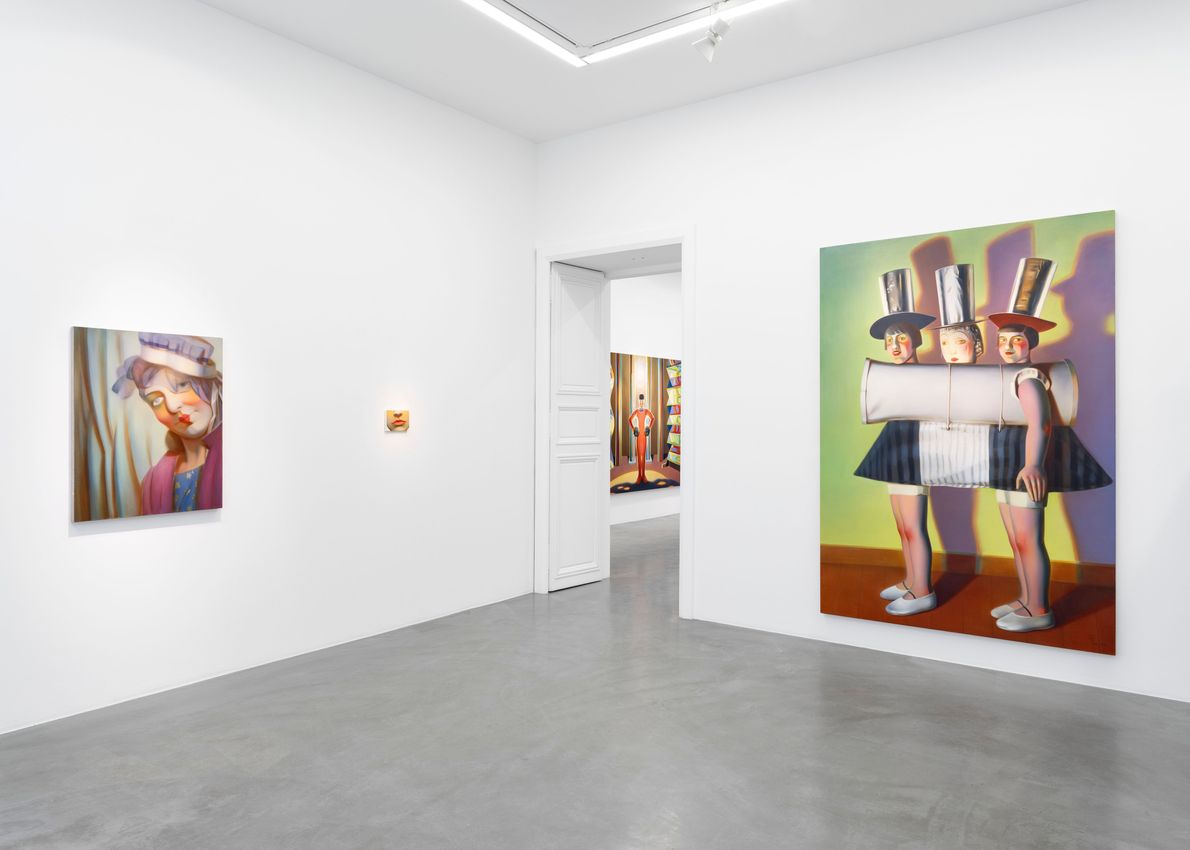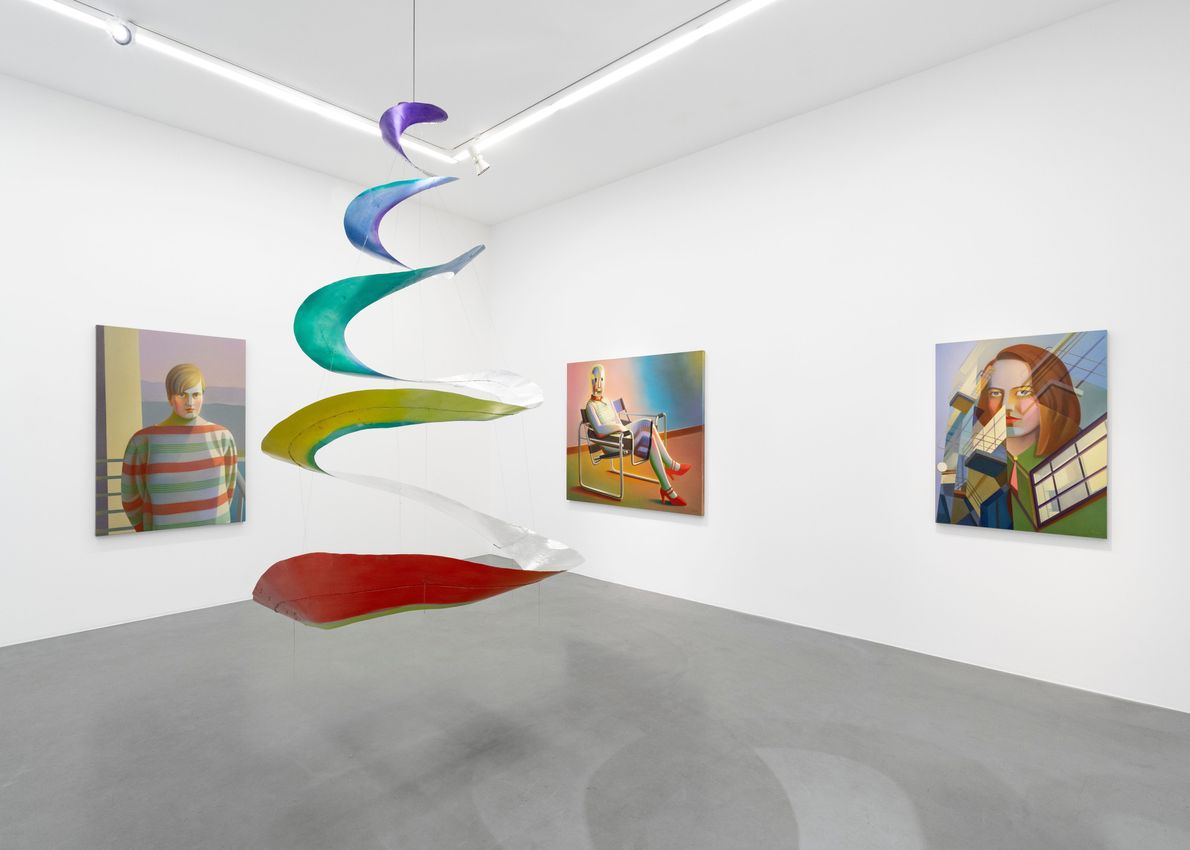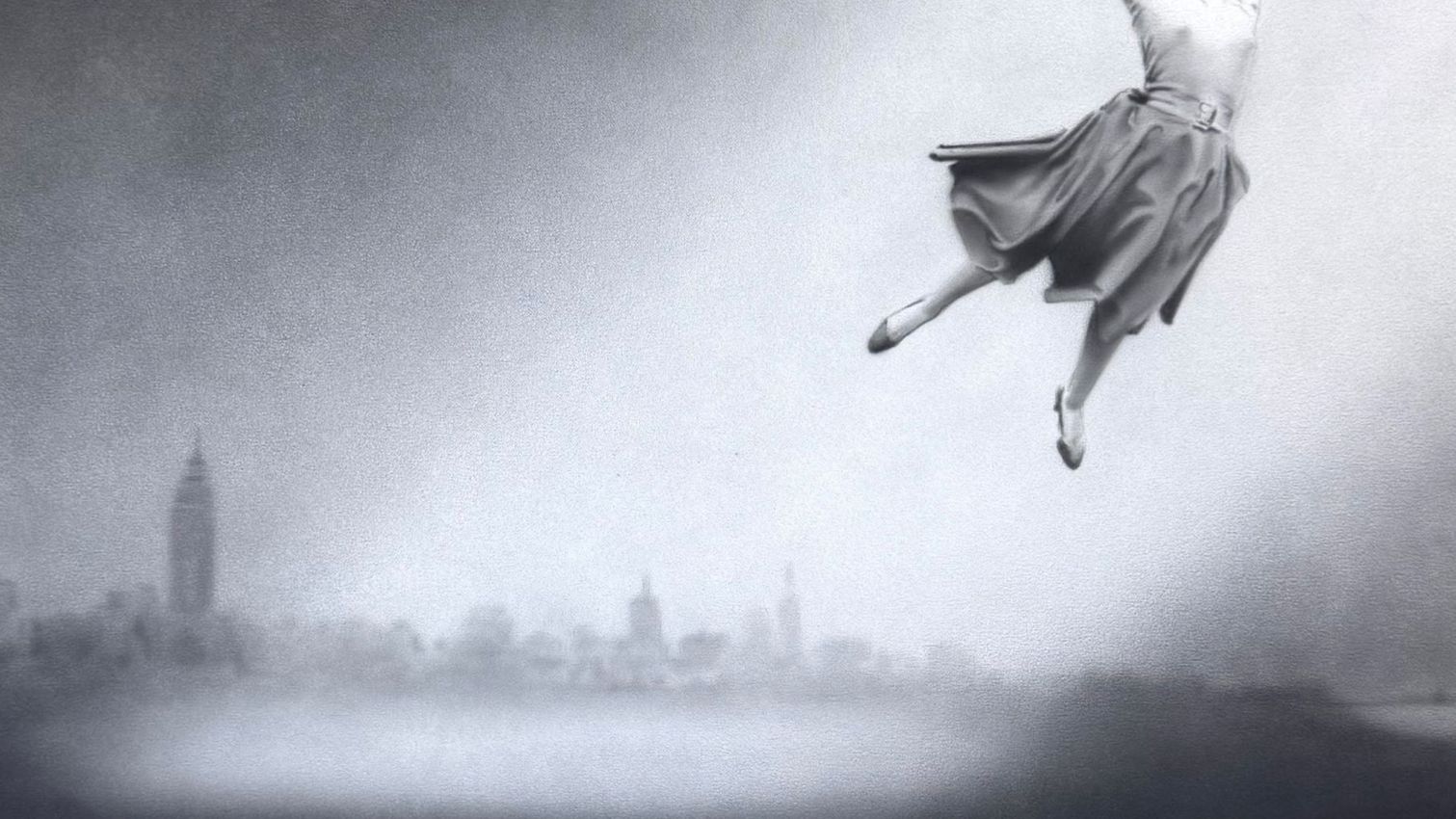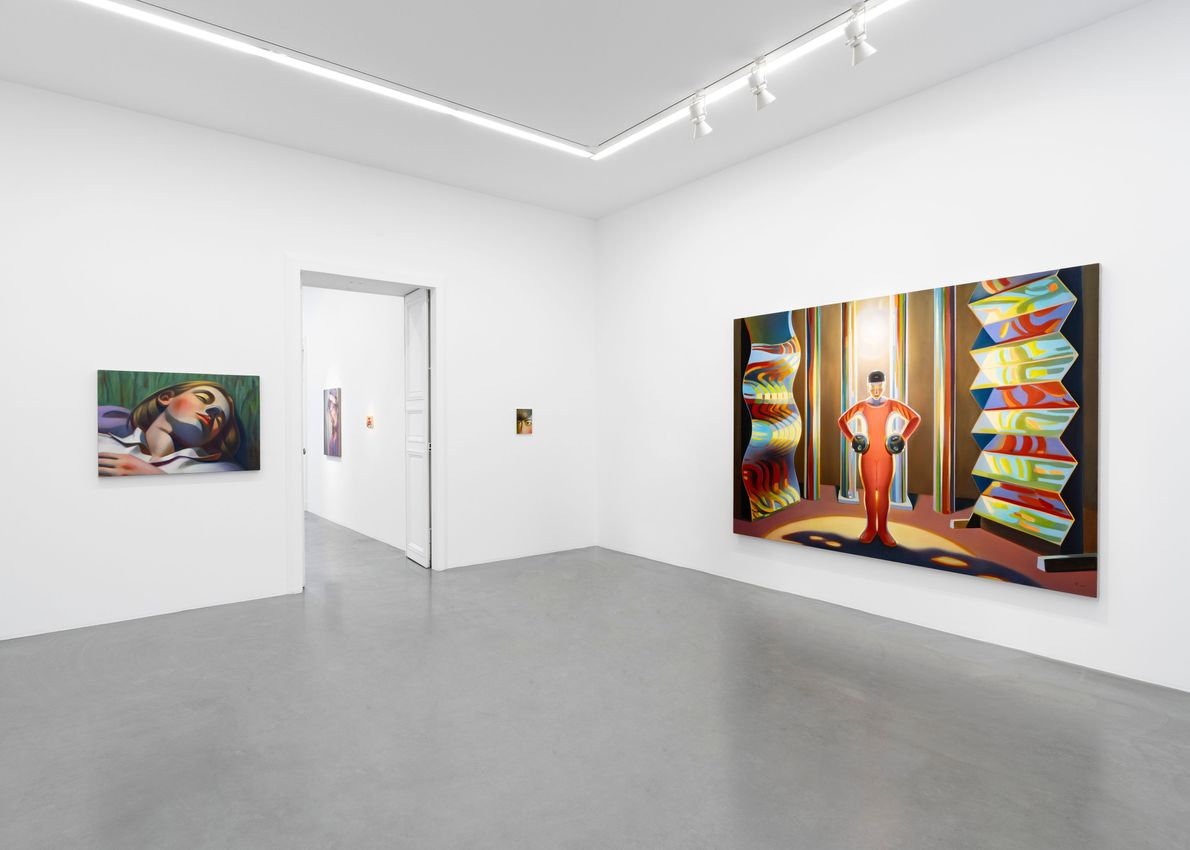
Perrotin is pleased to present Bauhaus Gal – Theatre, Chen Ke’sfirst solo exhibition at Paris gallery. For this new exhibition, theartist created a series of portraits of young Bauhaus studentsand architectural photographs presented in a theatricalscenography.
Chen Ke has been creating paintings based on photographic portraitsfor several years. Some feature celebrities like Marilyn Monroe or FridaKahlo, while others show lesser-known people like painter HelenTorr (1886-1967), who inspired Chen Ke’s 2020 exhibition TheAnonymous Woman Artist. Torr exhibited very little and receivedmostly negative critics unlike her husband, the American painter ArthurDove. Yet their works shared many formal similarities. Torr stoppedpainting entirely after Dove’s death in 1946. And like so many otherwomen artists, her so far under-appreciated work was rediscoveredlong after she died. In her latest exhibition, Chen Ke continues this ‘appropriationist’ practice with a series of portraits of young Bauhausstudents and architectural photographs taken from a sourcebookentitled Bauhaus Mädels (Patrick Rössler ed., Taschen, 2019).
Experts may recognize the features of artist and designer MarianneBrandt on some of the paintings. Yet most of these figures are likely tobe perceived as brilliant representations of brave and determinedyoung women who embarked on a career that was closed to them acentury ago.
The subject of the series is historically charged. Founded in 1919, thelegendary school of architecture and applied arts is increasingly seenin a critical, if not dark1, light. Ke even abandoned her original title forthe exhibition, Utopia, which she deemed too out of touch with thereality of life at the Bauhaus, especially for women. Her aim is neitherto capitalize on the historical aura of the famous institution nor todeconstruct it but to use existing images to express her own emotions.She says she was ‘touched’ by these young women, who remindedher of her own early struggles as an art student and female artist onthe Beijing art scene of the early 2000s.
Chen Ke’s choice of colors powerfully reinforces the subjectivedimension of her appropriation. The paintings are strangely chromaticversions of the original black-and-white images, sometimes dreamy,sometimes sinister. They trigger a sensation of vertigo similar to thosecolorized photographs that have gone viral in recent years: theChamps-Elysées in 1900, Claude Monet in his garden, daily life in atrench, or, closer to our time, Ke’s own series of paintings based onphotographs created in the early 2000s. Rather than adding realism,this transformation produces a powerful derealizing effect, dreamlikeand disturbing. The artist explains that the use of non-realistic colors in the exhibition also echoes the ‘surreal’ period of the globalCOVID-19 pandemic and its extremely harsh lockdowns
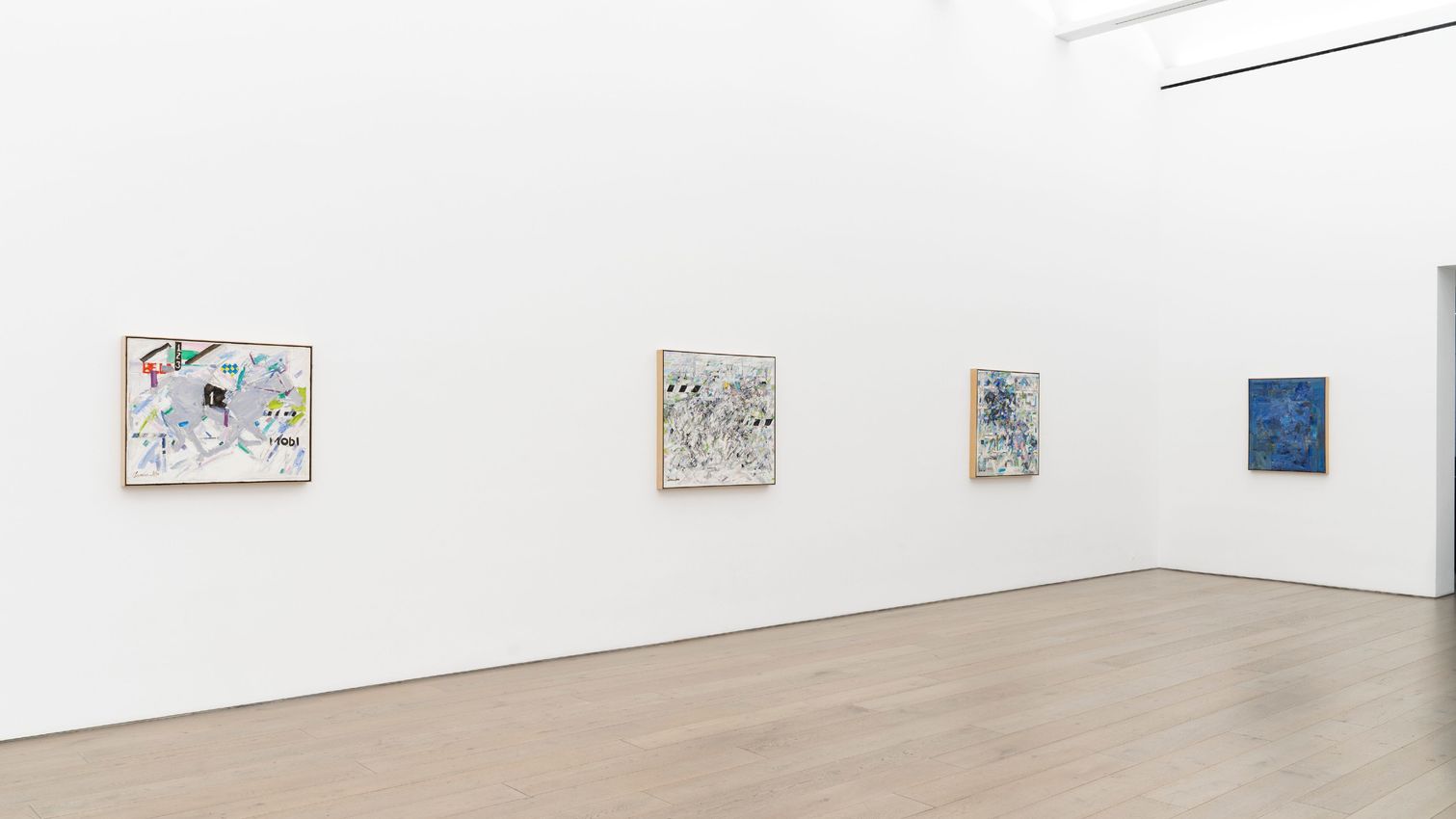
Unlike the Bauhaus, Chinese art schools do not typically teach non-figurative practices. Chen Ke became interested in abstraction afterresearching Helen Torr and the Bauhaus, and the exhibition features aseries of abstract paintings on aluminum sheets of varying thickness.Despite the radical gap that seems to separate the two sides of herpictorial work – perfectly methodical on the one hand, highly ‘impulsive’ on the other – they share a kind of material and conceptualkinship. The small abstractions on metal are painted with the samepalette of colors as the canvases, often on the same day, like animprovised sequence, in a freer style. And like the paintings, they areformal, colorful transpositions of the artist’s emotions.
Chen Ke’s emphasis on theatricality is not only a theme but a scenographic principle that permeates the entire exhibition. Certain pain-tings are designed to create a spectacular frontality through theirlighting effects and depictions of bodies. In the first room, a screen-like work blocks part of the view and directs the visitors’ movementthrough the space. A series of portraits hung in a line on the wallcreates a sort of exhibition opening in the next room. Further on, alarge, colorful, suspended sculpture rotates slowly, reminding viewersof their physical presence. The entire exhibition itinerary is designedwith great precision.
Exploring the concept of theatricality, the artist references the epicpoem Bhagavad-Gita, one of the founding texts of Hinduism, particularly Krishna’s transformation from human form to devouring monster.For the artist, this monstrous figure is ‘perhaps what we might call thetrue face of the world, the truth hidden beneath the pleasant things of life. We sometimes come across this hidden side, but we are quick toturn away from it’. According to the artist, ‘Theater is a place [where]you can shed your skin, to hide or to show another self, perhaps atruer version of yourself.’ The notion that theater’s chaotic, inverted,cruel world can be the bearer of truth is part of the very principle ofdramatic art in both Eastern and Western traditions. Chen Ke appliesthis principle to her pictorial art. The images she appropriates throughpainting are masks, and all her works are self-portraits.
1. See art and design historian Alexandra Midal’s recent lectures on “Dark Bauhaus,” in whichshe dismantles the mythology surrounding the school, highlighting the misogyny that reignedthere and the various forms of collaboration with the corporate world and the Nazi regime.
Press release courtesy Perrotin. Text: Jill Gasparina.
Blending childhood nostalgia with historical memory, Chinese artist Chen Ke is known for her poignant, figurative paintings that fuse contemporary art with personal storytelling and pop-cultural references.


Emmanuel Perrotin founded his first gallery in 1989 at the age of 21. He has opened since then over 17 different spaces, with the aim of continuing to offer increasingly vibrant and creative environments to experience artists work. He has worked closely with his roster of artists, some since more than 25 years, to help fulfil their ambitious dreams and projects.

A respected voice in contemporary art discourse.
Focusing on ambitious storytelling and insightful art-world commentary. Ocula Magazine publishes in-depth interviews, critical essays and timely analysis on the artists, exhibitions and ideas driving the global art world.
Learn more about Ocula Magazine
Showcasing the best of the art world.
Ocula partners with galleries from around the world to highlight their artists, artworks and exhibitions. Gallery membership is by application and invitation, with each member vetted by an independent panel.
Learn more about Ocula Membership

Specialises in the sale of major artworks.
Led by a team with deep ties to the world’s leading auction houses, galleries and collectors. Ocula’s advisory team offers bespoke services to high-net-worth clients from around the world who are looking to acquire the best of contemporary and modern art.
Learn more about our team and services