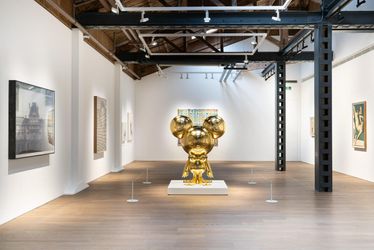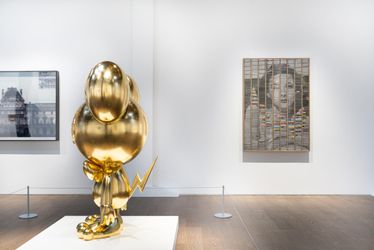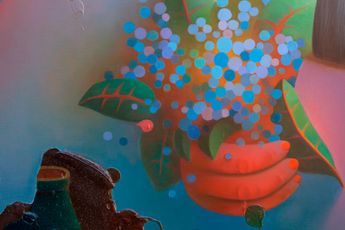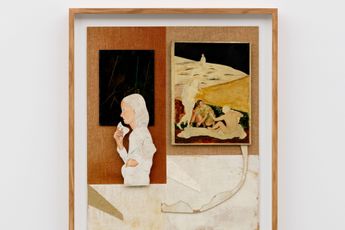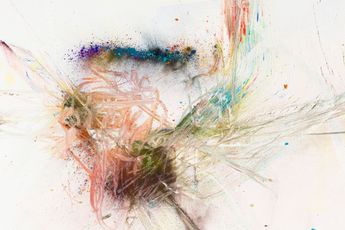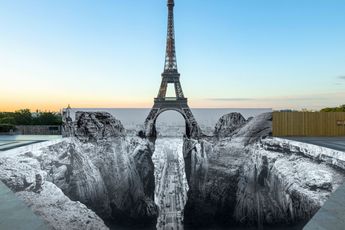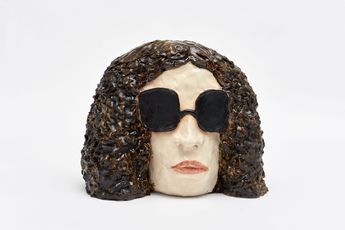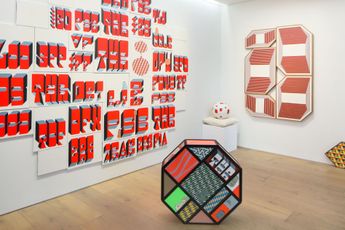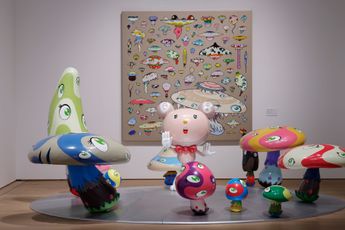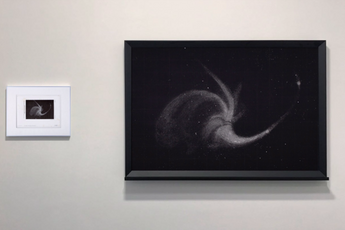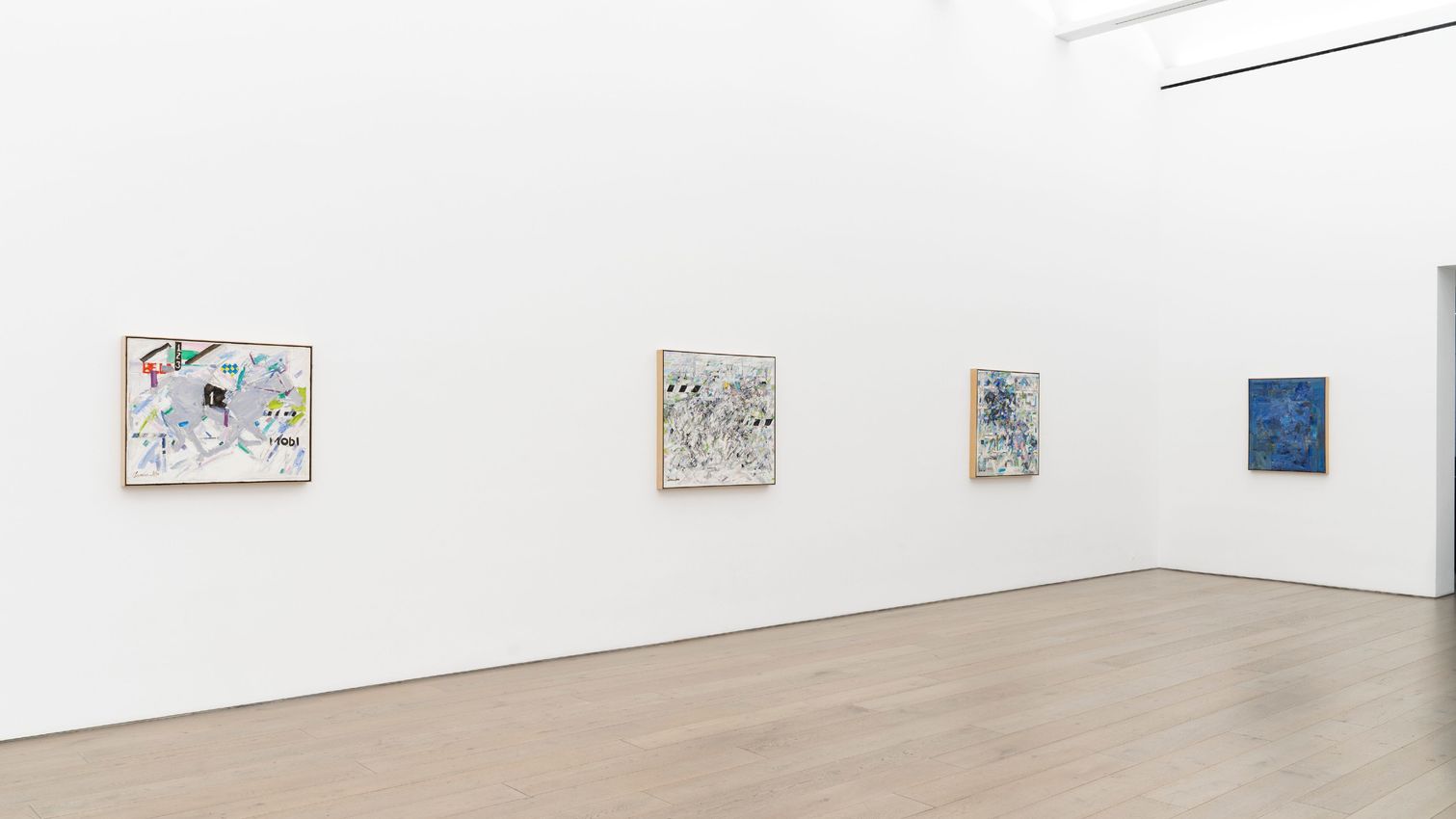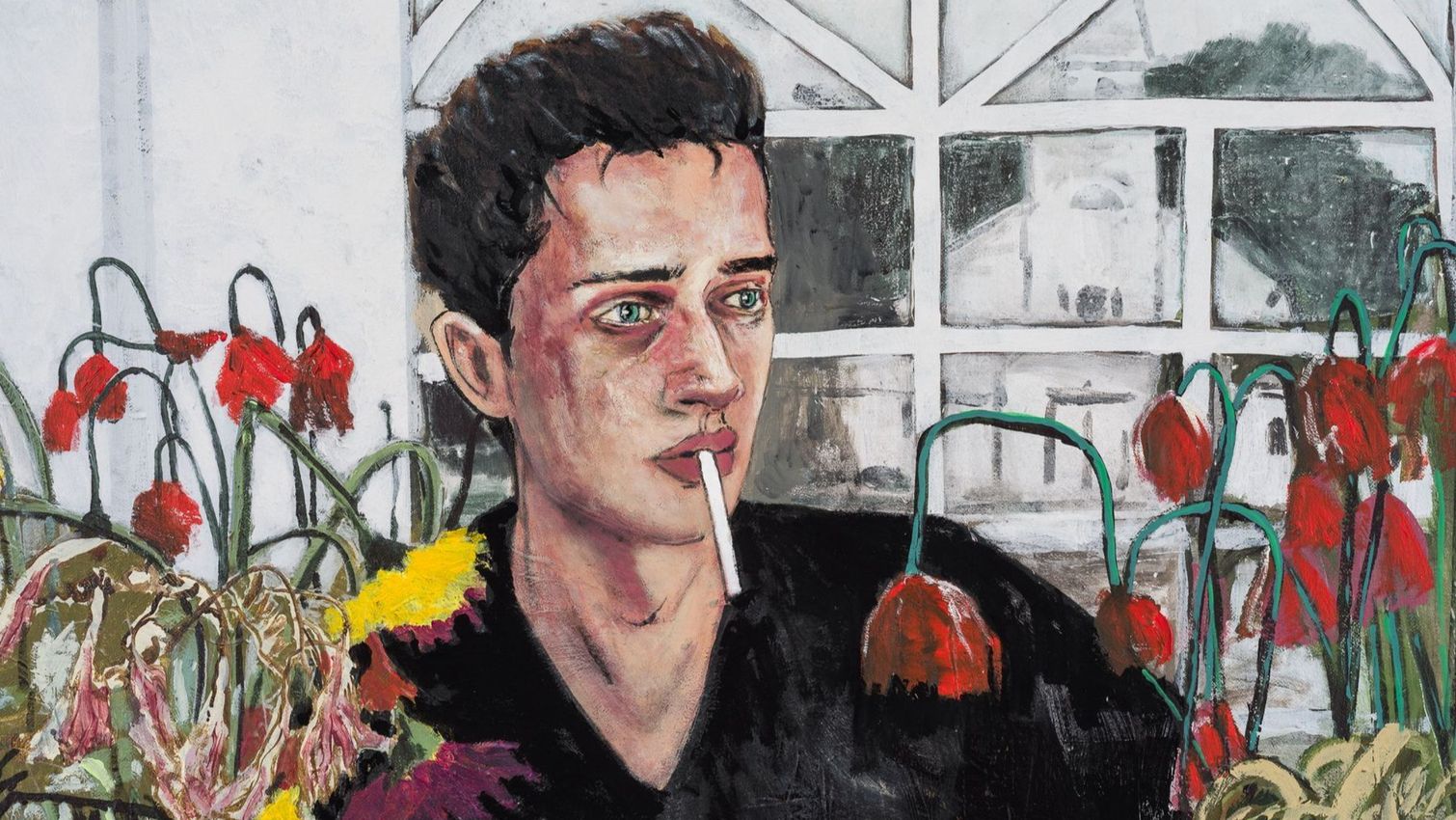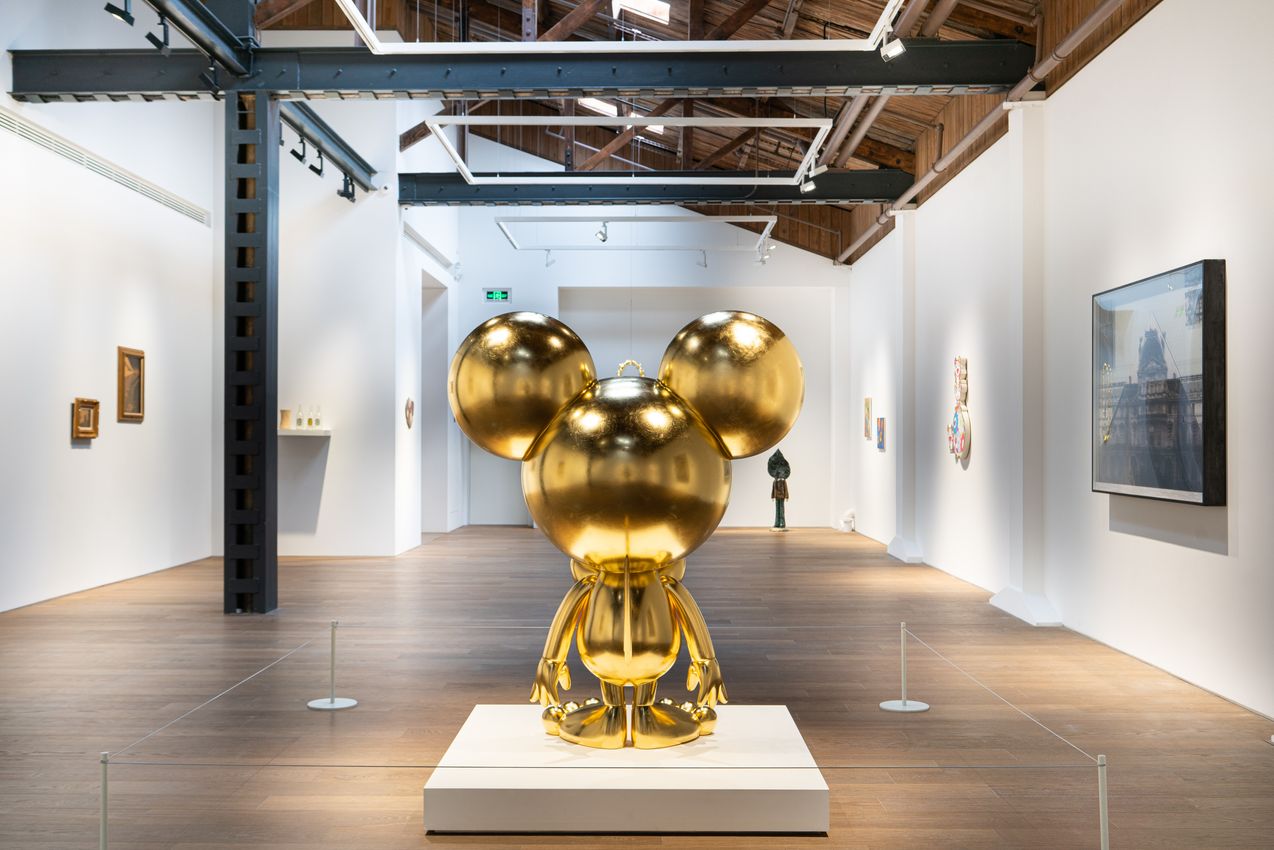
Perrotin Shanghai is pleased to present the summer group exhibition Messenger, featuring works by 13 Perrotin artists, most of which were recently created. The exhibition is open to the public on July 24th through August 22nd. In 2020, the world in which artists live is more severe than ever before. Global epidemic has brought information explosion, followed by meditations in emergency times, which would inspire artists to survey themselves and the world during Quarantine.
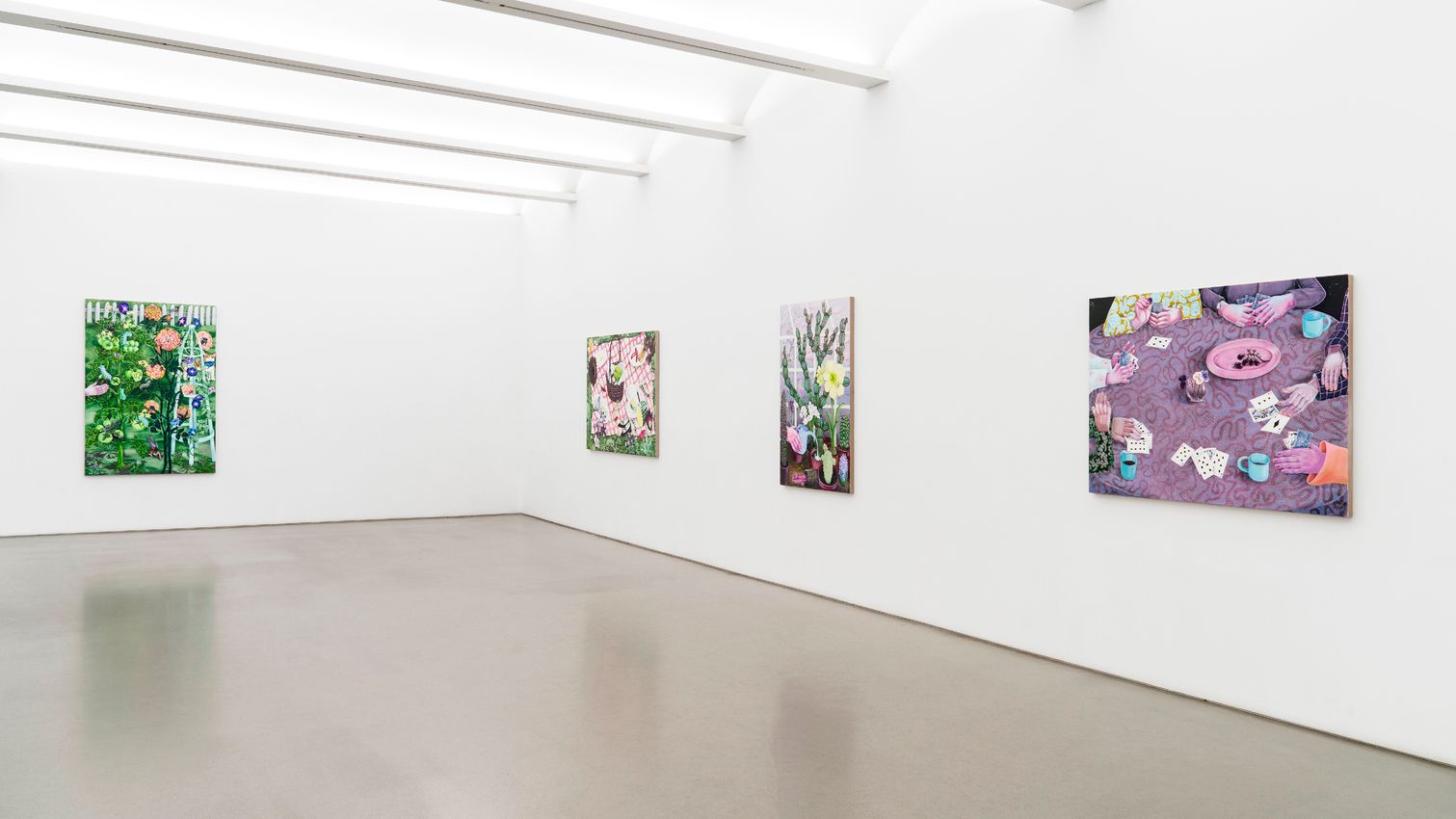
We believe that artists are the most important ‘messengers’ in contemporary society. They convey information to the public through artistic practice, creating their own ‘language’ and ‘word’, and also face the recognition and misinterpretation that the results of art may obtain in the real world. What do artists as ‘messengers’ want to convey today? And how? We invited artists to reflect on this question, which may be unavoidable. The Greeks believed that it was Hermes who had invented fire by rubbing sticks, and had gifted the ‘ars’ *of god to mortal for the benefit of all who were still imprisoned in the night. What did the artist invent then?
Hermes has wings on his feet that makes him fly. He functions as the messenger of the gods, also escorts newly deceased souls from earth to the afterlife. As a herald of gods from Homer, Hermes created the first image of ‘messenger’ in the history of human culture. He held debates, poetry and words, acting as a mediator between divine and mortal, to which he sent unpredictable news, no matter good or bad. The most crucial is that Hermes has the ability to freely cross boundaries, even the boundaries of death. He stands at the entrance of imagination to tell people the truth: Information is not blocked by any boundary.
Messengers may also come from the future. In 1999, Liu Cixin published his novel The Messenger: Einstein questions himself after two atomic bombs were dropped on Japan. Under the plane tree on a rainy night, he met a young man who comes from the future 200 years after the bomb was exploded. He brought Einstein good news: The last nuclear bomb in the human world would eventually be destroyed in the future. ‘I am a messenger,’ he said. ‘Our times do not want to see you worried, so they sent me.’
As a cultural concept, ‘messenger’ has a paradoxical meaning, which is quite fascinating: people are looking forward to the arrival of the messenger, but also in fear of his arrival, because what the messenger knows is unknown to people, meanwhile, he always gets what people want to know. As a figure, messenger carries the desire for information from human beings in the social life. We are expecting artists as ‘messengers’ to deliver new thoughts and creations to the audience. On all accounts, the ‘messenger’ who arrives after the disaster is always carrying hope.
*The English word ‘Art’ is derived from the ancient Greek Ars, which means ‘craft’. This word has a broader meaning, including almost all the creative knowledge closely related to human beings.


A respected voice in contemporary art discourse.
Focusing on ambitious storytelling and insightful art-world commentary. Ocula Magazine publishes in-depth interviews, critical essays and timely analysis on the artists, exhibitions and ideas driving the global art world.
Learn more about Ocula Magazine
Showcasing the best of the art world.
Ocula partners with galleries from around the world to highlight their artists, artworks and exhibitions. Gallery membership is by application and invitation, with each member vetted by an independent panel.
Learn more about Ocula Membership

Specialises in the sale of major artworks.
Led by a team with deep ties to the world’s leading auction houses, galleries and collectors. Ocula’s advisory team offers bespoke services to high-net-worth clients from around the world who are looking to acquire the best of contemporary and modern art.
Learn more about our team and services