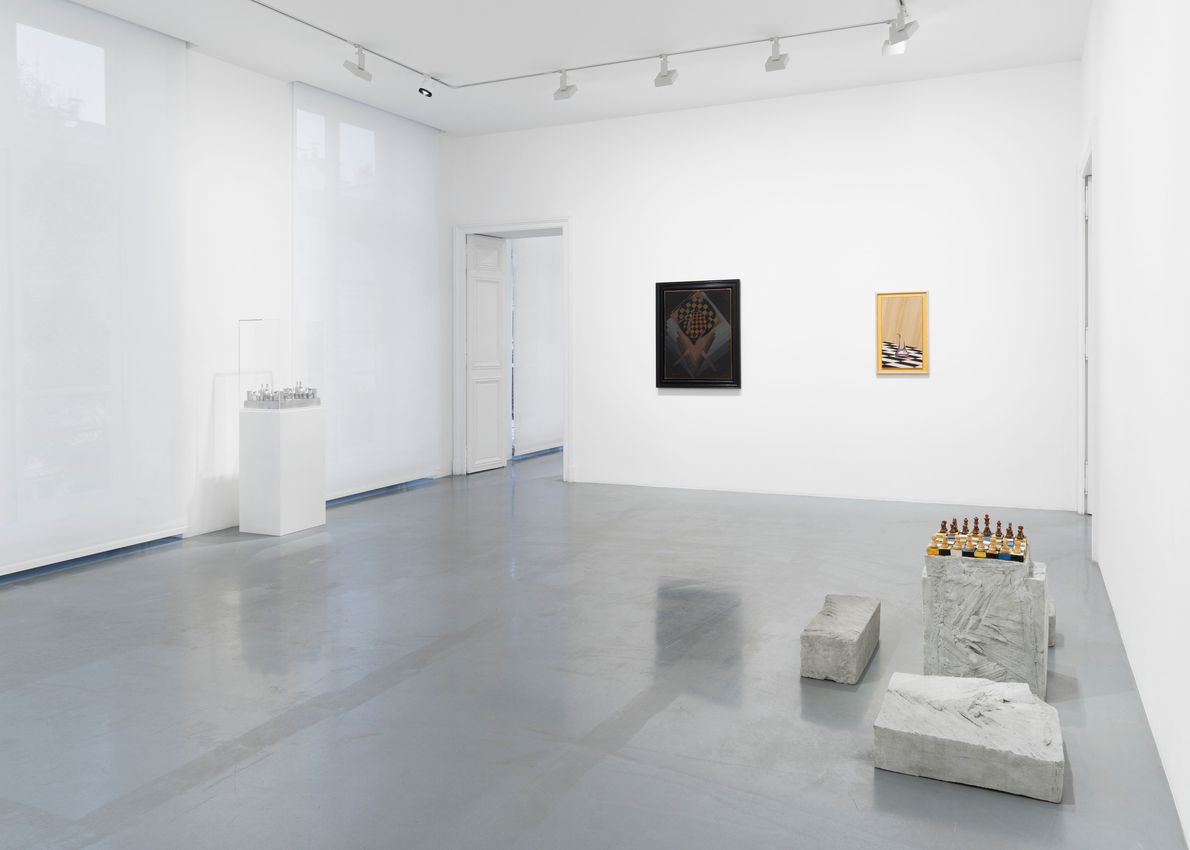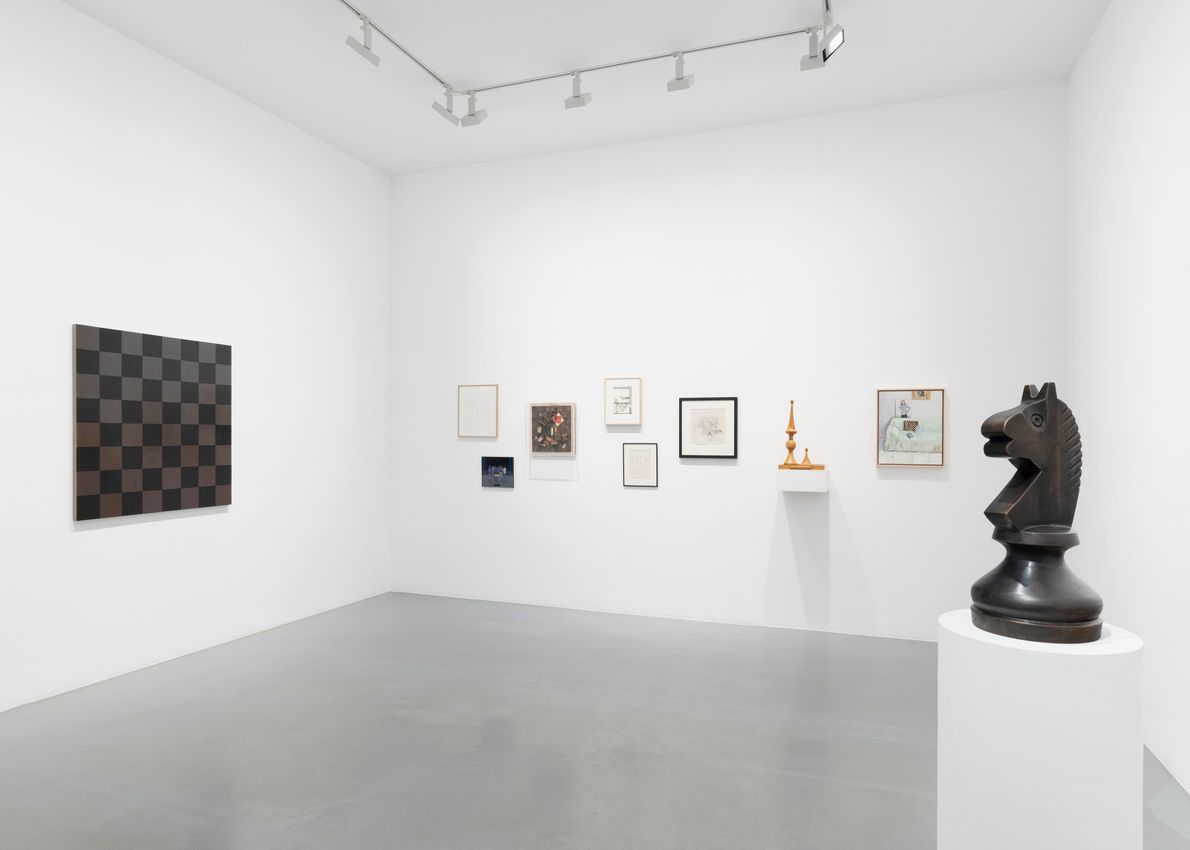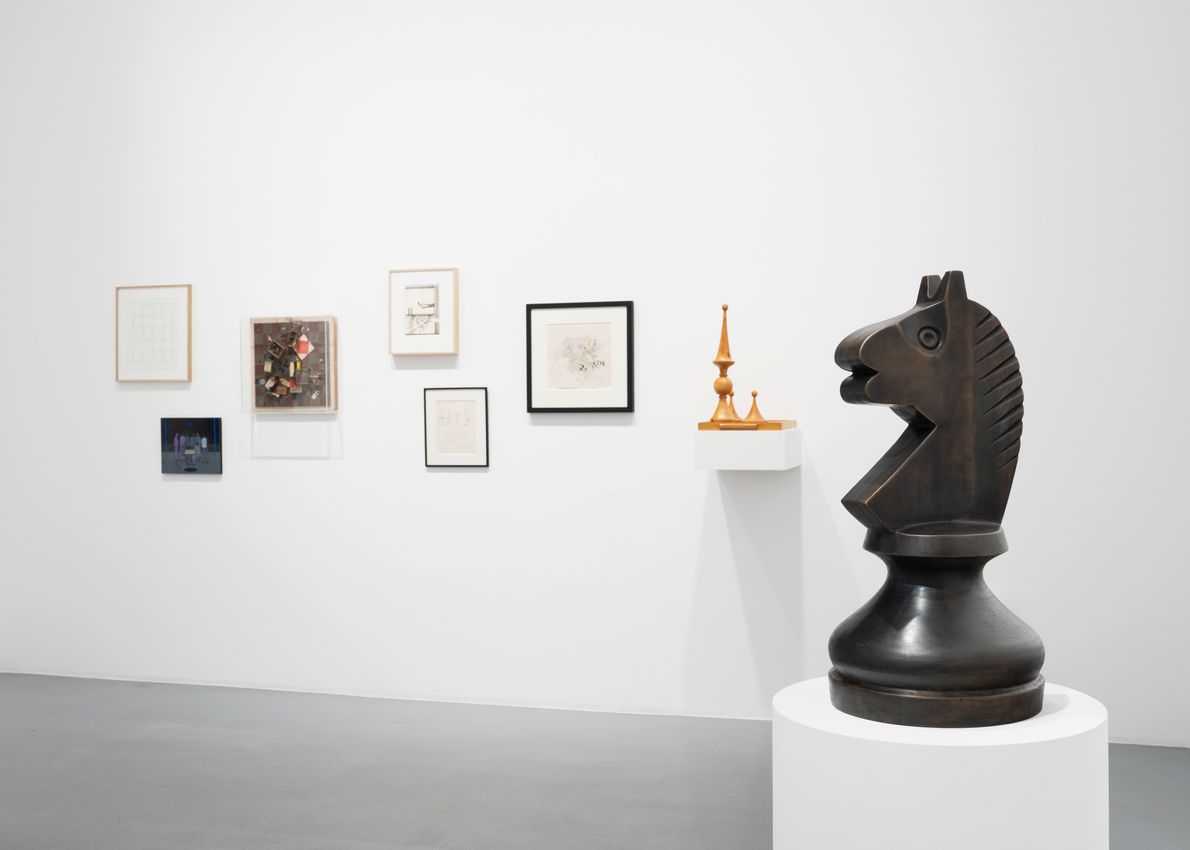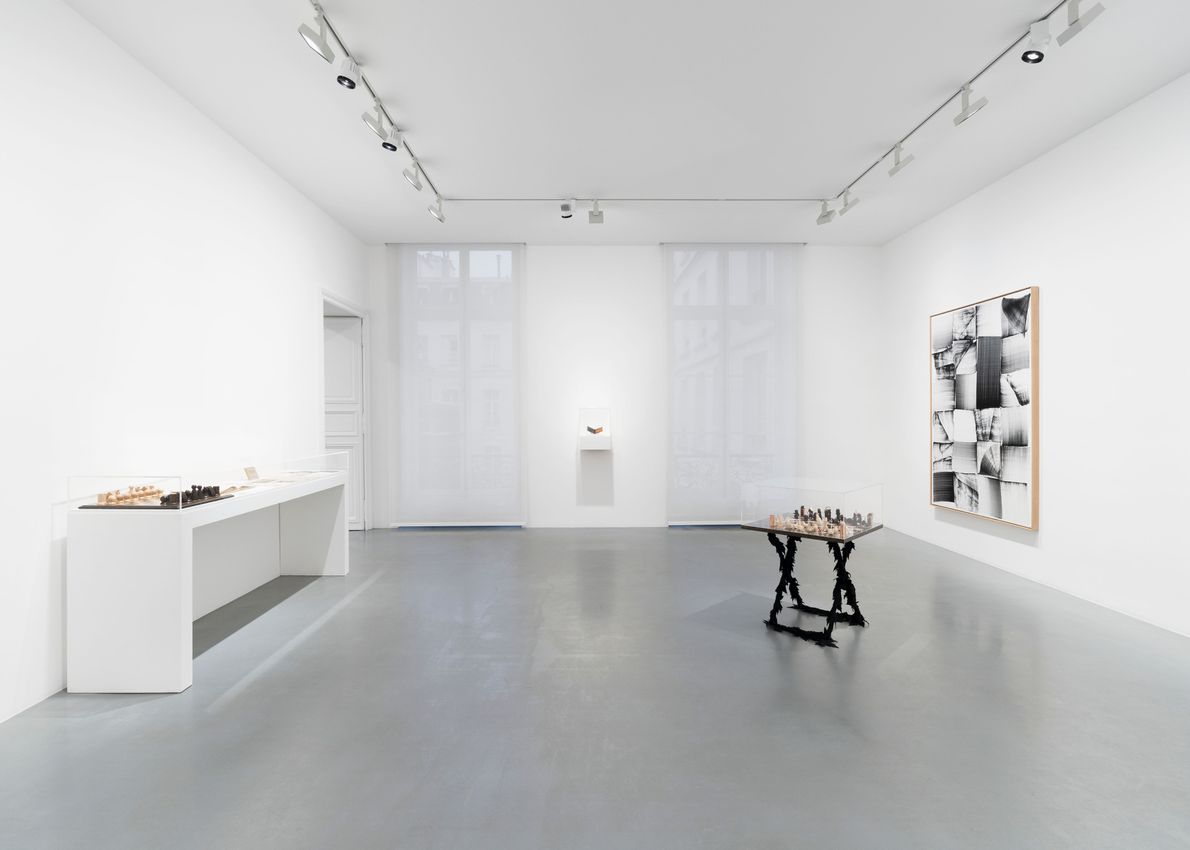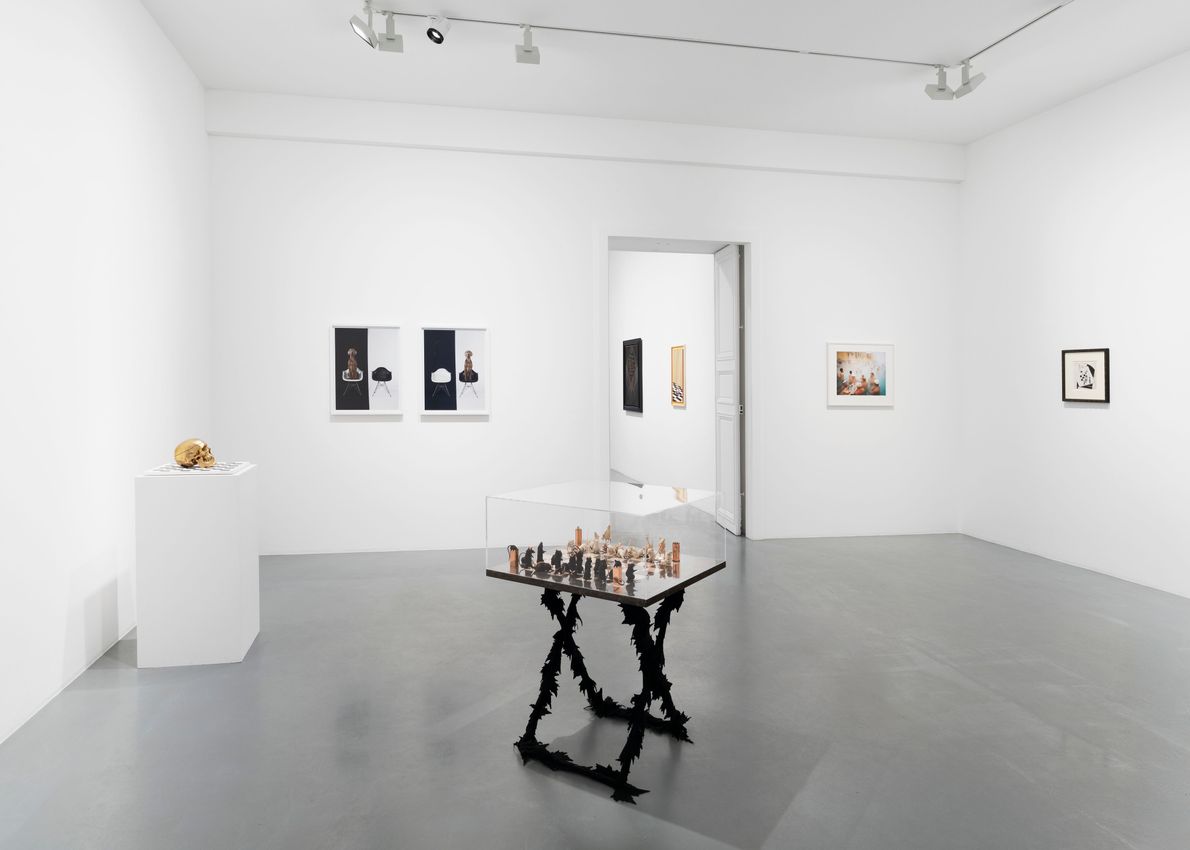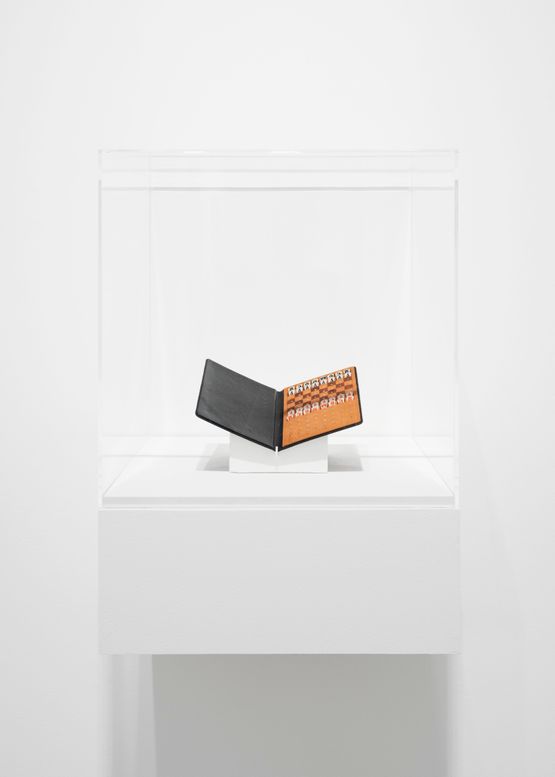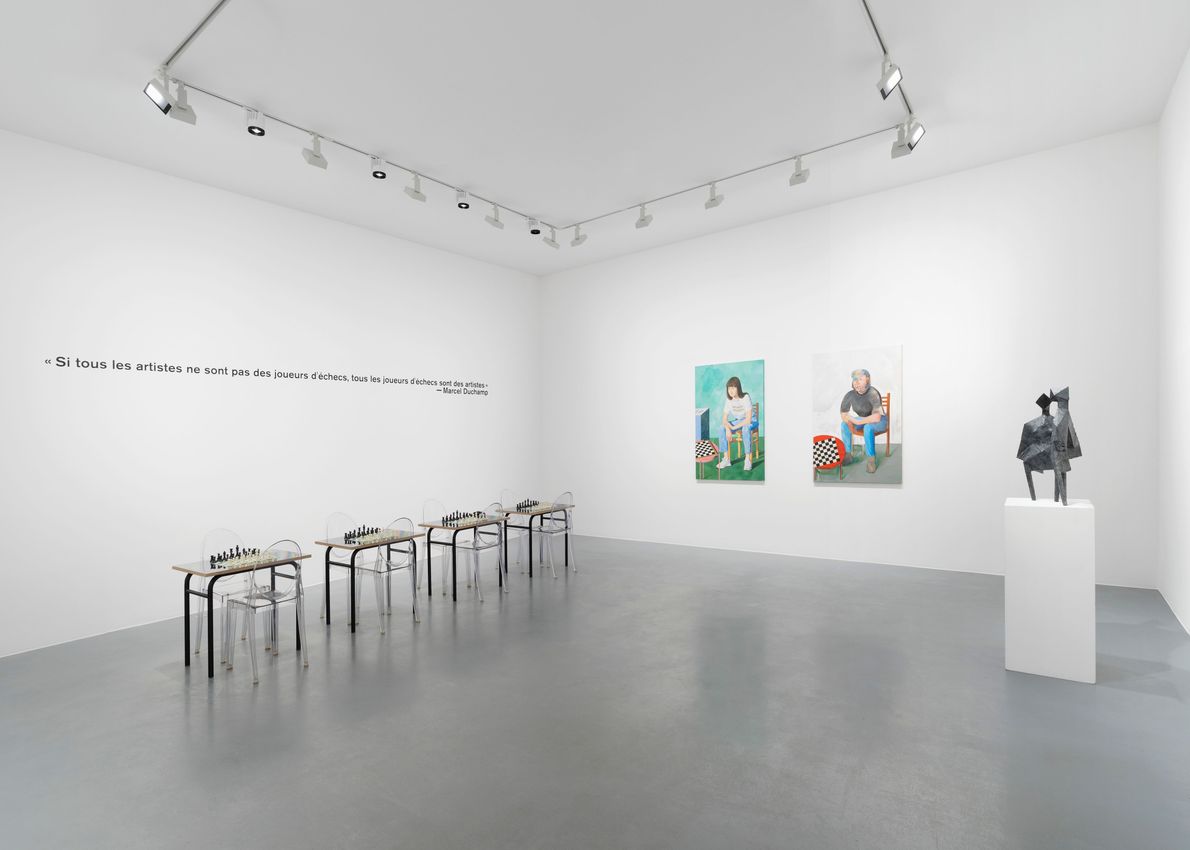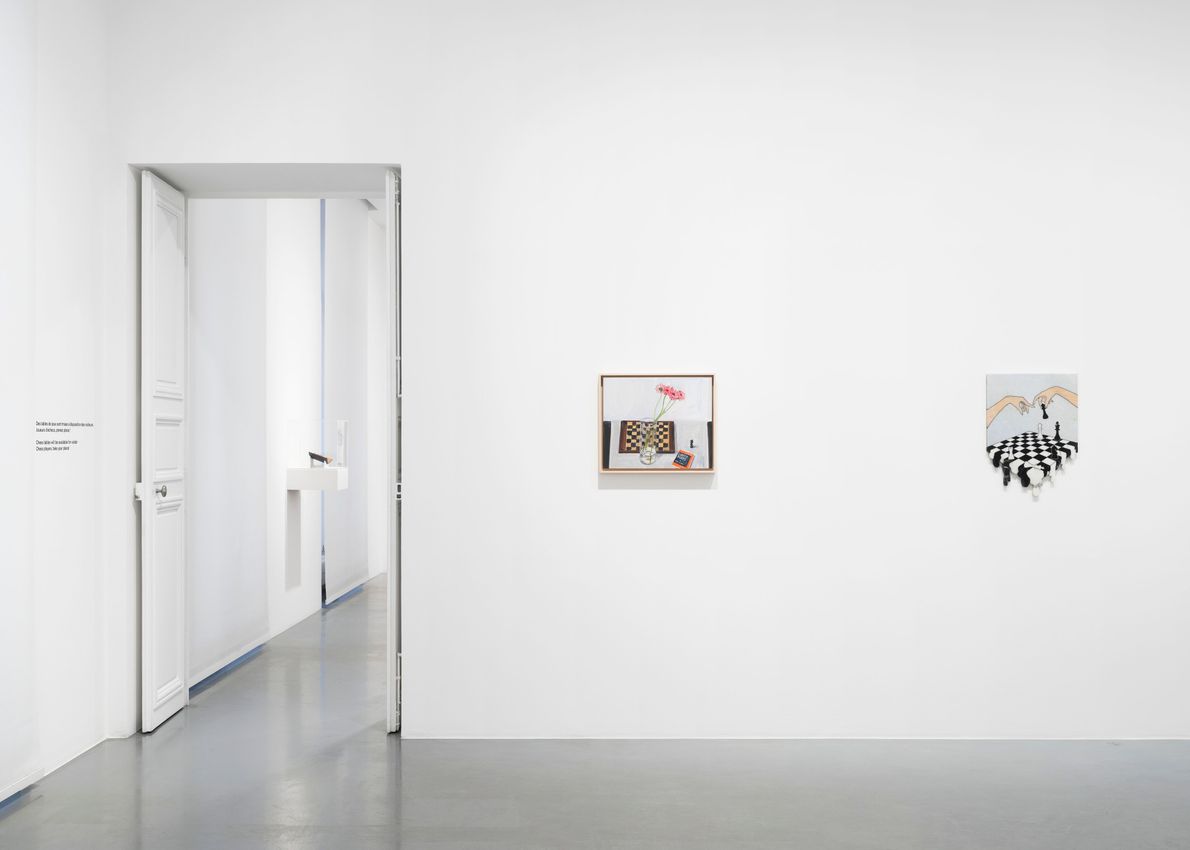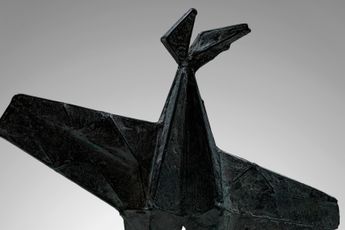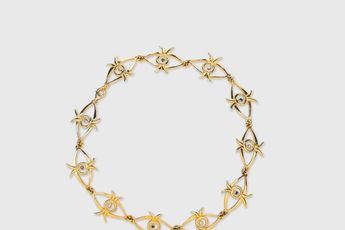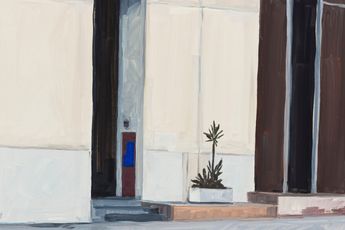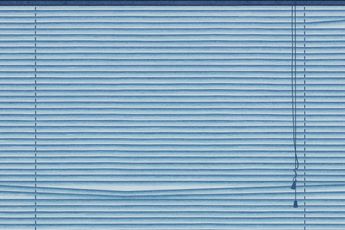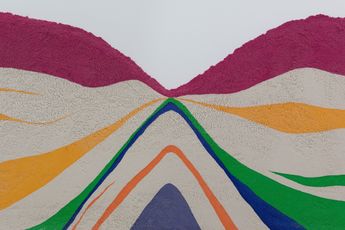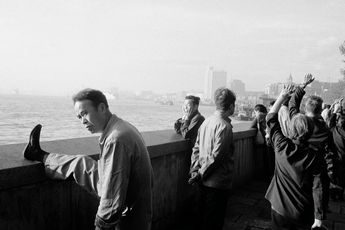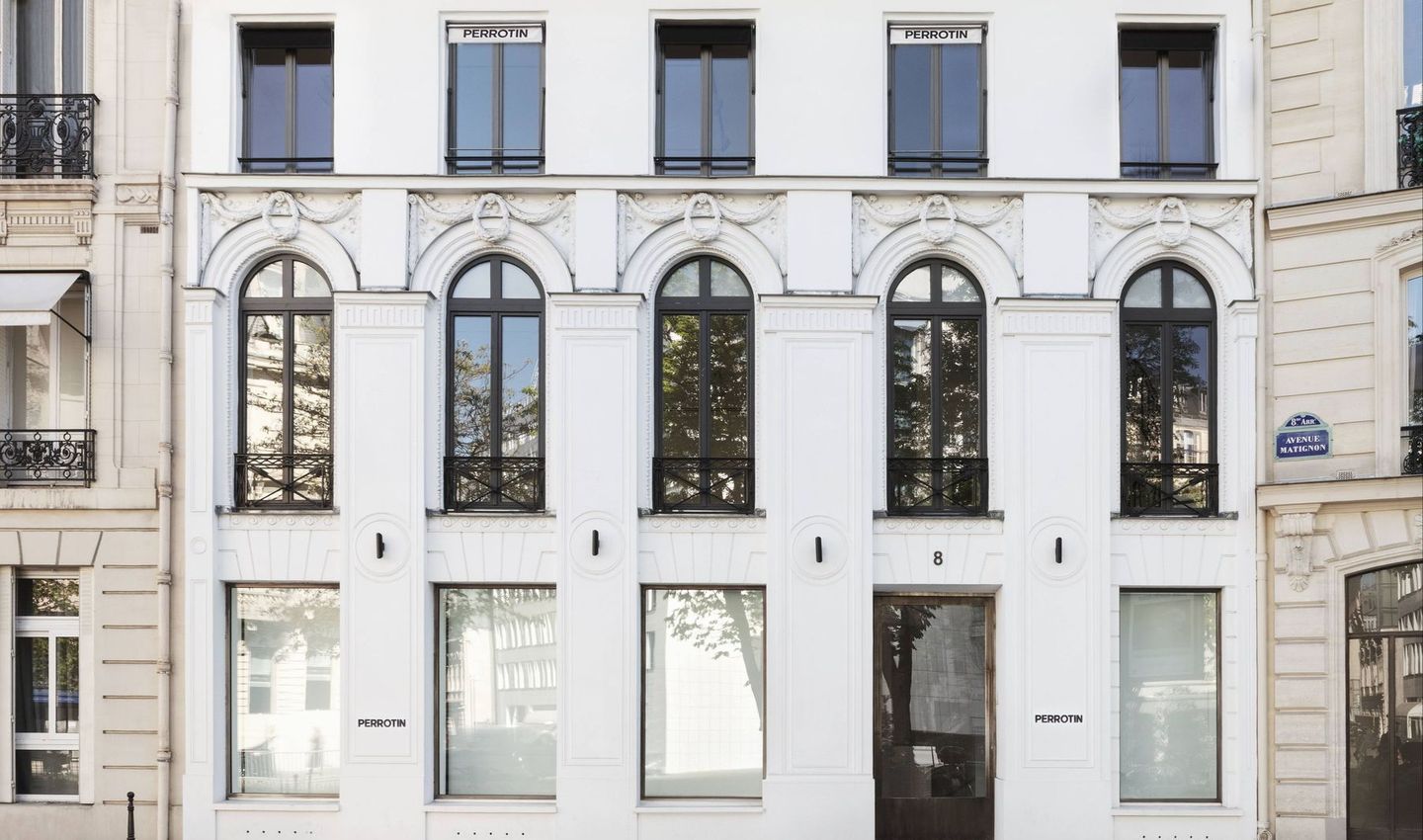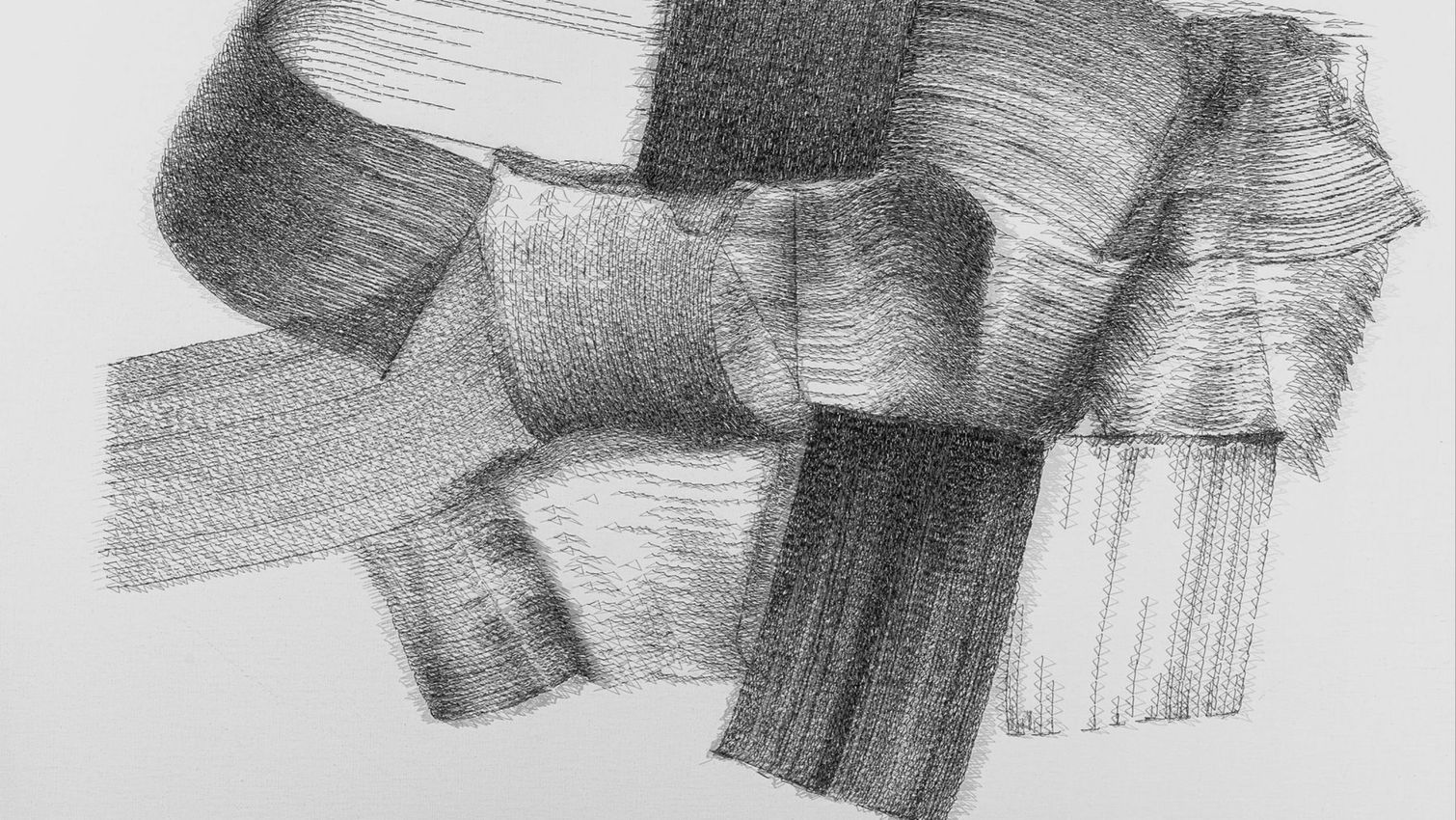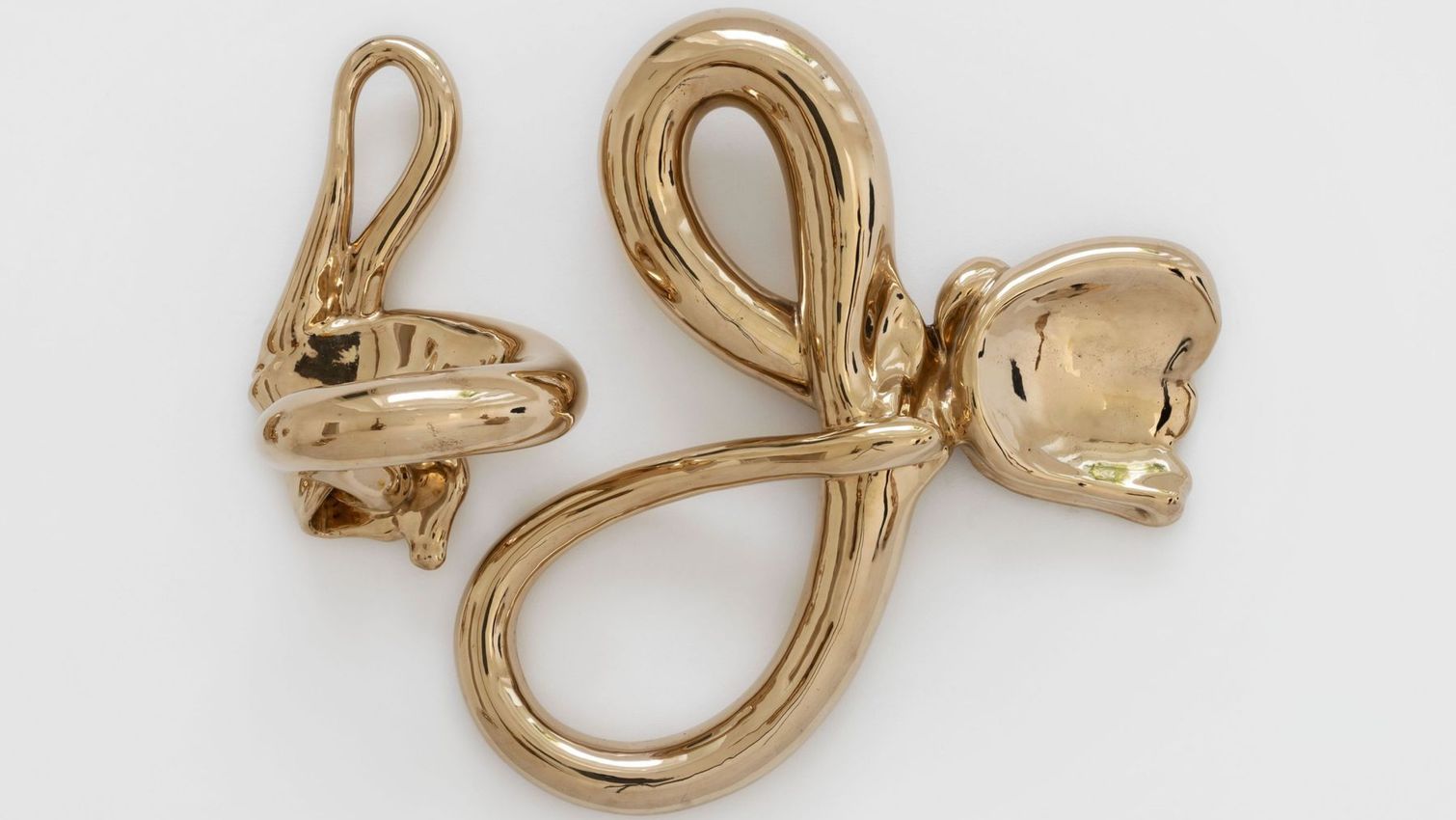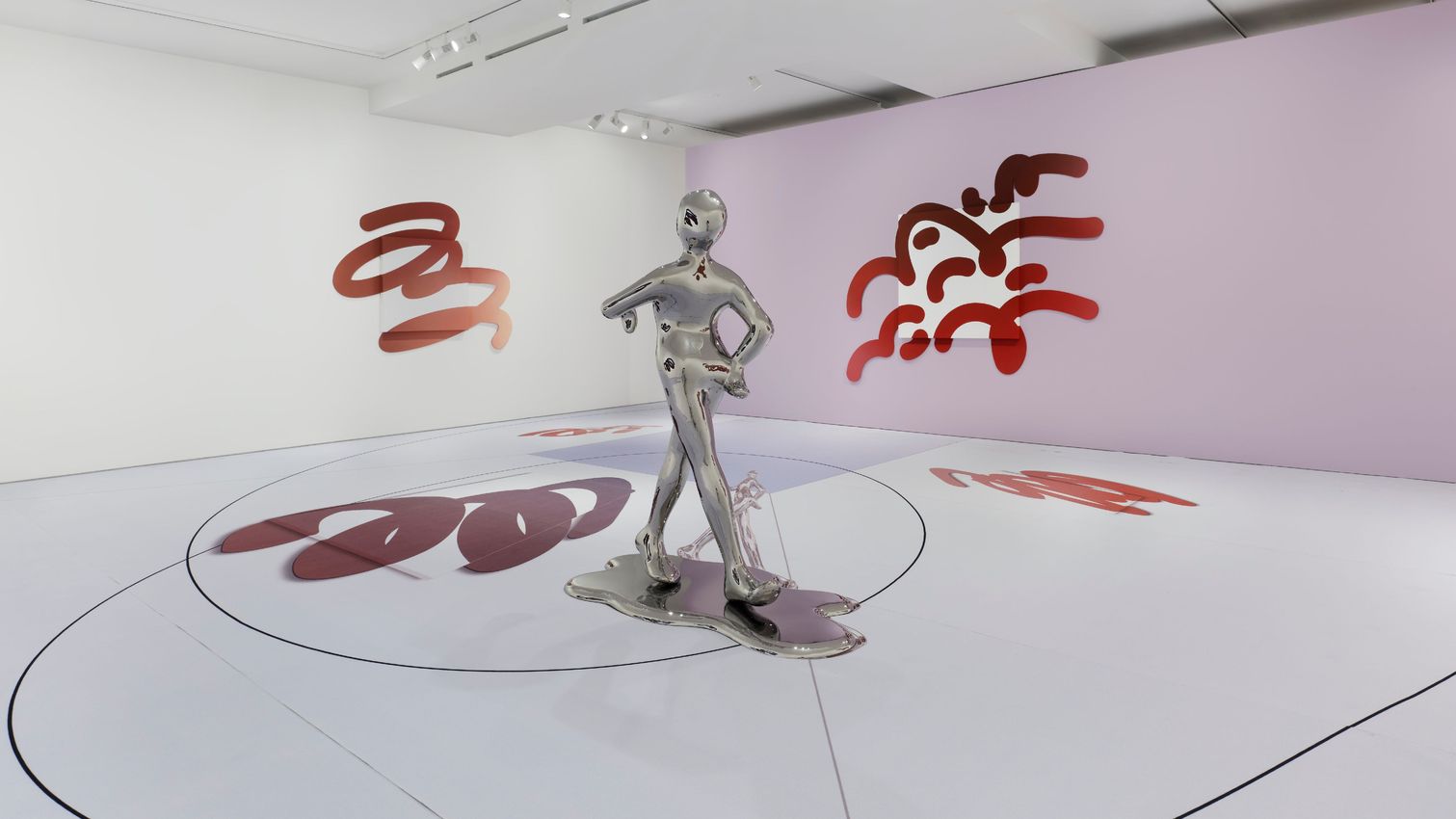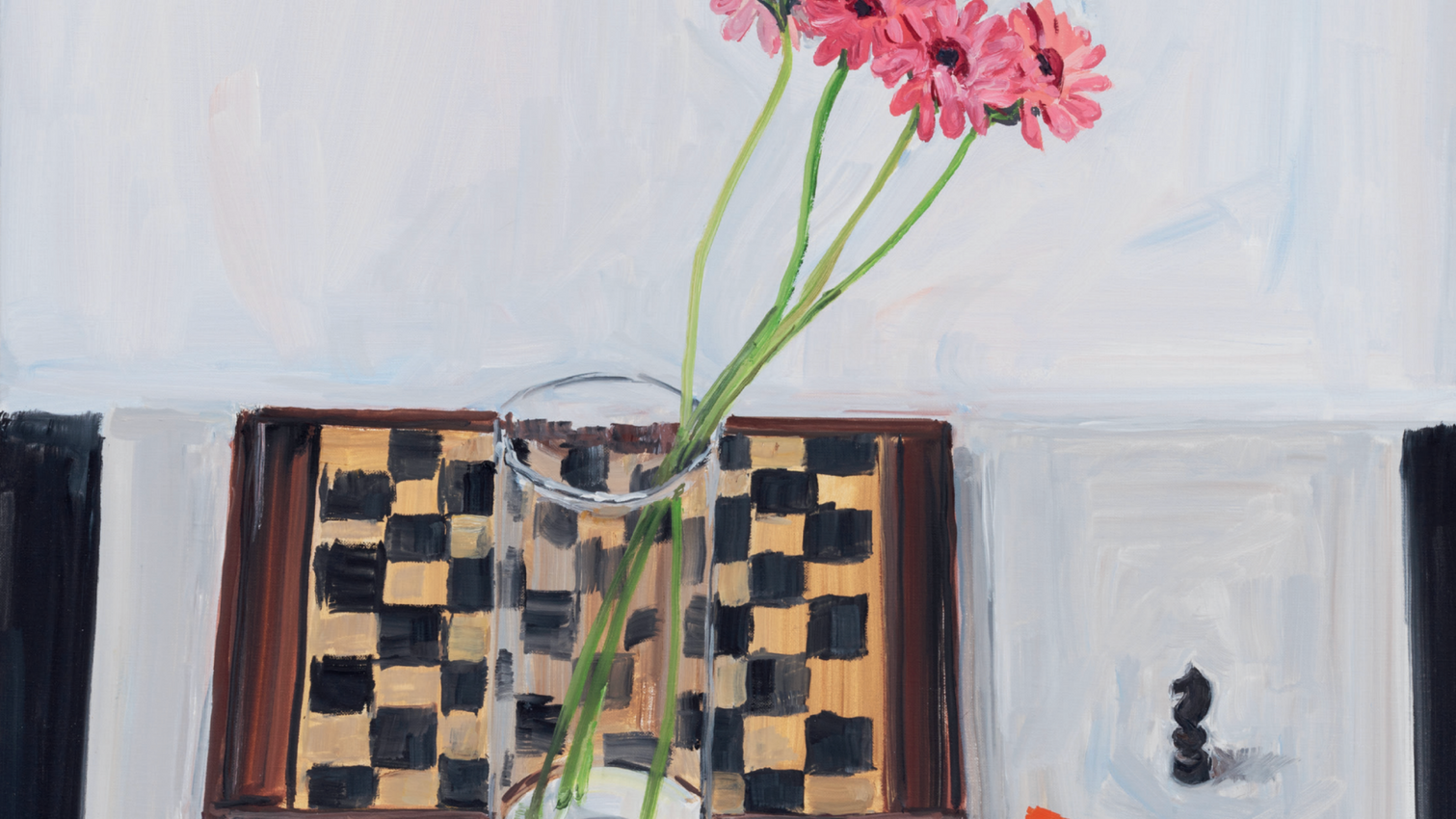
Based on an original idea by R.Jonathan Lambert, the galleryis pleased to present A Hundred Years of Chess an exhibitionshowcasing the infl uence of chess on contemporary art. InJean-Philippe Delhomme’s still life Fleurs et jeu d’échecs, GregorHildebrandt’s pawn sculpture, and the paintings of Garance Matton,chess takes center stage. For Lionel Estève and Lee Bae, itemerges as a poetic evocation, while in Nick Doyle’s work, itbecomes a playful allusion. The exhibition juxtaposes historicalworks, such as Michel Journiac’s and Marcel Duchamp’s chess set(1993 and 1944), as well as sculptures by Lynn Chadwick (1970)and Man Ray (1948 and 1971), with photographs by William Wegman(2015) and Martin Parr (1997), highlighting the enduring appeal ofchess to artists across generations.
Additionally, the exhibition features game tables where visitors areinvited to play. On this occasion, the gallery is organizing a chesstournament by registration in partnership with Blitz Society onSaturday, February 14.
I’m someone who’s “classic.”
I like striped shirts, 19th-century literature, lovemaking in placesdesigned for it (a bed, or perhaps a sofa bed on a whim), and openingwith e4 in chess. In short, very classic.
Yet despite this classic opening, everything unravels. The opponent’sresponse generates twenty countermoves, each branching intothousands of possible positions, and so on, until we reach the Shannonnumber. No need to spell it out; let’s simply call it vertigo.
For me, this is where chess reveals all its ambivalence: the infinitecontained within a human-sized board. An XXL world at your fingertips.And there, my classic side surrenders, as each game unfolds like anunpredictable story.
Why have artists—Duchamp above all—been so drawn to chess, evento the point of seeking total refuge in it? Is it the game’s infinite depth,which turns it into a quasi-mystical quest (Michel Journiac)? Or itsgraphic allure, where each piece asserts its form and the imaginaryworlds we project onto it (Hildebrandt)? Or perhaps its social dimension(Amélie Bigard), since playing alone risks madness (as Zweig vividlyillustrates).
Here, then, are works that delve into this game-vortex.
Some do so directly, others obliquely or even tangentially—but in each Idetect a knowing nod.
The selection spans a century, offering a glimpse of modern art historythrough the lens of chess.
A group show that, for once, is anything but classic. Proof thatappearances can be deceiving...
R. Jonathan Lambert
Courtesy Perrotin.


Emmanuel Perrotin founded his first gallery in 1989 at the age of 21. He has opened since then over 17 different spaces, with the aim of continuing to offer increasingly vibrant and creative environments to experience artists work. He has worked closely with his roster of artists, some since more than 25 years, to help fulfil their ambitious dreams and projects.

A respected voice in contemporary art discourse.
Focusing on ambitious storytelling and insightful art-world commentary. Ocula Magazine publishes in-depth interviews, critical essays and timely analysis on the artists, exhibitions and ideas driving the global art world.
Learn more about Ocula Magazine
Showcasing the best of the art world.
Ocula partners with galleries from around the world to highlight their artists, artworks and exhibitions. Gallery membership is by application and invitation, with each member vetted by an independent panel.
Learn more about Ocula Membership

Specialises in the sale of major artworks.
Led by a team with deep ties to the world’s leading auction houses, galleries and collectors. Ocula’s advisory team offers bespoke services to high-net-worth clients from around the world who are looking to acquire the best of contemporary and modern art.
Learn more about our team and services