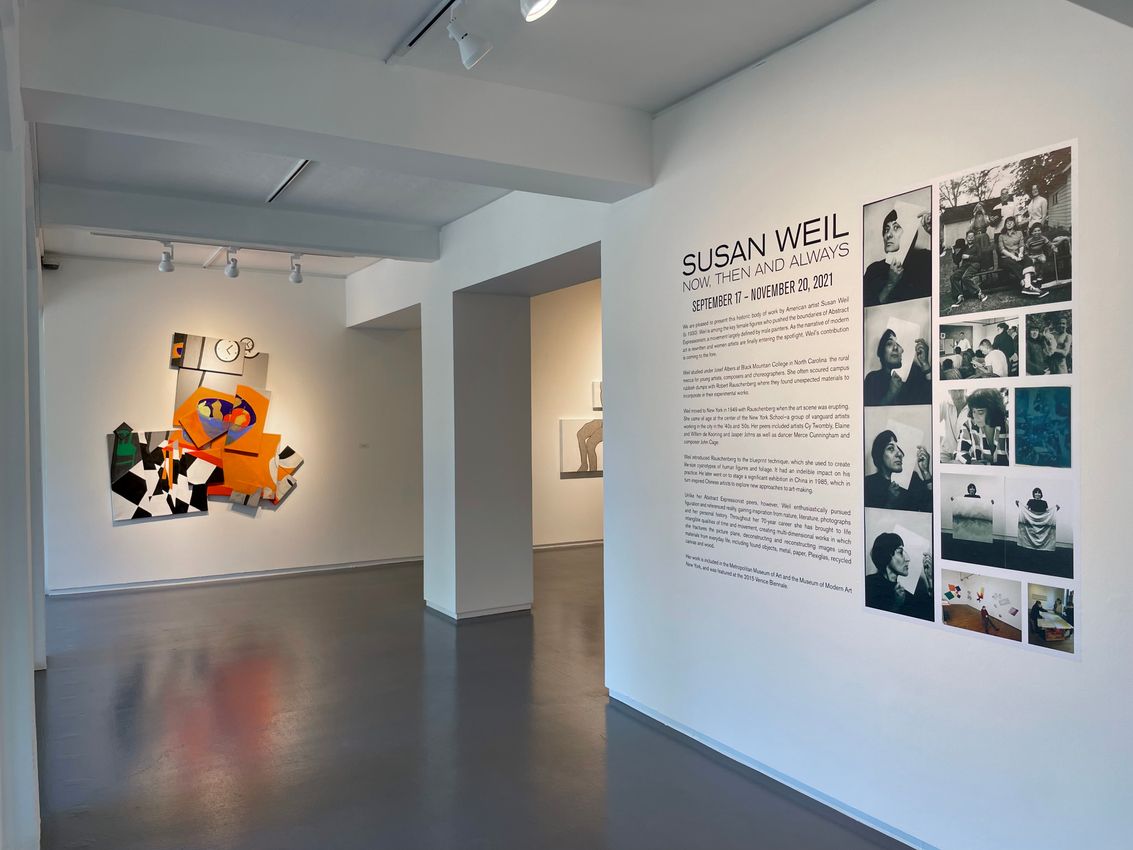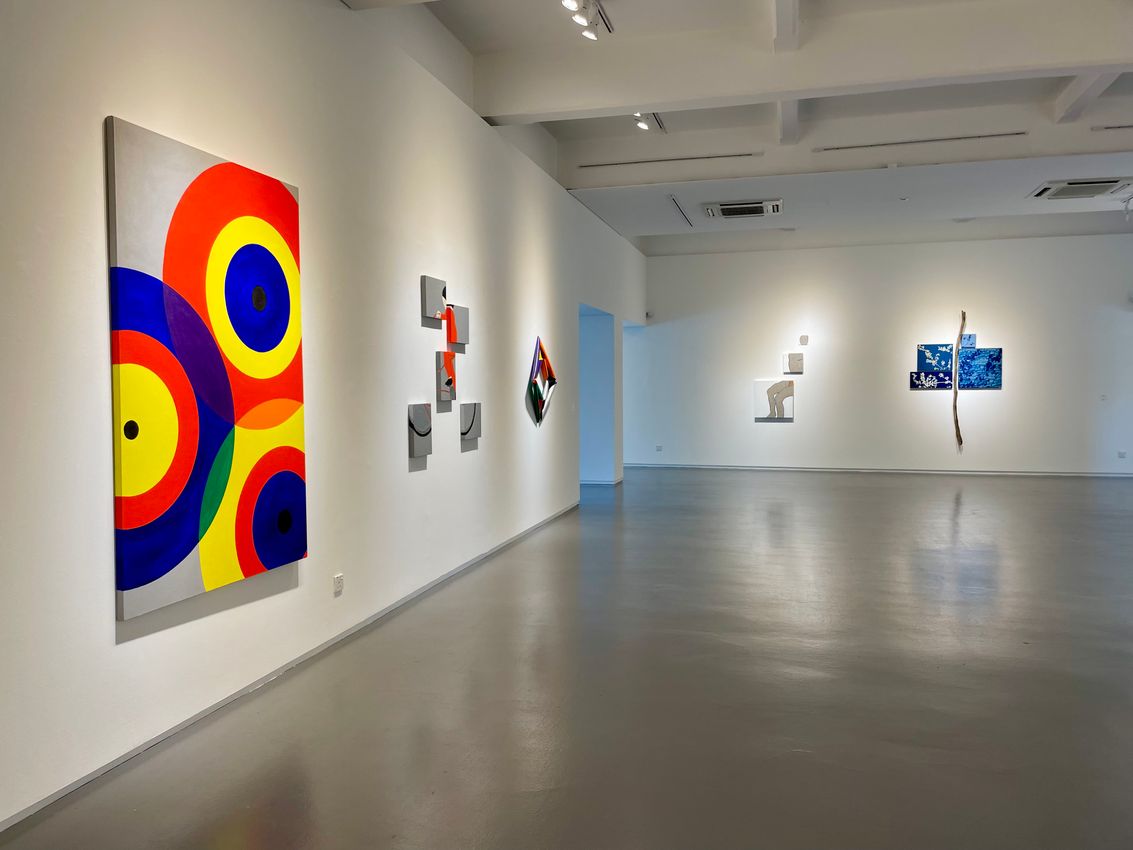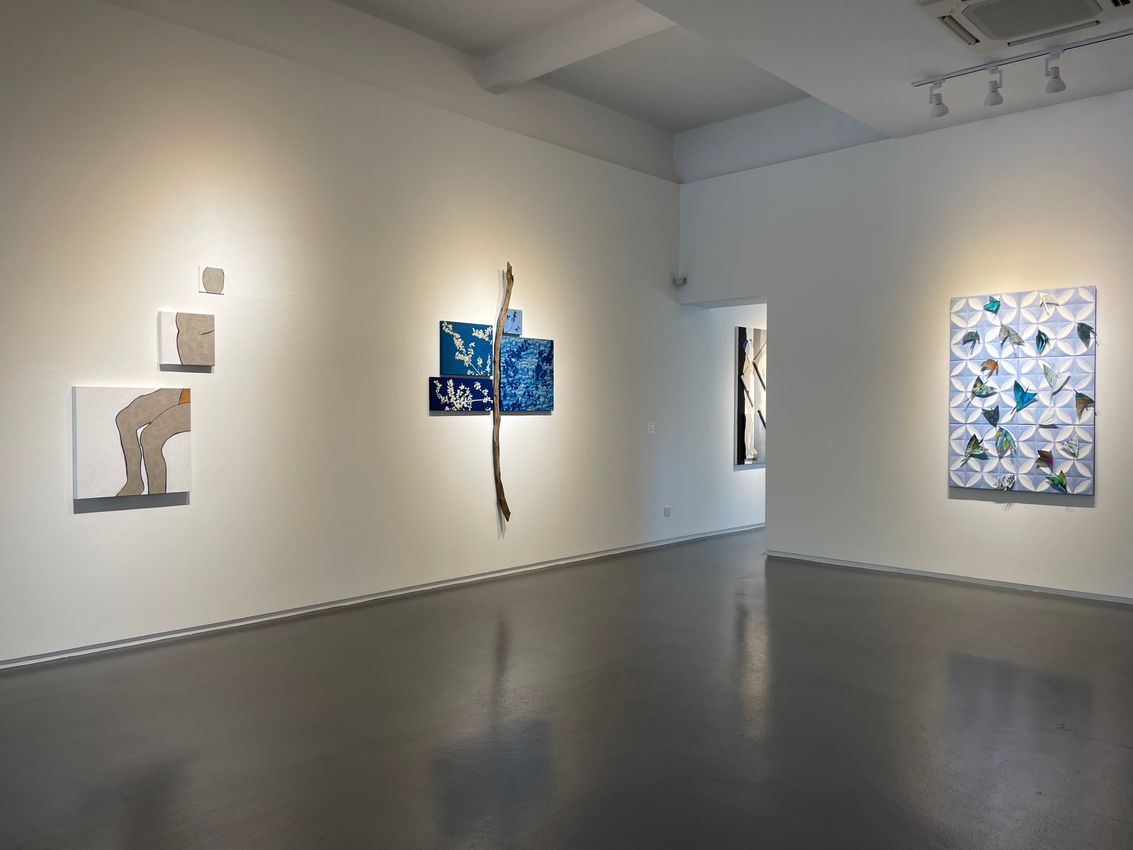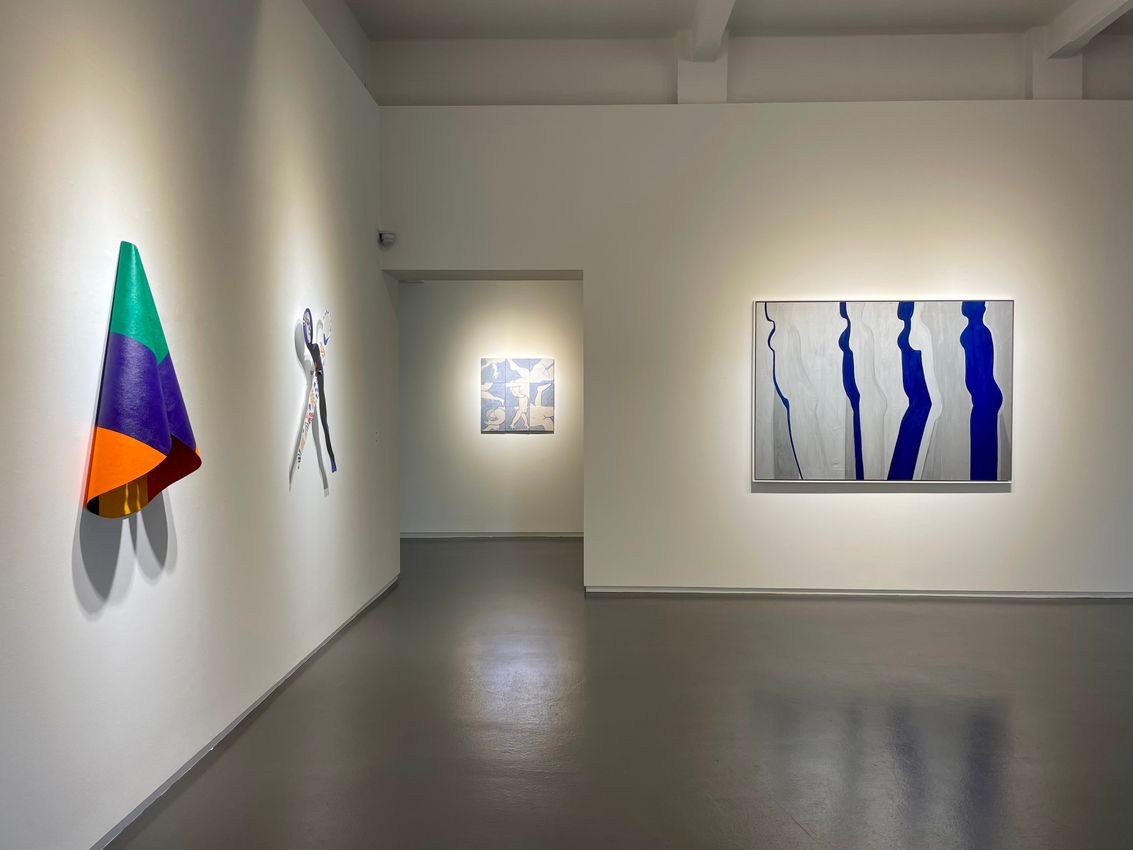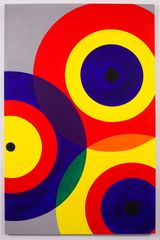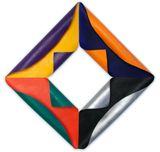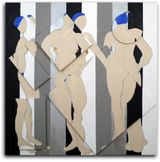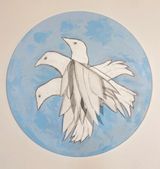
Selected as one of Art in America’s must-see shows of the season, this retrospective of work by Susan Weil pays tribute to one of the boldest and most inventive artists of the 20th century. Originally slated to open last spring just before the lockdown, the exhibition coincides with the artist’s 91st birthday.
Weil is among the key female figures who pushed the boundaries of Abstract Expressionism, a movement largely defined by male painters. As the narrative of modern art is rewritten and women artists are finally entering the spotlight, Weil’s contribution is coming to the fore. Curator Sundaram Tagore says, ‘Susan Weil is one of the most intrepid artists working today. I’ve had the immense honor of showing her work for 20 years and her expressive power continues to inspire and beguile me.’
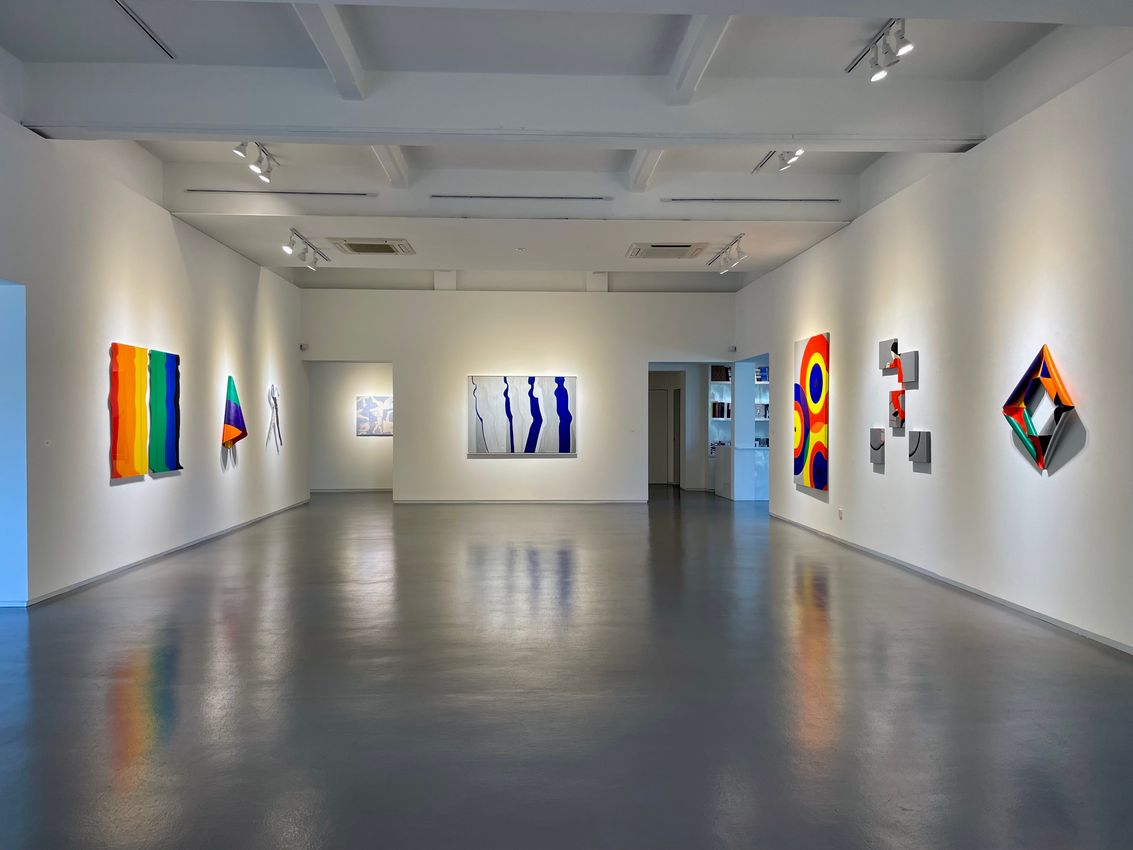
Tracing the arc of her career, which spans more than 70 years, this exhibition features Weil’s early landscapes from the 1950s, iconic blueprints (1949–2020), seminal figurative paintings, series inspired by the natural world and work made this year. Rare archival images will also be on view, offering a window into her practice and the formative years of the New York School in the 1950s.
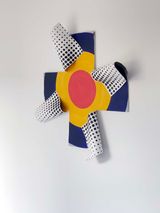
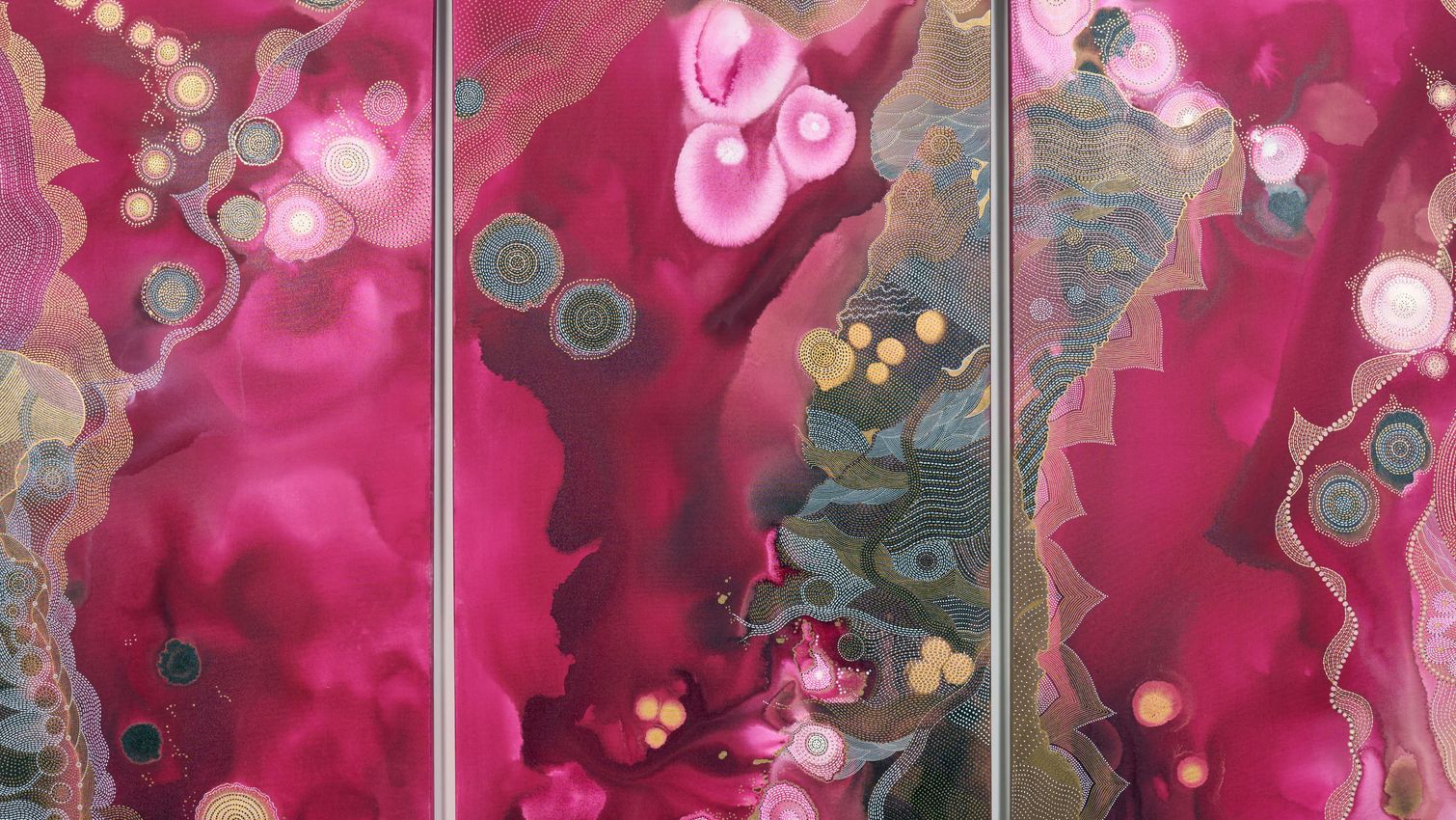
Although Weil was active in New York during the height of the Abstract Expressionist movement, she was not afraid to pursue figuration and reference reality, gaining inspiration from nature, literature, photographs and her personal history. Throughout her career she has brought to life intangible qualities of time and movement, creating multi-dimensional works in which she fractures the picture plane, deconstructing and reconstructing images. She consistently experiments with materials from everyday life, including found objects, metal, paper, plexiglass, recycled canvas and wood. The dynamic and playful results are crumpled, cut and refigured compositions that invite viewers to contemplate multiple perspectives at once.
Susan Weil studied under Josef Albers at Black Mountain College, the rural mecca for young artists, composers and choreographers. She often scoured campus rubbish dumps with Robert Rauschenberg to find materials to incorporate in their experimental works. ‘It was very revolutionary. Black Mountain put together creative people from all the fields,’ recalls Weil, who studied painting but also explored dance and poetry. ‘We’d sit around in the big dining hall and talk about different things we were working on. It was great sharing. We participated in all different mediums.’
This spirit of innovation shaped Weil’s art throughout her career. She moved to New York in 1949 with Rauschenberg when the art scene was erupting. She came of age at the center of the New York School with its eclectic cultural influences and interdisciplinary collaboration. Her peers included artists Cy Twombly, Elaine and Willem de Kooning and Jasper Johns as well as dancer Merce Cunningham and composer John Cage.
Highlights of this retrospective include Weil’s little-seen early painterly landscapes and striking figurative works from the 1960s as well as pieces she’s made in the last two years. Five Generations (2019), for example, is a collaborative work that began in 1930 when Weil’s mother embroidered stars in an accurate constellation onto a sheer tablecloth encircled by a poem of her own creation. Almost 90 years later, Weil’s daughter created a cyanotype of this embroidery evoking the night sky. She commemorated the intergenerational nature of the work with written text hung alongside. Weil then added a series of energetic figures that she drew with her eyes closed and cut out of copper mesh. Her granddaughter completed the piece by attaching the figures, which appear to leap from the blue fabric.
Weil’s nebulous human forms in motion have been appearing in her work as far back as Swimming Figures, from 1958. Articulated in ebullient, gestural brushstrokes, the composition beautifully embodies themes the artist has returned to again and again and still explores today, namely, time expressed abstractly and in relation to nature and the figure in movement.
‘I’ve spent a lifetime working,’ says Weil. ‘It’s been both a serious and a joyful journey and I have no intention of slowing down.’
American painter Susan Weil has been at the epicenter of the New York art world since the 1950s. She came of age as an artist in the postwar period, studying under Josef Albers at Black Mountain College alongside Willem and Elaine de Kooning, Jasper Johns, Robert Rauschenberg, and Cy Twombly. An innovative and influential member of the New York school, she deftly combines unexpected materials—including collage, blueprint, and paint on recycled canvas, acrylic and wood—to create dimensional works exploring the passage of time and movement. She often fractures the picture plane, deconstructing and reconstructing images. Weil embraces serious and playful elements in her work, and unlike her contemporaries, she has never been afraid to pursue figuration and reference reality, unabashedly drawing inspiration from nature, literature, photography, and her personal history.


Established in 2000 in New York City, Sundaram Tagore Gallery represents established and emerging artists from around the globe, specialising in work that is aesthetically and intellectually rigorous, infused with humanism and art historically significant. The gallery was founded with a mission to show that some of the best and most meaningful art was being created by artists deeply engaged in cross-cultural explorations. Our international roster of artists cross cultural and national boundaries, synthesising Western visual language with forms, techniques and philosophies from Asia, the Subcontinent and the Middle East. More than twenty years later, we continue to champion artists, particularly women and those from underrepresented cultures, whose work exemplifies our interconnectedness.

A respected voice in contemporary art discourse.
Focusing on ambitious storytelling and insightful art-world commentary. Ocula Magazine publishes in-depth interviews, critical essays and timely analysis on the artists, exhibitions and ideas driving the global art world.
Learn more about Ocula Magazine
Showcasing the best of the art world.
Ocula partners with galleries from around the world to highlight their artists, artworks and exhibitions. Gallery membership is by application and invitation, with each member vetted by an independent panel.
Learn more about Ocula Membership

Specialises in the sale of major artworks.
Led by a team with deep ties to the world’s leading auction houses, galleries and collectors. Ocula’s advisory team offers bespoke services to high-net-worth clients from around the world who are looking to acquire the best of contemporary and modern art.
Learn more about our team and services