Press Release

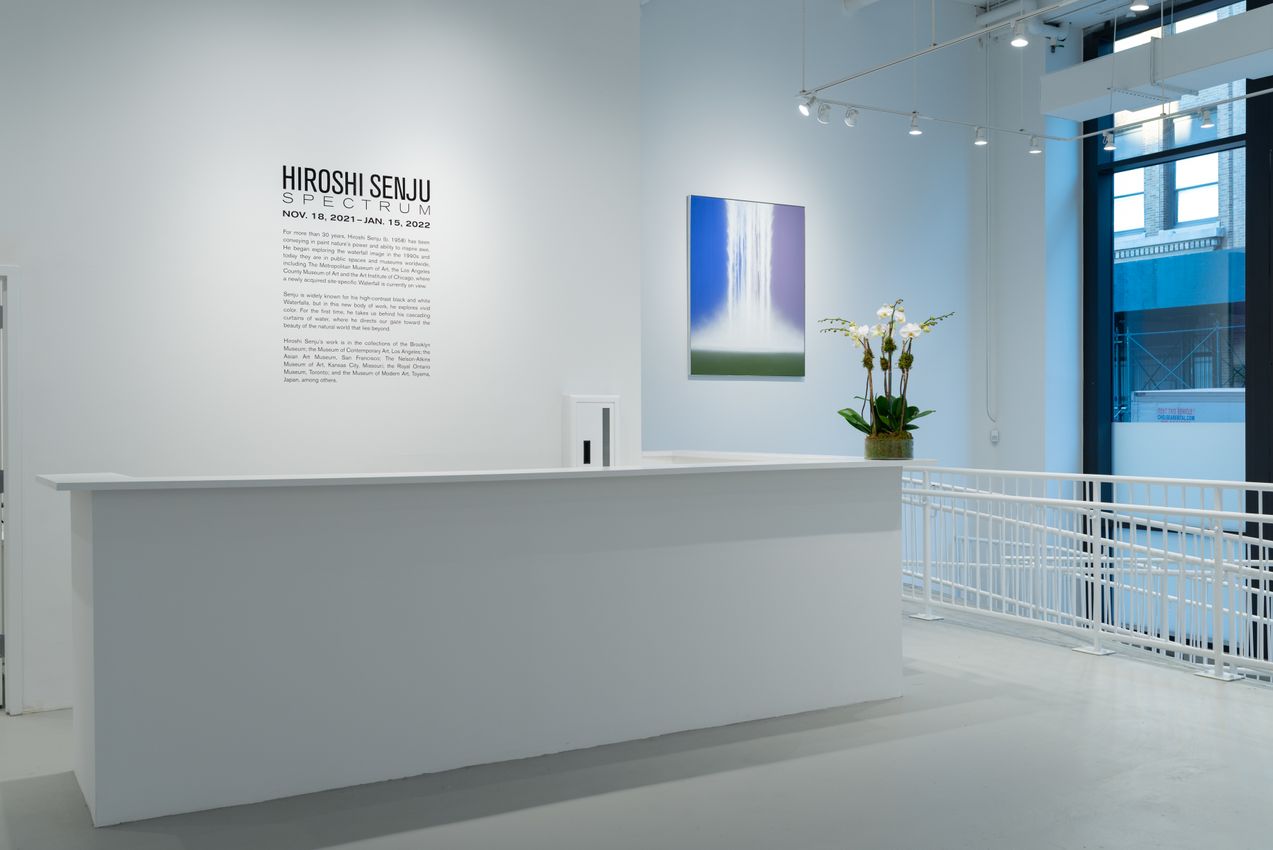
New York, November 16, 2021—Sundaram Tagore is pleased to present a new collection of Waterfall paintings by Hiroshi Senju. For the first time, the artist takes us behind hiscascading curtains of water, directing our gaze toward the beauty of the natural world thatlies beyond. The exhibition marks the opening of our newly expanded 7,000-sq.ft. ChelseaGallery at 542 W. 26th Street.

Hiroshi Senju has been conveying in paint nature’s power and ability to inspire awe for more than 30 years. He began exploring the waterfall image in the 1990s and today, theyare in public spaces and museum collections worldwide, including those of TheMetropolitan Museum of Art, New York, the Los Angeles County Museum of Art and the ArtInstitute of Chicago, where a site-specific Waterfall is on view in a gallery designed byTadao Ando through March 13, 2022.

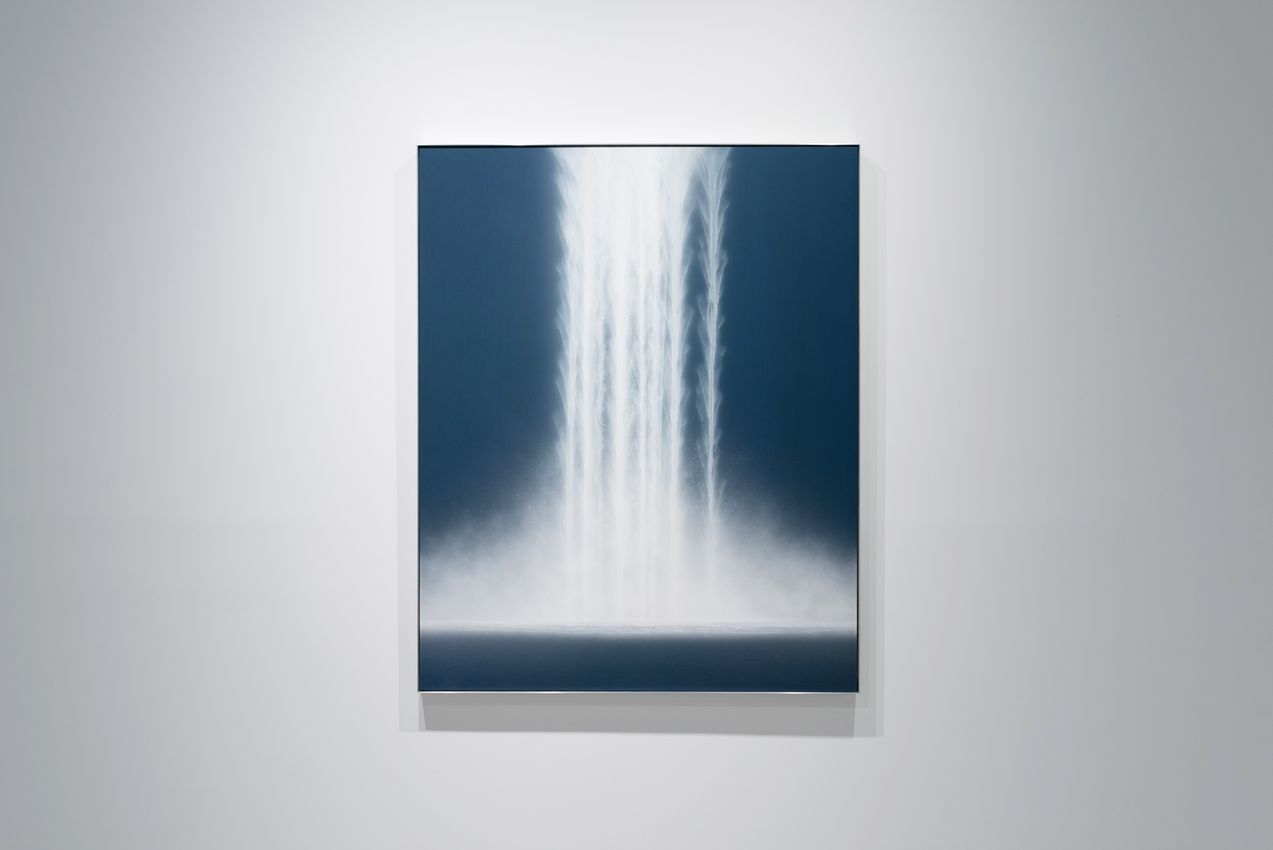
Senju’s falls are often inspired by natural landscapes, including the rugged, almost prehistoric terrain of northern Oahu, where cascades of water flow over ancient cliffs(Beginnings, 2020). However, this new body of work is a pure expression of the artist’sunfettered imagination, a visually resplendent response to working in isolation at his NewYork studio throughout 2020.

To capture the spectrum of colour he had conjured in his mind for this series, Senju turned to manmade pigments, in addition to the bespoke natural pigments he traditionally uses.Produced in Japan, these pigments are derived from coloured glass composed of high-firedglaze and metal oxide and are made using the same care and exacting standards as hisnatural pigments.

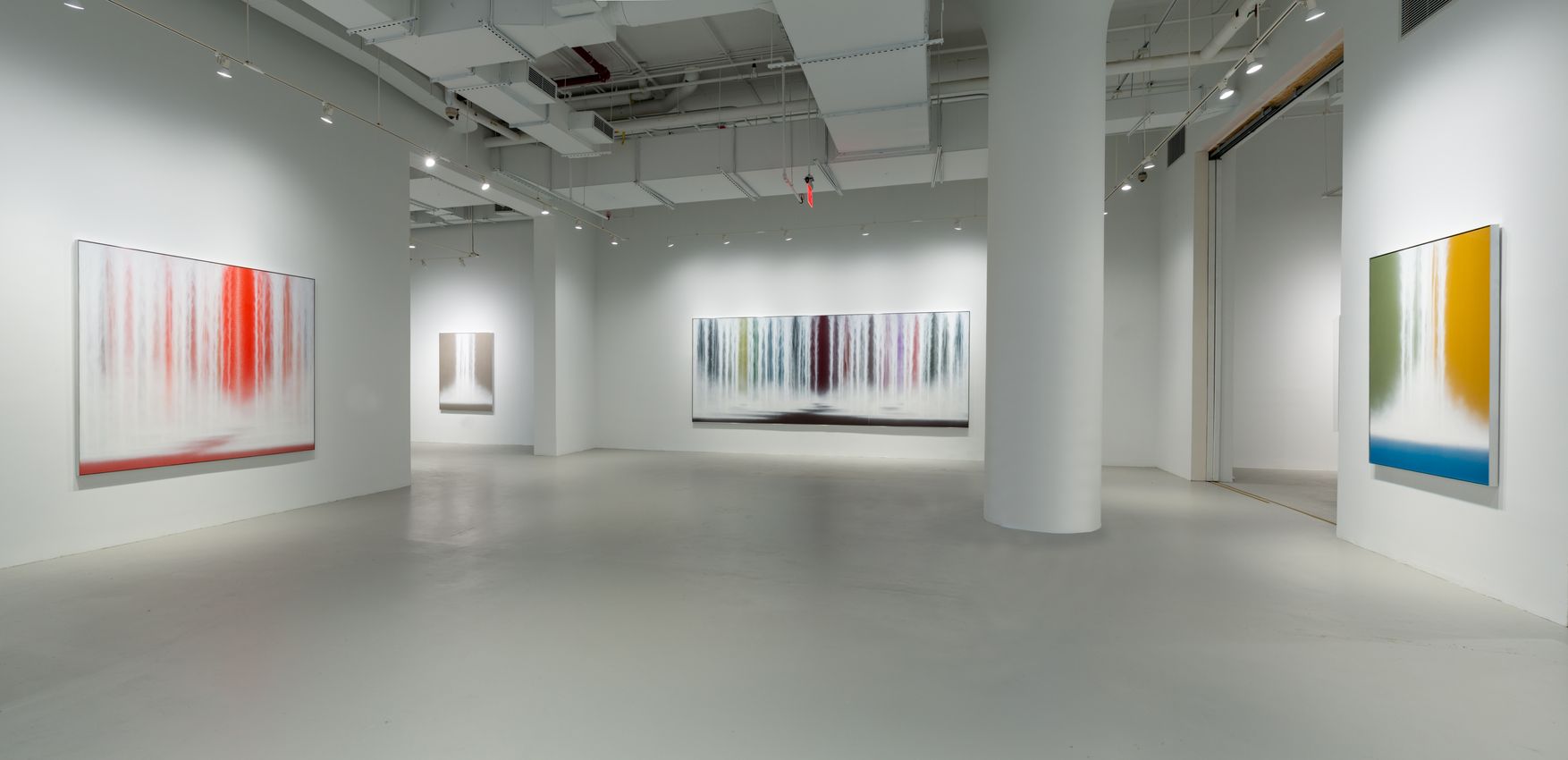
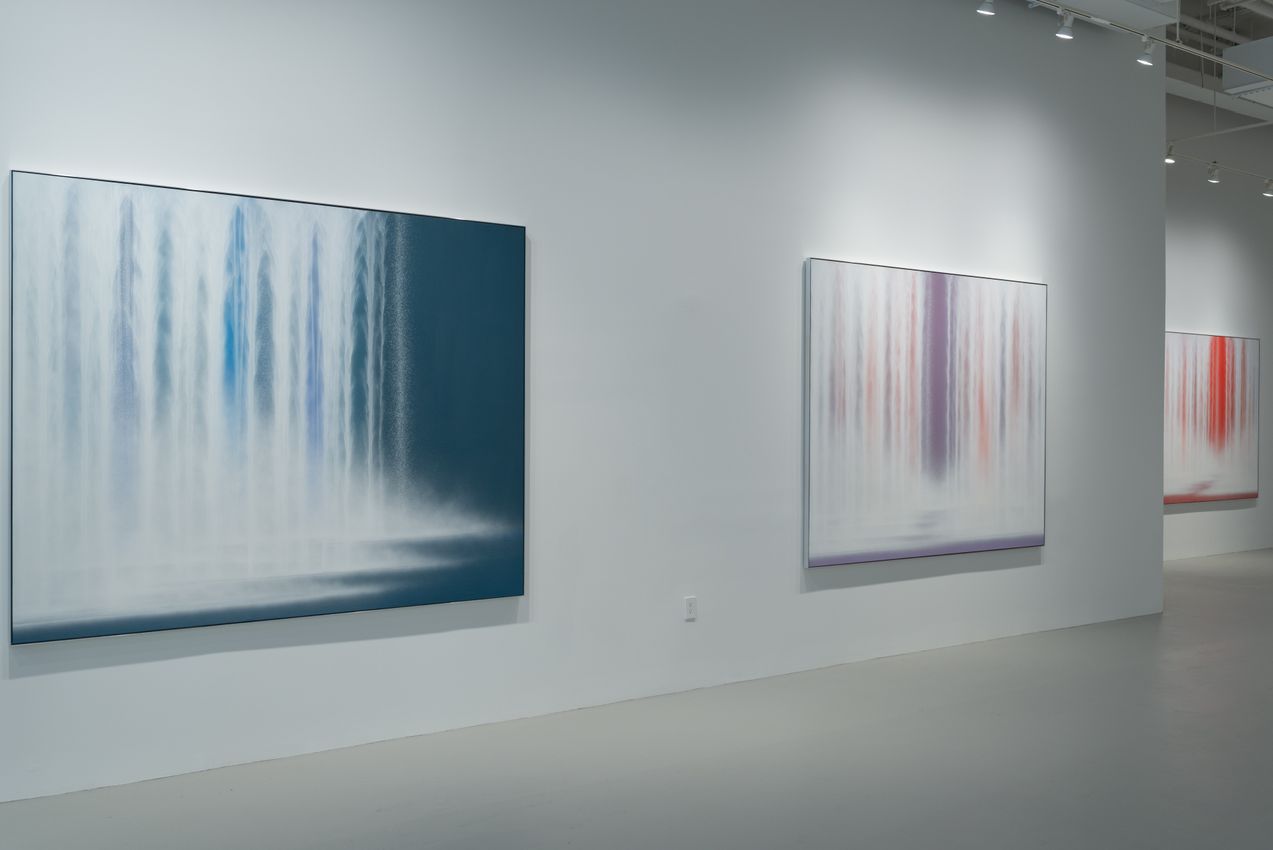
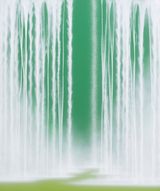
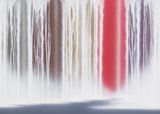
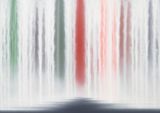
Although Senju is widely known for his black-and-white Waterfalls, his skill as a colourist is clearly evident in this body of work, particularly in a suite of four paintings in whichnuanced shifts in tone and shade not only evoke the sensation of falling water, but theessence of the changing seasons. ‘When you see the world from the inside of a waterfall,the soft hues of spring flowers will be seen through the falling water as a field of colours,’ hesays. ‘In the same way, summer is the harmony of various greens. Autumn is the colour ofleaves that become more brilliant just before they fall. In winter, there may be a sense ofloneliness after everything has fallen, yet at the same time, there is a feeling of renewal.’

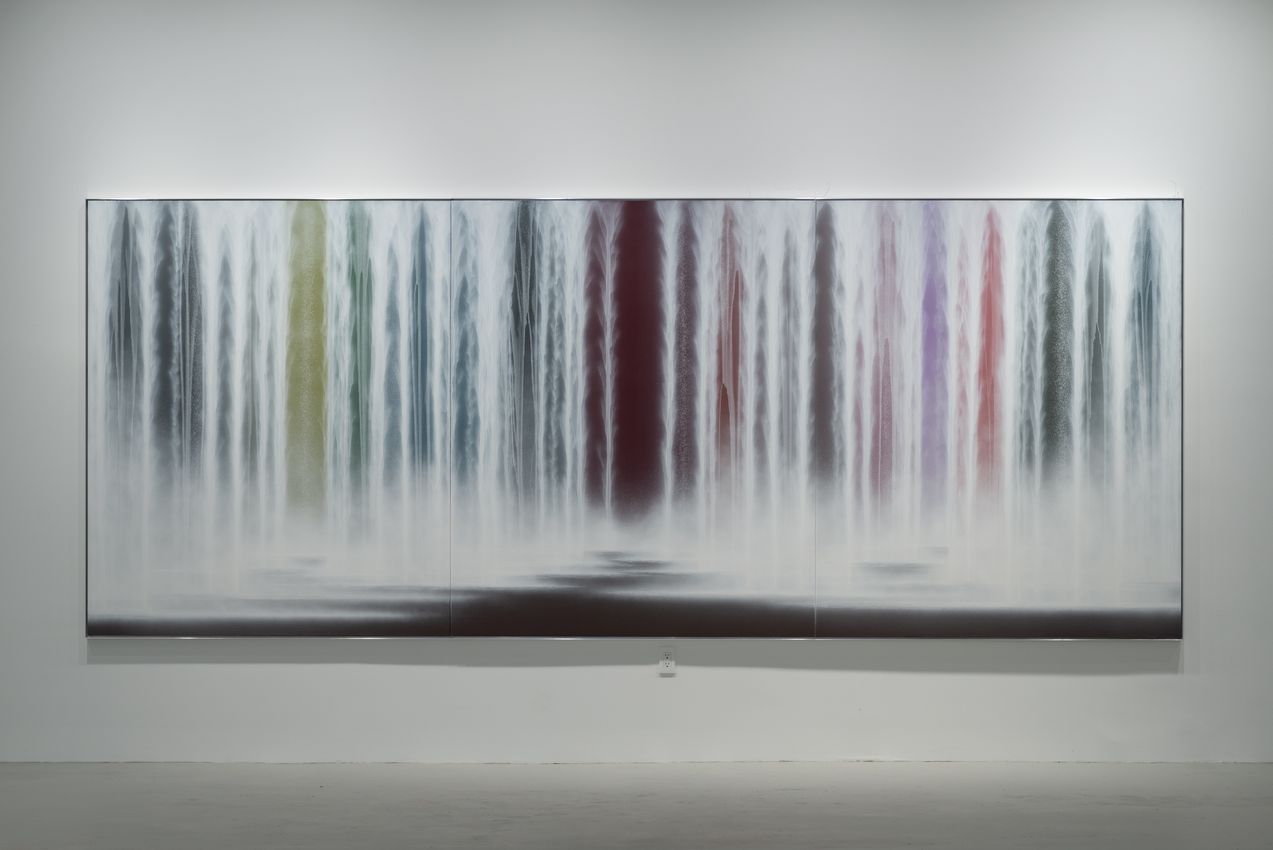
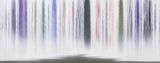
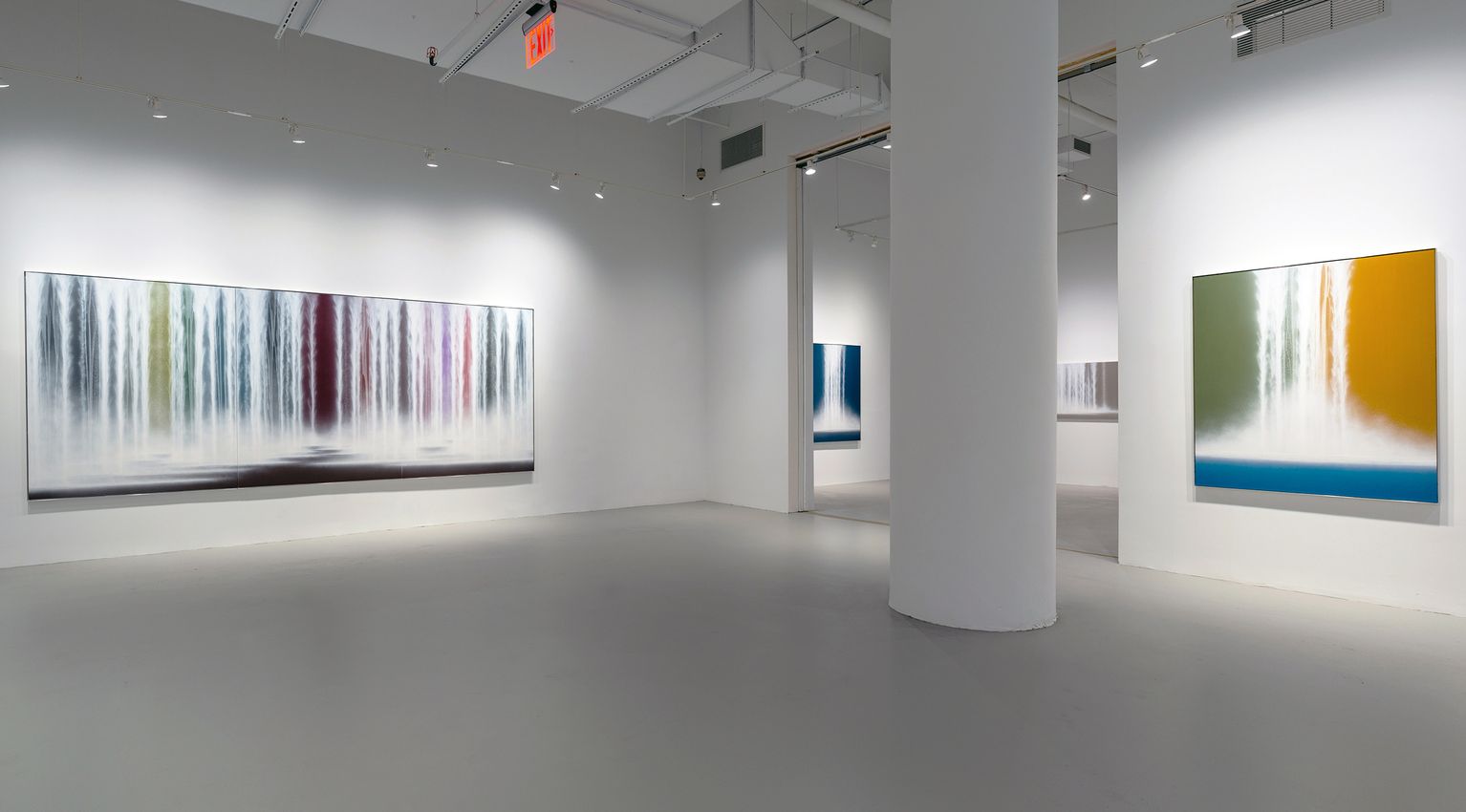
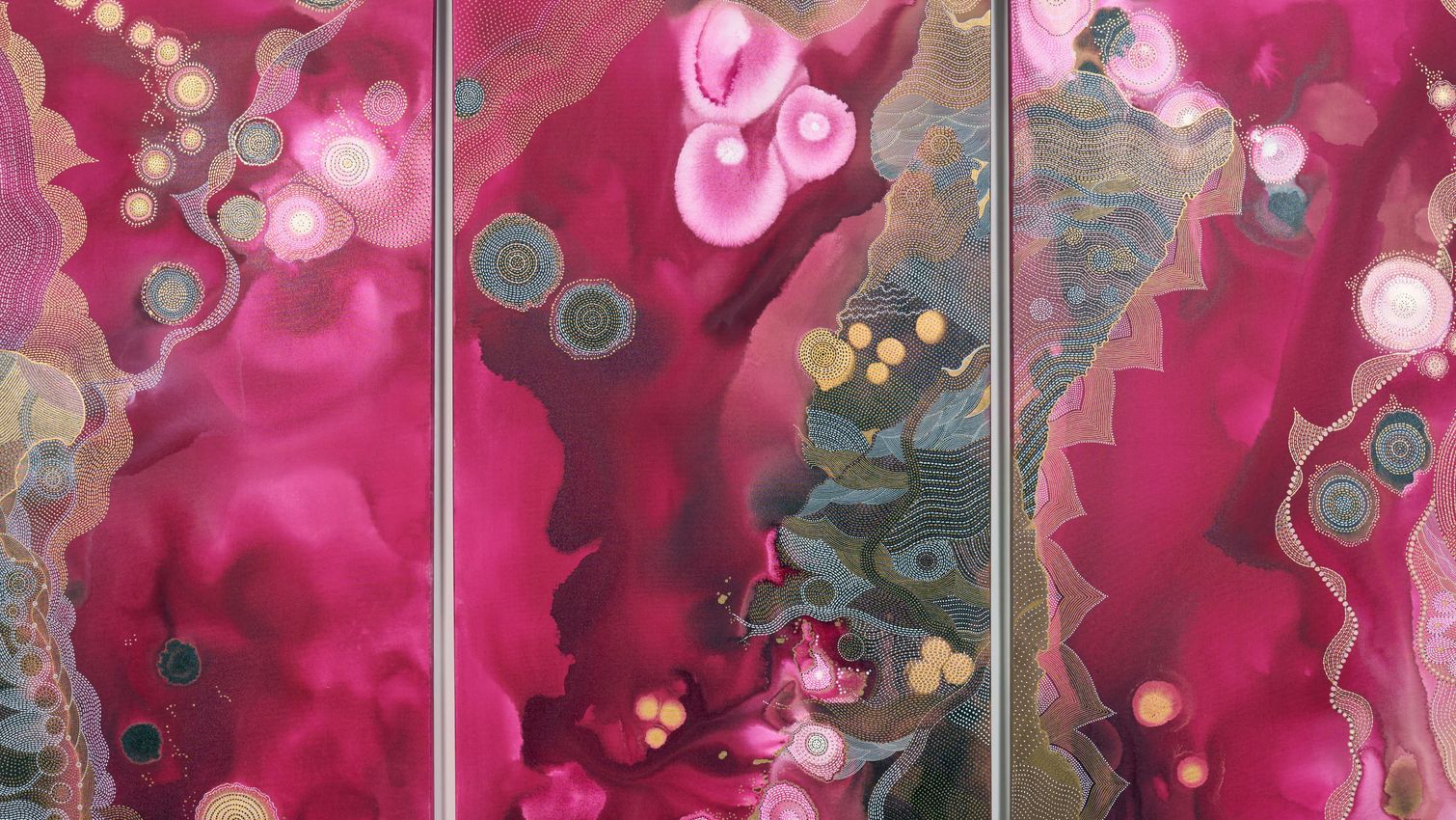
In the central work of the show, pictured above, the artist brings together the colours from the four seasons in a sweeping, multi-panel panorama. In this Waterfall, liquid ribbons ofred, gold, purple, blue and green appear between towering columns, as if a mist of waterdroplets is fracturing the light into a spectrum of colour like a prism. At the base of thewaterfall, the colours coalesce into a deep, blue-black pool that alludes to the depth belowthe surface.

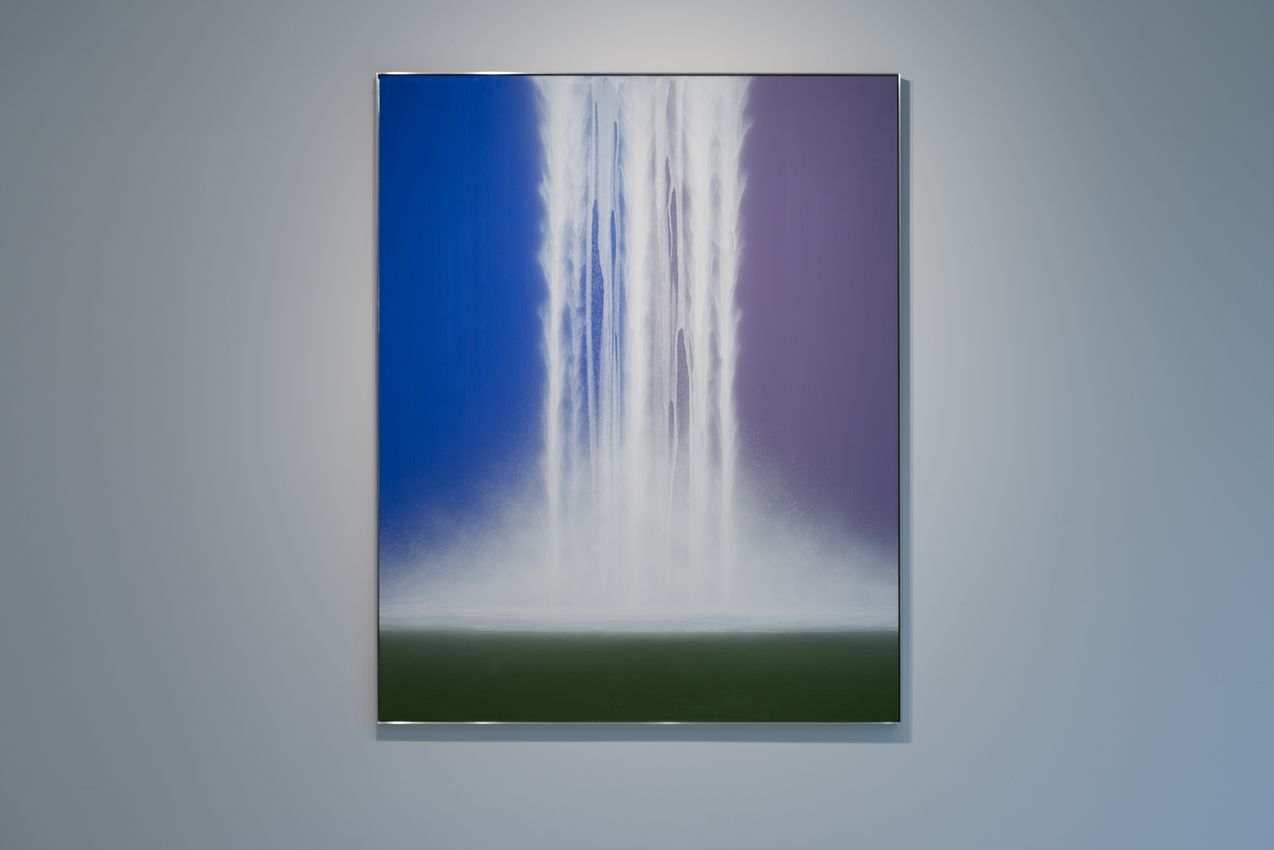
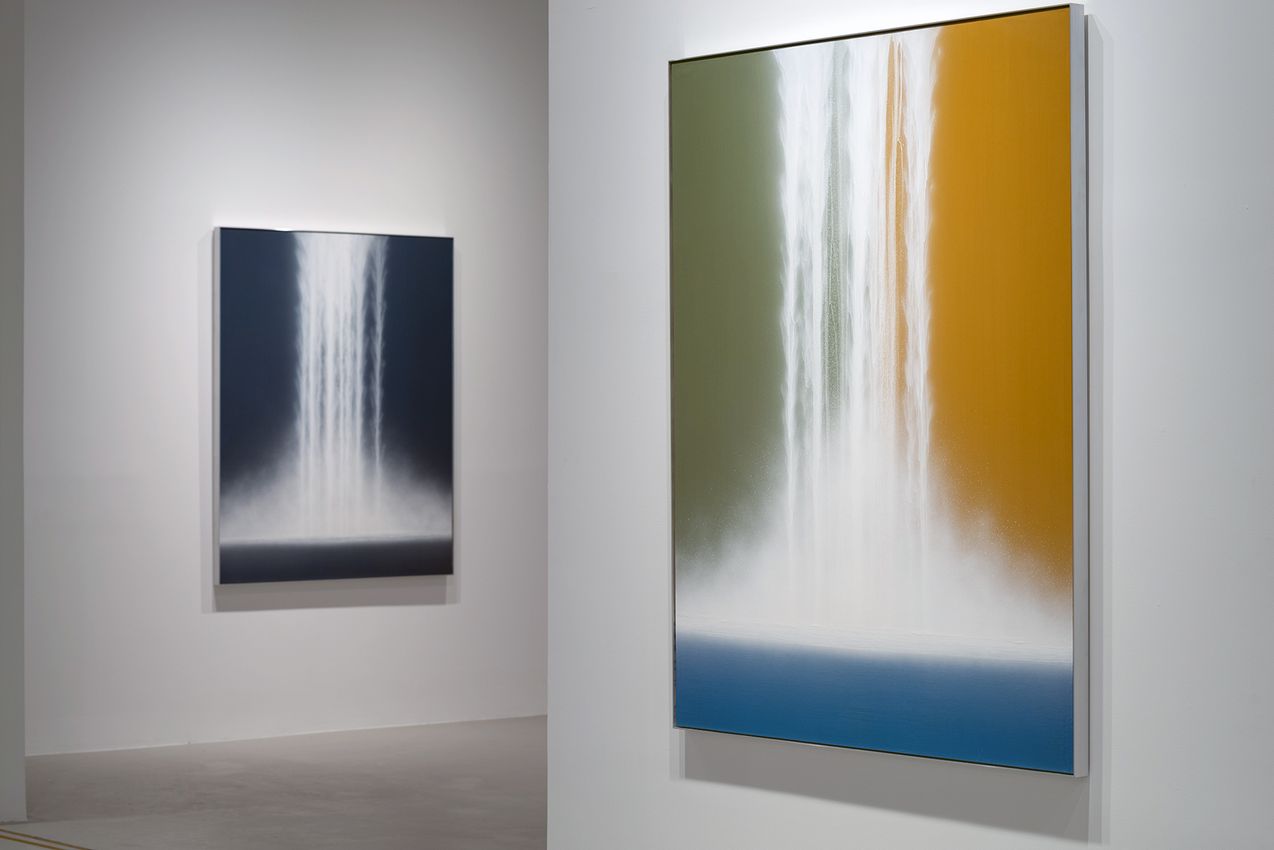
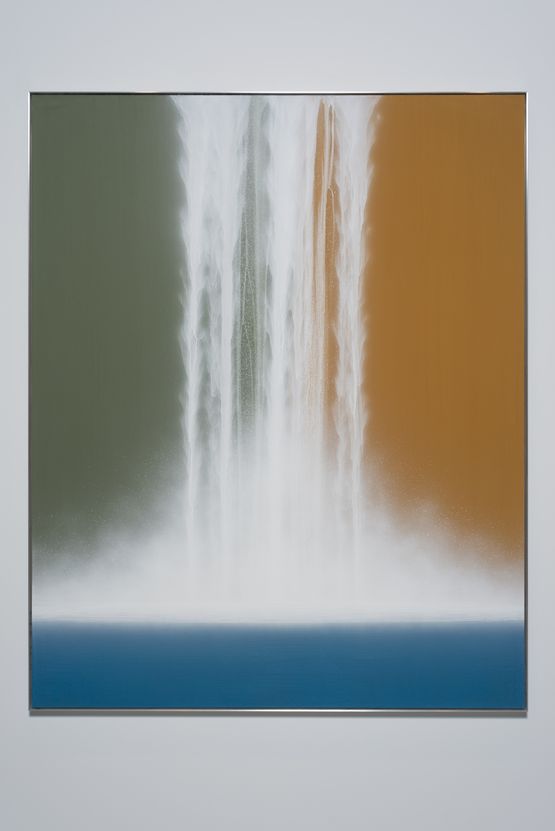
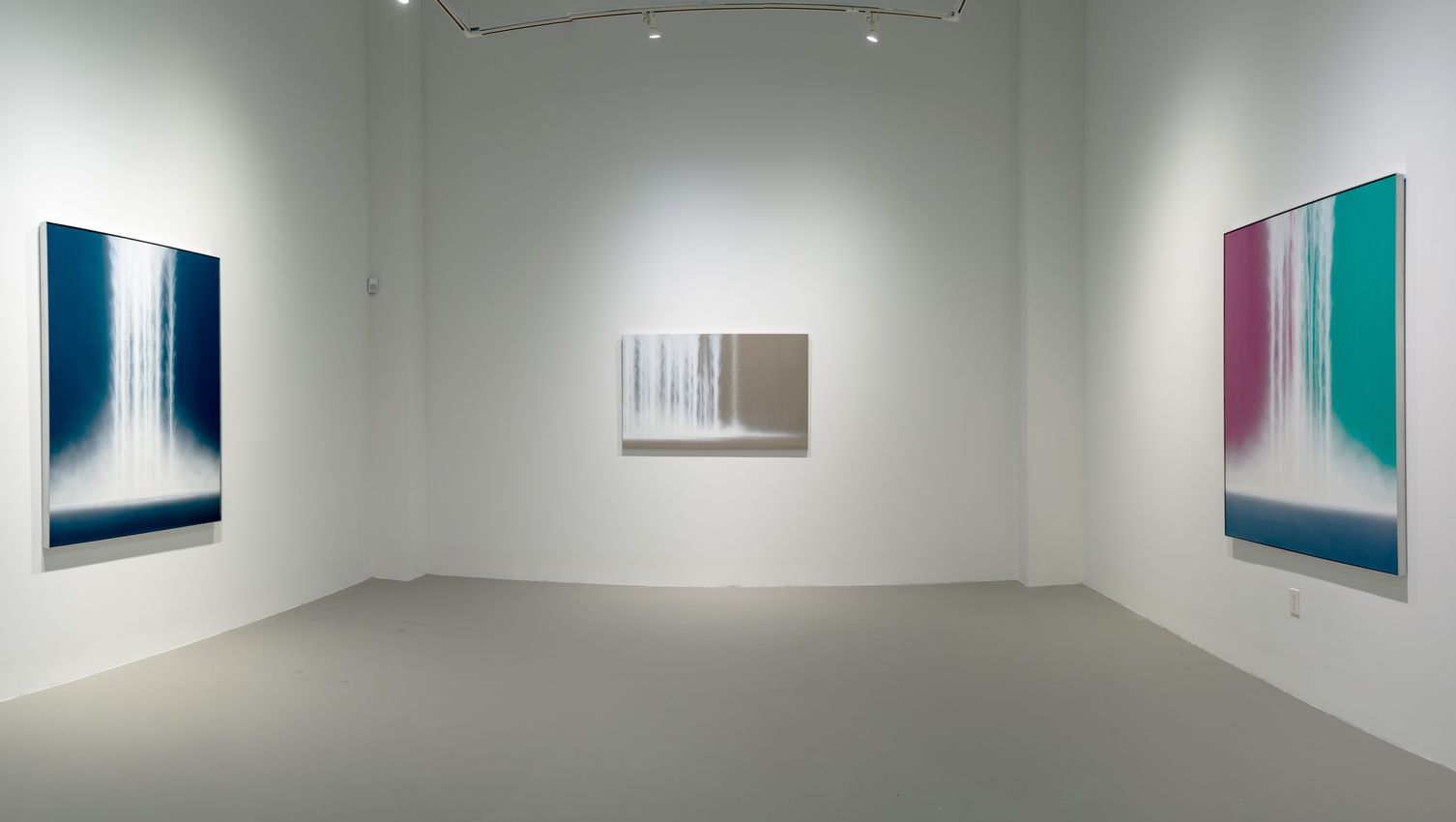
Senju’s colour explorations also include a small group of Waterfalls that are more distilled. In these works, the waterfall is centred between three distinct colour fields. The relationshipbetween the pair of colours in the background strikes a beautiful balance, yet it’s theinclusion of the third colour in the foreground that introduces an unexpected harmony. Whenselecting the combinations, rather than draw on a specific theme, Senju relied on instinct. ‘The colours called for one another,’ he says.

Rounding out the range of colours and mediums are three luminous, warm gray Waterfalls made with platinum pigment, a material Senju began using in 2020. He delights in itsrefined yet understated nature, in which the platinum’s lustre plays off the soft white oyster-shell pigment used to articulate the waterfall itself.

Senju purposefully included these subtle, monochrome paintings in this new body of work not as a foil to the more colourful works presented alongside them, but as a way toencourage viewers to see the beauty in diversity and in the world as it is.

Read More

Installation Views

About the Artist

Japanese-born painter Hiroshi Senju combines a minimalist visual language rooted in Abstract Expressionism with ancient painting techniques unique to Japan. The New York-based artist combines pigments derived from natural materials such as minerals, seashells and coral in a medium of animal-hide glue, and then applies this paint to Japanese mulberry paper. He is noted worldwide for his sublime waterfall and cliff images, often monumental in scale, many of which are featured in prominent public spaces.

View Artist Profile

Also Exhibiting at Sundaram Tagore Gallery

About the Gallery

Established in 2000 in New York City, Sundaram Tagore Gallery represents established and emerging artists from around the globe, specialising in work that is aesthetically and intellectually rigorous, infused with humanism and art historically significant. The gallery was founded with a mission to show that some of the best and most meaningful art was being created by artists deeply engaged in cross-cultural explorations. Our international roster of artists cross cultural and national boundaries, synthesising Western visual language with forms, techniques and philosophies from Asia, the Subcontinent and the Middle East. More than twenty years later, we continue to champion artists, particularly women and those from underrepresented cultures, whose work exemplifies our interconnectedness.

View Gallery Profile
Address
542 West 26th Street
New York
United States
Opening Hours
Tuesday – Saturday
10am – 6pm
(1)
New York 542 West 26th Street
Sundaram Tagore Gallery
542 West 26th Street, New York, United States

Opening hours
Tuesday – Saturday
10am – 6pm
The art world in focus