



Press Release

Arch Future (archaic future) marks the debut exhibition of Chilean poet and artist Cecilia Vicuña with the gallery. Spanning over sixty years, the show brings together every element of her expansive interdisciplinary practice, including three site-specific installations—two monumental quipus and a room-size precario installation—alongside drawings, paintings, poetry, archival materials, sound, and film. Included are some of what the artist refers to as “Lost Paintings,” recent recreations of paintings from the 1960s and 70s that were lost or destroyed following the Chilean military coup. The exhibition also marks the European premiere of her recent film poem, Death of the Pollinators (2021). The title Arch Future reflects Vicuña’s sustained engagement with indigenous knowledge systems and local ecosystems as visionary, alternative forms of architecture—tools for imagining a more sustainable and just future.

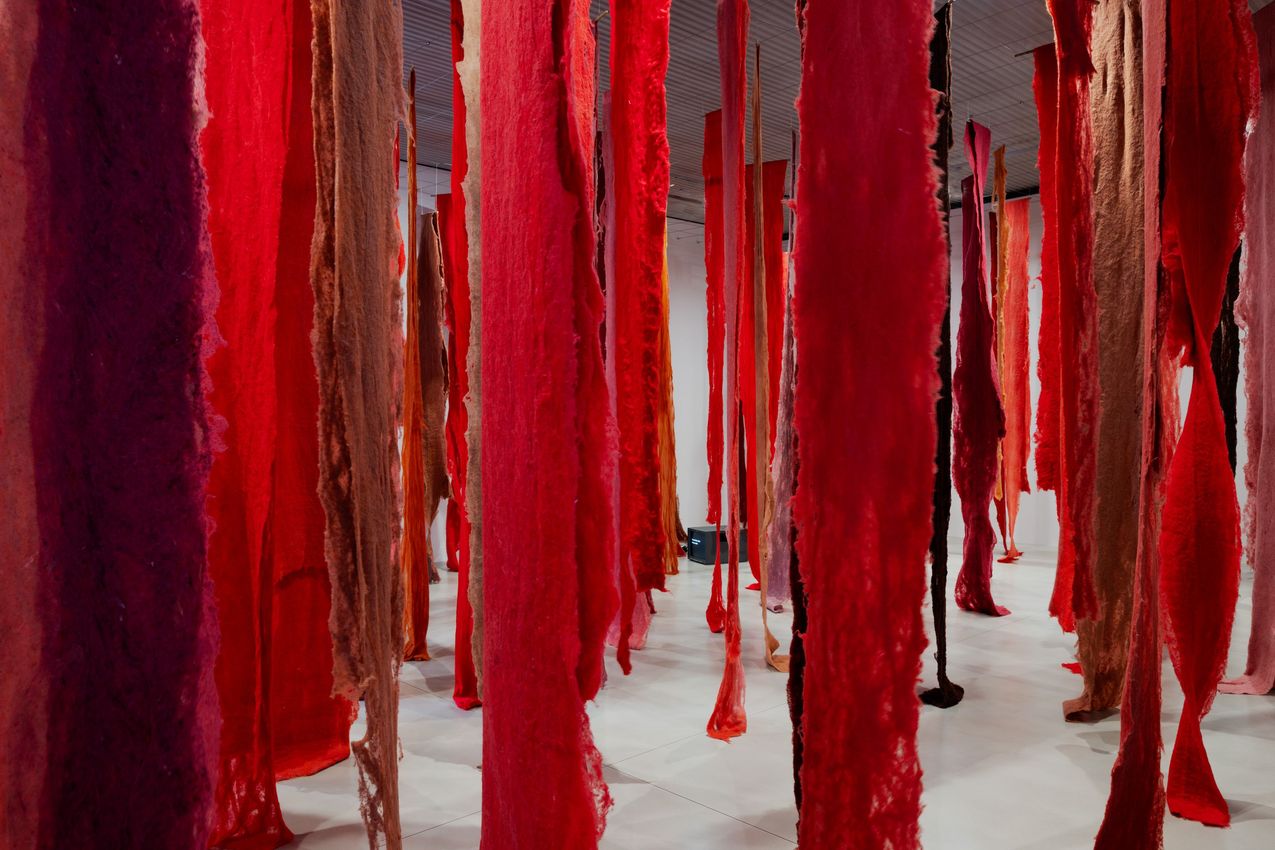
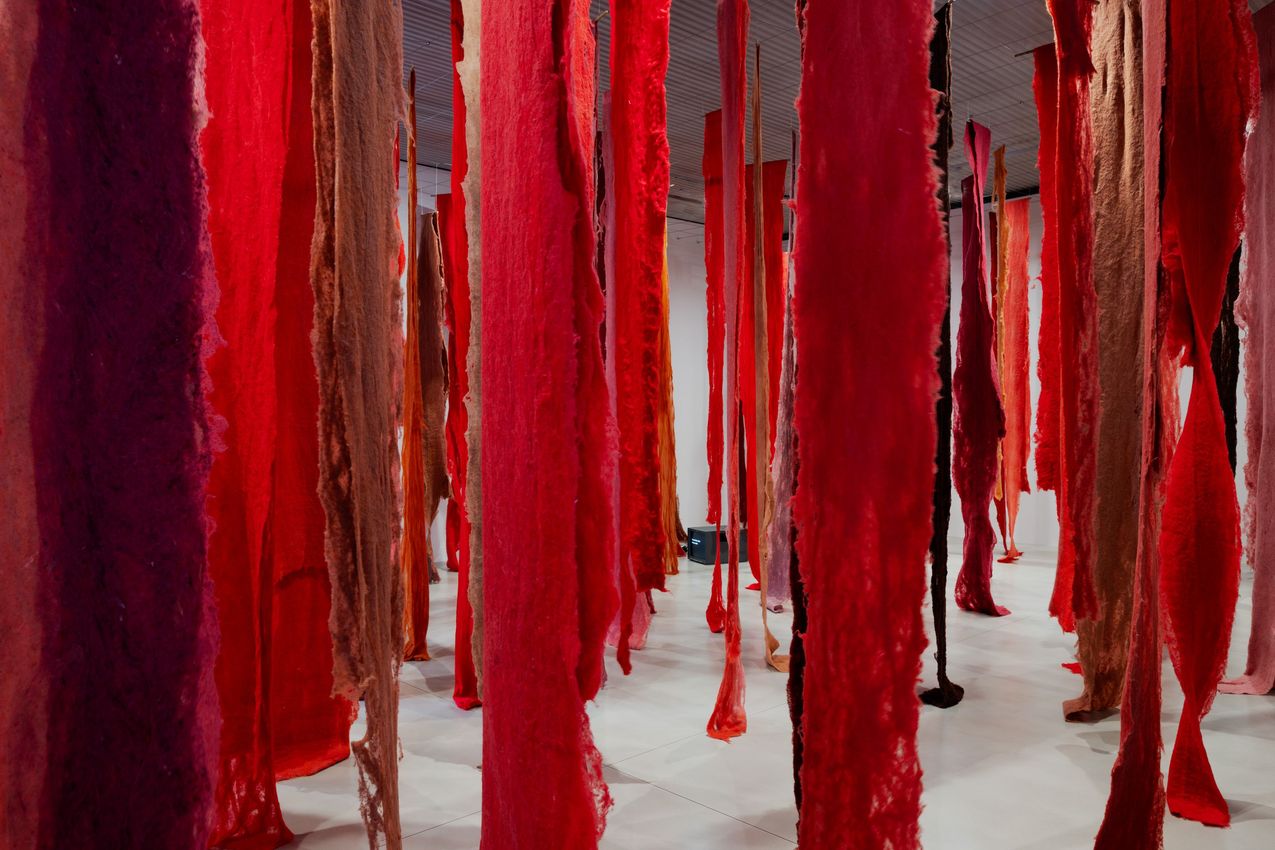
The exhibition opens with Quipu Menstrual (2006–2024), a dense, sculptural installation of unspun wool in vivid shades of red and brown that is suspended from the ceiling. For over fifty years, Vicuña has been creating quipus—striking embodiments of an ancestral, non-alphabetic communication system rooted in Andean culture. Traditionally used in pre-Columbian civilisations as three-dimensional records, quipus encoded knowledge and transmitted messages—perhaps even stories—through intricate systems of colour, knotting, and placement. Vicuña reclaims and reactivates this ancient language as a living symbol of memory, resistance, and embodied wisdom.

Vicuña’s quipus often emerge as poetic responses to ecological, social, or political urgencies. They are never static but evolve in dialogue with each site and community, absorbing its energy and context. Quipu Menstrual grew out of The Blood of Glaciers / La sangre de los glaciares, a performance on Chile’s El Plomo Glacier (2006), where Vicuña first drew a symbolic parallel between menstrual blood and melting ice—both vital, cyclical, and under threat. This poetic gesture underscores the fragility of ecosystems as well as the life-giving power of the feminine.

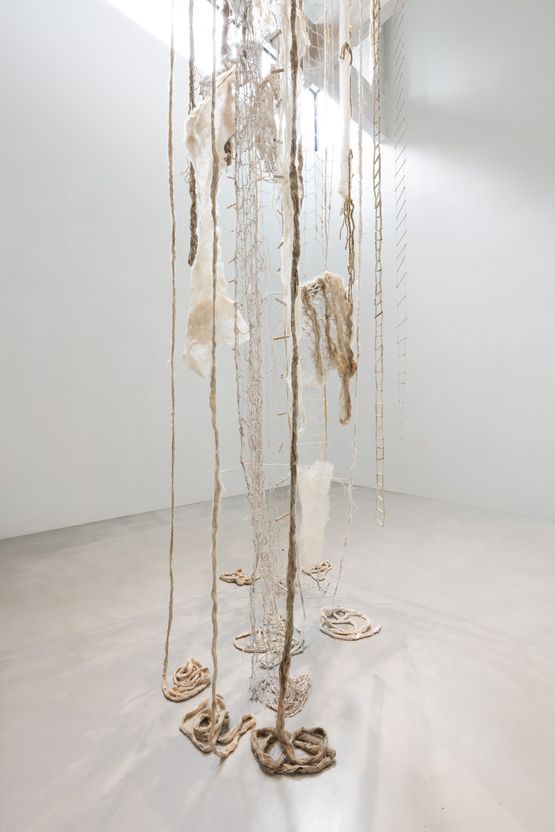
Installed nearby in the double-height gallery is the white monochromatic quipu Forest Son (2025), a site-specific “child” continuation of her celebrated Turbine Hall installation at Tate Modern, Brain Forest Quipu (2022). Composed of unspun wool, rope, cardboard, plant fibres, and found materials, this work resonates with symbolic meaning. Here, the quipu becomes a mournful elegy for environmental destruction and the ongoing violence against Indigenous communities. At once lament and portal for alternative forms of knowledge, it invites reflection on our shared responsibility—and illustrates ways of interconnected knowledge.

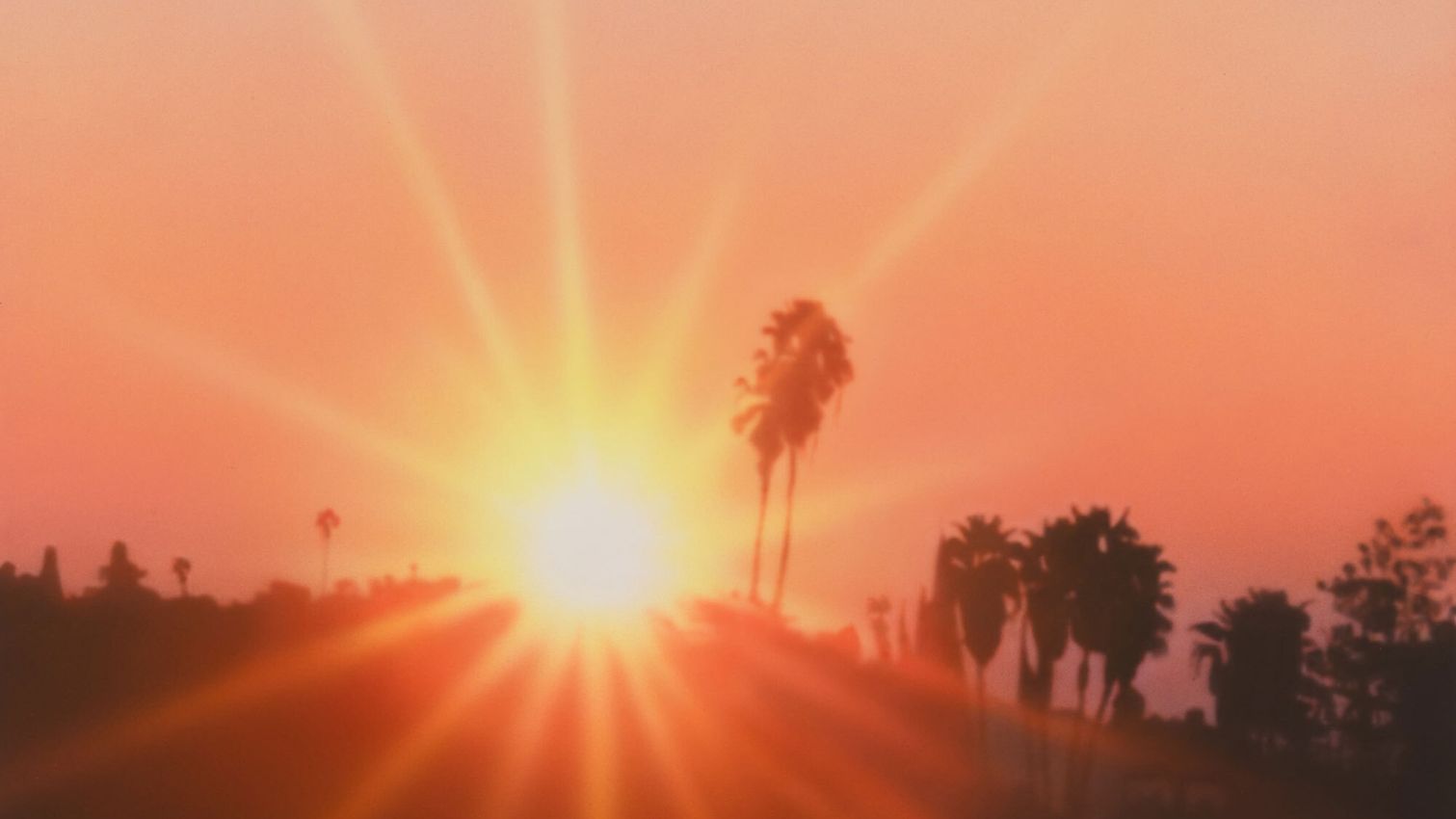
Death of the Pollinators (2021) is a powerful meditation on ecological collapse and interdependence. Created with the participation of Colombian musician Ricardo Gallo and American filmmaker Robert Kolodny, the work combines Vicuña’s poetry and chant with immersive visual and sonic textures to address the alarming global decline of bees.1 The film seamlessly transitions from bees navigating clouds of pollen, symbolising their vital importance, to the visually stunning and glittering appearance of honey, evoking a sense of celestial beauty and abundance. Its finale, bathed in red, alludes to climate warming decimating bees and the devastating fires erupting in the hottest parts of the world. Sound is central to the work’s impact: referencing sonification—the process by which certain bees release pollen through vibration—Vicuña draws a parallel between natural resonance and collective awakening.

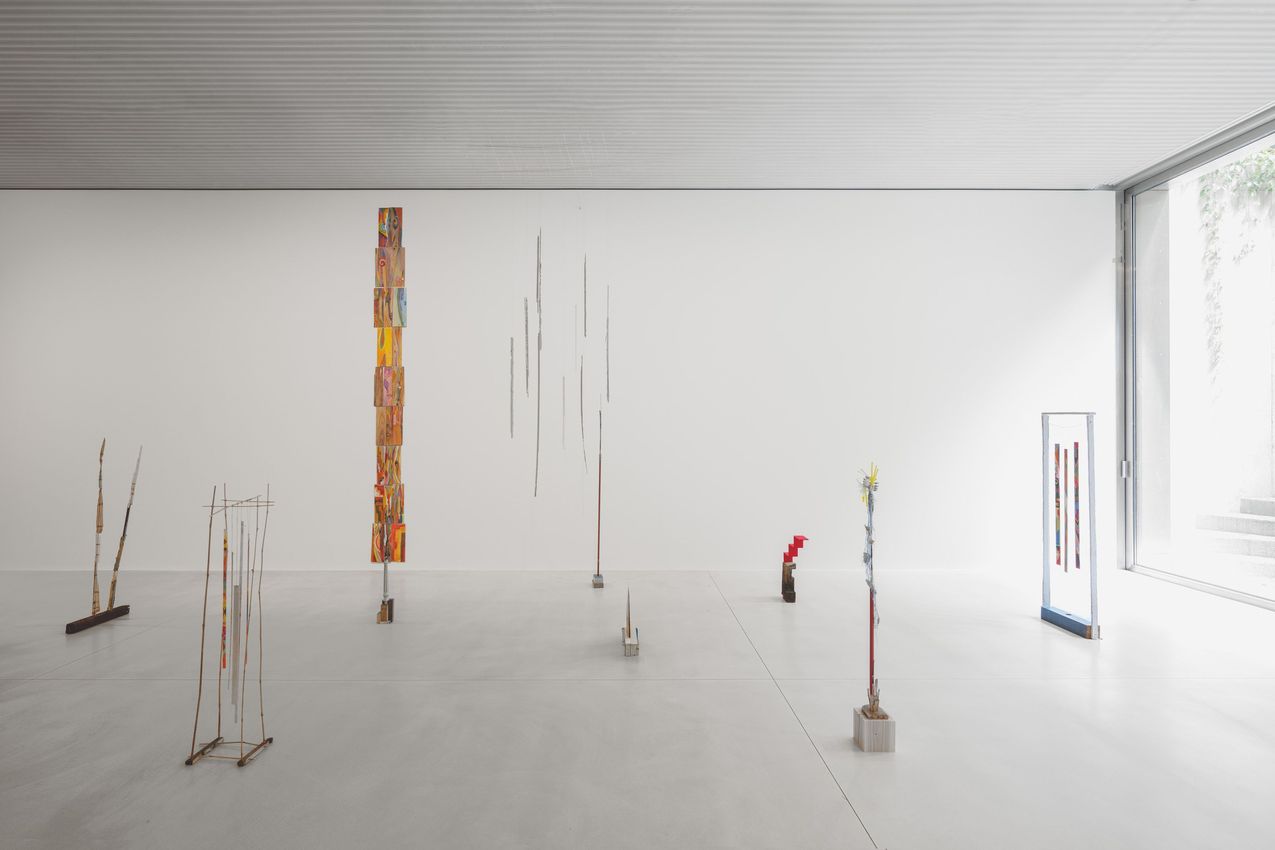
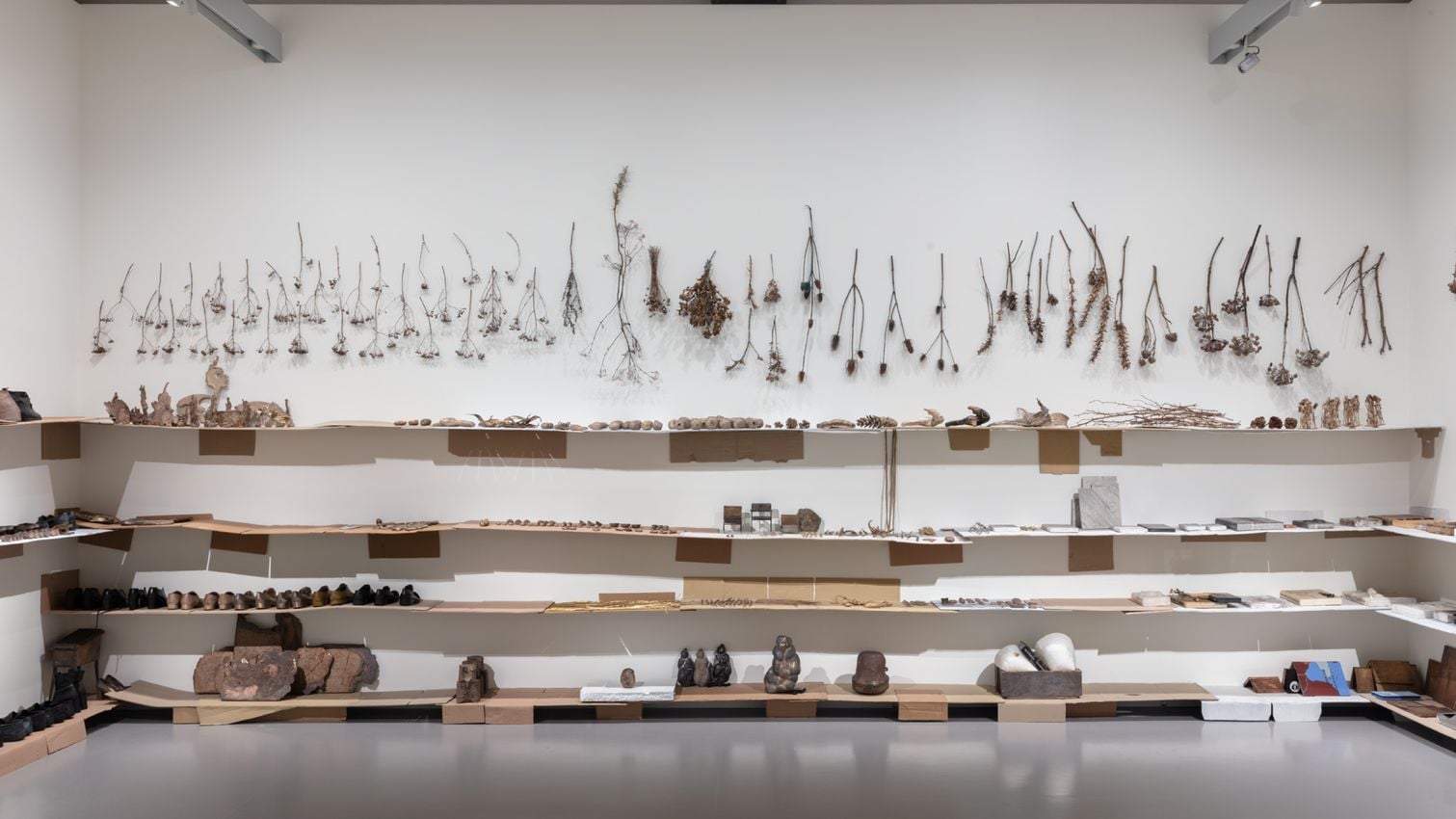
Downstairs, Vicuña debuts a new large-scale precario installation, entitled Ciudad Geométrica (2025). The installation fills the gallery with quiet intensity, forming a sort of minimalist and precarious “geometric city.” Composed of ephemeral materials such as driftwood, feathers, shells, bones, stones, and scraps of fabric, the installation brings together elements collected in Belgium, Chile, and New York. Here, Vicuña responds directly to the space’s architectural geometry with assemblages that form a poem in space. Trained in architecture before turning to art, Vicuña also alludes to the sculptural dimension of stonework in Andean pre-Columbian architecture. Her precarios challenge conventional ideas of art, particularly sculpture, as immutable and eternal, offering instead a poetic counterpoint to the exploitative practices of colonisation and capitalism. These works speak to cycles of disappearance and resurgence, fragility and endurance. As Vicuña notes, they offer a way to “see the unseen,” illuminating the interconnectedness of all life.

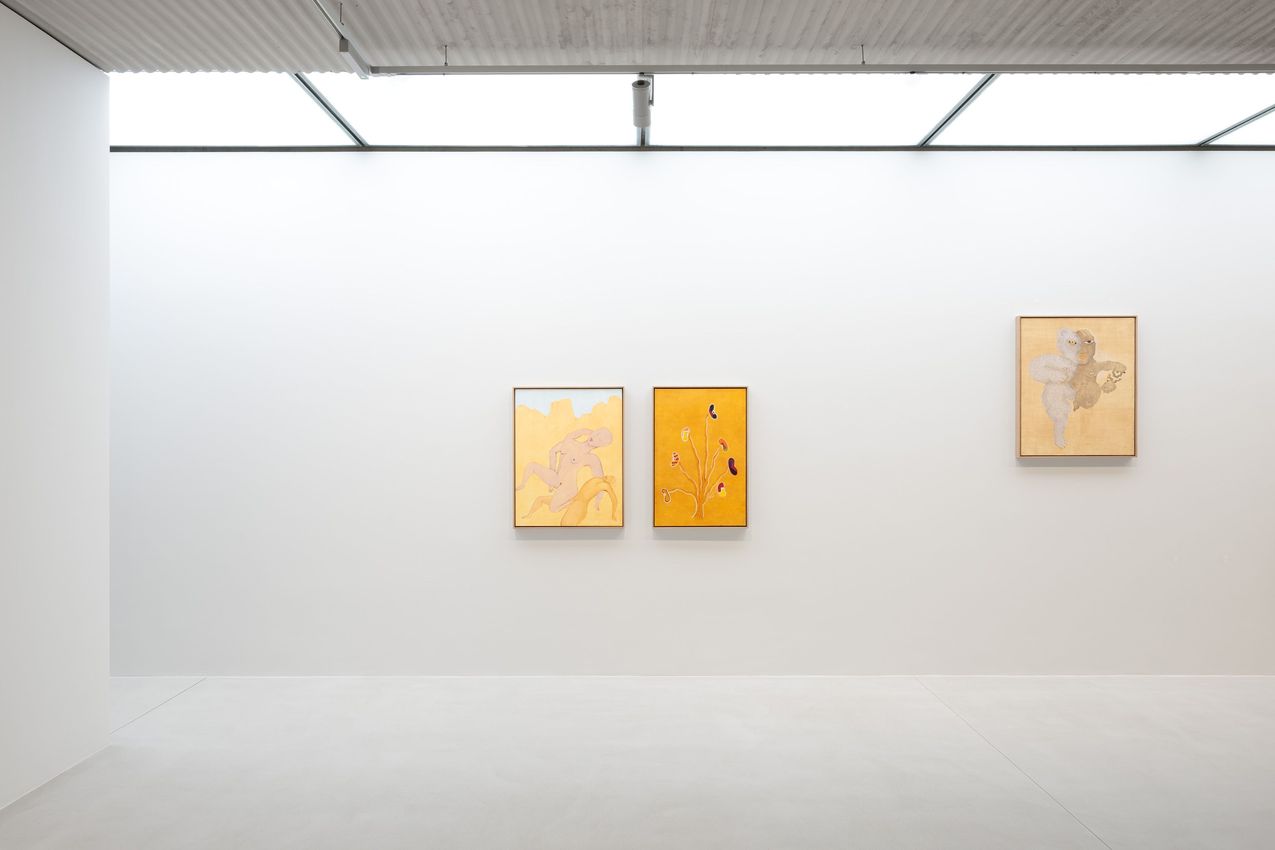
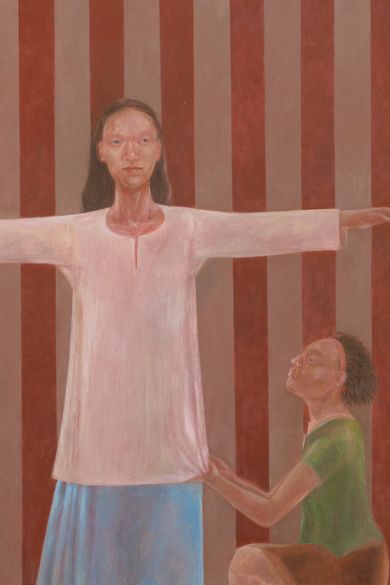
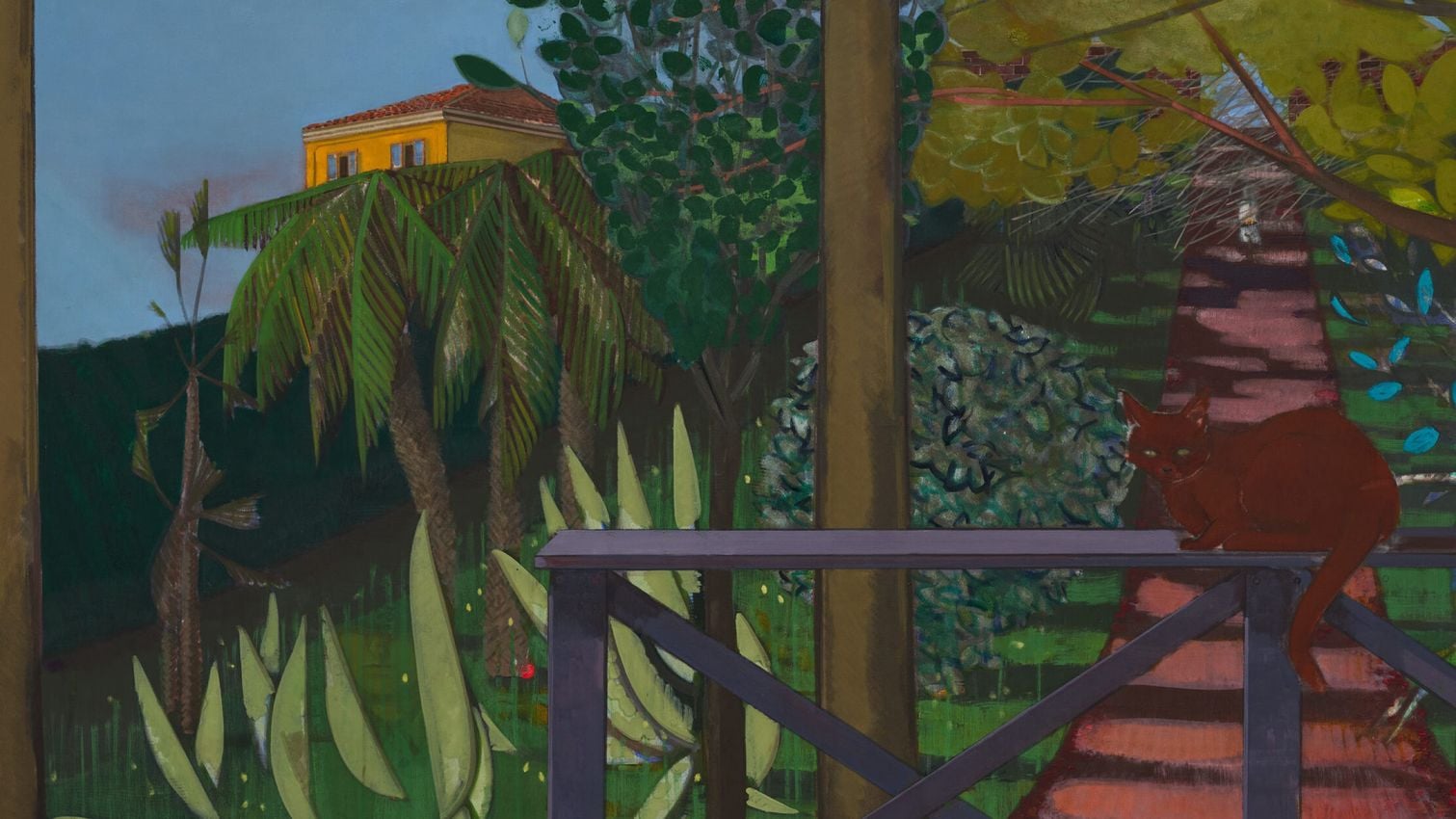
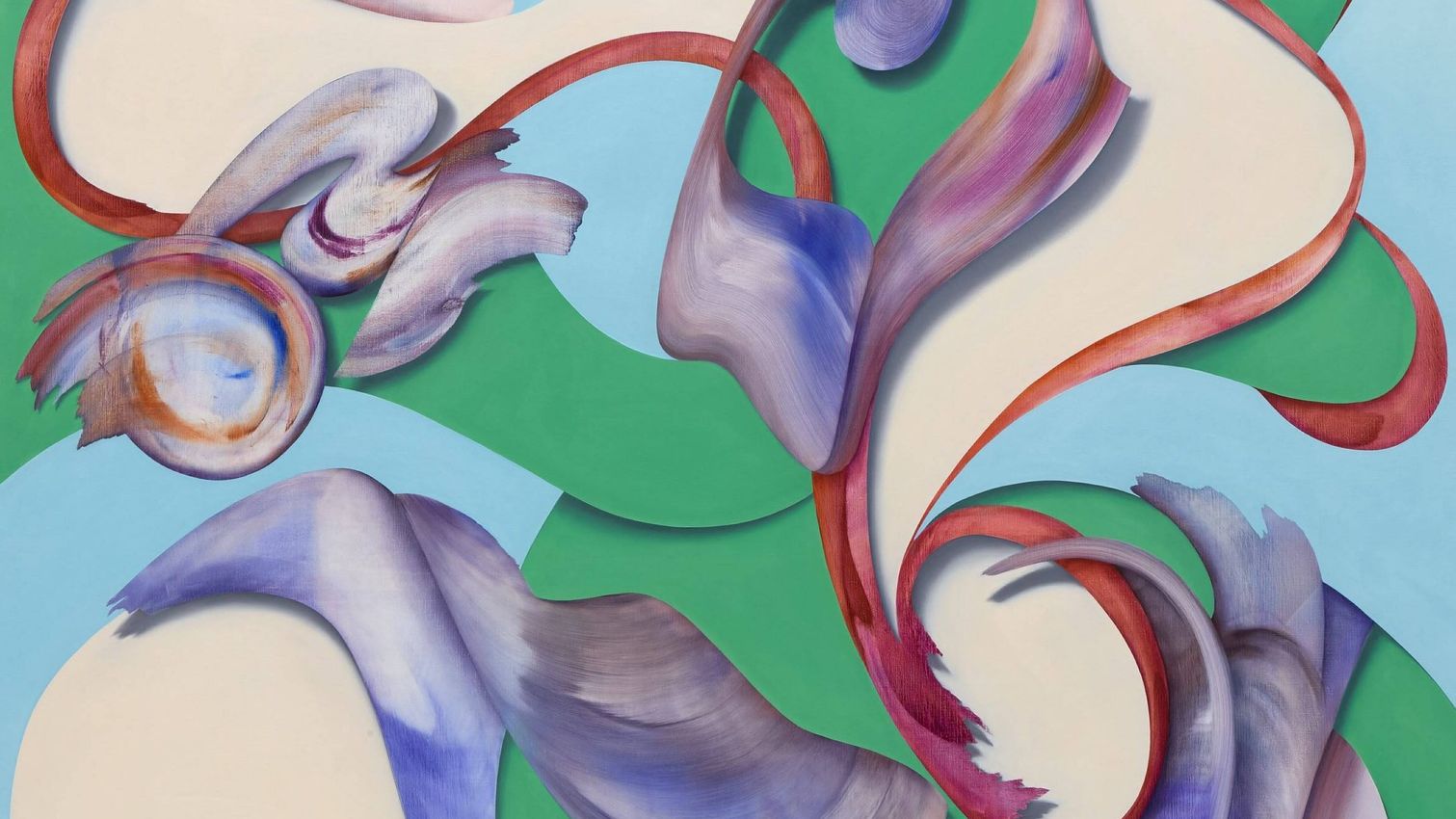
The upper galleries are dedicated to Vicuña’s paintings, including a selection of new versions of her abstract works, Pinturas Solares (Solar Paintings) that she originally made in Chile between 1965 and 1967, when she was aged seventeen to nineteen. In 1972, she moved to London to study at the Slade School of Fine Art, but following the 1973 military coup that violently ended the government of Salvador Allende, she was forced into exile, leaving behind her earliest paintings, which were eventually destroyed or lost. For Arch Future, she has repainted some of them, reconnecting with the origins of her long and multifaceted practice. Although widely recognised today for her quipus and precarios, Vicuña often emphasises that she began as a poet and a painter. Her early canvases reflect an intuitive engagement with shamanic ritual—brujo meaning “shaman”—and the “soft geometry” inherent in Andean visual languages. These compositions are infused with references to Nasca textiles, pre-Columbian iconography, fungi, and myths surrounding altered states of consciousness, linking the ancestral with the visionary in a continuum of cultural memory.

Vicuña’s sound piece, Honguito niño (Fungi child), created in collaboration with Giuliana Furci and Cosmo Sheldrake, focuses on the rediscovery of the Psilocybe stametsii. This rare and elusive mushroom, first documented by Dr. Brian Dentinger in 2011, was seen again in the cloud forests of Ecuador by mycologist Giuliana Furci, a friend of the artist. Known for its tiny, solitary form—no taller than a matchstick—it has only been observed twice, each time as a single, inconspicuous specimen blending into the decaying leaf litter. Though part of the diverse Psilocybe genus, its singular presence has captured imaginations across disciplines. Like bees, fungi are essential to the Earth’s ecosystems, playing a crucial role in nutrient cycling, symbiotic relationships, and forest regeneration. Yet they too face existential threats from climate change, deforestation, and pesticides. This enigmatic sound work brings together ancestral sound techniques and layered voice—including those of fungi conservationists—to create an immersive, otherworldly composition. The piece is both elegy and incantation, channelling the silent resilience of the forest and its hidden life, in dialogue with the painting inspired by the mushroom’s reappearance in the dark undergrowth—a symbol of quiet survival and the possibility of rebirth after devastation.

Cecilia Vicuña (b. 1948, Santiago, Chile) lives and works between Santiago and New York. She received the Golden Lion for Lifetime Achievement at the Venice Biennale, Italy in 2022. In 2023–2024, a major travelling retrospective has been jointly organised by Museo Nacional de Bellas Artes (MNBA), Santiago; Museo de Arte Latinoamericano de Buenos Aires (MALBA); and Pinacoteca do Estado de São Paulo. Other recent solo exhibitions include: Lehmann Maupin Gallery, New York, 2024, MOCA, Tucson (2023); Tate Modern, London (2022); Solomon R. Guggenheim Museum, New York (2022); Museo de Arte Miguel Urrutia (MAMU), Bogotá (2022); Centro de Arte Dos de Mayo (CA2M), Madrid (2021); Museo Universitario de Arte Contemporáneo, MUAC Mexico City (2020); and CCA Wattis Institute for Contemporary Arts, San Francisco (2020), among others.

Read More

Installation Views

Shows to See This Summer, According to Ocula Spotlight Shows to See This Summer, According to Ocula As the northern hemisphere continues on its way through a record‑breaking summer, this month brings us an intriguing cast of exhibitions across the continents. Here are 11 of the must‑sees among Ocula’s member galleries, as picked out by our team. Read the story
About the Artist

Cecilia Vicuña (b. 1948, Santiago, Chile) has dedicated her life to reclaiming the ancient indigenous knowledge of her homeland and positioning it in dialogue with the contemporary world. In her multifaceted practice, she deploys this universal wisdom like a talisman against unbridled capitalism and environmental destruction. Through poetry, painting, installations and ritualistic performances, she aims to awaken a spirit of collective activism in her audiences and to disrupt the negative forces that are destroying both the planet and humanity.

View Artist Profile

Also Exhibiting at Xavier Hufkens

About the Gallery
Xavier Hufkens is one of Europe’s leading galleries for contemporary art. Located in Brussels, the gallery maintains a diverse exhibition programme with solo exhibitions of the gallery artists as well as group exhibitions and special projects. The gallery deals in a distinctive combination of painting, drawing, sculpture, photography, video and installation-based work.

The origins of the gallery date back to 1987, when Xavier Hufkens opened a gallery space in an un-refurbished warehouse in the neighbourhood of the South Station (Midi) in Brussels. During the early years, the focus of the gallery was upon mid-career and emerging artists and the gallery is known for having introduced some of the most influential contemporary artists to Brussels at a time when they were still relatively unknown. British sculptor Antony Gormley, who is still affiliated with the gallery, Felix Gonzalez-Torres and Rosemarie Trockel all showed in Belgium for the first time with Xavier Hufkens (Gormley in 1987; Gonzalez-Torres in 1991 and Trockel in 1993).

In 1992, the gallery moved to a 19th-century townhouse at 6 rue Saint-Georges, close to the Avenue Louise. Completely renovated by Belgian architects Paul Robbrecht, Hilde Daem and Marie-José Van Hee, the house quickly gained a reputation for being not just one of the most beautiful contemporary art spaces in the Belgian capital, but also one of the most interesting. The expanded exhibition programme coincided with the additional representation of a number of established artists from Belgium and abroad, including Richard Artschwager, Thierry De Cordier and Jan Vercruysse. In 1997, Hufkens expanded the gallery further by annexing the adjacent building and a number of new artists joined the gallery, including Louise Bourgeois, Roni Horn and Thomas Houseago.

A second space in the same street, at 107 rue Saint-Georges, opened in spring 2013. Located in the Galerie Rivoli, a mixed-use commercial development from the 1970s, the new gallery space was designed by Swiss architect Harry Gugger, who was previously in partnership with Herzog and De Meuron. Slegten & Toegemann, Brussels, managed the project. A third space opened in spring 2020, located at 44 Rue Van Eyck, designed by architect Bernard Dubois.

An eclectic but very clear vision underpins all of the gallery’s activities: ‘The definition of the gallery was established from the start. The common thread, then and now, is quality over and above everything else, which I find more intellectually challenging than a forced definition. From the early days I juxtaposed established artists such as Michelangelo Pistoletto with someone like Felix Gonzalez-Torres when he was totally unknown. Today I still mix my work: I have no problem showing Malcolm Morley … alongside Robert Ryman, or Willem de Kooning.’ [Xavier Hufkens in The Art Newspaper, Issue 220, January 2011, published online: 20 January 2011]

Xavier Hufkens represents some thirty artists from different generations. He was part of the six-member selection committee for Art Basel during seven years and also participates in up to five international Arts Fairs annually. The gallery has partnerships with the estates of Louise Bourgeois, Willem de Kooning, Robert Mapplethorpe and Alice Neel.
View Gallery Profile
Address
6 rue St-Georges
St-Jorisstraat
Brussels
Belgium
Opening Hours
Tuesday – Saturday
11am – 6pm
(1)
Brussels 6 rue St-Georges
Xavier Hufkens
6 rue St-Georges, St-Jorisstraat, Brussels, Belgium

Opening hours
Tuesday – Saturday
11am – 6pm
The art world in focus