

The art world in focus
Subscribe to our newsletter for news and insights on artists, galleries and exhibitions.

Art Basel Paris, beneath the vaulted glass ceilings of the Grand Palais. Courtesy Art Basel.
There was no formal reception at the Élysée Palace to fête the beginning of Art Basel Paris this year. President Macron’s cabinet was in a crisis meeting after a weekend of civil unrest, the quelling of which took priority over his usual cultural diplomacy.
Still, the situation didn’t dent collector enthusiasm for the art fair, as VIPs were seen lining up more than an hour before the opening of Avant Première, the fair’s pre-preview day on Tuesday, and sales reports soon began to roll in. Reported sales from opening day were not as exuberant as in 2025, when a couple of galleries touted $20 million-plus sales but, all things considered, it could have been far worse.
Expensive material was exchanged on both primary and secondary markets. White Cube was the earliest to report numbers, with highlights including two Julie Mehretu paintings for $7.85 million each. Hauser & Wirth closed on a historic Gerhard Richter photo painting, Rokokotisch (Rococo Table), and a Georg Baselitz “hero” painting, Der Hirte (The shepherd), both from 1965, for around $10 million each.
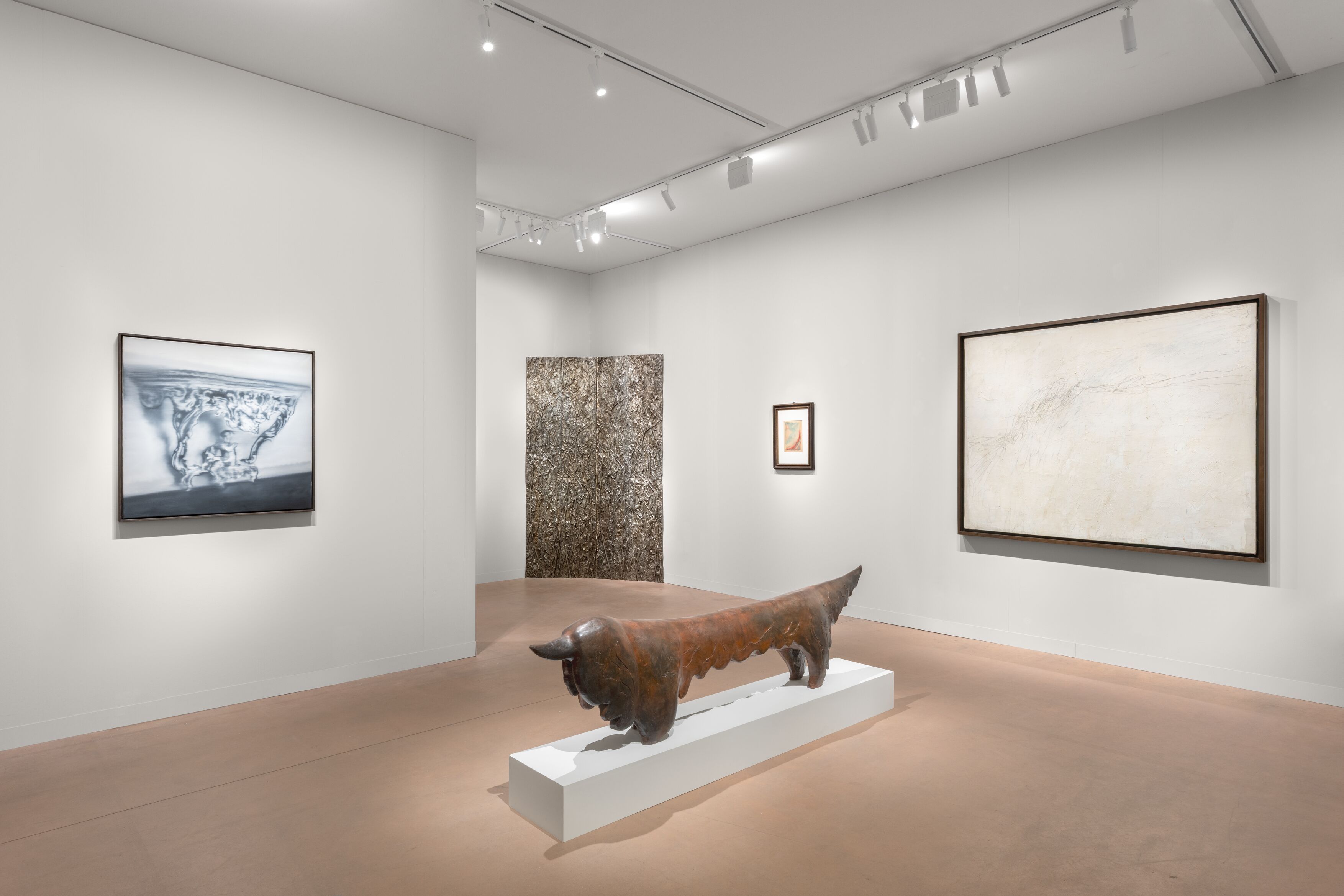
The gallery also found ample enthusiasm for Camille Henrot’s more moderately priced (€130,000) cast iron dog bench, which it sold five times over. It might have been this enthusiasm that led Marc Payot to remark that the new V-VIP day, introduced last year, should perhaps be done in “an even more radical way”.
Despite Avant Première’s stated aim of creating an “intimate moment” for “focused business”, the gallery’s co-president said the fair had still admitted too many buyers who weren’t serious contenders for works priced above $10 million. But, he conceded, other galleries, whose works sell for thousands rather than millions, still need clients on opening day.
Austrian gallerist Thaddaeus Ropac noted that some clients had made a last-minute decision not to come to Paris. Still, the dealer said collectors didn’t hesitate to buy. “There were not so many surprise sales; they were all to people we knew fairly well and heavily Europe-based,” he said. “The Americans drive sales usually, but I am happy that Europe can pull off such a fair.”
The presence of frequent flyers at the booths gives some pointers to where there is certain demand. Ropac sold four major works by Pablo Picasso from 1906–1938 for undisclosed prices, and a €1.8 million Fontana Concetto Spaziale from 1953. Over the next day, more large sales were reported, including an $8.5 million Gerhard Richter painting at David Zwirner, and Pace Gallery sold Jean Dubuffet’s 1964 La chaise for “more than $5 million”.
Leila Heller, the New York- and Dubai-based art collector and gallerist, who was exhibiting at the nearby Design Miami, commented that the overall quality at Art Basel Paris was “phenomenal”. “Some of the booths have become museums,” she said, naming Nahmad Contemporary’s exhibition of 13 raw paintings by Jean Dubuffet, Yares Gallery’s Colour Field extravaganza, and Van de Weghe’s elegant presentation of post-war and modern masterpieces.
Tarsila do Amaral’s Manacá (1927)—a vibrant floral oil painting from her Pau-Brasil period, tucked away in the Premise sector with Brazilian gallery Almeida and Dale—could be added to this list. Named for the native flower it depicts, and carrying a $27 million asking price, the gallery was in conversation with a museum on the second day of the fair.
In a stroke of marketing genius from the nascent Pace Di Donna Schrader consortium, a rumour spread quickly that the most expensive work of the fair—more than $100 million—was an unusual Modigliani reclining nude on their stand, Nu étendu (Lolotte) (1917). Sure enough, collectors were soon tripping over themselves (quite literally—there was a step) to get to the booth, where it was hung prominently beneath the new gallery’s logo.
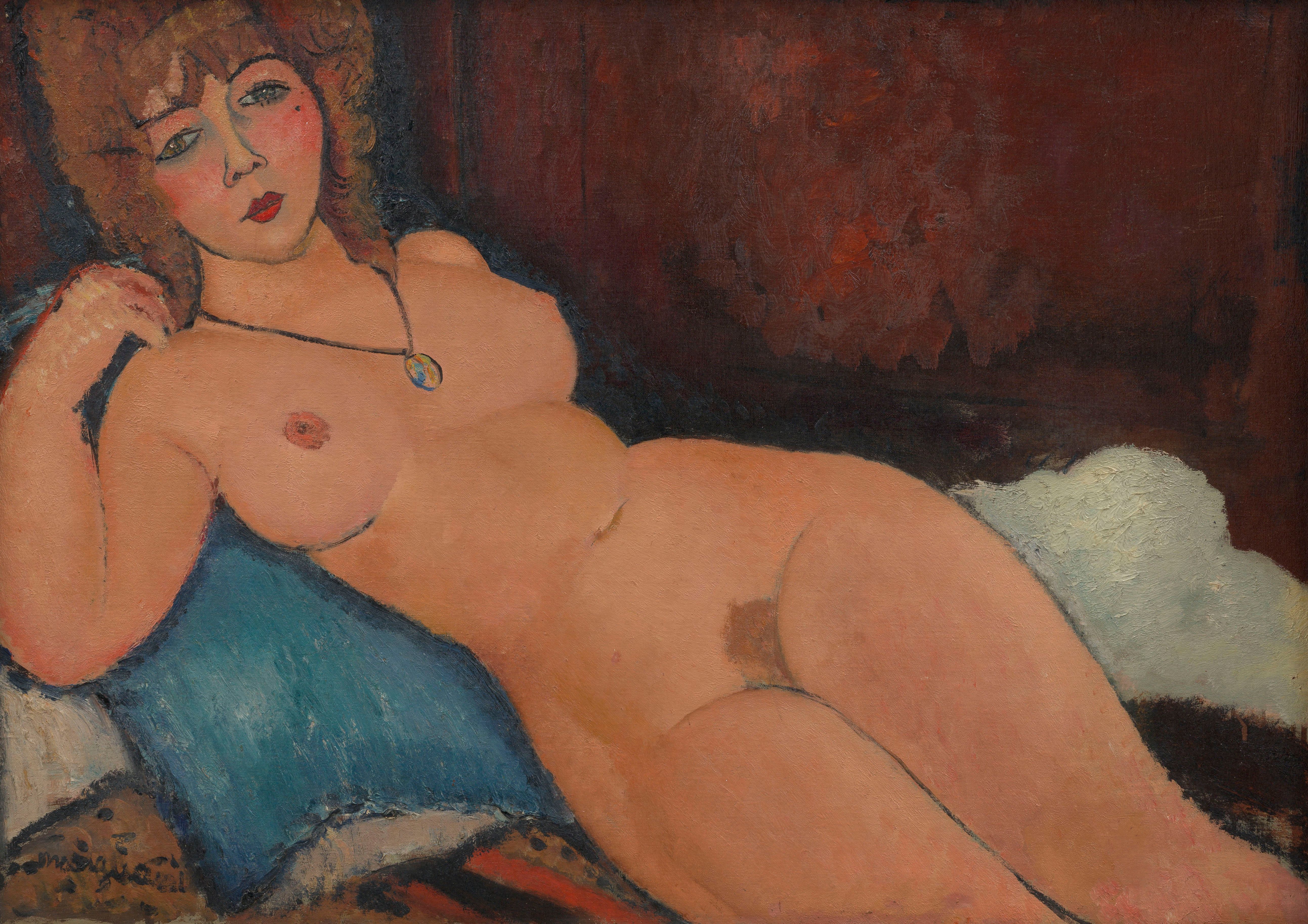
In between giving bear hugs and backslaps to clients, David Schrader said the three-gallery collaboration had received a “great response” and was selling well. “We brought the type of material people are excited about,” he said. By which he meant classic surrealism, Pop, and other major 20th-century paintings and sculptures. As of early afternoon on Wednesday there were no goers for the Modigliani, but, clearly, the work has earned its place on the booth.
At least some of Art Basel Paris’ first-day business was diffused by the efforts of Sotheby’s private sales team, which was hosting a pop-up salon in a private apartment near the Musée de Louvre in collaboration with luxury creative studio Polimeno. Chez Sotheby’s was serving food and drinks in lavish surroundings alongside $150 million worth of modern, post-war and contemporary art. The auction house had already parted with seven works before the opening of Art Basel Paris’ ultra-VIP preview, including two Andy Warhols, and Wayne Thiebaud’s lollipop tower Sucker Tree (1962).
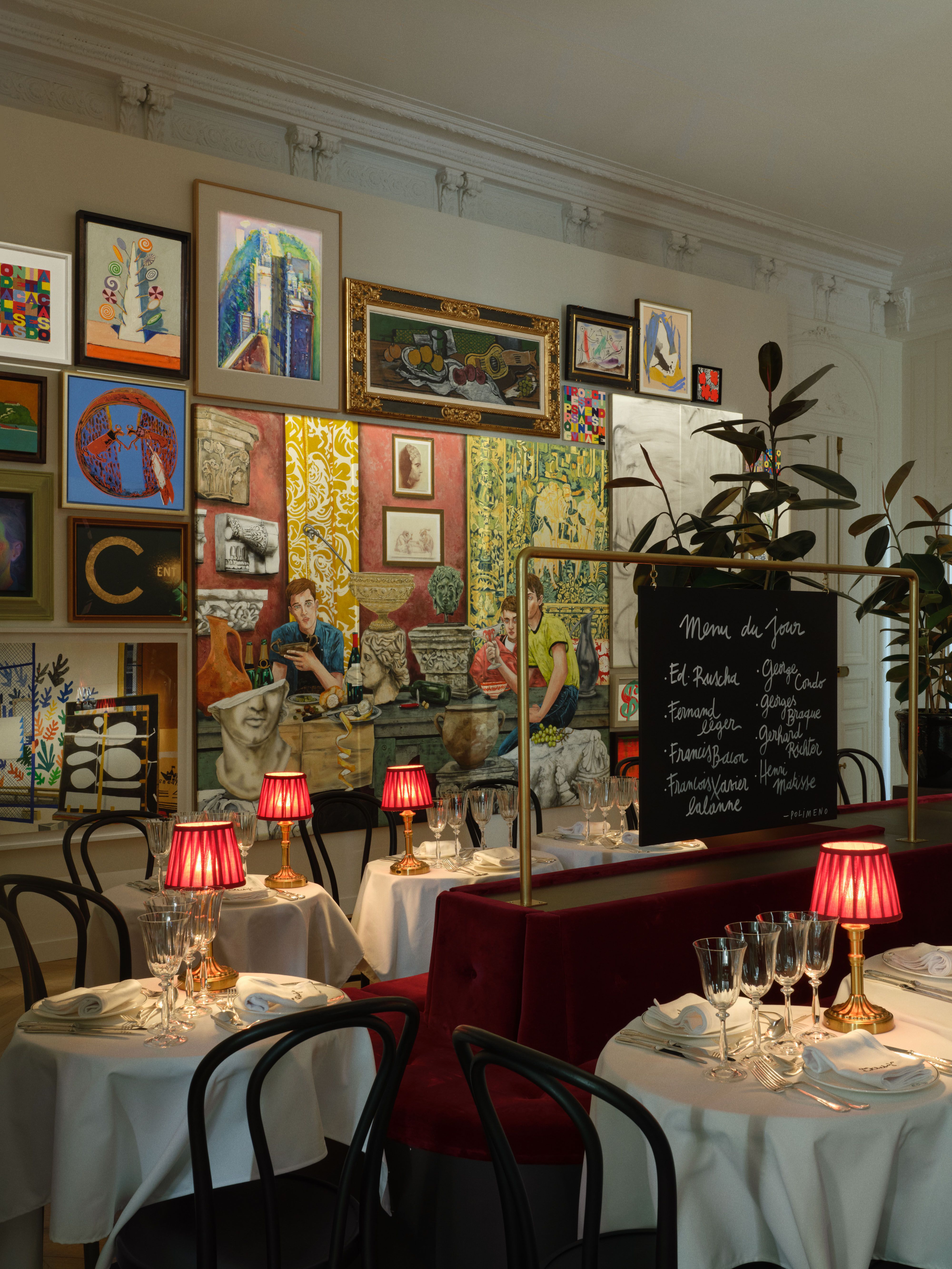
Head of contemporary art and private sales David Rothschild said the experience had been designed to respond to “how clients want to engage with art today”. Rather than viewing work in a traditional exhibition space, it lets them “spend more time with the art in a setting that feels natural and lived-in,” he explained.
Curator Valerio Polimeno said the inspiration came from “the great salons and gathering places of Paris, where conversations, hospitality and cultural exchange happened naturally alongside art”. By comparison, he said, “nothing could be more boring” than exhibiting in an art fair booth.
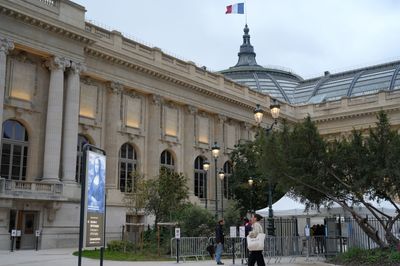
That said, one could do worse than an art fair taking place, as Art Basel Paris does, beneath the vaulted glass ceilings of the historic Grand Palais.



A respected voice in contemporary art discourse.
Focusing on ambitious storytelling and insightful art-world commentary. Ocula Magazine publishes in-depth interviews, critical essays and timely analysis on the artists, exhibitions and ideas driving the global art world.
Learn more about Ocula Magazine
Showcasing the best of the art world.
Ocula partners with galleries from around the world to highlight their artists, artworks and exhibitions. Gallery membership is by application and invitation, with each member vetted by an independent panel.
Learn more about Ocula Membership
Specialises in the sale of major artworks.
Led by a team with deep ties to the world’s leading auction houses, galleries and collectors. Ocula’s advisory team offers bespoke services to high-net-worth clients from around the world who are looking to acquire the best of contemporary and modern art.
Learn more about our team and services