Press Release

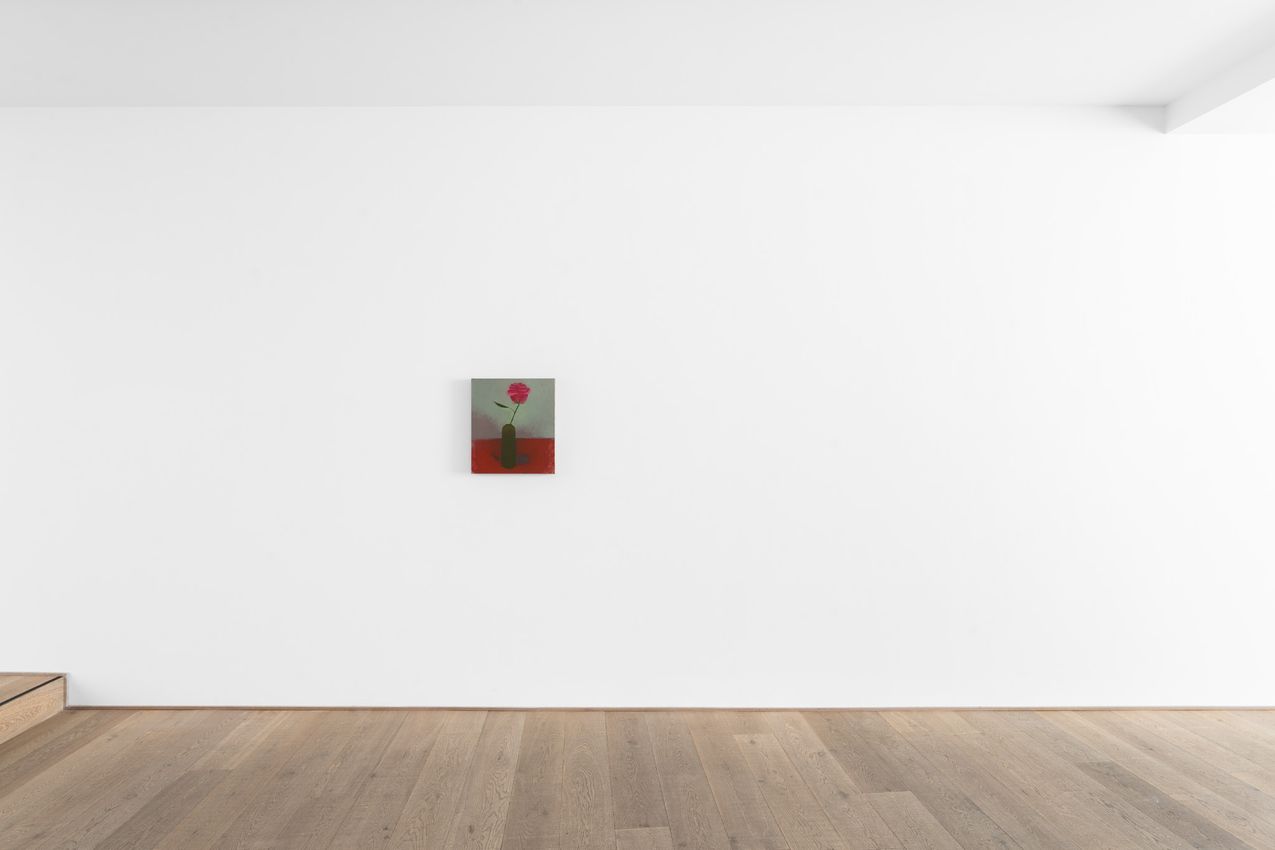
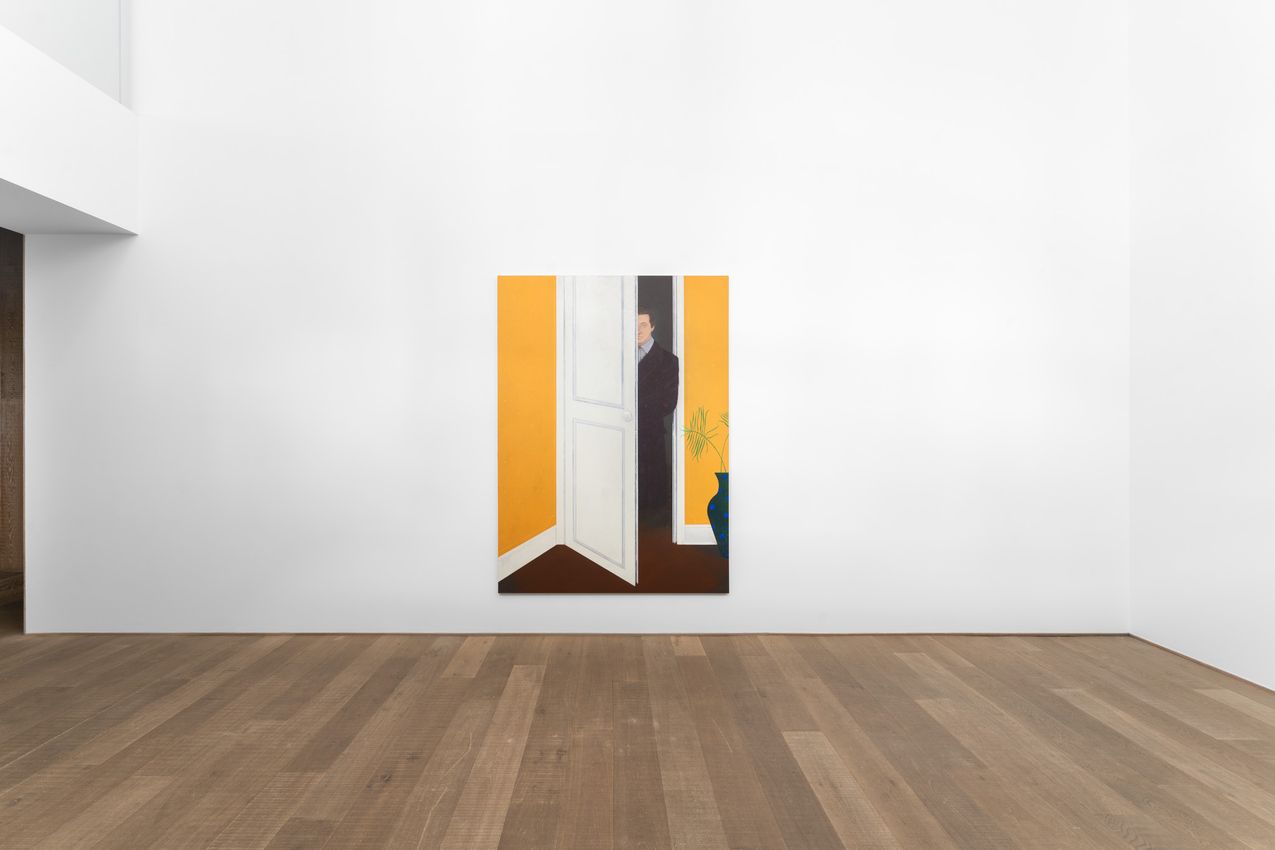
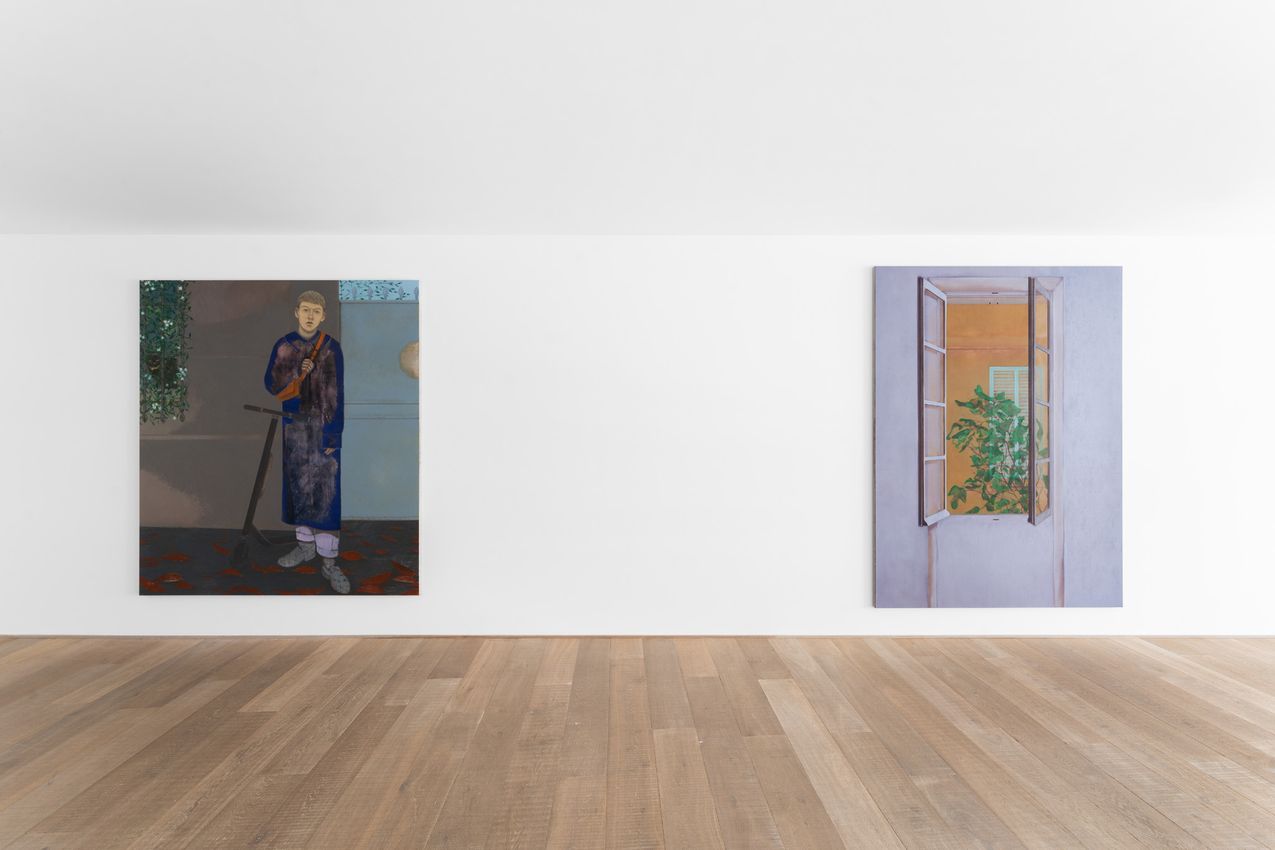
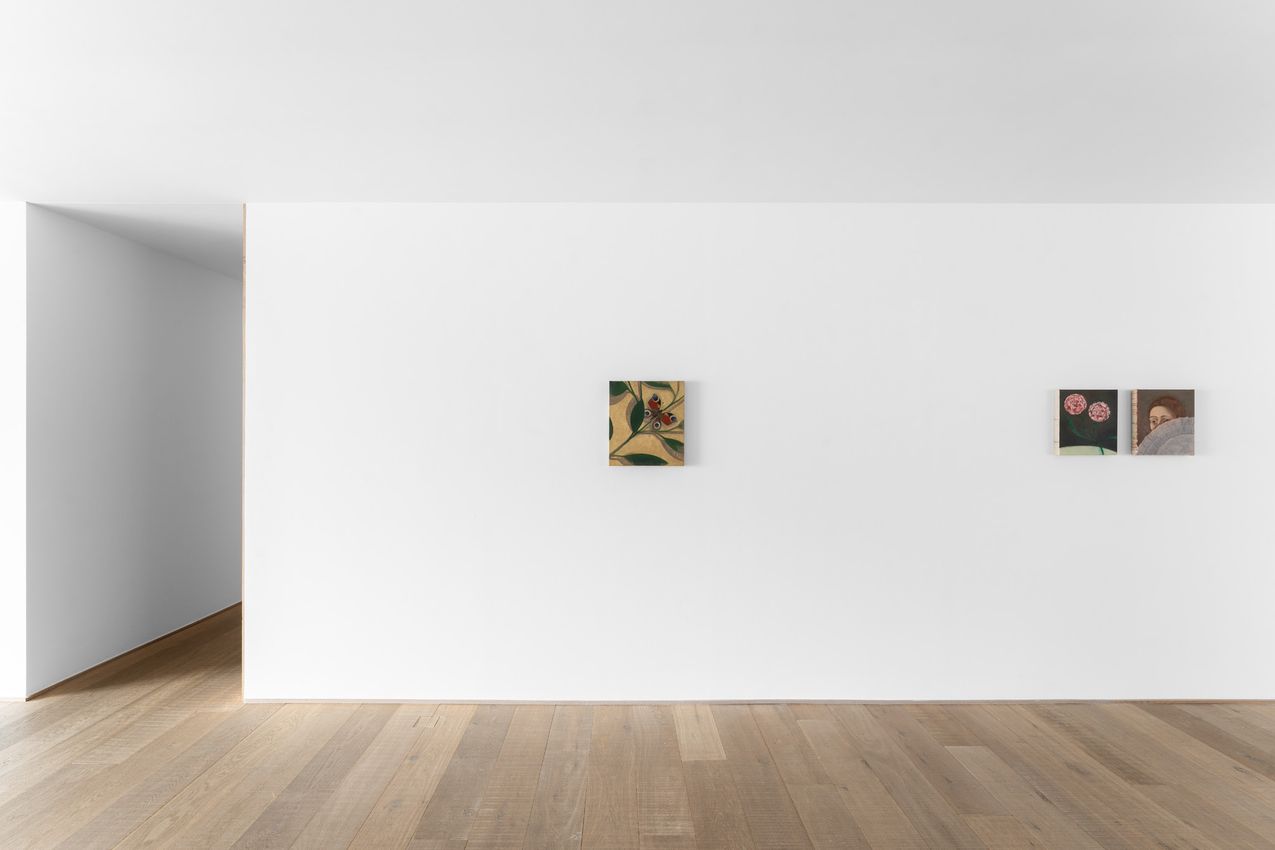
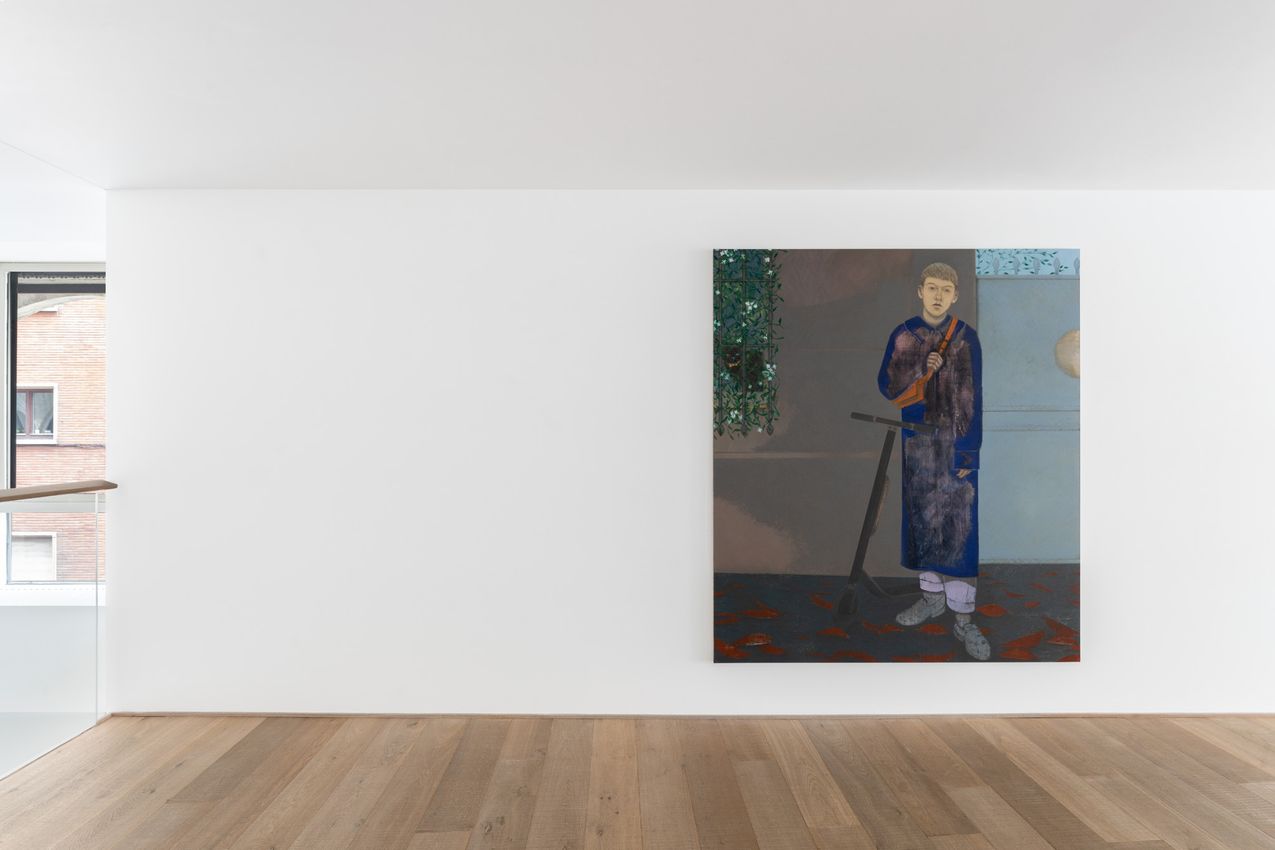
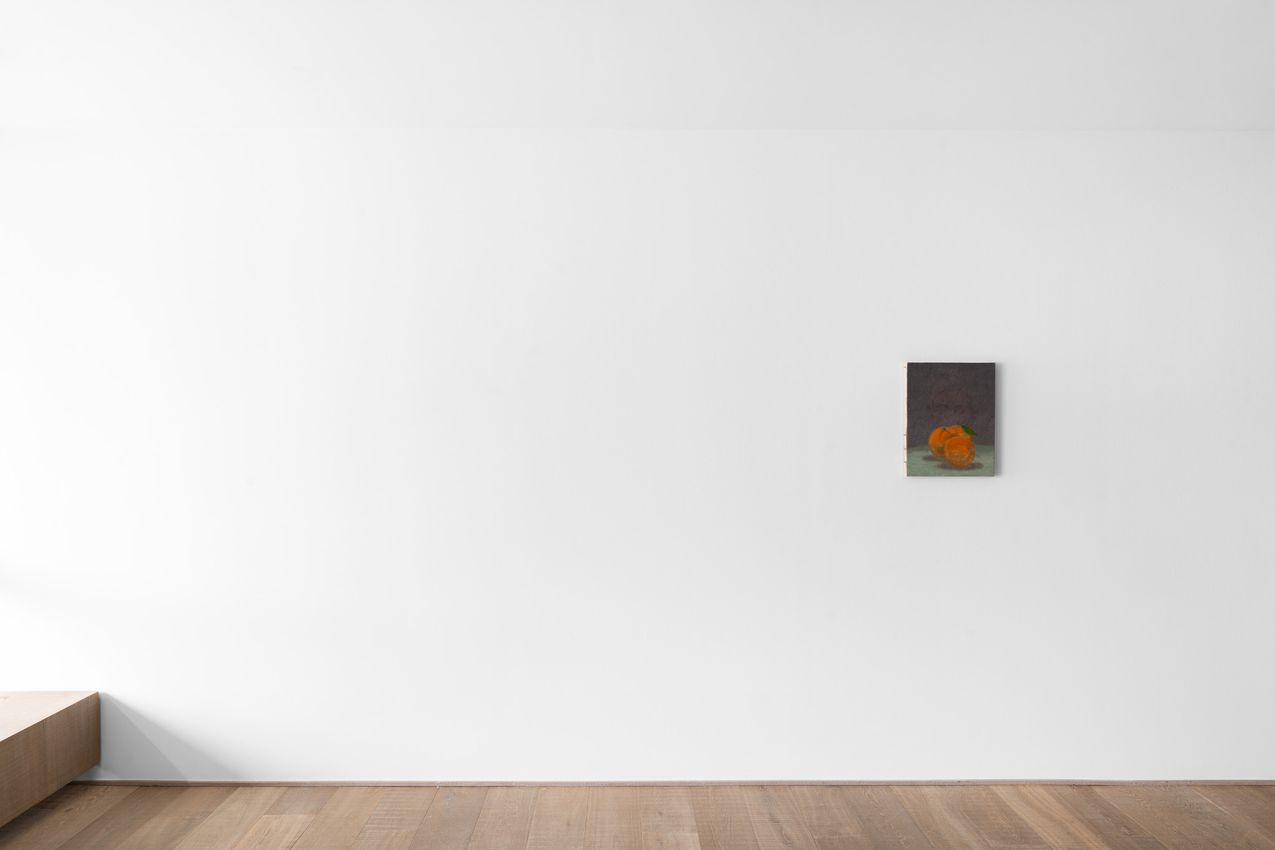
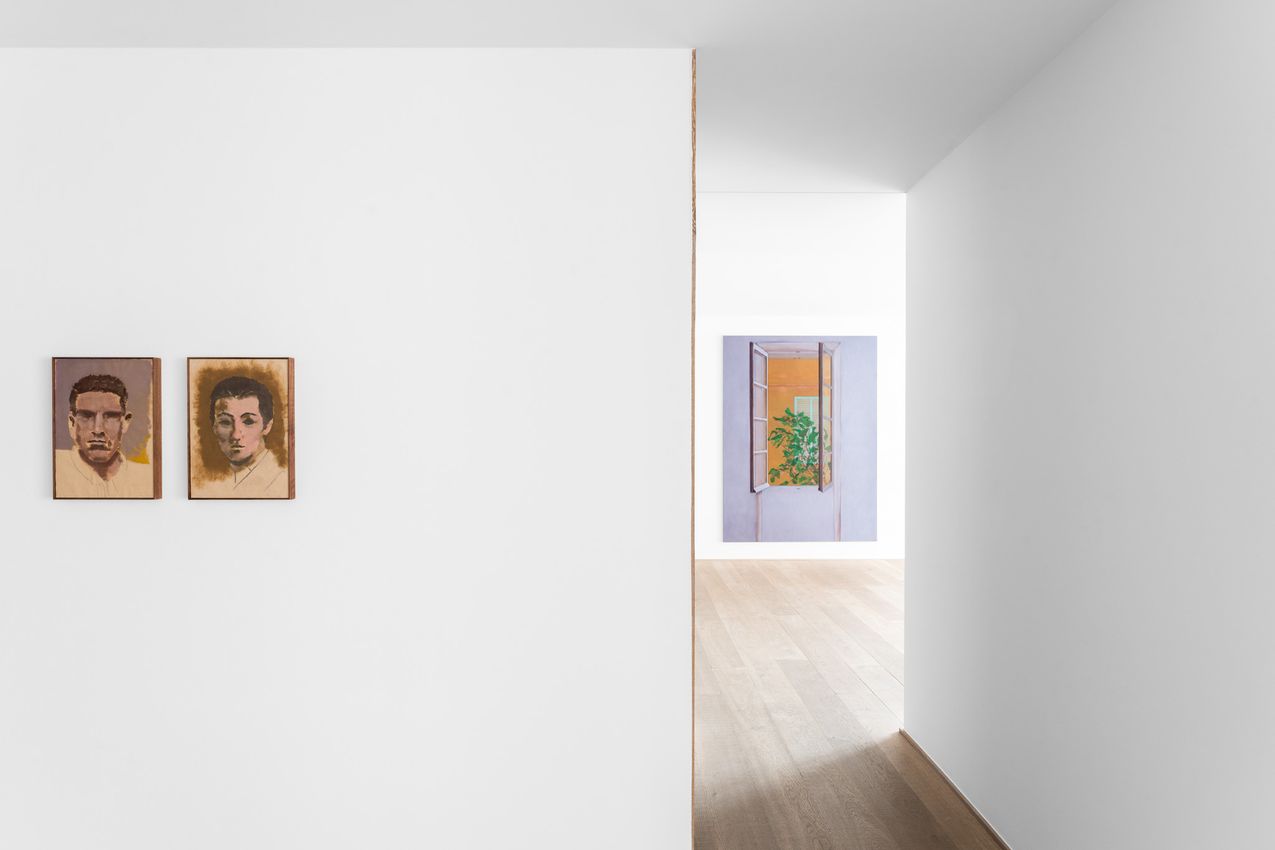
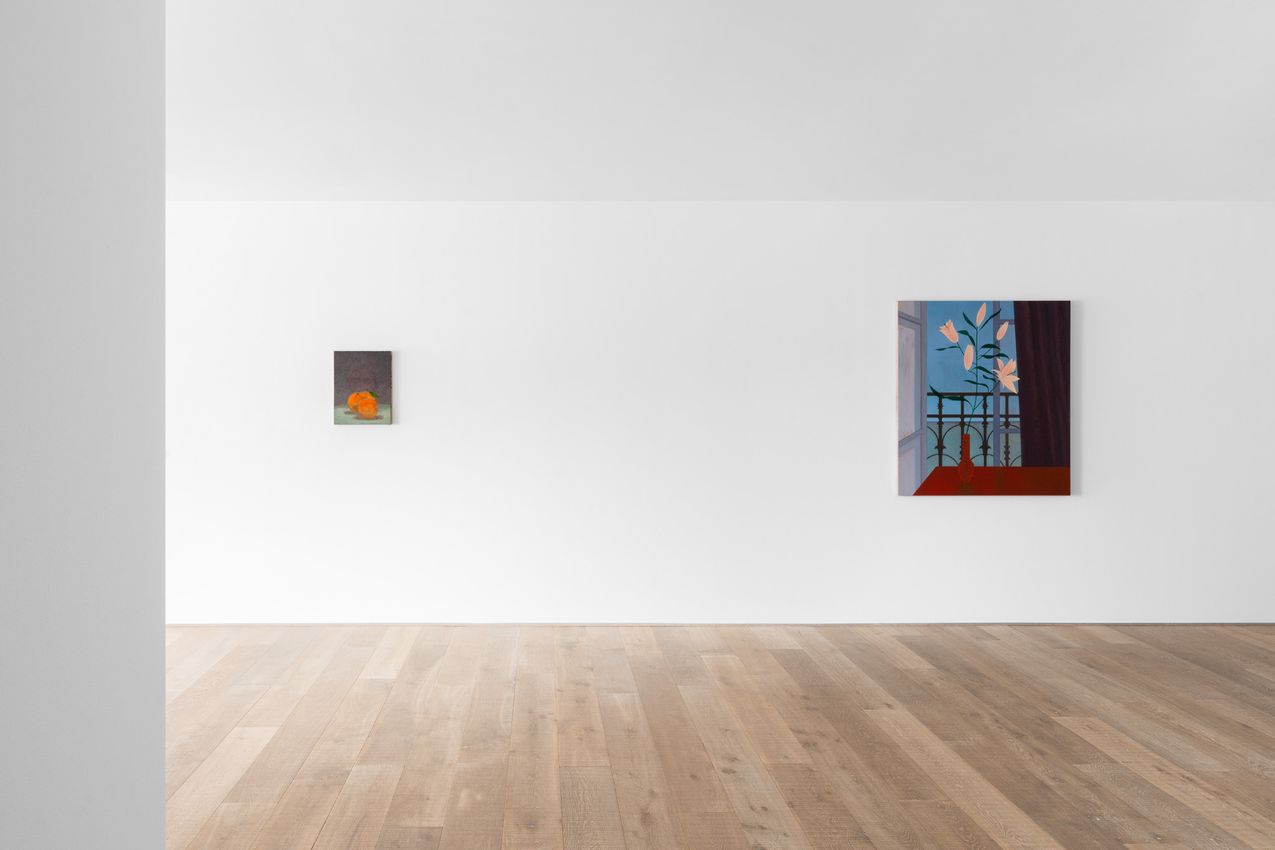
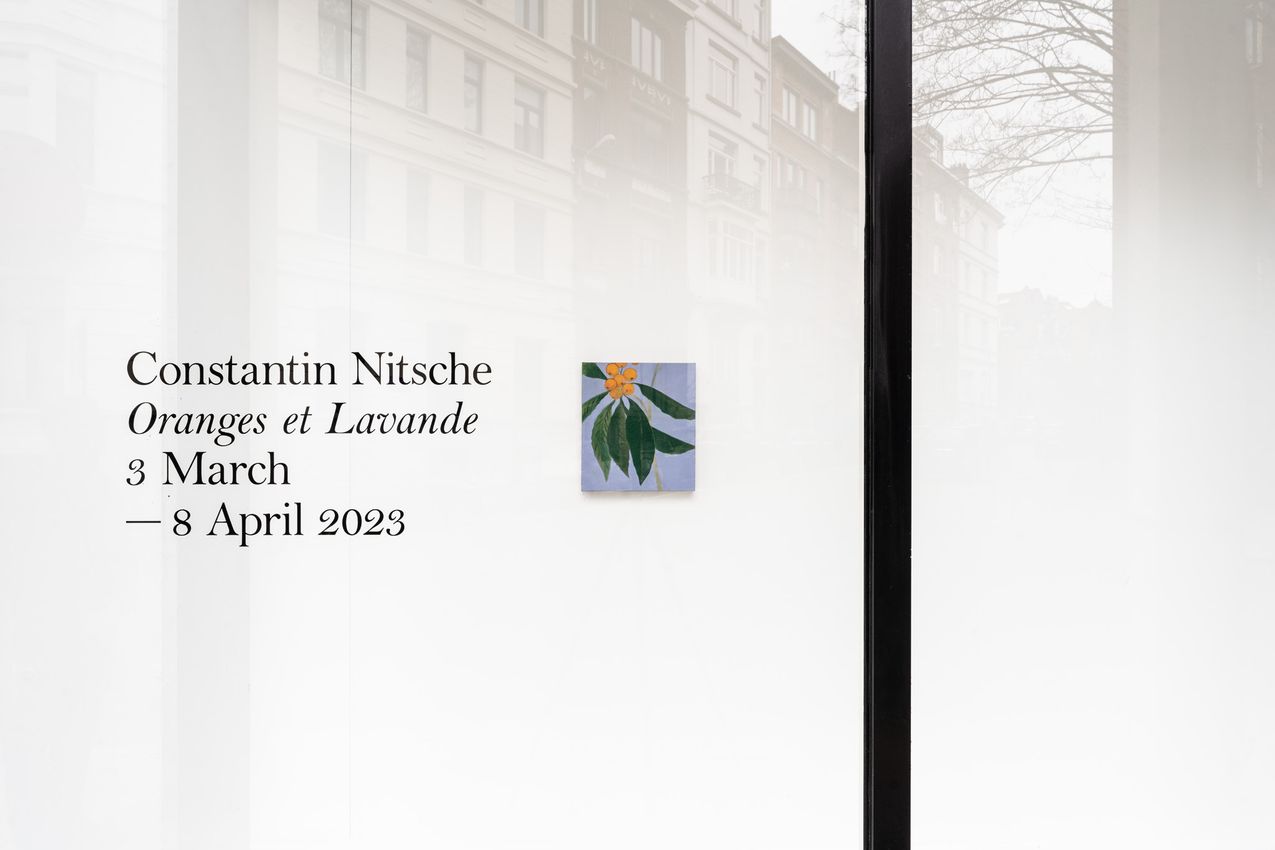
For his debut exhibition with the gallery, Oranges et Lavande, German painter Constantin Nitsche presents a series of paintings in which everyday scenes are transformed into enigmatic compositions that hover between fiction and reality.

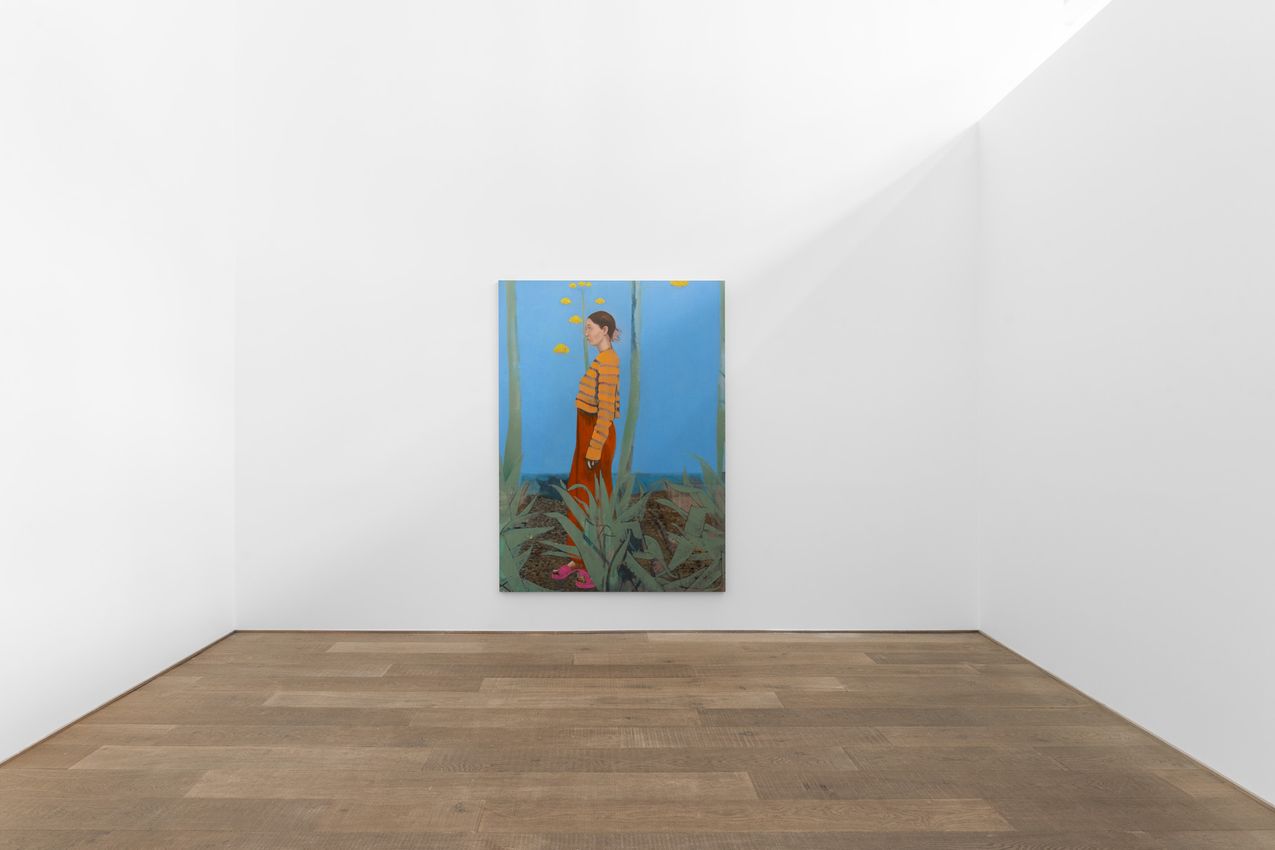
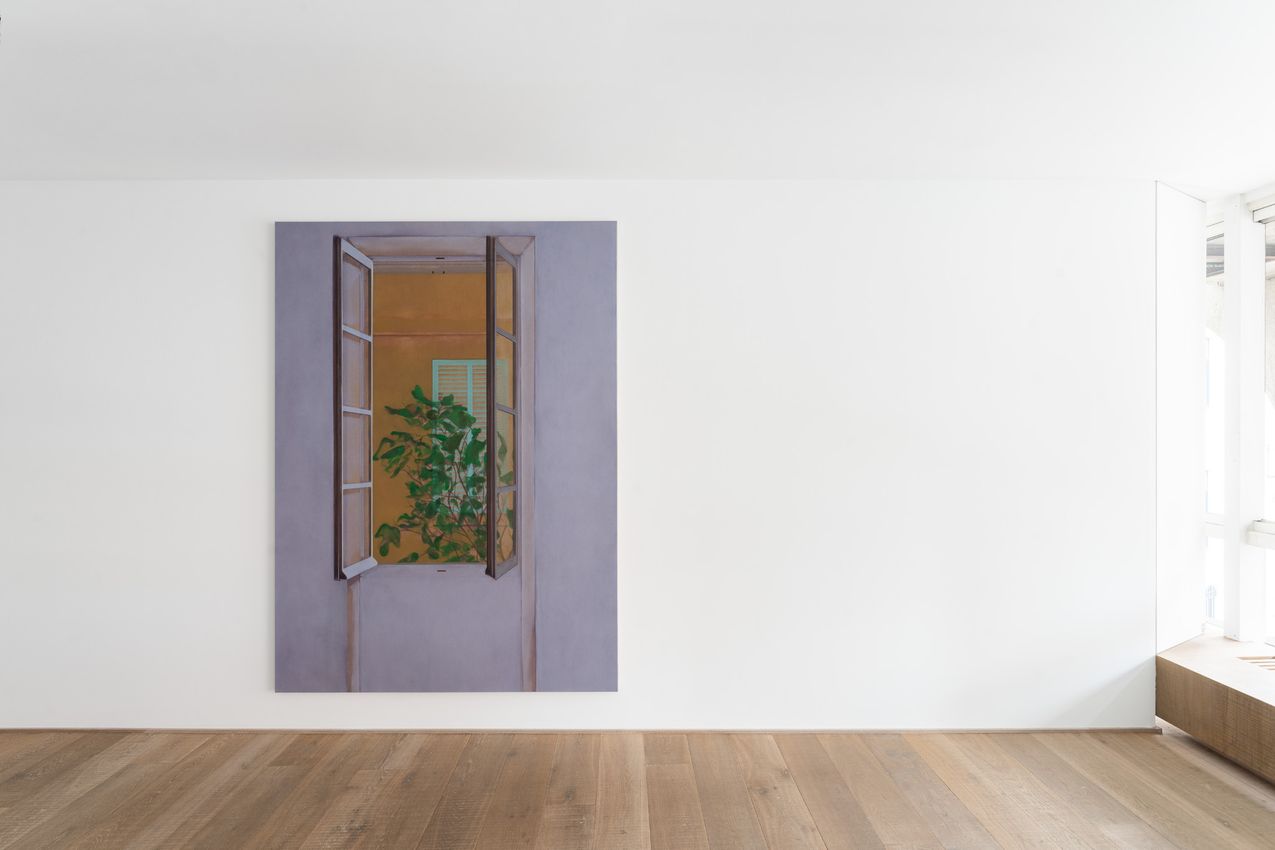
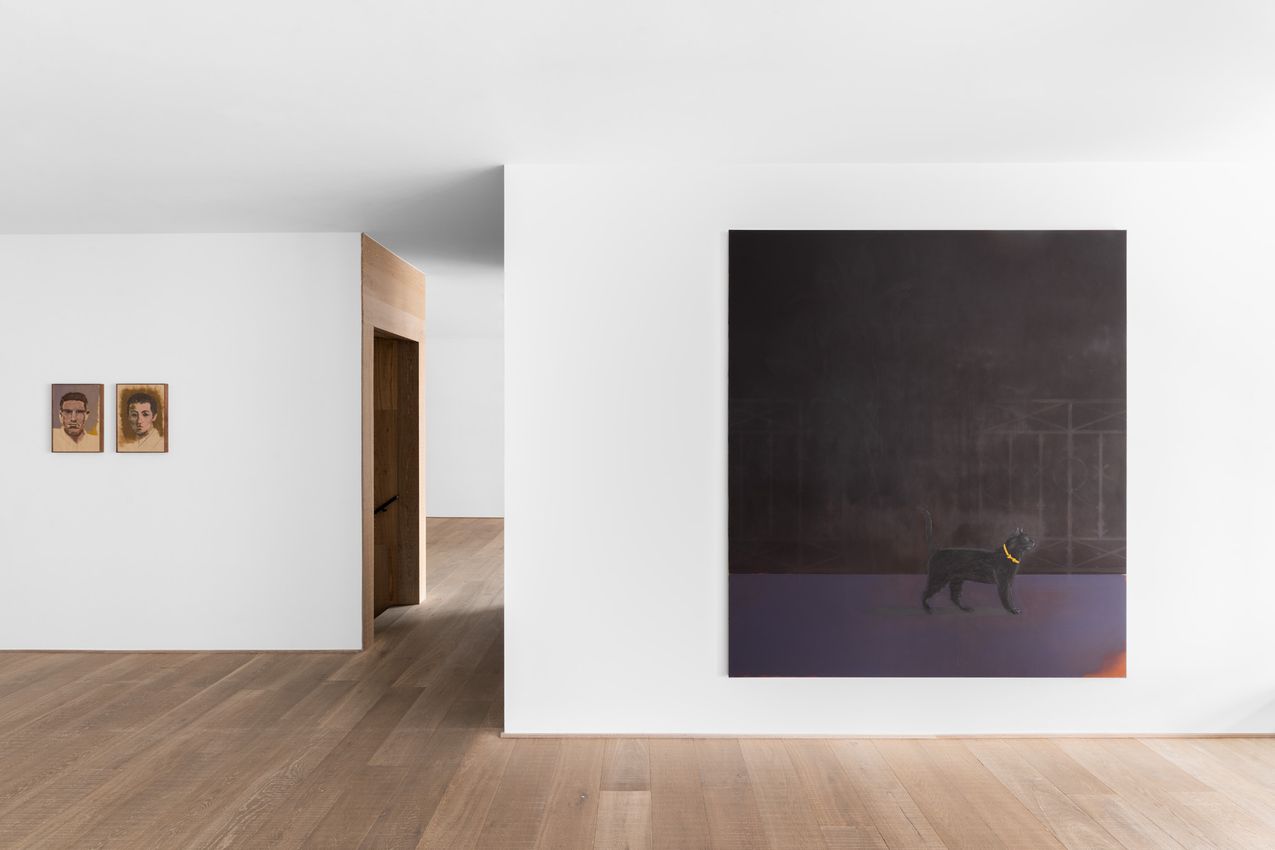
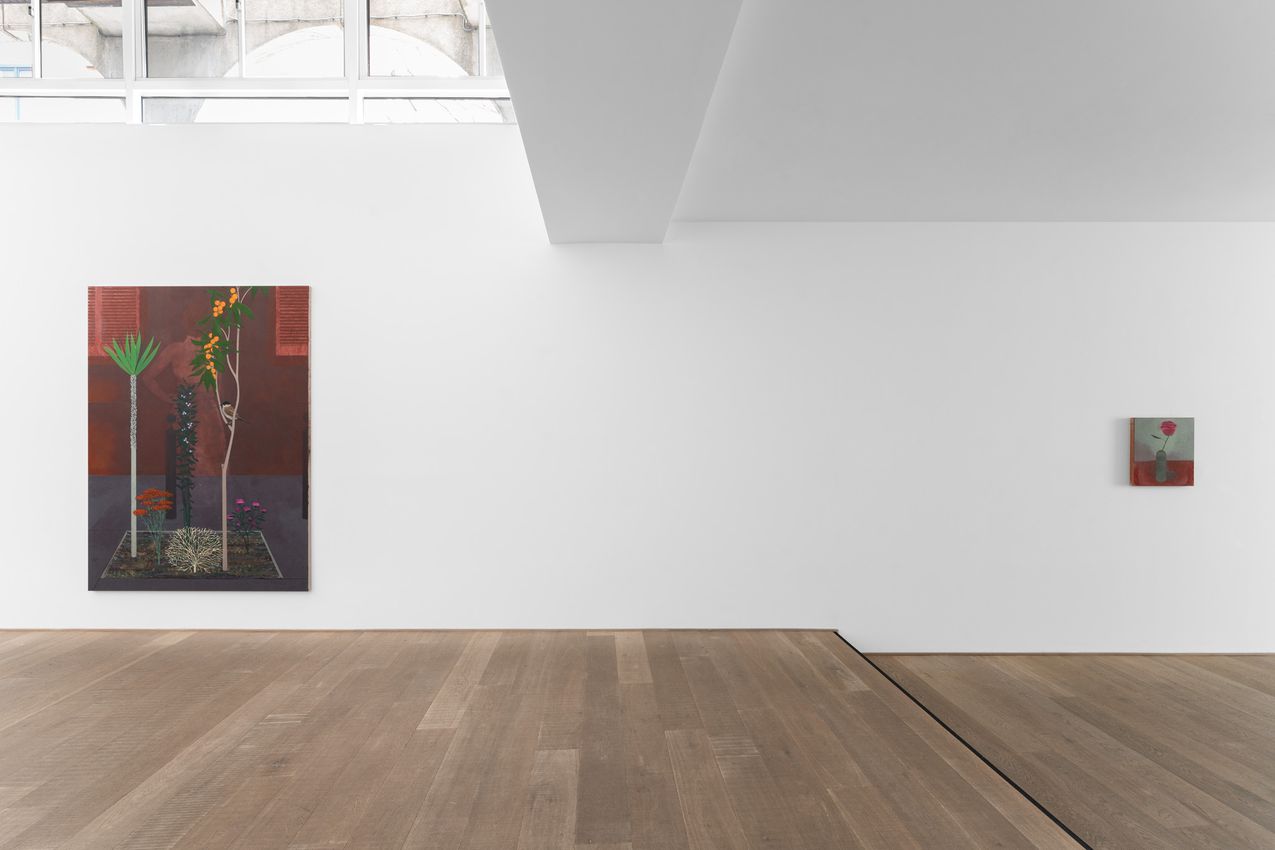
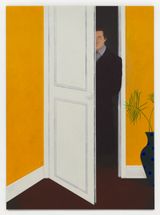
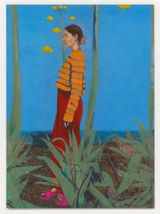
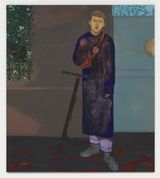
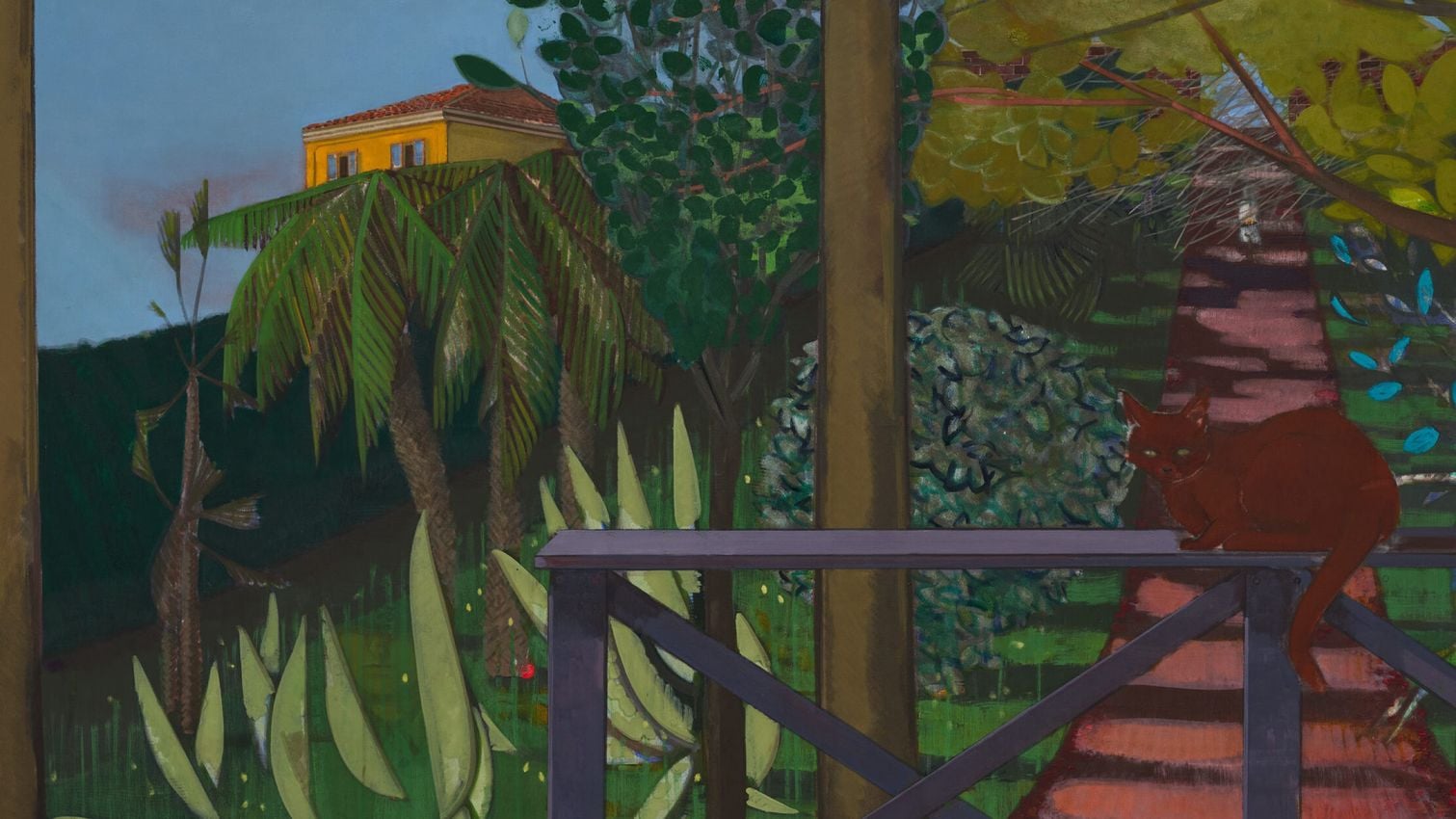
Nitsche’s paintings are inspired by his immediate surroundings: people and interiors, social interactions, animals and nature, street scenes and still lives.These are not rendered literally but distilled—through the filter of memory and act of painting—into atmospheric compositions with few, if any, references to time or place. Interiors are sparse and impersonal, faces are inscrutable and impassive, streets and landscapes lack topographical detail. The indeterminacy is purposeful: Nitsche is not aiming to recreate specific or immediately recognisable scenes, preferring instead to leave their significance open to interpretation. Executed from recollections and photographs, or a mixture of both, Nitsche’s works communicate an intensified and enhanced vision of reality. His figures, for example, are not portraits in the sense of being painted from life, yet they all possess a degree of recognisability. Certain characters reappear in different scenarios, such as the woman in Fleur d’Agave, Micocoulier, Une Mère and Derrière un Eventail, or the yellow-collared black cat. This recapitulation establishes a dialogue between the individual paintings and adds a dramaturgical flow to the exhibition: as if the pictures are stills from a film whose plot remains just out of reach. This open-ended approach encourages viewers to imagine the potential relationships between the characters, the settings and the artist who records them. Nitsche’s transformation of the visual reality results in compositions that feel both fictitious yet plausible, otherworldly but actual. The unusual greenery in La Nonnette, for example, is inspired by a small, planted area observed by the artist in an actual street. Yet everything is flowering and fruiting simultaneously, the colours and forms are ideally balanced and the bird is perfectly poised. Nitsche presents us with a sublimated reality, an image that is almost too good to be true yet eminently believable.

The ghostly female form that can also be seen in La Nonnette offers an insight into Nitsche’s practice. He is an artist who works and reworks his images, repeatedly adding and subtracting colours and elements. The compositions evolve over time and, in some instances, are completely transformed. Shadowy vestiges of previous details can occasionally be glimpsed in the paint layers, all of which hint at a narrative in relation to the complex genesis of the works. Nitsche’s paintings are also exercises in colour and composition, with his style alternating between hard-edged, colour-blocked schemes and delicate brushwork. The tonal relationships, which can be complimentary or contrasting, play a defining role in the creation of atmosphere. Evocative shades of brown, aubergine and grey in combination with vivid hues of green, yellow or pink, for example, only serve to underscore the historical and contemporary dialectic in his work. This push and pull between past and present ebbs and flows in Nitsche’s practice. At times, the art historical references have a clear presence, as evidenced by Le Chant, which is partly inspired by the colour and structure of La Répétition de chant (1917) by Edgar Degas. At other times, the allusions simmer below the surface, as in Rue de Rome, a streetscape that, despite the present-day attributes, has an almost bygone feel. Other works contain a latent symbolism. Agave plants, which are native to South America, can live for thirty years and flower just once in their lifetimes before dying. In Mexican culture, the flowers symbolise love and fidelity, while the roots are a sign of stability in marriage. Fans were once synonymous with a secret language of love. Rubber plants (ficus elastica), as seen in La Petite Visite, are emblematic of abundance, happiness and wealth; oranges with fertility and prosperity; roses with love; lilies with devotion or purity; black cats with good (or bad) luck; the mésange nonnette (poecile palustris) bird with simplicity, spontaneity, marital happiness and fidelity; and butterflies with change, transformation and immortality, amongst other things. Yet for all such inferences, Nitsche’s work remains autonomous, personal and firmly rooted in the here and now.

Time and action are stilled in Constantin Nitsche’s lyrical images of contemporary life: the prelude and denouement of these scenes will never be disclosed. By privileging idealism over verisimilitude, suggestion over specificity, and subjectivity over objective representation, the artist invites viewers into a discreet world that is ripe for contemplation and stimulates the imagination.

Read More

Installation Views

About the Artist

Constantin Nitsche transforms everyday scenes into enigmatic compositions that hover between fiction and reality. The painter is inspired by his immediate surroundings: people and interiors, social interactions, animals and nature, street scenes and still lives. These are not rendered literally but distilled—through the filter of memory and act of painting—into lyrical compositions with few, if any, references to time or place. Interiors are sparse and impersonal, faces are inscrutable and impassive, streets and landscapes lack topographical detail. The indeterminacy is purposeful: Nitsche is not aiming to recreate specific or immediately recognisable scenes, preferring instead to leave their significance open to interpretation.Nitsche’s paintings are also exercises in colour and composition, with his style alternating between hard-edged, colour-blocked schemes and delicate brushwork. The tonal relationships, which can be complimentary or contrasting, play a defining role in the creation of atmosphere.Constantin Nitsche (b. 1987, Ludwigshafen, Germany) lives and works in Marseille. He studied painting at the Kunstakademie Düsseldorf. Selected solo and group exhibitions include Blauregen, La Traverse, Marseille (2022); VIOLETTE, O-Town House, Los Angeles (2021); Everything is Personal, TRAMPS, New York (2020); Untitled, Parkhaus im Malkastenpark, Düsseldorf (2019); Salon des Amateurs, TRAMPS, London (2018).

View Artist Profile

Also Exhibiting at Xavier Hufkens

About the Gallery
Xavier Hufkens is one of Europe’s leading galleries for contemporary art. Located in Brussels, the gallery maintains a diverse exhibition programme with solo exhibitions of the gallery artists as well as group exhibitions and special projects. The gallery deals in a distinctive combination of painting, drawing, sculpture, photography, video and installation-based work.

The origins of the gallery date back to 1987, when Xavier Hufkens opened a gallery space in an un-refurbished warehouse in the neighbourhood of the South Station (Midi) in Brussels. During the early years, the focus of the gallery was upon mid-career and emerging artists and the gallery is known for having introduced some of the most influential contemporary artists to Brussels at a time when they were still relatively unknown. British sculptor Antony Gormley, who is still affiliated with the gallery, Felix Gonzalez-Torres and Rosemarie Trockel all showed in Belgium for the first time with Xavier Hufkens (Gormley in 1987; Gonzalez-Torres in 1991 and Trockel in 1993).

In 1992, the gallery moved to a 19th-century townhouse at 6 rue Saint-Georges, close to the Avenue Louise. Completely renovated by Belgian architects Paul Robbrecht, Hilde Daem and Marie-José Van Hee, the house quickly gained a reputation for being not just one of the most beautiful contemporary art spaces in the Belgian capital, but also one of the most interesting. The expanded exhibition programme coincided with the additional representation of a number of established artists from Belgium and abroad, including Richard Artschwager, Thierry De Cordier and Jan Vercruysse. In 1997, Hufkens expanded the gallery further by annexing the adjacent building and a number of new artists joined the gallery, including Louise Bourgeois, Roni Horn and Thomas Houseago.

A second space in the same street, at 107 rue Saint-Georges, opened in spring 2013. Located in the Galerie Rivoli, a mixed-use commercial development from the 1970s, the new gallery space was designed by Swiss architect Harry Gugger, who was previously in partnership with Herzog and De Meuron. Slegten & Toegemann, Brussels, managed the project.

An eclectic but very clear vision underpins all of the gallery’s activities: ‘The definition of the gallery was established from the start. The common thread, then and now, is quality over and above everything else, which I find more intellectually challenging than a forced definition. From the early days I juxtaposed established artists such as Michelangelo Pistoletto with someone like Felix Gonzalez-Torres when he was totally unknown. Today I still mix my work: I have no problem showing Malcolm Morley … alongside Robert Ryman, or Willem de Kooning.’ [Xavier Hufkens in The Art Newspaper, Issue 220, January 2011, published online: 20 January 2011]

Xavier Hufkens represents some thirty artists from different generations. He was part of the six-member selection committee for Art Basel during seven years and also participates in up to five international Arts Fairs annually. The gallery has partnerships with the estates of Louise Bourgeois, Willem de Kooning, Robert Mapplethorpe and Alice Neel.
View Gallery Profile
Address
107 rue St-Georges
St-Jorisstraat
Brussels
Belgium
Opening Hours
Tuesday – Saturday
11am – 6pm
(1)
Brussels 107 rue St-Georges
Xavier Hufkens
107 rue St-Georges, St-Jorisstraat, Brussels, Belgium

Opening hours
Tuesday – Saturday
11am – 6pm
The art world in focus