Press Release

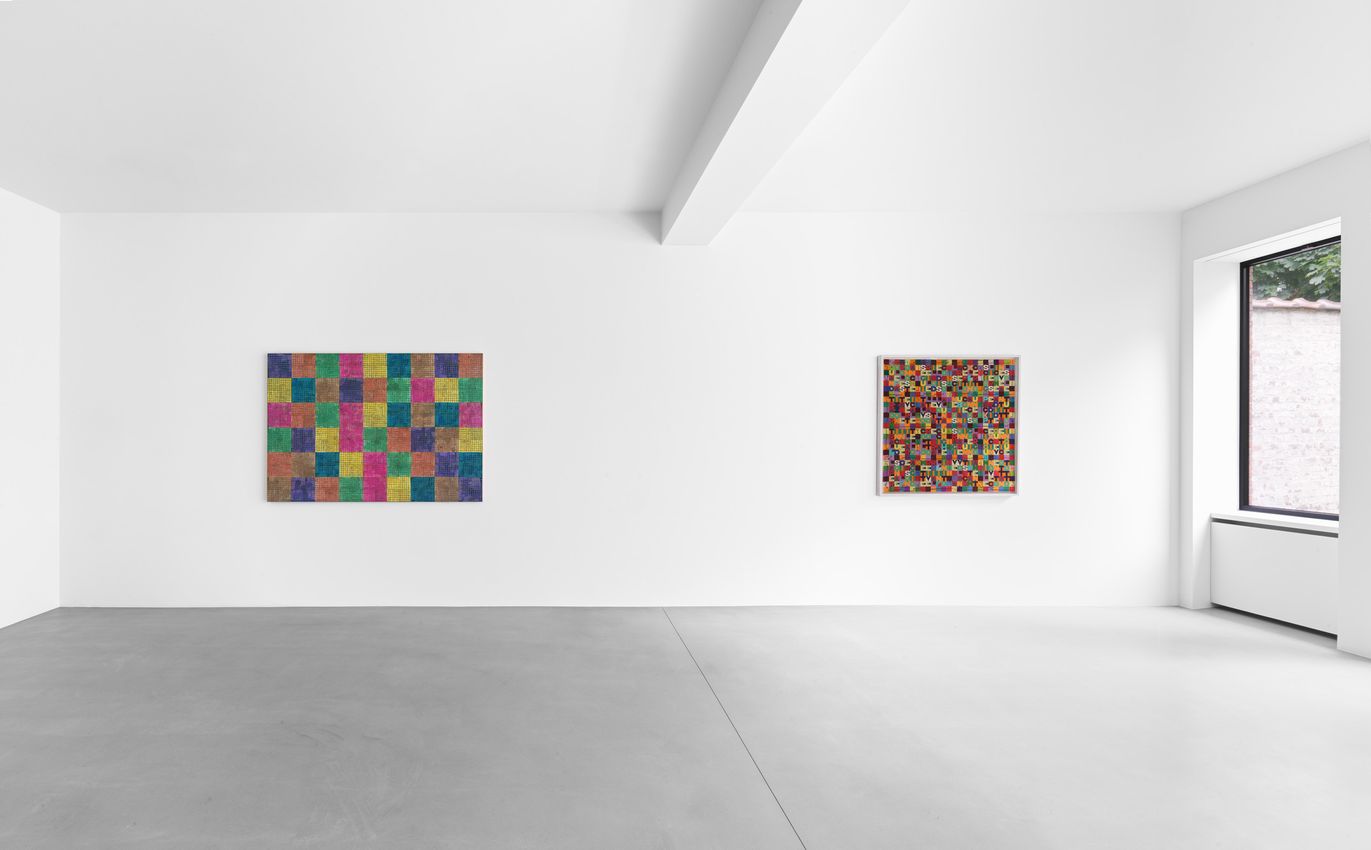
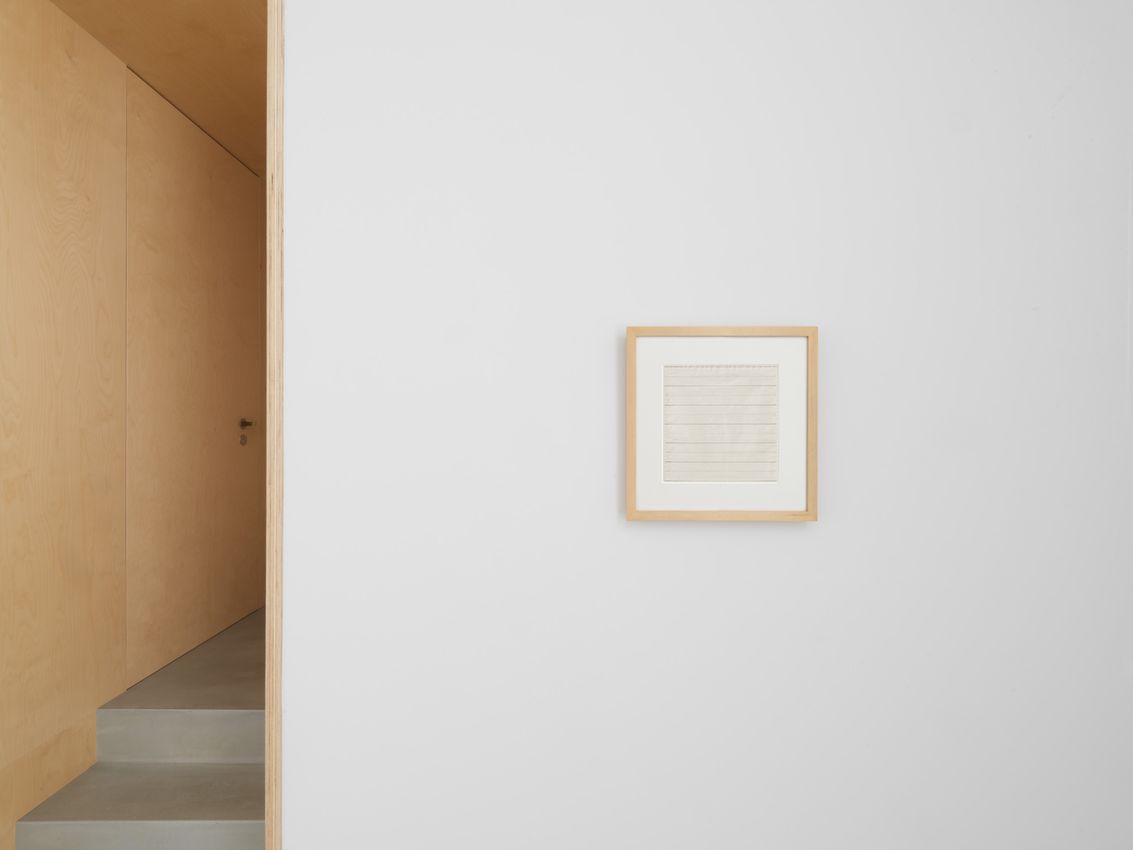
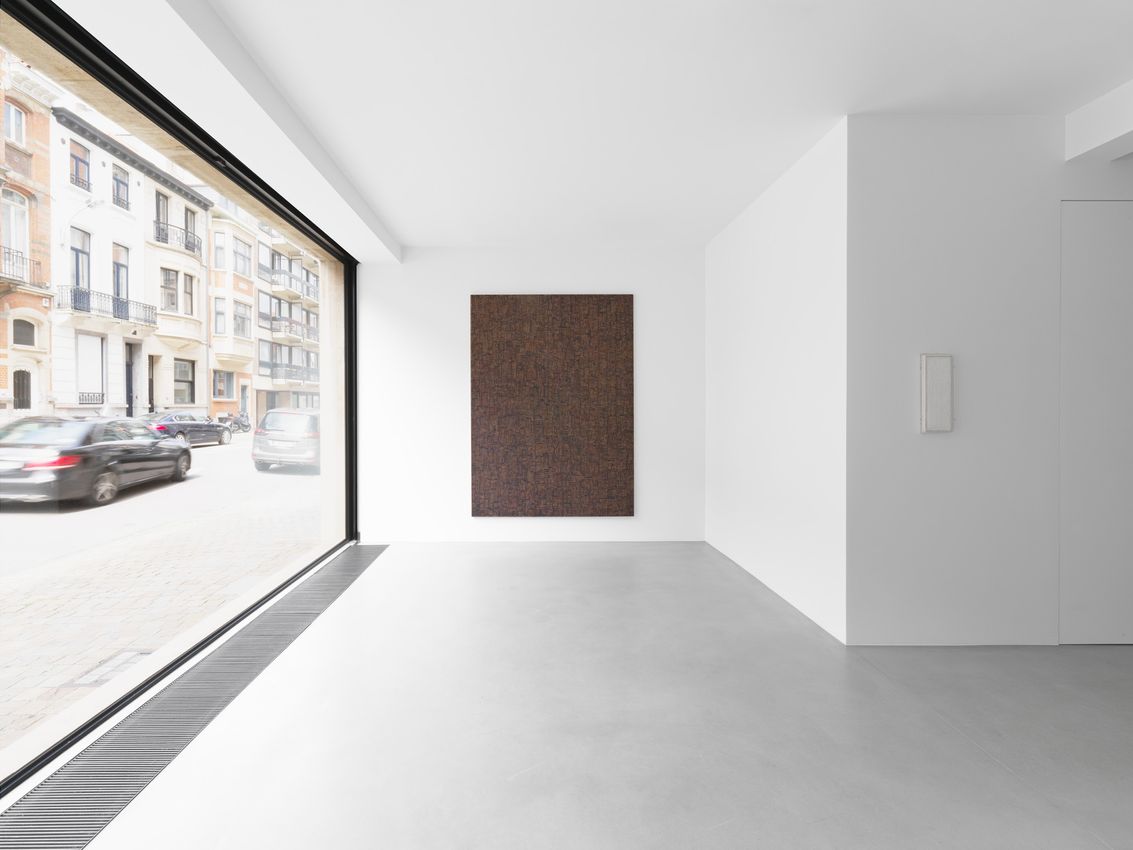
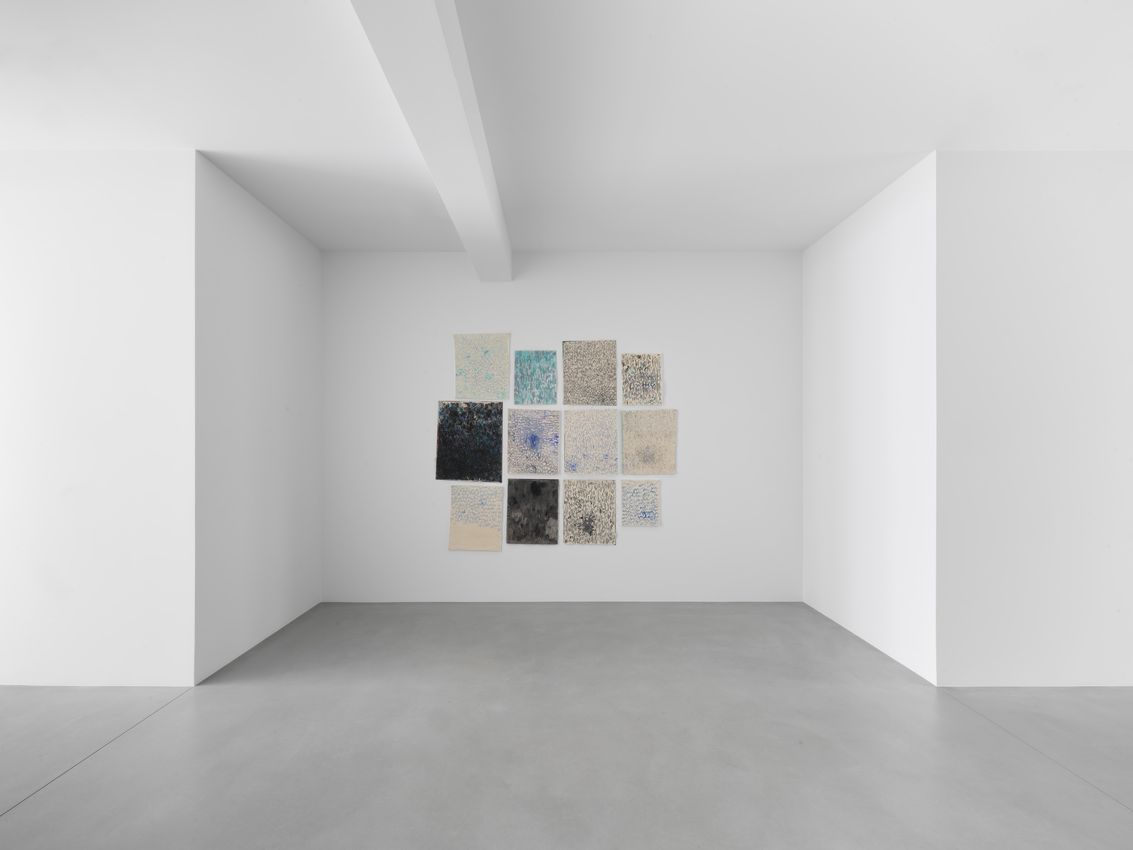
Featuring the work of ten artists and spanning a period of forty-five years, Gridscape explores how artists use systems and structures to free expression. The exhibition brings together different generations of artists who have approached one of the defining questions of Modernism: how can systems be used to investigate, contain or liberate the self?

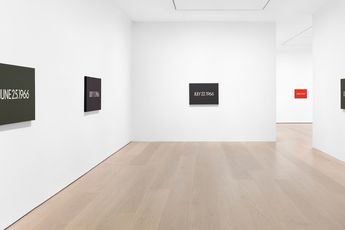
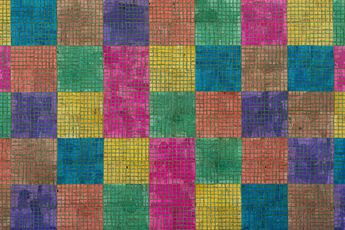
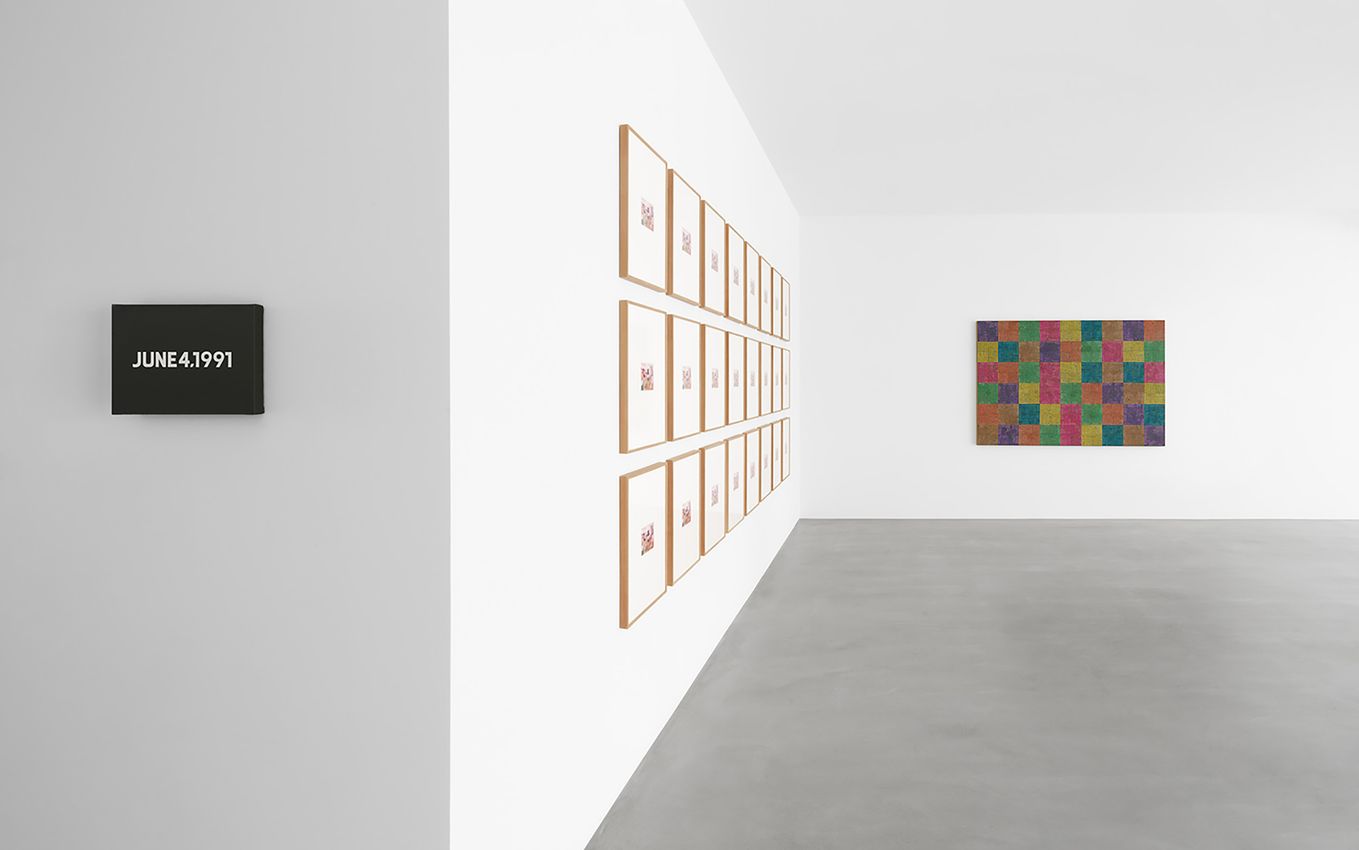
The confrontation between regimentation and chaos, rules and imagination, limits and freedom has given birth to some of the most fascinating artworks of the twentieth century. Taking this as a starting point, Gridscape presents the work of artists who have continued to use and challenge systems as a way of expressing the complex relationships that unite the collective and the individual, or the inner and outside worlds. Grids often represent an attempt to rationalise things that are vast, capricious and almost impossible to control, such as language, memory and time. The latter two concepts come to the fore, for example, in the work of On Kawara (1932-2014) and McArthur Binion (b. 1946). While Binion’s paintings take the form of grids layered over a substrate of personal photographs, documents and pages from a two-decade old address book, Kawara worked on his ‘Today’ series for more than fifty years: monochromatic canvases in red, blue, or grey that record the date of their creation. The artist toiled for hours on each piece and always followed a strict protocol. If a ‘date’ wasn’t finished on the same day, it was destroyed. Whereas Kawara sought to arrest a single moment of time in an almost forensic and neutral way, Binion imposes a framework upon a lifetime of vivid memories.

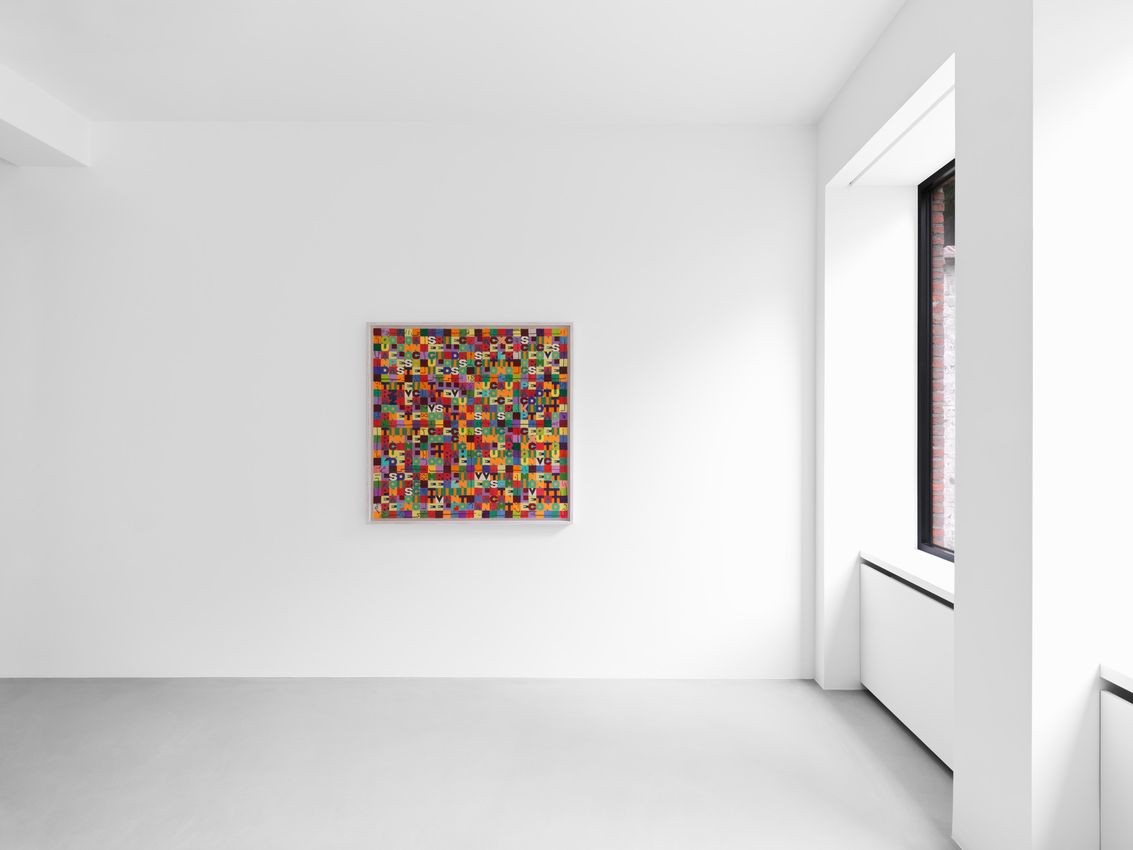
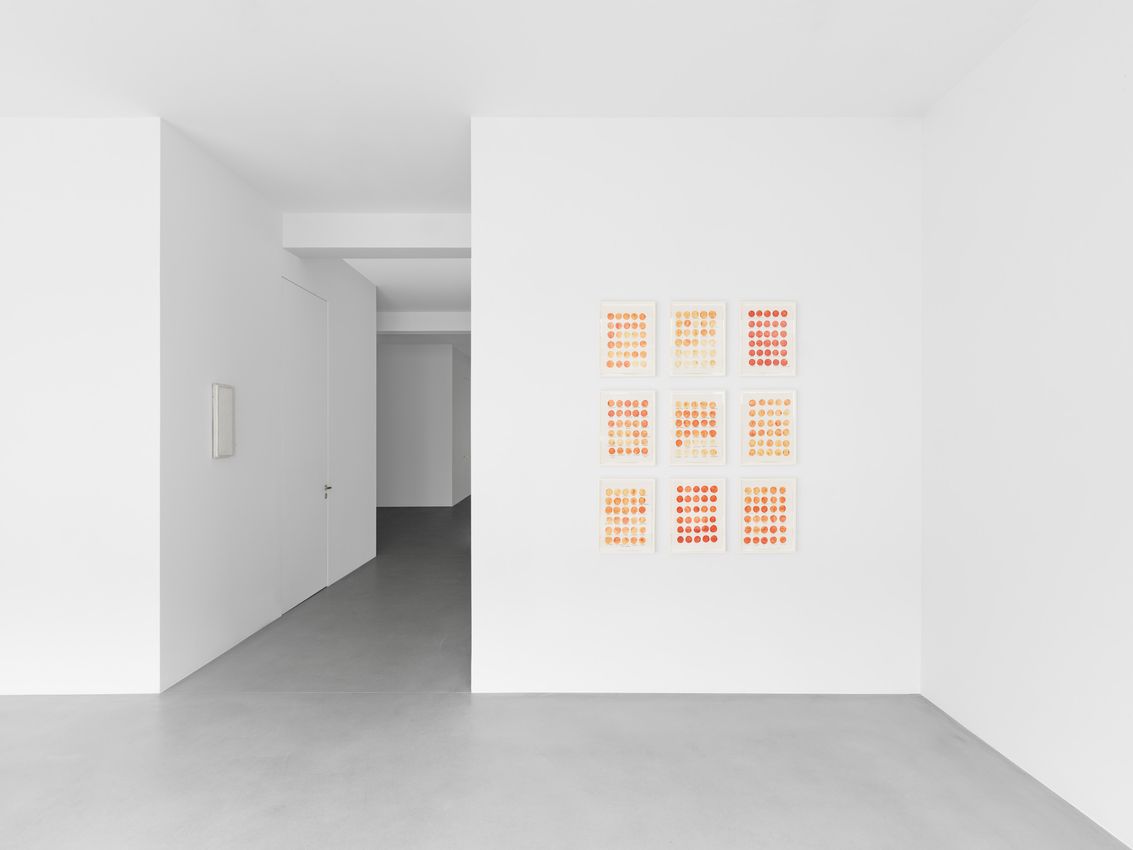
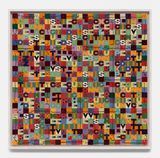
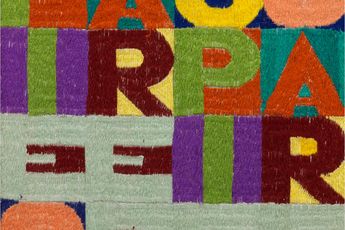
Roni Horn’s (b. 1955) Remembered Words is a group of nine framed drawings in a grid formation. They contain rows and columns of hand-painted coloured circles: organic, fluid and luminous, replete with gradations and nuances. While some sheets just contain spheres, others link colours with words. These enigmatic, intriguing and apparently random notations challenge the viewer to try and extract the hidden connections or even impose their own. Colour and language also converge in Alighiero Boetti’s (1940-1994) arazzi [tapestries]. Made during the 1980s and 90s in Peshawar, they reflect the artists abiding interest in Afghan culture. While Boetti created the designs and messages, the embroiderers were free to select the colour schemes – thus introducing an element of chance. Quando le parole sono stanche [When Words are Tired] combines Italian and Persian texts, with the angular Roman alphabet forming an intriguing counterpoint to the flowing Arabic script of Farsi. The tessellated mosaic of capital letters, coupled with the difficulty of deciphering the statement, only serves to underscore the contrast between order and disorder.

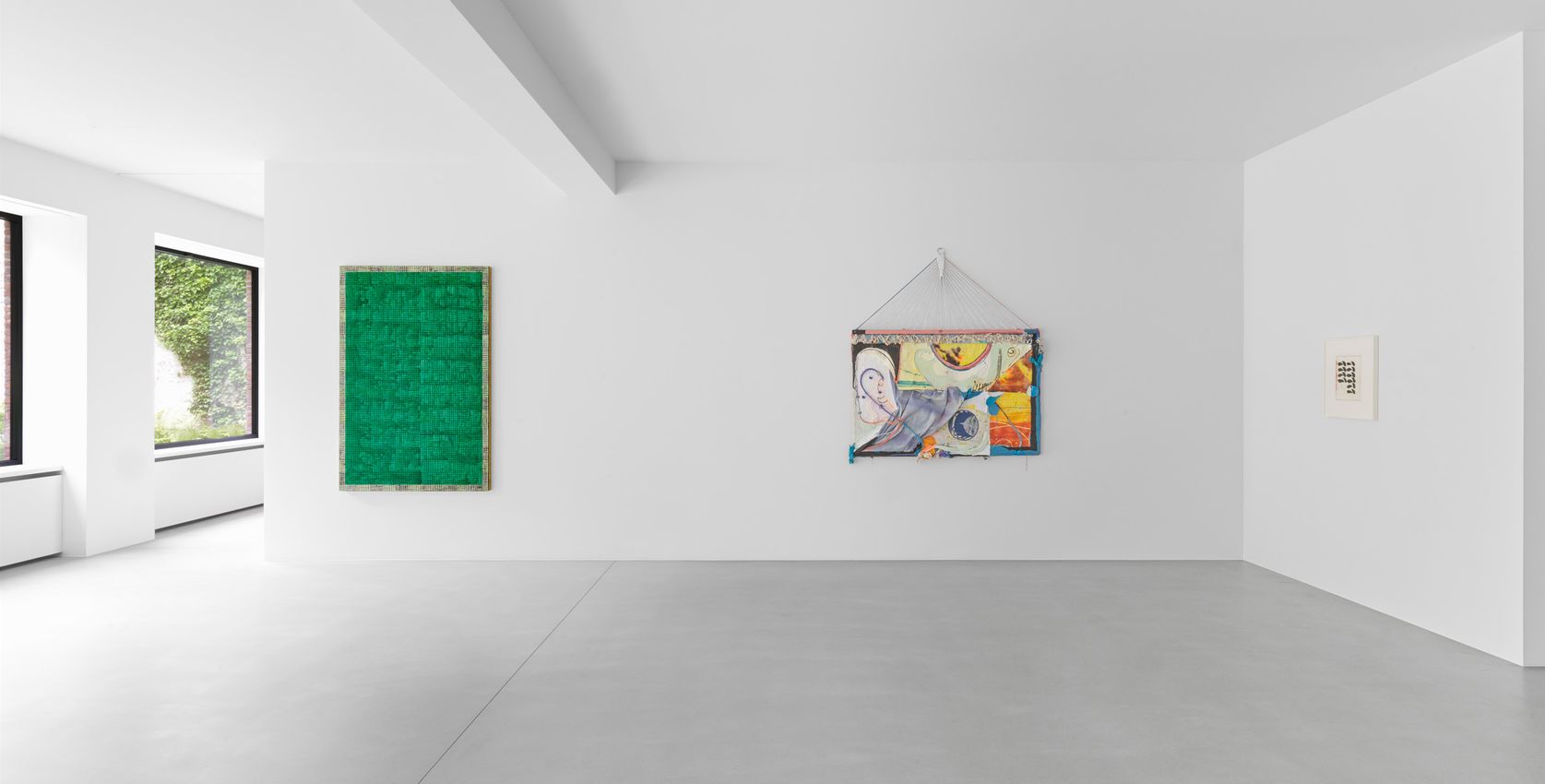
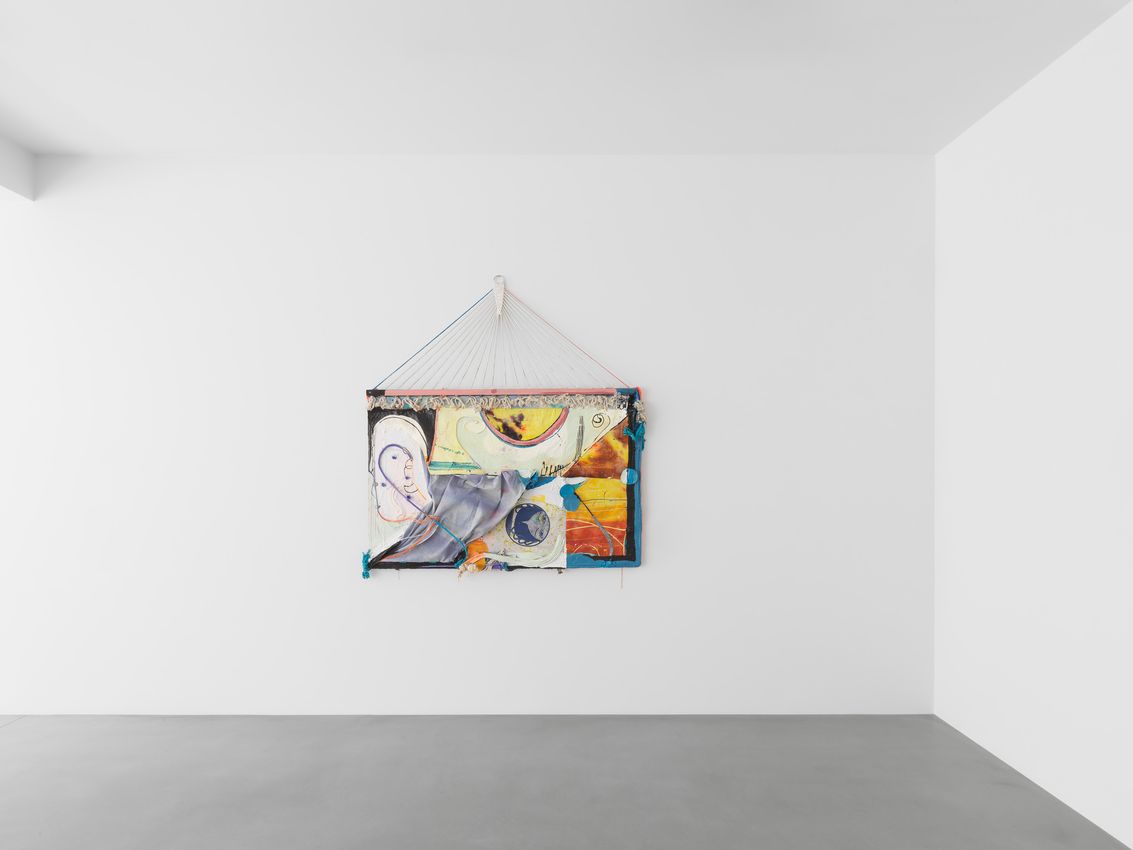
Grids and underlying patterns are no less fascinating to a younger generation of artists. Matt Connors (b. 1973), for example, employs a lattice device as a graphic element in Untitled (2020), while Rachel Eulena Williams (b. 1991) often uses rope as a structuring tool which she uses to frame moments of gestural expression. Speaking about works such as In the Hour Before Snow (2021), she says: ‘Some of the ropes are from hammocks, and I began using them for their grid structure, which creates a great point system for framing the work. I also like how much it is associated with the body.’ The exhibition’s middle room presents works by Andy Robert (b. 1984), whose practice confronts the historical context of painting with the biographical, the social. Painted en plein air during a recent trip to Puerto Rico, silver-toned planes of textured colour feel indexical in their arrangement, as though the artist was revealing an uncertain geography. Small sculptural self-portraits are composed of screws and the artist’s hair. Seemingly similar, their differences are anecdotal and personal— the process of repetition as a subjective gesture.

Gridscape also points us towards expansiveness and to what might lie beyond the artwork. For as Rosalind Krauss explains in her seminal essay Grids (1979): ‘Logically speaking, the grid extends, in all directions, to infinity. Any boundaries imposed upon it by a given painting or sculpture can only be seen according to this logic as arbitrary. By virtue of the grid, the given work of art is presented as a mere fragment, a tiny piece arbitrarily cropped from an infinitely larger fabric. Thus, the grid operates from the work of art outward, compelling our acknowledgement of a world beyond the frame.’

With work by Agnes Martin (1912-2004), On Kawara (1932-2014), Alighiero Boetti (1940-1994), McArthur Binion (b. 1946), Sherrie Levine (b. 1947), Thierry De Cordier (b. 1954), Roni Horn (b. 1955), Matt Connors (b. 1973), Andy Robert (b. 1984) and Rachel Eulena Williams (b. 1991).

Read More

Installation Views

Artists Exhibiting

Also Exhibiting at Xavier Hufkens

About the Gallery
Xavier Hufkens is one of Europe’s leading galleries for contemporary art. Located in Brussels, the gallery maintains a diverse exhibition programme with solo exhibitions of the gallery artists as well as group exhibitions and special projects. The gallery deals in a distinctive combination of painting, drawing, sculpture, photography, video and installation-based work.

The origins of the gallery date back to 1987, when Xavier Hufkens opened a gallery space in an un-refurbished warehouse in the neighbourhood of the South Station (Midi) in Brussels. During the early years, the focus of the gallery was upon mid-career and emerging artists and the gallery is known for having introduced some of the most influential contemporary artists to Brussels at a time when they were still relatively unknown. British sculptor Antony Gormley, who is still affiliated with the gallery, Felix Gonzalez-Torres and Rosemarie Trockel all showed in Belgium for the first time with Xavier Hufkens (Gormley in 1987; Gonzalez-Torres in 1991 and Trockel in 1993).

In 1992, the gallery moved to a 19th-century townhouse at 6 rue Saint-Georges, close to the Avenue Louise. Completely renovated by Belgian architects Paul Robbrecht, Hilde Daem and Marie-José Van Hee, the house quickly gained a reputation for being not just one of the most beautiful contemporary art spaces in the Belgian capital, but also one of the most interesting. The expanded exhibition programme coincided with the additional representation of a number of established artists from Belgium and abroad, including Richard Artschwager, Thierry De Cordier and Jan Vercruysse. In 1997, Hufkens expanded the gallery further by annexing the adjacent building and a number of new artists joined the gallery, including Louise Bourgeois, Roni Horn and Thomas Houseago.

A second space in the same street, at 107 rue Saint-Georges, opened in spring 2013. Located in the Galerie Rivoli, a mixed-use commercial development from the 1970s, the new gallery space was designed by Swiss architect Harry Gugger, who was previously in partnership with Herzog and De Meuron. Slegten & Toegemann, Brussels, managed the project.

An eclectic but very clear vision underpins all of the gallery’s activities: ‘The definition of the gallery was established from the start. The common thread, then and now, is quality over and above everything else, which I find more intellectually challenging than a forced definition. From the early days I juxtaposed established artists such as Michelangelo Pistoletto with someone like Felix Gonzalez-Torres when he was totally unknown. Today I still mix my work: I have no problem showing Malcolm Morley … alongside Robert Ryman, or Willem de Kooning.’ [Xavier Hufkens in The Art Newspaper, Issue 220, January 2011, published online: 20 January 2011]

Xavier Hufkens represents some thirty artists from different generations. He was part of the six-member selection committee for Art Basel during seven years and also participates in up to five international Arts Fairs annually. The gallery has partnerships with the estates of Louise Bourgeois, Willem de Kooning, Robert Mapplethorpe and Alice Neel.
View Gallery Profile
Address
44 rue Van Eyck
Van Eyckstraat
Brussels
Belgium
Opening Hours
Tuesday – Saturday
11am – 6pm
(1)
Brussels 44 rue Van Eyck, Van Eyckstraat
Xavier Hufkens
44 rue Van Eyck, Van Eyckstraat, Brussels, Belgium

Opening hours
Tuesday – Saturday
11am – 6pm
The art world in focus