





Chang-Sup Chung
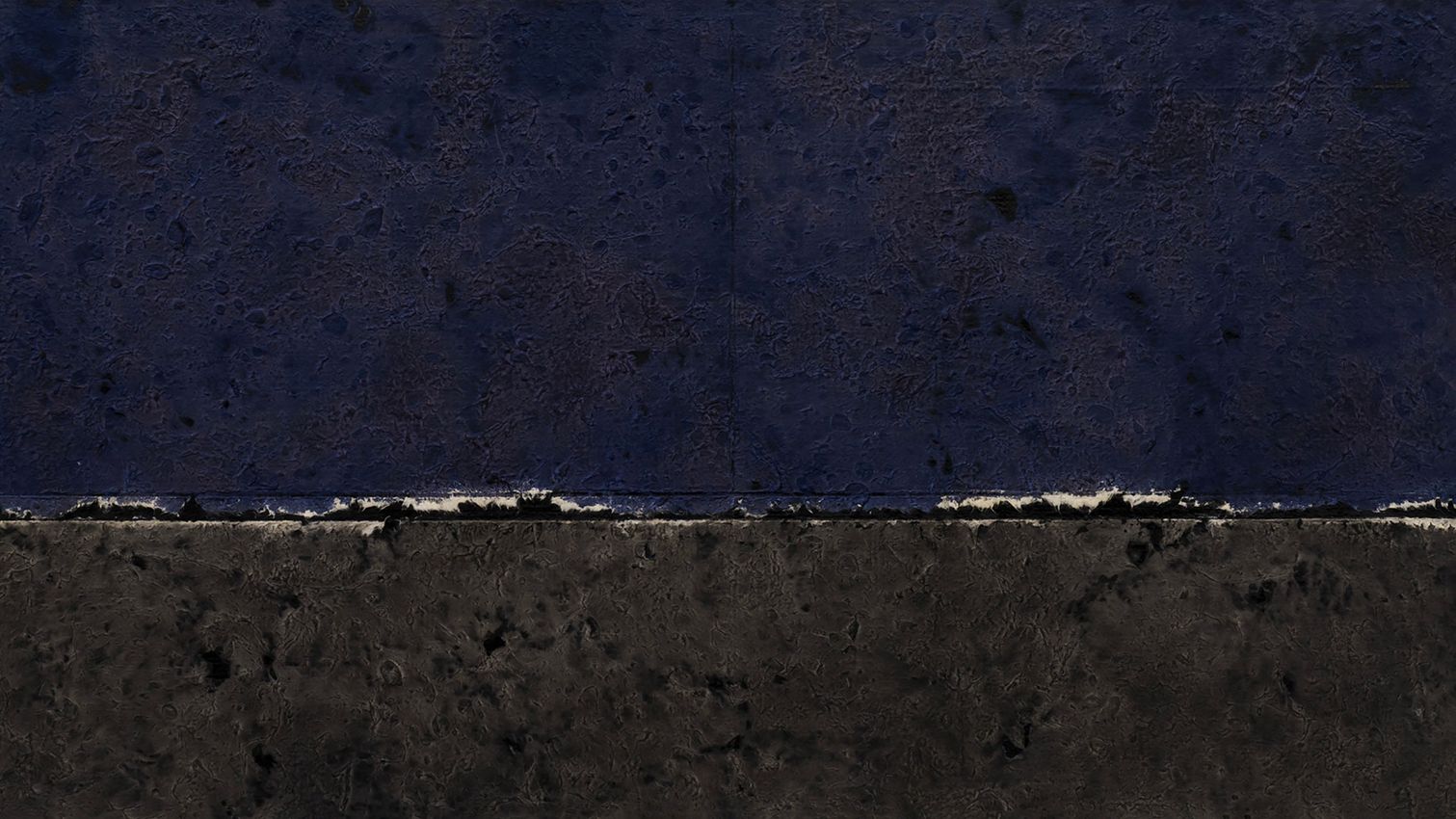
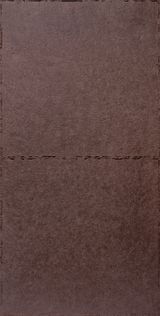
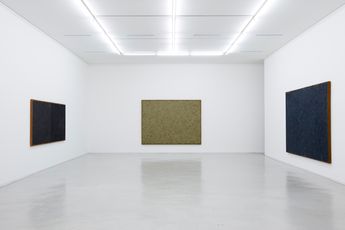
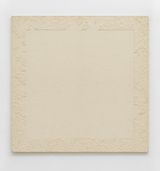
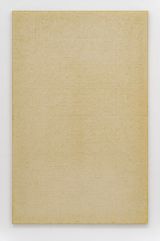
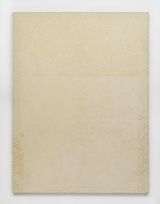
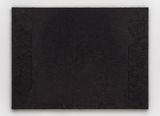
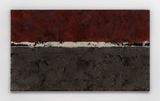
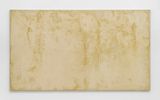
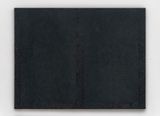
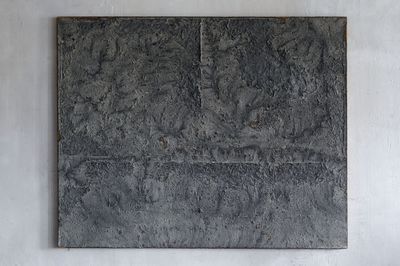
1927-2011, South KoreaThe unique works of Chung Chang-Sup (1927-2011) have been called “unpainted painting” in which he molds traditional Korean papers after soaking them in water. The resulting artworks reveal themselves as a result of the alchemy of materials and the creational process of nature. Pigments are not added to the papers, rather the unique tones of the works are achieved based on the length of time the paper is soaked in water before being applied with handmade glue onto canvas. Chung’s works reflect his Taoist belief that the artist is in unity with the material and nature, allowing the work to reveal itself, throughout the creation process. Chung represented Korea in the Second Paris Biennale in 1961 and his work has come to be known as the epitome of the Dansaekhwa monochrome ideal of unity between artist and nature. Chung honors Korea’s traditional craft through the use of handmade paper made of mulberry pulp, long considered one of Korea’s most prized medium and a symbol of Korea’s unique, rich cultural heritage. Chung Chang-Sup was the subject of a major retrospective exhibition at the National Museum of Contemporary Art, Korea in 2010.

Works at Kukje Gallery

Recently Exhibited



Works Elsewhere

















Explore and Follow Artists Shaping Contemporary Art
A respected voice in contemporary art discourse.
Focusing on ambitious storytelling and insightful art-world commentary. Ocula Magazine publishes in-depth interviews, critical essays and timely analysis on the artists, exhibitions and ideas driving the global art world.
Learn more about Ocula Magazine
Showcasing the best of the art world.
Ocula partners with galleries from around the world to highlight their artists, artworks and exhibitions. Gallery membership is by application and invitation, with each member vetted by an independent panel.
Learn more about Ocula Membership
Specialises in the sale of major artworks.
Led by a team with deep ties to the world’s leading auction houses, galleries and collectors. Ocula’s advisory team offers bespoke services to high-net-worth clients from around the world who are looking to acquire the best of contemporary and modern art.
Learn more about our team and services