





FRANCIS PICABIA
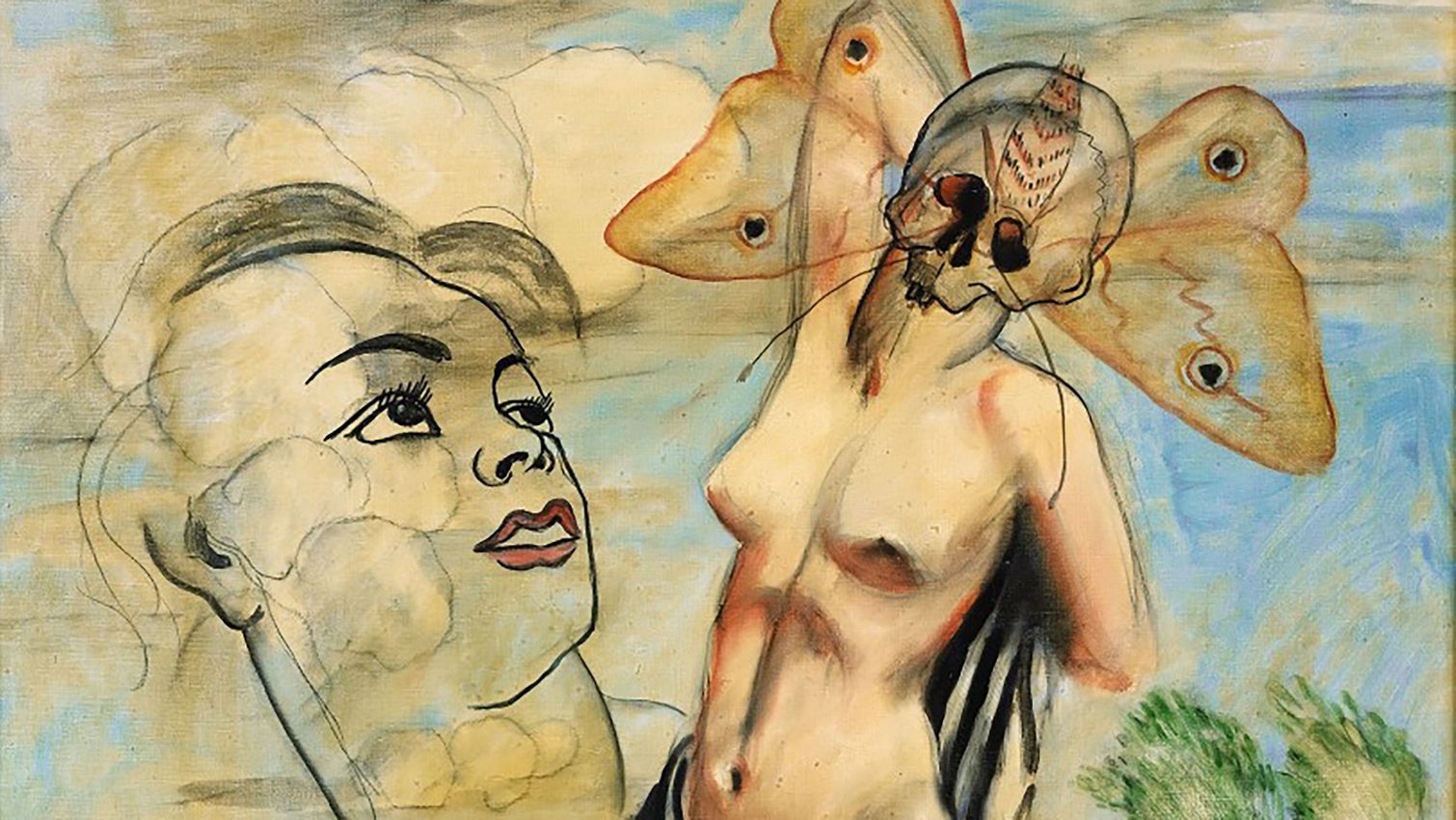
1879-1953, FranceFrancis Picabia was a pioneering French artist whose kaleidoscopic career traversed Impressionism, Cubism, Dada, Surrealism, and abstraction, making him one of the most influential and unpredictable figures in 20th-century art.
A friend and associate of Marcel Duchamp, Picabia is known for a wide variety of work ranging from strange, comic-erotic images of machine parts to text-based paintings that foreshadow aspects of Conceptual art. Picabia’s restless innovation and refusal to be defined by a single style or movement inspired artists like Sigmar Polke, John Currin and David Salle, and he continues to inspire contemporary artists today.
Early Years
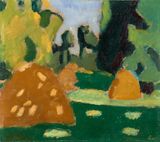
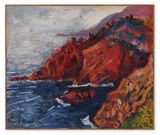
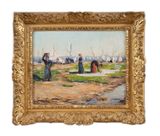
Born in Paris to a Cuban-Spanish father and French mother, Francis Picabia grew up in a cultured and affluent environment. He began formal artistic training at the École des Beaux-Arts and the École des Arts Décoratifs in Paris, where he studied alongside Georges Braque and Marie Laurencin. The early loss of his mother profoundly affected him, and drawing became a refuge. By the turn of the 20th century, Picabia was exhibiting Impressionist landscapes influenced by Alfred Sisley and Camille Pissarro, gaining early recognition in Parisian salons.
Francis Picabia Artworks
Francis Picabia’s art is defined by radical experimentation and a refusal to adhere to a single style. His works span painting, drawing, writing, and publishing, and he is renowned for his role as a provocateur in the development of modern art
Impressionism and Cubism (1890s–1910s)
Picabia’s early paintings were Impressionist in style, but by 1909 he had shifted towards Cubism, co-founding the Section d’Or group with Marcel Duchamp. His Cubist works, such as Dances at the Spring (1912), combined vibrant colour with fragmented forms.
Dada and Mechanomorphic Works (1915–1920s)
A trip to New York in 1913 exposed Picabia to the American avant-garde. He became a central figure in the Dada movement, producing machine-inspired drawings and paintings that satirised traditional art and publishing the influential Dada magazine _391_2. His mechanomorphic works, blending eroticism and technology, remain iconic.
Transparencies and Surrealism (1920s–1930s)
In the 1920s, Picabia developed his Transparencies series, layering motifs from classical art, religion, and popular culture to create complex, dreamlike compositions. He briefly aligned with Surrealism but soon distanced himself, preferring independence.
Late Work: Kitsch Nudes and Abstraction (1940s–1950s)
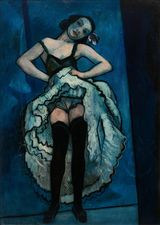
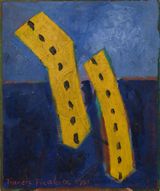
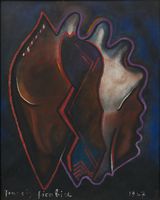
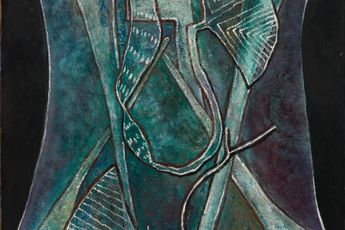
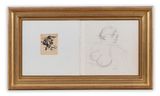
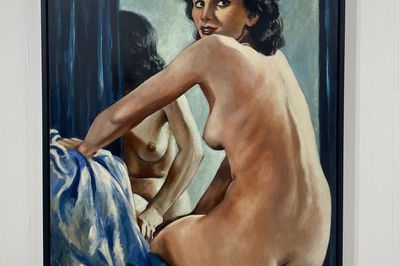
During the 1940s, Picabia produced naturalistic nudes inspired by mass-media erotica, which initially drew criticism but are now celebrated for their boldness. In his final years, he returned to abstraction, creating enigmatic dot paintings and works that referenced ancient art and philosophy. Picabia’s late paintings, with their brooding colours and layered symbolism, marked a profound shift in his practice and influenced post-war abstraction.
Francis Picabia Exhibitions
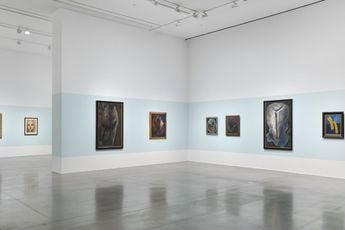
Francis Picabia has been the subject of both solo and group exhibitions at important institutions. A selection of exhibitions is provided below.
- Francis Picabia: Our Heads Are Round so Our Thoughts Can Change Direction, The Museum of Modern Art, New York (2016–2017)
- Francis Picabia. Eternal Beginning, Hauser & Wirth, Paris and New York (2024–2025)
- Musée d’Art Moderne de la Ville de Paris, Paris (2002)
- Inventing Abstraction 1910–1925, The Museum of Modern Art, New York (2012–2013)
- Dada, Centre Pompidou, Paris (2005)
- Fantastic Art, Dada, Surrealism, The Museum of Modern Art, New York (1936–1937)
Francis Picabia FAQs
Where can I see Francis Picabia’s work?
Picabia’s artworks are held in significant public collections, including The Museum of Modern Art (New York), Tate (London), Centre Pompidou (Paris), Musée d’Art Moderne de la Ville de Paris, and the Reina Sofia (Madrid). His works are regularly exhibited in international museums and leading contemporary art galleries.
What is Francis Picabia known for?
Picabia is celebrated for his role in the Dada movement and for his ever-changing artistic style, which spanned Impressionism, Cubism, abstraction, Dada, Surrealism, and post-war abstraction.
How did Picabia influence contemporary art?
Picabia’s disregard for stylistic boundaries, use of irony, and embrace of appropriation anticipated postmodern art and inspired later artists such as Sigmar Polke and Andy Warhol. His influence can be seen in the work of John Currin and also David Salle.
Did Picabia work in other creative media other than painting?
Yes, Picabia was also a writer, poet, magazine publisher, and typographer, contributing to the development of modern art through his texts, journals, and collaborations.
What are some of Picabia’s most important artworks?
Notable works include Dances at the Spring (1912), his mechanomorphic drawings (1915–1920), the Transparencies series (1927–1930s), and his late abstract dot paintings (1940s–1950s).
Ocula | 2025

Works at Hauser & Wirth








Recently Exhibited



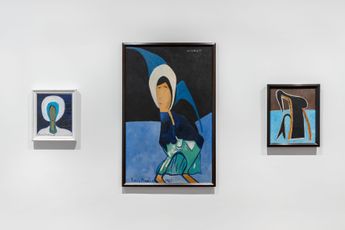
Exhibiting Elsewhere

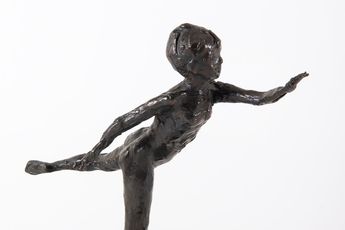
Works Elsewhere

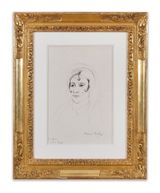


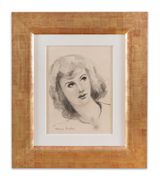









Explore and Follow Artists Shaping Contemporary Art
A respected voice in contemporary art discourse.
Focusing on ambitious storytelling and insightful art-world commentary. Ocula Magazine publishes in-depth interviews, critical essays and timely analysis on the artists, exhibitions and ideas driving the global art world.
Learn more about Ocula Magazine
Showcasing the best of the art world.
Ocula partners with galleries from around the world to highlight their artists, artworks and exhibitions. Gallery membership is by application and invitation, with each member vetted by an independent panel.
Learn more about Ocula Membership
Specialises in the sale of major artworks.
Led by a team with deep ties to the world’s leading auction houses, galleries and collectors. Ocula’s advisory team offers bespoke services to high-net-worth clients from around the world who are looking to acquire the best of contemporary and modern art.
Learn more about our team and services