





I GUSTI AYU KADEK (IGAK) MURNIASIH
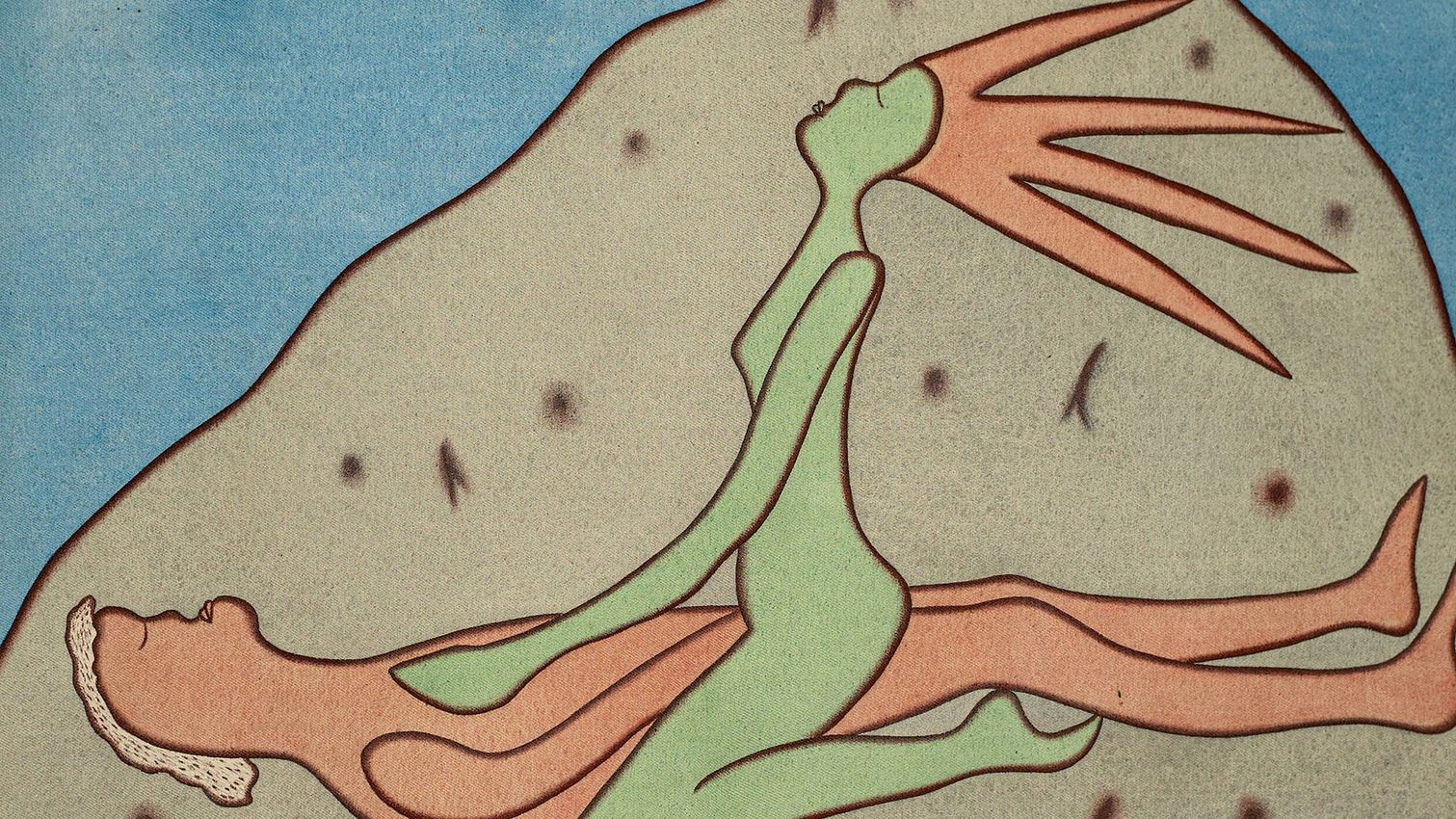
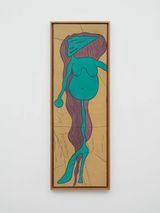
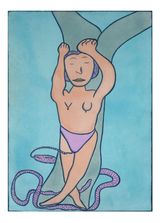
1966-2006, IndonesiaIndonesian artist I Gusti Ayu Kadek Murniasih (Murni) is known for her vibrant and honest depictions of sexuality, desire, and trauma that challenge social norms and values assigned to women.
Life
I Gusti Ayu Kadek Murniasih (Murni) was born to a farming family in Bali, Indonesia, in 1966. At the age of ten, she left home for Makassar to work as a domestic worker. Murni’shardships as a young woman became a source of inspiration for much of her work.
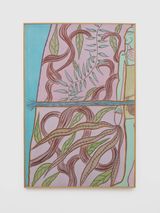
Murni began her artistic career in her 20s, when she studied the traditional Pengosekan style of Balinese painting under pioneering Balinese artist Dewa Putu Mokoh. Influences of the style, characterised by distinct outlines and pale colours, can be glimpsed in her work, but which she made her own with minimum shading. Murni initially faced resistance from the Balinese art community for her frank and explicit portrayal of sexuality and desire.
Murni died in 2006 after a battle with ovarian cancer. In 2016, the transnational art collective Ketemu Project organised Merayakan Murni (Celebrating Murni) to commemorate her legacy, which included a series of discussions and workshops, and a group exhibition featuring works by Murni and 15 Balinese and international artists at Sudakara Art Space in Sanur, Bali. In 2023, Murni became the first Balinese artist to be collected by Tate Modern, London.
Murni Artworks
While Murni’s works are often colourful and vibrant, they stem from personal experiences fraught with gender-based violence, power, and sexuality.
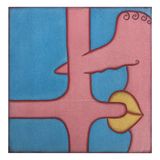
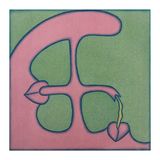
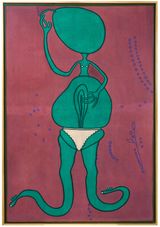
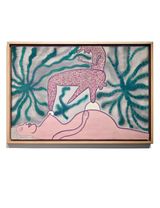
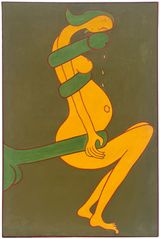
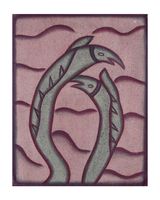
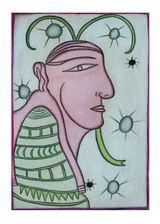
Murni has left a lasting imprint on Indonesian contemporary art for challenging societal norms and values through her exploration of the feminine and taboo. While minimal in style and form, Murni’s work is candid and even confrontational in its explicit depictions of genitalia and female desire. Works such as Rasanya Kok Enak Ya? (Feels Strangely Good, ya?) (1997) and Menbuatku terlelap (Making me Fall Asleep) (2000), for instance, portray female bodies in states of sexual exploration.
Readings of Murni’s work have since related her exploration of feminine sexuality to the traumas of the New Order regime (1966–1988), which established the Panca Dharma Wanita (Five Duties of Women): state-sanctioned principles that relegated woman’s role to the domestic space as wife and child bearer. Murni’s work, though deeply personal, evidenced a struggle shared by many Indonesian women at the time. Her depictions of the disembodied female figure—the toothed vagina in Malu, Ah 1 (Ah, Embarrassed 1) (1995) or the scarred womb in Jangan Sampai Terjadi Lagi Padaku (Don’t Let It Happen to Me Again) (2001)—is representative of the artist’s attempts to reclaim the narratives around women and their bodies.
Exhibitions
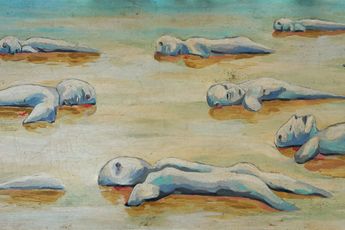
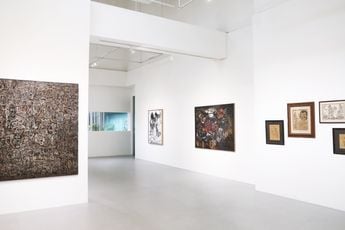
Murni’s major retrospective, I Gusti Ayu Kadek Murniasih: Shards Of My Dreams That Remain In My Consciousness, was presented at Gajah Gallery, Singapore, in 2021. Her work has been included in group exhibitions at Haus der Kulturen der Welt, Berlin; The National Gallery of Australia; Para Site, Hong Kong; Biennial of Sydney; Taipei Biennial; and the Carnegie International.
Arianna Mercado | Ocula | 2024

View I Gusti Ayu Kadek (Igak) Murniasih's Artworks























Explore I Gusti Ayu Kadek (Igak) Murniasih's Exhibitions






Explore and Follow Artists Shaping Contemporary Art
A respected voice in contemporary art discourse.
Focusing on ambitious storytelling and insightful art-world commentary. Ocula Magazine publishes in-depth interviews, critical essays and timely analysis on the artists, exhibitions and ideas driving the global art world.
Learn more about Ocula Magazine
Showcasing the best of the art world.
Ocula partners with galleries from around the world to highlight their artists, artworks and exhibitions. Gallery membership is by application and invitation, with each member vetted by an independent panel.
Learn more about Ocula Membership
Specialises in the sale of major artworks.
Led by a team with deep ties to the world’s leading auction houses, galleries and collectors. Ocula’s advisory team offers bespoke services to high-net-worth clients from around the world who are looking to acquire the best of contemporary and modern art.
Learn more about our team and services