





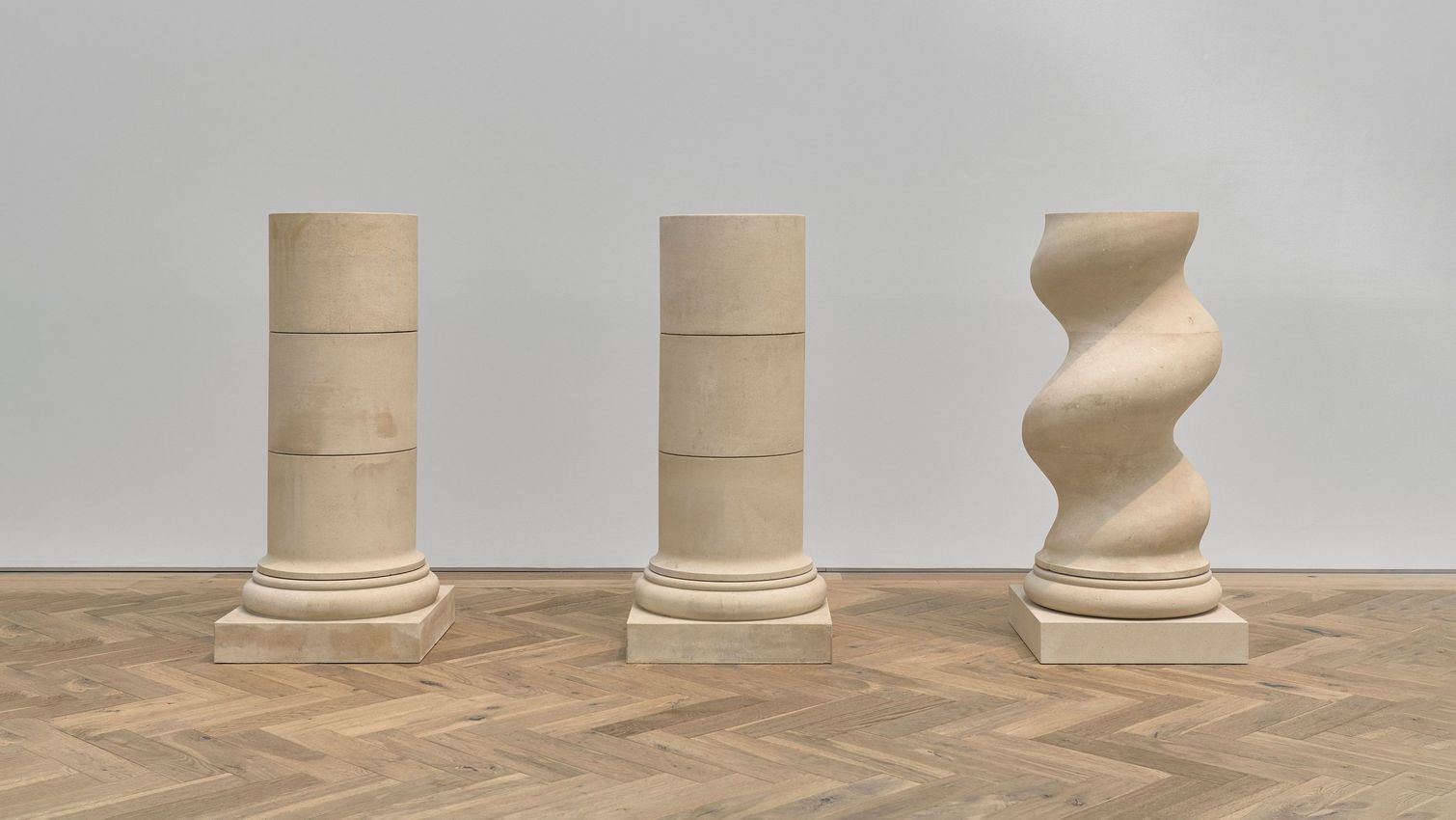
IAN HAMILTON FINLAY
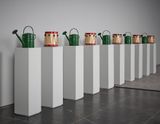
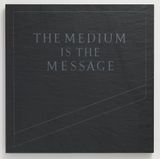
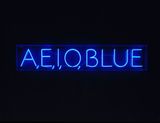
1925-2006, BahamasA philosopher, sculptor and poet, Ian Hamilton Finlay (1925-2006) reinvigorated the classical tradition in a body of work that encompasses a variety of creative forms to celebrate the sustaining power of words. His diverse production encompassed a variety of creative forms including prints, poems, books, inscriptions, neons, sculptures, permanent installations and landscape design. The purest kind of conceptual artist, Finlay was sensitive to the formalist concerns (colour, shape, scale, texture, composition) of literary and artistic modernism. For almost forty years, he formed his works using philosophical texts, myths, characters and images from the past to make enigmatic juxtapositions and in so doing new thoughts. Finlay’s adept use of syntax and narrative configuration weaved refined distinctions with a lyrical philosophy. His skill lay in his unique ability to break down complex ideas into coherent single words and short phrases, infused with Finlay’s characteristic wit and, often, wry humour.
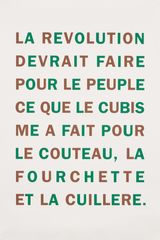
For Finlay, the French Revolution represented not only a moment of enormous political rupture but one of aesthetic change, signalling a great moral as well as political leap that encompassed extraordinary advances in secular democracy and social progress. Revolution provided a rich subject; he first received international attention for his guillotine installation A View to the Temple at Documenta 8 in Kassel in 1987 and thereafter the guillotine became one of the most enduring elements of his iconography.
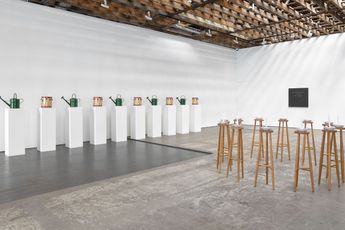
In 1961 he founded the Wild Hawthorn Press with Jessie McGuffie and within a few years had established himself internationally as Britain’s foremost concrete poet. His publications continue to play an important role in the dissemination of his work as a visual artist. As a sculptor, he worked collaboratively in a wide range of materials, having his concepts executed as stone-carvings, as constructed objects and neon lighting. From the mid-sixties Finlay lived and worked at Stonypath, south-west of Edinburgh, where he transformed the surrounding rural acres into a unique garden and life’s work: Little Sparta. Ian Hamilton Finlay died 27 March 2006, aged 80.
Courtesy Victoria Miro

Works at Victoria Miro









Recently Exhibited




Works Elsewhere







Explore and Follow Artists Shaping Contemporary Art
A respected voice in contemporary art discourse.
Focusing on ambitious storytelling and insightful art-world commentary. Ocula Magazine publishes in-depth interviews, critical essays and timely analysis on the artists, exhibitions and ideas driving the global art world.
Learn more about Ocula Magazine
Showcasing the best of the art world.
Ocula partners with galleries from around the world to highlight their artists, artworks and exhibitions. Gallery membership is by application and invitation, with each member vetted by an independent panel.
Learn more about Ocula Membership
Specialises in the sale of major artworks.
Led by a team with deep ties to the world’s leading auction houses, galleries and collectors. Ocula’s advisory team offers bespoke services to high-net-worth clients from around the world who are looking to acquire the best of contemporary and modern art.
Learn more about our team and services