





NAN GOLDIN
b. 1953, United StatesWidely regarded as one of the most influential figures in contemporary art, Nan Goldin is an American photographer and filmmaker whose diaristic images of friends, lovers, and queer and trans communities have profoundly reshaped the field of photography. Her work redefined how intimacy, vulnerability, and marginalised lives are seen within galleries and museums, blending personal narrative with broader social insight.
Through her activism with the group P.A.I.N. (Prescription Addiction Intervention Now), Goldin has also emerged as a powerful voice for accountability in the arts. Her campaign pressured major museums, universities, and cultural institutions to cut ties with the Sackler family, prompting a wider public and legal reckoning over the opioid crisis and the responsibilities of its key benefactors.
Early life and background
Goldin grew up in the suburbs of Boston; her older sister Barbara’s suicide when Goldin was eleven became a defining trauma that informs her ongoing focus on loss, addiction, and chosen family.
She left home as a teenager, fell in with bohemian circles in Boston and New York, and studied at the School of the Museum of Fine Arts, Boston, where she began photographing friends in queer bars, apartments, and nightclubs using saturated colour and available light. Goldin has lived between New York, Paris, and Berlin, and has described ‘residing mostly in airports’, reflecting an itinerant life intertwined with art, nightlife, and activism.
Nan Goldin Artworks
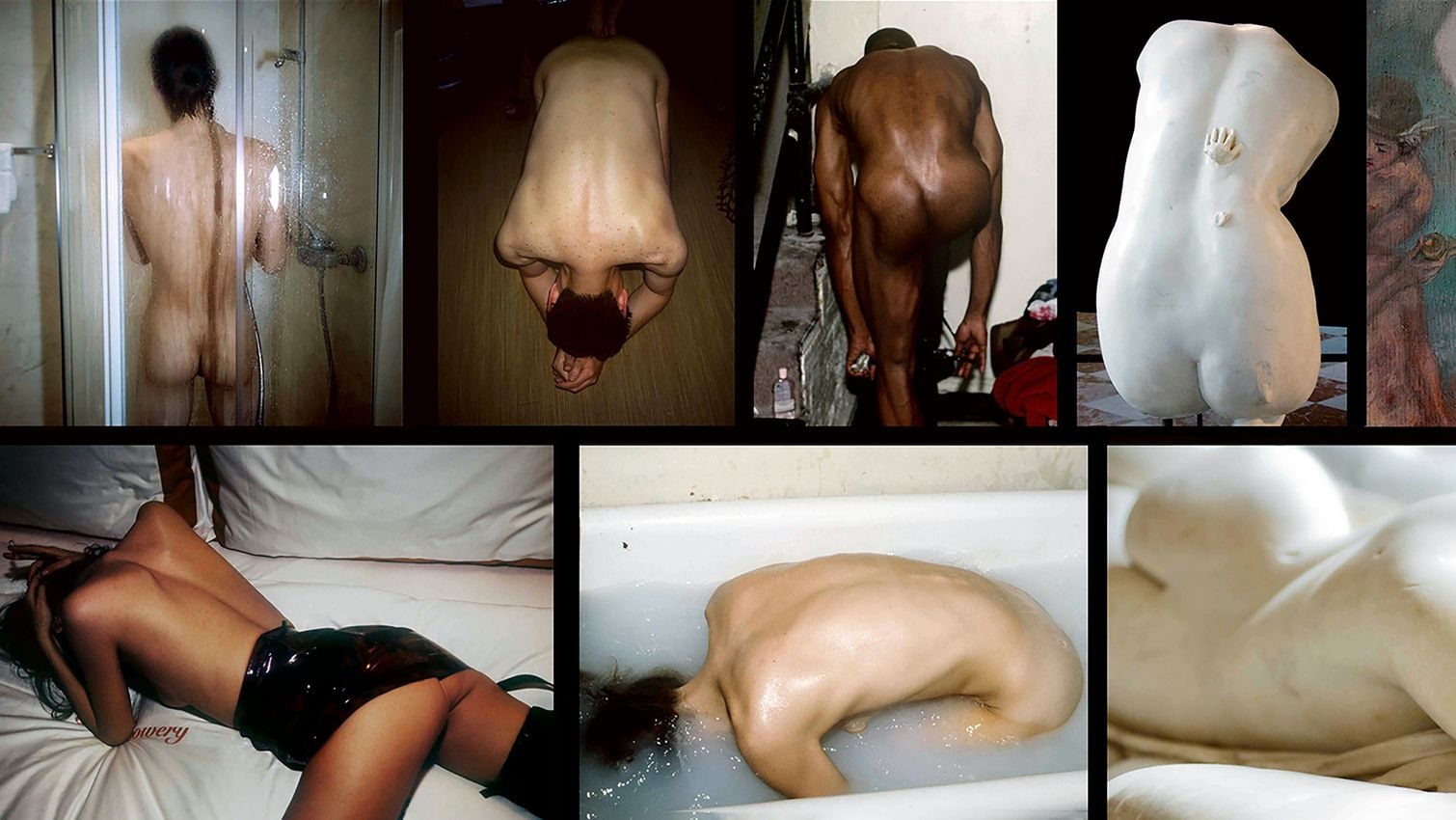
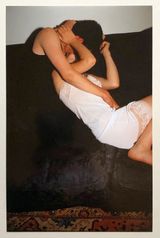
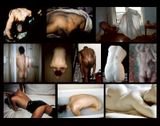
Nan Goldin’s artworks are grounded in lived experience, using snapshot-style colour photography, slideshows, and moving-image installations to depict love, sexuality, gender nonconformity, domesticity, addiction, and mortality with unvarnished immediacy.
Goldin’s photographs of drag queens, sex workers, lovers, and friends—along with self-portraits that record overdose, withdrawal, and domestic violence—have become touchstones in contemporary art and documentary photography, influencing generations of artists and shaping visual culture’s understanding of queer life and intimacy.
The Ballad of Sexual Dependency
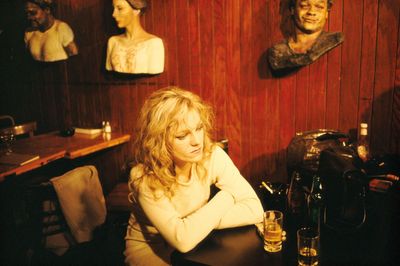
Between 1979 and 1986 Goldin developed The Ballad of Sexual Dependency, a projected slide show with music that chronicles her ‘chosen family’ in the New York underground, from crowded bars and bedrooms to hospital wards and funerals.
First shown in clubs and then in galleries and museums, The Ballad of Sexual Dependency has become one of the late 20th century’s most influential artworks, reframing documentary photography as an immersive, time-based, and deeply autobiographical art form.
Other key series and works
Goldin’s series The Other Side focuses on drag queens and trans women, celebrating gender fluidity and self-fashioning long before such subjects were widely represented in mainstream art institutions.
Works such as Sisters, Saints and Sibyls and Memory Lost weave archival images, new photographs, and sound to address trauma, family history, and drug dependency, extending Goldin’s practice into installation and exploring addiction as both personal story and shared social crisis.
Photography and activism: PAIN and the opioid crisis
Drawing on her own addiction to prescription opioids after surgery, Goldin founded P.A.I.N. (Prescription Addiction Intervention Now) to pressure museums and universities to cut ties with the Sackler family, whose company Purdue Pharma aggressively marketed OxyContin.
Through highly visible ‘die-in’ protests at institutions such as the Metropolitan Museum of Art, the Guggenheim, the Louvre, and Harvard Art Museums, Goldin’s art and activism helped catalyse a sector-wide reckoning with ‘philanthropy’ funded by the opioid crisis.
Select Awards and Recognition
Goldin has received major honours including the Hasselblad Award in Photography, the Commandeur des Arts et des Lettres in France, a National Endowment for the Arts grant, and the Edward MacDowell Medal for her contribution to American culture and the arts.
Her work has been the subject of significant retrospectives at institutions including the Whitney Museum of American Art, New York, and the Centre Pompidou, Paris, and features in museum collections such as the Museum of Modern Art, New York.
Nan Goldin Exhibitions
Nan Goldin has been included in landmark exhibitions such as the Whitney Biennial and has had major solo presentations across Europe and the Americas, underscoring her impact on contemporary photography and time-based art. Her touring retrospectives have travelled from New York to Paris, Madrid, London, Porto, Turin, and Warsaw, cementing Goldin’s status as a key figure in late 20th- and 21st-century art history.
In 2026, Gagosian Davies Street presented all 126 photographs from The Ballad of Sexual Dependency, Nan Goldin’s documentary series of New York’s East Village between 1973 and 1986.
Select solo exhibitions
- Nan Goldin, Whitney Museum of American Art, New York (retrospective, 1996)
- Nan Goldin, Centre Pompidou, Paris; Museo Nacional Centro de Arte Reina Sofía, Madrid; touring to London, Porto, Turin, Warsaw (retrospective, c. 2001)
- Chasing a Ghost, Matthew Marks Gallery, New York (2006)
- Memory Lost, Marian Goodman Gallery, Paris (2019)
- Explore Nan Goldin, Fraenkel Gallery, San Francisco (including Memory Lost)
Select group exhibitions
- Whitney Biennial, Whitney Museum of American Art, New York (1985)
- Exhibitions at Centre Pompidou, Paris; Museo Reina Sofía, Madrid; Museum of Contemporary Art Kiasma, Helsinki; Museu de Arte Moderna, Rio de Janeiro; Museum of Fine Arts, Houston
Nan Goldin FAQs
Who is Nan Goldin?
Nan Goldin is an American contemporary artist and photographer known for diaristic colour photographs and slideshows depicting friends, lovers, queer communities, and addiction, which have significantly influenced contemporary art and documentary photography.
What is Nan Goldin best known for?
Nan Goldin is best known for The Ballad of Sexual Dependency, an evolving slideshow and book that documents her ‘chosen family’ within New York’s downtown, queer, and alternative communities, and for her vivid colour photographs of intimacy, addiction, and marginalised lives.
What are Nan Goldin’s main artistic themes?
Nan Goldin’s art addresses themes including love, desire, domesticity, queer and trans identity, addiction, the HIV/AIDS crisis, and the opioid epidemic, often using a diaristic, snapshot-style approach.
How did Nan Goldin influence contemporary photography?
Nan Goldin helped shift contemporary photography towards diaristic, immersive, and collaborative forms, showing slide shows in clubs and art spaces and foregrounding intimacy and community rather than detached observation.
What is Nan Goldin’s role in the opioid crisis activism?
Nan Goldin founded the activist group P.A.I.N. (Prescription Addiction Intervention Now) and has organised high-profile actions at museums to challenge the Sackler family’s cultural influence and highlight the human cost of the opioid epidem
Where can I see work by Nan Goldin?
Nan Goldin’s artworks are held in major museum collections including the Museum of Modern Art and the Whitney Museum of American Art in New York, the Art Institute of Chicago, and Fondation Cartier pour l’Art Contemporain in Paris, and are shown by galleries such as Gagosian, Matthew Marks Gallery, Marian Goodman Gallery, Fraenkel Gallery, and others.
Where does Nan Goldin live?
Nan Goldin has divided her time between New York, Paris, and Berlin, often characterising her life as being mostly in transit between these cities.
How is Nan Goldin’s name pronounced?
Nan Goldin’s name is pronounced ‘Nan GOAL-din’, with the stress on the first syllables of each name.
Where can I buy Nan Goldin’s work?
Nan Goldin is represented by leading contemporary art galleries, including Gagosian, Matthew Marks Gallery, Marian Goodman Gallery, and Fraenkel Gallery, where collectors can enquire about artworks by the artist through primary and secondary market presentations.
Ocula | 2026





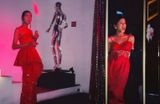


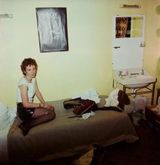








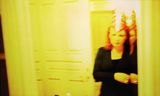

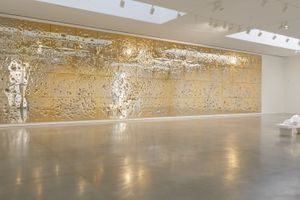
Nan Goldin in Ocula Magazine











Explore and Follow Artists Shaping Contemporary Art
A respected voice in contemporary art discourse.
Focusing on ambitious storytelling and insightful art-world commentary. Ocula Magazine publishes in-depth interviews, critical essays and timely analysis on the artists, exhibitions and ideas driving the global art world.
Learn more about Ocula Magazine
Showcasing the best of the art world.
Ocula partners with galleries from around the world to highlight their artists, artworks and exhibitions. Gallery membership is by application and invitation, with each member vetted by an independent panel.
Learn more about Ocula Membership
Specialises in the sale of major artworks.
Led by a team with deep ties to the world’s leading auction houses, galleries and collectors. Ocula’s advisory team offers bespoke services to high-net-worth clients from around the world who are looking to acquire the best of contemporary and modern art.
Learn more about our team and services