





What Does the UK’s Social Media Ban Mean for the Future of Art and Culture?
The UK government’s ban on under‑16s accessing certain social media platforms will impact their ability to discover the art world—but perhaps it’s time we all started to search for creativity in spaces where algorithms don’t dictate our taste. Save to My OculaOn the day the UK government announced that social media would be banned for under-16s this week, BBC News travelled to Tarleton in Lancashire to canvas teenagers for their thoughts. A schoolgirl named Isabella admitted that she had spent nine hours on her phone that weekend. What would she do with that spare time now, the reporter asked. “Stare at a wall,” Isabella deadpanned. Understandably, the clip went viral. “What a diva,” one popular meme account declared.
By spring 2027, Isabella and her age group will be barred from platforms including Snapchat, TikTok, YouTube, Instagram, Facebook and X. The move follows in the footsteps of Australia’s social media ban, which is less than a year old and has already seen the deactivation or removal of 4.7 million underage accounts. “I am not prepared to compromise,” UK prime minister Keir Starmer said while announcing the ban, “on the safety and happiness of our children.”
There are already plenty of critics of the move: some have gleefully pointed out that children in Australia have been able to circumvent the ban by using VPNs, shifting to less popular apps such as RedNote, or simply drawing on a moustache to get past age-verification scans. Online privacy campaigners warn that allowing tech companies to hoover up even more of our personal data—even if it is in the name of keeping kids safe—is a terrible idea. LGBTQIA+ activists say that social media allows queer and gender non-conforming teenagers to find community even if they live in places where acceptance is unlikely.
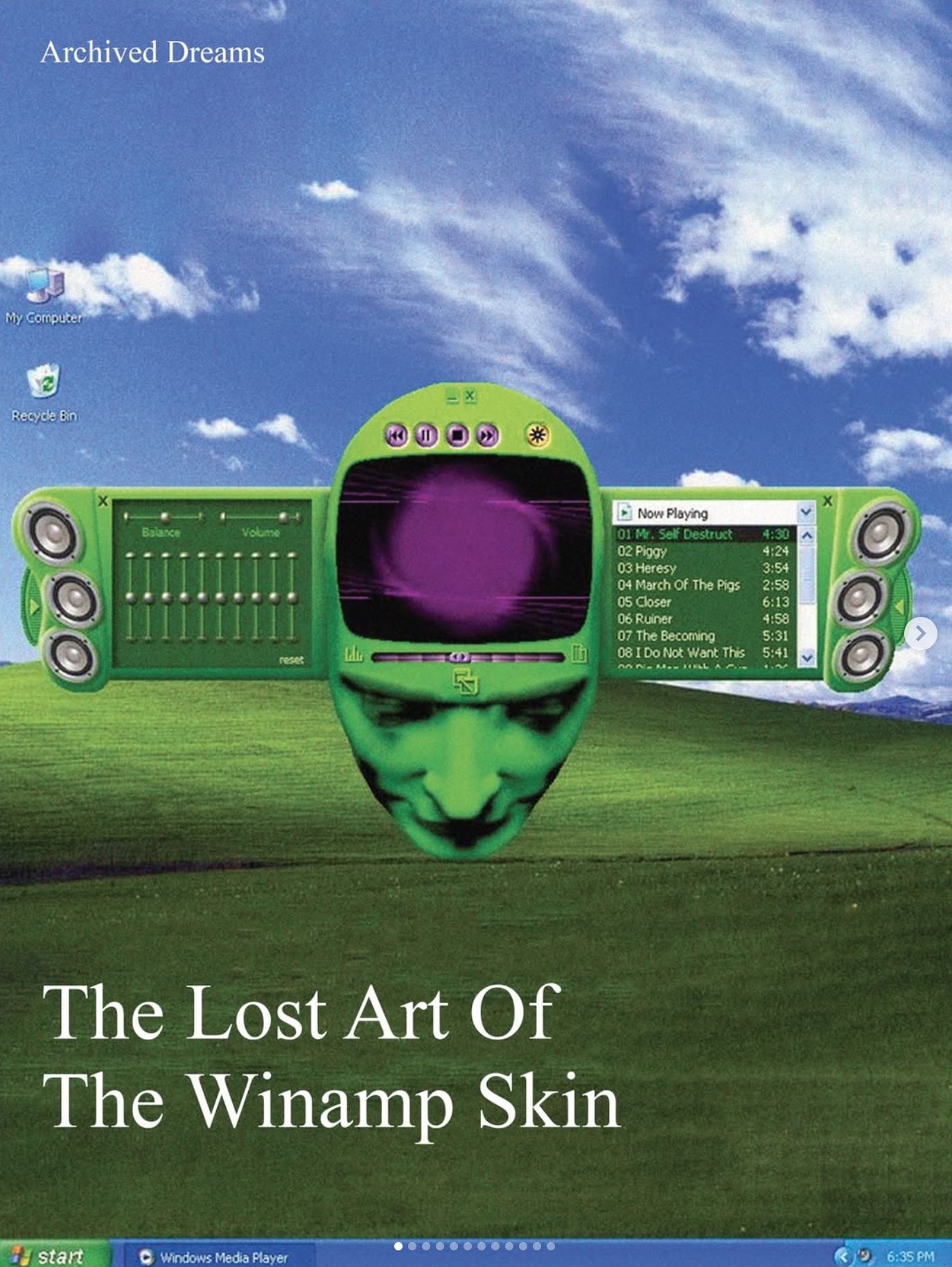
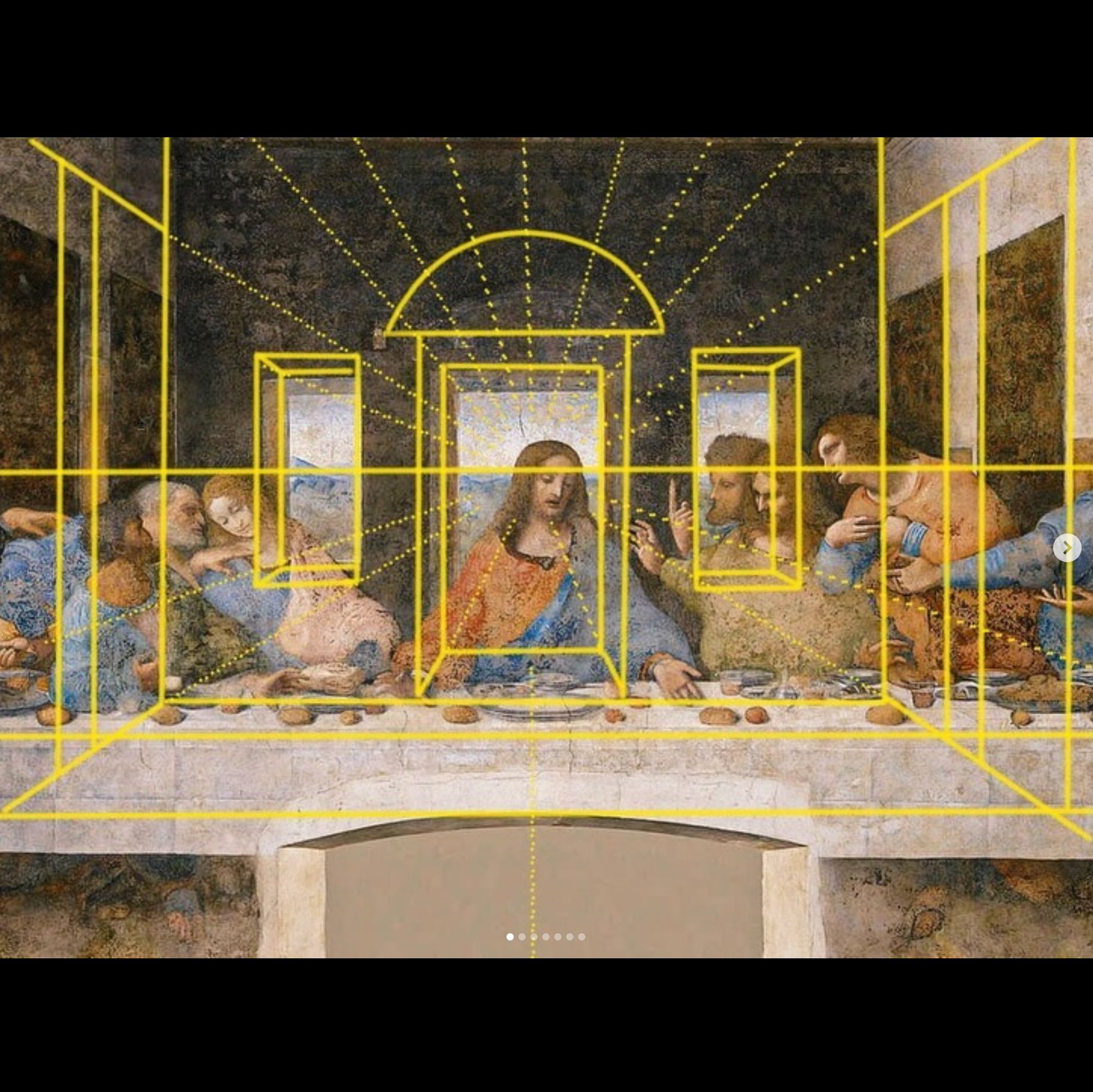
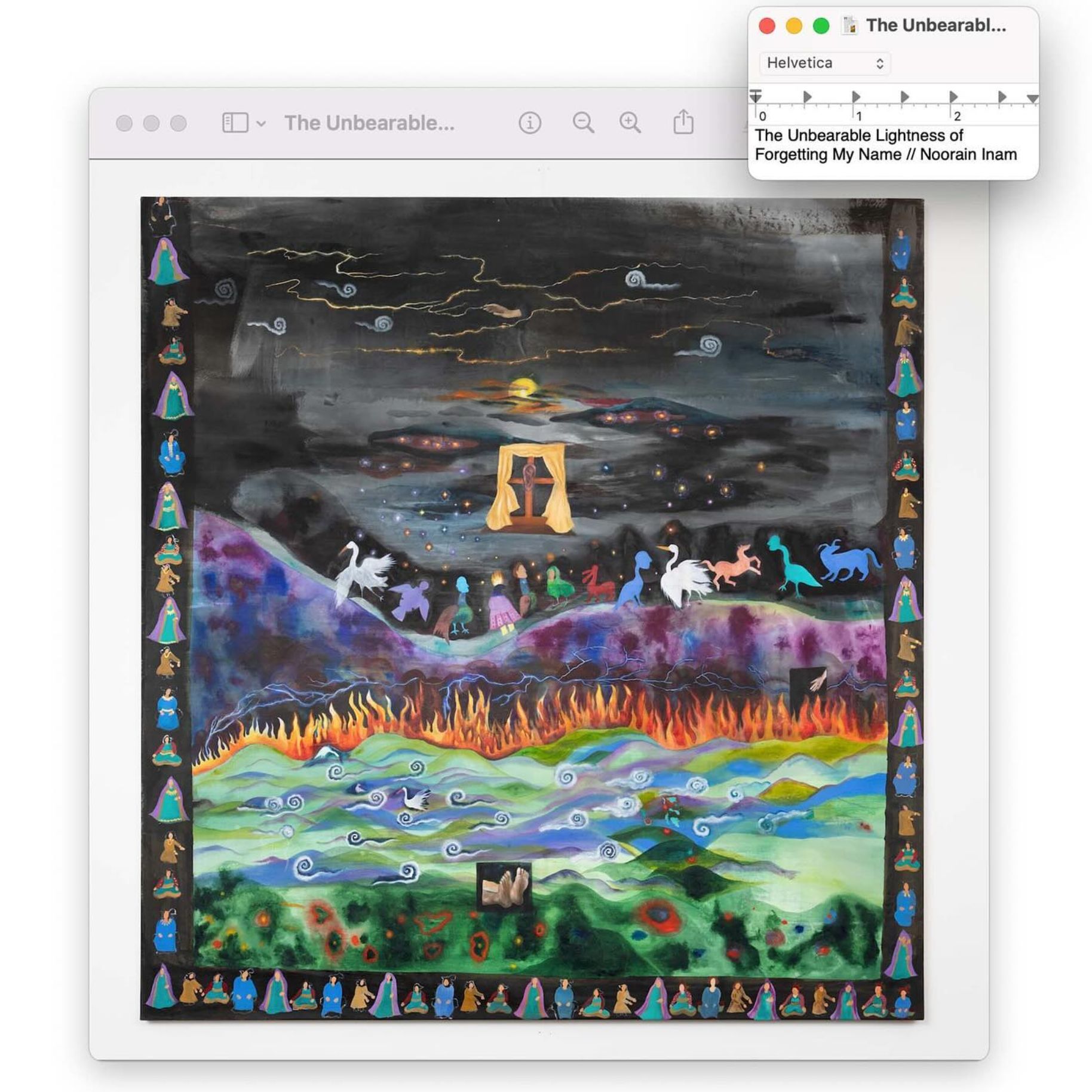
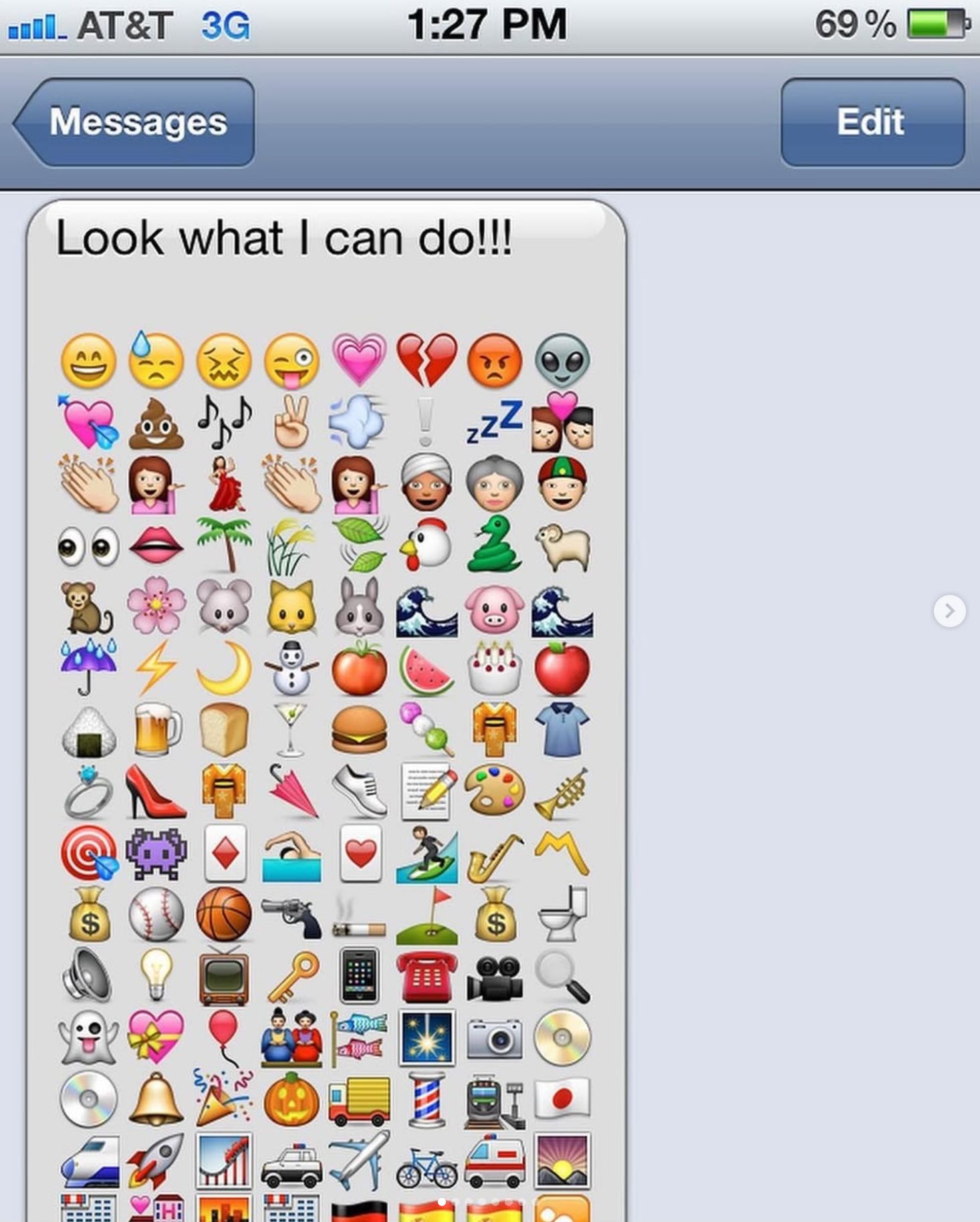
But there’s one area where the ban has received relatively little coverage, and that’s in the field of art and culture. Instagram—and, to a lesser extent, TikTok—has become the art world’s gallery, shopfront, gossip forum and research library all in one. You can be 14 and live miles away from the nearest contemporary art museum, but you can still keep up-to-date with art world discourse on pages like @thewhitepube and scour aesthetic accounts such as @archived.dreams and @welcome.jpeg for inspiration on your artistic journey. In this understanding of the social internet, taking Instagram away from teens is like tearing a young scholar away from their desk at the British Library and, yes, forcing them to stare at a wall.
“Social media is simply not a democratic space where inspiration and expression run free”
Sadly, as appealing as it is to think of a 15-year-old embarking on a career in the art world after seeing Nan Goldin’s photography on some meme account, the internet simply doesn’t work that way any more. Social media is simply not a democratic space where inspiration and expression run free. While there are canny young artists who have used Instagram as a springboard to success, there are others who feel trapped by the expectation to be, in the words of Dazed US editor Laura Pitcher, “a conventionally attractive, front-facing artist” well-suited for the algorithmic gaze. “The cruel reality,” multimedia artist Yoona told Pitcher, “is that maybe improving my physical appearance is just as fundamental to my success as developing my art practice itself.”
And far from being fertile ground for creative expression and connection, platforms such as Instagram and TikTok have instead become increasingly soulless broadcast spaces for brands and influencers who themselves act like brands with strategic precision. Less than half of people in the UK actively post, share or comment on these networks, and in Gen Z that number goes up to three-quarters. The younger you are, the more likely you are to be a passive consumer of social media. The success of content is determined by your reach, which is in turn determined by shadowy algorithms only now beginning to be scrutinised by lawmakers.
In 2026, everything has now merged into an event horizon of slop. On one end, you have cringe AI slop (see Donald Trump’s AI-generated post of himself dressed as Jesus healing a sick man). On the other is what K-Hole cofounder Emily Segal terms “tasteslop”, or the internet’s ability to assemble seemingly random taste signifiers with no understanding of their cultural context, like a picture of a Dieter Rams book arranged just so on top of a Rimowa suitcase.
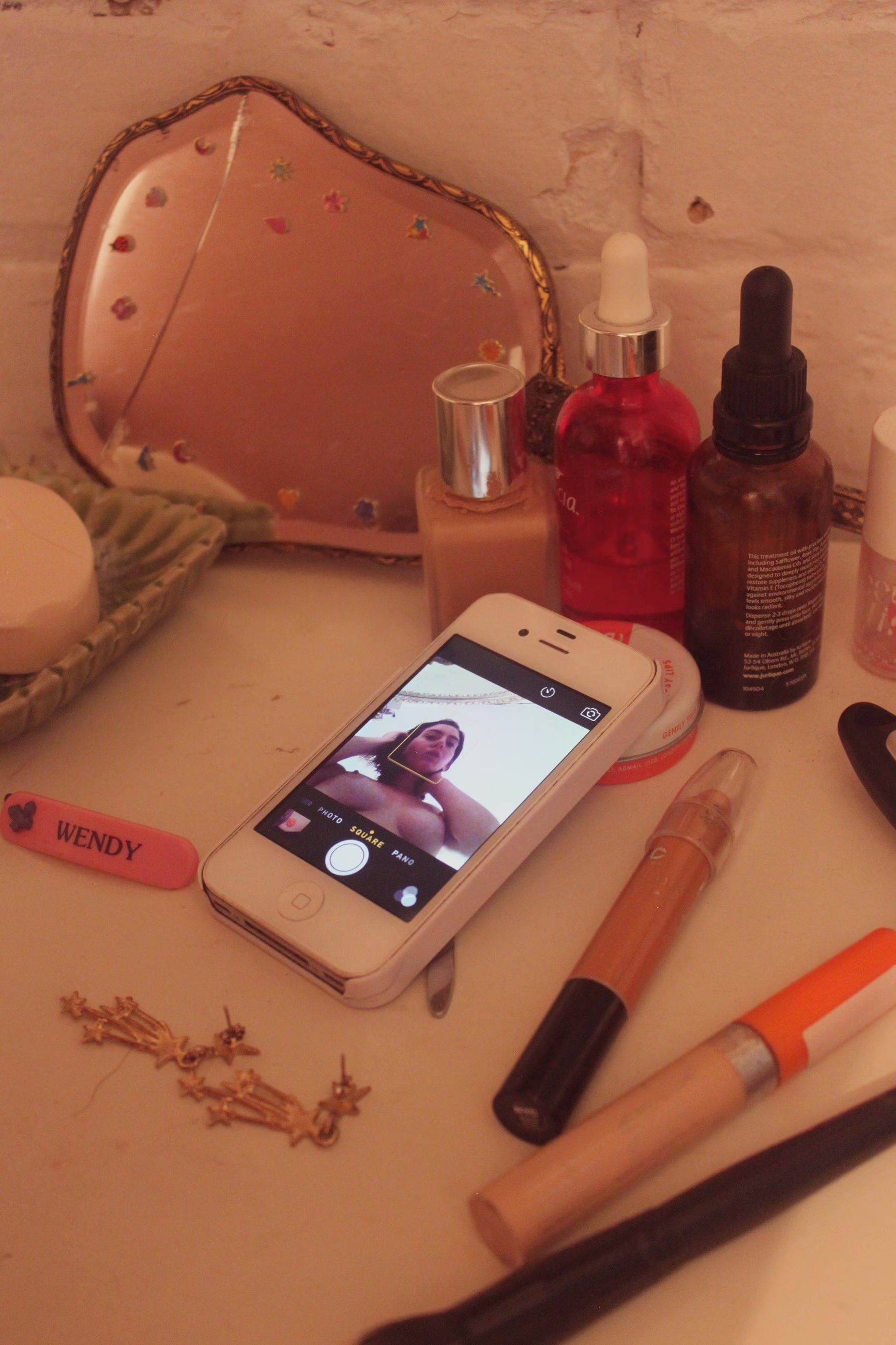
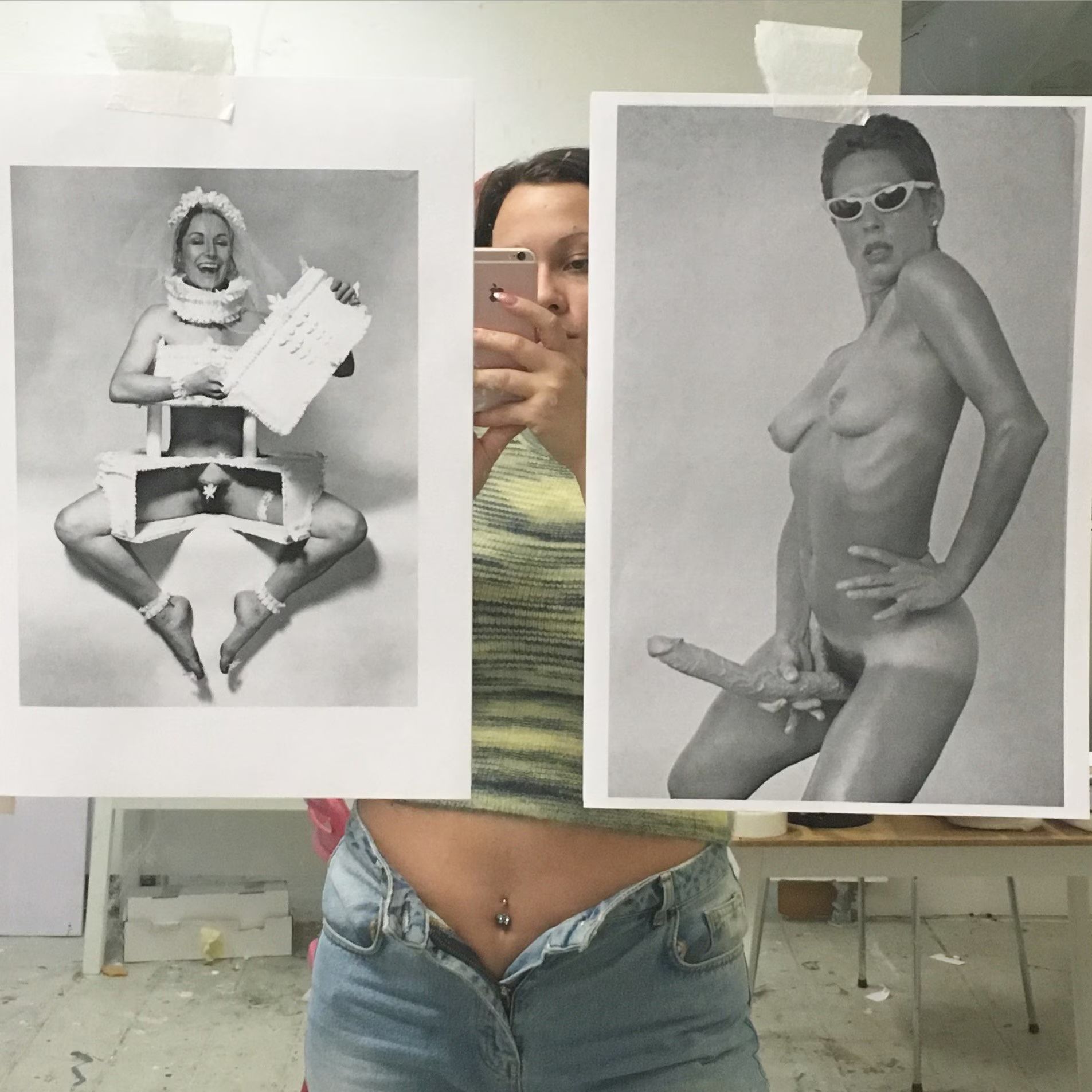
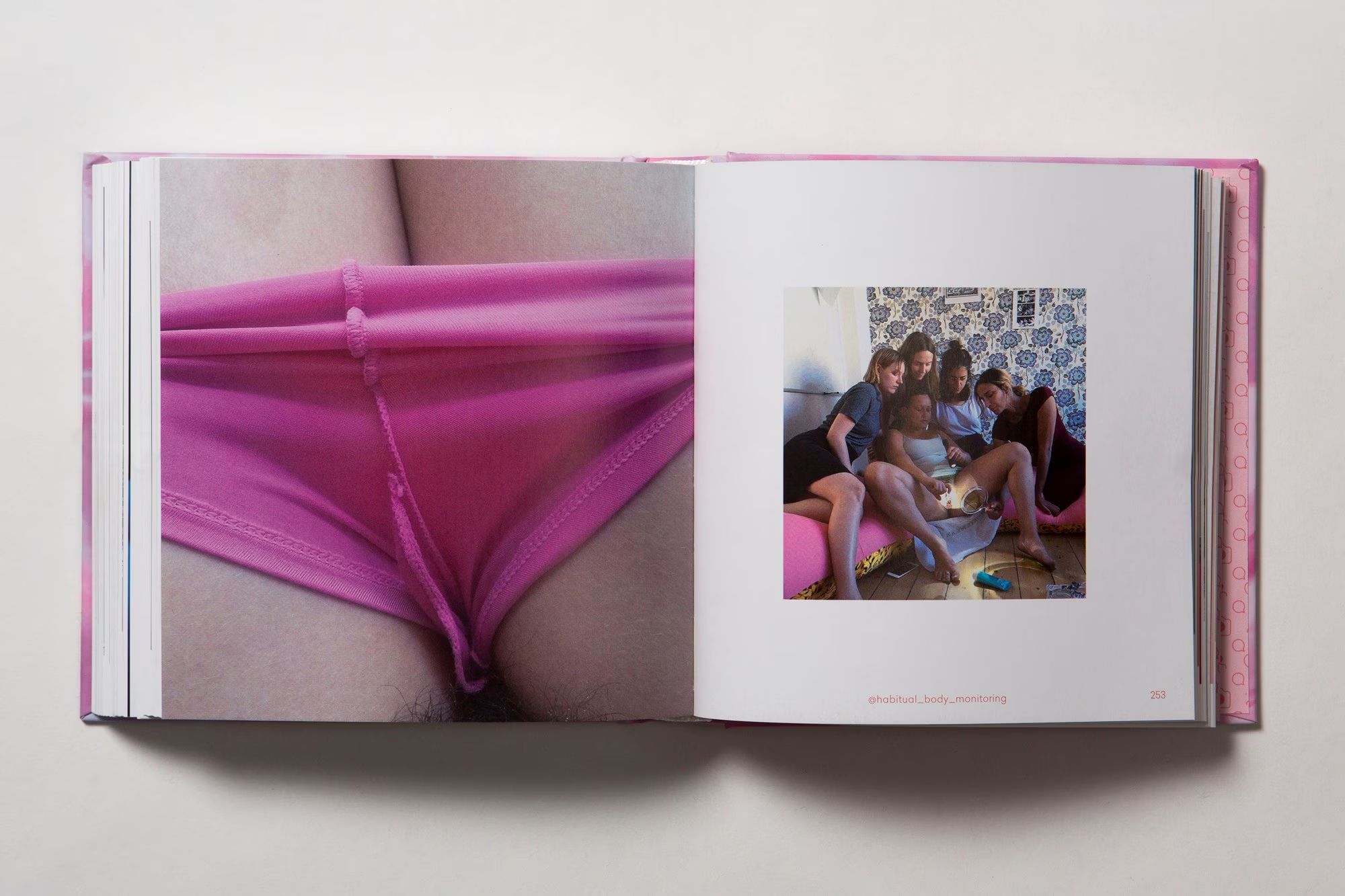
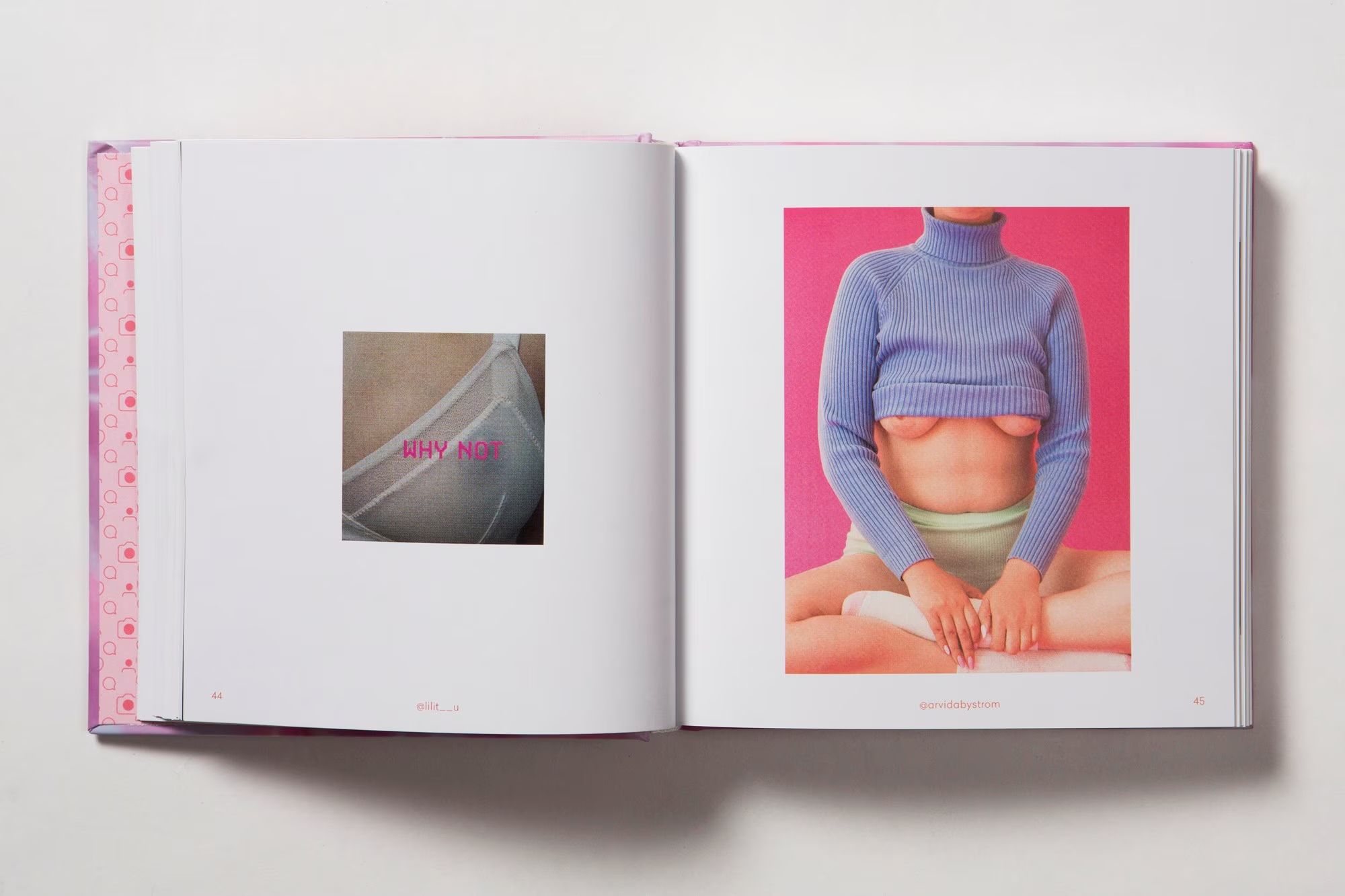
Then there’s the fact that these platforms—particularly Meta-owned Instagram—have become increasingly censorious and sex-averse. But how do the AI tools acting as the censor, looking for content that “goes against community guidelines”, understand the difference between minor nudity in historical artworks and harmful images? Artists whose work incorporates sexual imagery or explicit themes have noted that their accounts and posts seem to have had their reach artificially limited or suppressed. In 2017, artists Molly Soda and Arvida Byström were so frustrated by their shadowbanning—a practice that Instagram denies exists—that they published a book featuring images they believe had been banned by the platform. Paranoid users have now adopted their own form of doublespeak in the belief that this will stop them from being shadowbanned (my new favourite is “pay gorn” to mean “gay porn”).
“In 2026, everything has now merged into an event horizon of slop”
Instagram uses AI to scan images and text for violations of their community standards – and its AI models clearly do not, shall we say, have a degree in art history. Meta has previously taken down works by the late Carolee Schneemann and Gustave Courbet as well as posts from art institutions promoting work of the 20th century photographer Imogen Cunningham and Russian painter Natalia Goncharova.
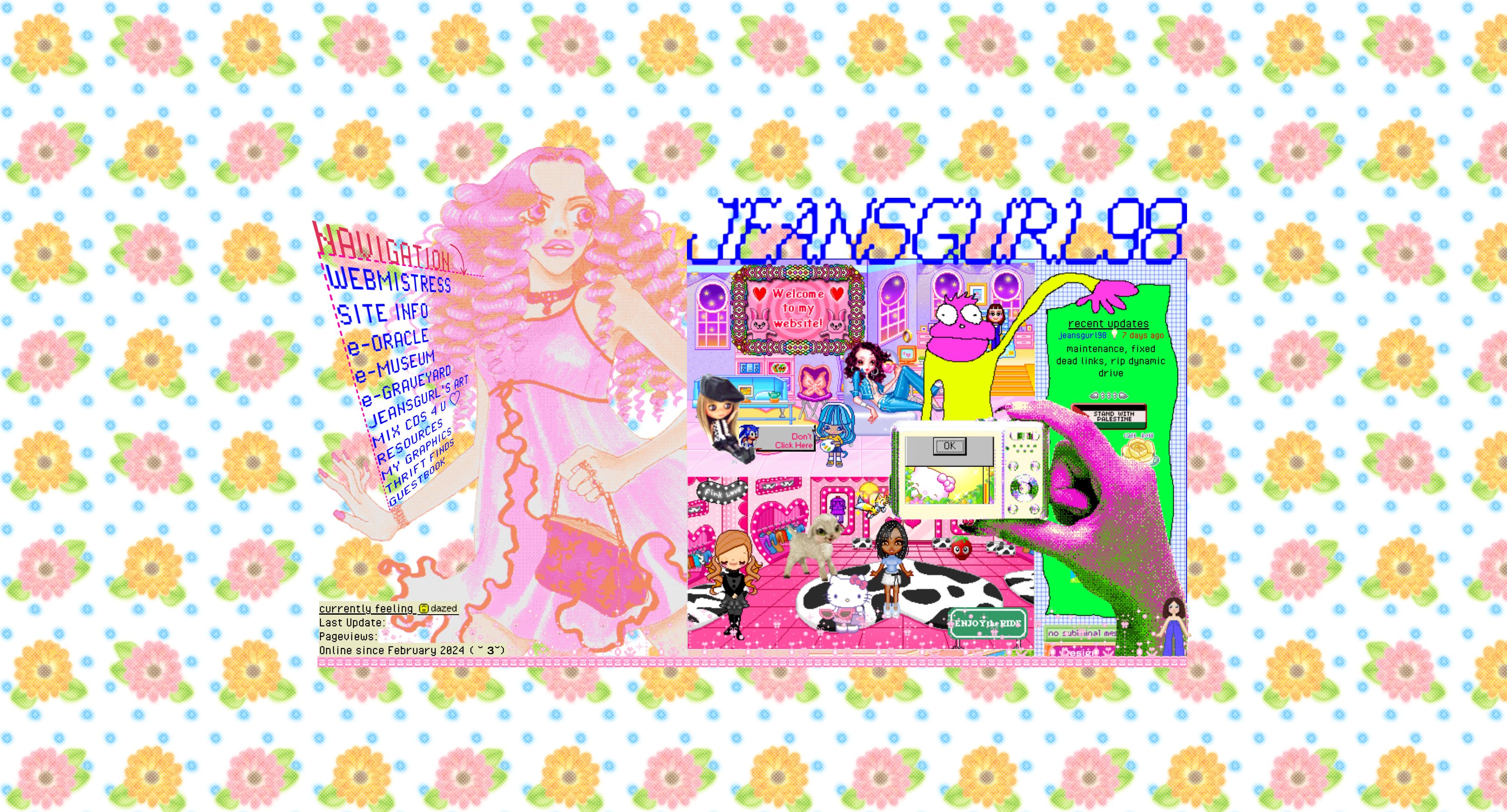
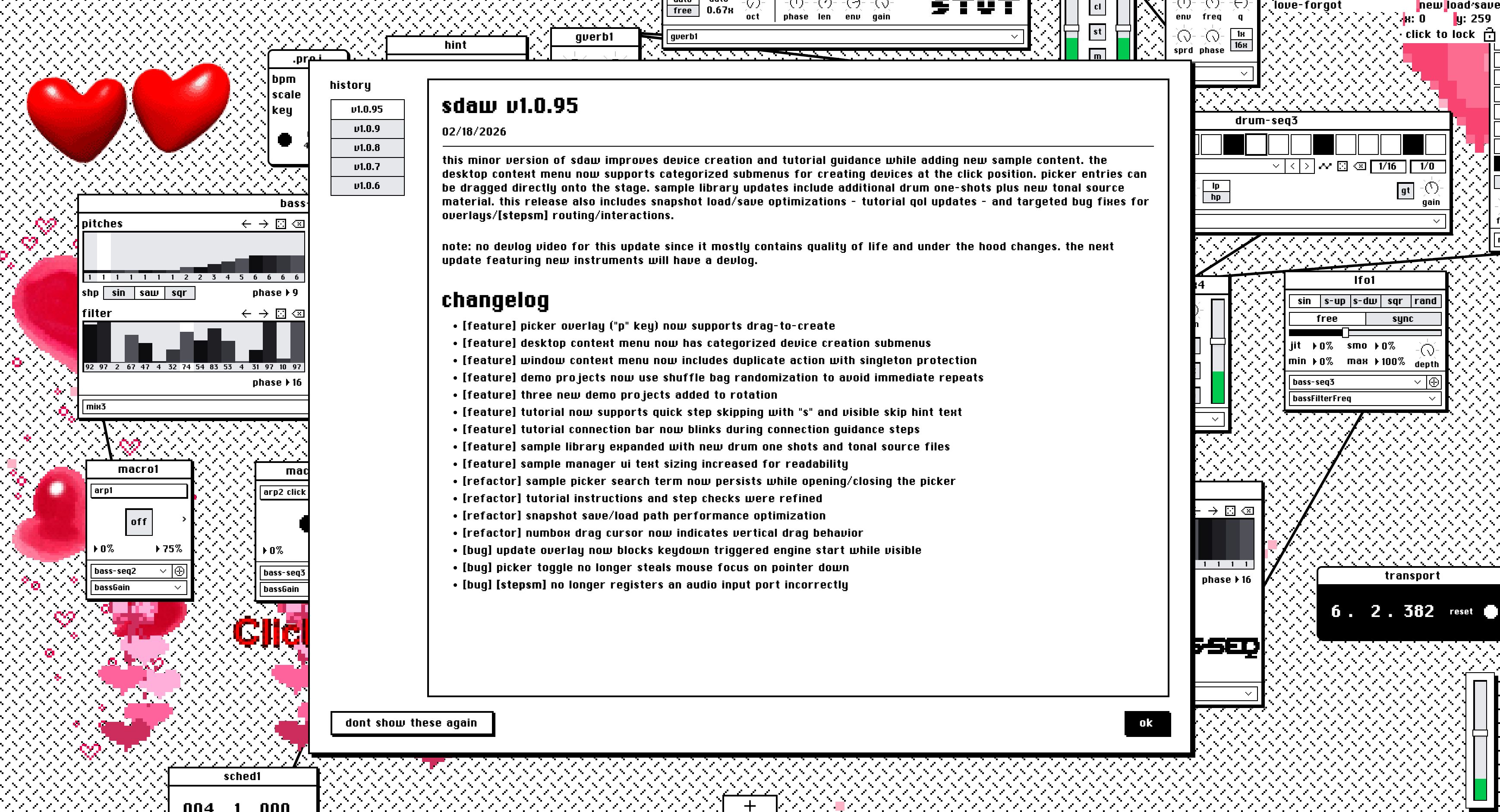
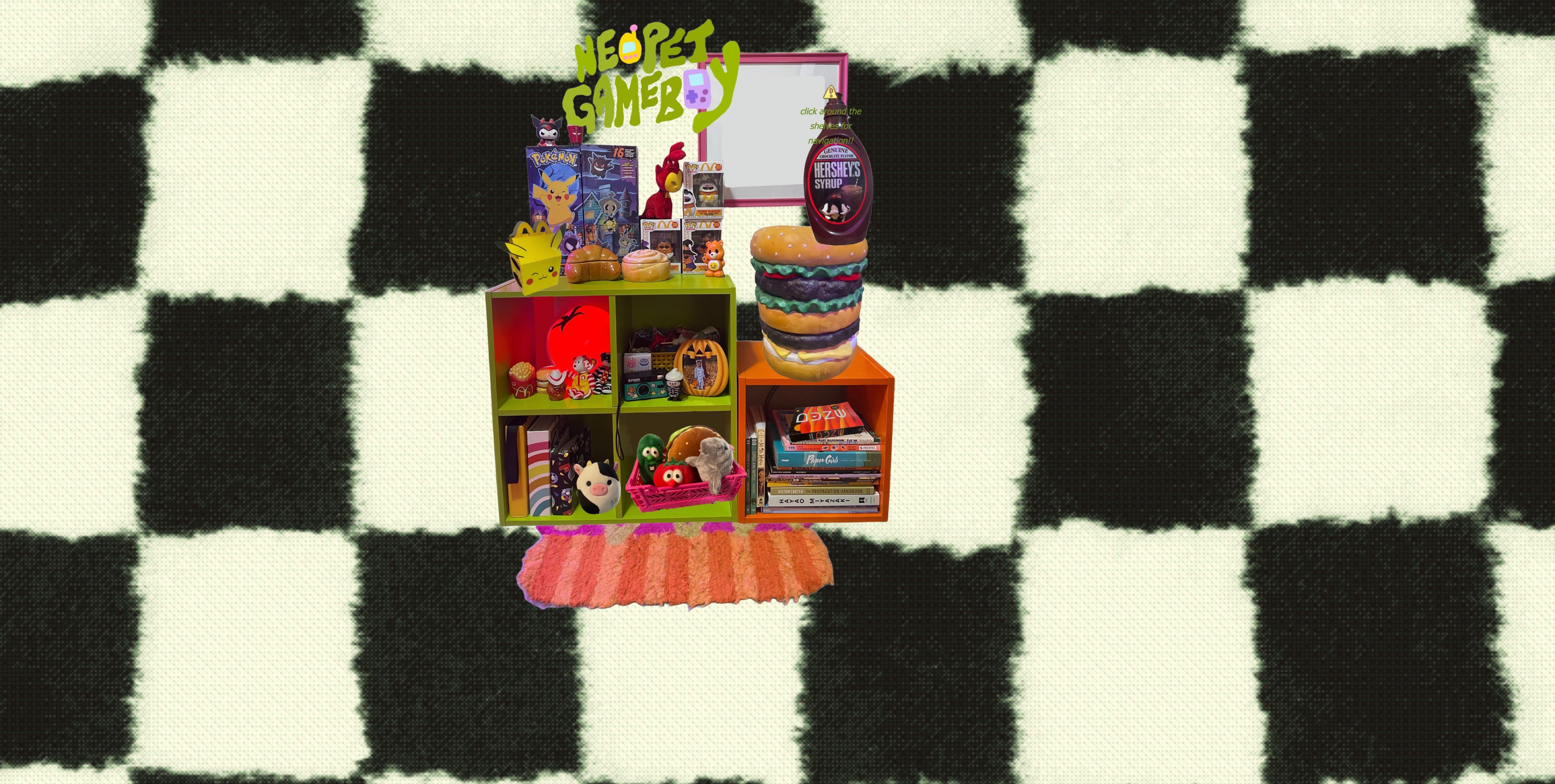
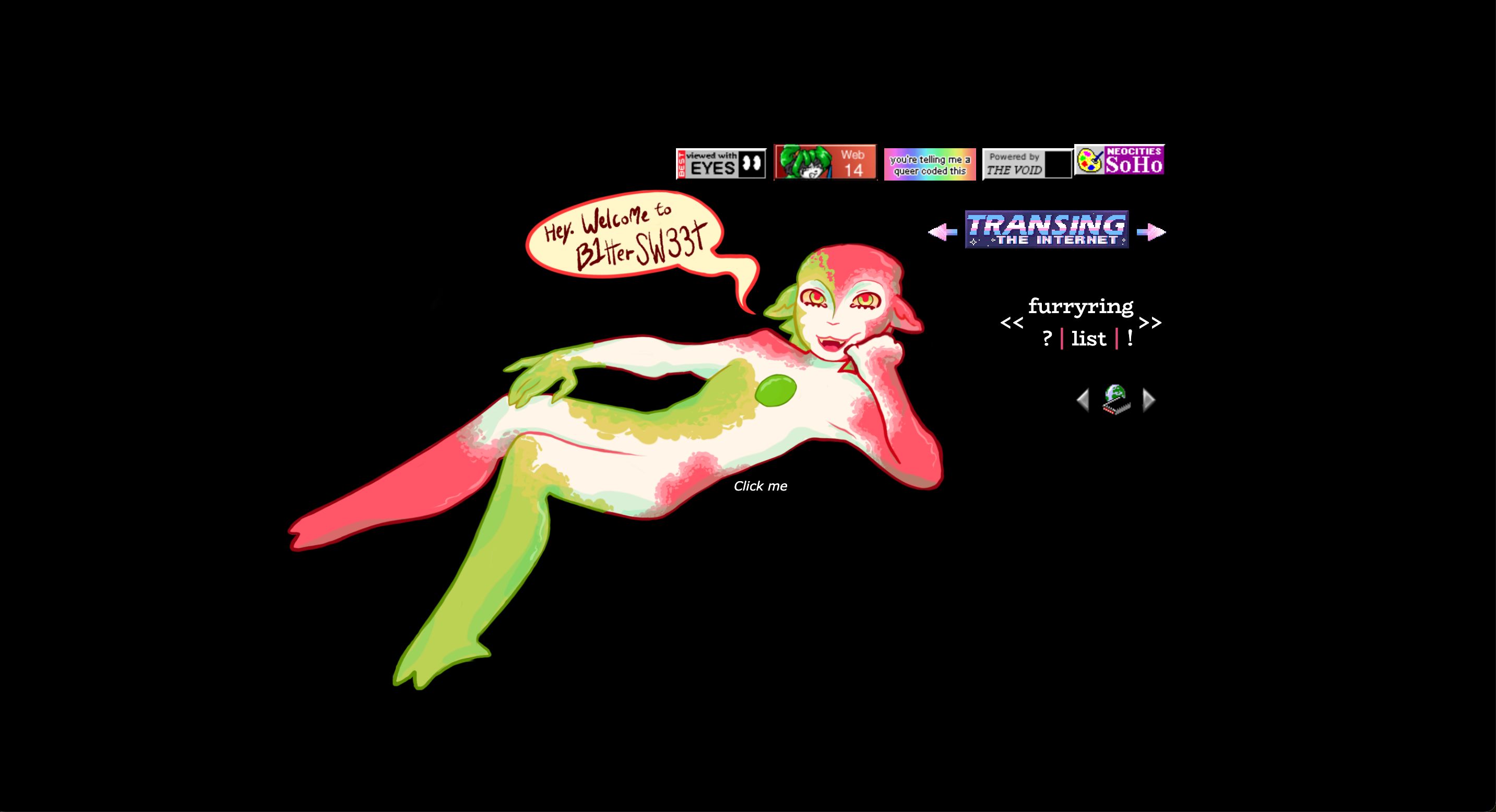
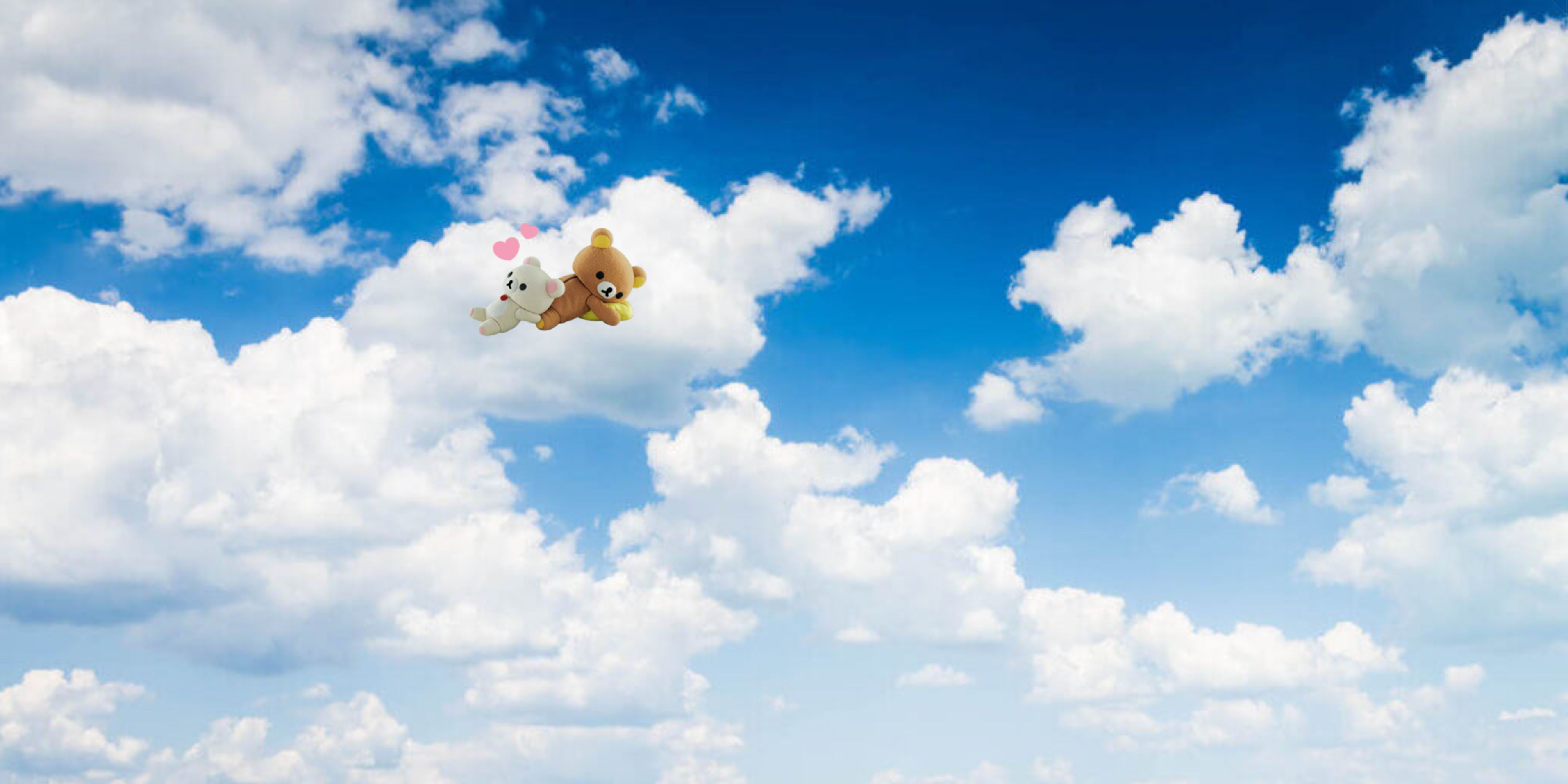
Millennials like myself tend to have a rose-tinted view of the social internet—after all, we still remember the halcyon days of Tumblr and Vine, where all you needed to rise to the top was a pun or a six-second visual gag. Unfortunately, social media no longer operates that way. When the ban comes in next year, it’s more than likely that Isabella and her friends will find a way to work around it. But I’d like to suggest an alternative: the indie web, a loose constellation and growing movement of internet users and website builders who are creating alternative spaces to connect and experiment artistically.
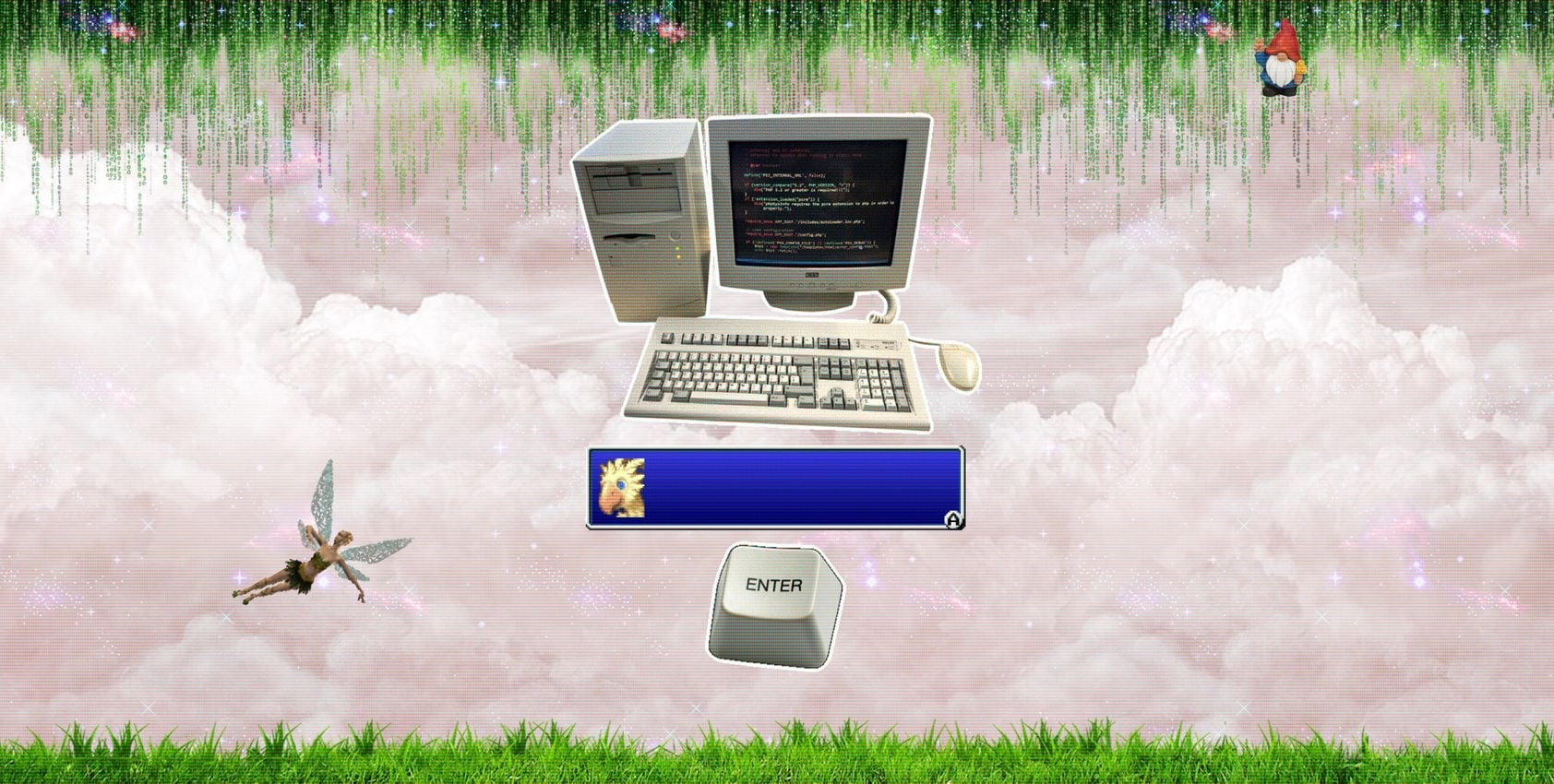
The idea is to escape the walled garden of the corporate web and, with the help of free platforms like Neocities or Pika, build your own version of Instagram, TikTok, YouTube or wherever you and your friends used to hang out. There are no algorithms unless you want them, no shadowbans unless you’re into that, and no metrics for success or likes. One example simply allows you to spend a minute in a park somewhere in the world. To my aged millennial eyes, it all looks a lot like the internet I grew up with: artistic, community-oriented, a little weird and off-putting—but undeniably creative. And, to any 15-year-olds, I can guarantee that it’s at least a little more entertaining than staring at a wall. —[O]
Main image: HHroses’ Neocities homepage (2026).











A respected voice in contemporary art discourse.
Focusing on ambitious storytelling and insightful art-world commentary. Ocula Magazine publishes in-depth interviews, critical essays and timely analysis on the artists, exhibitions and ideas driving the global art world.
Learn more about Ocula Magazine
Showcasing the best of the art world.
Ocula partners with galleries from around the world to highlight their artists, artworks and exhibitions. Gallery membership is by application and invitation, with each member vetted by an independent panel.
Learn more about Ocula Membership
Specialises in the sale of major artworks.
Led by a team with deep ties to the world’s leading auction houses, galleries and collectors. Ocula’s advisory team offers bespoke services to high-net-worth clients from around the world who are looking to acquire the best of contemporary and modern art.
Learn more about our team and services