





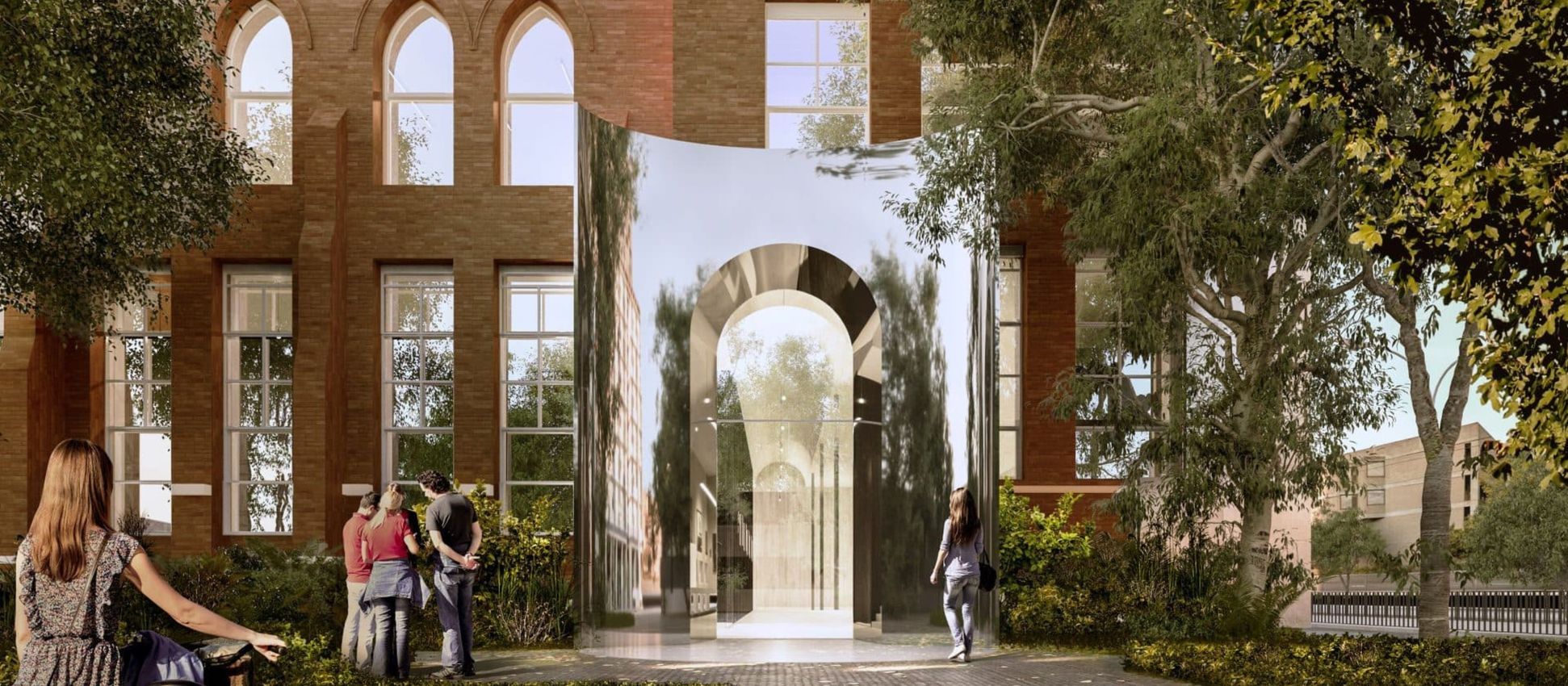
Ian Potter Museum of Art | University of Melbourne
Melbourne Learn more about what's on at Ian Potter Museum of Art | University of Melbourne and the artists shaping its programme.The Ian Potter Museum of Art, often referred to as the Potter, is the University of Melbourne’s principal art museum, located on the Parkville campus at the corner of Swanston Street and Masson Road in inner-city Melbourne, Australia. Established in 1972 and housed since 1998 in an award-winning building designed by architect Nonda Katsalidis, the museum is a key cultural hub for students, staff, and the wider public. As custodian of the University of Melbourne Art Collection—Australia’s largest university art collection—the Potter plays a central role in teaching, research, and public engagement with art and material culture across many periods and regions.
The University of Melbourne Art Collection comprises more than 18,000 works ranging from classical antiquities and archaeological material to European, Asian, and Australian art, including significant holdings of Aboriginal and Torres Strait Islander art. The collection is particularly strong in Australian art from the 19th century to the present, with major examples of painting, sculpture, prints and drawings, photography, and ceramics. Through curated collection displays and temporary exhibitions, the Potter presents historical and contemporary art in dialogue with the University’s disciplinary strengths, positioning art as a tool for critical inquiry across the humanities, sciences, and professional fields. As a learning museum, it emphasises research, experimentation, and collaboration with academics, artists, and communities to generate new perspectives on cultural heritage.
Art and Exhibitions at Ian Potter Museum of Art
The Ian Potter Museum of Art offers a curated program that spans antiquity to contemporary art, with a particular focus on Australian practice in a global context. Exhibitions draw on the breadth of the University of Melbourne Art Collection as well as loans and new commissions, creating opportunities to explore themes such as colonial and postcolonial histories, Indigenous knowledge systems, experimental practice, and the role of art in public life. Collection-based projects often foreground areas of strength such as nineteenth- and twentieth-century Australian painting and sculpture, contemporary Aboriginal and Torres Strait Islander art, and classical and archaeological holdings that support teaching in ancient world studies.
The Potter regularly collaborates with University researchers, students, and external partners to develop exhibitions that intersect with disciplines from history and anthropology to science and design. Public programs, including lectures, symposia, performances, and workshops, extend these conversations beyond the campus and invite diverse communities into the museum. You can follow Ian Potter Museum of Art on Ocula to be regularly updated when exhibitions are announced by the institution.
Recent projects at the Ian Potter Museum of Art have highlighted key strands of the University of Melbourne Art Collection, from overviews of Australian art histories to focused explorations of individual artists and contemporary issues. Upcoming exhibitions include collection-based presentations and thematic shows that continue to examine art and creative cultures through a research-driven, multidisciplinary lens, with titles and artist lists designed to be updated as programs are confirmed.
Visiting Ian Potter Museum of Art
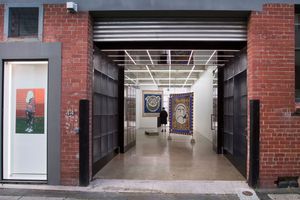
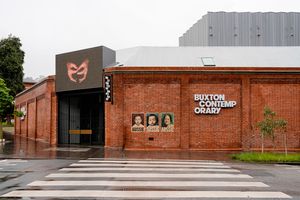
Reopening in February 2026, following a period of installation, the Potter is located on the University of Melbourne’s Parkville campus at the corner of Swanston Street and Masson Road, a short tram ride or walk from Melbourne’s central business district. The museum occupies three levels of gallery space, and visitors can also explore artworks installed around the campus as part of the wider University of Melbourne Art Collection. The Potter functions as an open resource for students, staff, and the public, with free admission supporting broad access to the collection and exhibitions.
Ian Potter Museum of Art | University of Melbourne FAQs
What is Ian Potter Museum of Art known for?
Ian Potter Museum of Art is known as the University of Melbourne’s flagship art museum and as custodian of the University of Melbourne Art Collection, the largest university-based art collection in Australia. It is recognised for its research-led exhibitions that connect art with academic disciplines, and for an architecturally distinctive building by Nonda Katsalidis opened in 1998. The museum’s role as a learning institution, supporting artists, curators, and scholars, has made it a key contributor to Melbourne’s cultural and intellectual life.
What kind of art can I see at Ian Potter Museum of Art?
Ian Potter Museum of Art presents art and material culture from antiquity to the present, including classical and archaeological objects, European and Asian works, and a major focus on Australian art. Visitors encounter paintings, sculptures, prints and drawings, photography, ceramics, and multimedia works, with strong representation of Aboriginal and Torres Strait Islander art and contemporary Australian practice. Exhibitions combine historical collection displays with experimental contemporary projects, often shaped in collaboration with University researchers and artists.
Where is Ian Potter Museum of Art located?
Ian Potter Museum of Art is located on the Parkville campus of the University of Melbourne, at the corner of Swanston Street and Masson Road in Parkville, Victoria. The museum sits just north of Melbourne’s central business district and is easily reached by tram along Swanston Street or by walking from nearby train stations such as Melbourne Central. Its position within a major university campus makes it accessible to both the academic community and the wider public.art-museum.
What are Ian Potter Museum of Art’s opening hours?
Ian Potter Museum of Art is reopening in February 2026, with standard gallery hours published as part of the museum’s ‘Plan your visit’ information online. The museum typically operates on weekdays and selected weekend days, with closures during installation periods, University shutdowns, and some public holidays. Because hours can change in line with campus operations and exhibition schedules, visitors should confirm current opening times on the Potter website before their visit.
How do I buy tickets for Ian Potter Museum of Art?
Ian Potter Museum of Art offers free admission to its exhibitions, so visitors generally do not need to purchase tickets for regular gallery entry. Some special events, talks, or workshops may require advance registration or a separate fee, which is managed through the University’s booking platforms. Details of any ticketed programs, including how to book, are provided on the Potter website alongside exhibition information.
Does Ian Potter Museum of Art offer tours, audio guides, or public programmes?
Ian Potter Museum of Art provides a range of public and education programs, including curator and artist talks, panel discussions, symposia, workshops, and guided visits developed in collaboration with University teaching programs. These activities are designed to support learning through art, linking exhibitions to current research and classroom teaching across disciplines. Information about upcoming programs, group visits, and any self-guided resources is available on the museum’s website, where visitors can also find booking details.






























A respected voice in contemporary art discourse.
Focusing on ambitious storytelling and insightful art-world commentary. Ocula Magazine publishes in-depth interviews, critical essays and timely analysis on the artists, exhibitions and ideas driving the global art world.
Learn more about Ocula Magazine
Showcasing the best of the art world.
Ocula partners with galleries from around the world to highlight their artists, artworks and exhibitions. Gallery membership is by application and invitation, with each member vetted by an independent panel.
Learn more about Ocula Membership
Specialises in the sale of major artworks.
Led by a team with deep ties to the world’s leading auction houses, galleries and collectors. Ocula’s advisory team offers bespoke services to high-net-worth clients from around the world who are looking to acquire the best of contemporary and modern art.
Learn more about our team and services