





J. Paul Getty Museum
Los Angeles Learn more about what's on at J. Paul Getty Museum and the artists shaping its programme.Art, architecture, and landscape in dialogue across Los Angeles at the J. Paul Getty Museum.
Overview
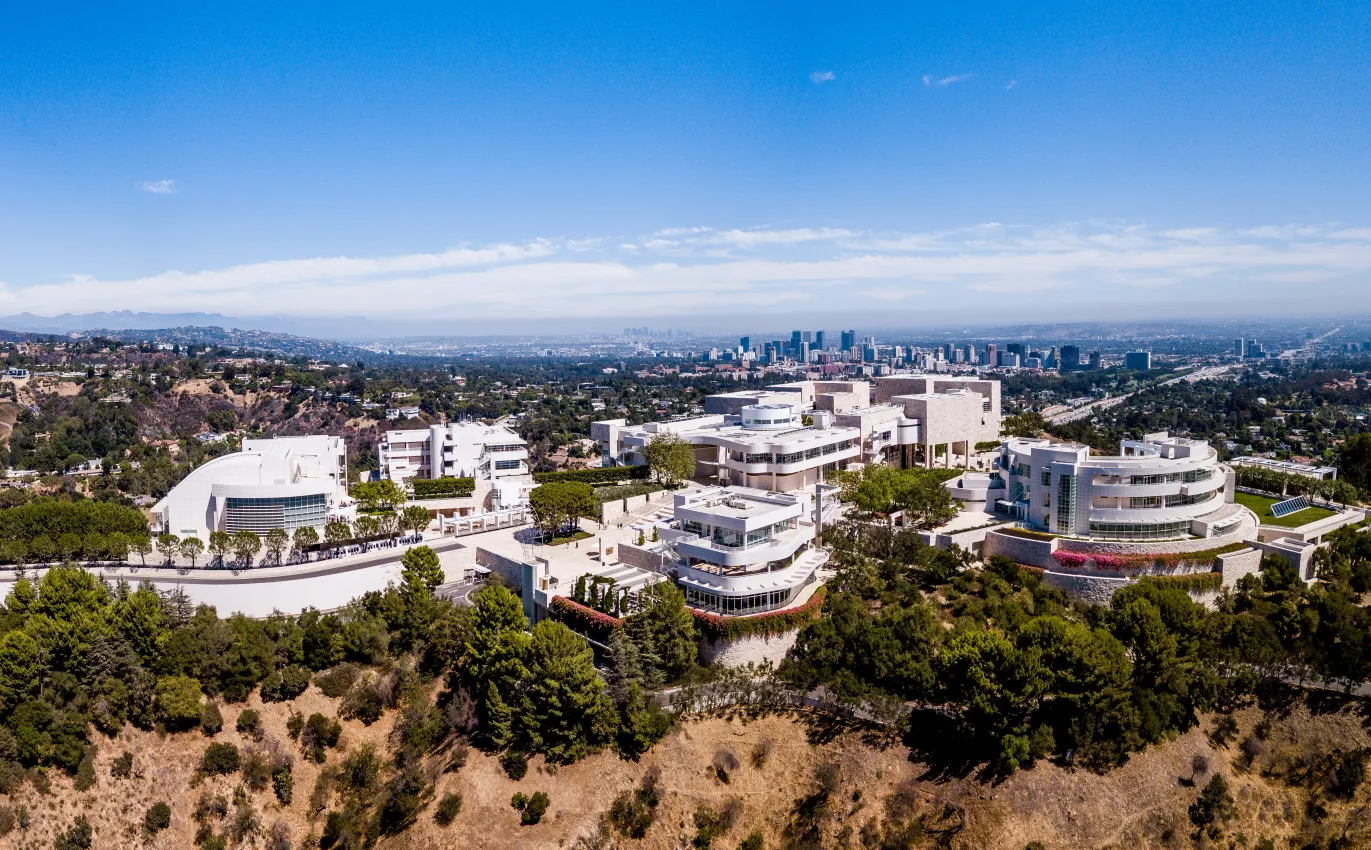
The J. Paul Getty Museum in Los Angeles, United States, is an encyclopedic art museum spanning two landmark sites: the hilltop Getty Center in Brentwood and the Getty Villa overlooking the Pacific in Pacific Palisades. Together they form one of California’s best-known cultural destinations, combining galleries, landscaped gardens, and sweeping city and ocean views.
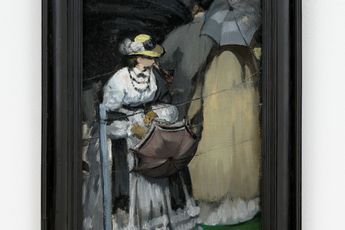
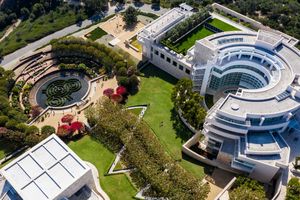
At the Getty Center, visitors encounter European art from the Middle Ages to around 1900—including paintings, sculpture, decorative arts, drawings, and illuminated manuscripts—alongside 19th- to 21st-century photography from Europe, Asia, and the Americas. These collections are set within Richard Meier’s terraced complex and Central Garden, with dramatic views over Los Angeles. The Getty Villa, modelled on an ancient Roman country house, is dedicated to the arts and cultures of ancient Greece, Rome, and Etruria, with around 44,000 antiquities in its holdings and over 1,300 objects on display in gallery spaces opening onto colonnades, fountains, and Mediterranean planting.
Art and Exhibitions
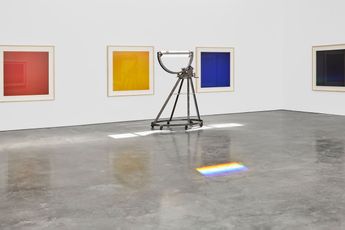
The J. Paul Getty Museum frequently stages contemporary art and photography exhibitions that place current practices in dialogue with its historic collections, architecture, and Los Angeles setting. Recent and upcoming shows at the Getty Center have highlighted artists working with experimental media, from holography and light-based installations in Sculpting with Light: Contemporary Artists and Holography to large-scale photographic surveys that probe identity, migration, Black art practice, and queer histories.
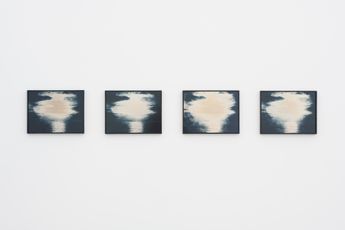
Nineteenth-Century Photography Now, for example, invited contemporary artists to respond directly to early photography, using new image-making strategies to rethink inherited narratives of landscape, labour, and representation. By placing historical photographs alongside new work, the exhibition underscored how 19th-century technologies continue to shape the way artists engage with place, memory, and the politics of visibility today.
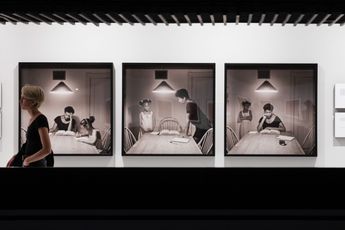
More recently, Photography and the Black Arts Movement, 1955–1985, which opened at the Getty in early 2026, traces how African American and Afro-Atlantic diaspora artists used photography as a tool for social change from the late 1950s to the mid-1980s. Organised by the National Gallery of Art, Washington, the exhibition presents around 150 photographs spanning studio portraiture, street photography, fashion imagery, graphic design, and community-based image making, highlighting artists such as Carrie Mae Weems, Gordon Parks, Ming Smith, and Emory Douglas. Across these programmes, the museum uses its galleries as a testing ground where new work can reframe canonical art-historical material for 21st-century audiences.
Visiting Information
Admission to both the Getty Center and Getty Villa is always free, but timed-entry reservations are required and must be booked in advance online. The Getty Center in Brentwood is typically open Tuesday to Sunday, with extended evening hours on Saturdays, and is closed on Mondays. The Getty Villa in Pacific Palisades generally opens from morning to late afternoon and is closed on Tuesdays, with seasonal adjustments and holiday closures. Visitors will find restaurants, cafés, gardens, and outdoor terraces across both locations, making the museum a full-day experience within the broader Los Angeles art museum scene.
J. Paul Getty Museum FAQs
What is the J. Paul Getty Museum known for?
The J. Paul Getty Museum is known for its dual Los Angeles campuses, the Getty Center and Getty Villa, which together hold significant collections of European art, international photography, and Mediterranean antiquities. Its combination of architecture, gardens, and free admission has made it one of the most visited art museums in the United States.
What kind of art can I see at the Getty Center?
At the Getty Center, visitors see European paintings, sculpture, decorative arts, illuminated manuscripts, and drawings from the Middle Ages to around 1900, alongside extensive holdings of photography from the 1830s to the present. These are displayed in a modern architectural complex with rotating exhibitions and city views.
What is on view at the Getty Villa?
The Getty Villa is dedicated to art from ancient Greece, Rome, and Etruria, with galleries of sculpture, pottery, coins, jewellery, and other archaeological objects. Installed in a museum designed after a Roman villa, the collection is complemented by gardens, fountains, and programming that explores ancient cultures and their reception.
Do I need tickets for the J. Paul Getty Museum, and are there tours?
Admission to both Getty locations is free, but all visitors must reserve a timed-entry ticket in advance through Getty’s website. On-site, guests can join free tours and public programmes, including talks and family-friendly activities, making the museum a flexible option in any Los Angeles art museum itinerary.



























A respected voice in contemporary art discourse.
Focusing on ambitious storytelling and insightful art-world commentary. Ocula Magazine publishes in-depth interviews, critical essays and timely analysis on the artists, exhibitions and ideas driving the global art world.
Learn more about Ocula Magazine
Showcasing the best of the art world.
Ocula partners with galleries from around the world to highlight their artists, artworks and exhibitions. Gallery membership is by application and invitation, with each member vetted by an independent panel.
Learn more about Ocula Membership
Specialises in the sale of major artworks.
Led by a team with deep ties to the world’s leading auction houses, galleries and collectors. Ocula’s advisory team offers bespoke services to high-net-worth clients from around the world who are looking to acquire the best of contemporary and modern art.
Learn more about our team and services