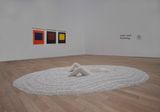
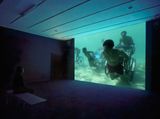
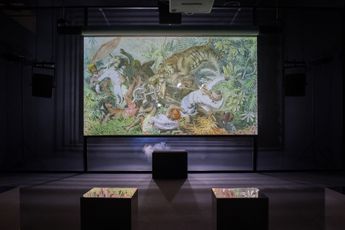
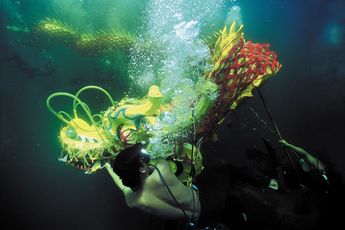
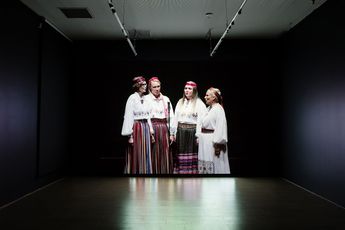
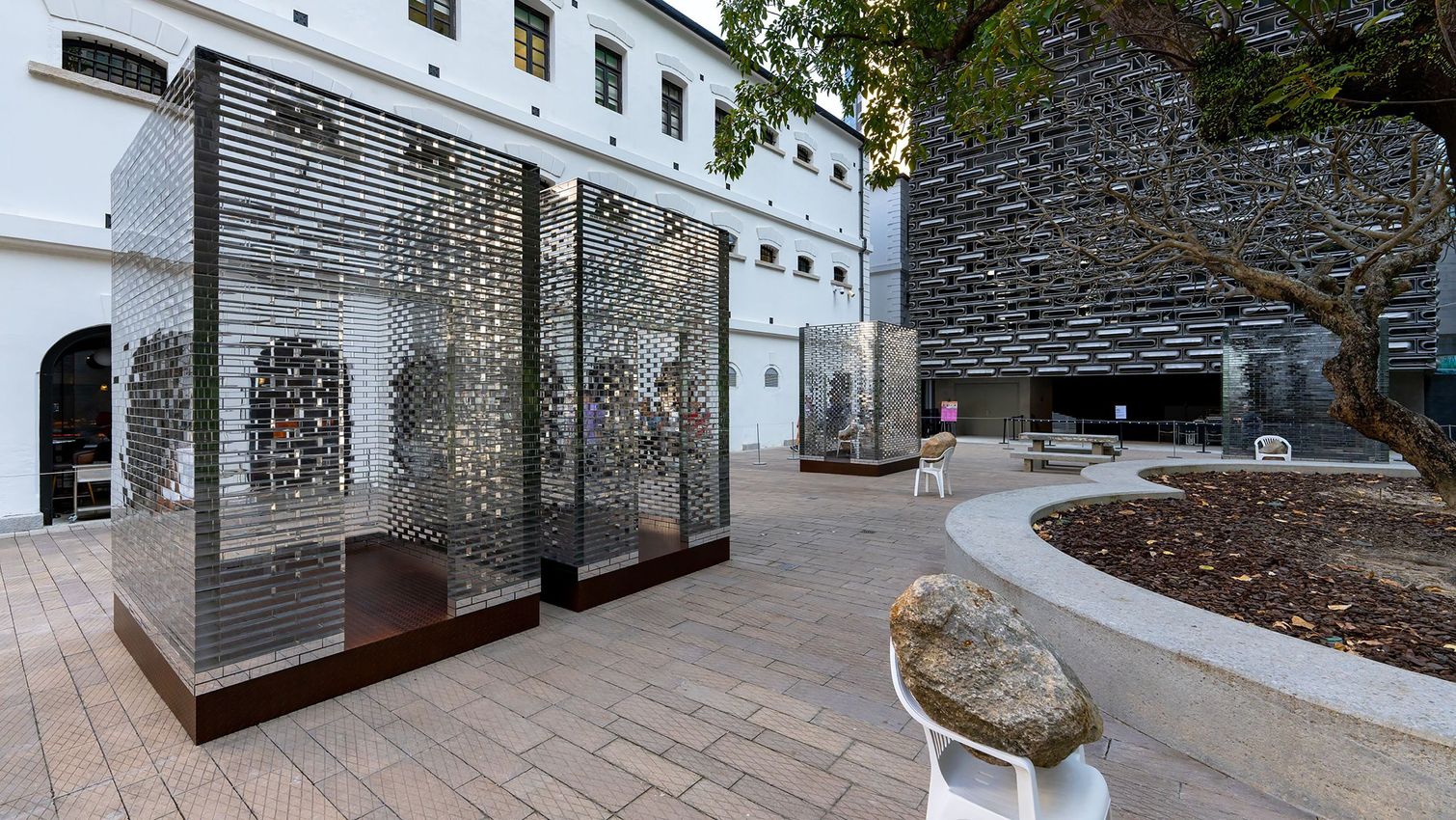
Two figures are seen performing a simple task together on a small island, while not comprehending a word uttered by the other. The setting for this artwork by Tsubasa Kato, from which the exhibition draws its title, is the Tsushima islands that lie halfway between the Korean peninsula and the Japanese archipelago. The success of the artist and his Korean collaborator in this act of cooperation appears to have been achieved, if not by virtue of their good humour and patience with each other, then by an understanding that exceeds the plane of language.
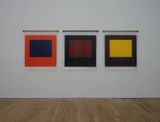
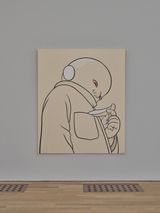
The exhibition They Do Not Understand Each Other brings into dialogue commissions and artworks from the collections of the National Museum of Art, Osaka (NMAO) and the Singapore Art Museum (SAM), which consider the negotiations and expectations of culture. After all, if the premise of culture is representation, then the promise of cultural exchange—as one might reasonably suppose—is understanding.
Through these artworks, a range of connections—and thus the possibilities of understanding—are manifest, in various forms as well as intensities. They speak to boundaries, borders, gaps, spaces, surfaces, interfaces, and divisions that exist because of—for lack of a better word—an unevenness in encounters between individuals, peoples, and things. Such unevenness is inevitable, and from this unevenness, curiosity in the unfamiliar and the new springs forth, as well as the impulse to discover. In fact, one might even say that cultural experience is couched upon this encounter and the disclosure that follows.
Here, the artists appear as mediators and actants, in “doing” things for their artists as much as for the rest of us, in acting to intercede, to reconcile, and to act as go-between. In forming continuities between us, they make us part of each other—delivering upon a promise of understanding in a continuous entwining of material, being, space, and time.
Tai Kwun Contemporary is the non-profit contemporary art hub within Tai Kwun, the heritage and arts precinct in Central, Hong Kong. Located in the city’s central business district, it anchors the site’s visual arts programme within a wider cultural destination that also includes heritage displays, performance venues, and public spaces across the former Central Police Station compound.

A respected voice in contemporary art discourse.
Focusing on ambitious storytelling and insightful art-world commentary. Ocula Magazine publishes in-depth interviews, critical essays and timely analysis on the artists, exhibitions and ideas driving the global art world.
Learn more about Ocula Magazine
Showcasing the best of the art world.
Ocula partners with galleries from around the world to highlight their artists, artworks and exhibitions. Gallery membership is by application and invitation, with each member vetted by an independent panel.
Learn more about Ocula Membership

Specialises in the sale of major artworks.
Led by a team with deep ties to the world’s leading auction houses, galleries and collectors. Ocula’s advisory team offers bespoke services to high-net-worth clients from around the world who are looking to acquire the best of contemporary and modern art.
Learn more about our team and services