





The Kyoto Art Fair Rooted in Synergy
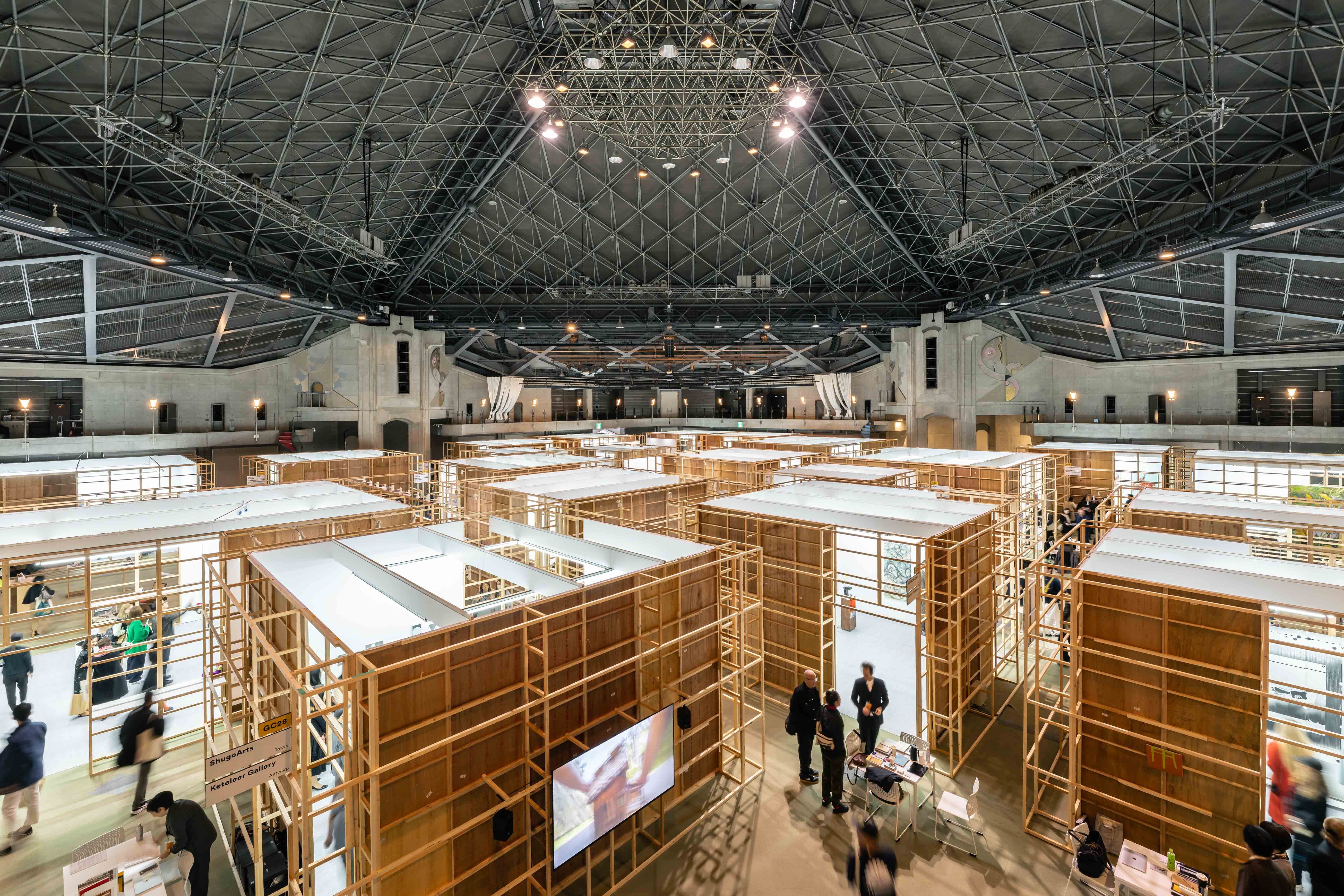
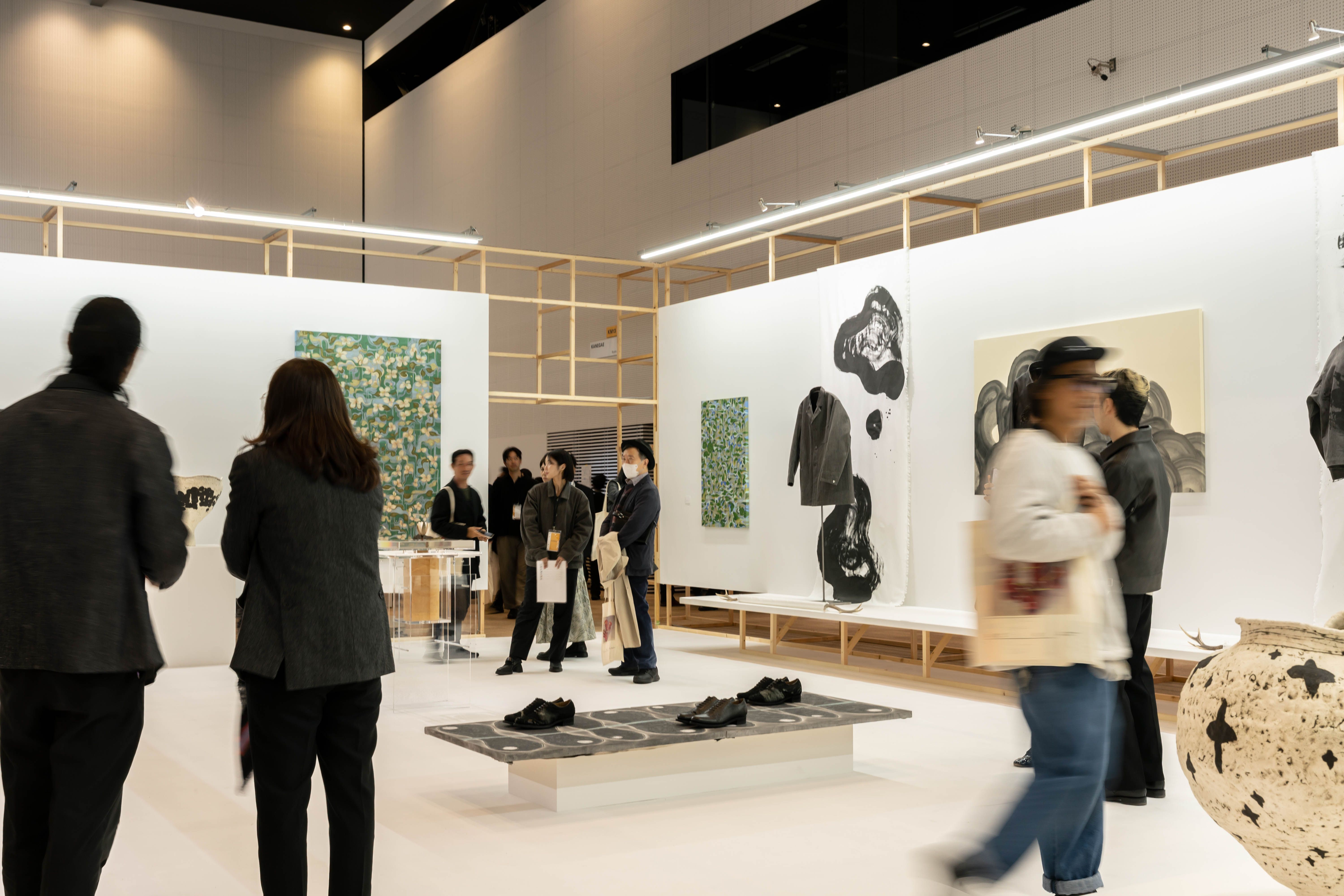
Art Collaboration Kyoto is more than just a name; the event thrives because of partnership and co‑operation, including local galleries sharing booths with international players. Save to My Ocula‘Friendship’ is a word that crops up often at this year’s Art Collaboration Kyoto (ACK). It is not a word one would immediately associate with an art fair, but camaraderie is part of ACK’s DNA. The main fair, which opened on Thursday to press and collectors, presents a total of 41 booths, 28 of which are shared between a Japanese ‘host’ gallery and an international peer.
Vienna’s Galerie Martin Janda is one such exhibitor, invited by Japanese gallery Taka Ishii to buddy up on one of the larger booths available this weekend at Kyoto International Conference Center (ICC). ‘It makes total sense,’ says gallery founder Martin Janda. ‘At the moment it’s complicated to get galleries into a new or not-so-established fair. Everyone says “there are too many fairs”, but ACK is a totally different format, a different approach. It’s very friendship-based.’
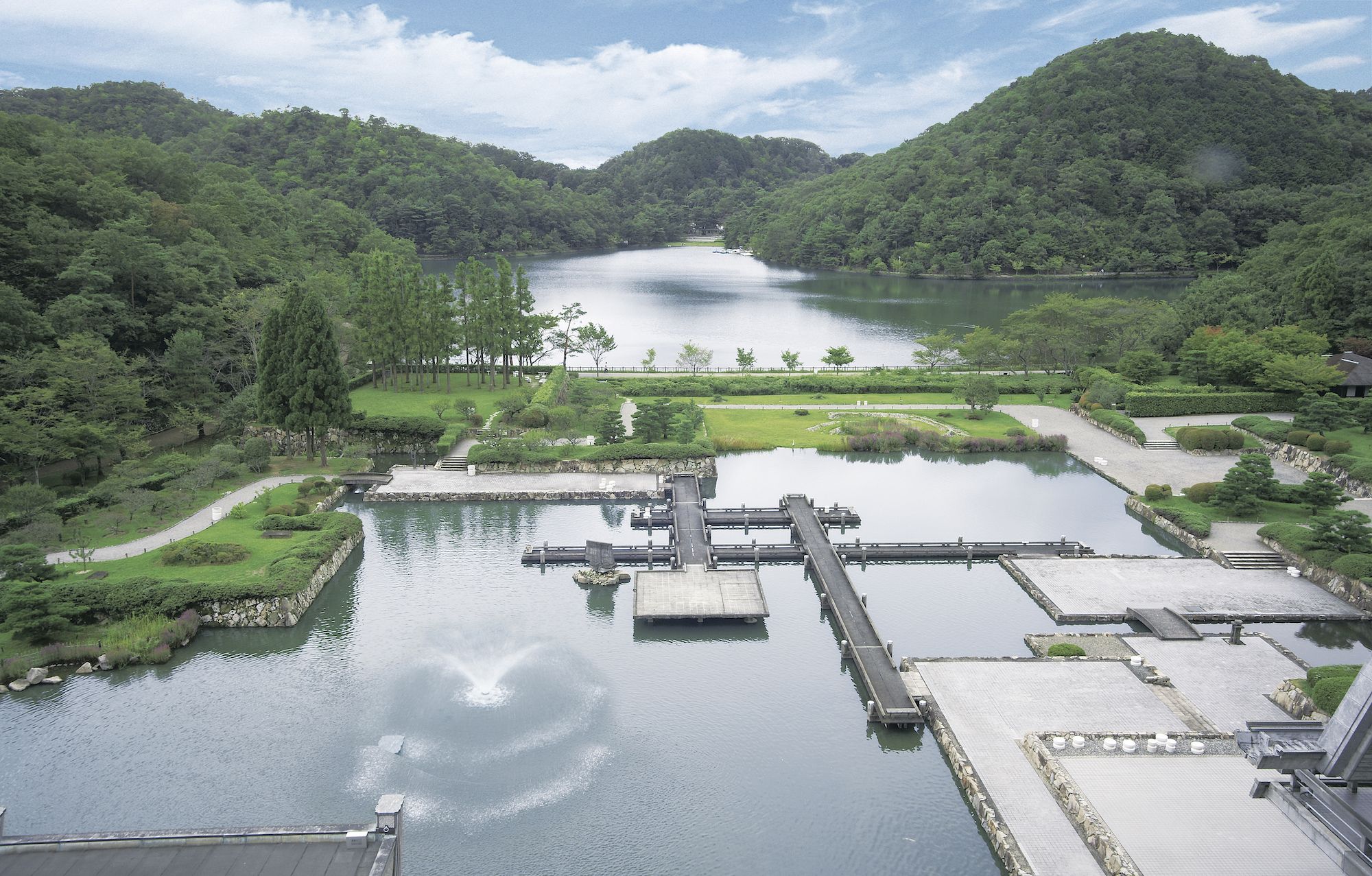
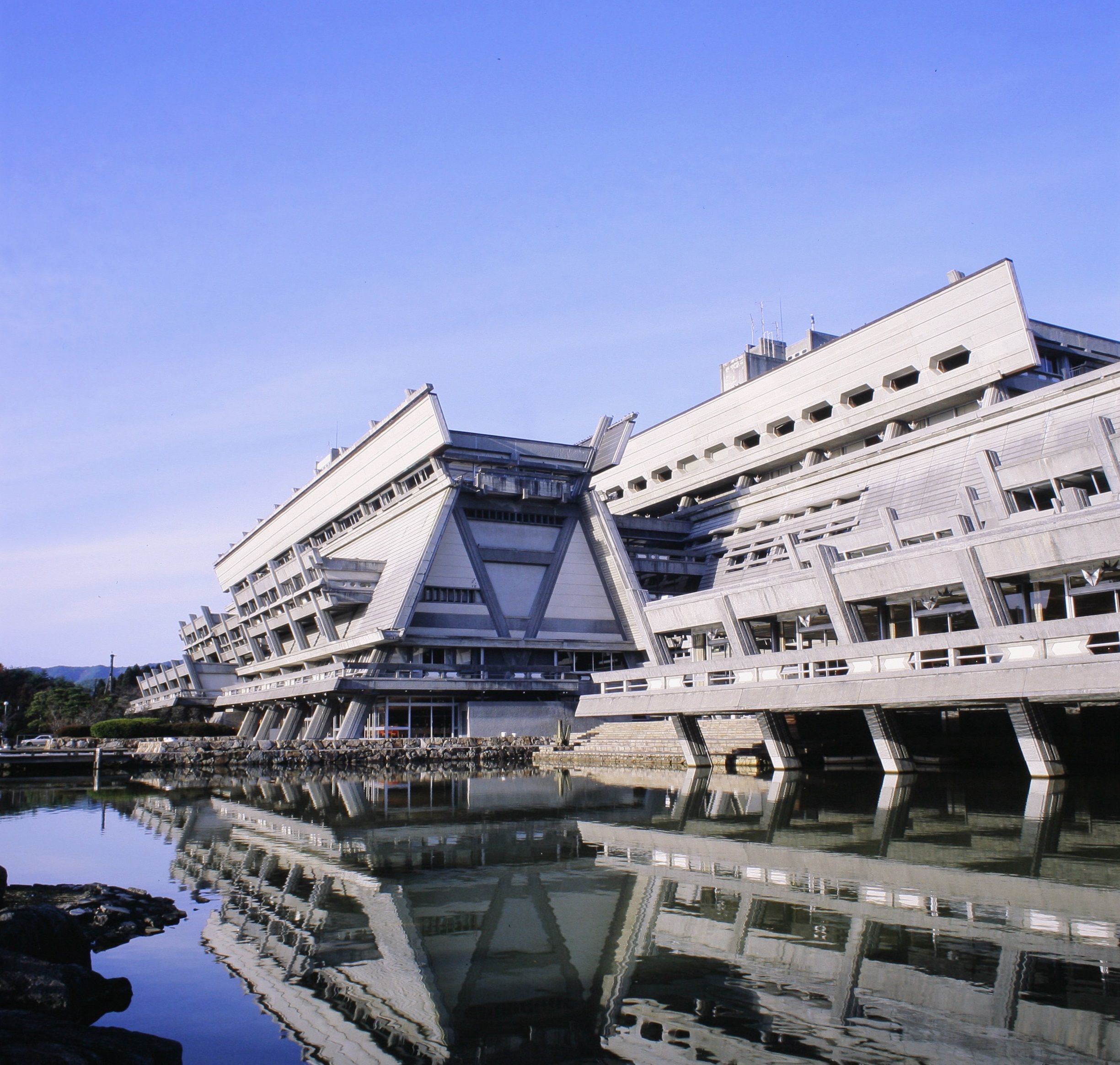
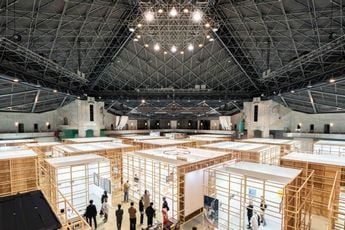
Located 27 minutes by subway from Kyoto station, the convention centre is an artwork in itself. Made up of trapezoid blocks, the building is a rare relic of the Metabolist movement, overlooking a river in the valley of Mount Hiei on the north-eastern edge of the city. Tourism is beginning to reach its second peak of the year after the cherry blossoms, with the autumn foliage beginning to burn the city’s hills in crimson, amber and gold. While central Kyoto is packed with visitors, smartphones perched at the ready, the tranquil grounds of the ICC are a welcome respite, off the beaten track of the tourist trail.
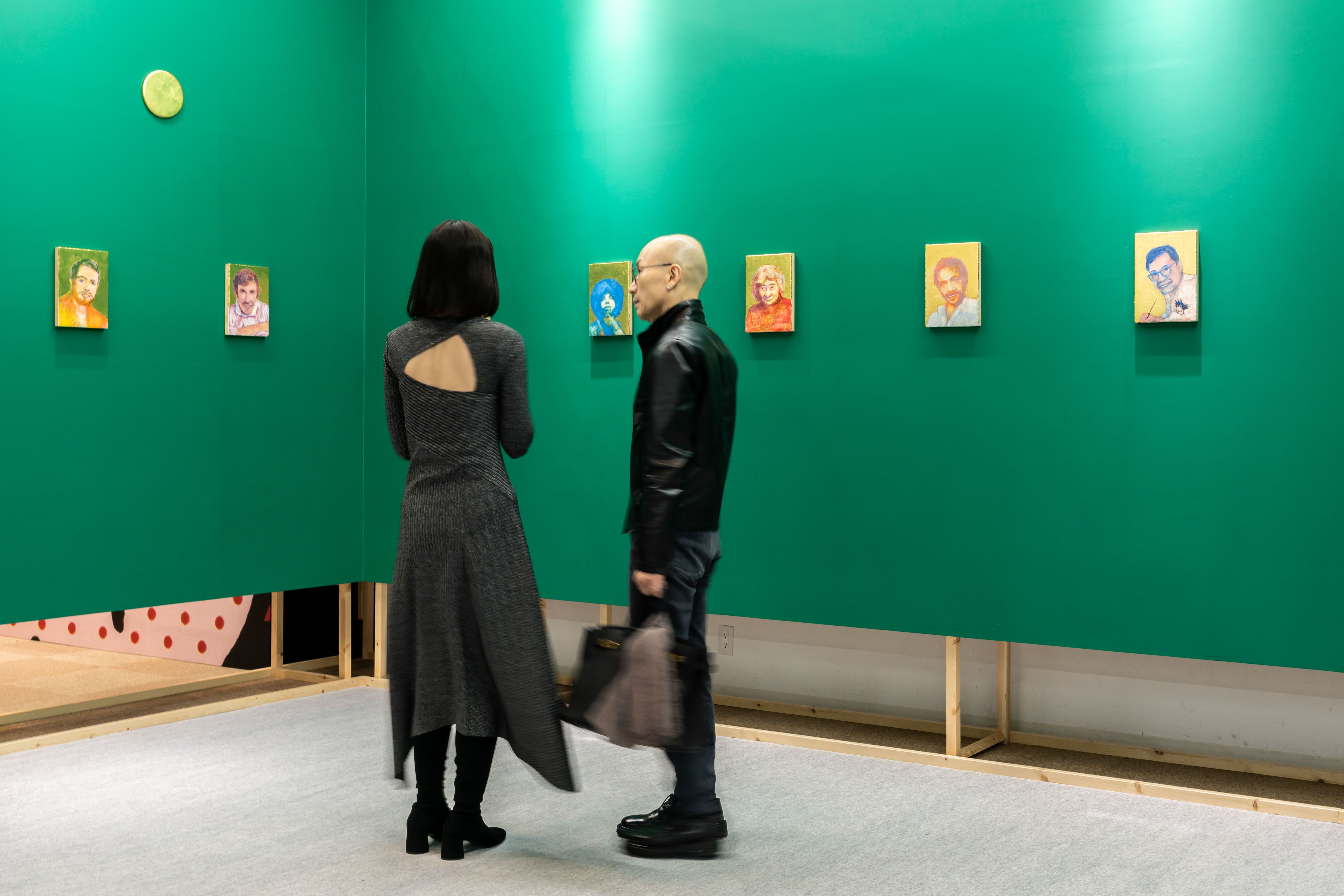
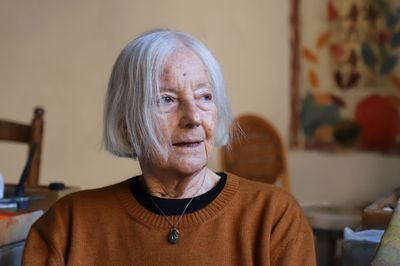
Collaboration is in the fair’s name, but the emphasis on fostering connection extends well beyond the split-booth model. At the back of the main fair are 13 solo presentations, grouped under the title ‘Kyoto Meetings’. These galleries, among them international names Perrotin and Ulterior Gallery, and Tokyo-based A Lighthouse Called Kanata, all present work with a distinct connection to the city. Sadie Coles HQ, for example, is exhibiting a textile work by Isabella Ducrot. The 92-year-old Italian artist has ‘a long-standing love for Japan and Japanese culture—from kimono and ikebana to washi’, explains senior director Laura Lord.
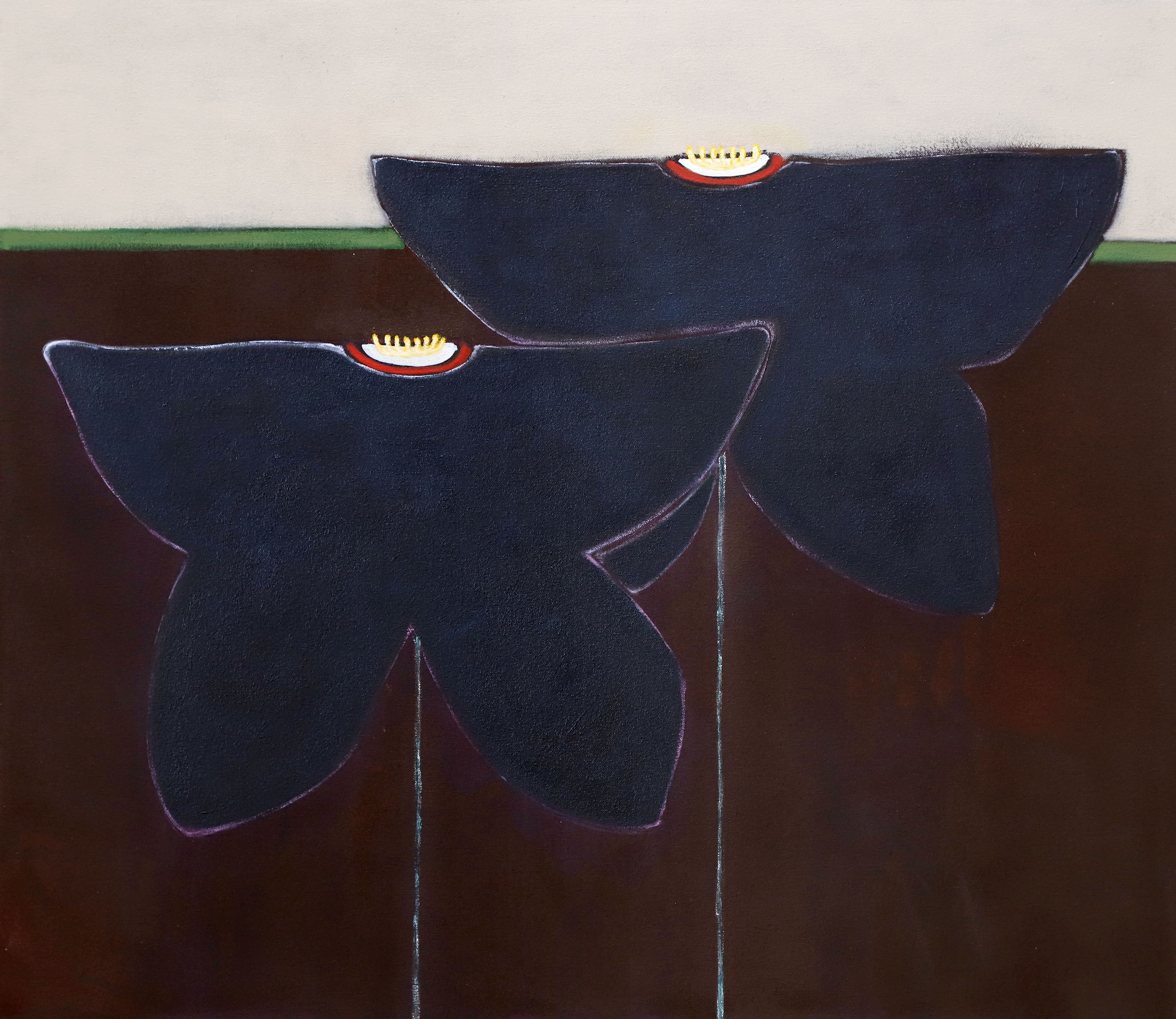
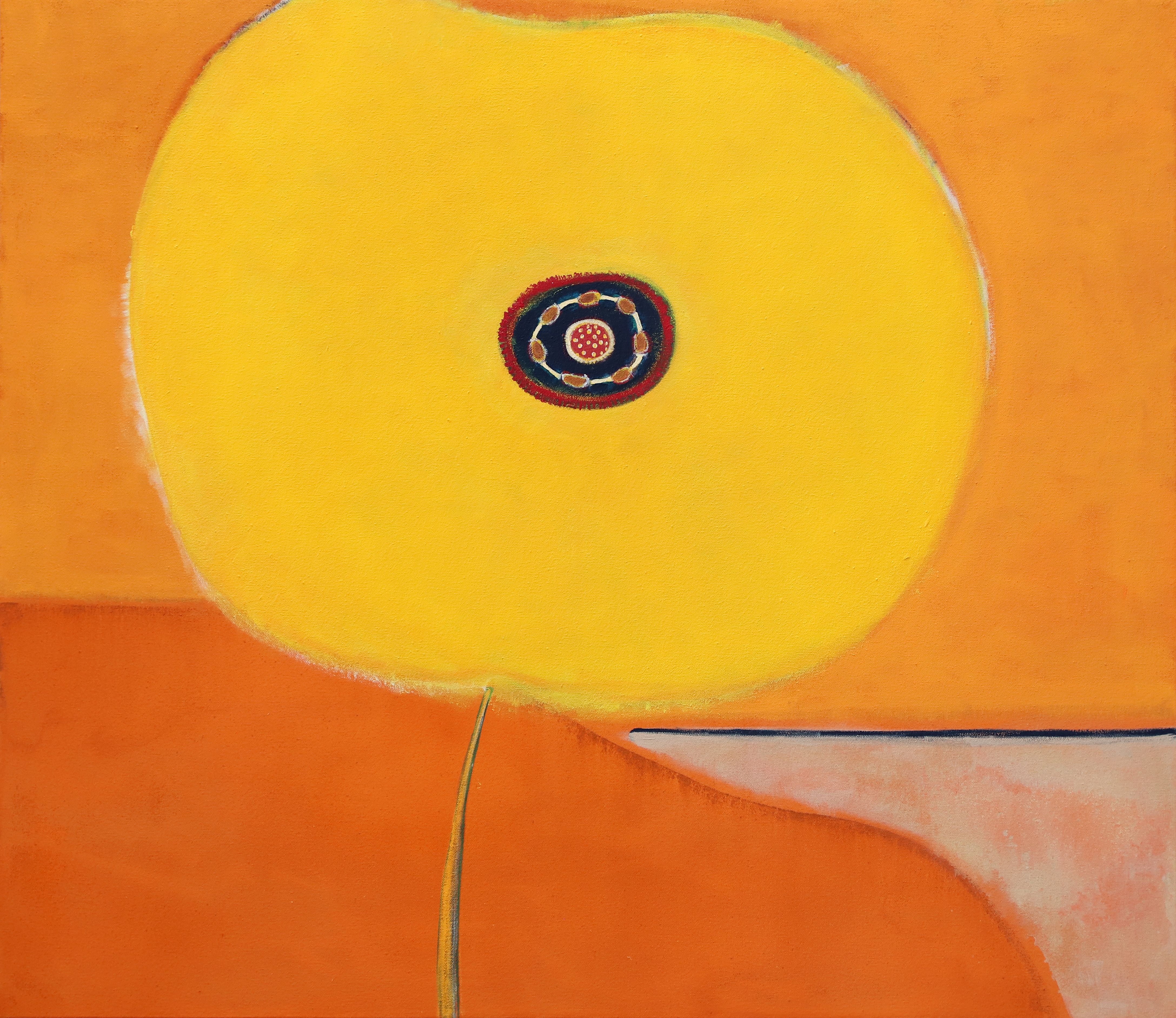
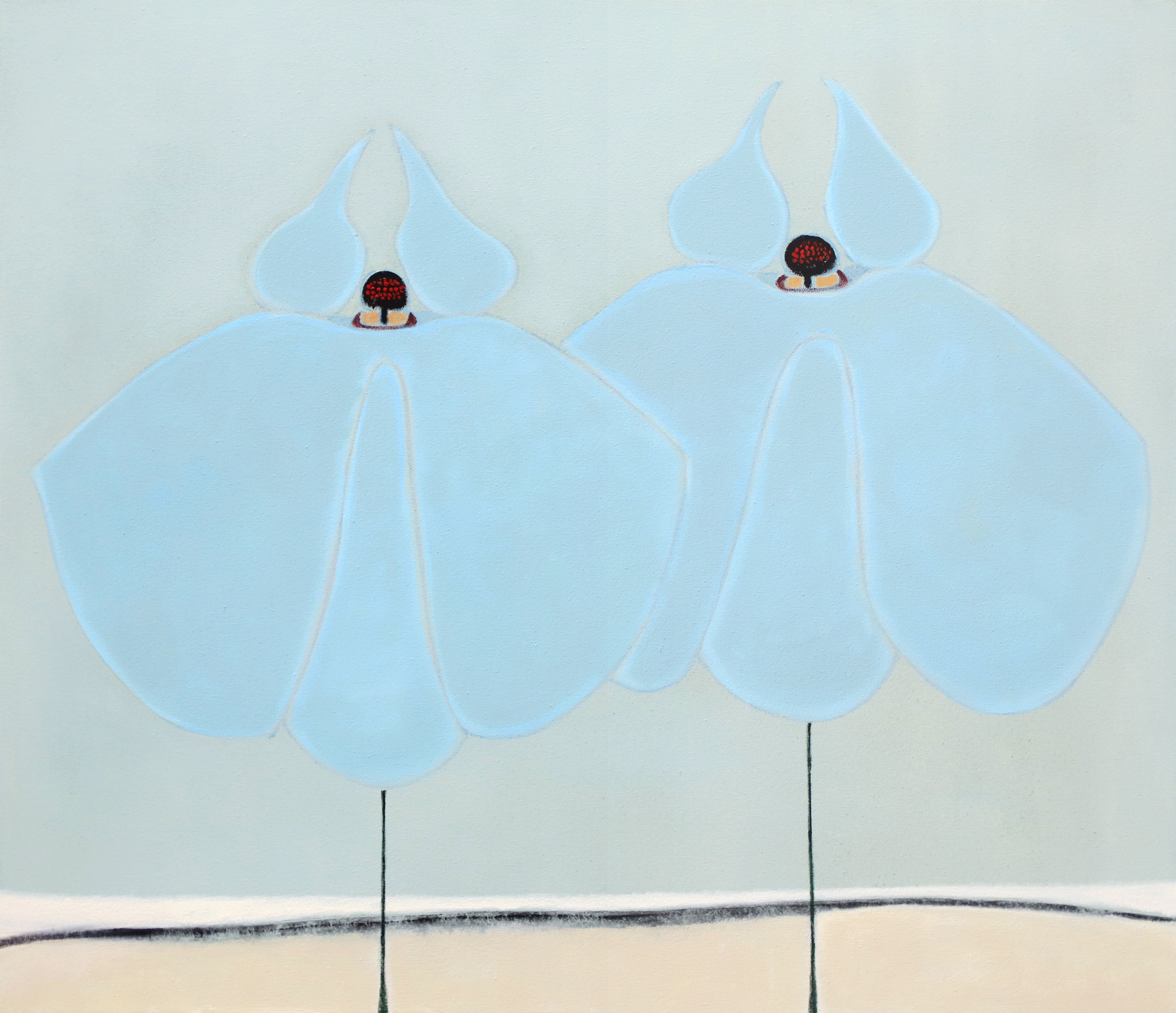
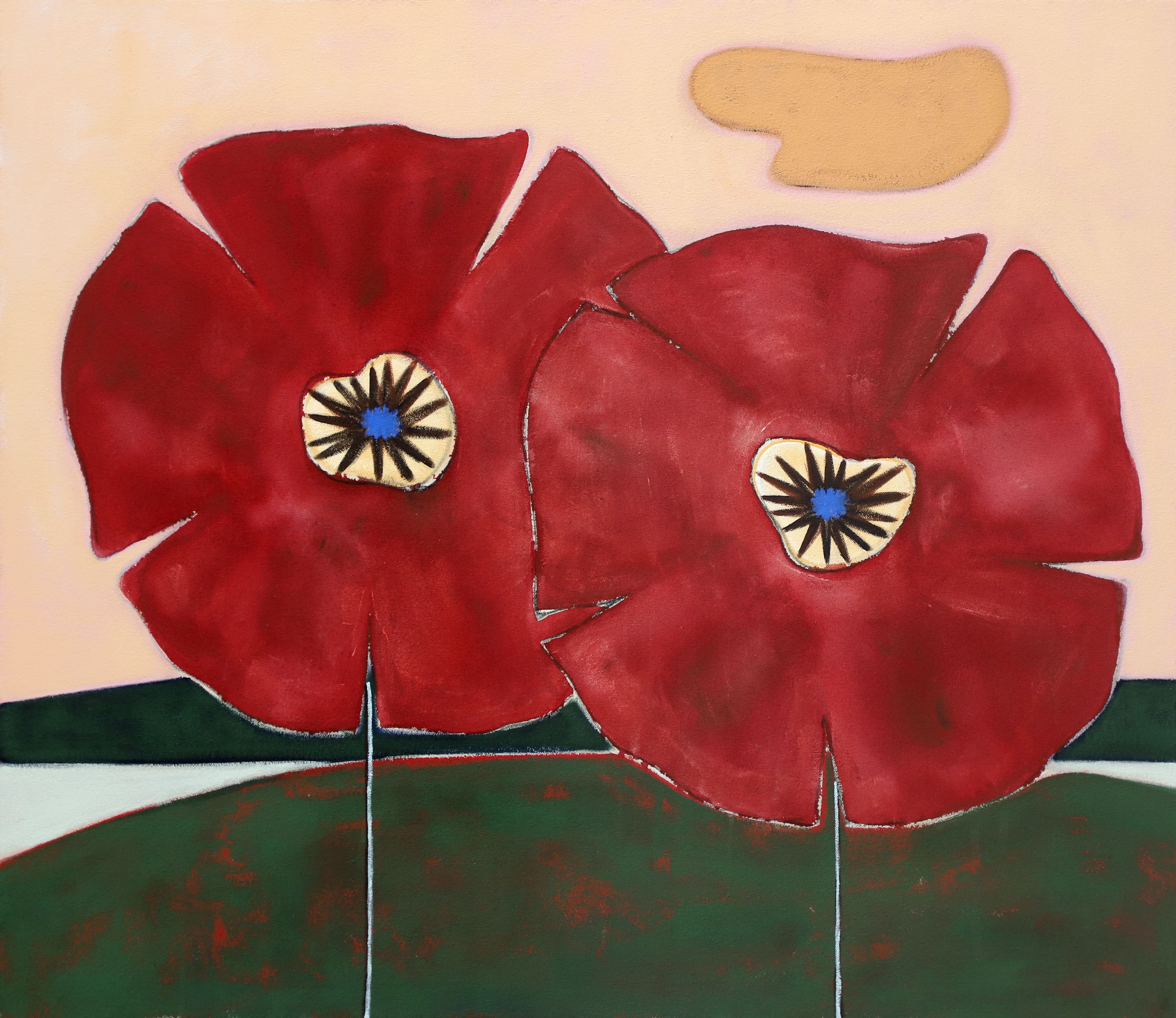
For many of the exhibitors, such as Isa Lorenzo, co-founder of Manila’s Silverlens Galleries, the split-booth model is the fair’s main draw. ‘We come in and it’s almost like there’s a red carpet for us. The partner gallery does a lot of the heavy lifting and already has a built-in audience and, because the booth is shared too, it’s very affordable,’ she says. Silverlens shares a booth with Osaka’s Yoshiaki Inoue Gallery, presenting two artists from the Philippines and three from Japan. Ryan Villamael’s small-scale intricate paper sculptures examine memory and the colonial histories of his home in the Philippines while, on the opposite wall, Etsuko Nakatsuji’s large, graphic paintings offer a bolder counterpoint.
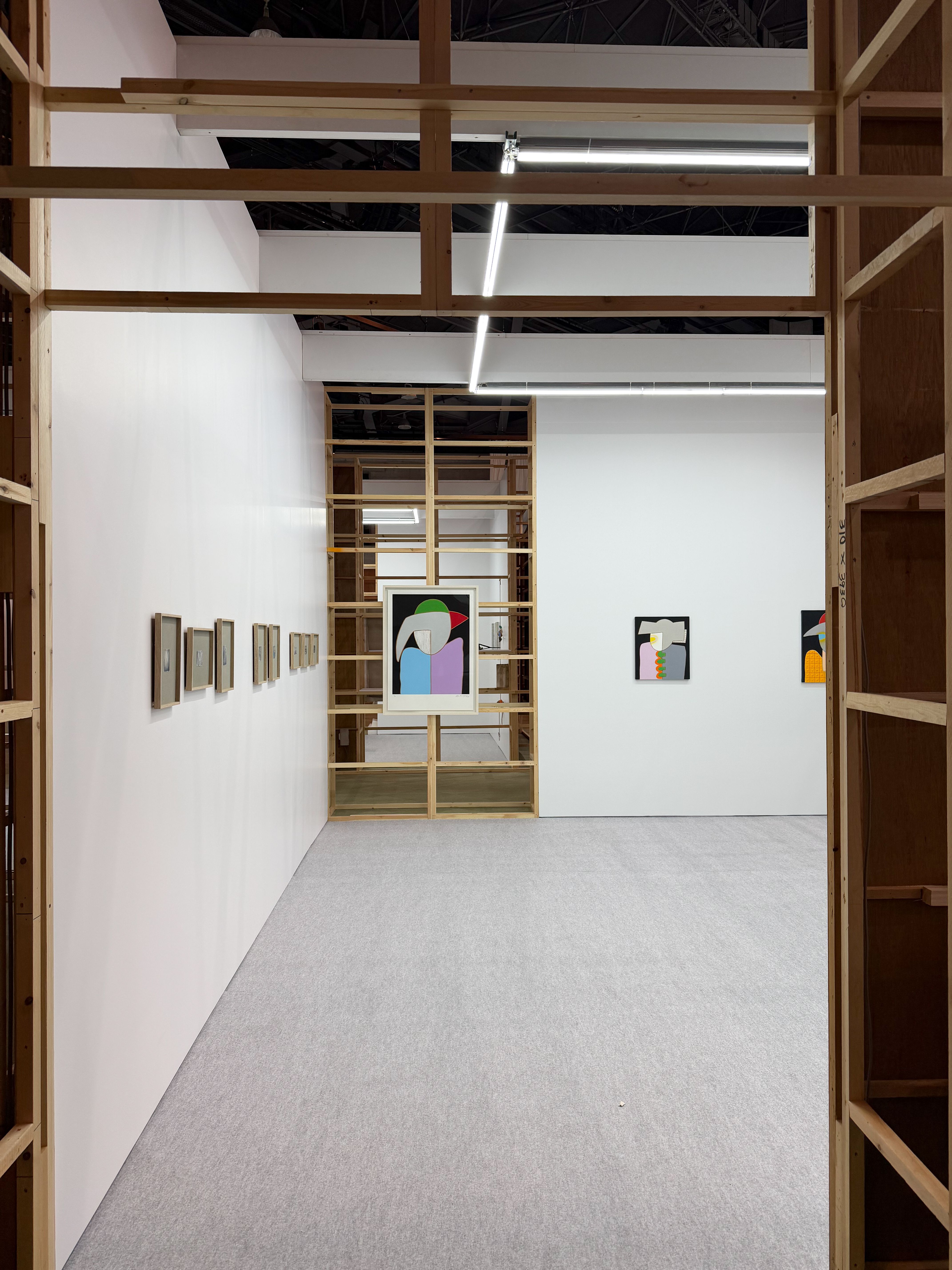
Split-booth presentations are becoming more common at fairs such as Art Basel Paris, where a record number of 10 galleries out of the exhibiting 195 chose to share in 2024. However, unlike ACK, split booths are not a permanent fixture. And, crucially, it is ACK’s culture, where the local gallery ‘hosts’, that offers attractive financial and practical rewards. Given the current economic climate, the advantages of being given a soft landing into a new market are huge for international galleries, but what about the local hosts? Tokyo-based gallerist Taka Ishii puts it simply: ‘The fair becomes more lively, and that’s good enough,’ he says. ‘You also get to see some incredible galleries you normally wouldn’t be able to—especially at a fair of this size.’ Taro Nasu, who shares his booth with Gladstone Gallery, agrees. ‘Japan’s market isn’t that big,’ he explains. ‘For overseas galleries, coming here alone to participate in a fair is difficult. Here they can reduce risk, and it gives them a chance to try out the Japanese market.’
Japan is Asia’s second-largest market, but it accounted for only 6.8 percent of the continent’s sales during the past year, according to Artnet. The region’s largest market, China, dominated with 82.2 percent. However, unlike its neighbouring competitors, Japan’s market share inched upward by almost two percent from October 2023 to September 2024—a global anomaly. The bigger picture is even more positive. According to a 2024 report by Arts Economics, between 2019 and 2023 the Japanese art market grew by 11 percent, compared with one percent growth worldwide during the same period.
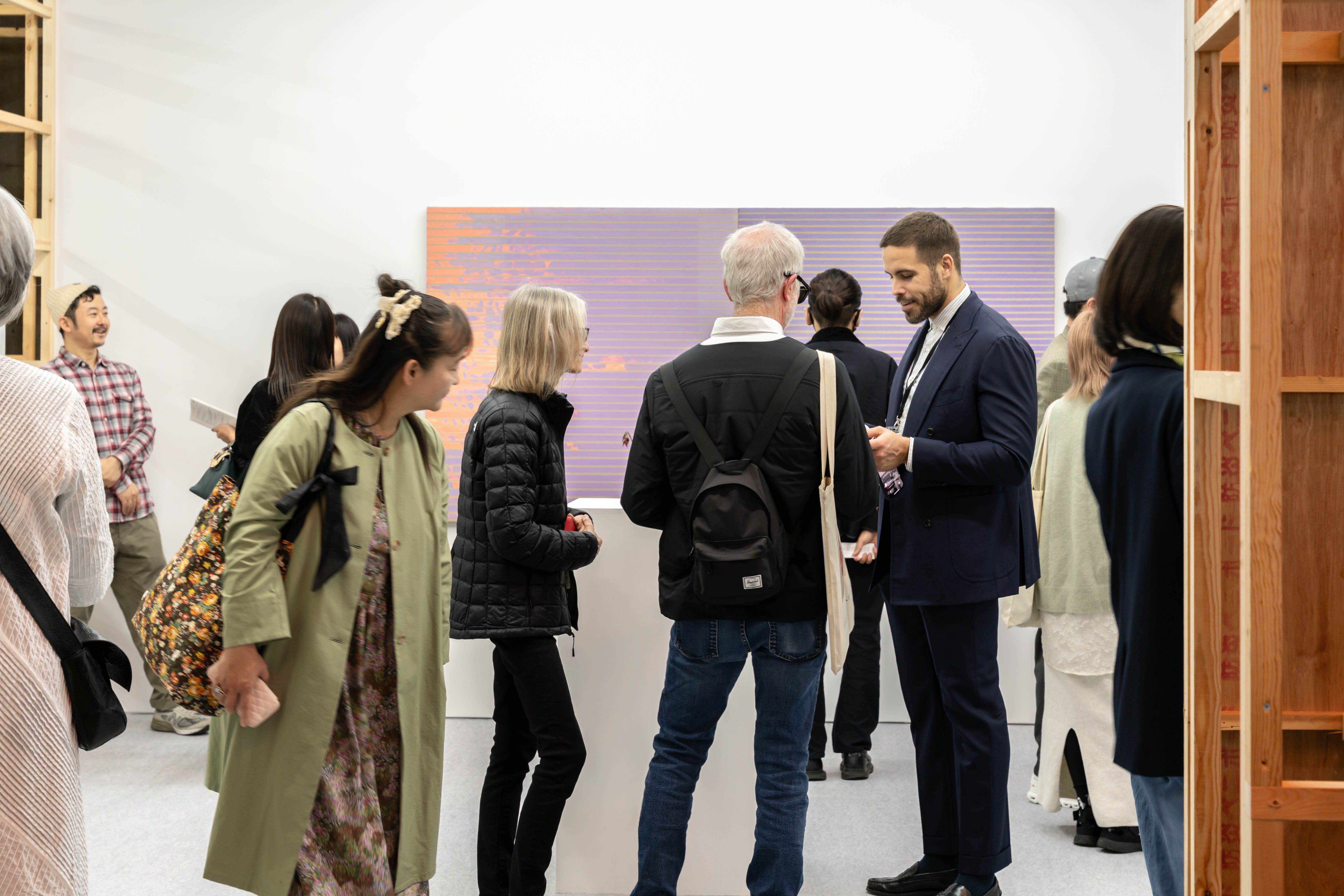
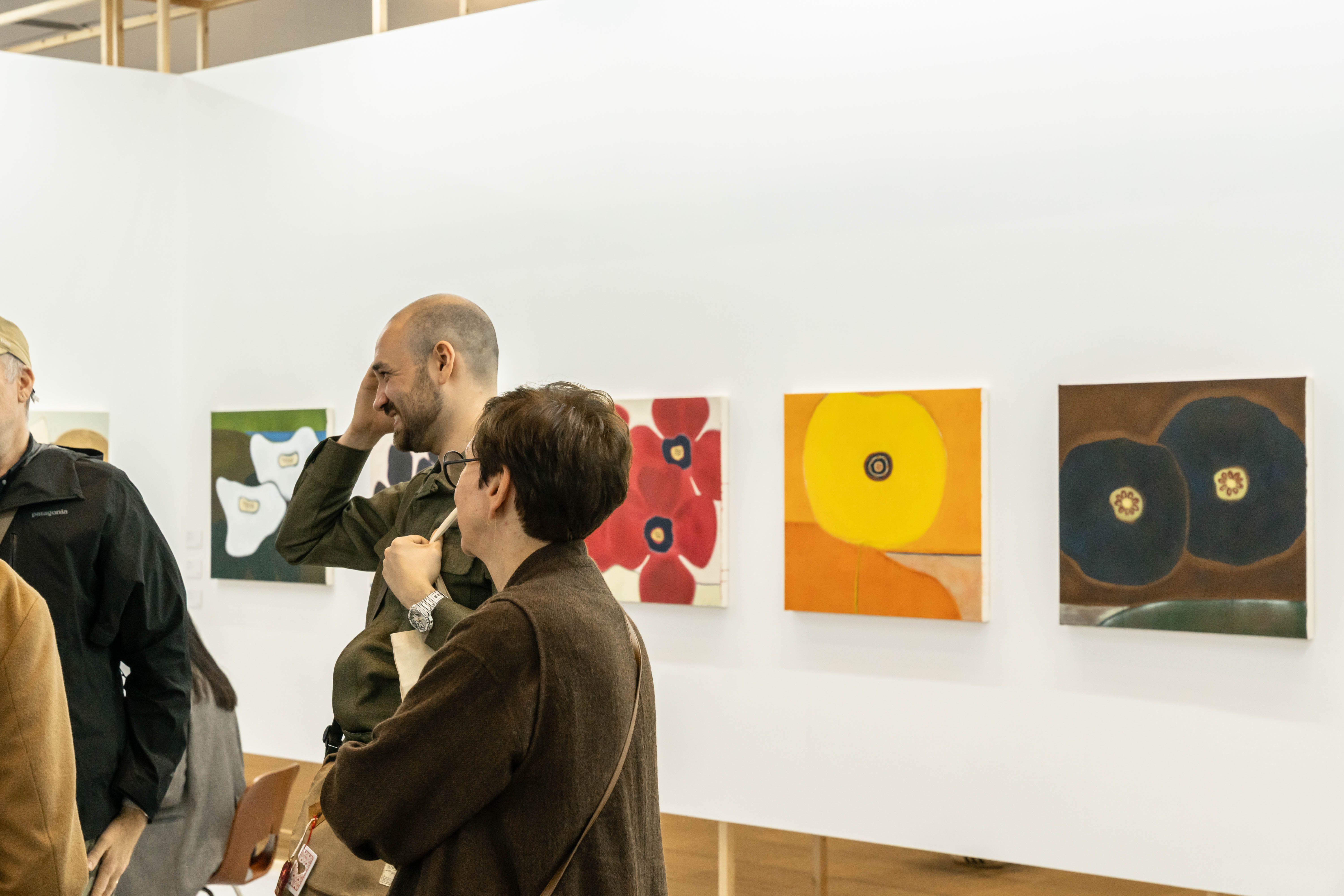
ACK fair director Yukako Yamashita sees this as a crucial time to broaden the market’s reach. ‘Japanese galleries need to involve international galleries in order to survive, and this collaboration really helps,’ she says. It also places these foreign galleries in front of ‘a solid number of new collectors in Japan who are passionate about collecting international contemporary art’. Gallerist Taro Nasu observes that ‘Asian visitors in particular have increased... There are definitely fewer visitors from Europe.’
Now in its fifth edition, ACK is part of a trio of large-scale events in Japan that opened post-Covid, alongside September’s Tokyo Gendai and Art Week Tokyo. The latter, which took place last week, also adopted an alternative structure. Rather than presenting a central fair under one roof, it connected a network of more than 50 museum shows, commercial galleries and public events via a free hop-on, hop-off bus. Art Week Tokyo has steadily increased its audience since its inaugural edition in 2021. According to its organisers, overall attendance grew by 33 percent from 2022 to 2023, with a further 15 percent increase in 2024. Together with ACK, its success reflects a broader shift and appetite toward collaborative frameworks that share infrastructure and distribute attention across the city.
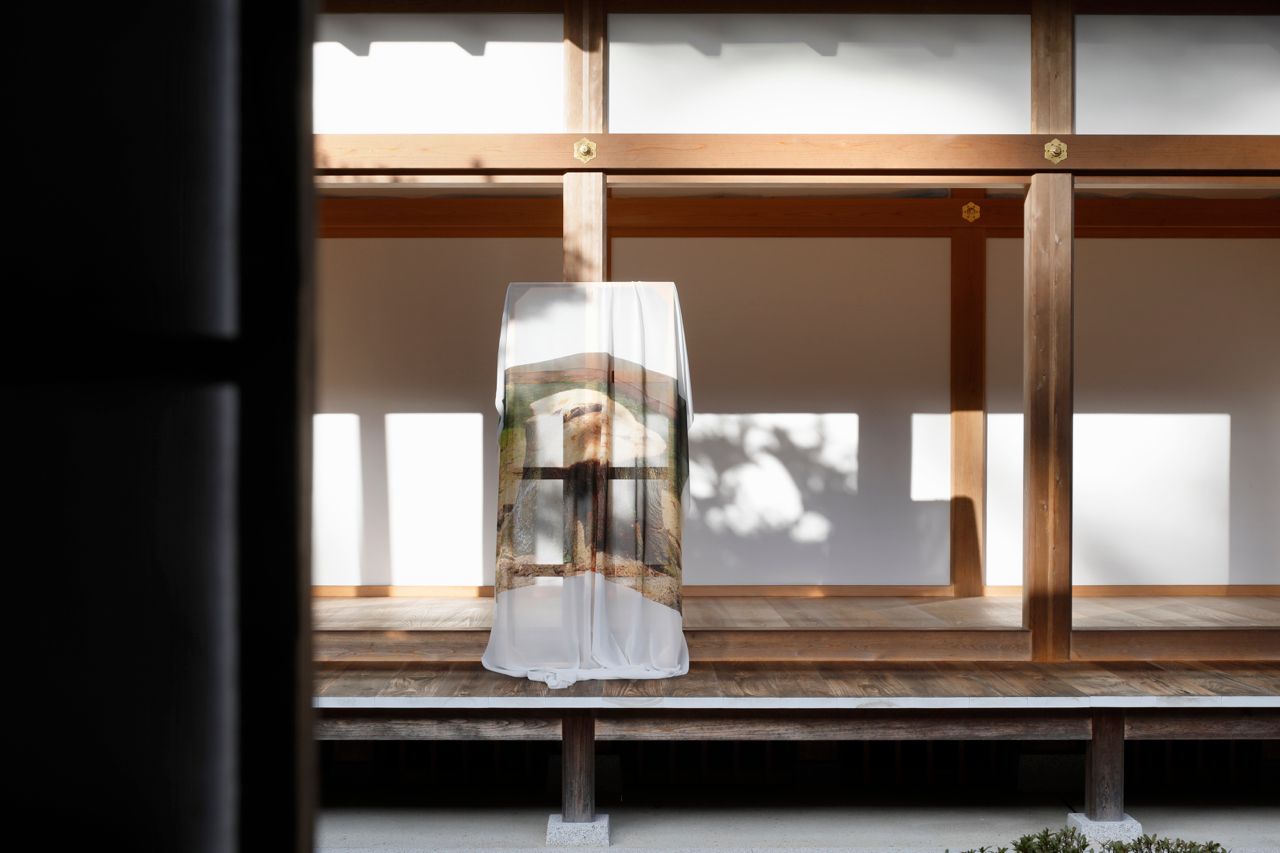
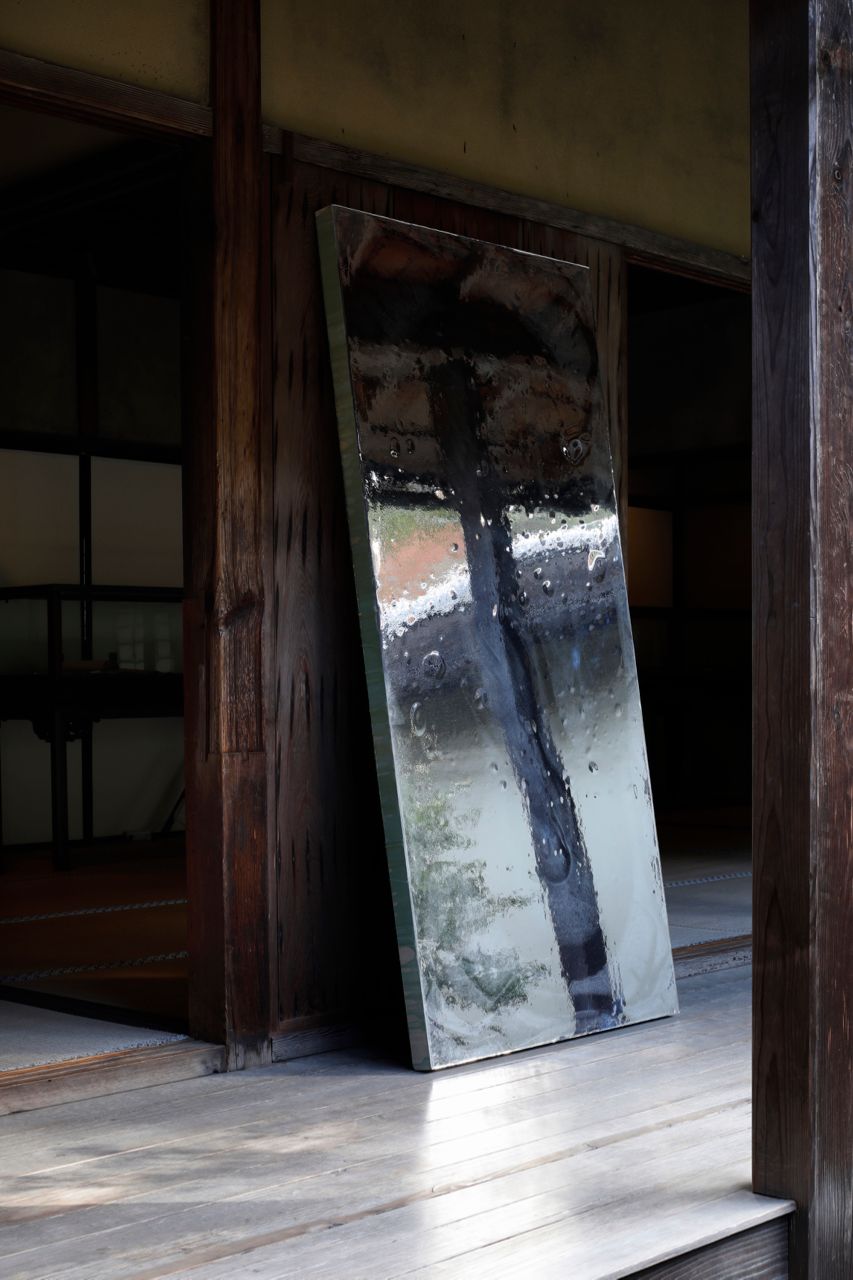
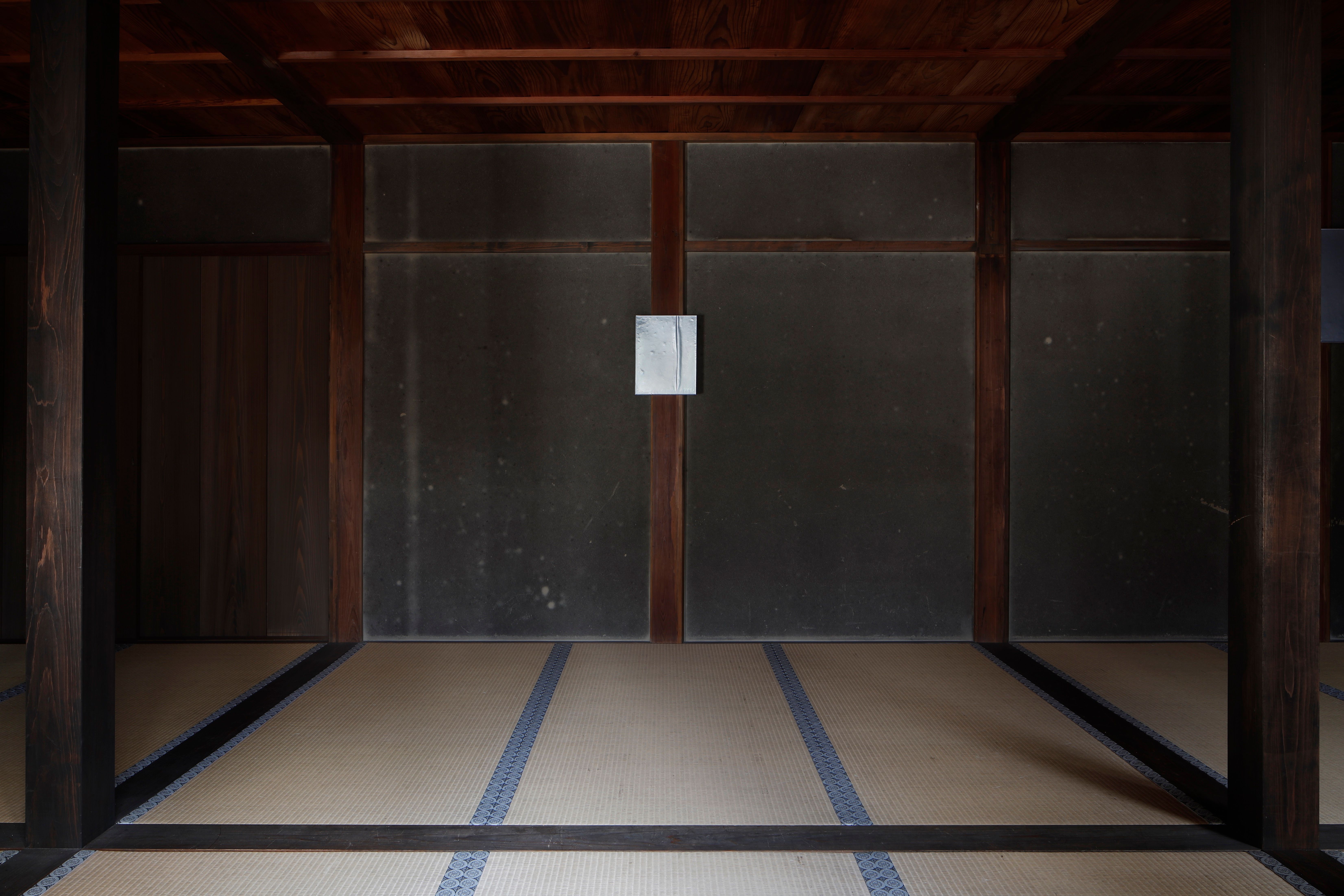
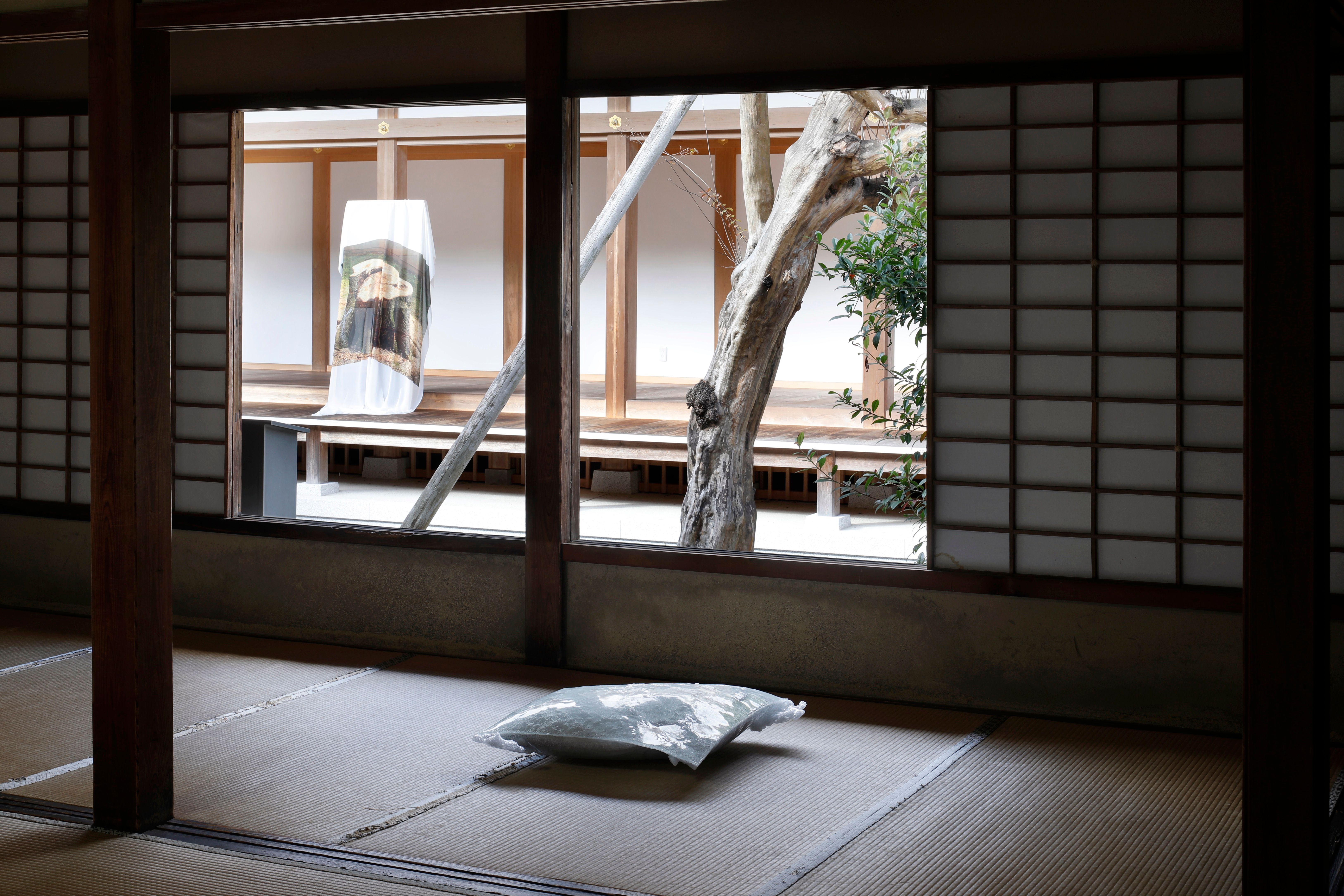
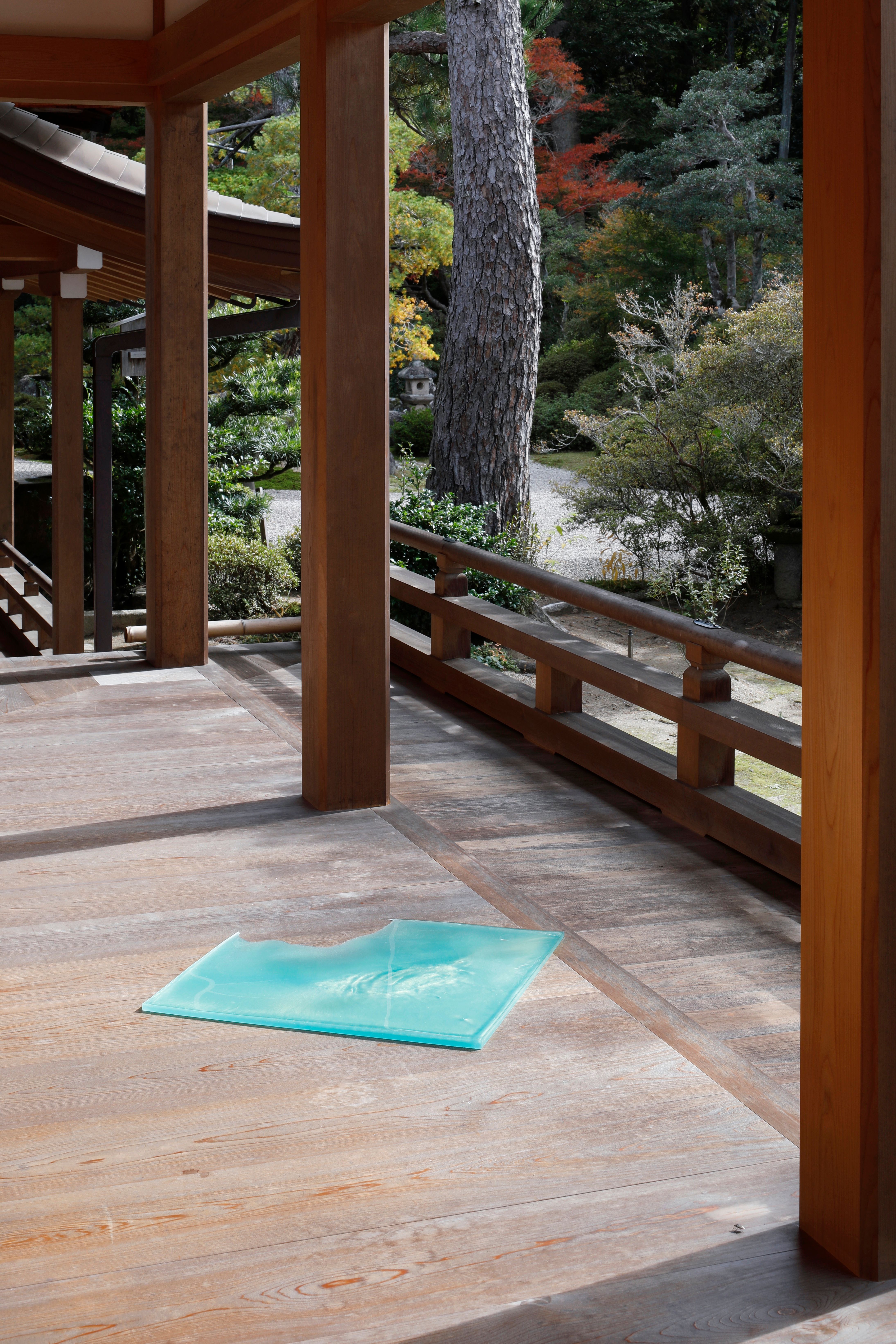
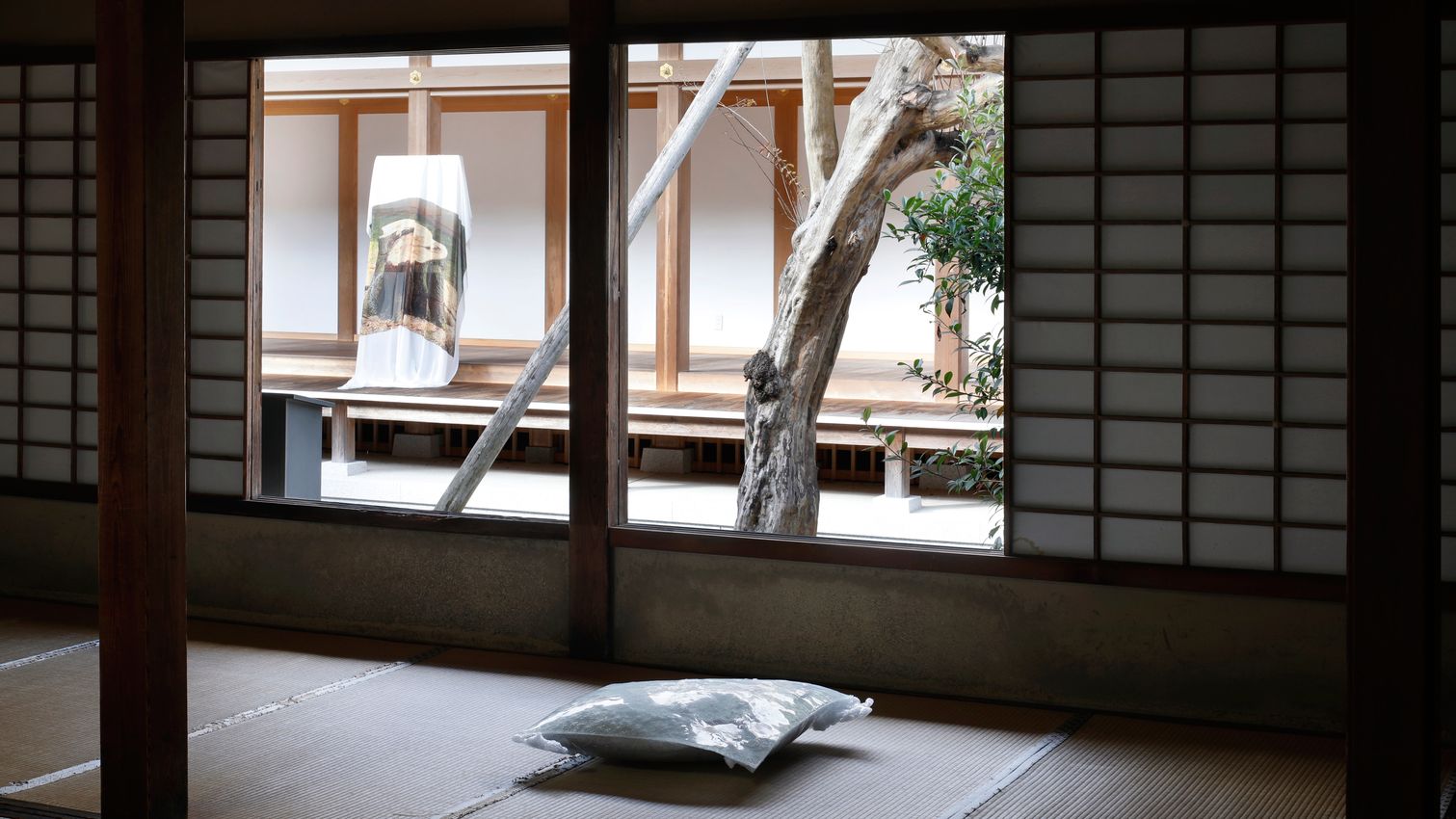
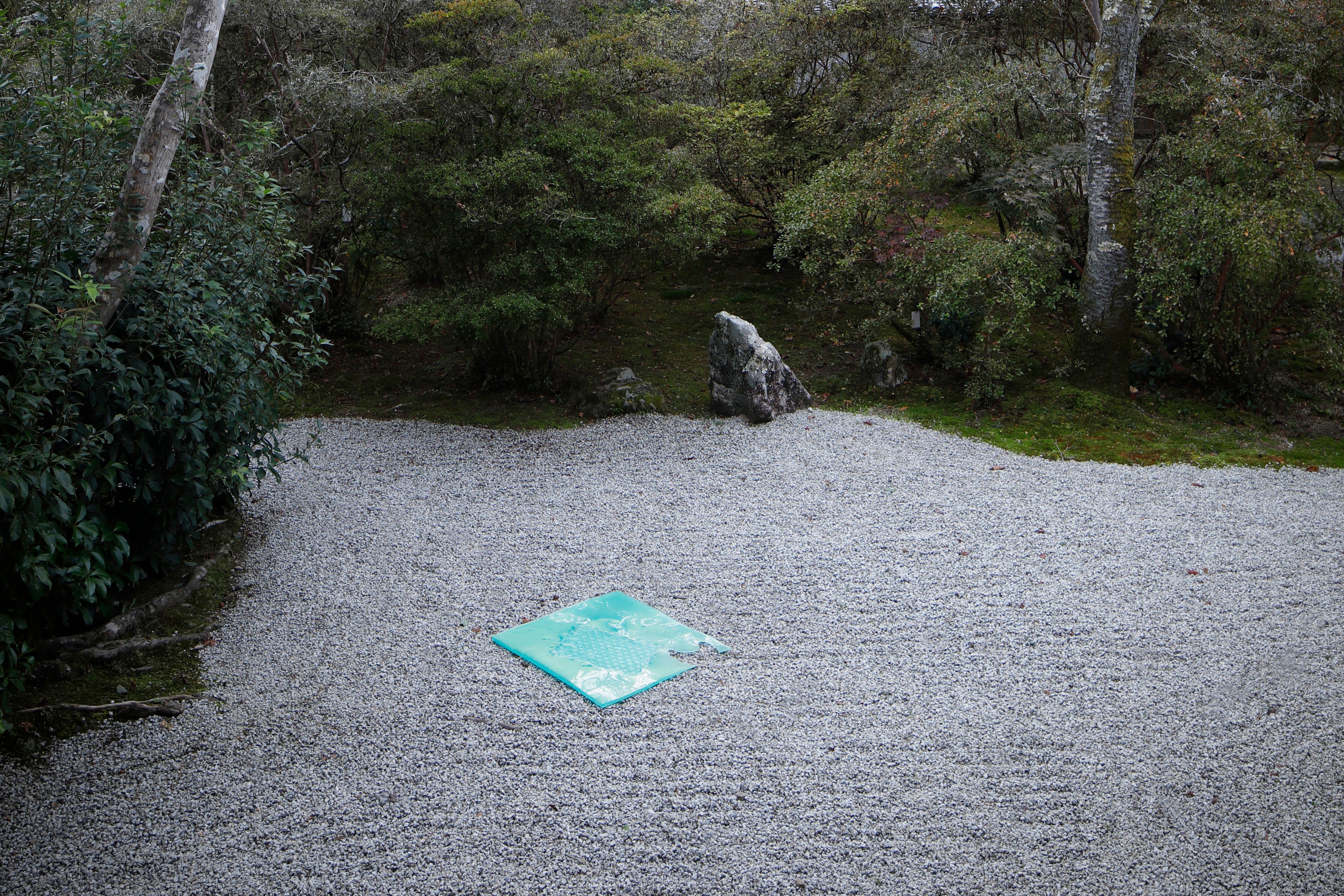
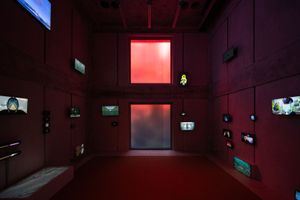
Outside of the ICC, ACK is also hosting exhibitions across the city’s cultural sites. Manshu-in is a Buddhist temple founded in the 8th century. Hong-Kong gallery Kiang Malingue presents Japanese American artist Carrie Yamaoka’s debut show in Japan, dispersing 10 sculptural pieces through the sacred space and the garden surrounding it. Yamaoka’s abstract works range in size, material and form, often combining layers of film, vinyl and resin in a chemical process to create unexpected textures. The presentation is emotionally and literally moving, transforming in colour and form as the natural light sifts through the shoji screens from day to night.
On top of this solo show, the gallery is sharing a booth in the main fair with SCAI The Bathhouse. One of Japan’s most respected contemporary galleries, SCAI is housed in a 200-year-old former public bath in Tokyo’s historic Yanaka district. ‘The dual presence was the biggest attraction,’ says Kiang Malingue co-founder Lorraine Kiang. ‘We chose [to exhibit Yamaoka] because she has never had a solo show in Japan, despite being Japanese American… This temple setting offers a very different atmosphere than a typical white-walled booth. Here, her work connects with nature and architecture in a completely different way.’
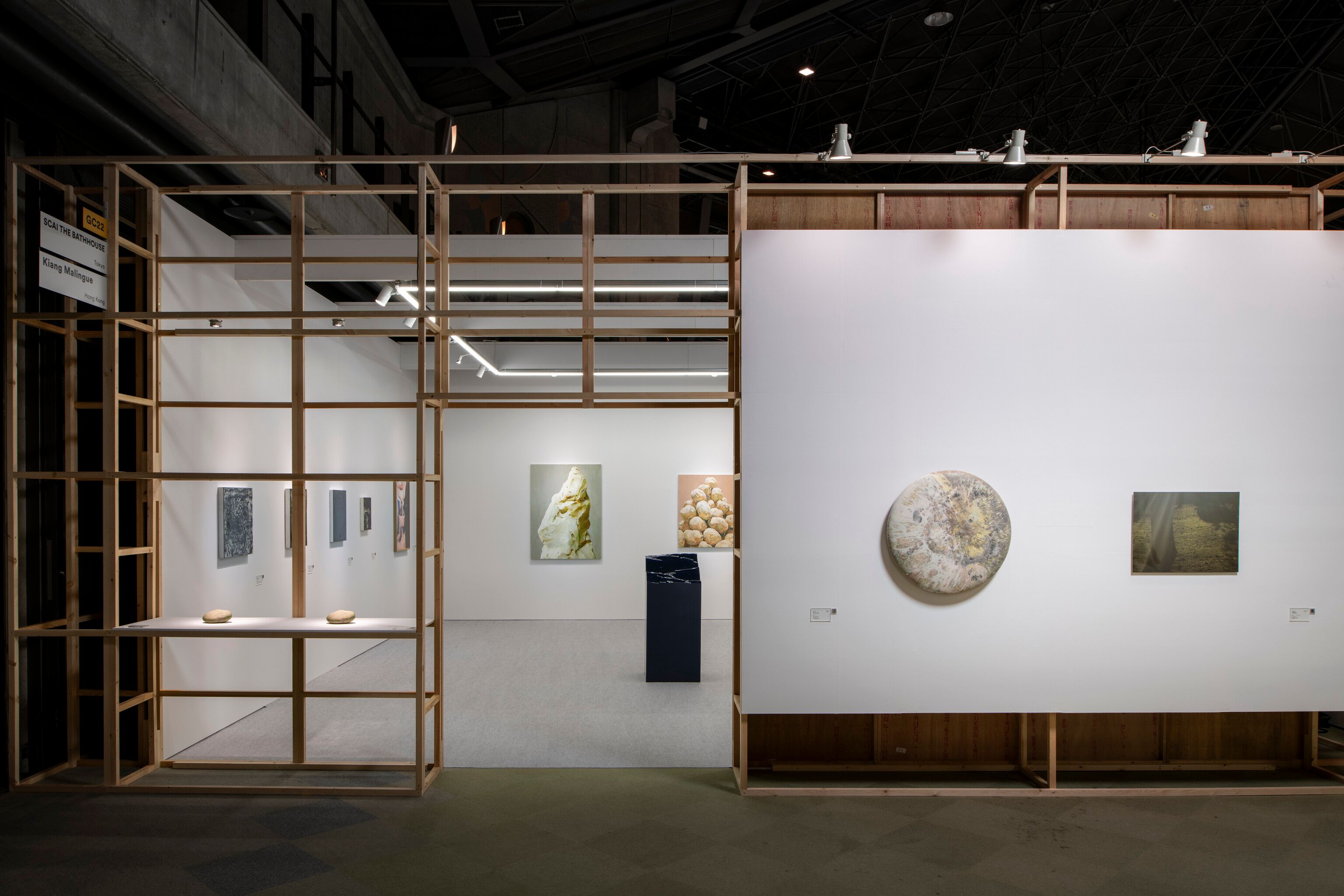
There is plenty to explore in the main fair too—including a programme of talks—but even at a manageable size, ACK is not immune to an art fair’s tendency to become overcrowded and overstimulating. The preview, only open to a select group of guests and curators, was already filled with a steady crowd just an hour after opening. Still, ACK makes some effort to create a more inviting atmosphere out of an otherwise industrial setting. In the main atrium, the fresh smell of wood is an unexpected contrast, softening the event’s manufactured nature.
Japan consistently ranks among the lowest in global gender-equality indexes, and caregiving remains overwhelmingly feminised. ACK offers free childcare for visitors and exhibitors who may otherwise feel excluded from such events. ‘I want to welcome everyone equally, and help parents who are interested in the fair but feel overwhelmed visiting with children,’ says Yamashita. ‘I really believe that when you feel comfortable, your heart opens, and you have a better experience.’
Now in her fourth year as director, Yamashita is determined to push this slow and holistic approach, which is in many ways at odds with the usual fair logic of generating excitement, attention and sales at speed. In doing so, are they sacrificing better profits? ‘I don’t think we are sacrificing anything,’ she says, pointing to a growth in sales year-on-year. ‘I really feel that good sales and a comfortable experience can co-exist.’
It’s an outlook that feels in tune with Kyoto as a city. The zen garden at Manshu-in temple, where Carrie Yamaoka’s exhibit takes place, is named ‘The garden of the blind turtle and driftwood’. According to the monks, its design is based on a Buddhist parable about a blind turtle that surfaces only once every hundred years. On one occasion, by near-impossible chance, its head slips through a single piece of driftwood floating in the vast ocean. This story is said to illustrate the miracle of life and meaningful experiences—a sentiment that rings true for visitors to this special city. —[O]
Art Collaboration Kyoto runs from 14 to 16 November 2025.
Main image: Exhibition view: Carrie Yamaoka, Inside Out / Outside In, Manshu-in Temple, Kyoto (12 November–3 December 2025). Courtesy the artist and Kiang Malingue. Photo: Takeru Koroda.





A respected voice in contemporary art discourse.
Focusing on ambitious storytelling and insightful art-world commentary. Ocula Magazine publishes in-depth interviews, critical essays and timely analysis on the artists, exhibitions and ideas driving the global art world.
Learn more about Ocula Magazine
Showcasing the best of the art world.
Ocula partners with galleries from around the world to highlight their artists, artworks and exhibitions. Gallery membership is by application and invitation, with each member vetted by an independent panel.
Learn more about Ocula Membership
Specialises in the sale of major artworks.
Led by a team with deep ties to the world’s leading auction houses, galleries and collectors. Ocula’s advisory team offers bespoke services to high-net-worth clients from around the world who are looking to acquire the best of contemporary and modern art.
Learn more about our team and services