





As Financial Pressures Bite, English Museums and Galleries Brace for More Staff Cuts

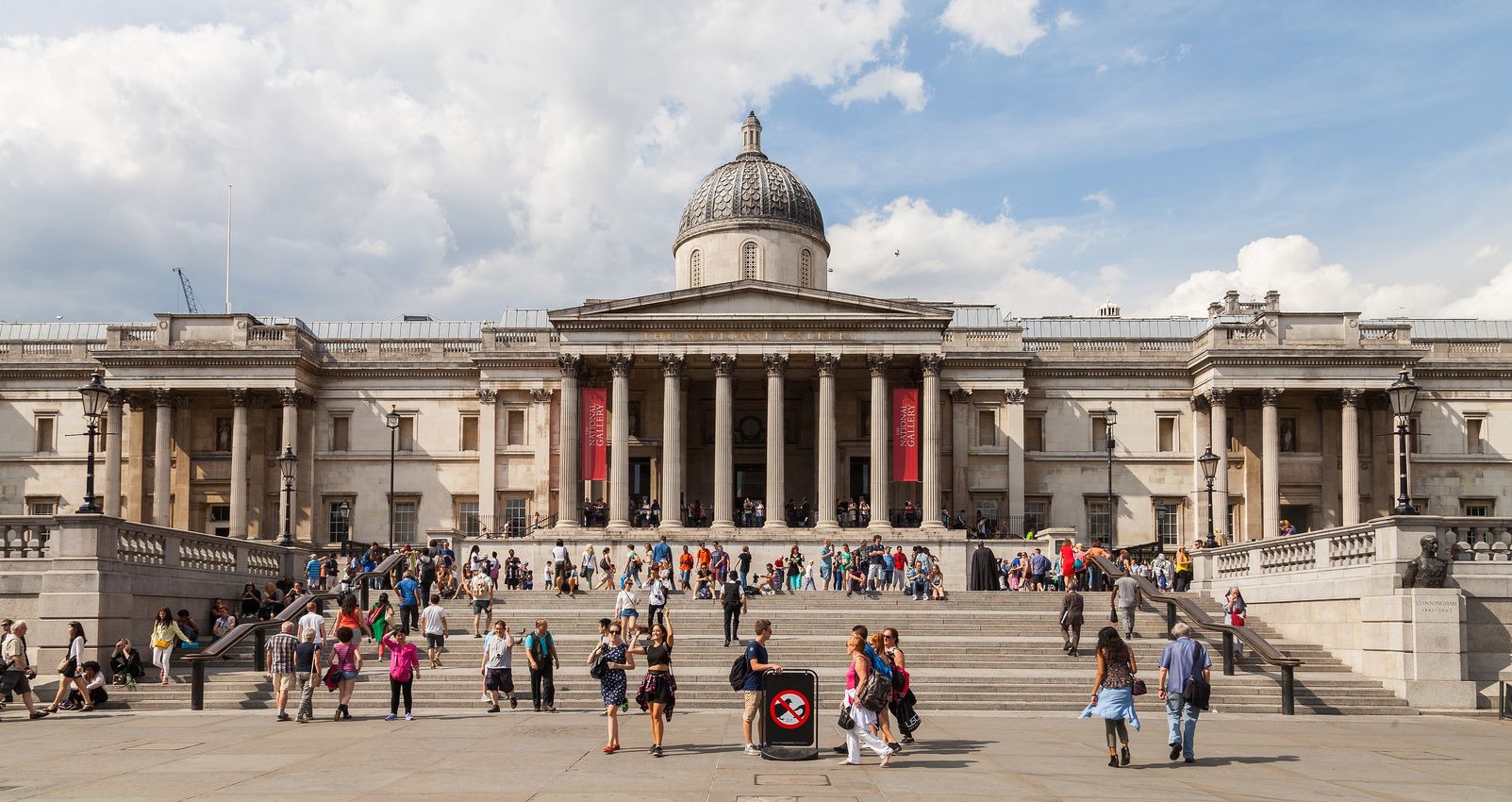
More than half of England’s 15 government-funded museums and galleries plan to prioritise reductions in staff costs over the next three years in a bid to address post-pandemic financial challenges, a report published this week by the National Audit Office (NAO) reveals.
The report examines the financial resilience of Department for Culture Media and Sport (DCMS)-sponsored cultural spaces between 2021 to 2025, including the British Museum, Tate Gallery Group and the National Gallery. It confirms that financial pressures have already led one third of DCMS-sponsored institutions to make staff redundant, choose not to fill vacancies, or have fewer staff on duty.
Responding to the report, Laura Pye, director of National Museums Liverpool and chair of the National Museum Directors’ Council, told Ocula that any reduction in staff at national museums is likely to mirror what has already been seen at non-government funded spaces across the UK. She said: “We’ve seen a reduction in opening hours, a reduction in expertise, less curators and less conservators.
“Those specialisms are rare and there’s a cost associated with them, and we’ve seen that there’s an impact there on how we care for collections. You also see less engagement staff doing some of the great work that was done by museums around engaging new communities, or those communities that don’t necessarily naturally walk through our front doors.”
Pye points out that many national museums are Real Living Wage or London Living Wage employers, and that recent increases in these figures have contributed to a business model that she describes as unsustainable. She told Ocula: “We all want to be in a place where we pay our staff correctly, but we can’t just continue to absorb those increases, so we have to, therefore, have less staff.”
The report’s findings reflect the difficult climate in which England’s museums and galleries are operating following the Covid-19 pandemic and the subsequent end of emergency funding provisions, with more than half of institutions reporting a worse financial position in August 2025 than three years previously.
Cultural spaces have also faced disruption caused by war in Ukraine and the energy crisis that followed, the UK’s cost of living crisis and now, war in the Middle East. At National Museums Liverpool, Pye told Ocula that energy bills have increased by almost £1 million per year since before the pandemic.
Staff cuts across the board
According to the report, DCMS-funded museums and galleries, which in 2024 to 2025 employed more than 6,800 full-time staff members, spent at least £8.5 million on redundancy payments in the three years to 2025. Looking ahead, 87 percent of institutions expect higher staffing costs to be among their main financial challenges across the next three years.
The report comes against a backdrop of well-documented staff cuts at several national institutions. At The National Gallery, a voluntary exit scheme announced last month will help to plug a £8.2 million deficit for 2026 to 2027, while last year Tate announced plans to cut its workforce by seven percent.
In statements to the Guardian, a spokesperson for the The National Gallery highlighted “painful decisions” made following “widely reported circumstances which are beyond our control”, while a Tate spokesperson said the organisation had been “working closely with colleagues and unions over a number of months”.
According to the NAO report, one third of museums and galleries have also reduced operating costs in recent years by renegotiating service contracts and sharing services such as security, cleaning and estate maintenance. These issues have also made headlines in recent months, after externally employed security at London’s Natural History, Science and Victoria & Albert Museums struck a deal to improve “stagnant wages”.
Hareem Ghani, culture group secretary at the Public and Commercial Service Union (PCS), which represents members across eight DCMS funded institutions, and represents members via contractors at a further five, told Ocula that the UK culture sector is in “a state of profound financial crisis”.
“Years of real terms cuts to grant in aid, combined with falling visitor numbers after Covid-19, and soaring inflation have forced the nation’s museums and galleries to pursue drastic cost-cutting drives including redundancies, recruitment freezes, and salary compression,” she said.
“These measures have had profound consequences for cultural workers across the UK. At PCS, our members have reported spiralling workloads, unsafe staffing levels, and a disturbing rise in visitor abuse as fewer staff are left to large public spaces.”
Ghani believes that further cuts to staffing risk undermining the UK’s global cultural influence, with skilled workers likely to be driven out of the sector. She said: “Urgent intervention is needed from the UK government to reverse real terms cuts to grant in aid, introduce ring fenced funds for staffing, and establish a long-term strategy for the sector.”
Real-terms funding
Since the 15 DCMS-funded museums and galleries reopened following the Covid-19 pandemic, total expenditure has increased by 18 percent in real terms, while unrestricted and undesignated reserves have fallen by the same amount. The reserves, which are put aside by institutions from funding received in previous years to support their day-to-day operations, dropped to £81.2 million in 2024 to 2025.
While this figure for all museums and galleries is still above pre-pandemic levels, reserves for two institutions fell below agreed policy levels and three were at the minimum levels. The report notes that the DCMS provided additional year-end funding to six museums and galleries “in financial difficulties” in 2023 to 2024 and two in 2024 to 2025, totalling £20.2 million.
In addition, £11.1 million was allocated to nine museums and galleries in advance of 2025 to 2026 funding. A DCMS spokesperson did not respond to Ocula’s request to name the institutions, but said: “We welcome the NAO’s report and their recognition of the vital work our national museums are doing to innovate and provide access to world-class art and culture…
“This government has provided a significant permanent increase to national museums’ grant-in-aid funding for 2025 to 2026 to support with the challenges they face. On top of this, in January we announced £600 million infrastructure funding for DCMS-sponsored cultural organisations, including national museums.”
Spotting the warning signs
In future, the report recommends that the department intervene earlier, before additional funding is required, and ensures that it has structures in place to identify early warning signs, should museums and galleries begin struggling to manage their financial risks.
Pye told Ocula that the report’s figures reflect the position of all UK museums, not just England’s national institutions, where significant funding cuts have been sustained over as much as a decade under the country’s previous Conservative government, but that she is not against earlier intervention from the DCMS.
“I would say, in fairness to them, that they are reasonably supportive in those conversations,” she said of the department, which has been headed by culture minister Lisa Nandy since the Labour government came to power in July 2024. “Beyond the fact that what we all need is more money.”
The risks faced by museums and galleries are exacerbated by mixed success in relation to post-Covid-19 visitor numbers. Though figures have recovered significantly since the pandemic, according to the NAO, since 2021 to 2022 there have been fewer visitors in total to DCMS museums and galleries, with 2024 to 2025 figures coming in at 13 percent below the annual pre-pandemic average.
In response, the survey highlights attempts from museums and galleries to diversify their income streams, with 73 percent reporting that self-generated income had been one of their top three actions in response to financial challenges.
However, the NAO report warns that self-generated income sources are “riskier and more susceptible to external factors”, and dubs “blockbuster” exhibition income to be “volatile and high risk”. In a statement, Gareth Davies, head of the NAO, said DCMS-sponsored museums and galleries “will need to continue to develop their financial management capability to maintain this momentum and withstand future shocks”.
National Museums Liverpool has increased self-generated income in many of the same ways seen recently across the sector: hiring out more spaces for filming, developing new events and charging entrance fees for a greater number of exhibitions. These income streams, Pye told Ocula, will always be less reliable than public funding, not least because they still rely on visitors coming through the door, but that museums and galleries have done an “incredible job” of embracing them.
“All museums have diversified; they’re being consumed in lots and lots of different ways beyond what we saw 10 years ago, when we all had shops, maybe we did the odd event and all had cafés,” she said. “The reality of the situation now is that you can sell as many carrot cakes as you like, but it doesn’t make the income that’s required.”






A respected voice in contemporary art discourse.
Focusing on ambitious storytelling and insightful art-world commentary. Ocula Magazine publishes in-depth interviews, critical essays and timely analysis on the artists, exhibitions and ideas driving the global art world.
Learn more about Ocula Magazine
Showcasing the best of the art world.
Ocula partners with galleries from around the world to highlight their artists, artworks and exhibitions. Gallery membership is by application and invitation, with each member vetted by an independent panel.
Learn more about Ocula Membership
Specialises in the sale of major artworks.
Led by a team with deep ties to the world’s leading auction houses, galleries and collectors. Ocula’s advisory team offers bespoke services to high-net-worth clients from around the world who are looking to acquire the best of contemporary and modern art.
Learn more about our team and services