The art world in focus
Subscribe to our newsletter for news and insights on artists, galleries and exhibitions.

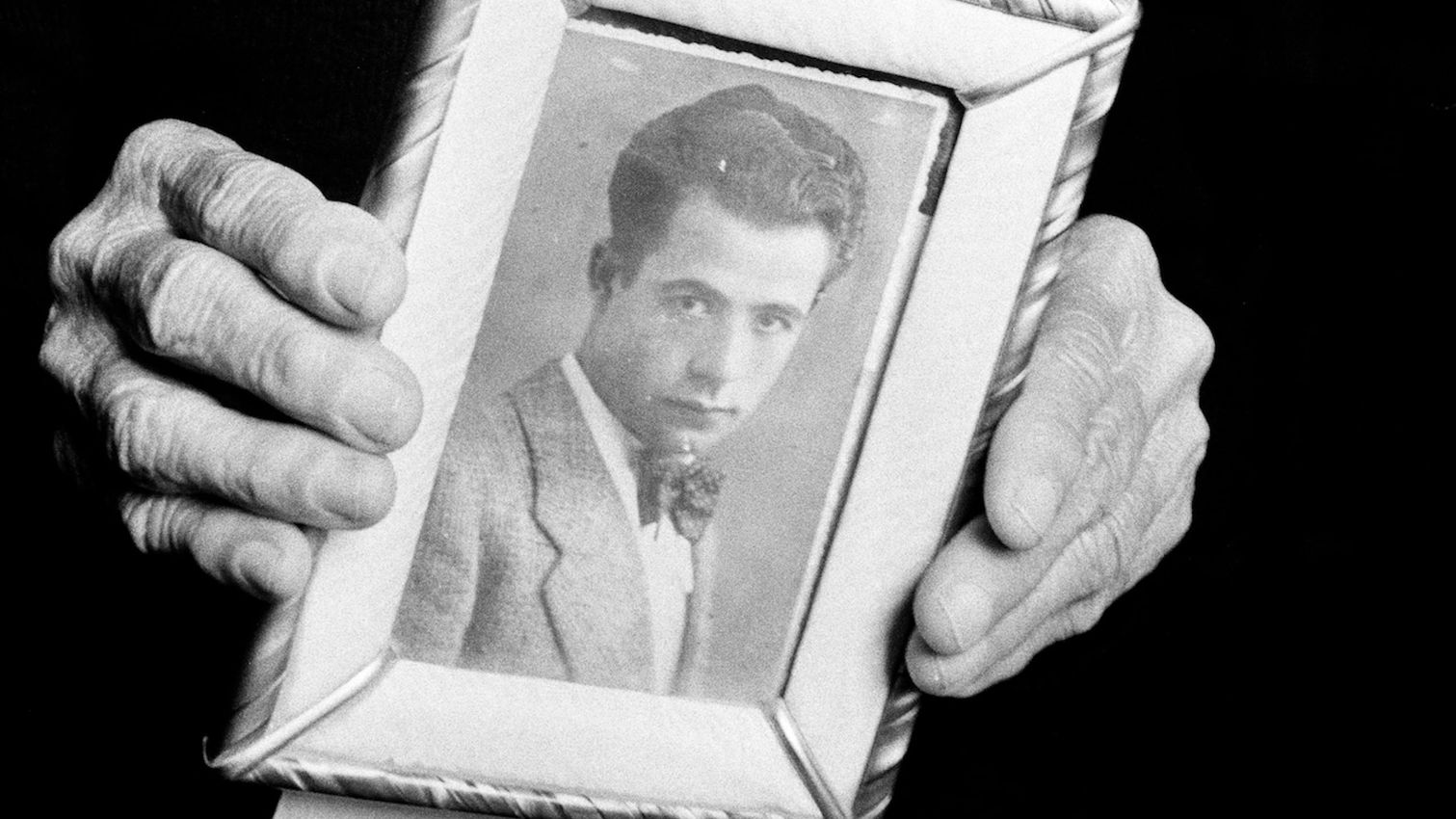
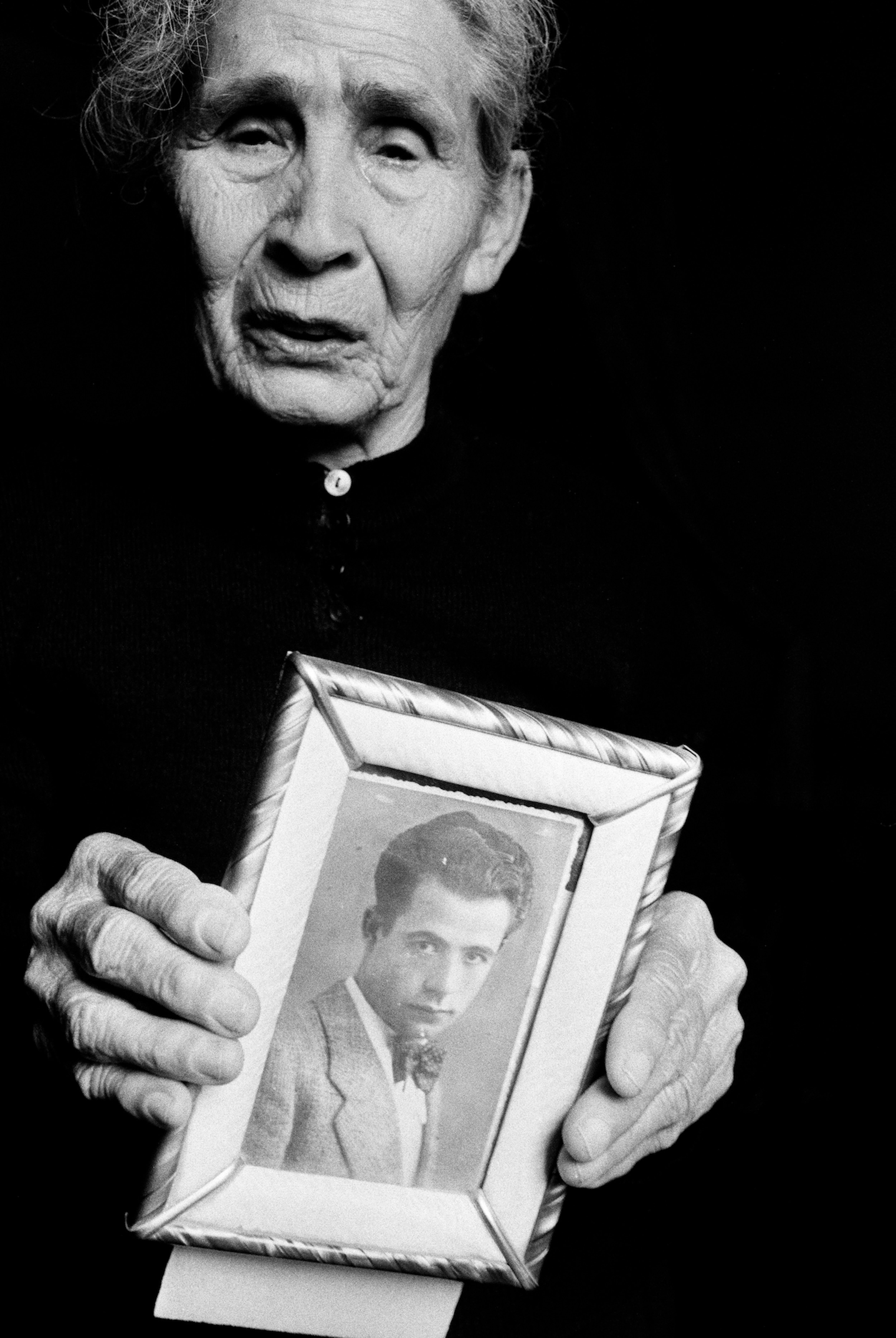
A mother with the portrait of her missing son (1984) is one of Letizia Battaglia’s many photographs of Sicilians mourning the loss of family members to the violence of organised crime. She took it in a small town southeast of Palermo at the time when Mafia violence on the island was at its height, driven by the huge profits of a booming drug trade. An older woman takes up the majority of the frame, holding a portrait photograph of a young man. The shot seems to have been taken as she is walking towards the camera, cutting off the top of her head. Her hair is wispy and white, her fingers wrinkled, her dress sombre and her eyes hollow. A long black curtain behind her plunges the background into darkness. The man in the frame she shows the viewer, with his patterned bow tie and defiant look, seems more alive than she is. But he’s the one missing.
“The man in the frame she shows the viewer, with his patterned bow tie and defiant look, seems more alive than she is”
In her years capturing the consequences of Mafia wars around her native Sicily, Battaglia (1935–2022) was never afraid to immortalise violence up close. One of her most famous shots, from January 1980, shows Piersanti Mattarella, then President of the Sicilian Region, being pulled out of his car having been assassinated in front of his friends and family. Battaglia had taken her camera to the crime scene and captured Mattarella’s dead body being held by his brother, Sergio (Italy’s current president), after being carried out of the front seat.
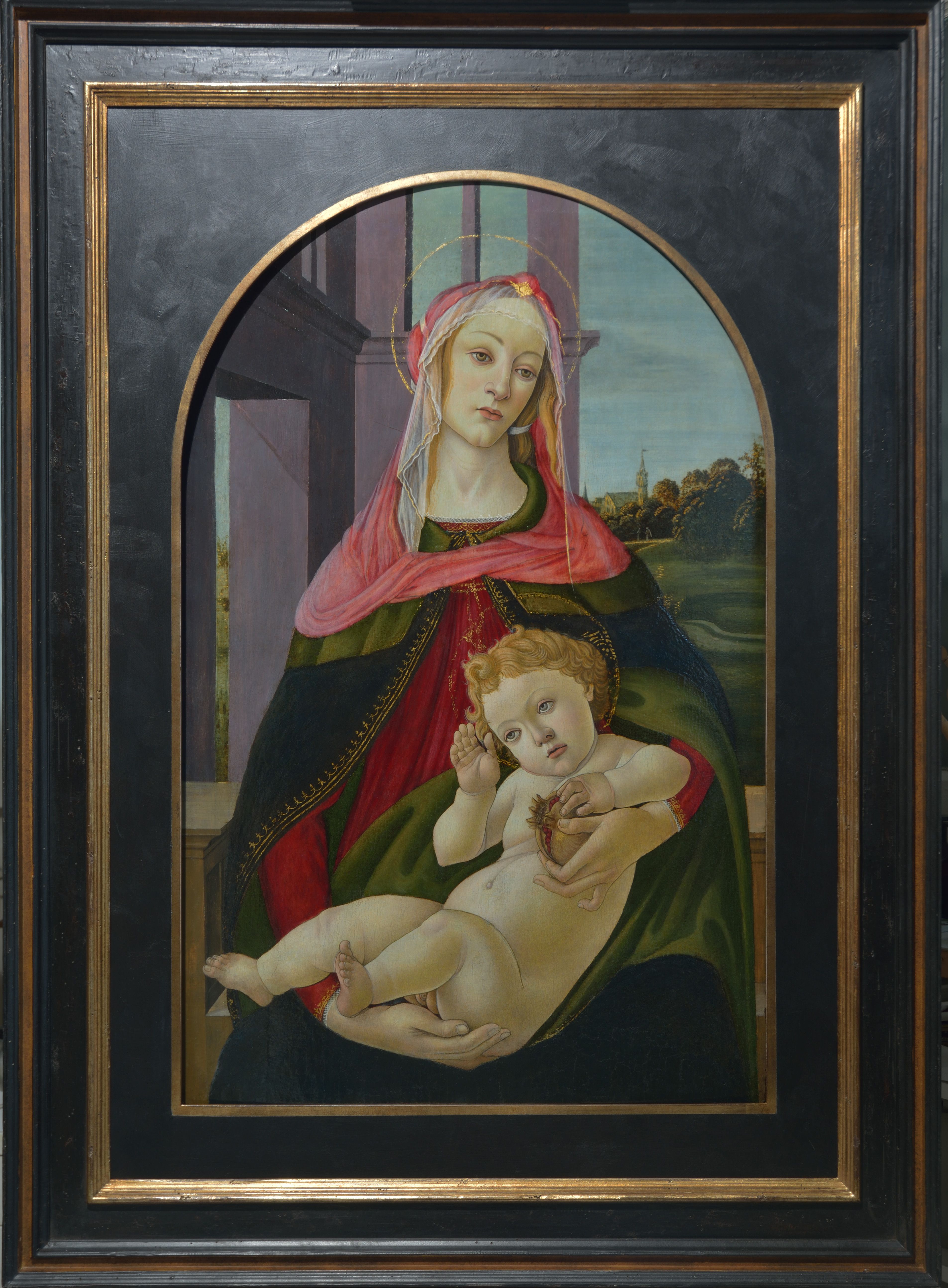
We associate black-and-white photography of violence with authority, objectivity and reportage: the photographer witnessed the event and chronicled it. In this portrait of a mother weeping for her son, the monochrome takes on a dark irony. Here we are faced not with fact but with an unanswered question: why did this young man lose his life? It’s a woman in mourning and an angelic face of a lost boy: a Madonna and child.
“We associate black-and-white photography of violence with authority, objectivity and reportage”
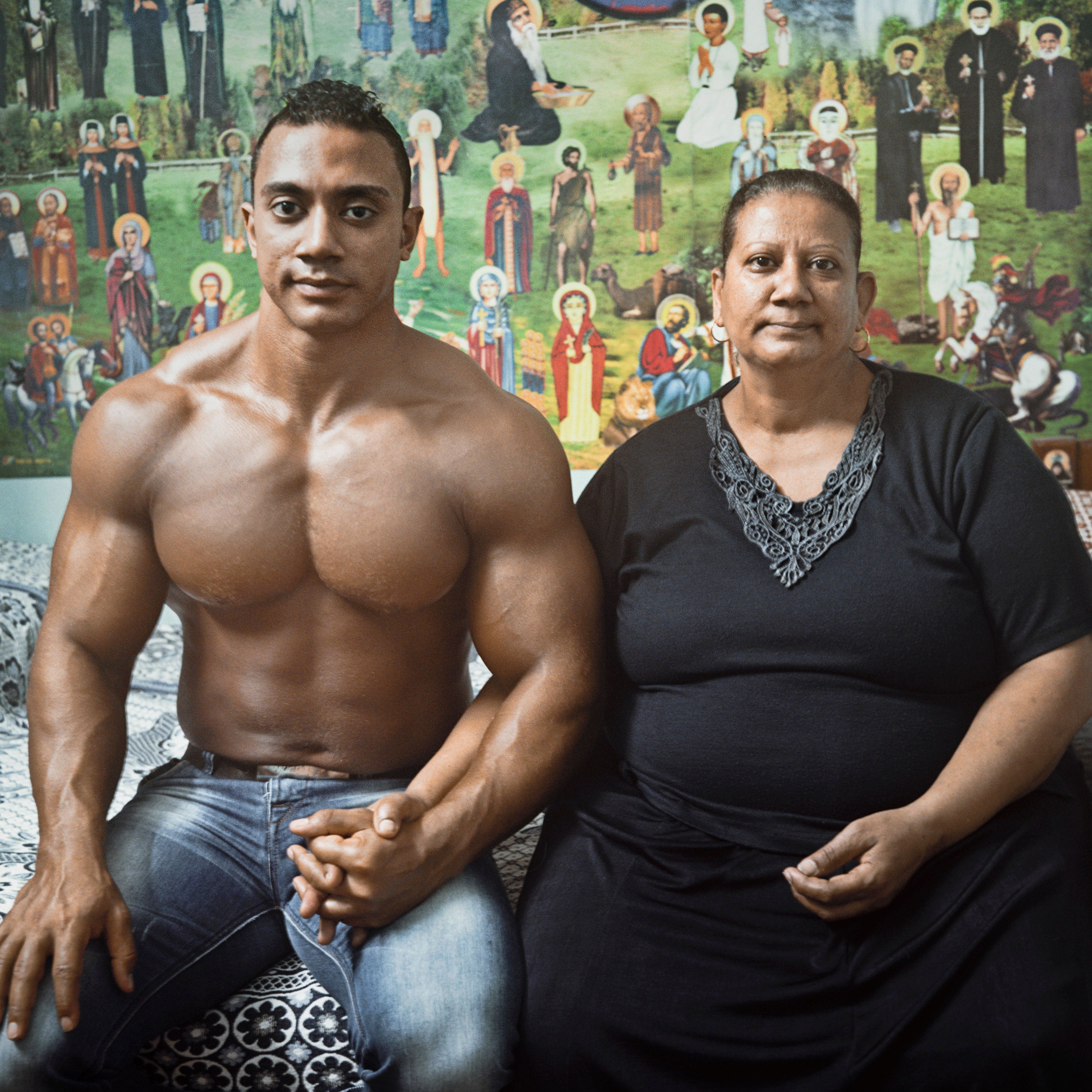
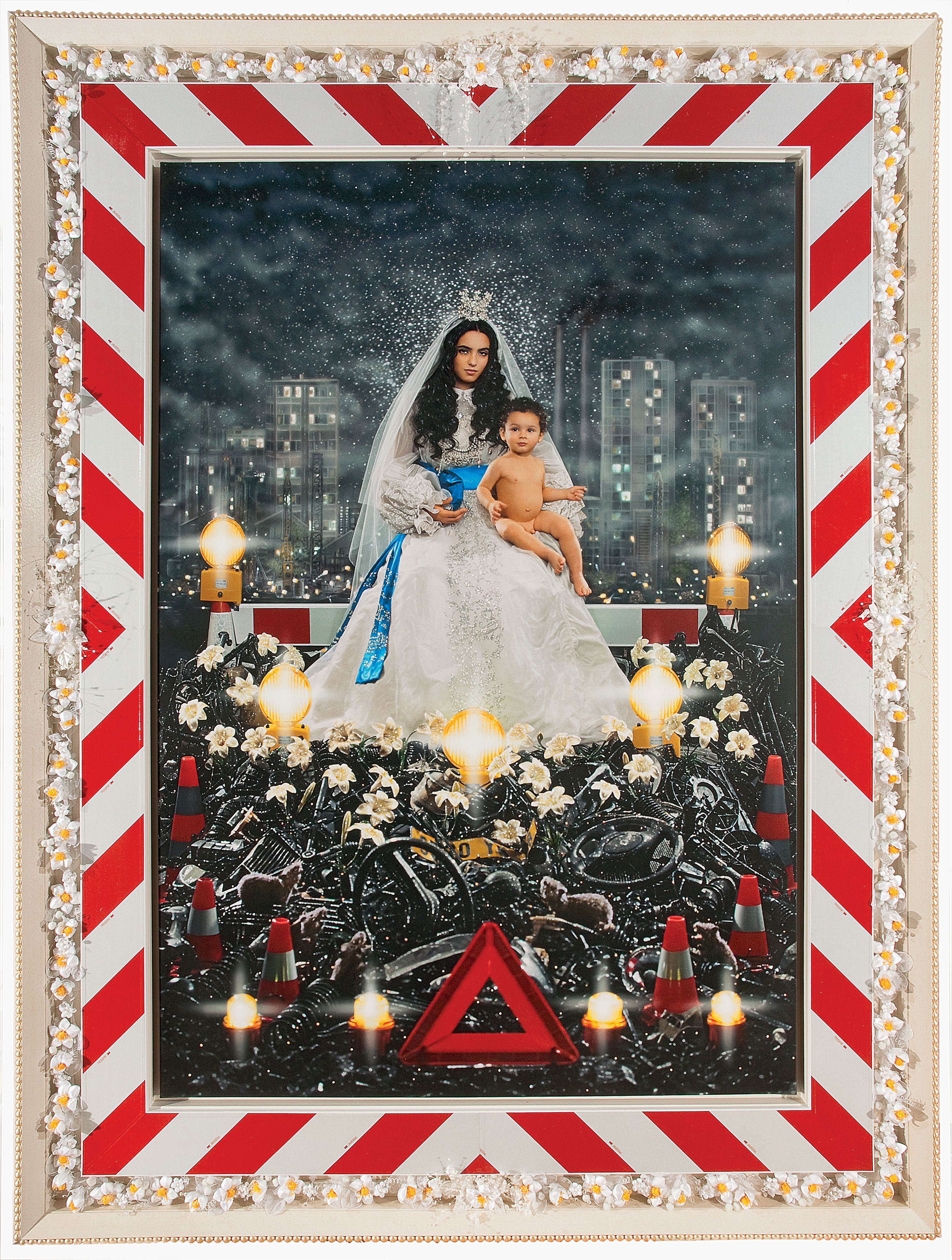
Currently on display at the Museum of European and Mediterranean Civilisations (Mucem) in Marseille, Battaglia’s work is part of a larger exhibition centred around motherhood. The title Bonne Mères (Good Mothers) references the nickname Marseillais have for the Basilica of Notre-Dame de la Garde, the church overlooking the city, which is said to protect its inhabitants. Within this context, Battaglia’s image is a representation of mothers as guardians of their children, fighting to keep their memory alive in the chaos of political instability. It’s a reminder that the photographer’s work as a woman in a violent, macho world didn’t just push societal boundaries, it also served as a journalistic voice for a population being silenced: the mothers behind the murdered men. Capturing the faces of grieving widows and mothers, children roaming the streets, and snapshots of daily life in Palermo, Battaglia asks us not only to look at death, but at the life left behind.


A respected voice in contemporary art discourse.
Focusing on ambitious storytelling and insightful art-world commentary. Ocula Magazine publishes in-depth interviews, critical essays and timely analysis on the artists, exhibitions and ideas driving the global art world.
Learn more about Ocula Magazine
Showcasing the best of the art world.
Ocula partners with galleries from around the world to highlight their artists, artworks and exhibitions. Gallery membership is by application and invitation, with each member vetted by an independent panel.
Learn more about Ocula Membership
Specialises in the sale of major artworks.
Led by a team with deep ties to the world’s leading auction houses, galleries and collectors. Ocula’s advisory team offers bespoke services to high-net-worth clients from around the world who are looking to acquire the best of contemporary and modern art.
Learn more about our team and services