






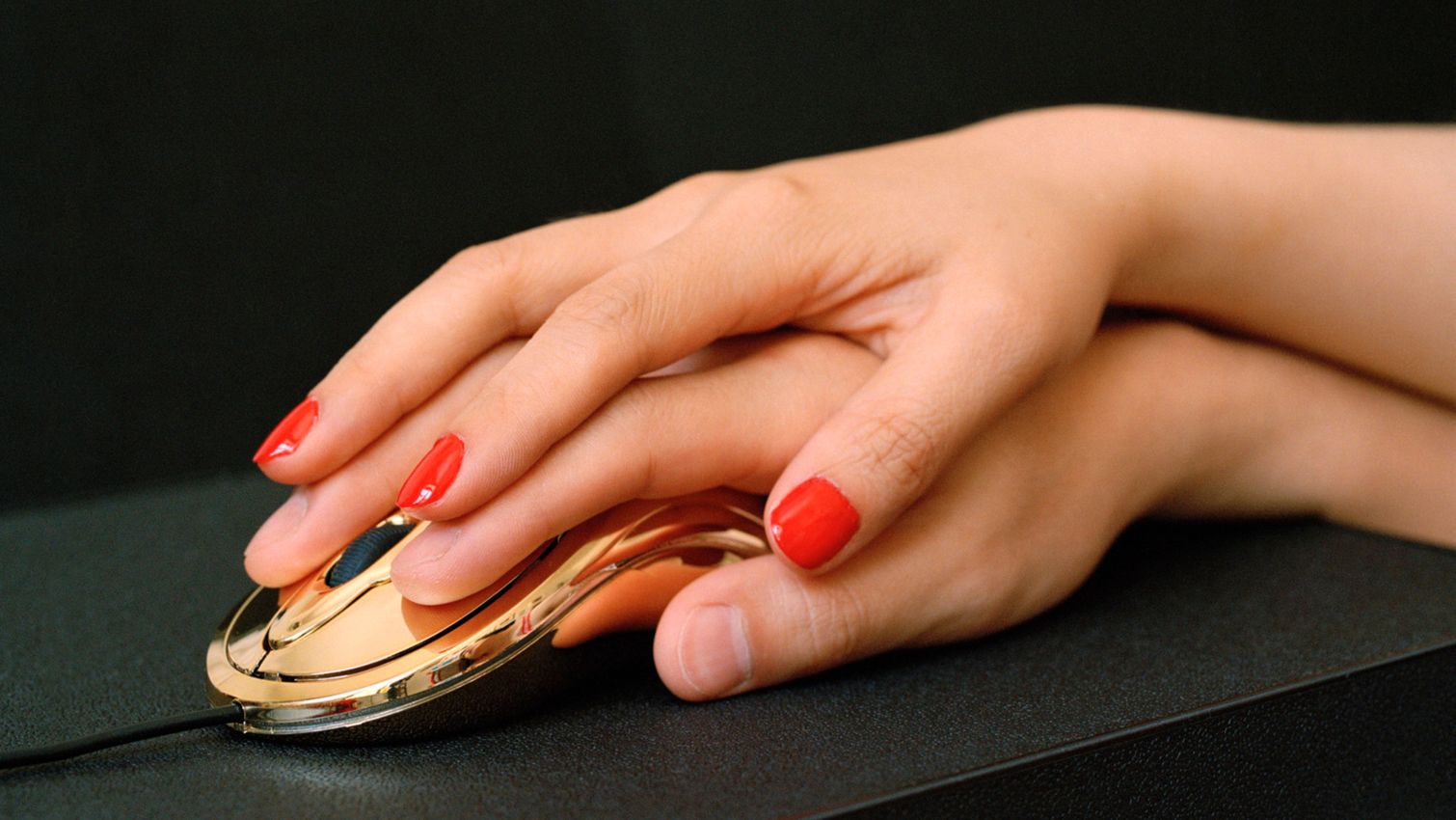
‘How Many Artists From One Gallery Can I Date?’ Pixy Liao Answers Your Dilemmas
In the spirit of Pixy Liao’s new survey show, Relationship Material, now on view at the Art Institute of Chicago, Ocula asked the artist for her advice on resolving some of the art world’s romantic challenges. Save to My Ocula
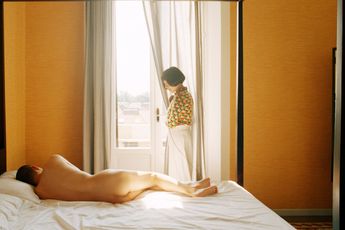
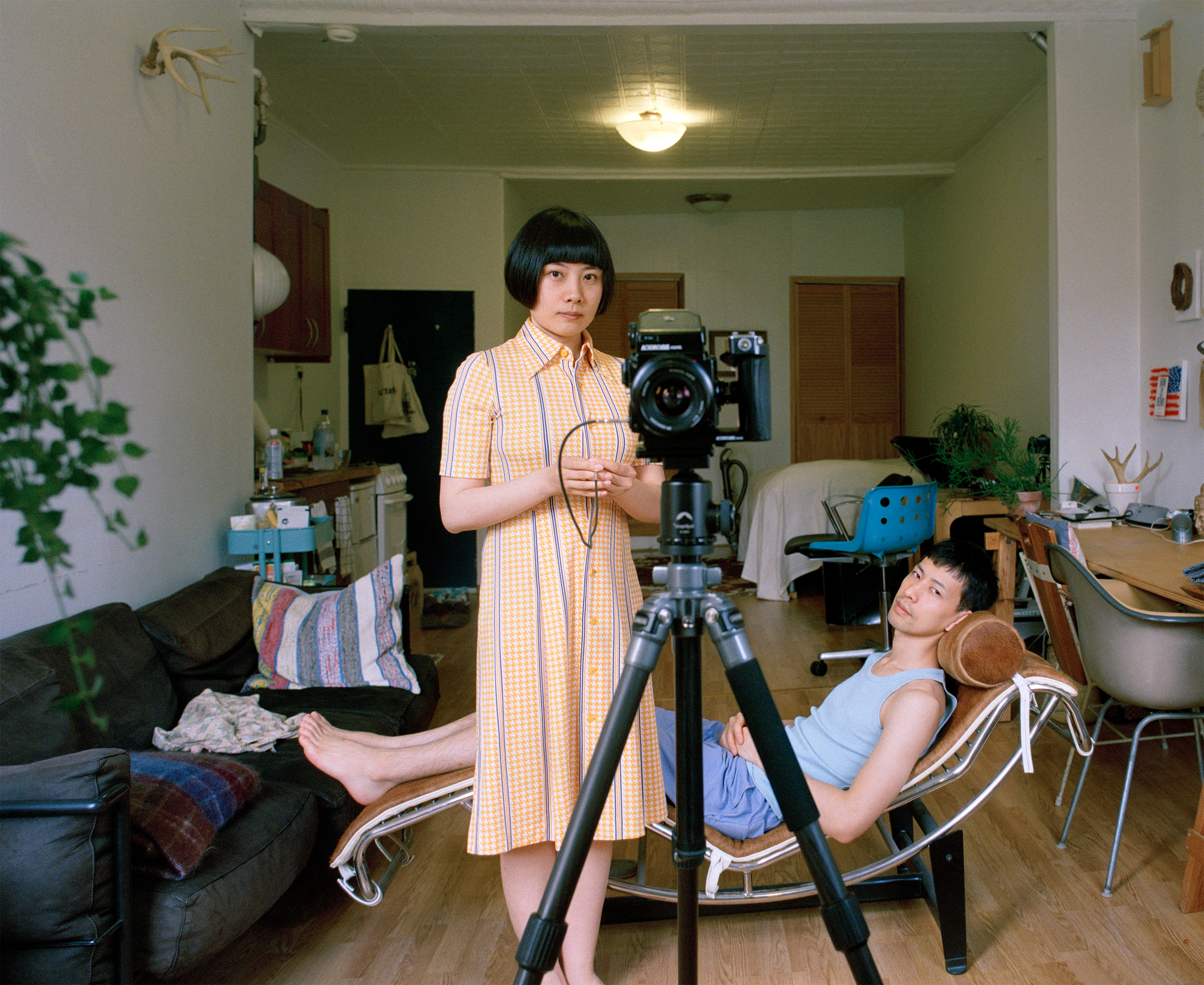
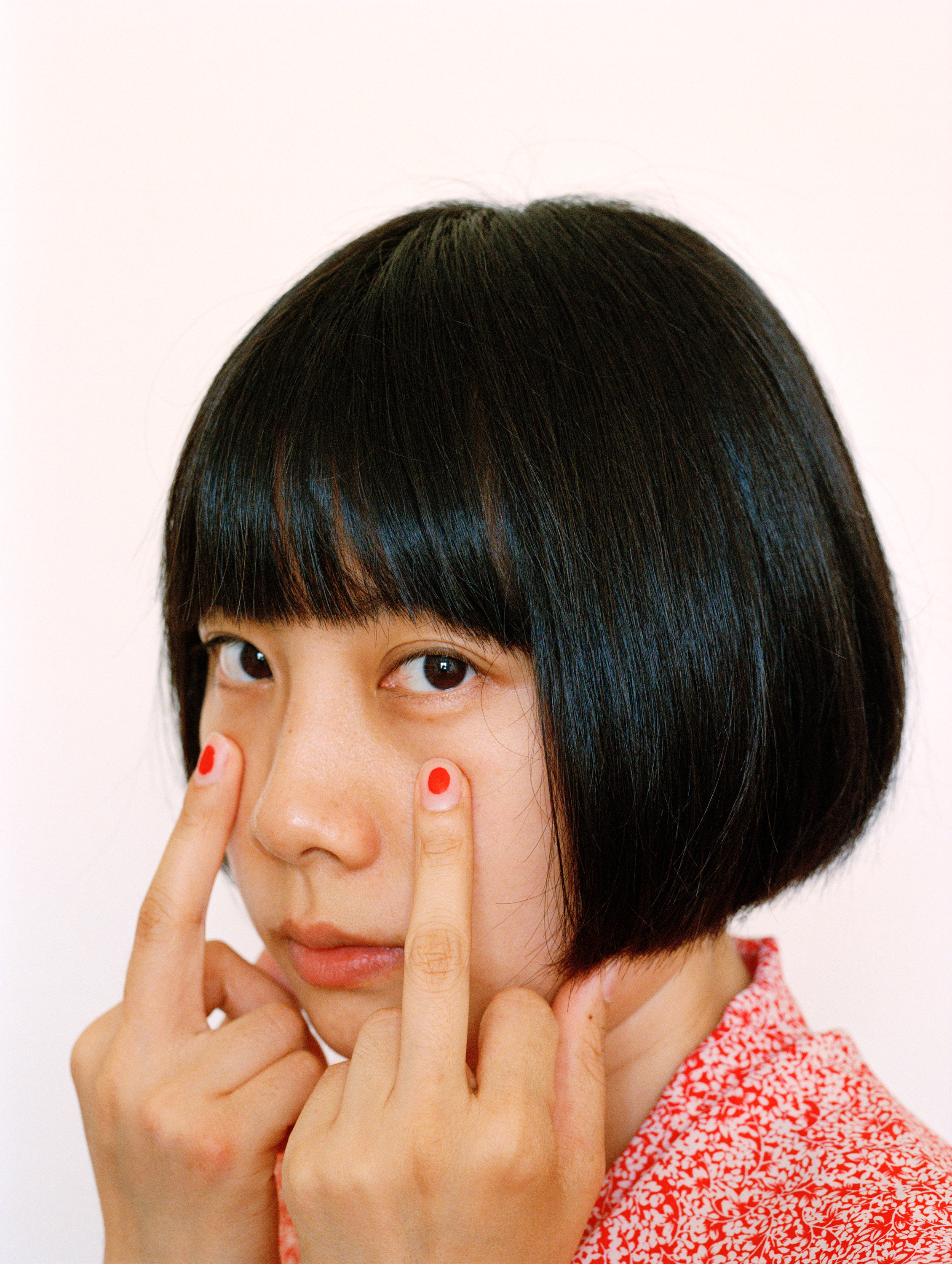
Pixy Liao’s ‘Experimental Relationship’ photographs are among the most successful marriages between the horny and the absurd in contemporary art. It’s a series the New York-based artist has been working on for the past 18 years, photographing herself and her longtime boyfriend Takahiro Morooka (‘Moro’) in situations that can only be described as ‘goofball smut’—whether she’s wrapping up a naked Moro like a tasty toro nigiri (Homemade Sushi, 2010), spitting in his agape mouth (Spit, 2010), or hoisting his floppy, naked body over her shoulder in a playful gender role switch-up (Carry the Weight of You, 2017).
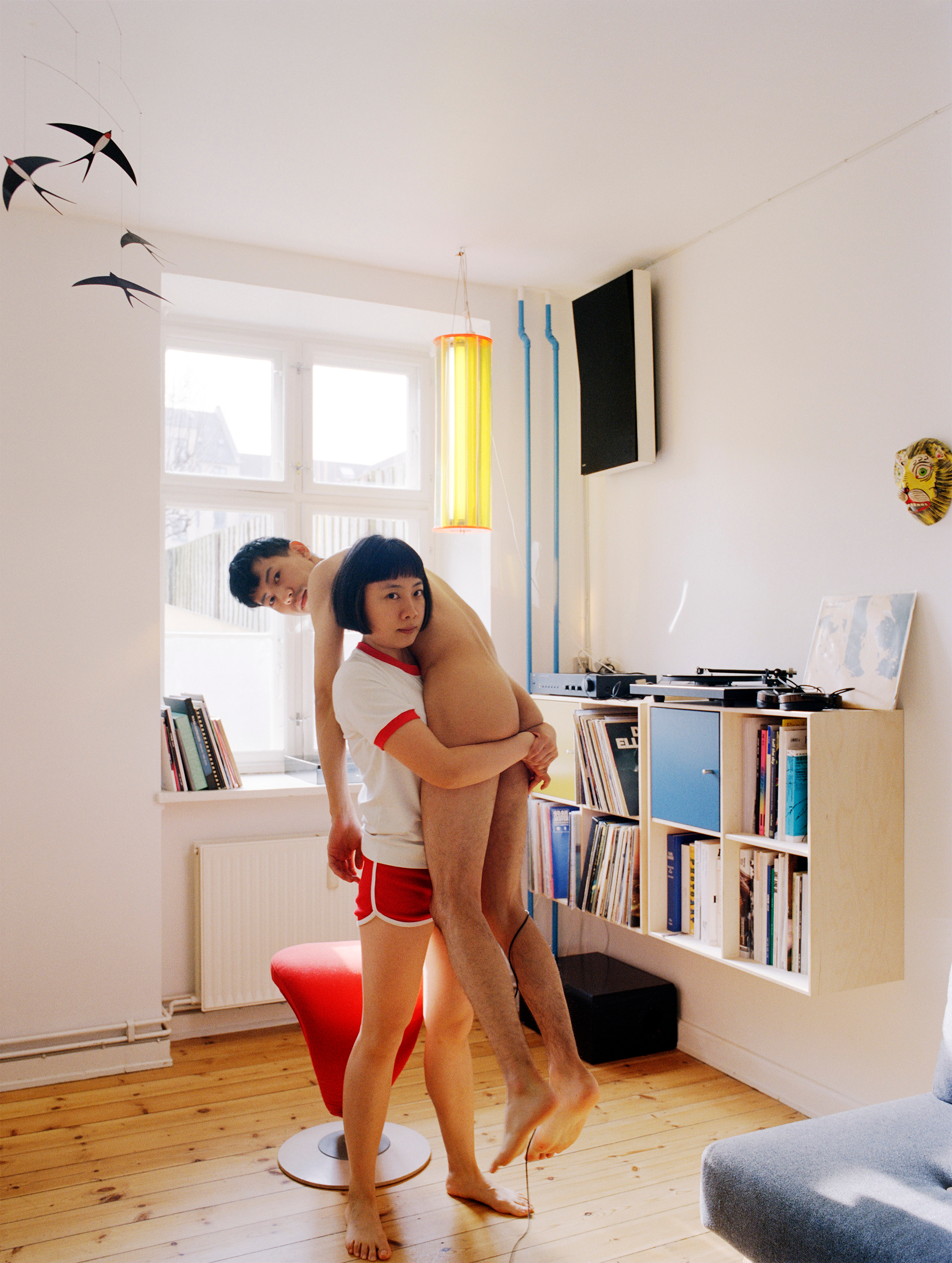
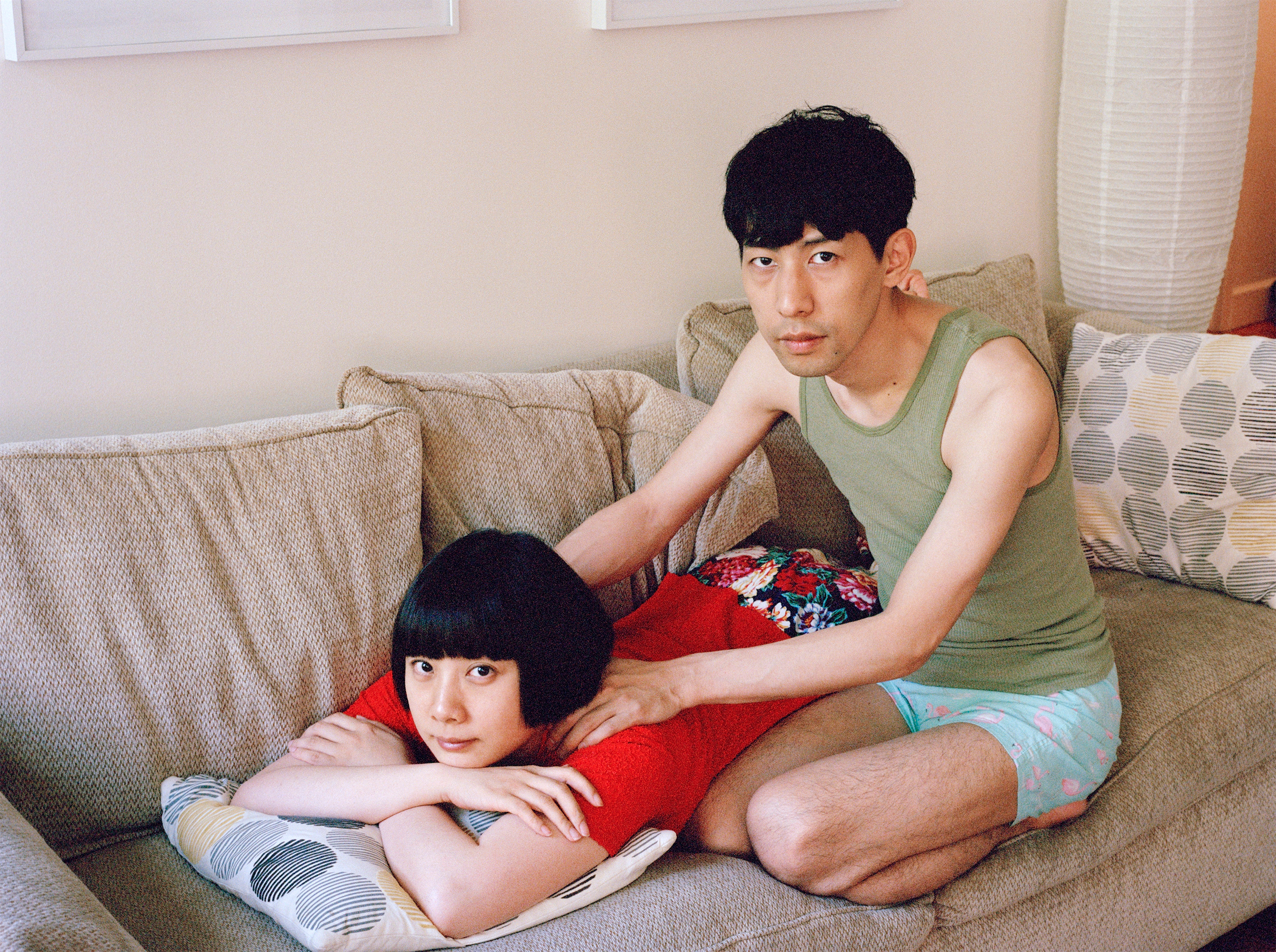
Relationship Material, Liao’s exhibition at the Art Institute of Chicago, curated by Yechen Zhao, features 45 works and serves as a retrospective of sorts for ‘Experimental Relationship’, though the series is far from complete. Liao has always planned for it to be one recognisable body of work. ‘I’ve been using the exact same camera as the one I used when I was in school,’ she tells me. ‘I want to keep it consistent.’
Yet there’s one work in the presentation that is abundant in its variety. A Collection of Penises (2013) comprises 19 Claes Oldenburg-esque soft sculptures of the titular organ; the piece was handmade by Moro at the behest of Liao.
‘I was thinking about how, in a relationship, your partner can do so much free work for you,’ Liao explains. ‘You know—cooking for you, massaging you. I was thinking: how can I take it further?’ A lightbulb moment came, and Liao asked Moro to make the work himself. ‘I said to him, “You can make them any shape you want as long as they are pink and soft.” You know, Moro’s very creative. He’s very good at sewing things. So he made a bunch of very fun-looking penises. Each one has its own name.’
But which is her favourite? ‘A tiny little penis. It’s called Hope. It’s in a very precious golden box. I love it. It’s so cute.’
The Chicago exhibition also includes four music videos by PIMO, an indie noise band that Moro fronts and Liao plays in. ‘In the band, our relationship is different,’ Liao says. ‘He is the leader. The music videos are all collaborations, but it’s more his work. In this show, Yechen wanted to highlight our relationship. So both our works are in it, and I think the video part is more to highlight my collaboration in Moro’s music project.’
One might wonder how an artist with such a clear vision, who is so comfortable in directing her partner to pose as, say, a bride (Two Brides, 2010), finds the flexibility and vulnerability to be steered creatively. ‘In music, I am totally happy for Moro to lead because I am not a musician at all,’ Liao says. ‘Also, I feel like it’s a very good way to remind me how I should collaborate with him because, you know, the way he directs sometimes tells me how I should direct. I can learn from him, so it’s very helpful.’
Inspired by Liao’s outlook on her creative partnership, I decided to ask her for her tips on some sticky romantic situations our art-world friends have found themselves in. While details have been changed to protect the not-so-innocent, you might find a glimmer of your own confusing situationship mirrored in these anonymously submitted scenarios.
Q: When I married my sugar daddy, they had loads of money and no taste. Over time I helped them build a world-class art collection. Now we are splitting up. Should I: A. Take my pitiful palimony and start a gallery called PRENUP to build a new post-sugar baby career; B. Become an art advisor to honour my passion for spending other people’s money; or C. Fight them in the court of public opinion (i.e. shame them on social media) to blackmail them into giving me my half of the collection?
PL: I think you should combine A, B, and C—and that will be your new career. Splitting up with your sugar daddy can be your marketing plan. Now you can become a multi-hyphenate gallerist, art advisor, and, like, kink-shamer. And you can use your social media shaming as double-duty for promoting your business!
Q: What advice would you give a creative couple when one person’s career is on fire and the other’s has stalled out? Is jealousy the key to a spicy love life, or is it the first nail in the relationship coffin?
PL: For the benefit of the relationship, I would suggest being a collaborator, not a competitor. And another word of advice is to never date the same type of artist as you.
Q: I consider my partner to be my muse, but they often get grumpy when I ask them to pose in the same contorted position for eight hours while I paint them at my leisure. What can I do to convince them that my career is more important than their comfort?
PL: Well, if they are your muse, you have to keep them happy. Eight hours is too long. Just split it into eight days, at one hour per day. As long as you have a happy (or at least comfortable) muse, you can always use them another day. But if you wear them out, you can never get them back. Don’t use up your muse.
Q: I’m an art hoe. How many artists from one gallery can I date?
PL: That really depends, I guess, on your relationship skills. For me, I can only do a series of solo shows. But, like, maybe for somebody, they can do a series of group shows. It just depends on how much ‘art’ you can handle.
Q: My partner is a famous curator who makes me write all of their press releases and wall texts. How do I tell them I’ve been slipping in embarrassing inaccuracies to get back at them for cheating on me?
PL: Don’t tell them. Until the score is settled, just keep doing it.
Q: There’s an artist who has been sending me secret sexy messages in their work through code. Do I ignore it, or risk looking like a crazed conspiracy theorist by calling them out?
PL: That’s kind of tricky. I think that that is similar to, you know, the period of time before two people get into a relationship, when they’re just guessing—and that’s all it is. So you kind of have to just go for it. If you like the artist, you directly call it out. And if you don’t like them, ignore them! —[O]
Pixy Liao: Relationship Material is on view at the Art Institute of Chicago from 26 July to 8 December 2025. Liao’s work can also be seen this autumn in a two-person show at Alisan Fine Arts in New York, opening 3 September, and in a solo show, In presence of the artist, at Stieglitz 19 in Antwerp, from 7 September to 25 October 2025.
Main image: Courtesy © Pixy Liao.










A respected voice in contemporary art discourse.
Focusing on ambitious storytelling and insightful art-world commentary. Ocula Magazine publishes in-depth interviews, critical essays and timely analysis on the artists, exhibitions and ideas driving the global art world.
Learn more about Ocula Magazine
Showcasing the best of the art world.
Ocula partners with galleries from around the world to highlight their artists, artworks and exhibitions. Gallery membership is by application and invitation, with each member vetted by an independent panel.
Learn more about Ocula Membership
Specialises in the sale of major artworks.
Led by a team with deep ties to the world’s leading auction houses, galleries and collectors. Ocula’s advisory team offers bespoke services to high-net-worth clients from around the world who are looking to acquire the best of contemporary and modern art.
Learn more about our team and services