





Artists Embrace Their Monstrous Side at Art Basel Paris
Halloween has come early to the French capital as a wave of queer artists blend fantasy and the grotesque in a show of resistance against the status quo. Save to My OculaAmid a growing wave of polite painting and identity ennui—with the art world’s interest in visible diversity waning, and ‘anti-woke’ sentiment on the rise following Trump’s return to the White House this January—artists on show in Paris this October are demonstrating a palpable sense of resistance. Queerness is rearing its head in a strange, abject, sticky, dress-up-box playfulness.
Like a makeshift costume round in RuPaul’s Drag Race, a raucous range of installations, sculptures, videos, and oddities resolutely celebrate the importance of a sense of otherness in the face of the stifling status quo. These are pop zombies that refuse to be buried by growing political restrictions on everything from immigration to DEI initiatives at universities and museums, or by the wider cultural backlash against gender, sexuality, and identity politics. This is art as cosplay, asking serious questions of our contemporary moment while wearing a toy mask.
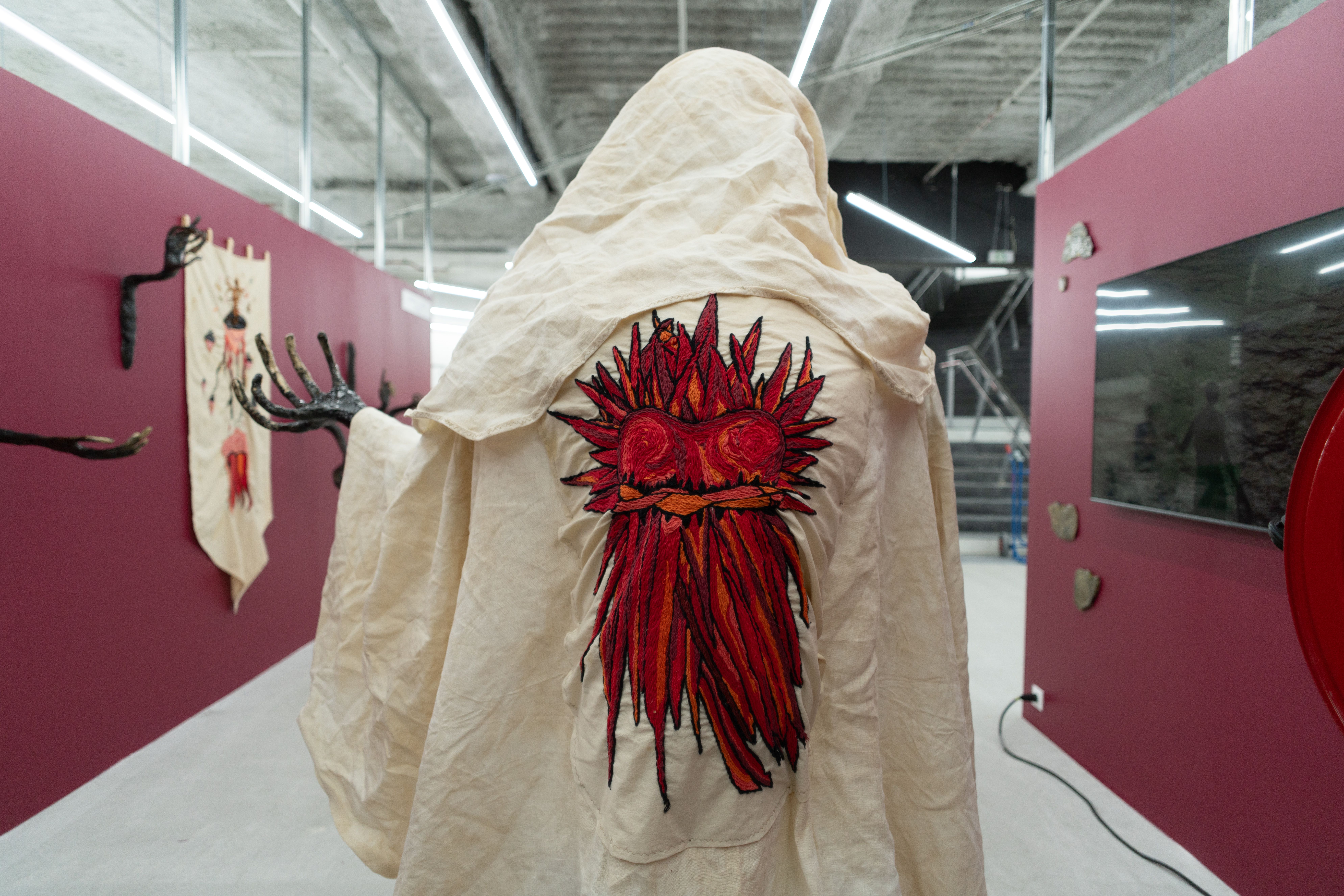
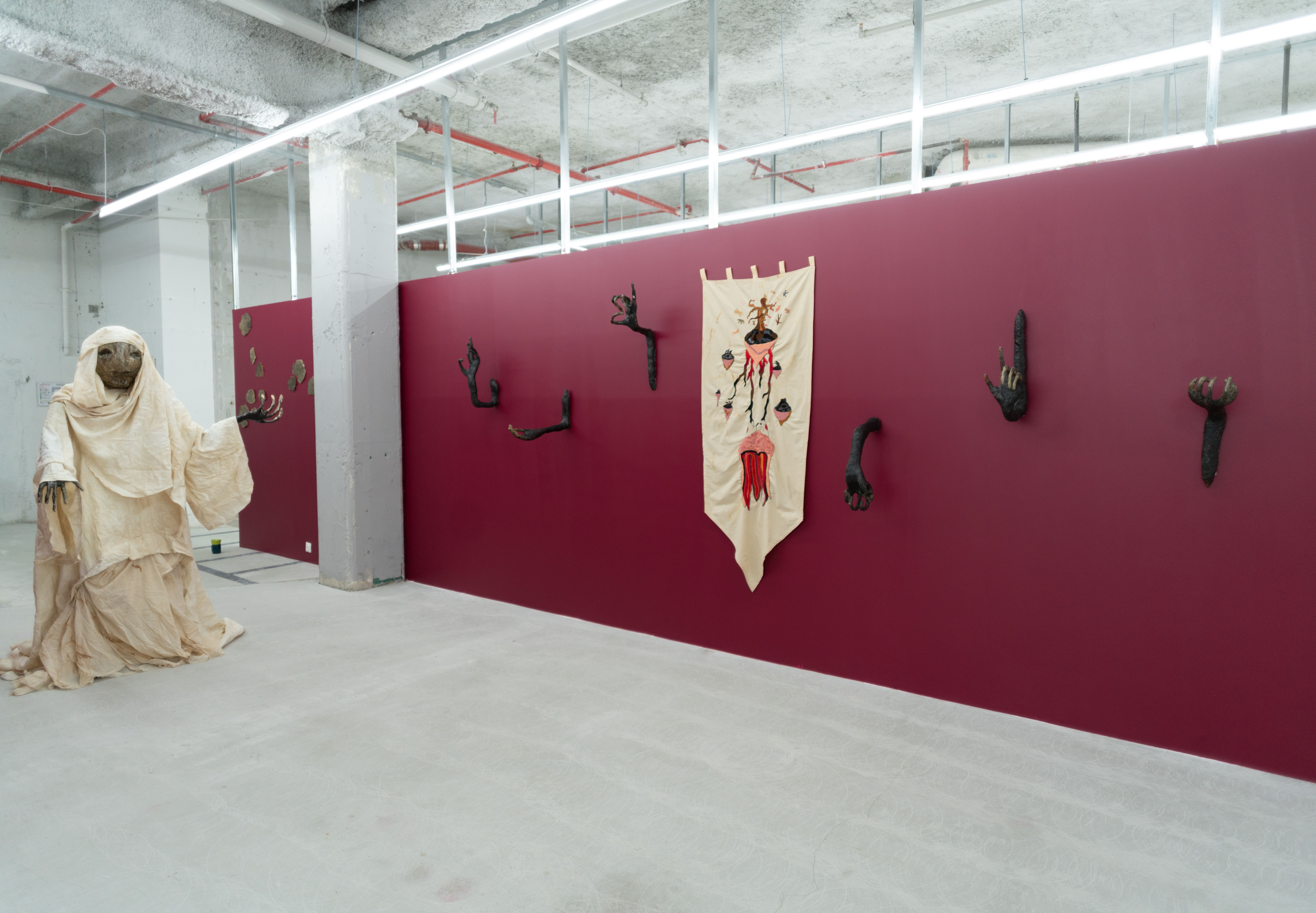
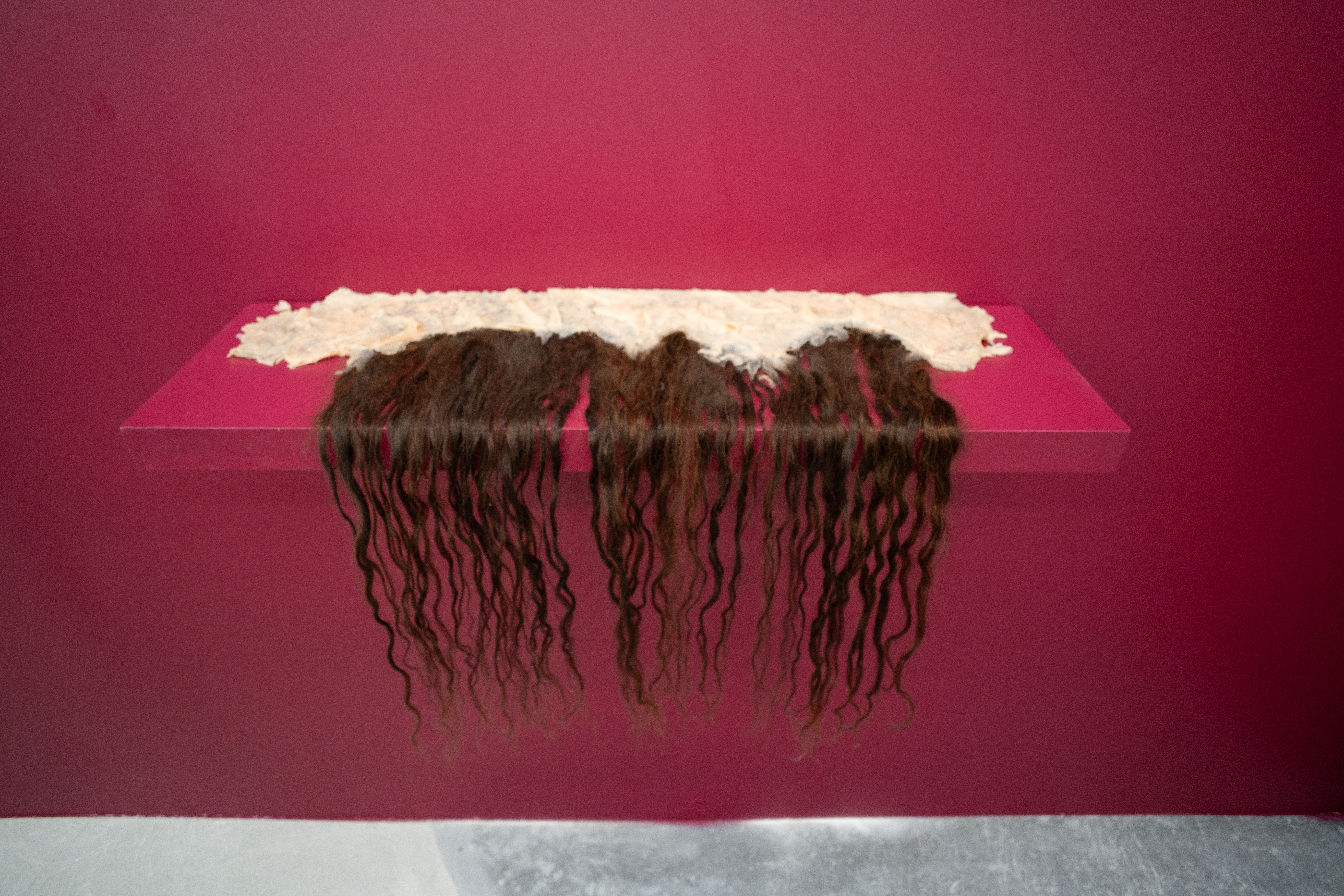
It is a conspicuous trope at Paris Internationale (which celebrates its eleventh anniversary this year), a fair notable for showcasing more cutting-edge emerging galleries and artists than the behemoth Art Basel at the nearby Grand Palais each October. At Barcelona’s House of Chappaz, a solo presentation of rising Spanish artist Raisa Maudit riffs on a 12th-century underground cult of sexual and religious dissidents who resisted medieval European moral restrictions. The deep pink walls of the booth are covered in bronze, neo-Gothic severed arms, echoing Christian iconography as much as the handmade props of a low-budget horror movie. At the centre of the booth is a life-sized sculpture of a bogeyman clad in a cream dress, like something from a DIY theatre production. Maudit’s gnarled arms beckon the viewer to enter the artist’s reinterpretation of a camp haunted house.
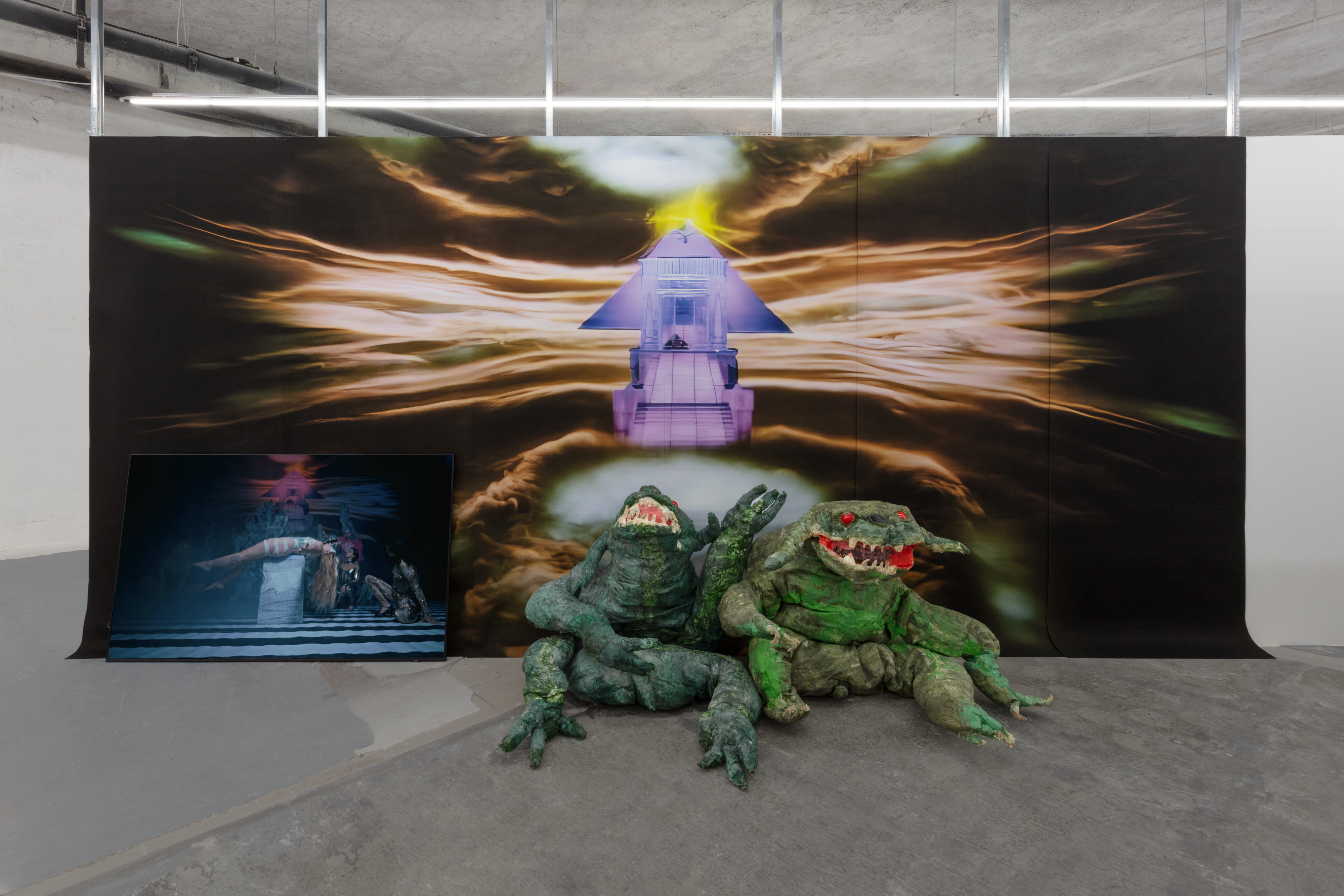
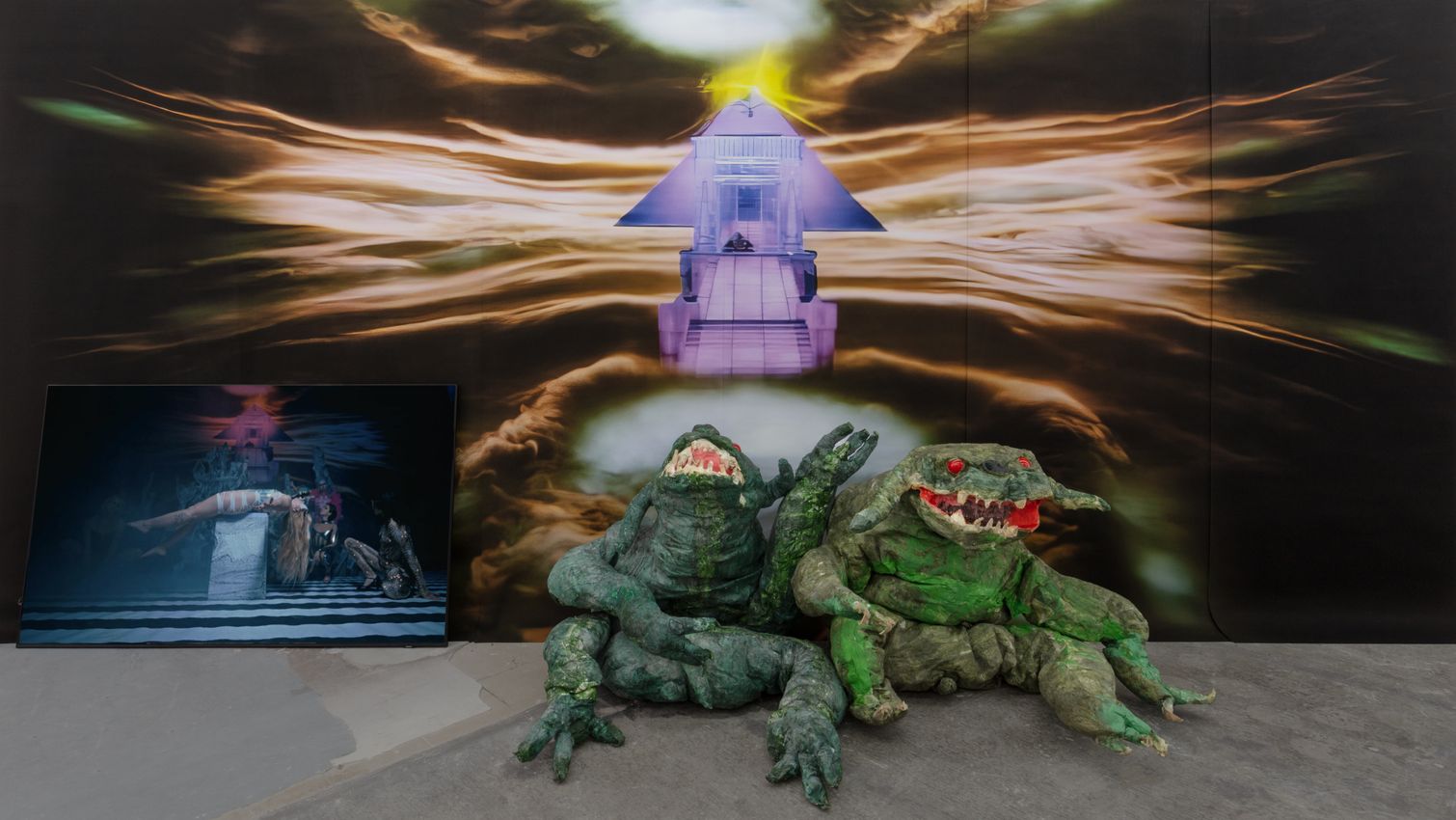
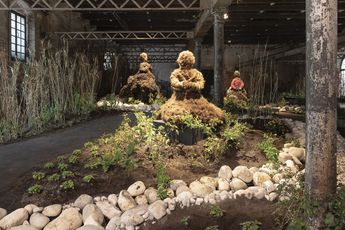
At Gregor Staiger’s booth nearby, Monster Chetwynd has created an installation displaying performance video work, wall pieces and costumes. At the heart of Zuul (2025) is a pair of sculptural green, grinning monsters collapsed on the floor against a sci-fi wall print, like 1980s movie extras taking a break between shots. A reference to the monsters in the kids’ horror pop movie Ghostbusters (1984), the works brought together here are remnants from Chetwynd’s recent show at the Istituto Svizzero in Milan, a wider exploration into fantasy and the grotesque. Chetwynd presents a narrative-architectural other-world, innately queer and with an exaggerated, camp sensibility that, according to the Milan exhibition text, ‘symbolises a rebellious force capable of overturning conventional structures and values, inviting viewers to reflect on otherworldly realms and unexplored possibilities’.
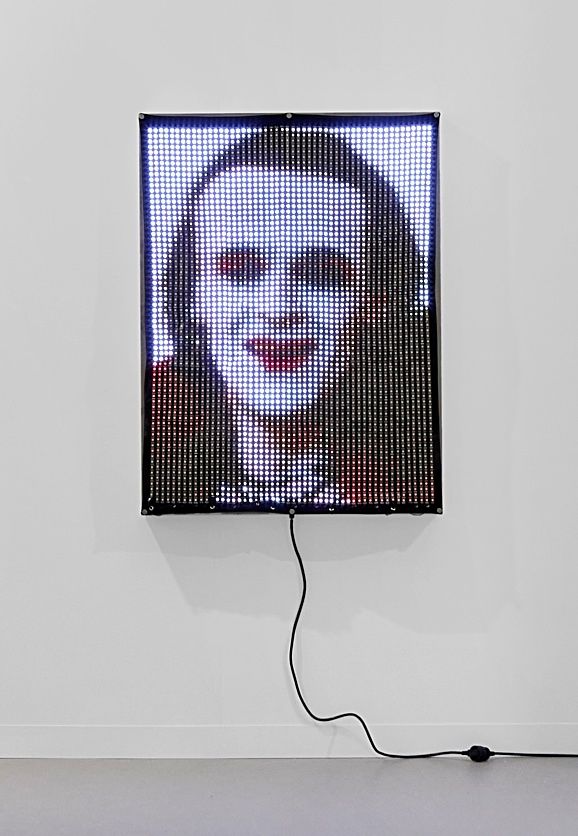
This rebellion against a pervasive rightward drift in the political landscape feels darker at times. Max Mayer’s booth at Art Basel Paris is showing an LED wall piece by Ei Arakawa-Nash, who will represent Japan at the next Venice Biennale. The work depicts the distorted, heavily made-up face of avant-garde German performance artist Jürgen Klauke, a pioneering post-war figure who used his body to question gender, sexuality, and the patriarchal structure of German society. Arakawa-Nash, whose latest exhibition at Max Mayer’s Berlin space explores their own experience as a new queer parent to twins, proposes Klauke’s make-up-clad face as an alternative, ideal parent. It is a rejection of the strictures of heteronormative expectations around families, communities and mentorship. Here Klauke is a chosen parent, in a representation of historic resistance and the refusal of commodification. The work, created from 3,588 LEDs attached to hand-dyed fabric with grommets and eyelets, conveys a simultaneously handmade and high-tech sensibility. Klauke’s frozen face, caked in white paint and with haunting smudged eyes, grins at the viewer like a defiant ghost of the past here to anoint the present.
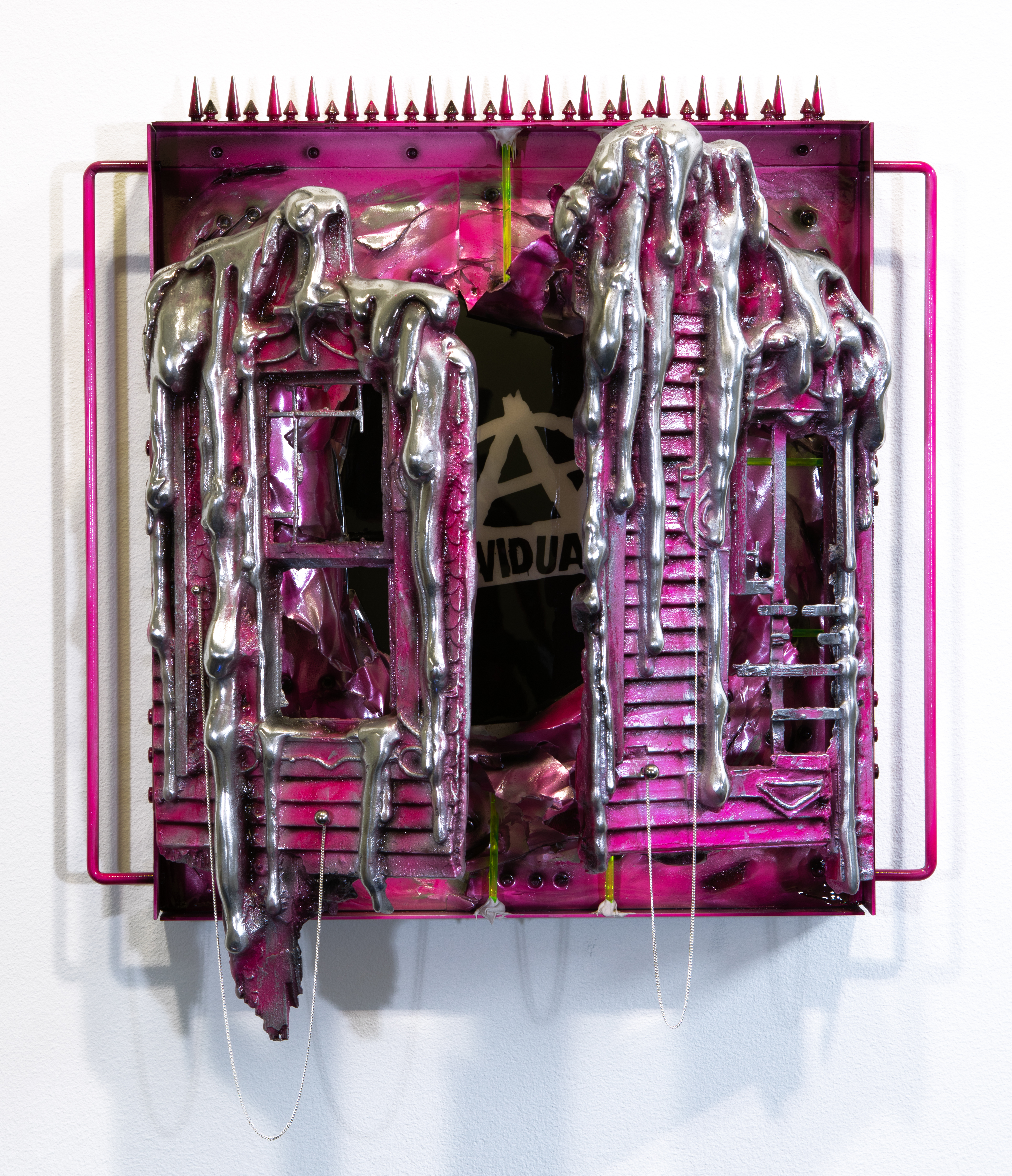
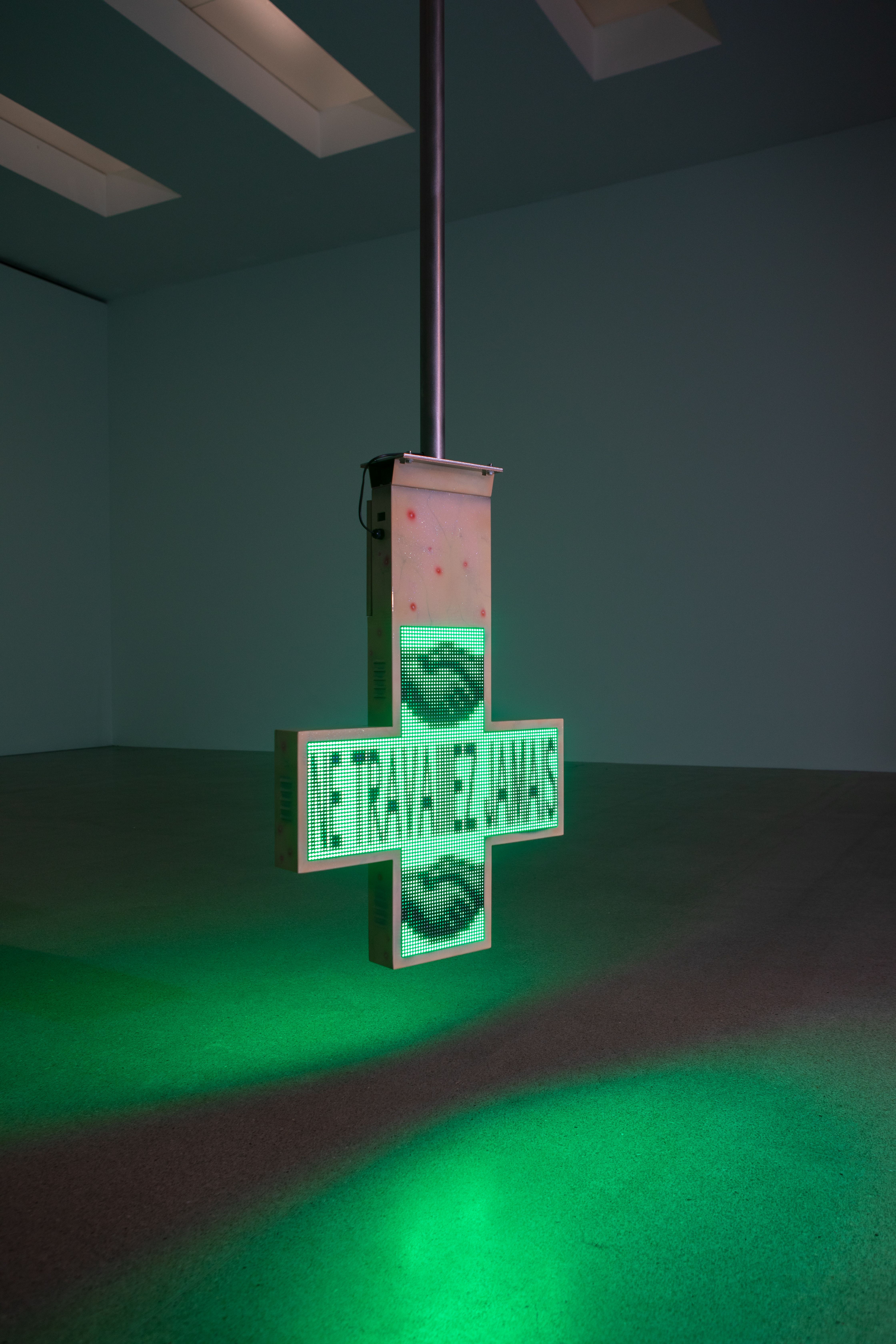
That tension between the clean aesthetics of new technology and the sticky, DIY qualities that often characterise queer spaces of communion is also evident in German sculptor Mathis Altmann’s work at Fitzpatrick’s booth at Paris Internationale. In particular, one pink, altarpiece-like work dials up the kitsch references with an aluminium wall sculpture (dripping with resin and pierced holes) opened to reveal the anarchy symbol and, absurdly, the word ‘individuality’. Nearby, a repurposed LED pharmacy sign rotates as modern-day truisms flash across it, from ‘I’m just so tired’ to ‘#feelings’. The artist is attuned to the tragicomic contradictions of metropolitan life, in which rampant capitalism rubs shoulders with underground and alternative cultures until the two become inextricably entwined.
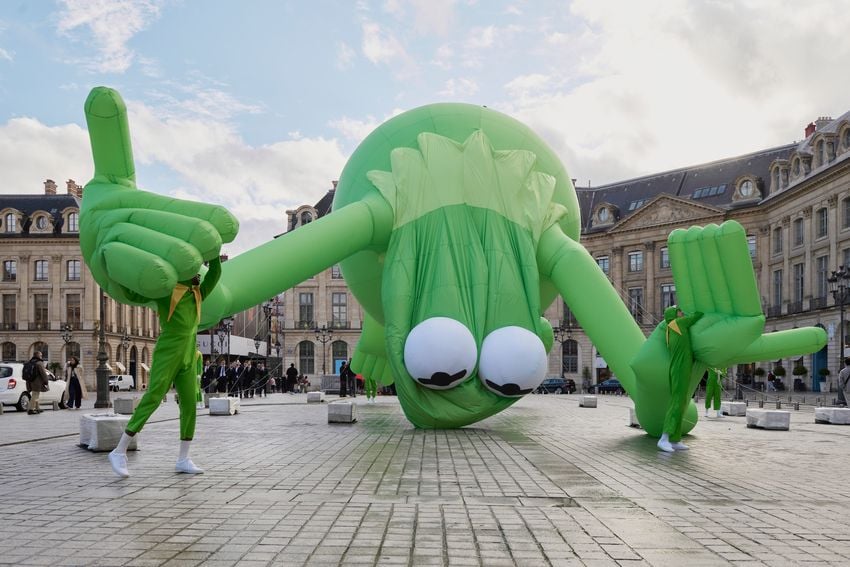
Outside of the fair context, this sense of playful darkness can be seen in Alex Da Corte’s super-sized, blow-up Kermit the Frog, Even (2025) in the Place Vendôme. An official offsite public intervention from Art Basel Paris, the 20-metre piece is an American parade-style balloon, anchored to the ground by ropes and smiling assistants dressed as frogs. The Muppets figurehead rumbles on the ground, its arse in the air, as it blows erratically in the wind—a reference to a balloon which went awry at the 1991 Macy’s Thanksgiving Day Parade. Much of Da Corte’s work also references art history (in this case Marcel Duchamp’s The Bride Stripped Bare by Her Bachelors, Even, 1915–1923), alongside plastic Americana pop culture. In Da Corte’s work there is always something darker beneath the references to children’s television. Kermit the Frog, Even is a high- and low-brow mash-up that reveals a deeper malaise, both on a political and personal level—Jim Henson’s Kermit is an echo of a more liberal American era, one that is now held down and tied up.
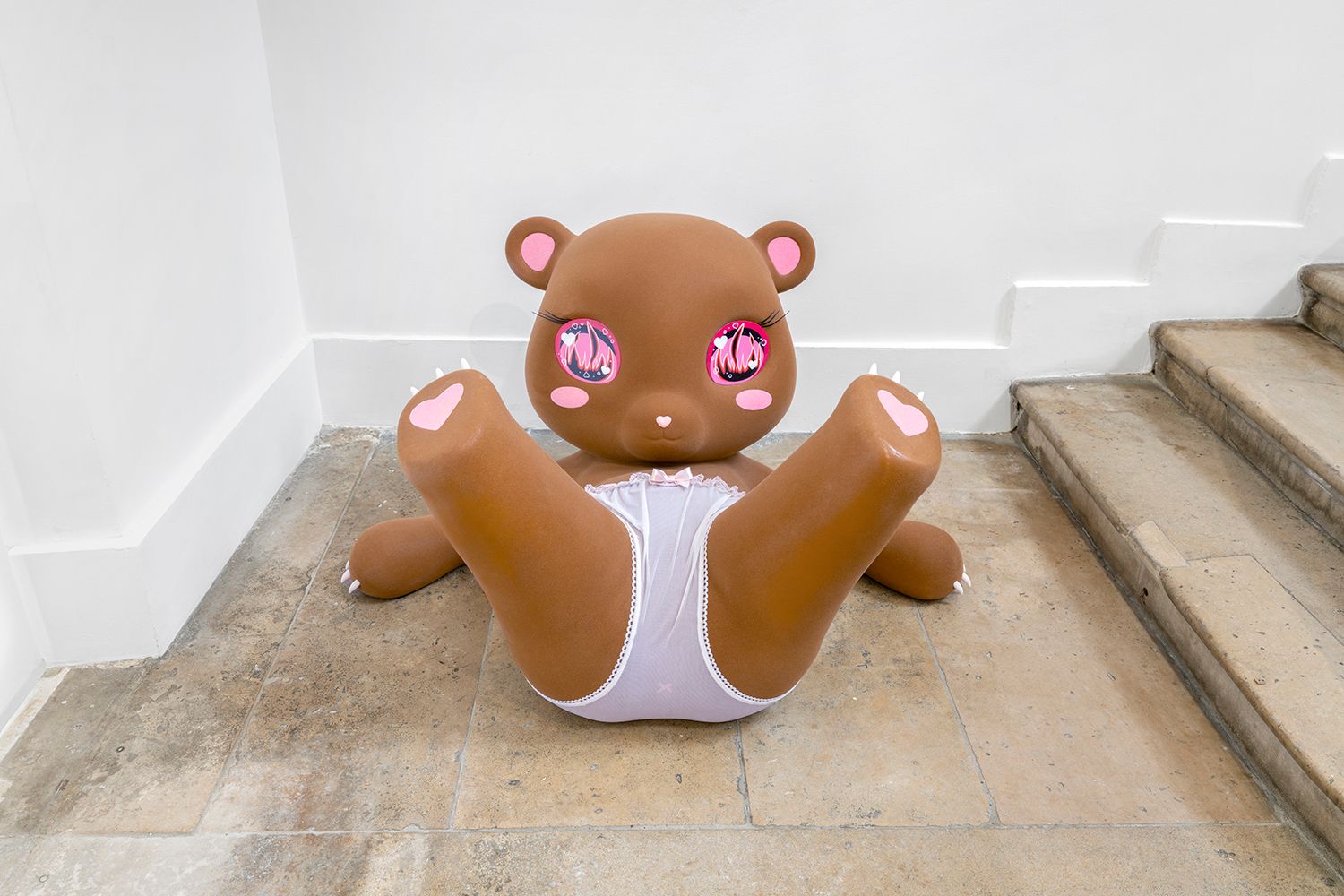
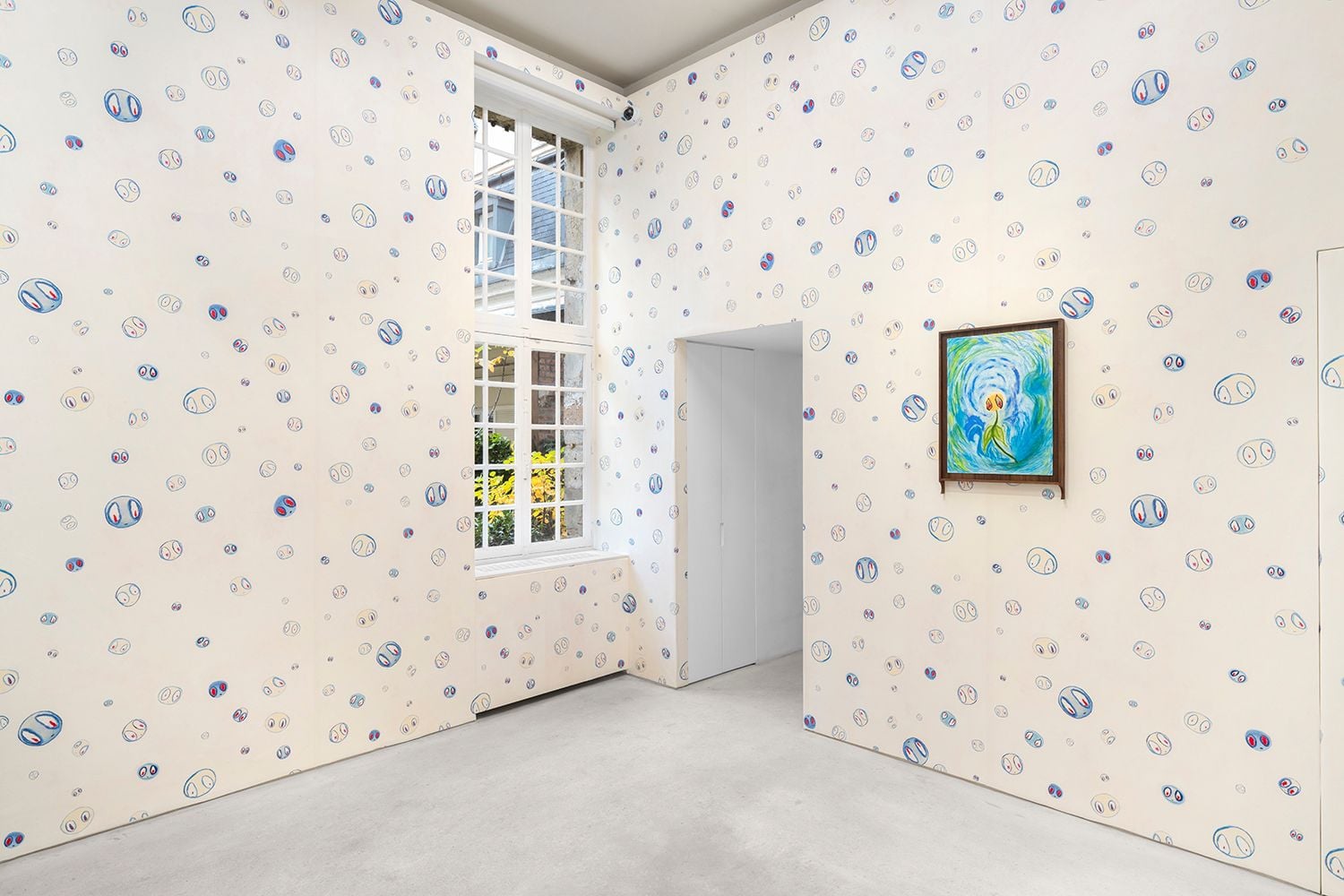
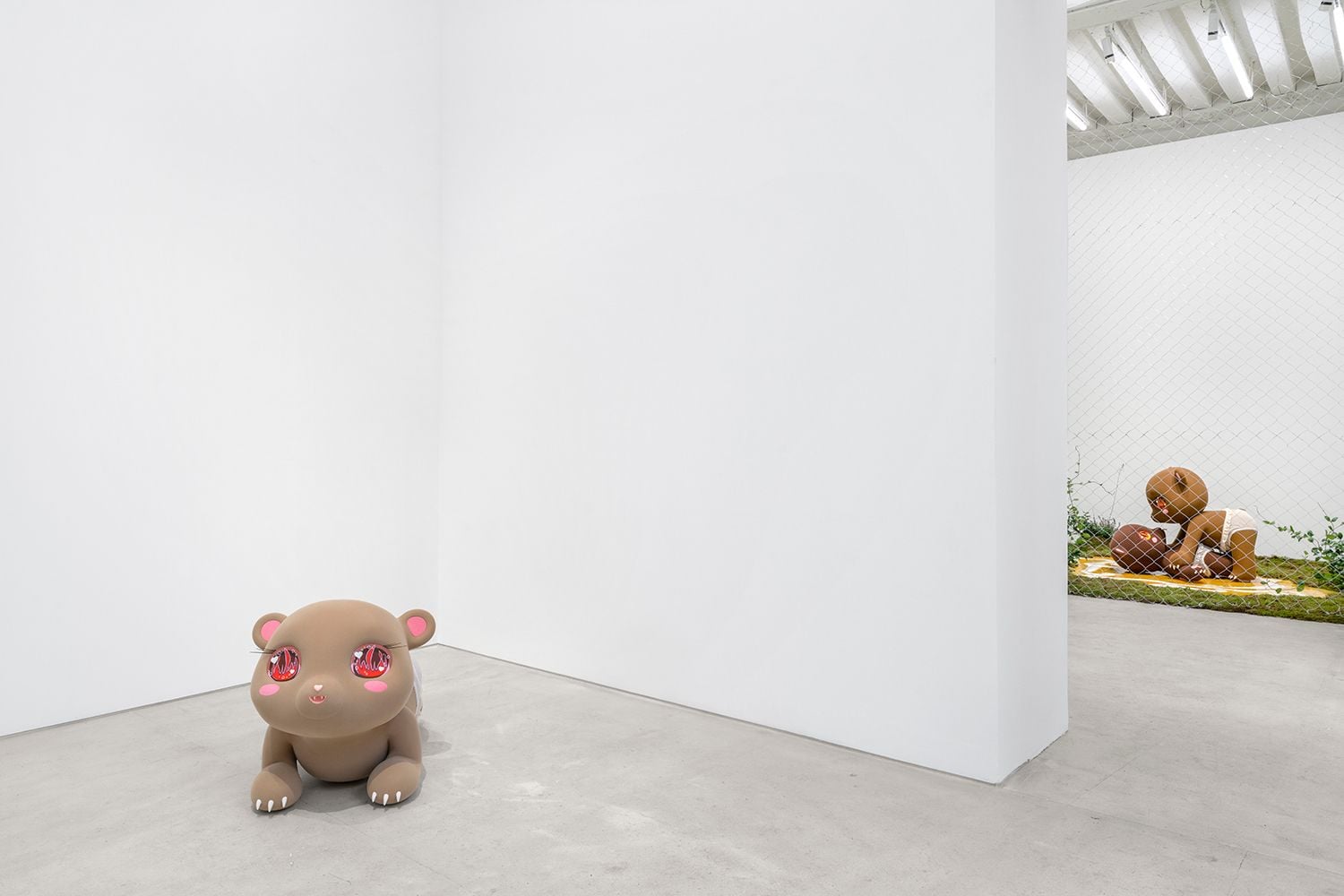
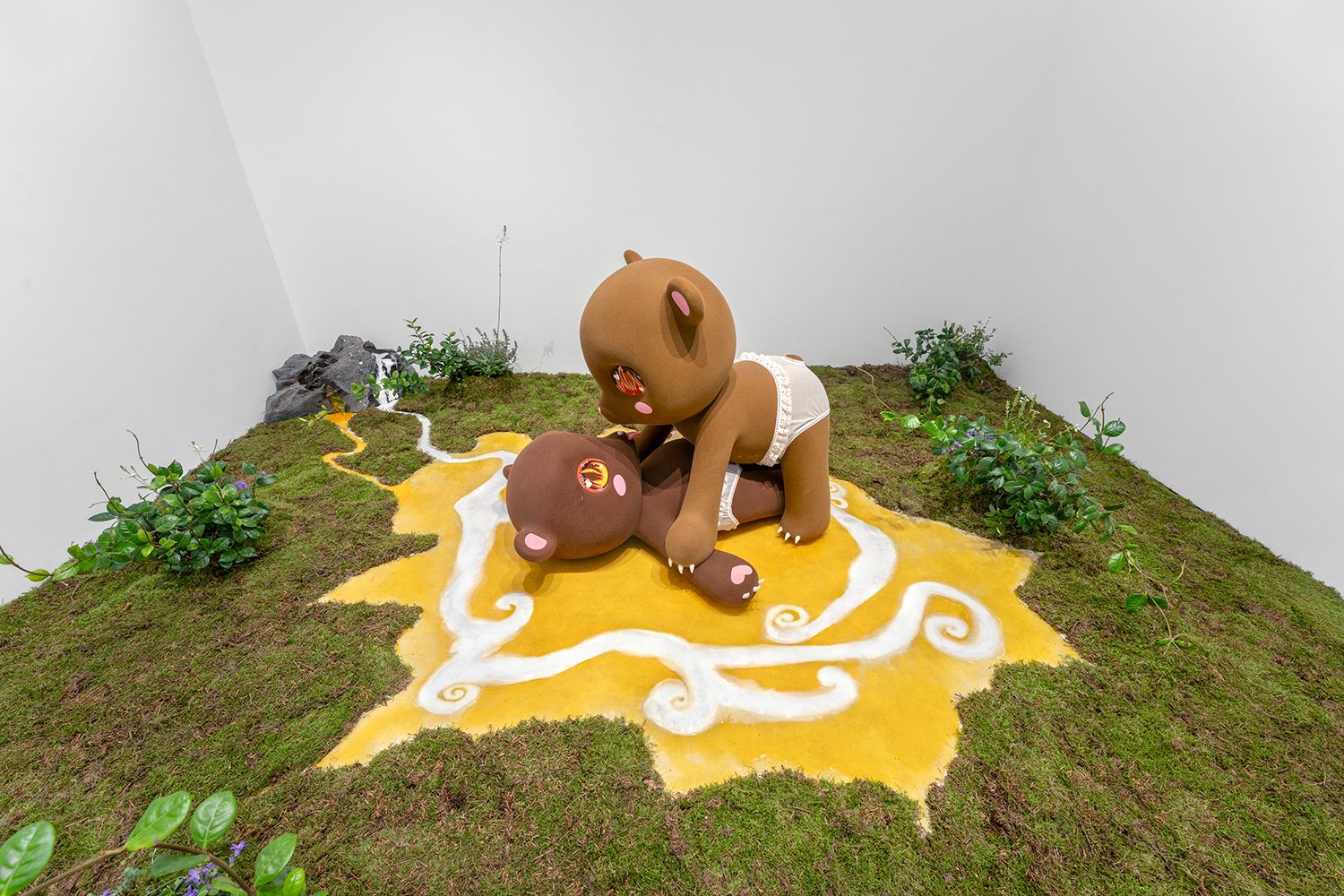
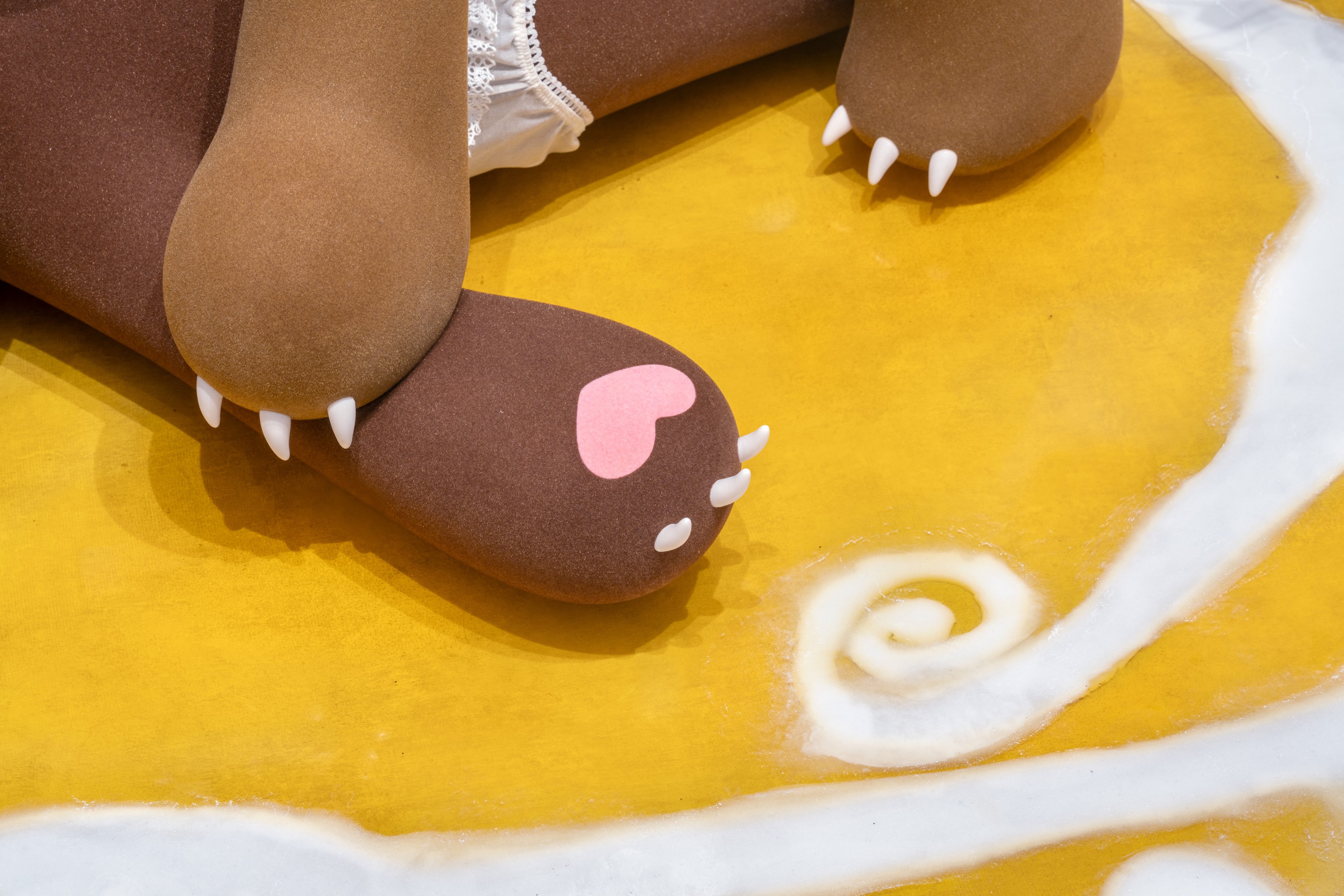
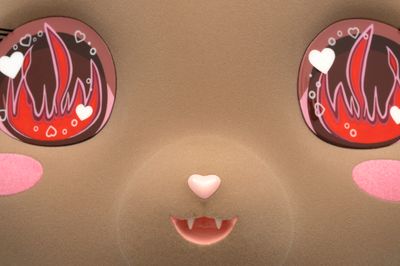
U.S. artist Precious Okoyomon’s first solo show at Mendes Wood’s Paris space also crosses the uneasy border between child’s play and discomfort. It’s important to have ur fangs out at the end of the world brings together wallpaper, dioramas, and sculptures that flit between the erotic and the kawaii. Stylised toy bears with fiery red eyes reveal their anuses to the viewer through frilly panties, a little ‘X’ marking the spot and forcing attention upon their unashamed eroticism as they engage in sex play. The exhibition conjures another world, and a narrative space where fluid identities and sexualities can run wild. The exhibition touches on trauma and horror, sensitivity and openness—all co-existing in a fantastical, pastoral painted landscape.
Paris’ week of fairs comes hot on the heels of London’s Frieze and now sandwiched before Turin’s Artissima. Fair fatigue with it bringing its own sense of exhaustion. While, on the opening days of the Paris fairs, the mood remained buoyant in the face of reports of a struggling art market, galleries undoubtedly choose to play it safe, with painted products and canvases offering a straightforward sale, and with fewer artists of colour immediately visible than in previous years. The in-your-face resilience of the artists who have chosen to embrace a ruder, messier, monstrous offering is a refreshing and much-needed reminder of the stakes involved in the refusal to conform. These artists also remind us of the importance of humour even at the darkest of times.
Their works echo artists of the past, such as Ken Kagami, Mike Kelley, and Sue De Beer, who used pop and horror references equally. They exorcise the horrors of the now—from political and social repression to war, everyday violence, and racism, at once fuelled by and set in horrifying relief by the infinite doomscroll—remaking them into game-like narrative spaces. In these warped halls of mirrors, our contemporary fears can be expressed and perhaps abated for a while. —[O]
Main image: Monster Chetwynd, Zuul (2025) (detail). Paper, fabric, cardboard, acrylic, latex, print, 4K HD digital video, sound. Objects approx. 75 × 220 × 95 cm; print dimensions variable. Courtesy the artist and Galerie Gregor Staiger, Zurich/Milan. Photo: Sebastiano Pellion di Persano.





A respected voice in contemporary art discourse.
Focusing on ambitious storytelling and insightful art-world commentary. Ocula Magazine publishes in-depth interviews, critical essays and timely analysis on the artists, exhibitions and ideas driving the global art world.
Learn more about Ocula Magazine
Showcasing the best of the art world.
Ocula partners with galleries from around the world to highlight their artists, artworks and exhibitions. Gallery membership is by application and invitation, with each member vetted by an independent panel.
Learn more about Ocula Membership
Specialises in the sale of major artworks.
Led by a team with deep ties to the world’s leading auction houses, galleries and collectors. Ocula’s advisory team offers bespoke services to high-net-worth clients from around the world who are looking to acquire the best of contemporary and modern art.
Learn more about our team and services