






The second largest city in South Korea, with a population of 3.6 million, Busan is a thriving metropolis situated at the south eastern end of the Korean peninsula. As a port city, Busan has a rich history of cultural exchange and is nationally acknowledged for its regional cuisine and diverse scenery. Reflecting its motto, 'Dynamic Busan', the city is straddled by deep mountains, rivers and seas, and has been receiving increasing international attention as a tourist destination. On top of that, the burgeoning film industry which hosts the annual Busan International Film Festival (BIFF)—by far the most significant film festival in Asia—has catapulted the region into cultural relevance in the past 20 years. Although South Korean myself, I had never visited the region before, so in conjunction with Art Busan 2016, I went to see what this vibrant coastal city had to offer. Here is a summary of some of the May highlights from Busan.
Art Busan 2016, BEXCO Exhibition Hall 1
20 – 23 May, 2016
With over 190 participating galleries from 19 countries, Art Busan has grown into the leading art fair in South Korea. In its fifth edition, there were many additions that set the fair apart from previous years. Other than the obvious growth in the number of participating galleries, Art Busan 2016 launched a series of special exhibitions with visitor engagement in mind.
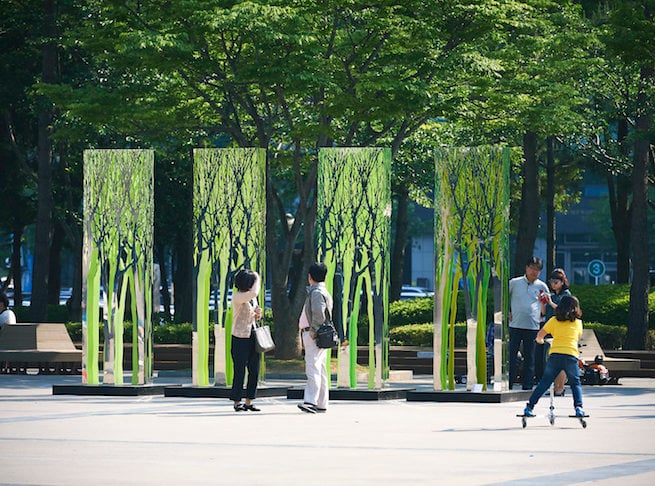
Reinterpretation of Visibility
Commemorating the 130th anniversary of diplomatic relations between France and Korea, the exhibition presented works by four French contemporary artists, Gael Davrinche, Michel Duport, Jean-Marie Haessle and Timothee Talard. Intended to introduce Korean audiences to relevant contemporary artists in France, the selection criteria remained undisclosed. With some of the participating galleries like Baudoin Lebon and Kips Gallery showing a wider, and dare I say, better selection of works by Michel Duport and Jean-Marie Haessle, the overall outcome of the ‘special exhibition’ seemed a little in vain.
In partnership with Busan Museum of Art, the exhibition continues at the museum until early July.
Art Accent: Constructed Monument to the Lives
Curated by Kim Seong-youn, director and founder of Bandee, a not-for-profit art space in Busan, Art Accent, brought together installation works by Busan-based artists. The curatorial focus was on local artists investigating themes of the everyday through installations and spatial mediations. Works by multiple artists were hung atop and around a temporary scaffolding, a curatorial detail which produced a pyre-like shrine at the centre of the exhibition. Works like Yang Jazoo’s Variation no.1.3, 2015 employs construction materials like brick, wood and cinder blocks. The works highlights the foundational nature of its materials and their role as the literal ‘building blocks’ of infrastructure, as well as drawing out associations with junkyards and general waste, thereby questioning the cultural value of such materials.
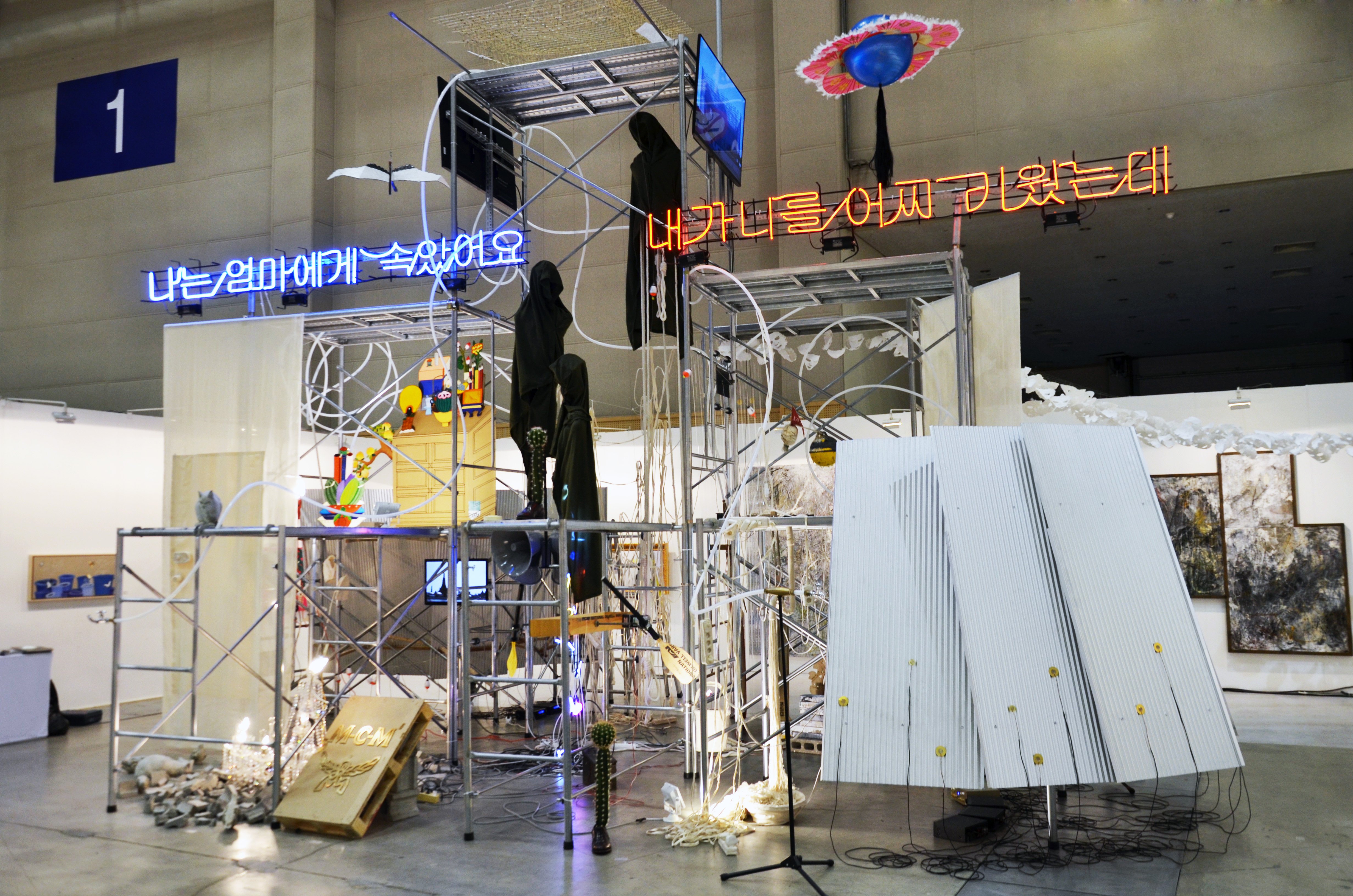
In Lee Kwang Kee’s neon works, 나는 엄마에게 속았어요, 2010 and 내가 니를 어찌 키웠는데, 2010, the unique relationship between mother and child are examined. Loosely translated, the blue neon work, ‘my mother deceived me,’ rouses familiar feelings of shock and betrayal upon a revelation of duplicity. The nature of the deception is purposefully left ambiguous, perhaps for the reader to inject memories of personal grievances with their own mother. The deceived is subsequently chastised by ‘mother’ who cries, ‘after all I have done for you,’ which immediately follows in deep red neon. Recognisable by many for the frequency in which it is uttered by mothers during disagreements, ‘after all I have done for you’ wholly encapsulates the emotional conflict between mother and child, referring to a mother’s endless sacrifices as the ultimate ‘check-mate’ which trumps all.
The Celebrity
The monthly publication produced by Design House, Inc., described as ‘the magazine of celebs, for celebs, and by celebs,’1 was invited to curate a special exhibition project. No further information was provided other than a short blurb making vague references to the role of the celebrity and their public influence. However, some of the featured works by Jang Seunghyo for the special project, were by far the most visually striking at the fair. Under the moniker Sho Jang, the artist produces collaborative works which bring together diverse creative industries like fashion, music, design, architecture, food and film for his on-going project, Col.l.age+ which has been presented previously at Art Paris 2016 and New York Fashion Week 2015.
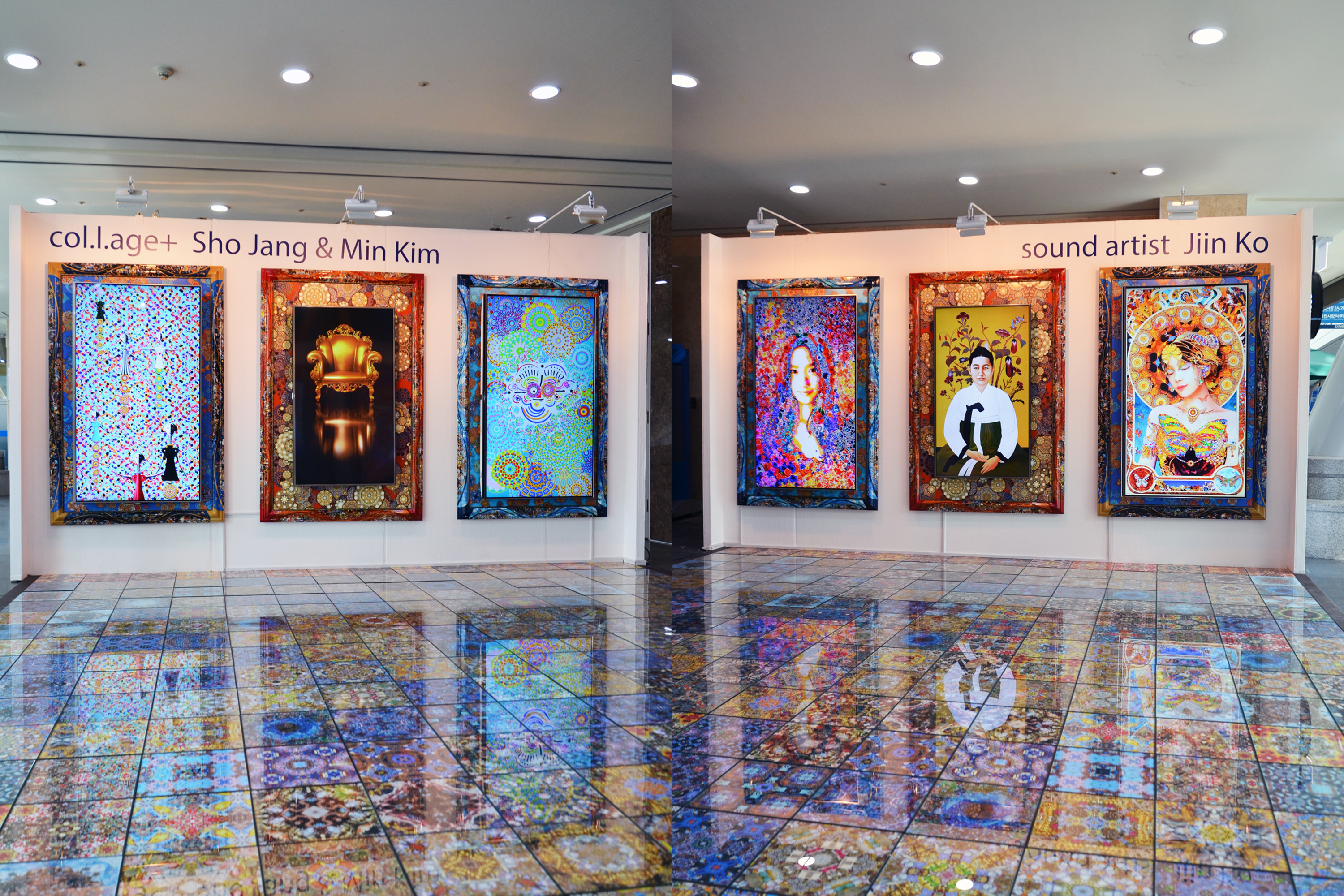
Works like Art Blossom, 2016, digitally fused together tiny fragments of lustrous visual patterns reminiscent of gilded Byzantium mosaics with glass and gold-leaf tesserae. Forming the backdrop to the main imagery—a rotating digital projection of iconic figures in Korean culture on continuous loop—the ‘action-collages’ as they are referred to by the artist, certainly captivated and delighted many at the fair. Less decipherable was the selection of cultural figures embellished in virtual jewels, like Sejong the Great, the fourth Joseon-dynasty king and creator of hangul (the Korean alphabet), and an avid patron of scientific research; Shin Saimdang, noted poet, calligraphist and mother of famed Confucian scholar, Yulgok; and Son Dam-bi, K-pop singer and model, among others. While Sejong the Great and Shin Saimdang are undoubtedly revered figures in Korean history, the inclusion of K-pop superstars in comparison seemed implausible, yet not exactly out of place. As a nation that seriously invests in its cultural exports,2 or Hallyu (Korean Wave), as it’s referred to, the public fixation on celebrity appears to be more than a cultural obsession and is perhaps a collective marker of a quest for global relevance.
PRESENT at Johyun Gallery
29 April – 12 June, 2016
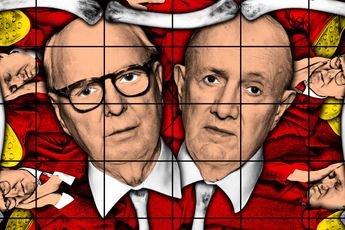
Rita Ackermann, Hernan Bas, Elad Lassry, Mel Bochner, Gilbert & George, Bharti Kher, Zheng Jiang
Located at the top of Dalmaji Hill, a historically affluent residential area overlooking the sea, Johyun Gallery carries an elegant, yet unassuming presence. Established in 1990, the gallery moved to its current converted-villa space in 2007. While Busan has always had a rich history of cultural exchange as the largest port city in South Korea, Haeundae as an area has recently gained momentum as a pivotal place for contemporary art. Fifteen years ago, the area was transformed into a vibrant art centre with art world giants like Gana Art and Seoul Auction establishing a secondary space in Haeundae.

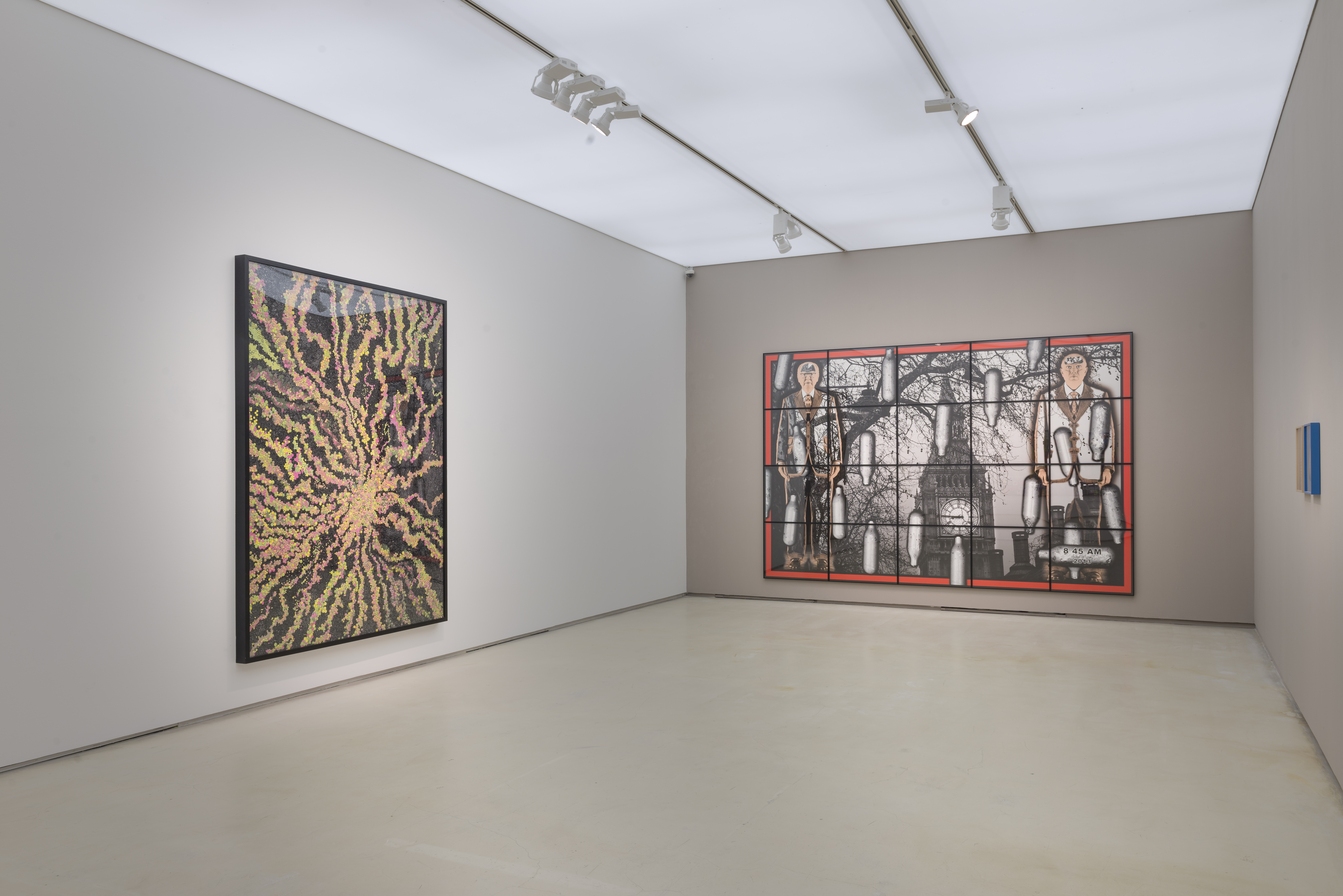
The seemingly random grouping of artists in the exhibition is explained after speaking to Minyoung Joo, Director of Johyun Gallery. PRESENT is part of an annual exhibition series entitled, Collection, which began in 2008 with the objective of introducing the work of internationally recognised contemporary artists to Korean audiences. Every year, the directors of Johyun Gallery tour leading galleries and institutions around the globe to acquire representative works by current important figures in contemporary art. Motivated by the desire to build a contemporary art collection of relevance to share with the public, the intention is hardly commercial, and with a history of working with established galleries such as Hauser & Wirth, the collection to date, is of significant cultural value.

Upstairs on the second and third floors, subsequent viewing rooms house the gallery’s fine collection of Park Seo-Bo, Jean-Michel Othoniel and Kim Chong-Hak. Respectively retaining the remnants of the building’s domestic past, the collection is effortlessly displayed in the manner of a residential interior. Standing on the balcony of the third floor, an uninterrupted view of the Yellow Sea stretches out to a silhouette of an island. Unsurprisingly, it isn’t too difficult to see why the area has gained popularity with galleries. Of them all, Johyun Gallery seems to be a space that arouses quiet contemplation, and should be on your must-visit list when in Busan.
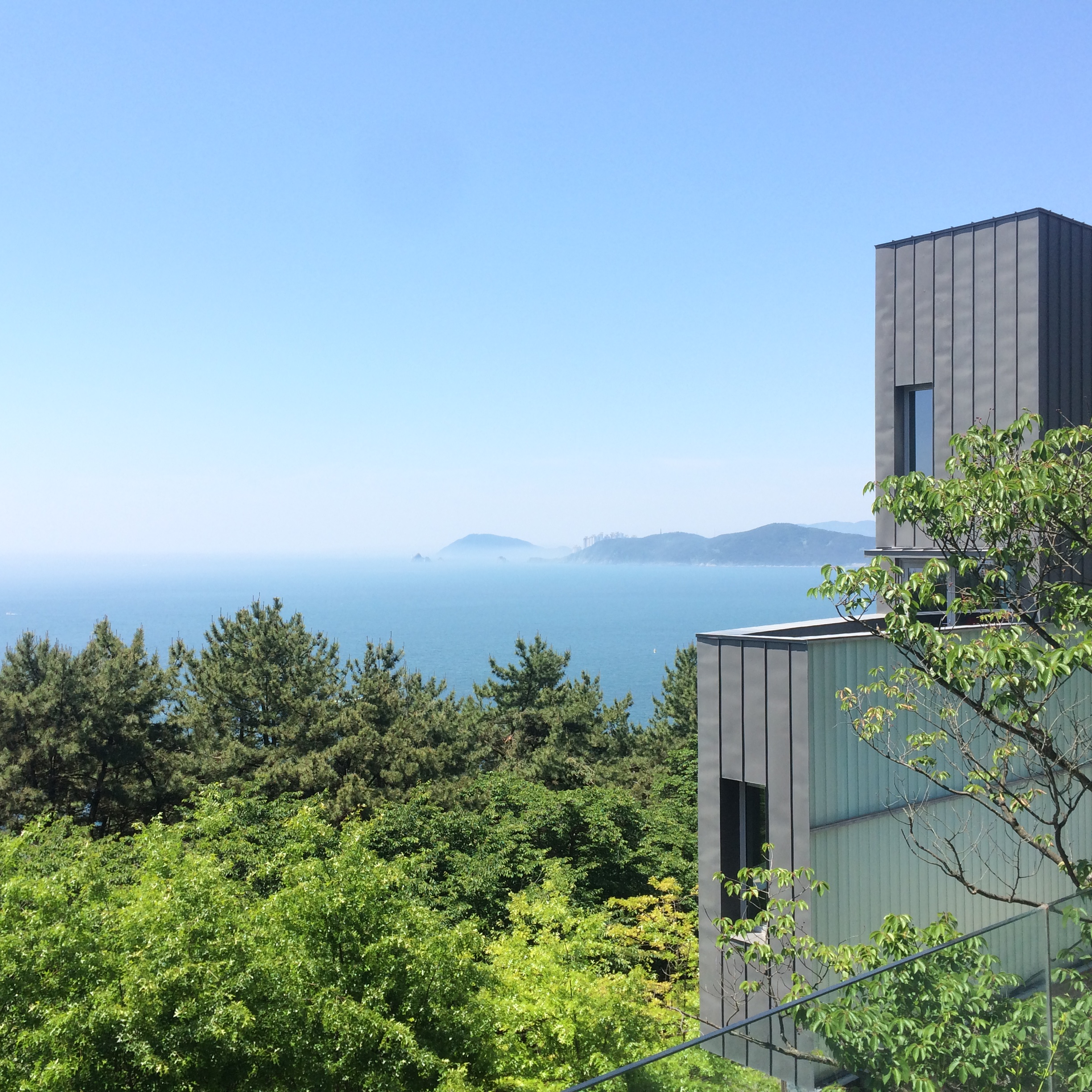
Space Lee Ufan, Busan Museum of Art
A ‘total space’ dedicated to the work of the artist, Space Lee Ufan was opened a little over a year ago as an annex to the Busan Museum of Art in Busan, South Korea. For the gallery, Lee Ufan oversaw all manner of planning and development ranging from architectural details to installation processes, including even the sizing and placement of wall texts.
With just one passageway leading through the exhibition spaces, the visitor’s experience of the works is spatially mediated by the artist. In one gallery space is a monumental installation, Relatum-Narrow Gate, 2015. Supplemented only by a bed of gravel, two massive iron plates stand strong and wide, stretched out like arms, leaving only a small opening guarded by large boulders on either side. Two additional iron plates lie vertically flat in the centre, forming a path for visitors to walk through the ‘narrow gate’ and discover what lies beyond the installation. The overall form of the installation calls to mind the museum-practice of displaying gon ryong po, traditional royal garments, with its arms stretched out to form a ‘T.’
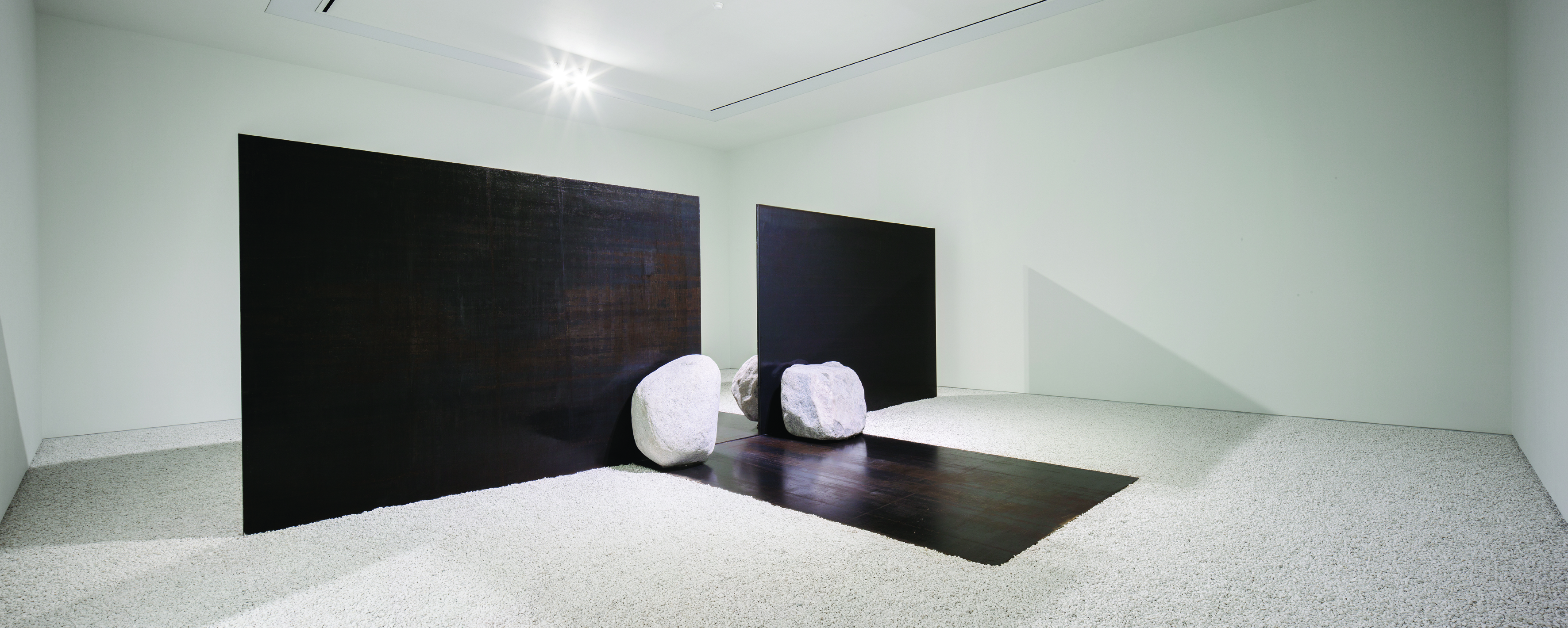
In another space is Dialogue-excavation, 2015, an installation that transforms the ground into a canvas on which the artist directly paints. As with Relatum-Narrow Gate, the space is lined entirely with gravel, bar the rectangle of dirt which acts as a canvas in the centre, as well as a subsequent small square in the corner. While the gradient of peach hues embedded in the dirt-canvas is the most obvious feature of the work, subtle lines, swirls and patterns inscribed in the dirt breathes life and movement to the installation, by way of their unfixed nature. Monochromatic shades of grey simultaneously dot the wall and disappear within it.

Lee Ufan’s quiet mediation of space and the overall environment in these installation works relate to the concept of yohaku, which he has discussed extensively in the past. Loosely translated as ‘margin,’ the term technically refers to the negative space in classical Korean painting, viewed as essential compositional features that gave order and balance to the painted subject. Lee’s conception of the word emphasises the relational aspects, in the dialogue that occurs between subject, object and space, so entrenched in his practice.
Chun Kwang Young: A Retrospective
Wooyang Museum of Contemporary Art, Gyeongju
On view until 30 September, 2016
Chun Kwang Young: A Retrospective surveys the artist’s career which spans over four decades. Part of the Wooyang Artist Series, celebrating artists who have contributed to the international advancement of Korean contemporary art, the exhibition features over 60 works by the artist, including large-scale installations as well as his signature hanji works. Also on view are eight abstract expressionist works the artist produced in the 1960s during his tenure in the United States, all of which have never been exhibited before. Located in Gyeongju, the historical capital of the Silla dynasty, the city is home to 35 royal tombs. An hour and half north of Busan, the region is a popular destination for those interested in the cultural history and architecture of the Silla kingdom, with many palaces and royal residences still standing, and is well worth the visit. —[O]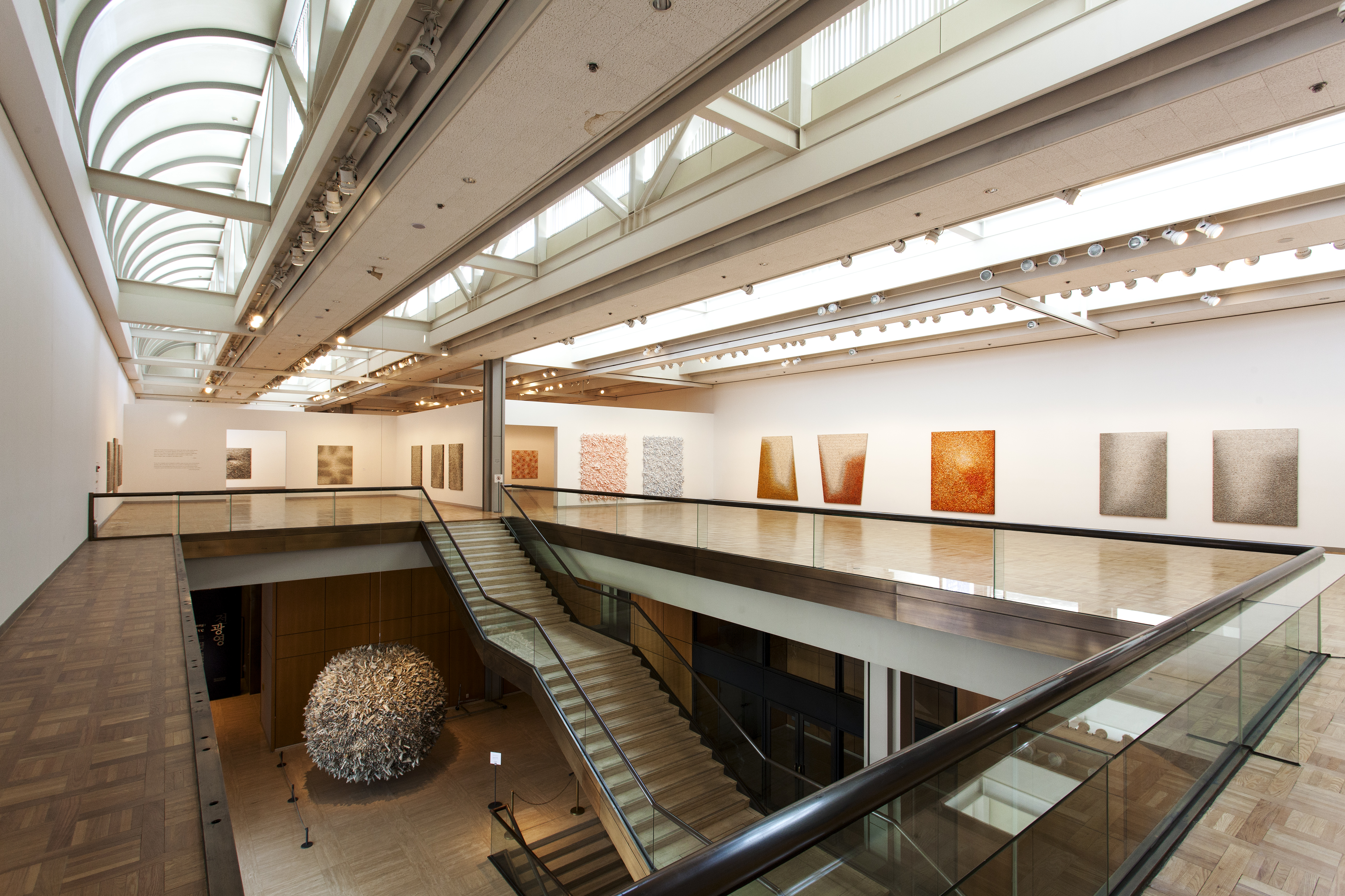
1. Art Busan 2016 fair catalogue. Artshow Busan Association, Inc. p. 283.
2. The Korea Trade-Investment Promotion Agency (KOTRA) estimated Hallyu exports in 2014 at $US 6.16 billion, making it one of South Korea’s biggest exports.
Main image: Space Lee Ufan, panorama view. Courtesy Busan Museum of Art. Photo: Park Myungrae.




A respected voice in contemporary art discourse.
Focusing on ambitious storytelling and insightful art-world commentary. Ocula Magazine publishes in-depth interviews, critical essays and timely analysis on the artists, exhibitions and ideas driving the global art world.
Learn more about Ocula Magazine
Showcasing the best of the art world.
Ocula partners with galleries from around the world to highlight their artists, artworks and exhibitions. Gallery membership is by application and invitation, with each member vetted by an independent panel.
Learn more about Ocula Membership
Specialises in the sale of major artworks.
Led by a team with deep ties to the world’s leading auction houses, galleries and collectors. Ocula’s advisory team offers bespoke services to high-net-worth clients from around the world who are looking to acquire the best of contemporary and modern art.
Learn more about our team and services